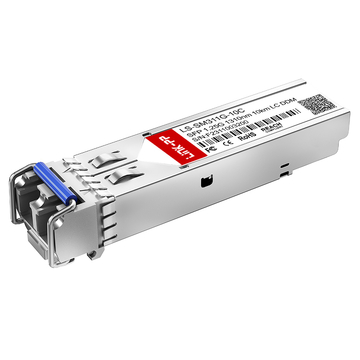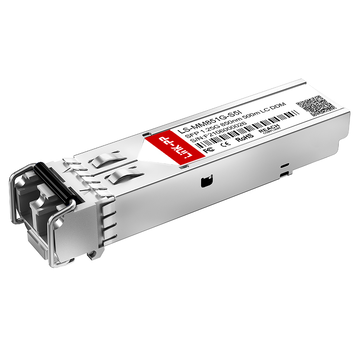
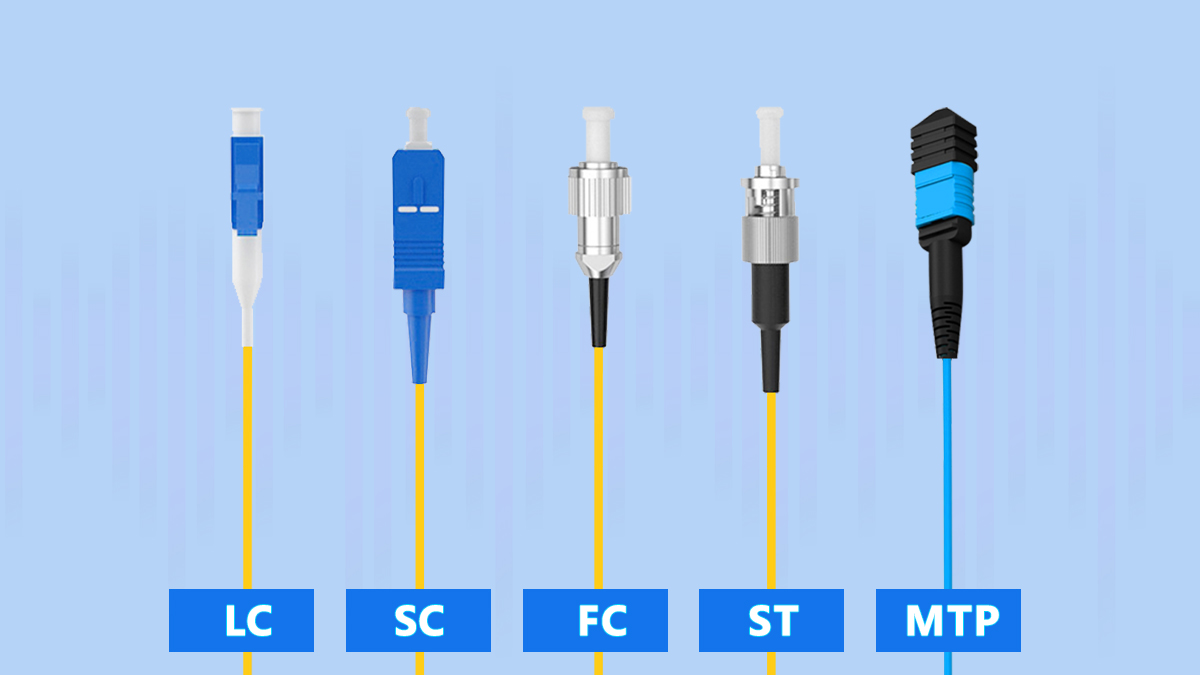
Most SFP fiber optic modules use LC connectors, while SC connectors are mainly found in legacy networks and MPO/MTP connectors are used for high-density cabling rather than directly on standard SFP modules.
This connector landscape reflects how modern SFP deployments prioritize port density and compatibility, while still accommodating older fiber infrastructure and scalable backbone designs.
Although SFP modules share a standardized form factor, the connector type determines how the module physically interfaces with fiber, influencing patch cable selection, fiber management, and future scalability. A mismatch at the connector level often results in adapters, additional insertion loss, and increased operational complexity.
Understanding SFP connector type therefore means knowing when LC is the default choice, how SC fits into existing installations, and how MPO/MTP supports structured, high-density fiber architectures. This clarity helps ensure correct deployment decisions and smoother network expansion.
🎯What Are Fiber Optic Connectors in SFP Modules?
Fiber optic connectors in SFP modules are the physical interfaces that connect the transceiver to fiber patch cables, enabling optical signal transmission between network devices. They do not define speed, distance, or protocol, but they determine how light enters and exits the SFP module and which fiber infrastructure can be used.
From an architectural perspective, the connector is the last physical link between the optical transceiver and the fiber network. Even when two SFP modules are fully compatible at the electrical and optical level, a connector mismatch can prevent them from being connected without adapters.
Connector Type vs SFP Transceiver Type
Connector type and SFP transceiver type describe different layers of the same module and should not be confused.
The SFP type defines how the module transmits data, while the connector defines how the fiber physically connects.
| Layer | Defined By | What It Affects |
|---|---|---|
| Transceiver type | Optical standard (e.g., SR, LR) | Speed, wavelength, distance |
| Connector type | Physical interface (LC, SC, MPO) | Fiber compatibility and cabling |
This distinction explains why multiple SFP modules with identical performance characteristics may still require different patch cables in real deployments.
How Connectors Function Inside an SFP Module
Inside an SFP module, the connector aligns the fiber core with the optical transmitter and receiver to ensure precise light coupling.
Small variations in alignment or cleanliness can affect insertion loss and signal quality, which is why connector standards are tightly controlled.
At a functional level, the connector must:
-
Maintain precise fiber-to-laser alignment
-
Minimize insertion and return loss
-
Allow repeated insertion and removal without degrading performance
These requirements are especially important in high-density environments where frequent re-cabling is common.
The Relationship Between SFP Connectors and Fiber Patch Cables
SFP connector types must match the connector type of the fiber patch cable or be bridged using adapters.
In most modern networks, this means LC-to-LC connections, but other combinations exist depending on infrastructure design.
Common scenarios include:
-
LC SFP modules connected using LC-LC patch cords
-
SC-based legacy cabling connected to LC SFPs via LC–SC adapters
-
MPO/MTP trunk cables interfacing with SFP ports through breakout assemblies
Understanding this relationship helps avoid unnecessary adapters, reduces optical loss, and simplifies long-term fiber management.
🎯Why Connector Types Matter in SFP Applications
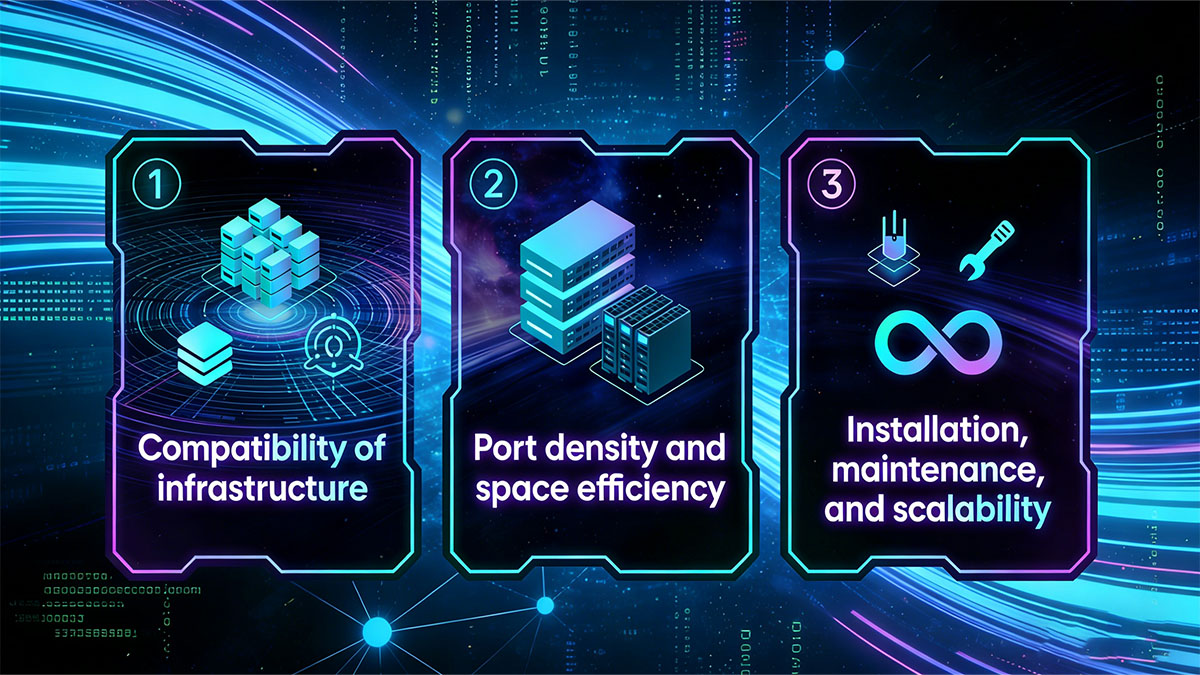
SFP connector types directly affect network compatibility, port density, and long-term scalability, even though they do not change transmission speed or distance. In real deployments, connector choice often determines whether an optical module can be integrated seamlessly into existing fiber infrastructure or introduces additional cost and complexity.
Rather than being a minor physical detail, the connector type influences how efficiently fiber resources are used and how easily networks can evolve.
Connector Types and Fiber Infrastructure Compatibility
Connector compatibility determines whether SFP modules can be deployed without adapters or re-cabling.
Most modern SFP modules use LC connectors, while older networks may still rely on SC-based cabling or MPO/MTP trunk architectures.
| Connector Type | Typical Fiber Interface | Infrastructure Impact |
|---|---|---|
| LC | Duplex single-mode or multimode | Native compatibility in modern networks |
| SC | Duplex single-mode or multimode | Requires adapters with LC-based SFPs |
| MPO/MTP | Multi-fiber ribbon cables | Needs breakout solutions for SFP ports |
Using mismatched connector types increases insertion loss and adds operational steps during installation and troubleshooting.
Impact on Port Density and Space Efficiency
Connector size directly affects how many SFP ports can be supported in a given physical space.
This is one of the main reasons LC connectors became the industry standard for SFP modules.
| Connector Type | Relative Size | Port Density Impact |
|---|---|---|
| LC | Small form factor | Enables high-density SFP ports |
| SC | Large form factor | Limits panel and port density |
| MPO/MTP | Multi-fiber | Optimized for trunk density, not individual SFP ports |
In data centers and enterprise environments, higher port density translates to better rack utilization and lower infrastructure cost per port.
Installation, Maintenance, and Operational Complexity
Connector choice influences how easy it is to install, clean, and maintain SFP-based fiber links.
Smaller connectors improve density but require higher handling precision, while larger connectors are easier to manipulate but consume more space.
Operational considerations include:
-
Cleaning and inspection frequency in high-density LC environments
-
Adapter management when mixing SC and LC connectors
-
Breakout and polarity management when using MPO/MTP trunks
These factors become increasingly important as networks scale and change over time.
Long-Term Scalability and Network Evolution
Standardizing on the right connector type simplifies future upgrades and network expansion.
Most modern SFP ecosystems are designed around LC connectors, with MPO/MTP used at the cabling layer to support high-density backbones.
From a planning perspective:
-
LC supports smooth upgrades from SFP to SFP+ and SFP28
-
SC is best confined to legacy segments
-
MPO/MTP enables scalable backbone design while still feeding LC-based SFP ports
Choosing connector types with future growth in mind reduces rework and protects infrastructure investment.
🎯Common SFP Fiber Optic Connector Types
SFP transceivers are most commonly associated with LC connectors, while SC and MPO/MTP connectors are used to support legacy systems or high-density fiber architectures.
Each connector type serves a distinct role in network design, and understanding these roles helps avoid incorrect cabling choices and unnecessary complexity.
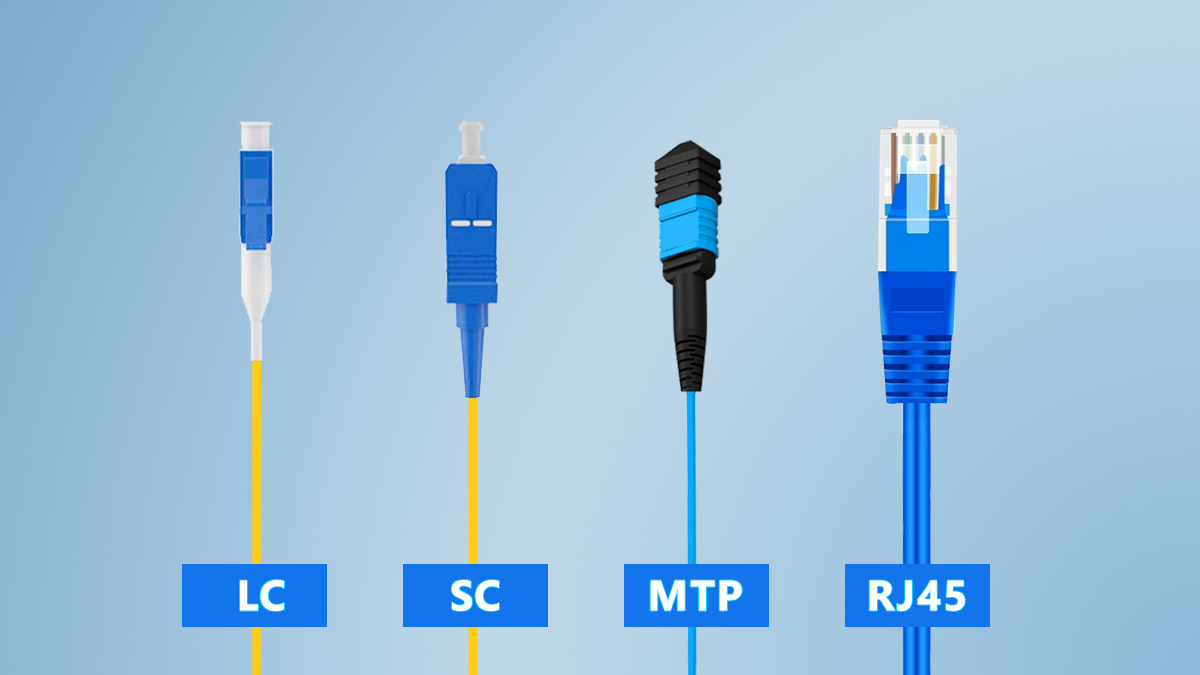
LC Connector (The Standard Connector for SFP Modules)
LC is the default and most widely used fiber optic connector for SFP modules due to its small size and broad compatibility.
It is designed specifically to support high port density without compromising optical performance.
| Attribute | LC Connector |
|---|---|
| Form factor | Small, duplex |
| Fiber support | Single-mode and multimode |
| Typical usage | Data centers, enterprise networks |
The compact design of LC connectors allows switches and patch panels to support a higher number of SFP ports per rack unit. This is why LC has become the industry standard across SFP, SFP+, and SFP28 ecosystems.
SC Connector (Legacy Connector in SFP Environments)
SC connectors are larger duplex connectors mainly found in legacy fiber installations rather than modern SFP modules.
While technically compatible with fiber optics used by SFPs, SC connectors are rarely integrated directly into current SFP hardware designs.
| Attribute | SC Connector |
|---|---|
| Form factor | Large, duplex |
| Fiber support | Single-mode and multimode |
| Typical usage | Legacy telecom and enterprise networks |
In practice, SC connectors are usually encountered on existing fiber patch panels. When deploying LC-based SFP modules in these environments, LC-to-SC patch cords or adapters are required.
MPO / MTP Connectors (High-Density Multi-Fiber Interfaces)
MPO/MTP connectors are multi-fiber connectors used in high-density cabling systems rather than as direct interfaces on standard SFP modules.
They are designed to carry multiple fibers within a single connector, making them ideal for backbone and trunk cabling.
| Attribute | MPO / MTP |
|---|---|
| Fiber count | 8, 12, or more fibers |
| Connection type | Multi-fiber ribbon |
| Typical usage | Backbone and trunk cabling |
In SFP deployments, MPO/MTP connectors are commonly used with breakout cables that split a single MPO/MTP trunk into multiple LC duplex connections. This approach supports scalable infrastructure while maintaining LC interfaces at the SFP port level.
RJ45 (Copper Interface, Not a Fiber Connector)
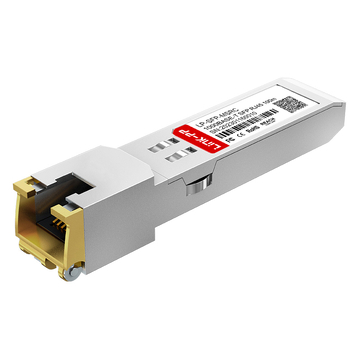
RJ45 is not a fiber optic connector but appears in discussions because of copper SFP modules.
It is used with 1000BASE-T SFP that transmit electrical signals over twisted-pair copper cables.
| Attribute | RJ45 |
|---|---|
| Medium | Copper (not fiber) |
| Typical speed | 1G Ethernet |
| Common use | Short-distance LAN connections |
RJ45 should be clearly distinguished from fiber connector types to prevent design errors when selecting SFP modules and cabling.
Key Takeaway for Connector Selection
LC connectors dominate SFP deployments, while SC and MPO/MTP support specific legacy or high-density infrastructure needs.
Most modern networks standardize on LC at the SFP interface and use MPO/MTP only at the cabling layer to improve scalability.
🎯Are There Other Fiber Connector Types Used with SFP?
Yes, a few other fiber connector types exist in networks, but they are rarely used directly with modern SFP modules and are typically limited to legacy or specialized environments. In current SFP-based deployments, LC dominates at the module interface, while other connectors appear mainly on older fiber infrastructure or niche systems.
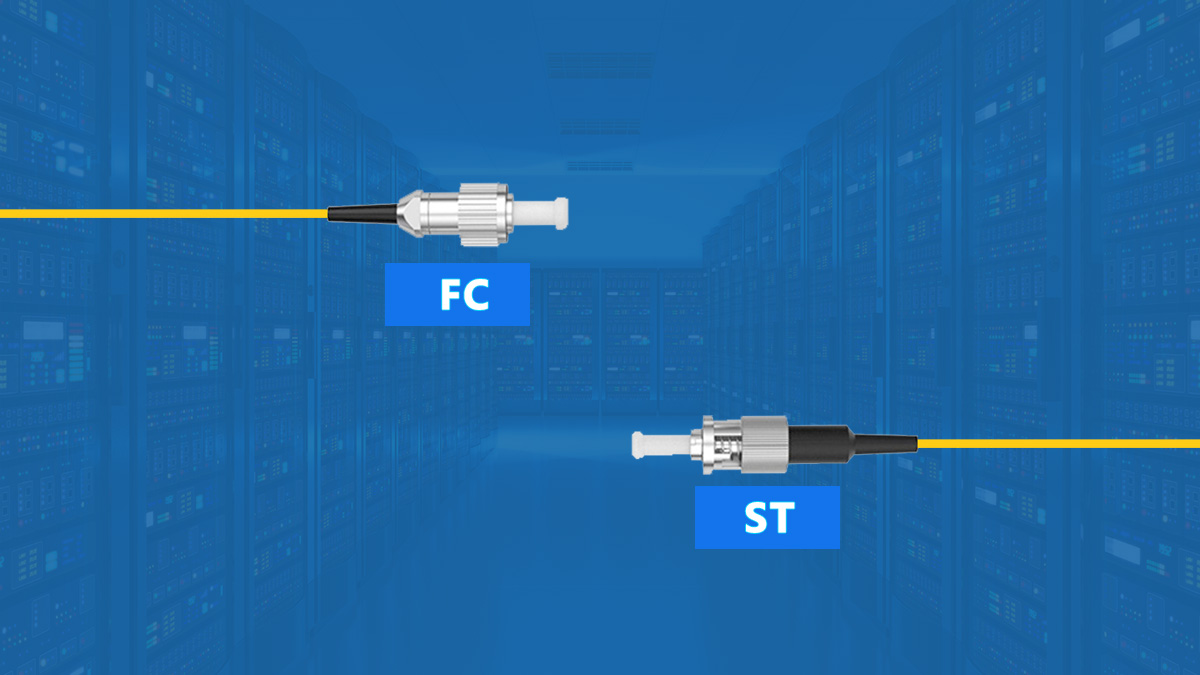
FC Connectors (Legacy, Screw-On Design)
FC connectors are primarily found in older single-mode fiber networks and precision optical applications, not in modern SFP interfaces.
Their threaded, screw-on mechanism provides stable alignment but makes them impractical for high-density or frequently reconfigured environments.
| Attribute | FC Connector |
|---|---|
| Locking method | Threaded (screw-on) |
| Typical fiber | Single-mode fiber |
| Common usage | Legacy telecom, test equipment |
In SFP deployments, FC connectors are usually encountered on existing patch panels and are connected to LC-based SFP modules using adapter cables.
ST Connectors (Bayonet-Style, Mostly Obsolete)
ST connectors use a bayonet-style locking mechanism and are largely obsolete in modern Ethernet and data center networks.
They were common in early multimode fiber installations but do not support today’s density or operational requirements.
| Attribute | ST Connector |
|---|---|
| Locking method | Bayonet |
| Typical fiber | Multimode fiber |
| Common usage | Early LAN and campus networks |
Like FC connectors, ST connectors are rarely integrated into SFP hardware and are typically supported only through legacy cabling or adapters.
Why These Connector Types Are Rare in Modern SFP Networks
FC and ST connectors persist mainly because fiber infrastructure has a long lifespan, not because they are technically preferred today.
Modern SFP ecosystems prioritize connector types that support:
-
High port density
-
Fast installation and replacement
-
Standardized cabling practices
LC and MPO/MTP connectors meet these requirements far better than FC or ST, which is why they are favored in new deployments.
Practical Guidance for Network Design
If FC or ST connectors appear in an SFP-based network, they should be treated as legacy interfaces rather than design targets.
The most practical approach is to preserve them at the cabling layer and transition to LC-based SFP modules using appropriate adapter solutions.
🎯Single-Mode vs Multimode: Do Connector Types Differ?
Connector types do not inherently differ between single-mode and multimode SFP modules—the same connector can be used for both fiber types. What changes between single-mode and multimode deployments is the fiber itself and the optical characteristics, not the physical connector design.
This distinction is critical, as connector type is often incorrectly assumed to determine fiber mode.
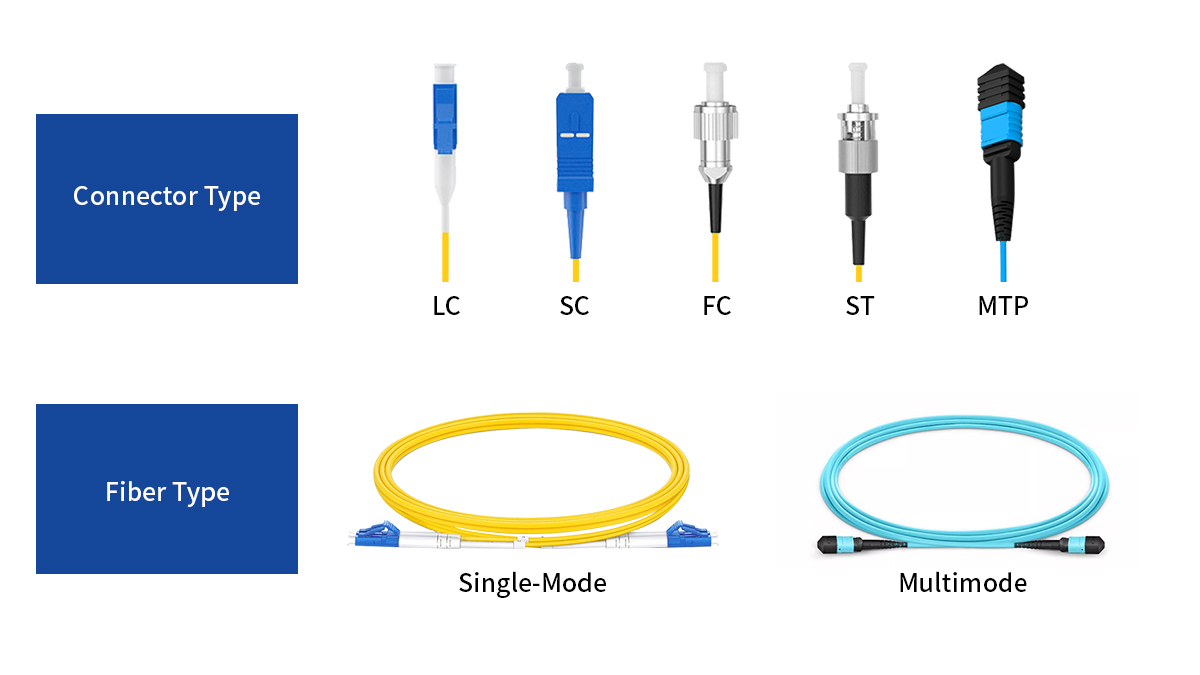
Connector Type vs Fiber Type: A Common Misconception
Fiber mode is defined by the fiber core size and optical properties, not by the connector type.
LC, SC, and MPO/MTP connectors can all be used with either single-mode or multimode fibers.
| Aspect | Single-Mode Fiber | Multimode Fiber |
|---|---|---|
| Core size | ~9 µm | 50 / 62.5 µm |
| Typical wavelength | 1310nm / 1550nm | 850nm / 1310nm |
| Common connectors | LC, SC, MPO/MTP | LC, SC, MPO/MTP |
The connector only provides physical alignment; it does not change how light propagates through the fiber.
Why LC Works for Both Single-Mode and Multimode SFPs
LC connectors are designed to align fiber cores precisely, regardless of core size.
This allows the same LC connector format to be used across different fiber types without modification.
From a deployment perspective, this means:
-
LC-LC patch cords are available for both SMF and MMF
-
The same SFP cage design supports multiple optical standards
-
Connector standardization simplifies inventory and maintenance
The critical requirement is ensuring that the fiber type matches the SFP optical specification, not the connector.
MPO/MTP in Single-Mode and Multimode Architectures
MPO/MTP connectors support both single-mode and multimode fibers, but their usage is driven by fiber count rather than fiber mode.
They are selected when multiple fibers must be managed as a single unit.
Typical MPO/MTP scenarios include:
-
Multimode MPO trunks for short-reach, high-density environments
-
Single-mode MPO trunks for data center interconnect backbones
-
LC breakout cables connecting MPO trunks to SFP ports
In these cases, fiber mode and connector type remain independent design variables.
Practical Selection Guidance
When choosing between single-mode and multimode SFP modules, focus on optical requirements first, then verify connector compatibility.
A simple decision order helps avoid configuration errors:
-
Determine required distance and bandwidth
-
Select single-mode or multimode SFP accordingly
-
Match fiber type to the SFP optical standard
-
Use the connector type already standardized in your infrastructure
Following this order ensures functional compatibility and minimizes unnecessary cabling changes.
🎯How to Identify the Connector Type on an SFP Module
The connector type on an SFP module can be identified by visual inspection, labeling, and specification details, without requiring specialized tools. Correct identification is essential before selecting fiber patch cables or planning installations, especially in mixed or legacy environments.
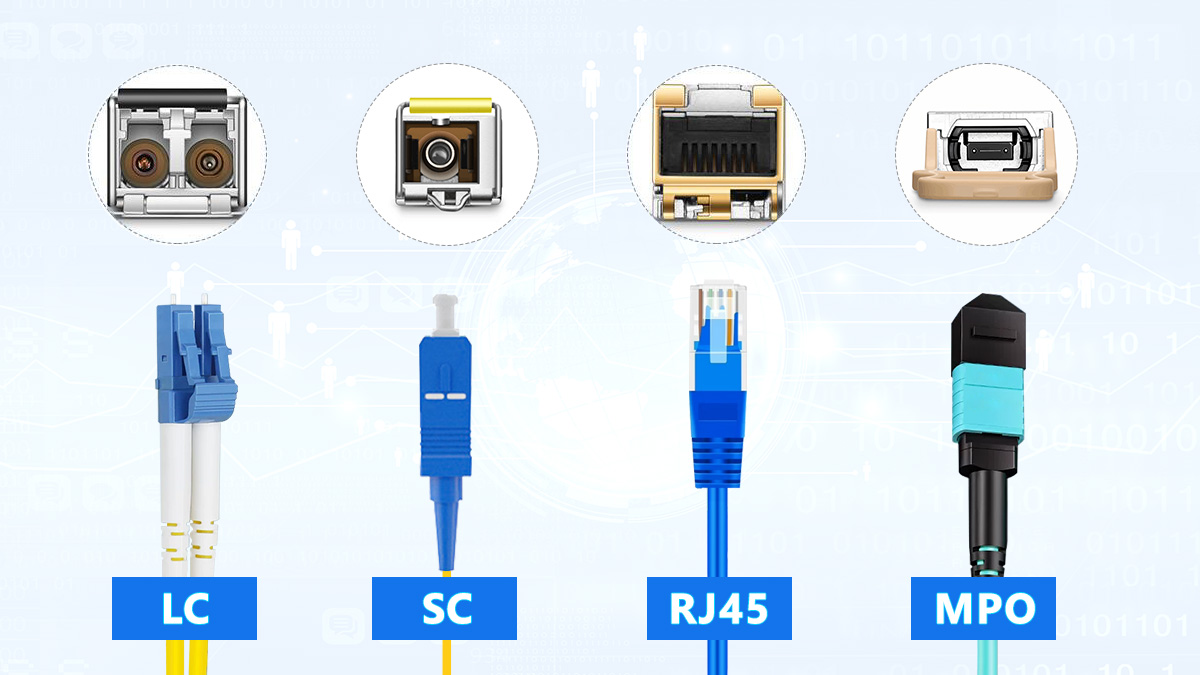
Visual Identification of SFP Connector Types
Most SFP connector types can be recognized by their physical shape and size at the module’s optical interface.
This is the fastest method during installation or troubleshooting.
| Connector Type | Visual Characteristics | Typical Fiber Interface |
|---|---|---|
| LC | Small, duplex opening | Two closely spaced fibers |
| SC | Larger, square duplex port | Two separated fibers |
| MPO/MTP | Wide rectangular port | Multi-fiber ribbon |
LC connectors appear as two small adjacent ports, while MPO/MTP connectors are noticeably wider and designed to accept a single multi-fiber plug.
Identifying Connector Types via Labels and Part Numbers
SFP modules are typically labeled with connector information in datasheets or product markings.
This method is more reliable when visual access is limited.
Common identification sources include:
-
Module faceplate markings (e.g., “LC”, “Duplex LC”)
-
Product datasheets and technical specifications
-
Vendor part number descriptions
Connector type is often listed alongside optical parameters such as wavelength and reach.
Connector Identification in MPO/MTP-Based Cabling Systems
In MPO/MTP environments, the SFP module usually still presents an LC interface, while MPO/MTP appears at the cable or panel level.
Understanding this distinction prevents misidentification during design and deployment.
Key identification cues include:
-
LC interfaces on SFP ports
-
MPO/MTP connectors on trunk cables or patch panels
-
Breakout cables converting MPO/MTP to multiple LC connectors
This layered approach is common in scalable data center designs.
Common Identification Mistakes to Avoid
Misidentifying connector types often leads to incorrect patch cable selection rather than module incompatibility.
Typical errors include:
-
Confusing RJ45 copper SFP with fiber SFP
-
Assuming connector type indicates single-mode or multimode fiber
-
Expecting MPO/MTP connectors directly on standard SFP modules
Avoiding these mistakes reduces downtime and unnecessary rework.
🎯Fiber Patch Cable Compatibility with SFP Connector Types
Fiber patch cables must match the connector type of the SFP module, or be properly adapted, to ensure correct physical connection and optical performance. Even when the SFP module and fiber type are correctly selected, incompatible patch cables can prevent deployment or introduce unnecessary loss.
LC-Based Patch Cables in SFP Deployments
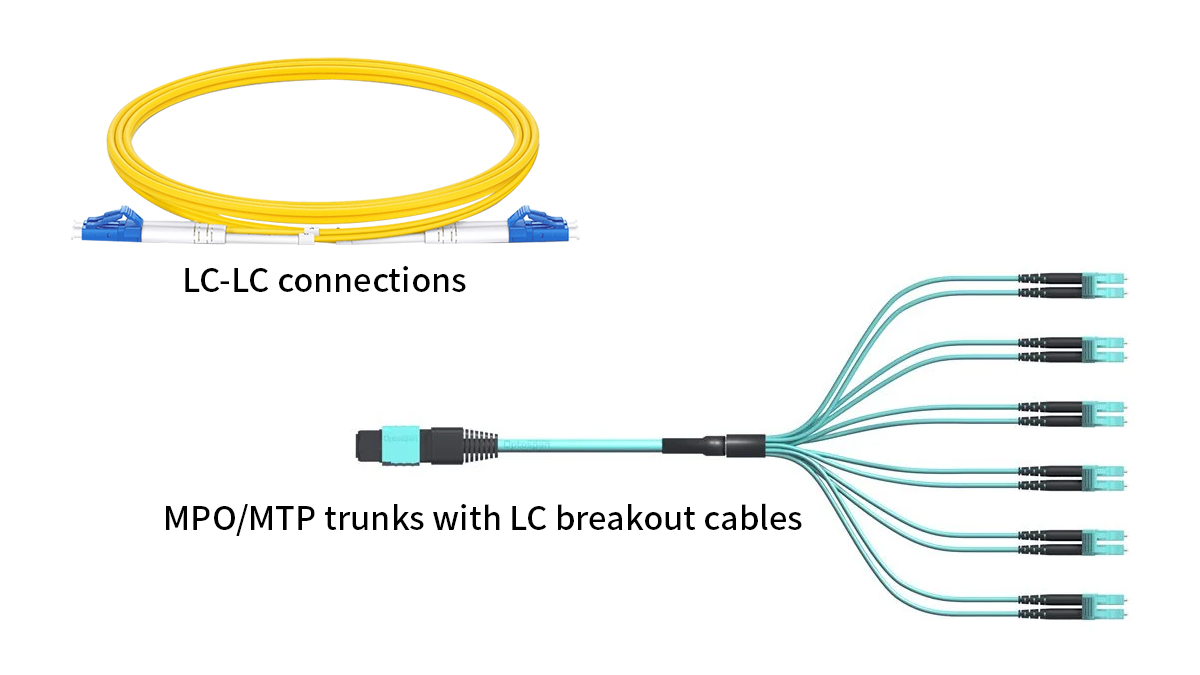
LC–LC patch cables are the most common and directly compatible option for modern SFP modules.
They support both single-mode and multimode SFP applications and require no adapters in standardized environments.
| Patch Cable Type | SFP Connector | Typical Use Case |
|---|---|---|
| LC–LC | LC duplex | Standard SFP connections |
| LC–SC | LC duplex | Integration with legacy SC panels |
| LC–LC (SM / MM) | LC duplex | Mode-specific deployments |
Using LC–LC patch cords minimizes insertion loss and simplifies fiber management in high-density racks.
Using SC Infrastructure with LC SFP Modules
When existing fiber infrastructure terminates with SC connectors, adapters or hybrid patch cables are required to interface with LC-based SFP modules. This approach preserves existing cabling while enabling modern SFP hardware.
Practical options include:
-
LC–SC hybrid patch cables
-
LC-to-SC adapter panels
-
Gradual migration toward LC-terminated patch panels
While functional, each added interface slightly increases optical loss and operational complexity.
MPO/MTP Trunks and LC Breakout Cables
MPO/MTP patch cables are not connected directly to standard SFP modules but are commonly used with LC breakout assemblies.
This design supports high-density backbone cabling while maintaining LC interfaces at the SFP port level.
| Cabling Element | Connector Type | Role in SFP Networks |
|---|---|---|
| Trunk cable | MPO/MTP | High-density backbone |
| Breakout cable | MPO/MTP to LC | Fan-out to SFP ports |
| Patch panel | MPO/MTP / LC | Cable management layer |
This model enables scalable fiber deployment without changing the SFP connector standard.
Fiber Mode and Patch Cable Matching
Connector compatibility alone is not sufficient—fiber mode must also match the SFP optical specification.
Incorrect fiber mode selection can cause signal degradation or link failure.
Key checks before deployment:
-
Match single-mode SFPs with single-mode patch cables
-
Match multimode SFPs with multimode patch cables
-
Verify wavelength compatibility when reusing existing fiber
Connector type ensures physical fit, but fiber characteristics ensure signal integrity.
Compatibility Best Practices
Standardizing patch cable types simplifies installation, troubleshooting, and future expansion.
Most modern networks adopt LC connectors at the SFP interface and MPO/MTP only at the backbone layer.
Best practices include:
-
Use LC–LC patch cables wherever possible
-
Limit adapter usage to legacy integration points
-
Clearly label fiber mode and connector type
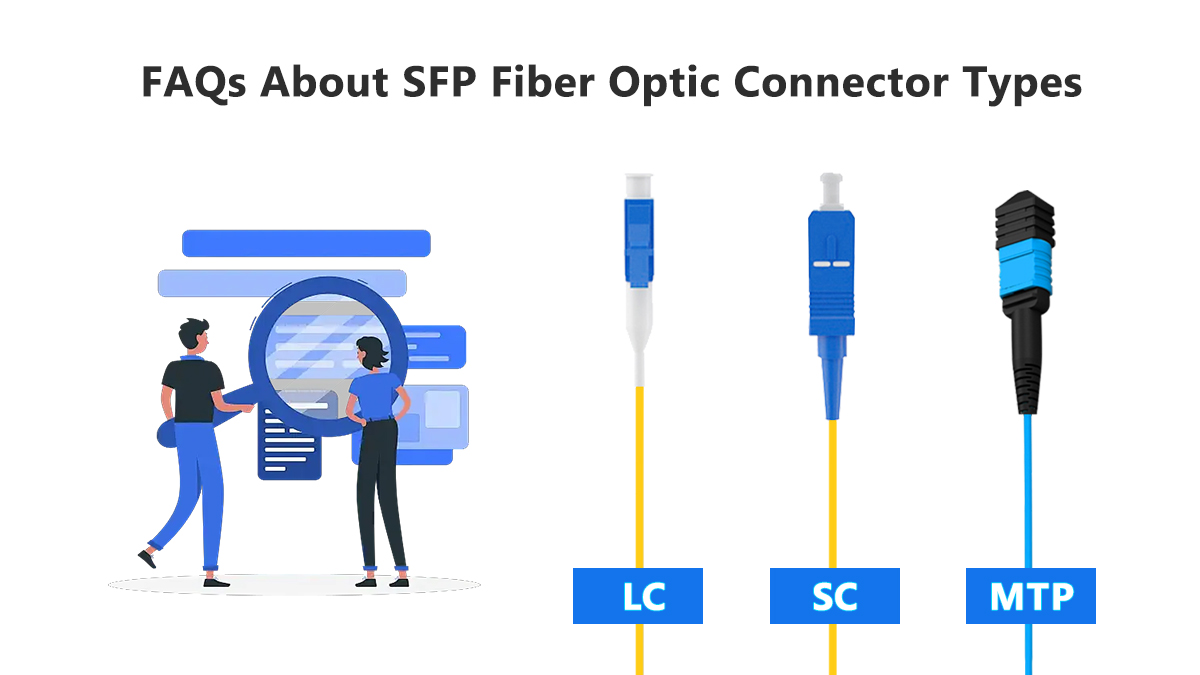
🎯FAQs About SFP Fiber Optic Connector Types
This section provides concise, conclusion-first answers to the most common questions about SFP fiber optic connector types.
Each answer addresses one decision point and avoids repeating earlier content.
Do all SFP modules use LC connectors?
No, but LC connectors are the default for the vast majority of modern SFP modules.
LC is used because it supports high port density and works with both single-mode and multimode fibers, while other connectors appear mainly in legacy or cabling-layer scenarios.
Can MPO/MTP connectors be used directly with SFP modules?
No, standard SFP modules do not have MPO/MTP interfaces.
MPO/MTP connectors are used on trunk cables or patch panels and are connected to SFP ports through LC breakout cables.
Is connector type related to transmission distance?
No, transmission distance is determined by the SFP optical standard and fiber type, not by the connector.
Connector type only affects physical compatibility and fiber management, assuming proper installation and cleanliness.
Are LC connectors different for single-mode and multimode SFPs?
No, the LC connector format is the same for both single-mode and multimode fibers.
What differs is the fiber core size and wavelength, which must match the SFP’s optical specification.
Can SC-based fiber infrastructure work with LC SFP modules?
Yes, but adapters or hybrid patch cables are required.
This approach enables coexistence with legacy SC cabling but adds extra connection points that should be minimized where possible.
🎯Summary: Choosing the Right SFP Fiber Optic Connector Type
SFP fiber optic connector types determine physical compatibility and cabling efficiency, not optical performance.
In modern networks, LC connectors are the standard choice for SFP modules due to their small size, flexibility, and broad ecosystem support. SC connectors remain relevant mainly in legacy environments, while MPO/MTP connectors play a critical role at the cabling layer for high-density backbone and trunk architectures.
From a practical standpoint, the most reliable approach is to standardize on LC interfaces at the SFP port level, match fiber mode to the SFP optical specification, and use MPO/MTP only where multi-fiber scalability is required. This strategy minimizes adapters, reduces operational complexity, and supports smooth network expansion.
By understanding how SFP connector types fit into real-world deployments, you can make faster, more accurate decisions—and avoid common compatibility issues as networks evolve.
For reliable, high-quality SFP modules, visit the LINK-PP Official Store to explore their full range of solutions designed for modern network deployments.