In today's hyper-connected landscape, the absolute reliability of hardware components serves as the critical backbone for modern data centers, telecommunications infrastructure, and robust industrial networks. Even a microscopic point of failure within the physical layer of a network can lead to severe data bottlenecks, compromised signal integrity, and costly system downtime. Consequently, deploying networking components that have undergone rigorous validation is a non-negotiable requirement for enterprise architects and network engineers seeking to maintain seamless, high-speed data transmission.
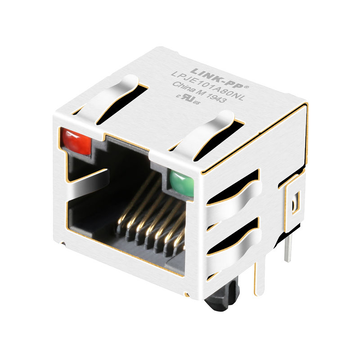
Addressing this critical industry need, LINK-PP operates as a premier manufacturer steadfastly committed to engineering zero-defect networking components, specializing in high-performance RJ45 connectors and precision optical transceivers. The bedrock of LINK-PP’s distinguished global reputation is its significant ongoing investment in a fully independent, state-of-the-art testing laboratory. This advanced infrastructure empowers the quality assurance teams to implement exhaustive testing methodologies, guaranteeing that every single networking module perfectly aligns with international standards and performs flawlessly under the most extreme operational environments.
Advanced Testing Facilities at LINK-PP
LINK-PP's dedicated testing laboratory represents a significant investment in both cutting-edge technological infrastructure and elite engineering expertise. Covering a vast operational footprint, this facility is fully equipped with highly sophisticated analytical machinery designed to push networking components to their absolute physical and operational limits. By integrating advanced testing technology with strict scientific methodologies, the laboratory ensures that every design architecture is meticulously validated against the highest industry standards before ever transitioning into mass production.

State-of-the-Art Environmental Simulation
Environmental resilience is a crucial performance metric for networking components deployed across diverse global climates and demanding industrial zones. LINK-PP utilizes advanced climate-controlled testing chambers to subject products to severe environmental simulations, ensuring uninterrupted network performance regardless of external atmospheric conditions.
To guarantee exceptional component longevity in the field, the engineering team executes a comprehensive suite of environmental stress simulations:
-
Thermal Shock Testing: Components are rapidly cycled between extreme sub-zero cold and intense heat to verify structural integrity and validate material expansion tolerances.
-
Extreme Humidity Exposure: Modules are subjected to prolonged high-moisture conditions to test sealing efficacy and prevent internal condensation that could cause short circuits.
-
Salt Spray Resistance: Metallic housings, shielding, and contact pins are exposed to highly corrosive salt atmospheres to confirm the superior durability of anti-oxidation plating.
Passing these extreme environmental simulations proves that the components are engineered to survive in the harshest industrial settings. This meticulous evaluation process prevents premature physical degradation, ultimately securing long-term operational stability for complex infrastructure deployments worldwide.
Precision Instrumentation and Automation
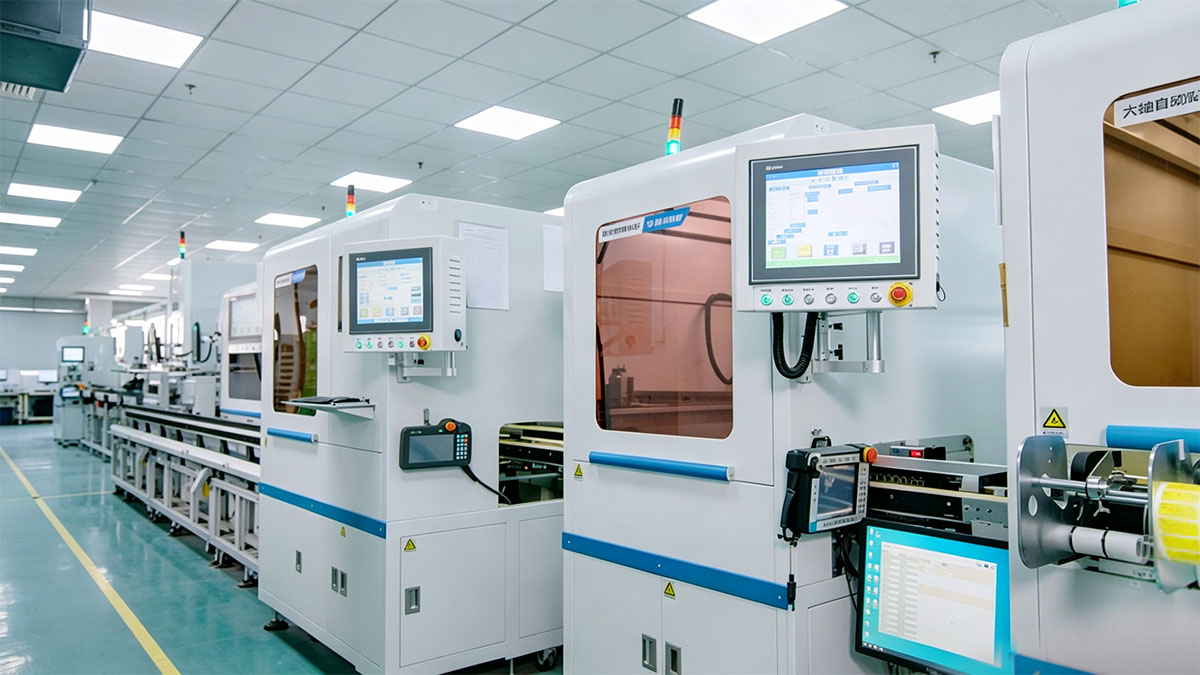
Modern networking infrastructure demands exact electrical and optical specifications, necessitating diagnostic equipment capable of microscopic precision. The LINK-PP testing facility integrates industry-leading analytical instruments with intelligent automation systems to evaluate intricate component geometries and performance metrics with unparalleled accuracy.
The laboratory is outfitted with a highly specialized suite of diagnostic equipment used to execute deep-level technical assessments:
-
Automated Optical Inspection (AOI): High-resolution imaging systems utilize complex algorithms to instantly detect micro-defects in internal solder joints and surface-mount assemblies.
-
High-End Network Analyzers: Advanced oscilloscopes and analyzers capture real-time, high-frequency data regarding signal fidelity and electrical transmission properties.
-
3D Precision Measurement Tools: Highly accurate coordinate measuring machines verify physical dimensions and plastic housing geometries against the tightest engineering tolerances.
By heavily incorporating automated systems into these diagnostic procedures, LINK-PP effectively eliminates the inherent risks of human error during mass evaluation. This automated approach not only accelerates the entire quality control cycle but also generates highly accurate, actionable datasets that drive continuous product refinement and engineering innovation.
Rigorous Quality Assurance for RJ45 Connectors
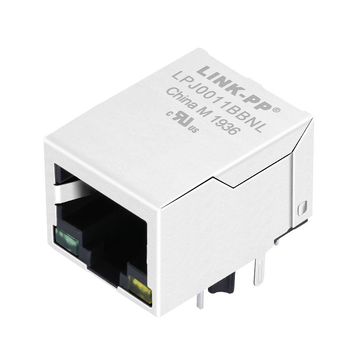
Ensuring robust physical and electrical connections is paramount for network stability, which is why LINK-PP implements a stringent quality assurance methodology specifically tailored for its discrete and magnetic RJ45 jacks. This specialized evaluation process meticulously scrutinizes every mechanical interaction and electrical pathway within the component. By adhering to these demanding protocols, the quality control team guarantees that each connector consistently delivers secure, interference-free data transmission across enterprise routers, core switches, and industrial server racks.

Mechanical and Electrical Performance Evaluation
Mechanical resilience and electrical safety form the absolute baseline of networking connector reliability. LINK-PP executes exhaustive performance evaluations to systematically verify both the physical durability of the housing and the electrical isolation capabilities of the internal circuitry.
To ensure long-lasting performance in high-density, frequently accessed networking environments, the testing protocols cover a strict series of structural and electrical parameters:
-
Mating Cycle Fatigue: Connectors undergo rigorous insertion and extraction testing to confirm the structural integrity of the retention mechanisms and contact pins over thousands of mating cycles.
-
Gold-Plating Thickness Verification: Precision tools measure the specific thickness of the gold plating on contact pins to guarantee optimal long-term corrosion resistance and low contact resistance.
-
High-Voltage Isolation (Hipot) Testing: Engineers apply extreme voltage levels to confirm that the integrated magnetic transformers successfully prevent electrical breakdown and voltage arc-over.
-
Insulation Resistance Measurement: This critical check verifies the dielectric strength between adjacent contacts, ensuring complete electrical separation to prevent internal short circuits.
By successfully passing these comprehensive mechanical and electrical checks, the RJ45 connectors demonstrate superior physical robustness and fundamental operational safety. This meticulous validation prevents mechanical degradation during routine network maintenance and actively protects sensitive downstream equipment from unexpected electrical surges.
Signal Integrity and PoE Validation
Beyond establishing a basic physical connection, modern network architecture requires flawless high-frequency signal fidelity and highly efficient power delivery to edge devices. LINK-PP utilizes advanced vector network analyzers and precision load-testing equipment to validate both the complex data transmission properties and the Power over Ethernet (PoE) capabilities of its magnetic RJ45 interfaces.
Validating high-speed signal parameters—such as minimizing return loss, insertion loss, and electromagnetic cross-talk—is crucial for maintaining data integrity. Simultaneously, LINK-PP rigorously evaluates its RJ45 ports across multiple PoE standards to ensure safe, continuous power delivery without the risk of thermal degradation:
| PoE Standard (IEEE) | Maximum Power Delivery | Technical Validation Focus |
| PoE (802.3af) | Up to 15.4W | Basic thermal dissipation and stable low-power electrical transmission. |
| PoE+ (802.3at) | Up to 30W | Enhanced current-carrying capacity and cross-talk mitigation under moderate load. |
| PoE++ (802.3bt) | Up to 100W | Extreme thermal stability and sustained high-current handling across all four twisted pairs. |
Confirming these technical specifications through rigorous validation allows the engineering team to guarantee that these magnetic RJ45 jacks can simultaneously handle massive Gigabit data throughput and high-wattage power delivery. This dual-performance capability ensures the seamless, safe operation of power-hungry endpoint devices, such as pan-tilt-zoom (PTZ) IP cameras and high-capacity wireless access points, completely eliminating the risk of connector overheating or data packet loss.
Excellence in Optical Transceiver Validation
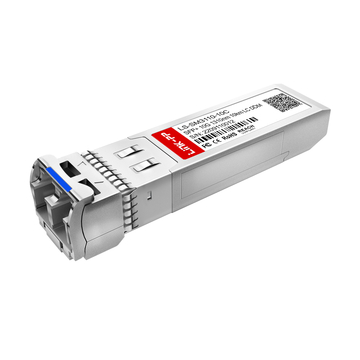
As global data demands continue to escalate, fiber optic networking has emerged as the definitive solution for ultra-fast, long-distance communication. LINK-PP applies a highly specialized and rigorous validation framework to its optical modules, including its advanced SFP and QSFP series, to guarantee exceptional high-speed data transmission capabilities. This precise testing protocol ensures that every transceiver delivers pristine optical signal integrity, robust environmental endurance, and flawless integration into high-density enterprise network architectures.
Optical Power and Wavelength Accuracy Analysis
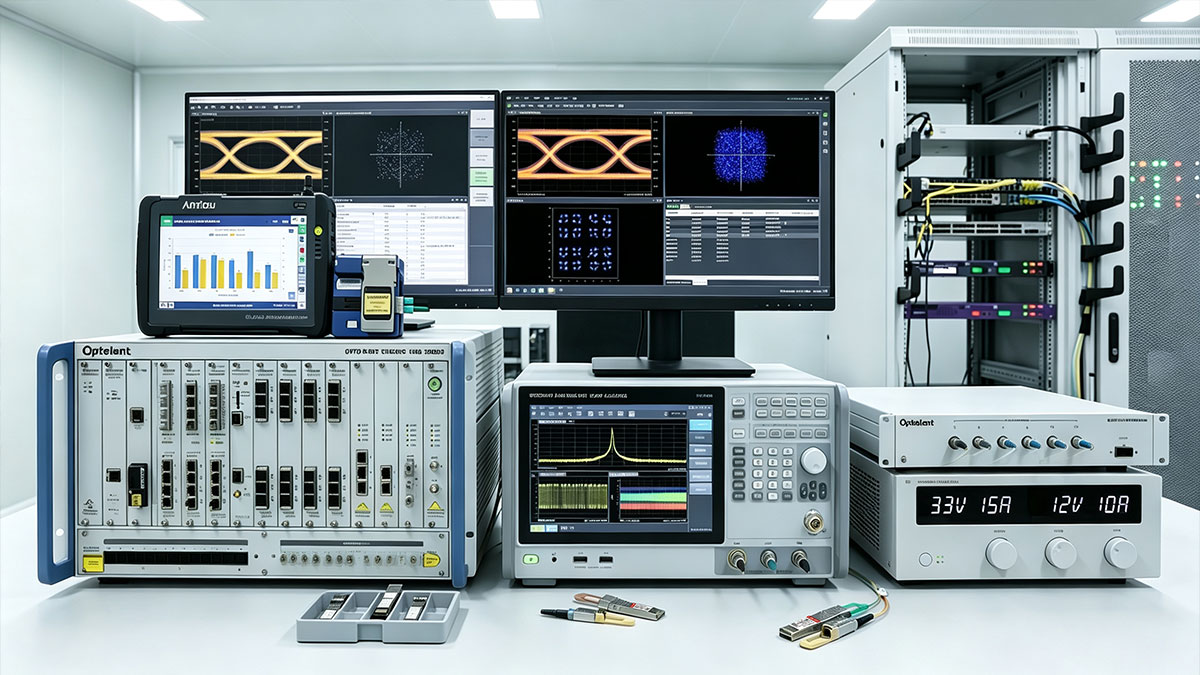
Maintaining the delicate parameters of light transmission is critical for preventing signal degradation in high-speed fiber optic networks. The laboratory utilizes highly sensitive optical spectrum analyzers to meticulously evaluate transmitter optical power, receiver sensitivity, and exact wavelength stability. These precise measurements ensure that the transceivers emit a perfectly calibrated signal, allowing data to traverse vast fiber runs without suffering from debilitating optical attenuation or chromatic dispersion.
To guarantee flawless data transmission at gigabit and terabit speeds, the engineering team executes advanced signal pattern evaluations:
-
Eye Diagram Testing: High-speed optical oscilloscopes capture and visualize the signal quality, strictly analyzing jitter, noise, and signal margin to ensure the digital "eye" remains wide open for accurate data interpretation by the receiver.
-
Bit Error Rate (BER) Analysis: Transceivers are subjected to intense, continuous data traffic simulations to confirm a near-zero error rate, ensuring absolute data fidelity even under maximum bandwidth utilization.
Mastering these complex optical and digital parameters ensures that the optical modules operate with unparalleled precision. This stringent analysis translates directly to pristine signal quality, enabling enterprise telecommunications and data centers to maintain continuous, high-bandwidth communication without the threat of packet loss or data corruption.
Thermal Stability and Device Compatibility
Optical transceivers incorporate highly sensitive micro-lasers and photodiodes that frequently operate within densely packed, high-temperature server racks. To prevent thermal-induced performance shifts, LINK-PP enforces rigorous high-temperature operational testing specifically tailored for these delicate optical components. Concurrently, the laboratory verifies comprehensive device compatibility, guaranteeing that every module serves as a reliable, plug-and-play solution across multi-vendor network topologies.
The testing laboratory executes a dual-focus validation strategy to guarantee both environmental resilience and seamless software integration:
-
Dynamic Thermal Cycling: Active transceivers are placed inside advanced thermal chambers and operated at maximum data loads under extreme heat to verify that internal lasers maintain stable optical output and wavelength accuracy without overheating.
-
Comprehensive Compatibility Matrix Testing: Engineers systematically verify EEPROM coding accuracy by plugging transceivers into a massive physical array of major brand switches and routers, confirming absolute interoperability and precise digital diagnostic monitoring (DDM) functionality.
By successfully navigating these critical thermal and software integration tests, the optical modules definitively prove their readiness for demanding real-world deployments. Network administrators are thereby assured that the components will survive the challenging micro-climates of data center aisles while integrating flawlessly with existing hardware infrastructure.
The LINK-PP Standard: From Raw Materials to Final Inspection
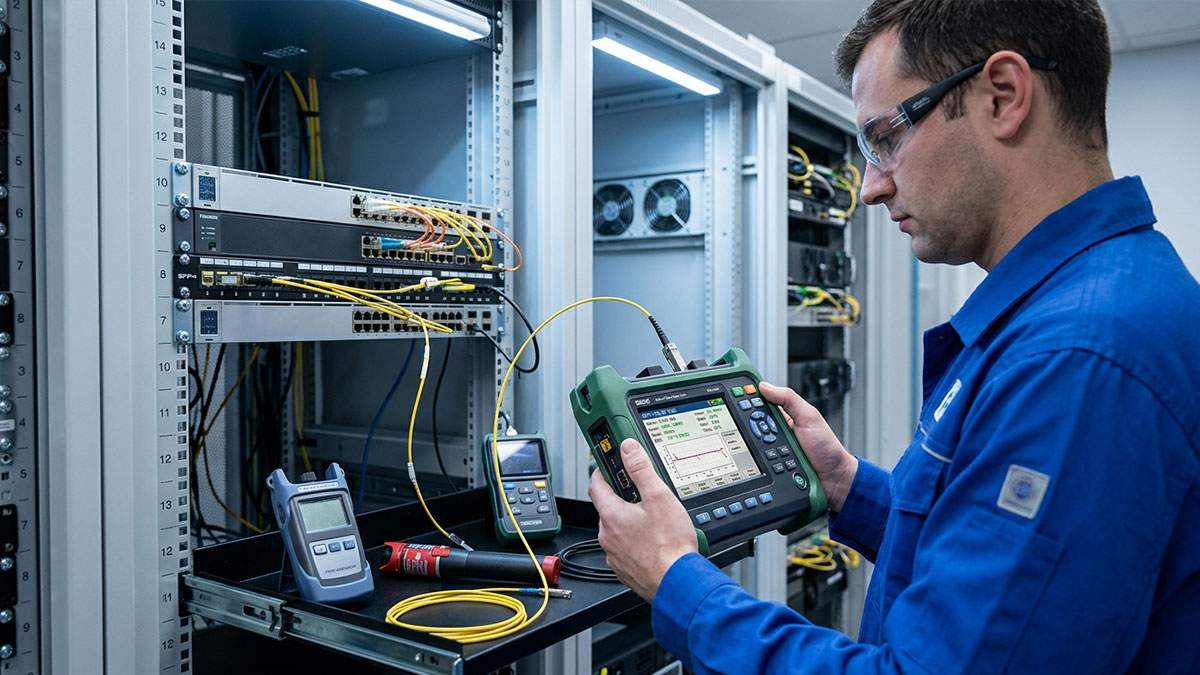
The ultimate assurance of network reliability does not begin at the end of the assembly line; it requires a holistic, end-to-end quality management system. The LINK-PP standard represents an uncompromising commitment to manufacturing excellence, implementing strict oversight from the moment raw resources arrive at the facility to the final physical and electrical evaluation of completed units. By maintaining complete control over the entire production lifecycle, the manufacturing operations guarantee absolute performance consistency across millions of produced units, ensuring that large-scale infrastructure deployments receive uniform, high-tier hardware.
Strict Material Selection and Compliance
The foundation of a durable networking component lies entirely in the chemical and structural integrity of its foundational elements. To prevent substandard inputs from compromising the final product, LINK-PP enforces a rigorous Incoming Quality Control (IQC) protocol to meticulously evaluate all raw materials before they are permitted onto the manufacturing floor.
To maintain the highest standards of safety and performance, the IQC department executes a strict evaluation matrix on all incoming resources:
-
Premium Material Verification: Inspectors utilize material spectroscopy to analyze the exact composition of industrial-grade plastics, high-conductivity copper alloys, and delicate optical chips, instantly rejecting any supply batches containing microscopic impurities.
-
Global Safety Certification Alignment: The compliance engineering team meticulously cross-references all material data sheets against stringent international safety benchmarks, guaranteeing full structural adherence to UL safety standards.
-
Environmental Responsibility Checks: Every chemical substance and physical component is thoroughly vetted to ensure total compliance with critical global environmental directives, specifically the RoHS (Restriction of Hazardous Substances) and REACH regulations.
By strictly controlling the quality and regulatory compliance of these foundational materials, LINK-PP effectively neutralizes early-stage manufacturing risks. This uncompromising material selection process ensures that every finished connector and transceiver is inherently safe, environmentally responsible, and physically prepared to endure years of continuous operational stress.
100% End-of-Line Testing Protocols
In mass manufacturing, standard batch-sampling techniques inherently leave room for statistical defects to slip into the supply chain—a risk that is completely unacceptable in mission-critical network environments. To eliminate this vulnerability, LINK-PP categorically rejects partial sampling methods in favor of mandatory, 100% Outgoing Quality Control (OQC) testing protocols for all assembled components.
Before any product is authorized for global distribution, it must successfully navigate a final series of exhaustive end-of-line evaluations:
-
Comprehensive Parameter Validation: Every single completed unit undergoes high-speed automated testing to confirm its core critical parameters, verifying optimal signal insertion loss, return loss, and exact electrical isolation capabilities.
-
Visual and Structural Inspection: Automated Optical Inspection (AOI) systems alongside highly trained human inspectors verify the physical perfection of the housing, exact contact pin alignment, and precise port dimensions.
-
Secure Packaging Protocols: Once approved, components are immediately sealed in specialized anti-static and moisture-proof packaging, ensuring they remain entirely protected from environmental degradation during international transit.
This rigorous dedication to 100% end-of-line testing serves as the ultimate firewall against catastrophic network failures. By guaranteeing that zero defective units leave the manufacturing facility, this stringent methodology directly empowers global enterprises to eliminate unexpected network downtime, significantly reduce ongoing maintenance overhead, and confidently maximize the operational lifespan of their critical IT infrastructure.
Conclusions
Ultimately, the absolute stability of modern telecommunications and high-density data center infrastructure relies entirely upon the microscopic perfection of every physical connection. Through substantial, ongoing investment in advanced environmental simulation, precision instrumentation, and uncompromising 100% end-of-line evaluation, LINK-PP has firmly established a new industry benchmark for hardware reliability. By subjecting every RJ45 connector and high-speed optical transceiver to these rigorous validation protocols, the engineering team successfully delivers a zero-defect standard that network architects can implicitly trust for their most demanding projects. To explore detailed technical datasheets, review comprehensive compatibility matrices, and directly source these extensively tested networking components for upcoming infrastructure deployments, enterprise engineers and hardware specialists can visit the LINK-PP Official Store. This direct portal ensures that mission-critical networks worldwide are constructed upon a foundation of proven, uncompromising quality.