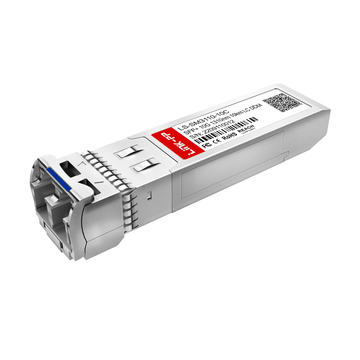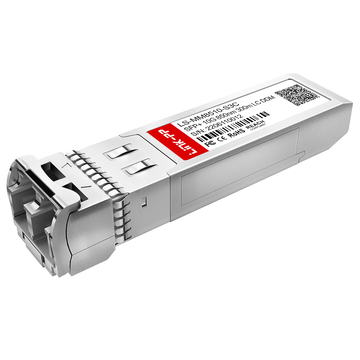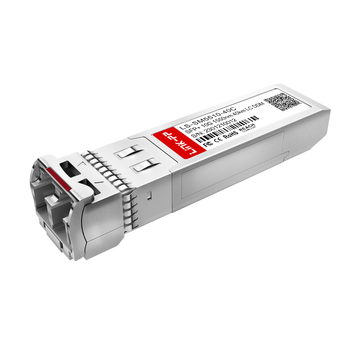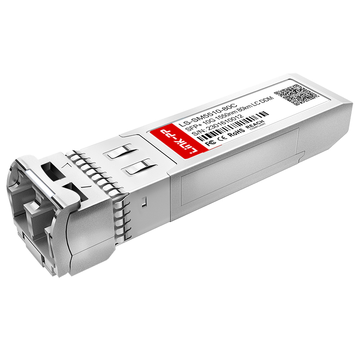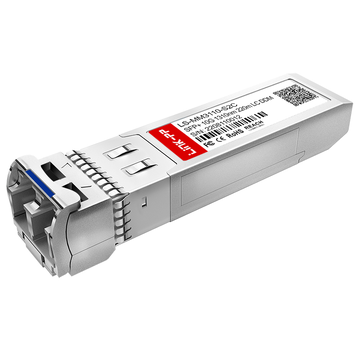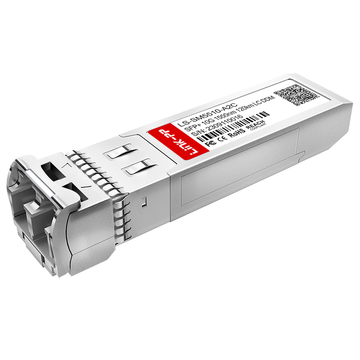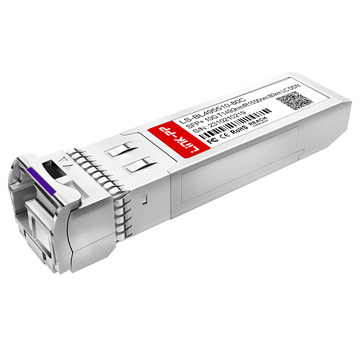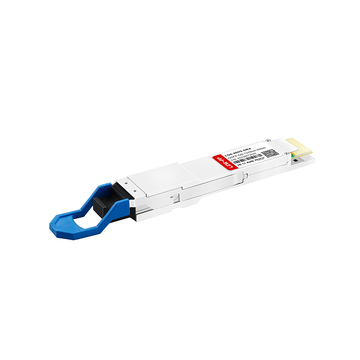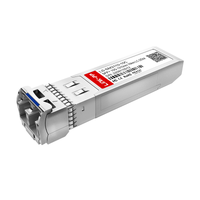






























With the increasing demand for high-speed network connectivity, 10Gbps Ethernet has become a common requirement in enterprise networks, data centers, and campus infrastructures. However, selecting the right optical transceiver requires a detailed understanding of technical specifications, fiber compatibility, and transmission performance. The Cisco SFP-10G-LRM is designed to address extended-reach multimode fiber applications, providing a practical solution for networks that require reliable 10G connectivity over existing fiber infrastructure.
The Cisco SFP-10G-LRM datasheet provides essential information about the module’s optical characteristics, electrical interface, compliance standards, and operational conditions. Analyzing these parameters helps network professionals understand how this 10GBASE-LRM transceiver performs and whether it matches specific deployment requirements.
This article provides a detailed analysis of Cisco SFP-10G-LRM specifications and practical considerations, including:
- The core features, form factor, and design characteristics of Cisco SFP-10G-LRM.
- Key datasheet parameters such as optical performance, electrical specifications, and environmental requirements.
- Compatibility factors, network applications, and differences compared with other 10G SFP+ optical modules.
By reviewing these technical details, readers can better evaluate Cisco SFP-10G-LRM’s role in modern 10Gbps network deployments and make informed decisions for reliable optical connectivity planning.
☑️ Cisco SFP-10G-LRM Overview
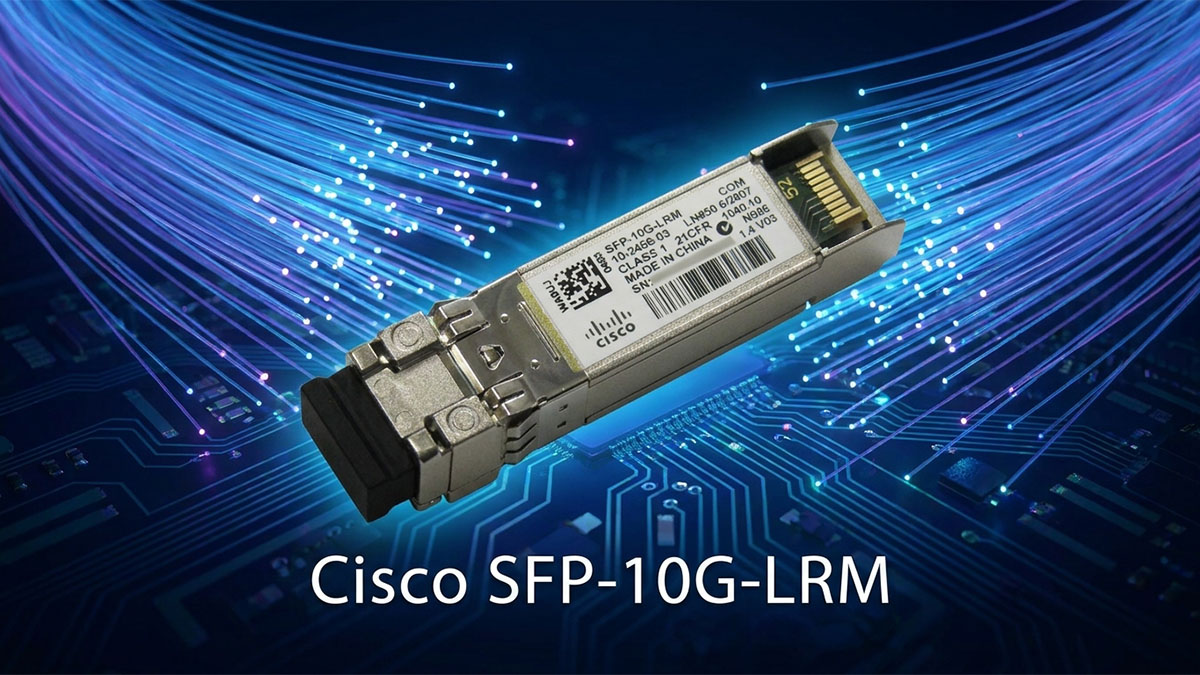
Cisco SFP-10G-LRM is a 10GBASE-LRM SFP+ optical transceiver designed for extended-reach multimode fiber communication, providing reliable 10Gbps Ethernet connectivity in enterprise networks, campus environments, and data center infrastructures. Understanding its basic design, interface characteristics, and application positioning helps determine how this module fits into different 10G network deployment scenarios.
What Is Cisco SFP-10G-LRM?
Cisco SFP-10G-LRM is a 10Gbps optical transceiver that uses 1310nm wavelength technology to support long-reach multimode fiber transmission. It is developed according to the IEEE 802.3aq 10GBASE-LRM standard and is mainly used when network operators need to extend 10G Ethernet connectivity beyond the typical limitations of traditional short-range multimode solutions.
The module is designed to provide stable 10Gbps data transmission over existing multimode fiber infrastructures, making it suitable for organizations upgrading network bandwidth without completely replacing installed fiber cabling. Its LRM technology improves link performance on legacy multimode fiber systems while maintaining compatibility with standard SFP+ interfaces.
Key characteristics of Cisco SFP-10G-LRM include:
- Supports 10Gbps Ethernet transmission for high-speed network connections.
- Operates at the 1310nm wavelength for extended multimode fiber applications.
- Uses a duplex LC optical connector for standard fiber connectivity.
- Supports multimode fiber deployments, including OM1, OM2, OM3, and OM4 fiber environments.
- Provides a compact SFP+ form factor for high-density switch and router applications.
Cisco SFP-10G-LRM is commonly deployed in scenarios where existing multimode fiber cabling needs to support 10Gbps upgrades. Compared with standard short-range 10G optical modules, LRM technology provides greater flexibility for networks with diverse fiber conditions and longer link requirements.
Cisco SFP-10G-LRM Form Factor and Interface Design
Cisco SFP-10G-LRM adopts the standardized SFP+ form factor, which enables high-density installation in compatible Cisco networking equipment. Its compact design allows network administrators to deploy multiple 10G optical ports within limited rack space while maintaining efficient system scalability.
The module’s interface design includes several important characteristics that support practical network integration:
- SFP+ hot-pluggable form factor allows installation and replacement without shutting down network equipment.
- Duplex LC optical interface supports standard fiber patch cable connections.
- Electrical interface follows SFP+ specifications for integration with compatible switches and routers.
- Digital monitoring capabilities provide visibility into operational parameters such as temperature, voltage, and optical power levels.
The compact SFP+ design makes Cisco SFP-10G-LRM suitable for modern network environments where port density, operational flexibility, and simplified maintenance are important considerations. When combined with compatible Cisco platforms and appropriate fiber infrastructure, the module provides a reliable option for extending 10Gbps Ethernet connectivity.
☑️ Cisco SFP-10G-LRM Datasheet Technical Specifications
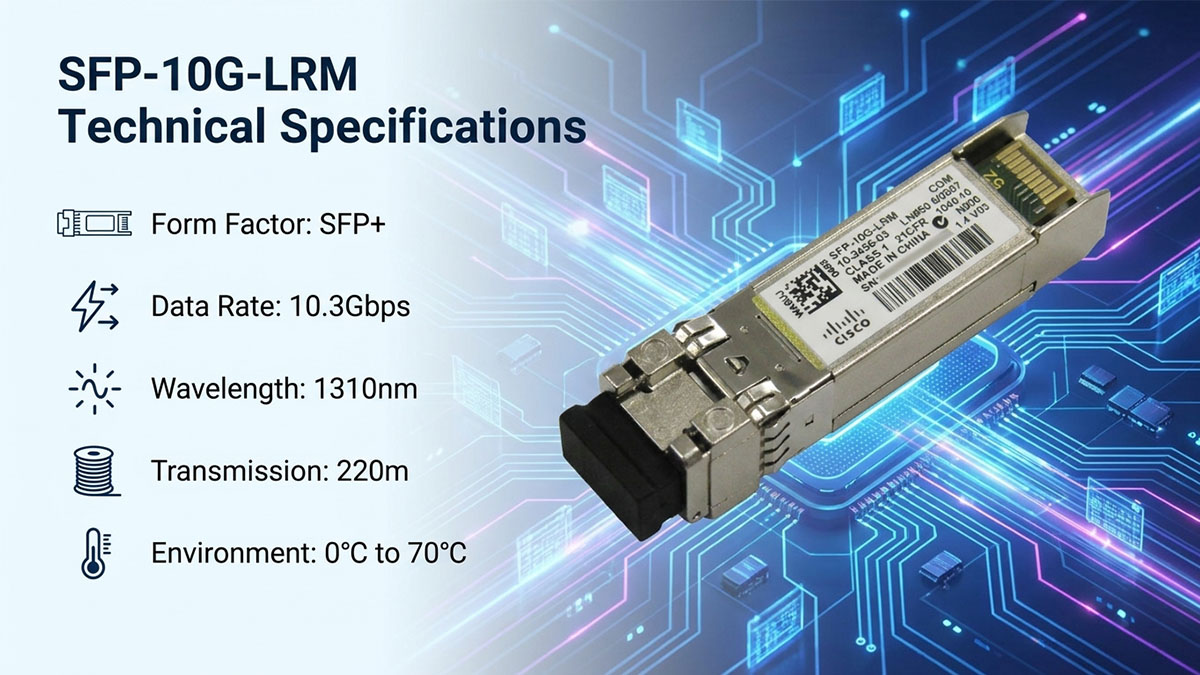
Cisco SFP-10G-LRM datasheet specifications define the module’s optical performance, electrical characteristics, and operational capabilities for 10Gbps Ethernet deployments. These parameters determine how the transceiver performs in different fiber environments, including supported wavelengths, transmission distances, interface requirements, and environmental operating conditions. According to Cisco’s 10GBASE SFP+ module specifications, SFP-10G-LRM is a 10GBASE-LRM module operating at 1310nm and designed for multimode fiber applications.
Optical Transmission Specifications
Cisco SFP-10G-LRM provides 10Gbps optical transmission through 1310nm wavelength technology, making it suitable for extended-reach multimode fiber connectivity. The optical parameters listed in the datasheet are essential for evaluating link performance, fiber compatibility, and overall transmission reliability.
The main optical specifications of Cisco SFP-10G-LRM include:
| Parameter | Specification |
|---|---|
| Ethernet Standard | 10GBASE-LRM |
| Data Rate | 10Gbps |
| Operating Wavelength | 1310nm |
| Fiber Type | Multimode Fiber (MMF) and compatible fiber environments |
| Connector Type | Duplex LC |
| Wavelength Range | 1260nm to 1355nm |
| Maximum Transmission Distance | Up to 220m over FDDI-grade MMF |
These optical characteristics allow Cisco SFP-10G-LRM to support 10Gbps links in environments where standard short-range modules may not provide sufficient reach. The 1310nm wavelength design helps improve transmission performance over legacy multimode fiber systems, making it a practical option for network upgrades that reuse existing cabling infrastructure.
The optical power specifications are also important factors in determining link stability:
- Transmitter optical power range affects the strength of the optical signal launched into the fiber.
- Receiver sensitivity determines the minimum optical signal level required for reliable data recovery.
- Optical power budget helps define the maximum allowable link loss between connected devices.
Cisco specifies SFP-10G-LRM transmitter and receiver optical characteristics to ensure stable operation within 10GBASE-LRM network links. The module supports a transmit power range with a maximum value of 0.5dBm and receiver specifications designed for reliable signal detection under supported operating conditions.
Electrical Interface Specifications
Cisco SFP-10G-LRM uses a standard SFP+ electrical interface to connect with compatible network equipment, providing a high-speed electrical-to-optical conversion path for 10Gbps Ethernet transmission. The electrical design ensures compatibility between the optical module and the host device while maintaining signal integrity at high data rates.
The key electrical characteristics include:
- SFP+ host interface supporting 10Gbps Ethernet communication.
- Low-voltage differential signaling for high-speed data transmission.
- Hot-pluggable electrical interface for simplified installation and maintenance.
- Digital monitoring support for tracking important operating parameters.
The electrical interface plays an important role in overall system performance because signal quality between the switch port and optical module directly affects transmission reliability. Proper host compatibility, firmware support, and electrical interface matching are necessary to achieve stable operation.
When integrated into compatible Cisco switches, routers, and other networking platforms, the SFP+ electrical interface allows SFP-10G-LRM to provide flexible 10Gbps connectivity without requiring changes to the existing equipment architecture.
Mechanical and Environmental Characteristics
Cisco SFP-10G-LRM follows the compact SFP+ form factor, allowing high-density deployment in networking equipment where space efficiency and operational flexibility are important. Its mechanical design supports easy installation and replacement while maintaining compatibility with standard SFP+ cages.
The main mechanical and environmental characteristics include:
- Compact SFP+ package design for high port density applications.
- Duplex LC optical connector for standard fiber patch cable connections.
- Hot-swappable module design for easier network maintenance.
- Support for operating conditions defined by Cisco networking equipment requirements.
- Digital diagnostics monitoring for operational visibility.
These characteristics make Cisco SFP-10G-LRM suitable for enterprise and data center environments where reliability and maintenance efficiency are critical. The module’s physical design allows network operators to integrate 10Gbps optical connectivity into existing infrastructures while maintaining consistent management and monitoring capabilities.
☑️ Cisco SFP-10G-LRM Standards and Compliance Information
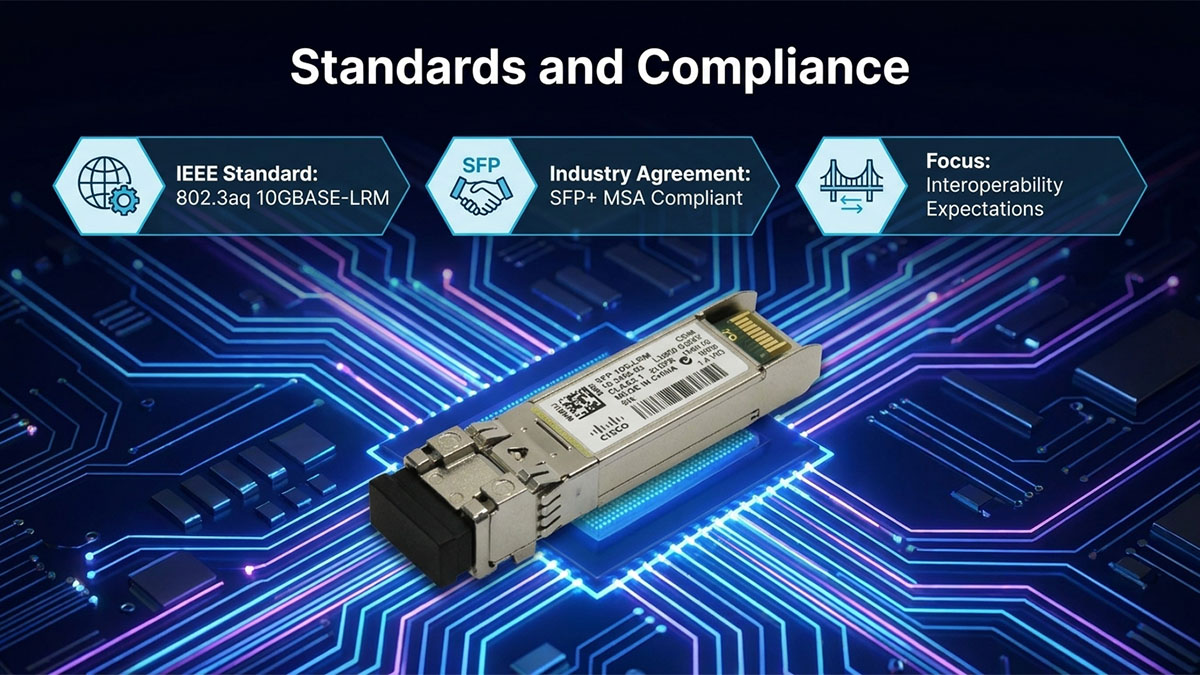
Cisco SFP-10G-LRM follows recognized Ethernet and optical module standards to ensure reliable interoperability, consistent transmission performance, and integration with compatible networking equipment. Understanding its compliance information helps network engineers verify whether the module meets required specifications for 10Gbps Ethernet deployments and whether it can operate correctly within existing infrastructure.
IEEE and Ethernet Standards Support
Cisco SFP-10G-LRM is based on the IEEE 802.3aq 10GBASE-LRM standard, which defines the requirements for extended-reach multimode fiber transmission at 10Gbps speeds. This standard specifies optical characteristics, link performance requirements, and interoperability guidelines that allow LRM transceivers to provide consistent communication across supported fiber environments.
The main standards-related characteristics of Cisco SFP-10G-LRM include:
- Compliance with IEEE 802.3aq 10GBASE-LRM specifications for 10Gbps Ethernet transmission.
- Support for standardized optical transmission requirements at 1310nm wavelength.
- Compatibility with Ethernet networking environments using SFP+ optical interfaces.
- Alignment with industry-defined optical performance requirements for reliable data transmission.
The IEEE 802.3aq standard is particularly important for LRM modules because it was developed to address the challenges of transmitting 10Gbps signals over legacy multimode fiber. By following this standard, Cisco SFP-10G-LRM can provide improved connectivity options for networks that need higher bandwidth without replacing existing fiber infrastructure.
MSA and SFP+ Compliance
Cisco SFP-10G-LRM also follows SFP+ industry specifications that define the mechanical and electrical characteristics of high-speed optical modules. The SFP+ Multi-Source Agreement (MSA) framework helps ensure that compatible transceivers share common interface requirements, allowing them to be integrated into standardized networking platforms.
Important SFP+ compliance considerations include:
- SFP+ form factor compliance for compact optical module integration.
- Standardized electrical interface design between the transceiver and host device.
- Support for hot-pluggable installation in compatible network equipment.
- Consistent mechanical dimensions for use across different SFP+ ports.
These compliance requirements allow Cisco SFP-10G-LRM to work within a broad range of network hardware environments while maintaining predictable installation and operational characteristics. For network deployments, verifying both IEEE Ethernet compliance and SFP+ interface compatibility helps reduce integration issues and improves long-term network reliability.
In addition to Ethernet and SFP+ standards, Cisco 10GBASE optical modules are designed with additional industry requirements related to optical safety and regulatory considerations, including laser safety classifications and applicable fiber component standards. These compliance features ensure that Cisco SFP-10G-LRM can be deployed as part of professional-grade enterprise and data center optical networks.
☑️ Cisco SFP-10G-LRM Compatibility Considerations
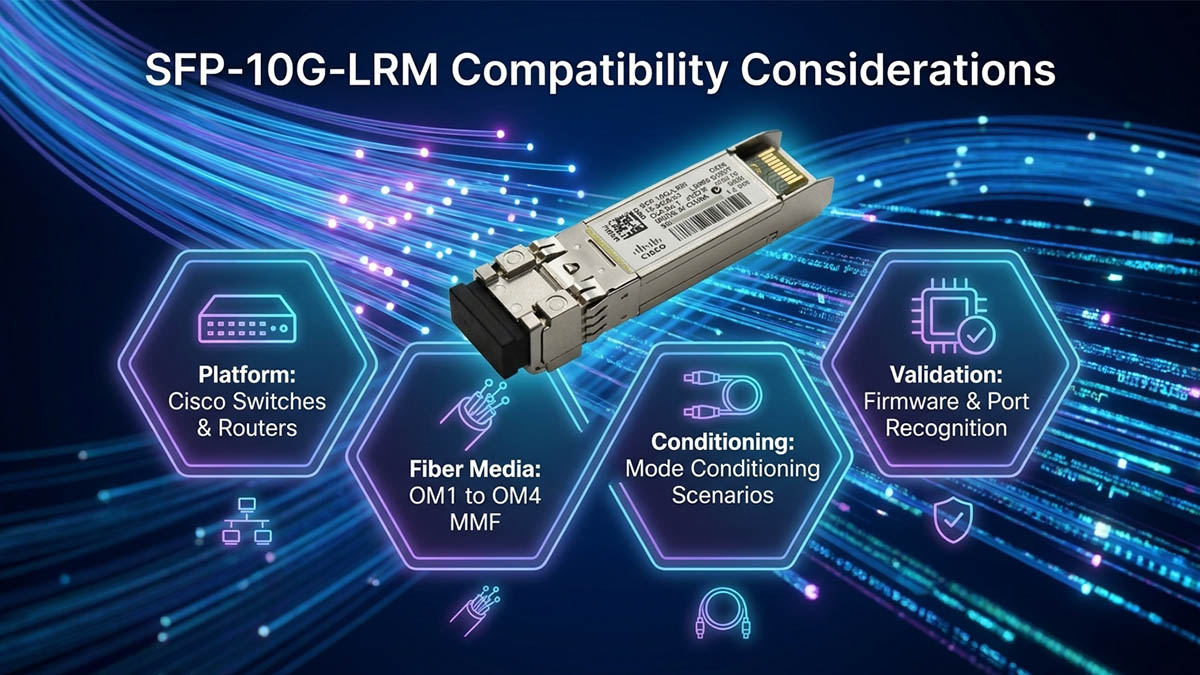
Cisco SFP-10G-LRM compatibility depends on multiple factors, including network equipment support, fiber infrastructure characteristics, and module configuration requirements. Verifying these compatibility elements before deployment helps ensure stable 10Gbps optical connectivity and prevents issues related to device recognition, fiber mismatch, or insufficient transmission performance.
Cisco Platform Compatibility
Cisco SFP-10G-LRM is designed for use with compatible Cisco switches, routers, and networking platforms that support SFP+ 10Gbps optical interfaces. Successful deployment requires matching the transceiver specifications with the host device capabilities, including port type, software support, and hardware recognition features.
The main factors affecting Cisco platform compatibility include:
- SFP+ port availability: The network device must provide SFP+ ports that support 10Gbps optical transceivers.
- Hardware compatibility: The switch or router model should support Cisco SFP-10G-LRM according to its supported transceiver list.
- Software and firmware support: Device operating systems may require appropriate firmware versions to recognize and manage installed optical modules.
- Digital monitoring support: Compatible platforms can access diagnostic information such as temperature, voltage, and optical power levels through DOM functions.
Checking platform compatibility is important because an optical module’s physical connection does not always guarantee operational support. Cisco networking equipment may verify module identification information through EEPROM data, coding information, or firmware-based compatibility checks before enabling the optical interface.
Before deployment, network administrators should evaluate the following steps:
- Confirm that the target Cisco device supports 10G SFP+ transceivers.
- Verify that SFP-10G-LRM is listed as a supported optical module for the specific platform.
- Check software requirements and transceiver recognition settings.
- Validate link performance after installation using interface diagnostics.
Proper compatibility verification ensures that Cisco SFP-10G-LRM can operate effectively within the intended network environment while reducing configuration and troubleshooting challenges.
Fiber Infrastructure Compatibility
Cisco SFP-10G-LRM is designed primarily for multimode fiber applications and provides extended-reach 10Gbps connectivity over supported fiber infrastructures. However, actual transmission performance depends heavily on fiber type, installation quality, and link characteristics.
The major fiber compatibility considerations include:
- Fiber type: Cisco SFP-10G-LRM is intended for multimode fiber (MMF) deployments.
- Fiber grades: OM1, OM2, OM3, and OM4 fiber may be used depending on the specific link design and distance requirements.
- Connector compatibility: The module uses duplex LC connectors, requiring matching LC fiber patch cables.
- Fiber condition: Cable quality, cleanliness, and installation standards directly affect optical signal performance.
The relationship between fiber type and transmission distance should be carefully evaluated because different multimode fiber grades have different bandwidth capabilities. The following factors should be considered when planning deployment:
- Existing fiber cabling age and performance characteristics.
- Required link distance between connected devices.
- Optical loss caused by connectors, splices, and patch panels.
- Whether mode conditioning solutions are required for specific legacy fiber environments.
Cisco SFP-10G-LRM provides flexibility for organizations upgrading existing multimode fiber networks to 10Gbps Ethernet. However, it should not be treated as a universal replacement for all 10G optical modules. Comparing the module’s optical requirements with the installed fiber infrastructure is essential for achieving reliable network operation.
☑️ Cisco SFP-10G-LRM Applications in Enterprise Networks
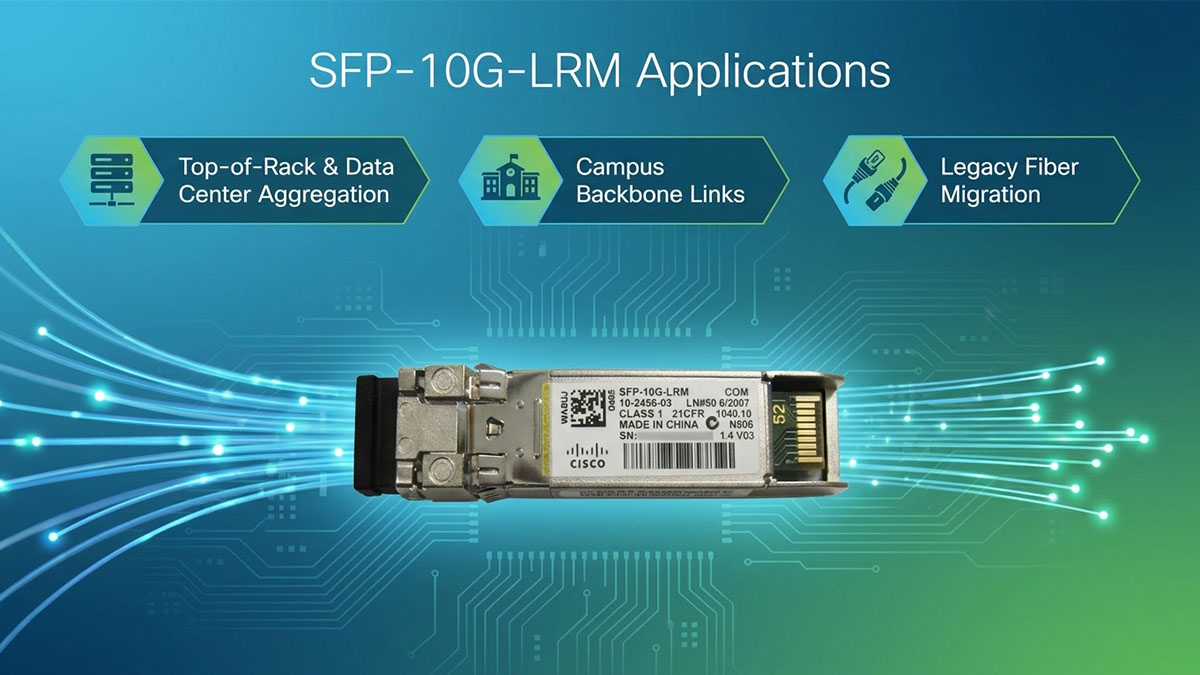
Cisco SFP-10G-LRM is widely used in enterprise network environments that require reliable 10Gbps Ethernet connectivity over multimode fiber infrastructure. Its extended-reach multimode transmission capability makes it suitable for organizations that need to upgrade network bandwidth while continuing to utilize existing fiber cabling. Understanding common application scenarios helps determine where SFP-10G-LRM can provide the greatest value in practical deployments.
Data Center Connectivity
Cisco SFP-10G-LRM can support data center connectivity scenarios where 10Gbps links are required between network devices, servers, and aggregation systems. It is particularly useful in environments that rely on existing multimode fiber infrastructure and need a flexible solution for expanding network capacity.
Common data center applications include:
- Server-to-switch connections in enterprise data center environments.
- Connections between access switches and aggregation switches.
- Short- to medium-distance links within data center facilities.
- Network upgrades from lower-speed Ethernet systems to 10Gbps connectivity.
The module’s SFP+ form factor allows high port density deployment in data center switches, enabling administrators to increase bandwidth without significantly changing existing hardware layouts. When paired with compatible Cisco platforms and suitable multimode fiber cabling, SFP-10G-LRM provides a practical option for maintaining reliable high-speed communication between critical network components.
For data centers with legacy multimode fiber systems, Cisco SFP-10G-LRM can help extend the usable life of existing cabling investments. However, network designers should evaluate fiber quality, link distance, and optical loss parameters to ensure the deployment meets required performance expectations.
Enterprise and Campus Networks
Cisco SFP-10G-LRM is also suitable for enterprise and campus network applications where high-speed backbone connectivity is needed between different network layers or physical locations. Its ability to operate over multimode fiber makes it a useful option for organizations with established fiber infrastructures.
Typical enterprise and campus applications include:
- Building-to-building fiber connections within corporate campuses.
- Distribution layer uplinks between network switches.
- Core-to-access network connections requiring 10Gbps bandwidth.
- High-performance links between server rooms and network closets.
In campus environments, fiber distances can vary significantly depending on building layouts and infrastructure design. Cisco SFP-10G-LRM provides additional flexibility compared with short-range 10G optical modules when existing multimode fiber links exceed traditional short-distance requirements.
The module is especially beneficial for enterprises that need incremental network upgrades rather than complete infrastructure replacement. By matching the transceiver specifications with existing fiber conditions, organizations can improve network performance while maintaining compatibility with current cabling systems.
Legacy Fiber Infrastructure Upgrades
Cisco SFP-10G-LRM plays an important role in network modernization projects where existing multimode fiber infrastructure must support higher bandwidth requirements. Many enterprise networks still contain installed fiber systems that were designed before widespread 10Gbps adoption, creating challenges when upgrading network capacity.
Common upgrade scenarios include:
- Migrating from 1Gbps Ethernet to 10Gbps Ethernet links.
- Extending the service life of existing multimode fiber cabling.
- Upgrading switch uplinks without replacing the entire fiber infrastructure.
- Improving backbone performance in older enterprise networks.
The advantages of using Cisco SFP-10G-LRM in legacy fiber upgrades include:
- Reduced infrastructure disruption compared with complete fiber replacement.
- Better utilization of existing multimode fiber installations.
- Simplified migration to higher-speed Ethernet connectivity.
- Flexible integration with compatible Cisco networking equipment.
However, successful upgrades require careful evaluation of existing fiber characteristics. Factors such as fiber grade, cable length, connector condition, and optical loss should be reviewed before deployment to ensure the installed infrastructure can support stable 10Gbps transmission.
☑️ How to Evaluate Cisco SFP-10G-LRM Datasheet Before Deployment
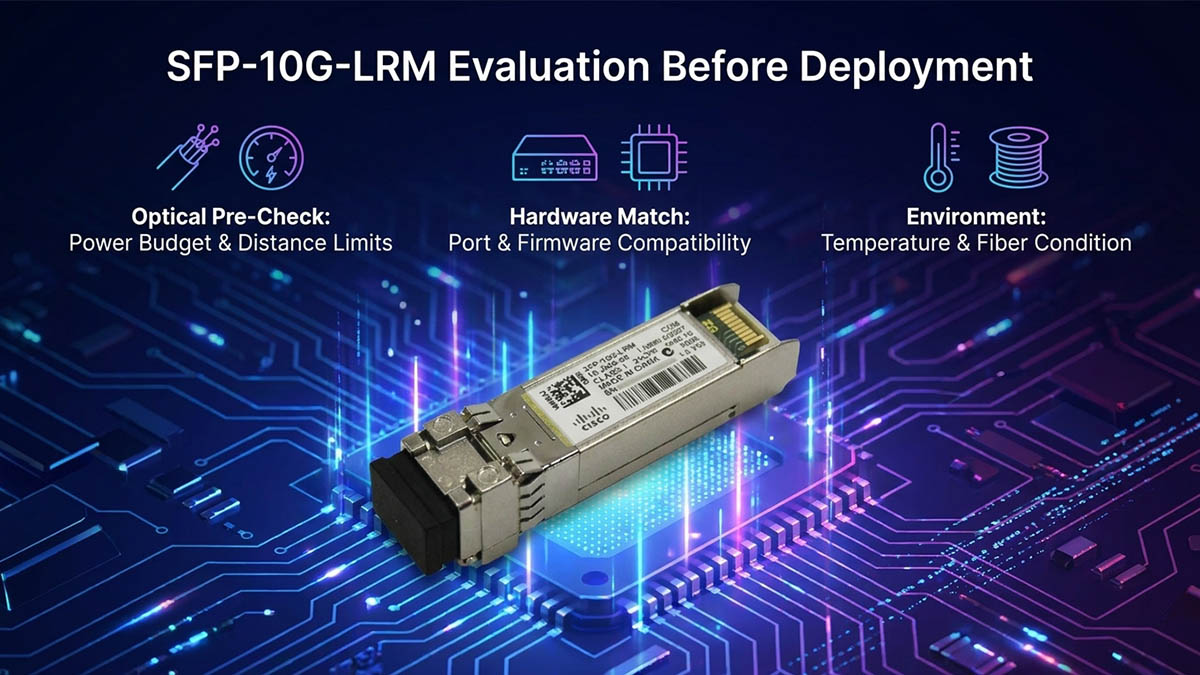
Evaluating the Cisco SFP-10G-LRM datasheet before deployment helps network professionals confirm whether the optical module matches their performance requirements, fiber infrastructure, and host equipment capabilities. A detailed review of optical parameters, compatibility information, and operating conditions can reduce deployment risks and improve long-term 10Gbps network reliability.
Check Optical Parameters
Cisco SFP-10G-LRM optical specifications determine whether the module can meet the required transmission distance, fiber compatibility, and link performance expectations. Before deployment, these parameters should be compared with the actual network design to ensure the optical link can operate within supported limits.
The main optical parameters that should be evaluated include:
- Data rate: Confirm that the module supports 10Gbps Ethernet requirements for the target network application.
- Operating wavelength: Verify that the 1310nm wavelength matches the optical design and supported fiber environment.
- Fiber type: Ensure the existing infrastructure uses compatible multimode fiber.
- Transmission distance: Check whether the supported reach meets the physical distance between connected devices.
- Optical power budget: Evaluate whether the available power margin is sufficient after considering fiber attenuation, connectors, and other link losses.
These optical specifications directly affect network stability because insufficient optical margin or incompatible fiber conditions may result in link errors, reduced performance, or connection failures. Reviewing the datasheet before installation allows engineers to identify potential limitations and optimize the fiber path accordingly.
Verify Hardware Compatibility
Cisco SFP-10G-LRM must be matched with compatible networking equipment to ensure proper recognition and operation. Although the module uses a standardized SFP+ form factor, compatibility depends on the specific switch, router, firmware version, and transceiver support information of the host platform.
The main hardware compatibility factors include:
- SFP+ port support: Confirm that the network device provides compatible 10Gbps SFP+ optical ports.
- Platform support: Verify that the Cisco switch or router model supports SFP-10G-LRM.
- Firmware compatibility: Check whether the device software can correctly identify and manage the transceiver.
- Module identification: Ensure EEPROM information and transceiver coding are recognized by the host system.
A proper compatibility check helps avoid common deployment issues, such as unsupported module warnings, interface initialization failures, or unstable optical links. Network administrators should review platform documentation and supported transceiver lists before integrating Cisco SFP-10G-LRM into production networks.
Consider Network Environment Requirements
The operating environment plays an important role in determining the long-term reliability of Cisco SFP-10G-LRM deployments. In addition to optical and hardware compatibility, network designers should consider physical installation conditions and future expansion requirements.
Important environmental and deployment factors include:
- Installation location and equipment airflow conditions.
- Operating temperature range of the network equipment environment.
- Fiber cable quality and maintenance condition.
- Connector cleanliness and proper fiber installation practices.
- Future bandwidth requirements and possible network expansion plans.
Evaluating these environmental factors helps ensure that Cisco SFP-10G-LRM operates within appropriate conditions throughout its service life. For example, contaminated fiber connectors or excessive optical loss can negatively affect transmission performance even when the transceiver specifications meet the network requirements.
A complete datasheet evaluation should therefore combine optical analysis, hardware verification, and environmental assessment. By reviewing these factors together, organizations can determine whether Cisco SFP-10G-LRM is suitable for their specific 10Gbps deployment scenario and achieve more reliable network connectivity.
☑️ Conclusion
Cisco SFP-10G-LRM is a 10GBASE-LRM SFP+ optical transceiver designed to provide reliable 10Gbps connectivity over multimode fiber infrastructures. By reviewing the Cisco SFP-10G-LRM datasheet, network professionals can better understand its optical specifications, 1310nm wavelength operation, transmission capabilities, SFP+ interface characteristics, standards compliance, and deployment requirements. These technical details help determine whether Cisco SFP-10G-LRM is suitable for enterprise networks, data center links, and legacy fiber infrastructure upgrades.
The key points covered in this article include:
- Cisco SFP-10G-LRM supports 10Gbps Ethernet transmission with extended-reach multimode fiber capabilities.
- The module’s optical parameters, including wavelength, fiber type, and power characteristics, directly affect link performance.
- Compatibility evaluation with Cisco platforms, SFP+ interfaces, and existing fiber cabling is essential before deployment.
- Standards compliance with 10GBASE-LRM and SFP+ specifications ensures reliable integration into professional network environments.
For organizations planning 10Gbps optical network upgrades, carefully evaluating Cisco SFP-10G-LRM datasheet information is an important step toward achieving stable and efficient connectivity. In addition to original equipment solutions, compatible optical transceiver options from LINK-PP Official Store can provide flexible choices for different network deployment requirements. By selecting solutions based on accurate specifications and application needs, enterprises can build scalable optical networks with improved performance and long-term reliability.