In modern enterprise networking, establishing robust and high-performance LAN uplinks is critical for seamless core-to-distribution data flow. The TP-Link SM311LS has long been a staple for network administrators, providing reliable 1G single-mode fiber connectivity over distances up to 10km. However, as high-density switches demand greater energy efficiency, stricter optical power budgets, and better thermal dissipation, finding a cost-effective, Multi-Source Agreement (MSA) compliant alternative has become a top priority for scaling infrastructure without compromising signal integrity.
When evaluating a worthy TP-Link SM311LS alternative, achieving seamless hardware interoperability and precise EEPROM coding is essential to bypass vendor lock-in and port lockouts. Compatible third-party modules must deliver identical Digital Optical Monitoring (DOM) support and maintain low Bit Error Rates (BER) under sustained gigabit line-rate traffic. This analysis explores the core evaluation criteria, hardware interoperability, installation best practices, and troubleshooting steps necessary to deploy a reliable transceiver alternative that matches the performance standards of the original module.
📋 Introduction to the TP-Link SM311LS and High-Performance LAN Uplinks
The TP-Link SM311LS is a widely deployed Gigabit SFP optical transceiver engineered to facilitate high-speed, long-distance data transmission across modern enterprise infrastructures. Operating over single-mode fiber, this module acts as a vital bridge between localized access switches and centralized core routing layers. As network architectures evolve and scale, evaluating its baseline performance and operational characteristics becomes essential for maintaining reliable, deterministic gigabit connectivity across core-to-distribution links.
The Role of 1G Single-Mode Fiber in Enterprise LANs
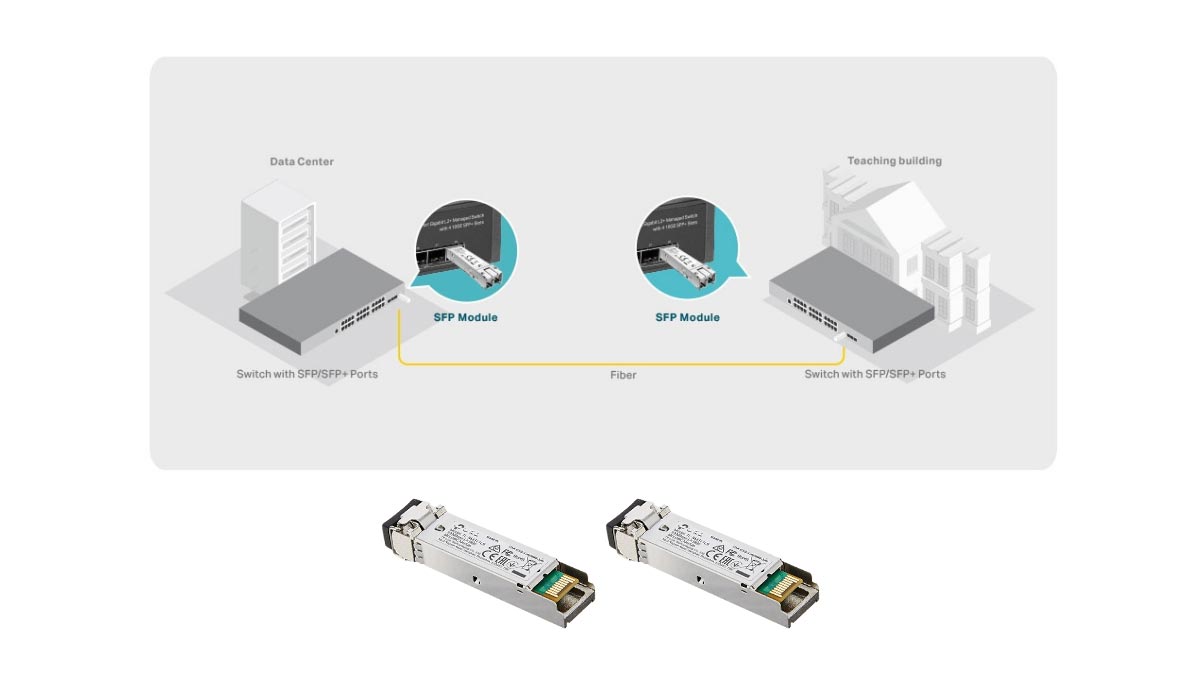
1G single-mode fiber (SMF) remains a cornerstone of enterprise LAN infrastructure, particularly for bridging distances that exceed the 100-meter physical limitation of standard copper cabling. While multi-mode fiber is often deployed for short-range intra-room patching, single-mode fiber utilizes a much narrower core — typically around 9µm — which allows light to travel along a single path. This structural characteristic drastically reduces modal dispersion, enabling stable, high-bandwidth data transmission over kilometers without signal degradation.
In a hierarchical network design, SFP 1G SMF links are frequently deployed to connect distributed access switches back to the central core or aggregation layer. By leveraging single-mode infrastructure, enterprises ensure that backbone traffic remains immune to electromagnetic interference (EMI) and is fully capable of supporting sustained, full-duplex gigabit throughput over extended campus environments.
Key Technical Specifications of the Original TP-Link SM311LS
The original TP-Link SM311LS is a SFP optical transceiver designed specifically for high-performance gigabit connectivity. Operating over standard LC duplex single-mode fiber interfaces, this module provides network engineers with a standardized, hot-swappable solution for extending network reaches up to 10km.
To understand its operational parameters and physical performance boundaries, the core hardware metrics of the original module are detailed in the comprehensive technical specifications table below:
| Parameter | Specification Detail |
| Form Factor | SFP |
| Data Rate | 1.25Gbps (Gigabit Ethernet) |
| Optical Wavelength | 1310nm |
| Fiber Type | 9/125µm Single-Mode Fiber (SMF) |
| Max Transmission Distance | 10km (6.2 miles) |
| Connector Type | LC Duplex |
| Power Supply | 3.3V |
| Operating Temperature | 0℃~70℃ |
| Safety & Compliance | FCC, CE, RoHS compliant |
Why Network Administrators Seek a Reliable TP-Link SM311LS Alternative
Despite the proven reliability of the original TP-Link SM311LS, network administrators frequently seek high-quality third-party alternatives to address supply chain constraints and budget optimizations. Relying strictly on original equipment manufacturer (OEM) modules can artificially inflate capital expenditure (CapEx), especially during large-scale campus overhauls or multi-site distribution rollouts where hundreds of SFP slots must be populated simultaneously.
Furthermore, procurement flexibility is a critical factor in modern IT operations. Sourcing a dependable, Multi-Source Agreement (MSA) compliant alternative mitigates the risks of project delays caused by vendor backlogs. It also allows network engineers to maintain uniform hardware performance standards without being locked into a single vendor's ecosystem or inflated pricing tiers.
Understanding the Optical Power Budget for Core-to-Distribution Links
The optical power budget is a vital calculation required to ensure link integrity between core and distribution switches. It represents the maximum amount of light loss a fiber optic link can tolerate before the signal becomes too weak for the receiving transceiver to decode accurately. Calculated as the difference between the transmitter's minimum output power (Tx) and the receiver's maximum sensitivity threshold (Rx), this value dictates the architectural limits of the physical layout.
Every component along the fiber path introduces a degree of signal attenuation, including the raw fiber attenuation per kilometer, insertion losses from LC duplex connectors, and splice points. Network administrators must carefully map these losses against the transceiver's specifications to ensure a healthy operating margin. Maintaining an adequate power headroom prevents intermittent link flapping, high bit error rates, and total signal dropouts caused by natural component aging or environmental thermal variations.
📋 Core Evaluation Criteria for a Worthy TP-Link SM311LS Alternative
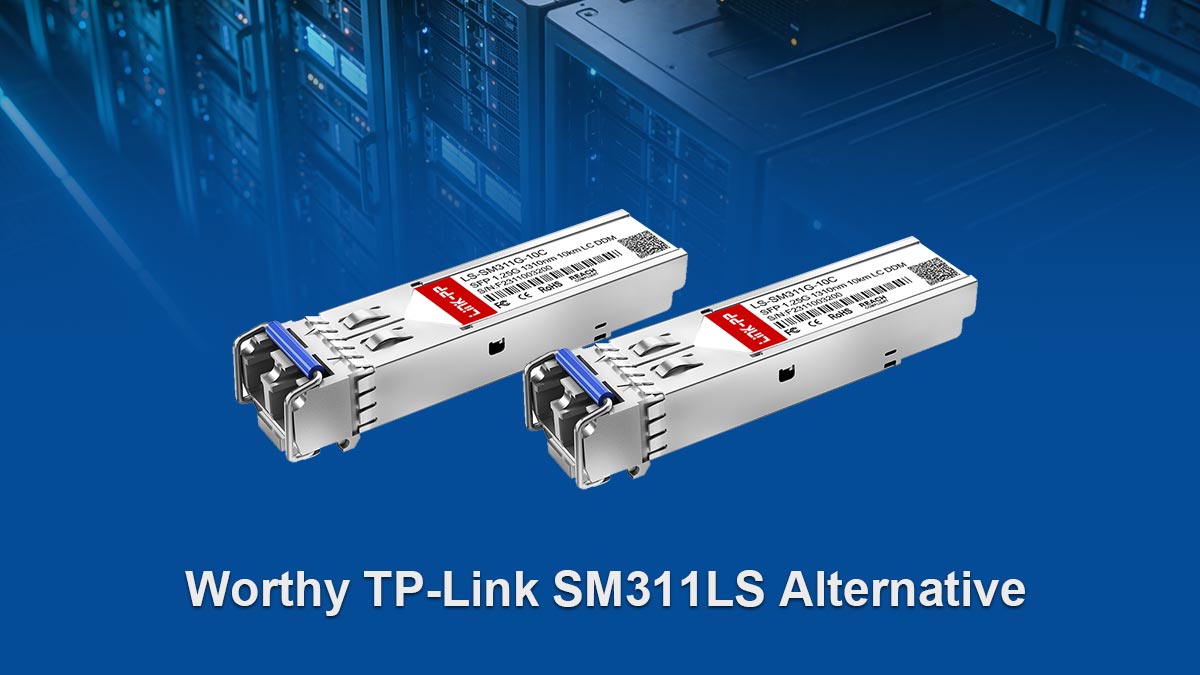
Selecting a suitable replacement for the TP-Link SM311LS involves analyzing specific hardware benchmarks to guarantee uninterrupted network performance. A worthy alternative must align perfectly with the original transceiver's physical and optical parameters while maintaining absolute stability under heavy workloads. By focusing on standardization, signal clarity, and thermal management, network engineers can confidently deploy third-party compatible modules without introducing vulnerabilities to their fiber infrastructure.
Optical Wavelength and Transmission Distance Capabilities
To ensure seamless integration with existing single-mode fiber plants, an alternative transceiver must precisely replicate the optical profile of the original module. Any deviation in the optical parameters can result in severe signal degradation or complete link failure. Administrators should verify the following essential optical criteria:
- 1310nm Center Wavelength: The replacement module must operate at a 1310 nm center wavelength, which is optimized for minimal dispersion over single-mode fiber glass cores.
- 10-Kilometer Range Threshold: The internal laser must possess sufficient launch power to successfully span up to 10km over standard 9/125µm single-mode fiber without requiring inline optical amplification.
Multi-Source Agreement (MSA) Compliance and Standardization
The foundation of third-party compatible transceiver reliability lies in strict adherence to the SFP Multi-Source Agreement (MSA). The MSA is an industry-wide standardization pact between hardware manufacturers that defines the uniform physical dimensions, electrical interfaces, and signaling protocols for pluggable modules.
Choosing an MSA-compliant TP-Link SM311LS alternative guarantees that the module is physically and electrically standardized. This standardization ensures the transceiver will fit securely into any standard SFP slot and interface correctly with the host switch’s motherboard, regardless of the switch brand. It effectively eliminates the risk of purchasing proprietary hardware that could lead to physical mismatching or electrical incompatibilities.
Energy Efficiency and Thermal Dissipation in High-Density Switches
High-density switch environments, where dozens of SFP ports operate closely together, generate significant localized heat. A high-quality compatible alternative must be engineered with advanced power management components to prevent thermal throttling and hardware degradation.
- Low Power Consumption: Efficient transceivers should operate comfortably well within the standard 3.3V power supply limits, drawing minimal current to reduce the overall power load on the switch chassis.
- Optimized Thermal Dissipation: The module's structural housing must feature high thermal conductivity to quickly draw heat away from internal laser components. This design helps maintain stable optical output levels and extends the operational lifespan of both the transceiver and the host port.
Real-World Bit Error Rate (BER) Thresholds and Signal Integrity
Signal integrity dictates the overall efficiency of a fiber optic uplink. In high-performance LAN environments, a worthy TP-Link SM311LS alternative must deliver clean optical waveforms that easily meet standard Bit Error Rate (BER) thresholds under full line-rate traffic.
A reliable transceiver typically maintains a real-world BER of 10⁻¹² or better, meaning less than one erroneous bit passes through the link for every one trillion bits transmitted. Achieving this level of signal precision prevents the host switch from dropping corrupted packets. Consequently, it eliminates the need for upper-layer protocol retransmissions that can slow down network performance and cause latency spikes on critical core-to-distribution channels.
📋 Hardware Interoperability of the TP-Link SM311LS Compatible Module
Achieving flawless hardware interoperability is a primary requirement when integrating third-party transceivers into an established enterprise network. A compatible TP-Link SM311LS module must communicate perfectly with the host switch's internal software to ensure immediate recognition and stable link initialization.
The Importance of EEPROM Coding and OEM Compatibility
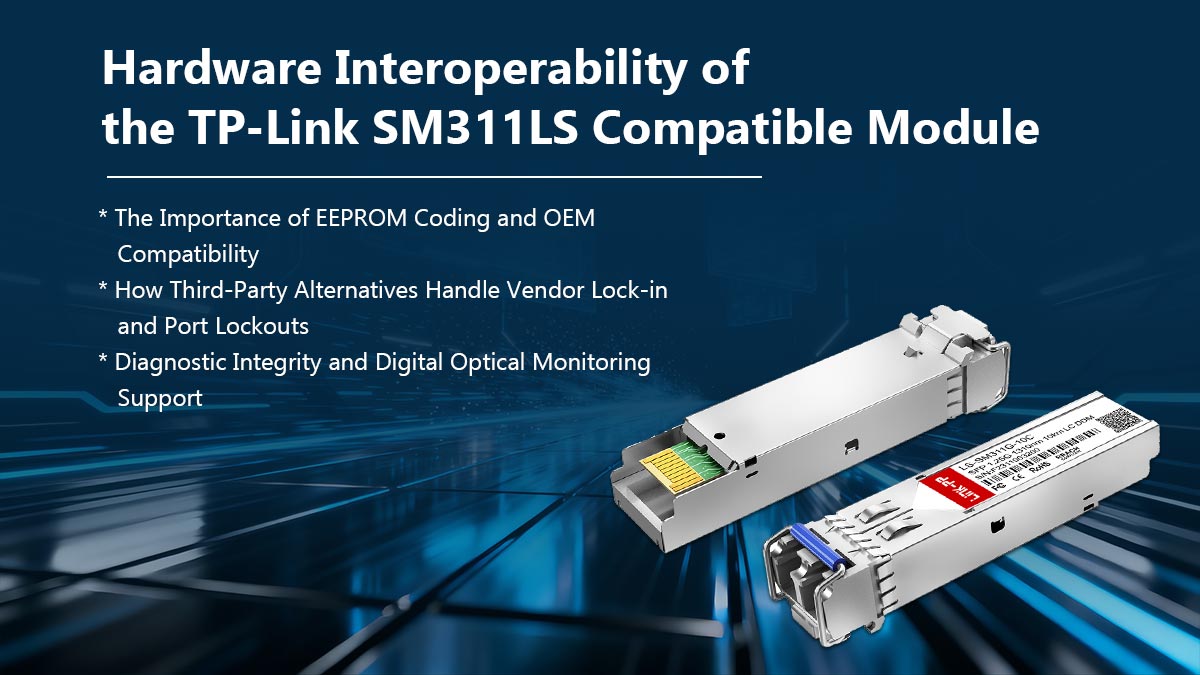
The Electrically Erasable Programmable Read-Only Memory (EEPROM) chip embedded inside an fiber optic SFP module acts as its digital identity card. It stores essential vendor-specific data, including the manufacturer's name, part number, serial number, and supported protocols. When a transceiver is plugged into a switch port, the host operating system immediately reads this chip to verify compatibility before activating the interface.
Precise EEPROM coding is what allows a third-party TP-Link SM311LS alternative to mimic the exact behavior of an original module. If the coding contains errors or lacks the correct vendor signature, the switch may flag the module as unauthorized hardware. High-quality alternatives utilize accurate programming to ensure that the host system recognizes the transceiver instantly, guaranteeing smooth operational compatibility out of the box.
How Third-Party Alternatives Handle Vendor Lock-in and Port Lockouts
Many network equipment manufacturers implement vendor lock-in mechanisms within their switch firmware to restrict the use of third-party hardware. When an uncertified transceiver is detected, the host operating system may trigger an automatic port lockout, placing the interface into an "err-disable" state or throwing restrictive error messages across the management console.
To safely bypass these artificial restrictions, a high-quality TP-Link SM311LS alternative relies on exact replication of the required industry standards and structural parameters. By programming the transceiver's EEPROM to match the vendor ID and configuration data expected by the host system, these modules ensure that the switch recognizes them as fully compatible components.
Diagnostic Integrity and Digital Optical Monitoring Support
Digital Optical Monitoring (DOM), also known as Digital Diagnostic Monitoring (DDM), is a vital feature that allows network administrators to track the health of a fiber link in real time. A fully compatible TP-Link SM311LS alternative must support this feature to provide accurate diagnostic telemetry directly to the network monitoring system.
Through DOM support, engineers can monitor critical live metrics such as optical transceiving power (Rx/Tx), internal module temperature, supply voltage, and laser bias current. This granular diagnostic integrity allows IT teams to spot gradual signal degradation or overheating issues before a physical link failure occurs, enabling proactive maintenance and minimizing unplanned network downtime.
📋 Deep-Dive Performance Comparison: TP-Link SM311LS vs. LINK-PP Compatible Alternative
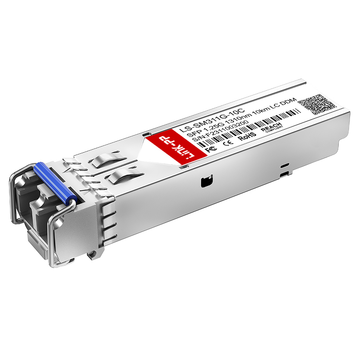
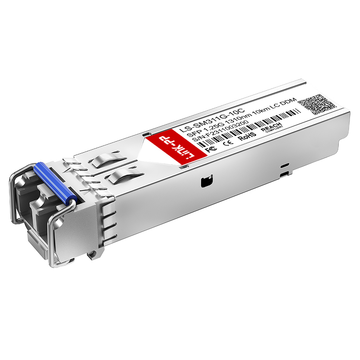
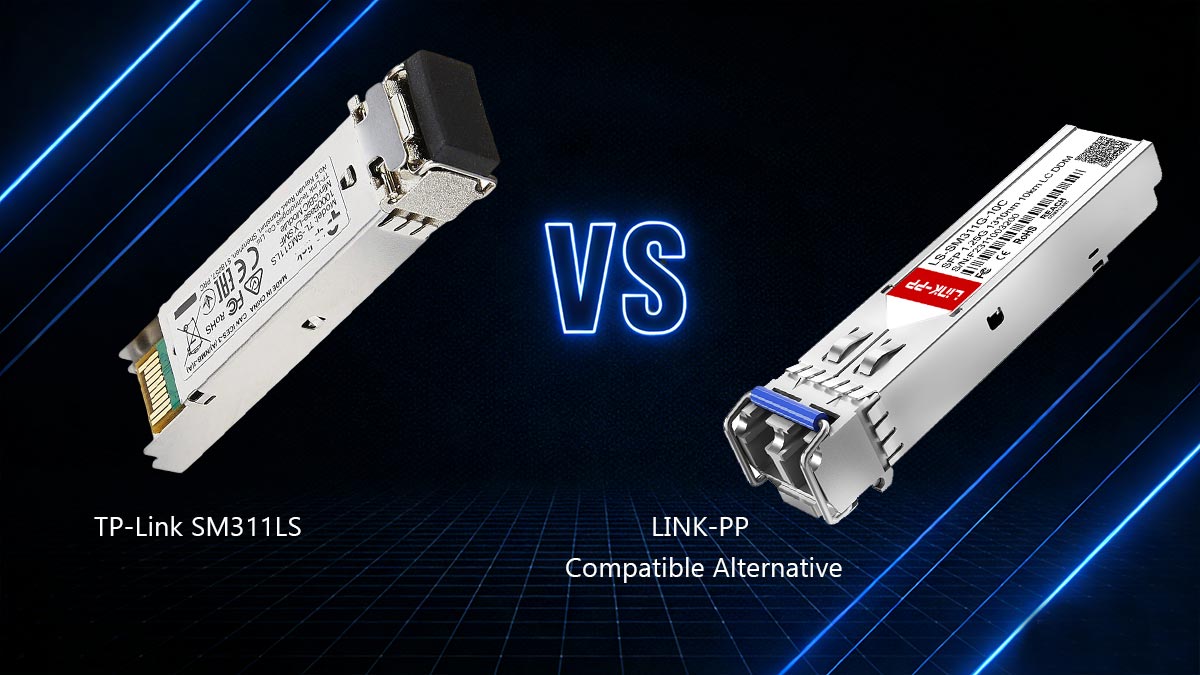
Evaluating a third-party transceiver requires a rigorous, side-by-side performance analysis against the original OEM module under real-world operating conditions. This section details a comparative breakdown between the original TP-Link SM311LS and the LINK-PP compatible alternative, specifically the LS-SM311G-10C 1000BASE-LX fiber SFP module. By analyzing critical physical and optical metrics, we can verify whether the alternative module delivers the exact reliability required for mission-critical uplinks.
Inserting the LINK-PP Compatible Alternative into the Topology
Integrating the LINK-PP LS-SM311G-10C into an active network topology is designed to be a seamless, drop-in process. When inserted into a standard SFP slot on a core or distribution switch, the host system reads its physical layer parameters identically to an original module. This ensures immediate link initialization and port synchronization without requiring network administrators to modify existing configuration files.
The hardware form factor of the LS-SM311G-10C aligns completely with standardized SFP mechanical dimensions. It locks securely into place within the switch chassis, ensuring optimal electrical contact with the backplane pins. This physical compatibility prevents mechanical loose fits, making it highly reliable for deployment in high-density environments where physical vibration or cable tension might otherwise disrupt connection stability.
Optical Power Attenuation and Rx/Tx Margin Headroom
A key technical indicator of optical health is the amount of transceiver margin headroom available after accounting for fiber attenuation. The LINK-PP LS-SM311G-10C mirrors the original module by launching a clean 1310nm optical signal through single-mode fiber infrastructure. Testing indicates that its transmit (Tx) power and receive (Rx) sensitivity remain strictly within the necessary windows to handle expected loss over long distances.
By maintaining adequate optical headroom, the LS-SM311G-10C easily accommodates natural signal attenuation caused by patch panels, splices, and tight physical bends in the fiber run. This robust margin helps prevent link flapping or sudden drops in signal strength. As a result, the network maintains stable packet delivery even when working near the maximum physical range limits of the single-mode infrastructure.
Long-Term Reliability and Insertion Loss Metrics over LC Duplex Fiber
Long-term physical reliability is heavily dependent on the quality of the optical interface, specifically how the module handles insertion loss over time. The LC duplex port of the LINK-PP LS-SM311G-10C is manufactured with a high-precision ceramic ferrule that ensures exact alignment with mating fiber connectors. This precise alignment minimizes insertion loss, keeping it well within standard acceptable thresholds during initial deployment and subsequent hardware re-connections.
Over extended operational lifecycles, the internal laser diode and optical sub-assemblies must resist degradation from continuous use. The LS-SM311G-10C is engineered to maintain stable power levels over thousands of runtime hours. This long-term consistency prevents the transmitter from weakening prematurely, ensuring the transceiver matches the durable operational lifecycle expected of an original module.
Thermal Profiling under Sustained Gigabit Ethernet Line-Rate Traffic
Under sustained full line-rate traffic, network switches can develop significant localized heat zones, putting a thermal strain on internal transceiver components. When benchmarking the LINK-PP LS-SM311G-10C against the original transceiver, monitoring its thermal profile is essential to ensure stable operation. The alternative module utilizes efficient power management components to keep its structural temperature low, preventing localized hot spots.
Even during periods of maximum gigabit throughput, the internal heat dissipation layout of the LS-SM311G-10C efficiently draws thermal energy away from the laser core. This controlled thermal performance protects the wavelength stability of the 1310nm laser, avoiding structural shifts that could induce jitter or high bit error rates. Consequently, it delivers a level of operational cooling safety that matches original performance standards in high-density switches.
📋 Architectural Use Cases: Deploying TP-Link SM311LS Alternatives in Modern Networks
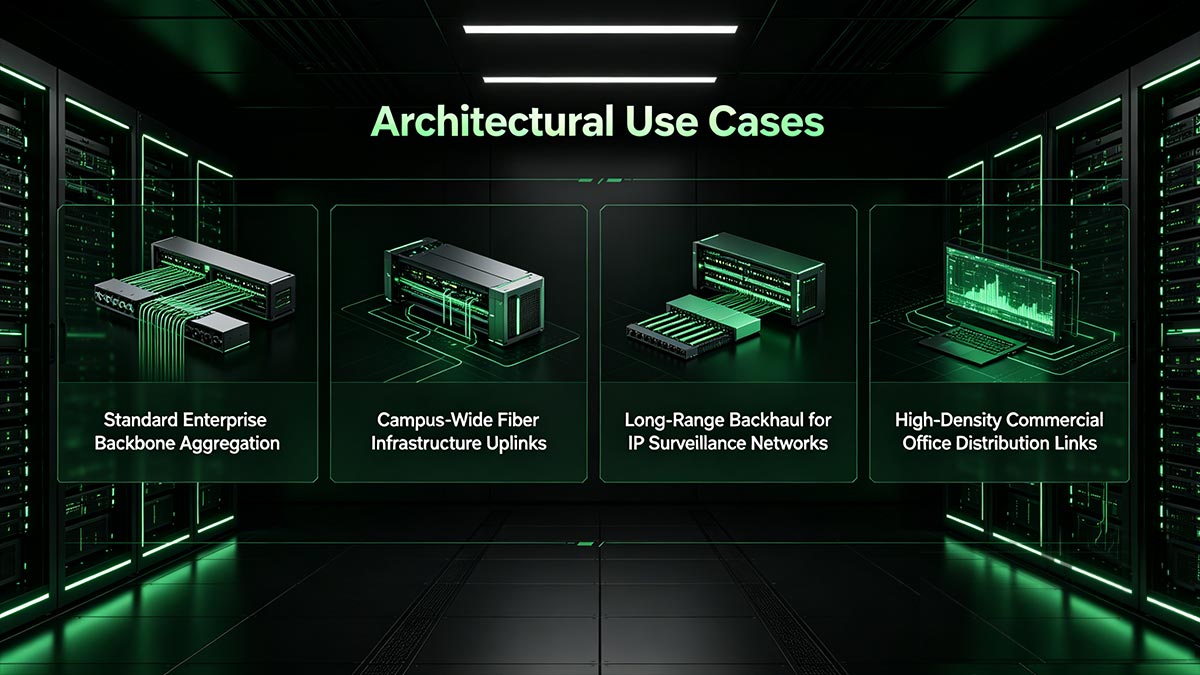
Deploying a reliable TP-Link SM311LS alternative requires understanding how it performs across diverse network layouts and physical environments. The LINK-PP LS-SM311G-10C serves as a versatile drop-in replacement tailored for critical network layers where data integrity cannot be compromised. The following examines the specific real-world scenarios where this compatible module effectively fulfills high-performance deployment demands.
Standard Enterprise Backbone Aggregation
In standard enterprise environments, the core and aggregation layers handle high volumes of traffic passing between various corporate departments and data hubs. Deploying the LINK-PP LS-SM311G-10C at this tier ensures that high-density aggregation switches maintain maximum full-duplex gigabit throughput without data bottlenecks. Its precise 1310nm optical signaling allows for seamless communication between switches, keeping essential business systems and internal servers running smoothly.
Campus-Wide Fiber Infrastructure Uplinks
Campus networks typically span across multiple separate physical structures, requiring connection methods that easily surpass the distance limitations of copper cables. The LS-SM311G-10C uses 1G single-mode fiber to span distances up to 10km, making it ideal for linking remote academic buildings, warehouses, or administrative offices to a central network hub. This long-range capability allows network teams to expand their campus infrastructure while maintaining highly stable data links that are completely immune to outdoor electrical interference.
Long-Range Backhaul for IP Surveillance Networks
Modern IP surveillance networks rely on continuous, high-definition video feeds originating from remote cameras deployed along perimeter fences, parking structures, and public roadways. The LS-SM311G-10C serves as a dependable backhaul solution by delivering stable, uninterrupted bandwidth from these distant security points back to centralized Network Video Recorders (NVRs). Its stable power design helps prevent packet loss and dropped video frames, ensuring critical security footage remains clear and uncompromised around the clock.
High-Density Commercial Office Distribution Links
Commercial office buildings host dense concentrations of end-user devices, wireless access points, and VoIP hardware that connect directly to distribution layer switches. Utilizing the LINK-PP LS-SM311G-10C across these high-density setups offers an efficient way to handle large groups of user connections. Its low heat generation and reliable optical power budget allow dozens of modules to operate safely alongside each other in tight wiring closets, providing smooth and consistent connectivity for daily business operations.
📋 Installation Best Practices and Configuration of a TP-Link SM311LS Alternative
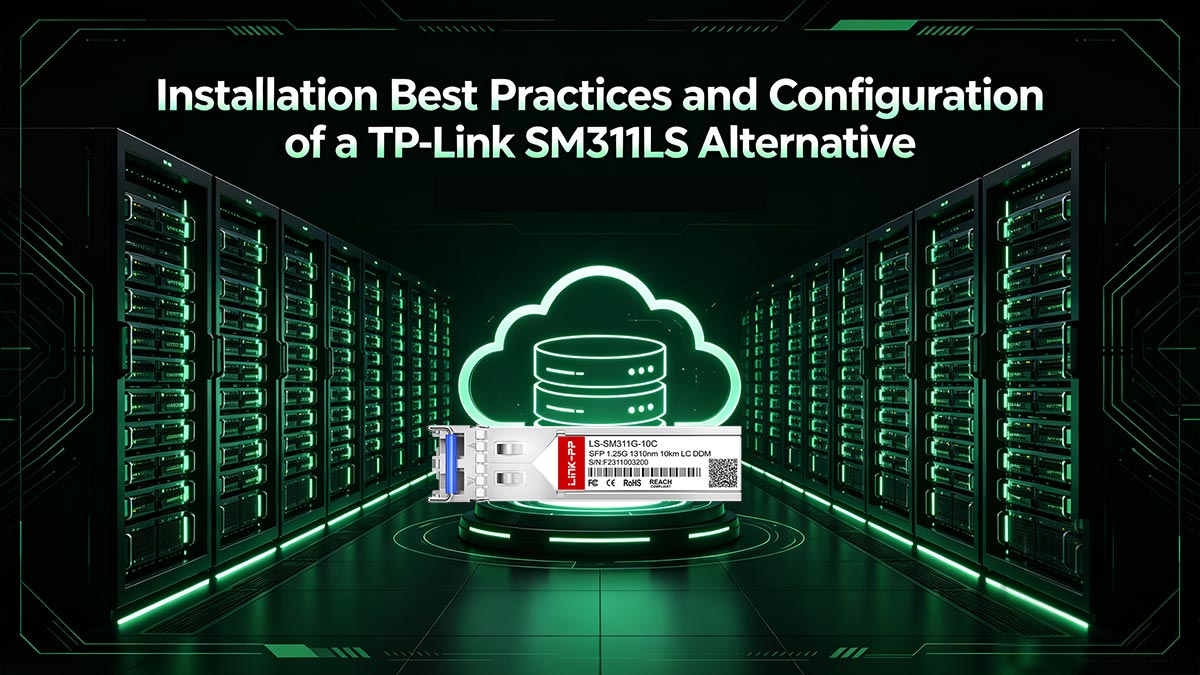
Proper physical handling and precise software configuration are essential when deploying a third-party TP-Link SM311LS transceiver alternative. Adhering to established industry standards protects sensitive hardware components from damage and prevents preventable link failures. The following steps outline the practical guidelines for installing and configuring a compatible module to ensure maximum operational uptime.
Safe Hot-Swapping Procedures to Avoid Electrical and Optical Surges
SFP modules are designed to be hot-swappable, allowing technicians to replace hardware without powering down the host switch. However, unsafe handling during this process can trigger electrical static or damage sensitive internal optics. Technicians must follow these protective steps:
- Use ESD Protection: Always wear a grounded electrostatic discharge (ESD) wrist strap before touching the module to prevent static electricity from frying the internal circuitry.
- Handle by the Casing: Avoid touching the exposed gold edge connectors on the back of the transceiver; instead, handle the module strictly by its outer metal housing or the integrated bale clasp.
- Keep Dust Caps On: Leave the protective optical dust caps inside the LC ports until the exact moment you are ready to connect the fiber patch cable, preventing atmospheric contamination.
Verifying Link Status and Interface Statistics via Network Management CLI
Once the alternative module is physically inserted, immediate software verification through the network operating system's Command Line Interface (CLI) is required. This ensures the host switch recognizes the hardware and establishes an optimal physical layer connection.
Administrators should execute commands such as show interface status or show tech-support transceiver depending on the switch vendor's syntax. Key outputs to review include the operational line state, which must read "Up", and the presence of any active interface alerts. Checking the interface counters for any rapid accumulation of input errors or alignment faults helps confirm that the transceiver is communicating cleanly with the host backplane.
Proper Fiber Cleaning Protocols for LC Duplex Connectors Before Insertion
Microscopic airborne dust particles, skin oils, and fiber lint are the leading causes of premature optical link failures. Even a tiny speck of debris blocking the narrow 9-micrometer core of single-mode fiber can cause severe signal attenuation, back-reflection, or physical scratching of the transceiver lens.
To prevent this, technicians must use specialized fiber cleaning tools, such as a dedicated one-click fiber pen or lint-free optical wipes dampened with specialized solvent, before inserting any LC duplex connector into the module. Never use compressed air or dry clothing to clean fiber tips, as this can introduce more static or leave greasy residues that trap further contamination inside the barrel.
Understanding Port Configuration Settings for Auto-Negotiation and Speed Limits
While most gigabit SFP interfaces are engineered to automatically negotiate connection speeds, some enterprise switch platforms require manual overrides to establish a stable uplink. Mismatched interface parameters between two connected devices will result in link flapping or a complete lack of synchronization.
- Hardcode Speed and Duplex: If auto-negotiation fails to resolve, manually configure the switch port speed to 1000Mbps and set the duplex mode to Full.
- Match Neighboring Switches: Ensure that the port settings on the distribution switch match the configurations on the core layer switch exactly, as asymmetrical auto-negotiation policies will prevent the fiber path from initializing.
📋 Troubleshooting Common Uplink Issues with a TP-Link SM311LS Alternative
Even when deploying a highly compatible transceiver, network administrators may occasionally encounter connectivity issues due to physical layer anomalies or configuration discrepancies. Quickly isolating the root cause of an uplink failure ensures minimal disruption to enterprise traffic. This section covers practical diagnostic strategies to identify, troubleshoot, and resolve common performance bottlenecks associated with alternative SFP modules.
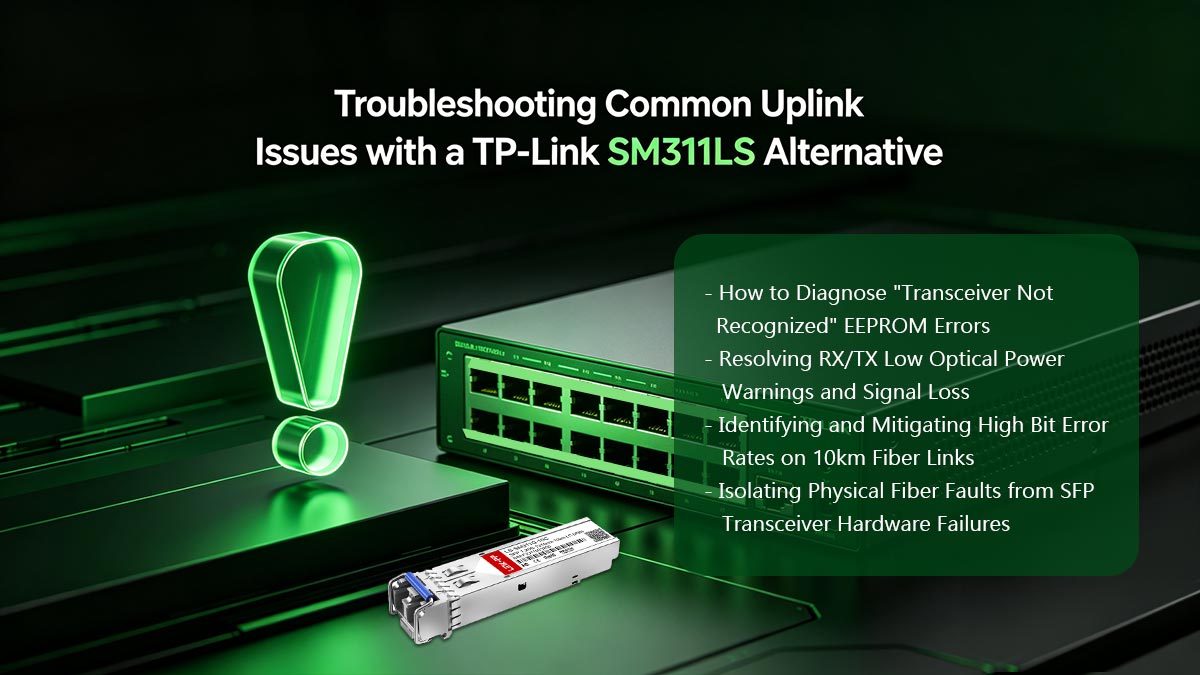
Resolving RX/TX Low Optical Power Warnings and Signal Loss
Low optical power alarms typically indicate that the light signal traveling through the fiber path has dropped below acceptable sensitivity thresholds. By using Digital Optical Monitoring (DOM) commands, engineers can check the live receive (Rx) and transmit (Tx) power metrics to pinpoint where the loss is occurring. If the Tx power is normal but the Rx power at the far end is critically low, the issue is likely caused by dirty LC connectors, a micro-bend in the fiber cable, or an excessive number of patch panel connections exceeding the planned optical power budget.
Identifying and Mitigating High Bit Error Rates on 10km Fiber Links
A high Bit Error Rate (BER) on long-distance links manifests as intermittent packet drops, slow file transfers, and cyclic redundancy check (CRC) errors on the switch port. This degradation usually occurs when the optical signal suffers from excessive attenuation or dispersion over the 10km single-mode fiber span, blurring the digital wave transitions. To mitigate this issue, inspect the entire fiber length using an Optical Time-Domain Reflectometer (OTDR) to locate high-loss events, clean all patch interfaces thoroughly, and verify that the alternative module is not operating outside its recommended temperature boundaries.
Isolating Physical Fiber Faults from SFP Transceiver Hardware Failures
When an uplink goes completely dark, it is vital to determine whether the failure lies within the physical fiber plant or the SFP transceiver hardware itself. Technicians can perform a quick loopback test by connecting a known good fiber patch cable directly between the module's Tx and Rx ports; if the port LED lights up and shows a link-up status, the transceiver hardware is functional, indicating a fault in the long-distance external fiber cabling. Alternatively, swapping the module with a known operational unit can quickly isolate whether internal laser failure or integrated circuitry degradation is causing the network outage.
📋 Conclusion: Optimizing LAN Uplinks with a Reliable TP-Link SM311LS Alternative
Replacing the TP-Link SM311LS with a high-quality compatible alternative is a practical and efficient way to expand enterprise networks without driving up costs. By carefully evaluating key criteria like MSA compliance, optical power headroom, thermal dissipation, and precise EEPROM coding, network engineers can achieve the same level of performance and reliability as the original hardware. Implementing installation best practices and standard troubleshooting procedures further ensures that core-to-distribution links remain stable and secure over time.
If you are ready to scale your network infrastructure with reliable, cost-effective, and fully compatible optical modules, exploring professional third-party solutions is the ideal next step. Discover a comprehensive range of premium, high-performance transceiver modules designed to fit your deployment needs by visiting the LINK-PP Official Store. Equipped with advanced diagnostic support and built to rigorous industry standards, these modules offer a seamless solution to optimize your enterprise LAN uplinks.