The price of Fortinet FN-TRAN-SX varies significantly depending on sourcing channels, product condition, and market demand, making it essential to understand what drives its cost before making deployment decisions. For most enterprise networks, this 1G SFP module remains a cost-sensitive component where small price differences can scale into substantial budget impacts.
In practical terms, FN-TRAN-SX pricing is not fixed; it fluctuates based on supply chain conditions, vendor positioning, and the growing presence of compatible alternatives. Organizations evaluating this module are typically comparing OEM pricing against third-party options while balancing reliability, compatibility, and long-term cost efficiency.
This guide focuses on the real pricing landscape of Fortinet FN-TRAN-SX, breaking down cost factors, market trends, and optimization strategies. The goal is to help readers clearly understand how to assess price-to-performance value and identify opportunities to reduce overall network expenditure without compromising operational stability.
🃏 Overview of Fortinet FN-TRAN-SX
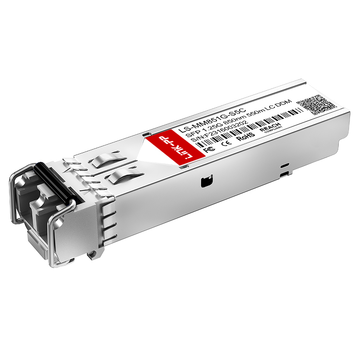
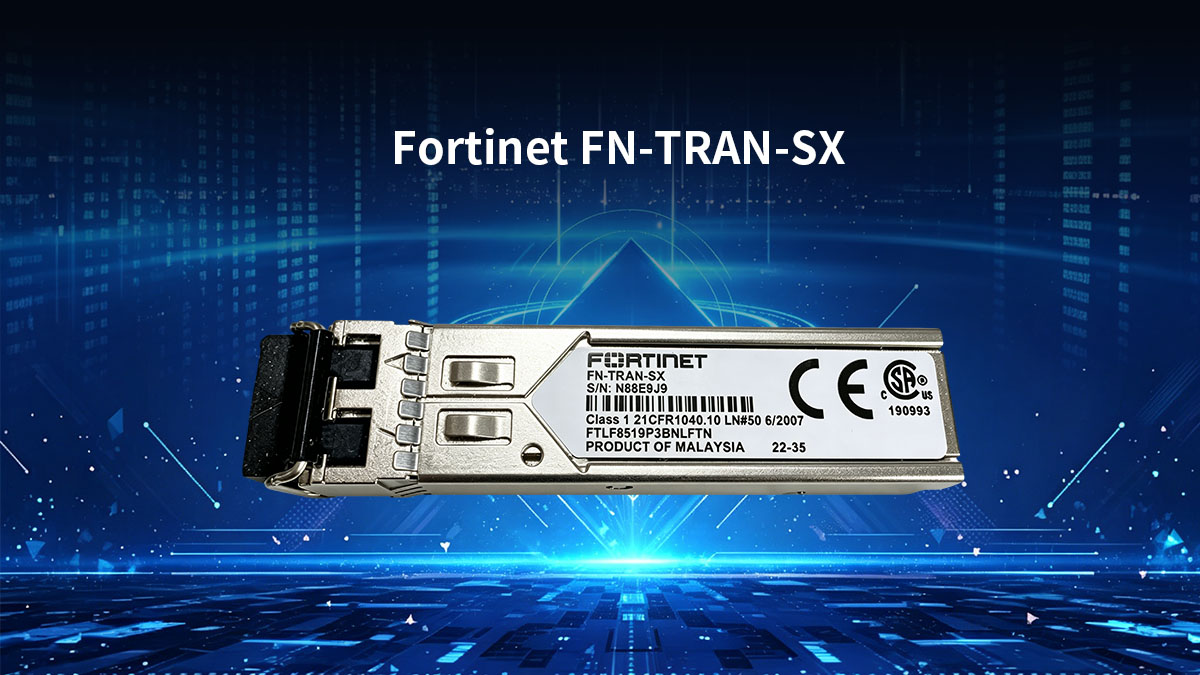
The Fortinet FN-TRAN-SX is a 1G multimode SFP transceiver designed for short-range optical communication, offering a cost-effective solution for enterprise networks that require stable and standardized fiber connectivity. It is widely deployed in scenarios where reliable performance and compatibility with Fortinet hardware are essential.
Product Positioning in the Market
The FN-TRAN-SX is positioned as an entry-level yet essential optical module for short-distance transmission, balancing performance and cost for enterprise access and aggregation layers.
To better understand its core specifications, the following table summarizes the key technical parameters:
| Parameter | Specification |
|---|---|
| Data Rate | 1Gbps |
| Wavelength | 850nm |
| Fiber Type | Multimode (MMF) |
| Max Transmission | Up to 550m |
| Connector Type | LC Duplex |
These specifications make it suitable for standardized Gigabit Ethernet deployments, especially in environments where multimode fiber infrastructure is already in place.
Typical Deployment Scenarios
The FN-TRAN-SX is primarily used in short-range networking environments where cost efficiency and stable connectivity are more critical than long-distance transmission.
Common deployment scenarios include:
- Data center intra-rack and inter-rack connections
- Enterprise campus network access layers
- Switch-to-switch uplinks within buildings
- Network edge connectivity for legacy 1G environments
In these scenarios, the module provides a practical balance between affordability and performance, making it a widely adopted choice for maintaining and extending existing Gigabit network infrastructures.
Compatibility and Network Integration
One of the key advantages of the Fortinet FN-TRAN-SX is its integration within Fortinet network environments, where compatibility stability plays an important role in maintaining predictable optical connectivity.
The module is commonly integrated into the following network scenarios:
- Fortinet switches operating in enterprise access and aggregation layers
- Existing multimode fiber infrastructures requiring Gigabit connectivity
- Mixed-vendor network environments using standardized SFP interfaces
- Campus and branch office deployments with short-range optical links
The following table highlights several important compatibility characteristics:
| Feature | FN-TRAN-SX Capability |
|---|---|
| Interface Type | Standard SFP |
| Ethernet Standard | Gigabit Ethernet |
| Fiber Compatibility | Multimode Fiber (MMF) |
| Connector Format | Duplex LC |
| Hot-Swappable Support | Yes |
Because the module follows standardized optical interface specifications, it can simplify deployment planning and reduce integration complexity in many enterprise networking environments.
🃏 Fortinet FN-TRAN-SX Price Landscape
The price of Fortinet FN-TRAN-SX is relatively stable in structure but varies noticeably across OEM channels, compatible vendors, and regional distributors. In general, the module sits in the low-cost segment of enterprise optical transceivers, but final pricing depends heavily on sourcing strategy and support level.
Average Market Price Range
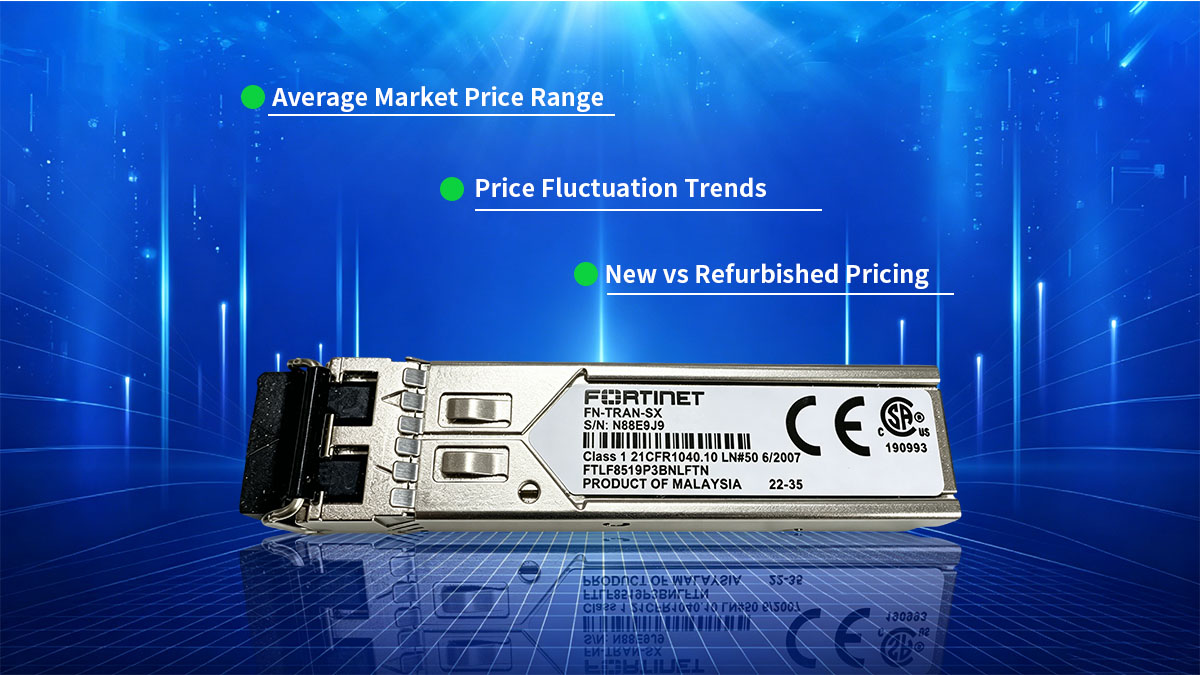
The FN-TRAN-SX is typically priced in a moderate range for 1G SFP modules, with OEM versions costing more than third-party equivalents. Market data shows that pricing commonly clusters around the mid-$50 range for official units.
To better understand the spread, the following table summarizes typical pricing across market channels:
| Category | Price Range (USD) | Notes |
|---|---|---|
| Fortinet OEM Module | ~$10 – $15 | Standard vendor pricing with support assurance |
| Authorized Resellers | ~$8 – $12 | May include shipping, warranty bundling |
| Compatible Alternatives | ~$3 – $5 | Lower cost, depends on vendor certification |
This pricing structure highlights that FN-TRAN-SX remains relatively affordable, but still reflects a clear premium for OEM certification and ecosystem integration.
Price Fluctuation Trends
The price of FN-TRAN-SX does not remain entirely static, and minor fluctuations are common across procurement cycles and distributor inventories.
Key factors influencing short-term pricing changes include:
- Supply chain availability and regional stock levels
- Vendor promotional pricing or bulk quotation adjustments
- End-of-life or replacement cycle positioning within Fortinet product lines
- Exchange rate fluctuations for international procurement
These variations typically remain within a limited range, but they can become more noticeable during supply constraints or large-scale enterprise refresh cycles.
New vs Refurbished Pricing
Another important pricing dimension is the distinction between new OEM units and refurbished or alternative-condition modules, which can significantly affect total acquisition cost.
Key differences include:
- New OEM modules:
- Higher cost due to factory certification and warranty coverage
- Preferred for critical production environments
- Refurbished or tested units:
- Lower upfront cost
- May have limited or no official support coverage
- Mixed-condition supply channels:
- Used in budget-sensitive deployments
- Require careful validation before deployment
While refurbished units can reduce initial spending, many enterprise environments still prioritize new OEM modules to minimize operational risk and ensure full compatibility within Fortinet ecosystems.
🃏 Key Factors Influencing FN-TRAN-SX Pricing
The pricing of Fortinet FN-TRAN-SX is not determined by a single variable. Instead, it is shaped by a combination of vendor strategy, component costs, supply availability, and ecosystem positioning. Understanding these factors helps explain why the same module can vary in price across different channels.
Brand Premium and Certification
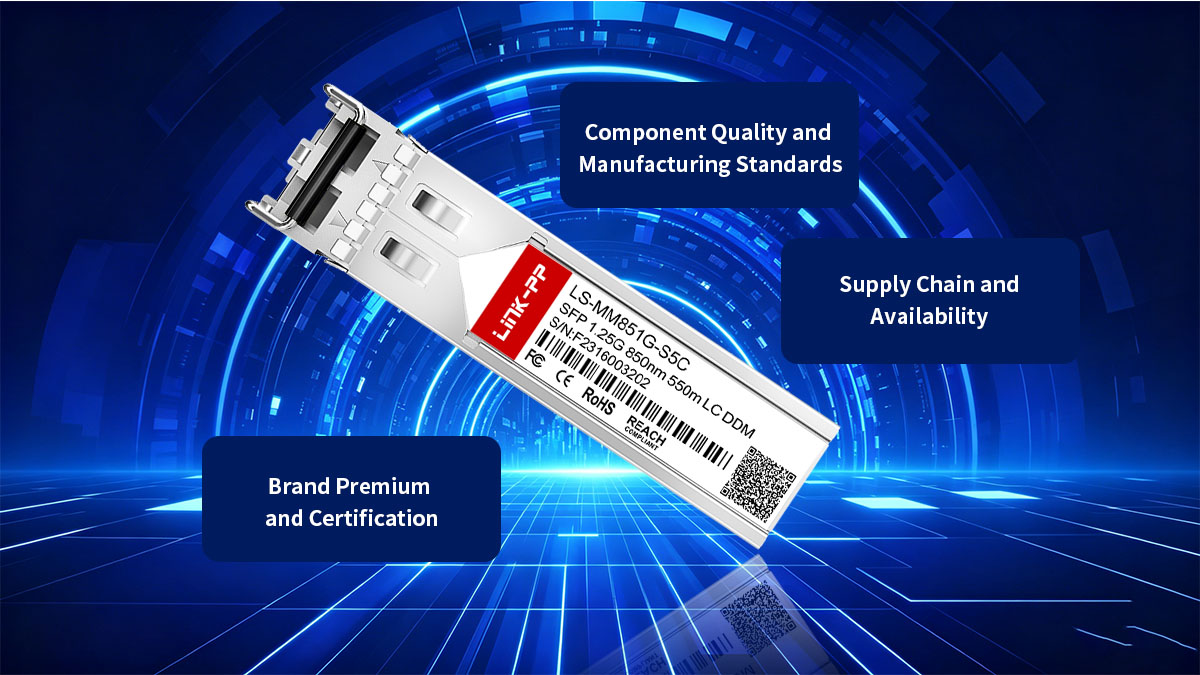
The most direct driver of FN-TRAN-SX pricing is the Fortinet brand premium combined with certification requirements. OEM modules are priced higher because they are validated for guaranteed compatibility within Fortinet ecosystems.
Key pricing contributors include:
- Official Fortinet certification and compatibility assurance
- Inclusion in vendor support and warranty programs
- Reduced integration risk in enterprise deployments
- Ecosystem lock-in effect within Fortinet network environments
This premium is often justified in environments where network stability and vendor support are prioritized over cost minimization.
Component Quality and Manufacturing Standards
Another important factor affecting price is the underlying quality of optical components and manufacturing processes used in the module.
Key cost drivers include:
- High-precision optical laser components (850nm VCSEL technology)
- Quality control and testing for signal integrity
- Compliance with enterprise-grade reliability standards
- Thermal stability and long-term operational durability
Higher manufacturing standards generally lead to higher production costs, which are reflected in OEM pricing structures compared to generic alternatives.
Supply Chain and Availability
Market availability plays a significant role in determining short-term and regional price fluctuations for FN-TRAN-SX modules.
Key supply-related factors include:
- Semiconductor and optical component supply constraints
- Distribution channel inventory levels
- Regional logistics and import/export conditions
- Lead time differences between OEM and third-party suppliers
When supply tightens, prices tend to increase temporarily, especially for OEM-certified modules, while compatible alternatives often remain more stable due to diversified manufacturing sources.
Overall, FN-TRAN-SX pricing is the result of layered influences rather than a fixed cost structure, with brand certification, hardware quality, and supply chain dynamics forming the core determinants.
🃏 OEM vs Compatible Alternatives: Price Comparison
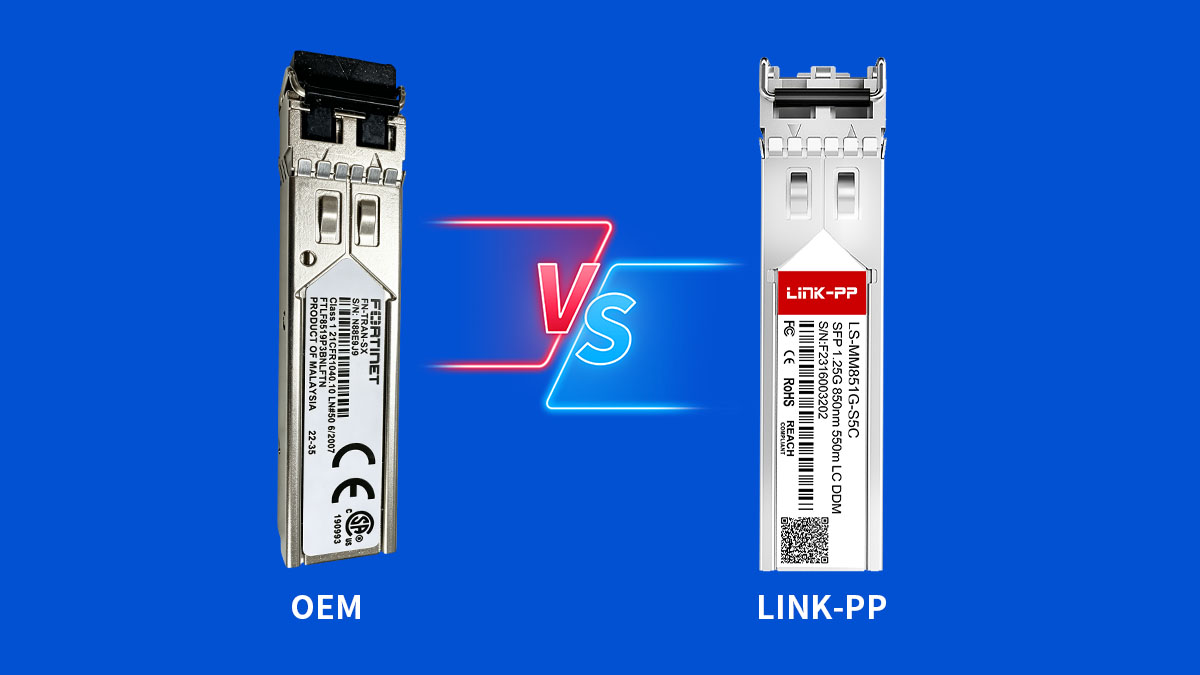
The price gap between OEM Fortinet FN-TRAN-SX modules and compatible third-party alternatives is one of the most significant cost factors in network hardware procurement. In most cases, OEM pricing reflects brand assurance and ecosystem integration, while compatible modules focus on reducing per-unit cost while maintaining functional equivalence.
Cost Structure Differences
The key difference between OEM and compatible FN-TRAN-SX pricing lies in how value is distributed across certification, branding, and manufacturing.
Overall pricing behavior can be summarized as follows:
- OEM modules typically carry a higher "brand premium"
- Compatible modules reduce cost by eliminating vendor lock-in overhead
- Manufacturing standards may be similar, but packaging and certification differ
- Large-scale deployments amplify the total cost gap significantly
A simplified price comparison shows the typical market positioning:
| Category | Price Level | Key Cost Driver |
|---|---|---|
| Fortinet OEM FN-TRAN-SX | High | Certification + vendor ecosystem integration |
| Certified Compatible Module | Medium | Standards-based manufacturing + testing |
| Generic Low-Cost Module | Low | Minimal branding and reduced validation overhead |
This structure explains why compatible options are often considered for cost-sensitive deployments, especially in large port-count environments.
Performance and Reliability Considerations
While pricing differs significantly, performance between OEM and compatible modules is often closer than expected when using properly certified alternatives.
Key technical insights include:
- Both OEM and compatible modules generally follow IEEE 802.3z standards
- Core optical specifications (850nm wavelength, 1Gbps rate, 550m reach) remain identical
- Compatibility depends heavily on EEPROM coding and device recognition behavior
- Well-tested compatible modules can operate transparently in most Fortinet environments
Industry observations also show that many third-party optics are built to meet the same MShttps://resources.l-p.com/knowledge-center/multi-source-agreements-optical-transceiversA standards as OEM units, meaning functional performance is often equivalent in real-world deployments when sourced from reliable vendors.
Long-Term Cost Efficiency
Beyond initial unit price, total cost of ownership (TCO) is a critical factor when comparing OEM and compatible FN-TRAN-SX modules.
Key cost efficiency considerations include:
- Lower upfront cost of compatible modules reduces CAPEX in large deployments
- Spare inventory becomes more affordable, improving network resilience planning
- Potential support friction may increase operational overhead in some OEM environments
- OEM modules may reduce troubleshooting time in vendor-supported ecosystems
In many enterprise scenarios, the decision is not purely about unit price but about balancing upfront savings with operational risk and support efficiency over the lifecycle of the network infrastructure.
🃏 How to Evaluate Price-to-Performance Ratio
Evaluating the price-to-performance ratio of Fortinet FN-TRAN-SX requires more than comparing unit prices. A meaningful assessment considers how cost aligns with reliability, compatibility, and long-term operational efficiency in real network environments.
Key Metrics to Consider
The most effective way to evaluate value is to measure both financial and technical performance indicators together, rather than focusing solely on upfront cost.
Key evaluation metrics include:
- Cost per port in real deployment scale
- Optical performance stability under load conditions
- Mean Time Between Failures (MTBF) for reliability estimation
- Compatibility consistency with Fortinet switching equipment
- Energy efficiency and thermal behavior in dense environments
These metrics help determine whether a lower-cost module truly delivers equivalent operational value or introduces hidden performance trade-offs.
Hidden Costs Beyond Initial Price
The true cost of FN-TRAN-SX deployment is not limited to purchase price. Hidden operational factors often have a significant impact on total expenditure.
Key hidden cost elements include:
- Troubleshooting time caused by compatibility issues
- Network downtime risk during module replacement or failure
- Additional testing required for non-OEM modules
- Administrative overhead for multi-vendor management
While these costs are not always visible in procurement budgets, they can substantially affect long-term network efficiency and operational stability.
Procurement Strategy Optimization
A well-structured procurement strategy can significantly improve the balance between cost and performance when sourcing FN-TRAN-SX modules.
Effective optimization approaches include:
- Evaluating total cost of ownership rather than unit price alone
- Conducting small-scale validation before large-scale deployment
- Maintaining a balanced mix of OEM and compatible modules based on network criticality
- Standardizing vendors to reduce operational complexity and support overhead
By aligning procurement decisions with network importance tiers, organizations can achieve a more efficient allocation of budget while maintaining acceptable performance and reliability standards.
🃏 Where Price Optimization Opportunities Exist
Price optimization for Fortinet FN-TRAN-SX is not limited to choosing the lowest-cost option. Instead, it focuses on identifying structural areas in procurement, sourcing, and lifecycle management where overall spending can be reduced without compromising network stability.
Channel Selection
The choice of procurement channel has a direct impact on final module pricing, often creating significant cost differences for the same FN-TRAN-SX specification.
Key optimization opportunities include:
- Comparing authorized distributors with independent suppliers
- Evaluating direct sourcing options versus multi-layer reseller chains
- Leveraging regional pricing differences in global procurement
- Avoiding unnecessary markup layers in fragmented distribution networks
In many cases, reducing intermediary layers is one of the fastest ways to achieve immediate cost efficiency.
Volume Discounts and Contract Pricing
Bulk purchasing and structured agreements often provide some of the most effective price reductions for FN-TRAN-SX deployments.
Key strategies include:
- Negotiating tiered pricing based on deployment scale
- Establishing long-term supply agreements with fixed pricing terms
- Consolidating procurement across multiple network projects
- Planning inventory requirements in advance to maximize order volume leverage
These approaches are particularly effective for enterprises with large-scale or multi-site network infrastructures, where per-unit savings accumulate quickly.
Alternative Supplier Ecosystem
The broader ecosystem of compatible suppliers also creates meaningful opportunities for price optimization, especially in cost-sensitive environments.
Key considerations include:
- Evaluating third-party compatible module vendors with tested interoperability
- Verifying compliance with IEEE optical standards and device compatibility requirements
- Balancing cost reduction with acceptable risk tolerance levels
- Selecting suppliers with consistent quality control and traceable production processes
While OEM modules prioritize ecosystem assurance, compatible suppliers often provide more flexible pricing structures, making them an important part of strategic procurement planning.
🃏 Market Trends Impacting FN-TRAN-SX Pricing
The pricing of Fortinet FN-TRAN-SX is increasingly influenced by broader optical transceiver market trends rather than product-level cost changes alone. Structural shifts in bandwidth demand, technology evolution, and supply dynamics are reshaping how 1G fiber SFP modules are priced across global markets.
Transition Toward Higher-Speed Optical Modules
The strongest long-term pricing pressure on FN-TRAN-SX comes from the industry-wide shift toward other high-speed transceivers such as 10G SFP+, 100G QSFP28, and beyond. As newer generations scale, legacy 1G modules become more commoditized.
Key impacts on pricing include:
- Declining demand for 1G optics in new deployments
- Price compression due to product lifecycle maturity
- Inventory liquidation from distributors reducing older stock prices
- Gradual repositioning of 1G modules as maintenance rather than expansion components
Industry data shows that network upgrades toward higher-speed architectures are accelerating, reducing the strategic importance of legacy 1G optics in new builds while stabilizing them in maintenance markets
Increasing Demand for Cost Optimization
Enterprises are under continuous pressure to reduce infrastructure spending, which directly affects how FN-TRAN-SX is priced and sourced. This trend is especially strong in large-scale data center and enterprise network environments.
Key market behaviors include:
- Greater acceptance of cost-optimized compatible transceivers
- Procurement teams prioritizing total cost of ownership over brand-only sourcing
- Increased competition among vendors pushing OEM pricing efficiency
- Standardization of optical modules reducing perceived differentiation
At the same time, global optical infrastructure demand continues to grow rapidly due to AI, cloud computing, and 5G expansion, reinforcing long-term procurement scale while intensifying cost sensitivity.
Technological Standardization
Standardization across optical networking technologies is another key factor shaping FN-TRAN-SX pricing stability and long-term value positioning.
Key influences include:
- Widespread adoption of IEEE-compliant SFP form factors
- Mature multimode fiber infrastructure reducing deployment complexity
- Improved interoperability across vendors and switch platforms
- Reduced differentiation between OEM and compatible performance in many use cases
As optical transceiver technology becomes more standardized, pricing tends to shift toward efficiency-driven competition rather than feature-based differentiation. This contributes to a more stable but competitive pricing environment for FN-TRAN-SX modules.
Overall, these market trends indicate that FN-TRAN-SX pricing is increasingly shaped by macro-level industry evolution, where technology upgrades, cost efficiency pressures, and standardization collectively redefine its long-term market value.
🃏 Best Practices for Cost-Conscious Procurement
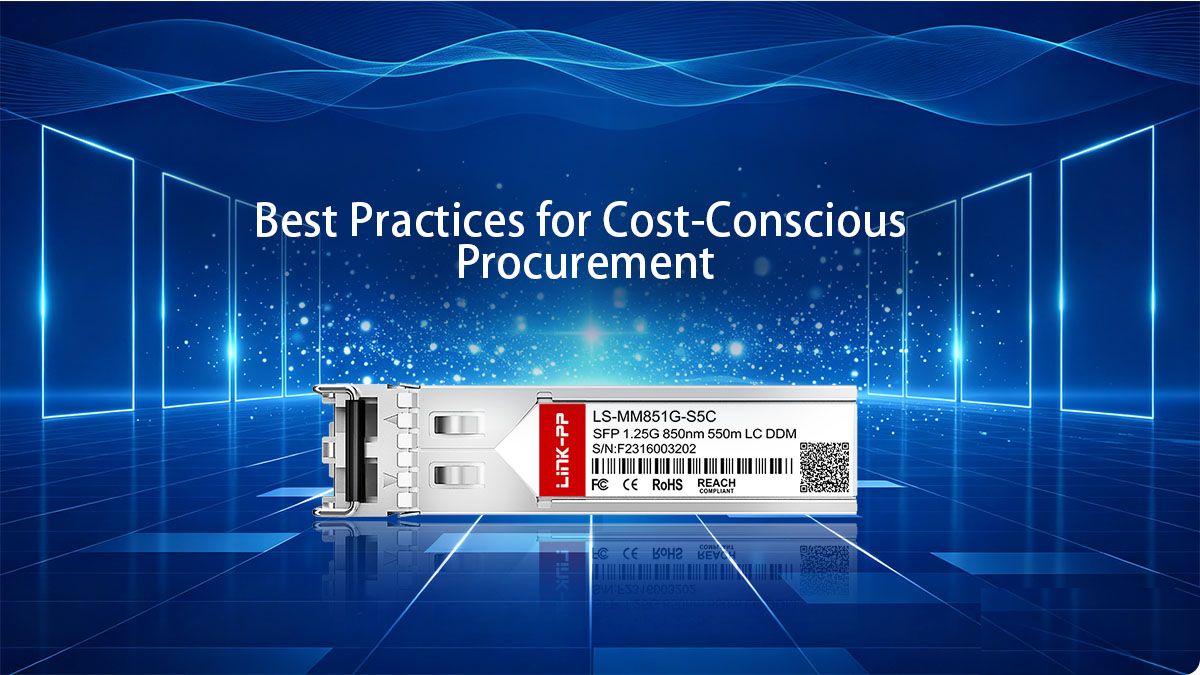
Cost-conscious procurement for Fortinet FN-TRAN-SX is not about minimizing unit price alone, but about building a structured sourcing strategy that balances cost, reliability, and operational continuity. The most effective approaches focus on vendor selection discipline, risk control, and lifecycle planning.
Vendor Evaluation Checklist
A disciplined vendor evaluation process is essential for controlling long-term procurement costs and avoiding hidden operational risks.
Key evaluation points include:
- Verified compatibility with Fortinet switching environments
- Documented optical performance consistency under load
- Availability of warranty or replacement policies
- Transparency of manufacturing and testing standards
- Historical supply reliability and lead-time consistency
Before committing to large-scale sourcing, many enterprises validate suppliers through small pilot deployments to confirm real-world compatibility and stability.
Risk Mitigation Strategies
Reducing procurement cost should never compromise network reliability. Effective risk management ensures that cost optimization does not introduce operational instability.
Key strategies include:
- Conducting staged deployment testing before full rollout
- Maintaining a buffer inventory for critical network nodes
- Diversifying suppliers to avoid single-source dependency
- Segmenting network tiers to assign different risk levels to different module types
This layered approach helps organizations balance cost efficiency with acceptable operational risk, especially in mission-critical environments.
Balancing Cost and Network Stability
The final procurement decision often depends on finding the right equilibrium between savings and stability rather than selecting the lowest-cost option.
Key considerations include:
- Prioritizing OEM modules for high-criticality network segments
- Using cost-optimized compatible modules in non-core or redundant paths
- Evaluating long-term maintenance impact, not just upfront pricing
- Aligning procurement decisions with network growth and upgrade roadmaps
When properly structured, this balanced approach allows organizations to reduce total infrastructure spending while maintaining predictable network performance and minimizing disruption risk over time.
🃏 FAQs
What is the typical price of Fortinet FN-TRAN-SX?
The Fortinet FN-TRAN-SX usually ranges from mid-$50 for OEM versions, while compatible alternatives can be significantly lower depending on vendor and certification level.
Why does FN-TRAN-SX pricing vary across suppliers?
Pricing varies due to differences in distribution channels, OEM certification costs, regional availability, and supply chain conditions affecting stock levels.
Are compatible FN-TRAN-SX modules cheaper than OEM versions?
Yes, compatible modules are generally more affordable because they do not include OEM branding and ecosystem certification costs, though performance depends on supplier quality.
Does FN-TRAN-SX price depend on order volume?
Yes, larger purchase volumes often result in lower per-unit pricing due to bulk discount structures and negotiated contract rates with suppliers.
Is OEM FN-TRAN-SX always better in performance?
Not necessarily. While OEM modules ensure full ecosystem validation, many certified compatible modules deliver equivalent optical performance in standard deployments.
What factors most affect FN-TRAN-SX cost fluctuations?
The main factors include supply availability, vendor pricing strategy, demand cycles, and broader optical transceiver market conditions.
Can switching suppliers reduce FN-TRAN-SX costs?
Yes, sourcing from different suppliers or exploring compatible alternatives can reduce costs, provided compatibility and reliability are properly verified.
🃏 Conclusion
The pricing of Fortinet FN-TRAN-SX is shaped by a combination of OEM branding, supply chain dynamics, technical standardization, and increasing competition from compatible optical modules. While OEM units typically carry a higher cost due to certification and ecosystem integration, the broader market shows clear opportunities for cost optimization through strategic sourcing and alternative supplier evaluation.
From a practical procurement perspective, several key insights stand out:
- FN-TRAN-SX pricing varies across channels, with OEM, authorized resellers, and compatible vendors showing distinct cost tiers
- Long-term cost efficiency depends on total cost of ownership, not just unit price
- Compatible modules can provide meaningful savings when properly validated for interoperability
- Market trends such as 1G commoditization and standardization continue to influence downward pricing pressure
Ultimately, the most effective procurement strategy is not purely price-driven, but balanced across performance assurance, deployment scale, and lifecycle cost efficiency.
For organizations looking to optimize optical transceiver sourcing while maintaining consistent quality standards, exploring established compatible ecosystems can be a practical approach. Platforms such as the LINK-PP Official Store provide a structured option for evaluating cost-effective alternatives alongside OEM-grade compatibility, helping enterprises better align procurement decisions with both technical and budgetary requirements.