



























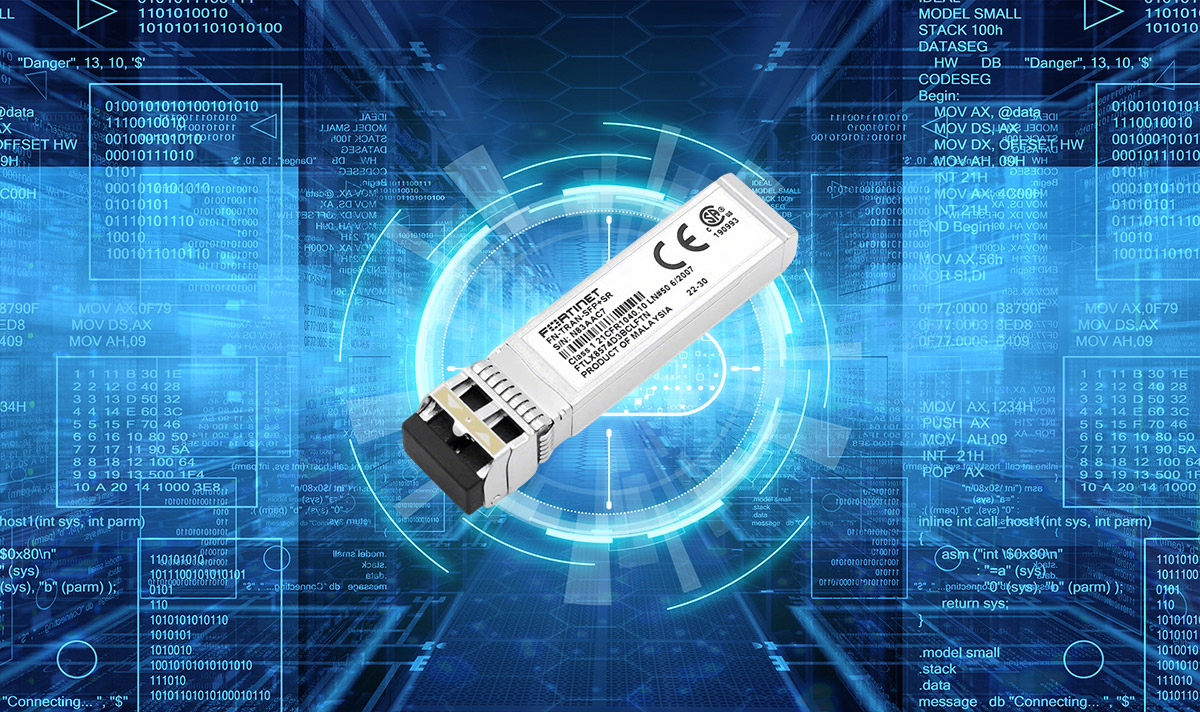
⏩ Introduction: Understanding FN-TRAN-SFP+SR Compatibility
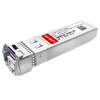
The Fortinet FN-TRAN-SFP+SR is a widely deployed 10GBASE-SR SFP+ optical transceiver, designed for short-reach 10 Gigabit Ethernet transmission over multimode fiber (MMF). Operating at an 850 nm wavelength and compliant with IEEE 802.3ae, it is commonly used in Fortinet firewalls, switches, and security appliances equipped with SFP+ ports.
As enterprise networks and data centers continue migrating from 1G to 10G architectures, the FN-TRAN-SFP+SR remains a standard choice for high-density, short-distance optical links. At the same time, growing pressure to control infrastructure costs has led many organizations to evaluate FN-TRAN-SFP+SR compatible SFP+ transceivers—seeking alternatives that deliver equivalent performance and interoperability without the premium pricing of OEM optics.
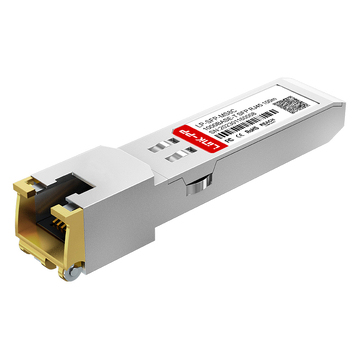
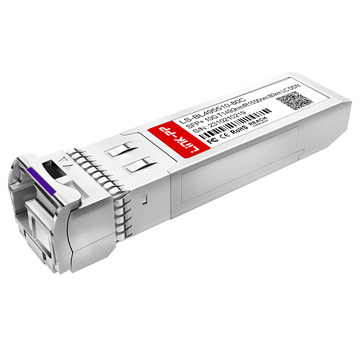
This article provides a technical and procurement-focused analysis of Fortinet FN-TRAN-SFP+SR compatible 10G SFP+ transceivers, covering specifications, fiber distance limits, compatibility considerations, and real-world deployment scenarios. It also examines reliable third-party solutions, including LINK-PP LS-MM8510-S3C SFP+ 10GBASE-SR, to help network engineers, data center operators, and procurement teams make informed, risk-aware decisions when sourcing 10G SFP+ SR optics for Fortinet environments.
⏩ What You Will Learn From This Guide
By the end of this guide, you will have a clear, practical understanding of:
-
What Fortinet FN-TRAN-SFP+SR is and how it functions within 10G Ethernet networks
-
The official technical specifications, including relevant IEEE standards and optical parameters
-
Supported multimode fiber types and realistic transmission distance limits in production environments
-
What the term “FN-TRAN-SFP+SR compatible” means in terms of MSA compliance, coding, and interoperability
-
How LINK-PP provides a fully compatible 10GBASE-SR SFP+ alternative, such as the LS-MM8510-S3C, for Fortinet systems
-
How to select the right SFP+ SR transceiver for Fortinet deployments based on performance, compatibility, and procurement considerations
This guide is written for network engineers, IT administrators, data center operators, and procurement professionals who require technically accurate, vendor-aware information rather than high-level marketing descriptions.
⏩ What Is Fortinet FN-TRAN-SFP+SR?
The Fortinet FN-TRAN-SFP+SR is a short-range 10G SFP+ optical transceiver module, engineered for 10 Gigabit Ethernet connectivity over multimode fiber (MMF). It is widely used in networking equipment that includes SFP+ slots, especially within Fortinet’s product ecosystem.
This module adheres to the IEEE 802.3ae 10GBASE-SR specification and operates at an 850 nm wavelength, optimized for short-reach optical links typically found in data center and enterprise network topologies.
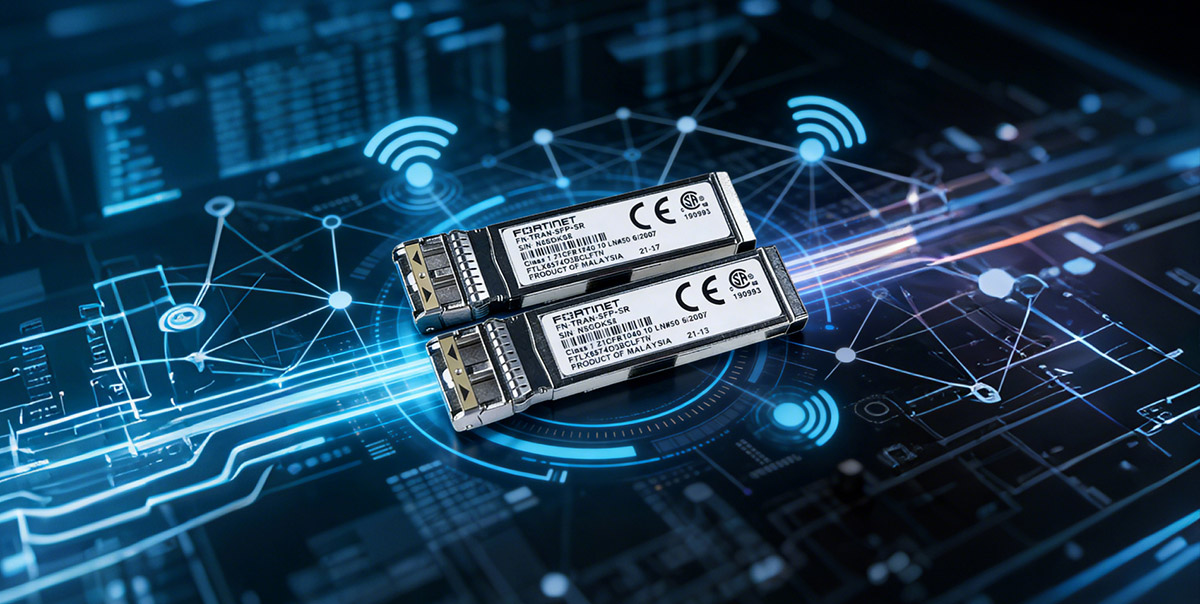
FN-TRAN-SFP+SR Module Overview
The FN-TRAN-SFP+SR transceiver supports high-speed 10G Ethernet links over multimode fiber, making it suitable for short-distance optical interconnects. Key attributes of this module include:
| Parameter | Specification |
|---|---|
| Form Factor | SFP+ (Small Form-Factor Pluggable Plus) |
| Standard Compliance | IEEE 802.3ae 10GBASE-SR |
| Wavelength | 850 nm |
| Fiber Type | Multimode Fiber (MMF) |
| Connector Type | LC Duplex |
| Transmission Distance | Up to 300 m (OM3 MMF)Up to 550 m (OM4 MMF) |
| Digital Diagnostics | Supported (DOM / DDM) |
| Hot-Pluggable | Yes |
These specifications are aligned with industry expectations for 10GBASE-SR optics, ensuring interoperability with equipment that supports standard SFP+ transceivers.
Typical Deployment in Fortinet Networks
FN-TRAN-SFP+SR modules are most commonly deployed in Fortinet firewalls, switches, and security appliances that provide SFP+ ports. The module enables reliable optical links between network devices within:
-
Data center aggregation and access layers
-
Top-of-Rack (ToR) to spine or leaf switching fabrics
-
High-density server uplinks
-
Firewall to core switch uplinks
The module’s short-reach design makes it particularly useful in environments where fiber runs are relatively short (within a single room or adjacent equipment racks), and where consistent 10G performance is required without the greater link loss budgets associated with long-reach optics.
How FN-TRAN-SFP+SR Meets Industry Standards
FN-TRAN-SFP+SR’s adherence to the IEEE 802.3ae 10GBASE-SR standard defines the following performance requirements:
-
Data Rate: 10.3125 Gbps (nominal 10G Ethernet)
-
Physical Layer: Short-range optical transmission over MMF
-
Optical Module Compliance: SFP+ Multi-Source Agreement (MSA)
Compliance with the SFP+ MSA specification ensures that the module’s physical dimensions, electrical interface, and optical characteristics conform to an industry-standard baseline. This enables the module to function interchangeably with other compliant devices in multi-vendor networks, provided that vendor firmware and coding policies allow such interoperability.
Functional Benefits of FN-TRAN-SFP+SR
From a functional perspective, FN-TRAN-SFP+SR delivers several key operational advantages:
-
High-Speed Connectivity: Designed for native 10G Ethernet, supporting bandwidth requirements of modern applications.
-
Low-Latency Links: Optical transmission reduces latency compared with certain electrical interconnects, beneficial in high-performance environments.
-
Port Density Optimization: The compact SFP+ form factor allows for high port density in switches and firewalls without compromising performance.
-
Digital Monitoring: Support for Digital Optical Monitoring (DOM) provides real-time diagnostic data, such as temperature, voltage, and optical power, facilitating network health monitoring.
Why This Matters for Network Deployments
Understanding what FN-TRAN-SFP+SR is—and how it aligns with both industry standards and real-world network architectures—is essential for network engineers and procurement professionals. It ensures that optical transceivers are selected with confidence, deployed with minimal risk, and maintained according to operational and performance expectations.
⏩ FN-TRAN-SFP+SR Technical Specifications
Understanding the technical specifications of FN-TRAN-SFP+SR is essential for evaluating its suitability in real-world Fortinet deployments. Each parameter directly impacts compatibility, performance, reliability, and operational safety in 10G Ethernet networks.
Below are the deployment-relevant specifications, aligned with Fortinet documentation and industry standards.
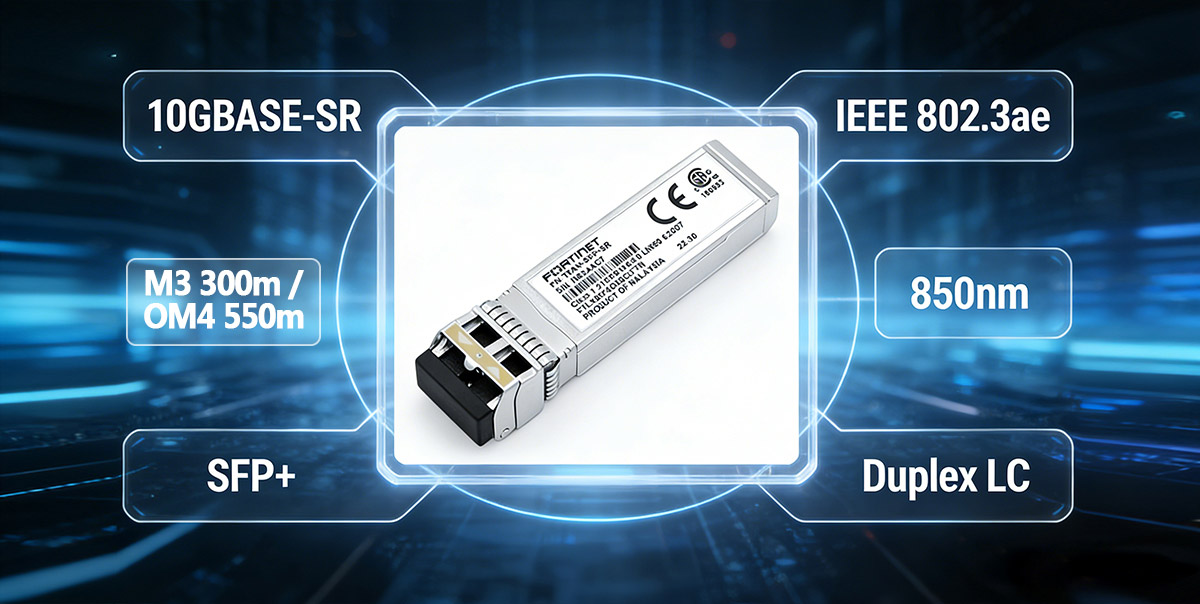
▷ FN-TRAN-SFP+SR Specifications Overview
| Category | Parameter | Specification |
|---|---|---|
| Hardware | Model | FN-TRAN-SFP+SR |
| Standards | Protocol Standard | 10GBASE-SR |
| IEEE Standard | IEEE 802.3ae | |
| Form Factor | Module Type | SFP+ |
| Performance | Data Link Rate | 10 Gbps |
| Optical | Wavelength | 850 nm |
| Media Type | Multimode Fiber (MMF) | |
| Connector Type | Duplex LC | |
| Distance | Transmission Range | 300 m (OM3 MMF) 550 m (OM4 MMF) |
| Electrical | Power Dissipation | ≤ 600 mW |
| Monitoring | Serial ID PROM | Supported |
| Digital Monitoring | Supported (DOM/DDM) | |
| Link Features | Auto Negotiation | Yes |
| Link Status | Supported | |
| Environment | Operating Temperature | 0°C to 70°C |
| Mechanical | Hot Plug | Yes |
▷ 10GBASE-SR Standard and IEEE 802.3ae Compliance
FN-TRAN-SFP+SR complies with the IEEE 802.3ae 10GBASE-SR standard, which defines the physical layer requirements for short-reach 10 Gigabit Ethernet over multimode fiber.
From an engineering standpoint, this compliance ensures:
-
Predictable signal integrity and interoperability
-
Standardized optical power and receiver sensitivity
-
Compatibility with switches and firewalls designed around IEEE-compliant SFP+ interfaces
For Fortinet environments, adherence to 802.3ae is critical to maintaining stable links and vendor-certified behavior under normal operating conditions.
▷ Optical Characteristics: 850 nm, MMF, LC Connector
FN-TRAN-SFP+SR operates at an 850 nm wavelength, which is standard for short-reach optical transmission using VCSEL (Vertical-Cavity Surface-Emitting Laser) technology.
Key implications include:
-
Optimized for multimode fiber (MMF) commonly deployed in data centers
-
Lower cost cabling compared to single-mode solutions
-
Efficient short-distance transmission with minimal optical loss
The Duplex LC connector supports separate transmit and receive paths, enabling full-duplex 10G Ethernet communication while maintaining high port density on network equipment.
▷ Transmission Distance: OM3 vs OM4 Multimode Fiber
FN-TRAN-SFP+SR supports different maximum link lengths depending on the MMF grade:
-
OM3 MMF: up to 300 meters
-
OM4 MMF: up to 550 meters
These distances are defined by the optical budget of the 10GBASE-SR standard and assume proper fiber quality, connector cleanliness, and installation practices. In modern data centers using OM4 cabling, FN-TRAN-SFP+SR provides sufficient reach for inter-rack, inter-row, and aggregation-layer links.
▷ Power Dissipation and Thermal Considerations
With a maximum power dissipation of 600 mW, FN-TRAN-SFP+SR falls well within the typical thermal envelope for SFP+ modules.
This matters because:
-
Lower power consumption reduces heat buildup in high-density switch environments
-
Helps maintain optical stability and component longevity
-
Minimizes thermal stress on SFP+ cages and host equipment
Proper thermal behavior is especially important in densely populated Fortinet appliances where multiple SFP+ ports operate simultaneously.
▷ Monitoring, Control, and Link Management Features
FN-TRAN-SFP+SR supports several features that enhance operational visibility and control:
-
Serial ID PROM allows the host system to identify module type and capabilities
-
Digital Optical Monitoring (DOM/DDM) provides real-time data such as:
-
Module temperature
-
Supply voltage
-
Transmit and receive optical power
-
-
Link Status monitoring enables immediate detection of link failures
These features are essential for network monitoring systems (NMS) and proactive troubleshooting in enterprise and data center networks.
▷ Operating Temperature and Hot-Plug Capability
FN-TRAN-SFP+SR is rated for an operating temperature range of 0°C to 70°C, making it suitable for controlled indoor environments, including data centers and enterprise network rooms.
The module also supports hot-plug operation, allowing installation or replacement without powering down the host device, which is critical for minimizing downtime during maintenance or upgrades.
▷ Engineering Summary
Taken together, these specifications define FN-TRAN-SFP+SR as a short-reach, enterprise-grade 10G SFP+ optical transceiver, optimized for:
-
Fortinet platforms with SFP+ slots
-
Multimode fiber infrastructures
-
High-density, short-distance 10G Ethernet deployments
A clear understanding of these parameters helps engineers and procurement teams assess compatibility, deployment risk, and long-term operational reliability before selecting FN-TRAN-SFP+SR or a compatible alternative.
⏩ How FN-TRAN-SFP+SR Works in 10G Ethernet Networks
FN-TRAN-SFP+SR transceivers are designed for short-reach 10G Ethernet links and follow the standard 10GBASE-SR optical architecture. Their operation is optimized for multimode fiber environments where low power consumption, fast switching, and stable signal integrity are critical.
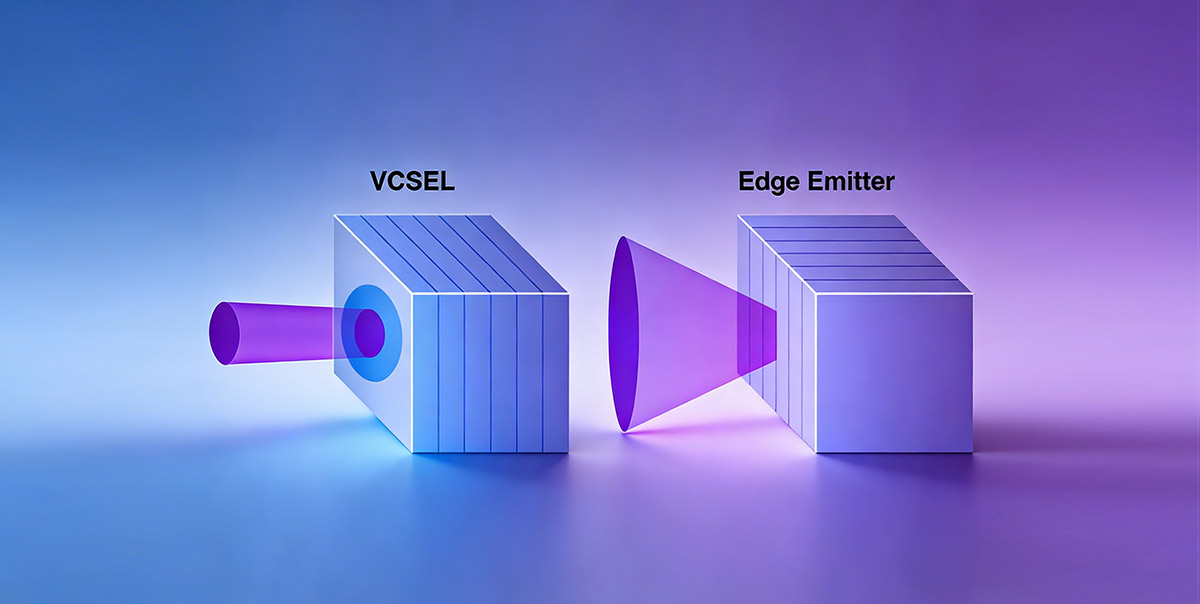
Optical Architecture: VCSEL and PIN Receiver
FN-TRAN-SFP+SR modules use a VCSEL (Vertical-Cavity Surface-Emitting Laser) as the optical transmitter, paired with a PIN photodiode as the receiver.
This VCSEL-based design is a defining characteristic of SR-class optics and offers several advantages:
-
Efficient light emission at 850 nm, ideal for multimode fiber
-
Low threshold current and reduced power consumption
-
High modulation speed suitable for 10 Gbps data rates
On the receive side, the PIN photodiode provides reliable detection of optical signals over short distances, balancing sensitivity with thermal stability.
Optical Transmission Flow in a 10GBASE-SR Link
The signal conversion process inside an FN-TRAN-SFP+SR module follows a well-defined sequence:
-
A 10G Ethernet electrical signal enters the SFP+ module from the host device
-
The signal is converted into optical pulses at 850 nm by the VCSEL transmitter
-
The optical signal propagates through multimode fiber (MMF)
-
At the far end, the PIN receiver converts the optical signal back into electrical data
This direct electrical-to-optical-to-electrical conversion path minimizes latency and reduces signal distortion over short distances.
Why This Design Is Optimized for Short-Reach Links
The VCSEL + MMF architecture enables:
-
Low power dissipation, typically well below long-reach optics
-
Fast signal switching for high-throughput Ethernet traffic
-
High reliability in controlled environments such as data centers and enterprise buildings
As a result, FN-TRAN-SFP+SR transceivers are not intended for long-haul transmission but excel in short-distance, high-density deployments.
Deployment Scenarios and Common Use Cases
FN-TRAN-SFP+SR compatible optics are widely used in scenarios where distance is limited but bandwidth demand is high, including:
-
Data center top-of-rack (ToR) switching
-
Firewall uplinks to aggregation or core switches
-
Enterprise backbone upgrades from 1G to 10G
-
High-density 10G access layer deployments
These use cases prioritize short-reach performance, predictable behavior, cost efficiency, and operational reliability, making FN-TRAN-SFP+SR and its compatible alternatives a practical choice for modern 10G Ethernet networks.
⏩ What Does “FN-TRAN-SFP+SR Compatible” Mean?
In practical networking terms, “FN-TRAN-SFP+SR compatible” refers to a third-party 10GB SFP+ Module that is engineered to operate identically and reliably to Fortinet’s original FN-TRAN-SFP+SR module within Fortinet systems—without carrying the OEM brand label.
Compatibility is not a marketing claim; it is a technical condition defined by standards compliance, electrical and optical alignment, and verified system recognition.
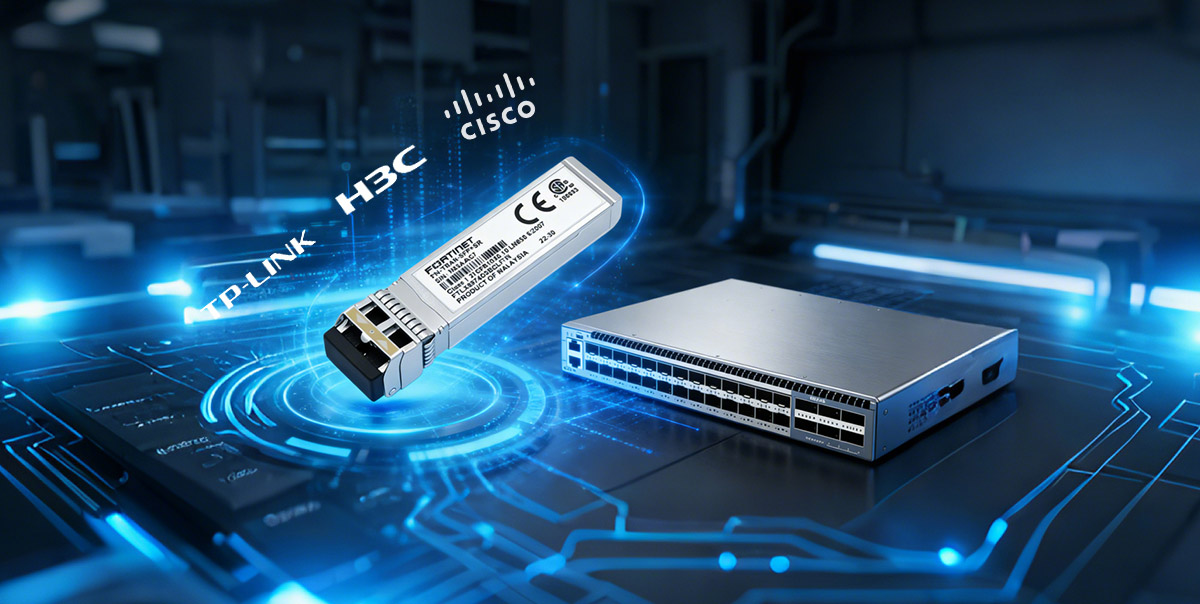
MSA Compliance and EEPROM Coding
At the foundation of compatibility is SFP+ MSA (Multi-Source Agreement) compliance. A FN-TRAN-SFP+SR compatible module must fully adhere to the SFP+ MSA specifications governing:
-
Mechanical dimensions and cage fit
-
Electrical interface and signaling
-
Optical characteristics and power levels
Beyond physical and electrical compliance, EEPROM coding plays a critical role. Fortinet platforms read module identification data from the transceiver’s EEPROM during initialization. A compatible module must be:
-
Correctly EEPROM-coded to match Fortinet’s expected identification profile
-
Recognized by the Fortinet operating system without triggering alarms, port shutdowns, or compatibility warnings
Without proper EEPROM programming, even a standards-compliant optical module may fail to link or be rejected by the system.
Compatibility vs. OEM Optics: What’s the Difference?
It is important to distinguish compatibility from OEM branding.
-
OEM optics are manufactured, branded, and sold directly by Fortinet
-
Compatible optics are produced by third-party manufacturers but designed to be functionally and operationally equivalent
From an engineering perspective, a true FN-TRAN-SFP+SR compatible transceiver must:
-
Match 10GBASE-SR optical specifications (850 nm, MMF, defined optical budget)
-
Meet the same power, timing, and signal integrity requirements
-
Deliver equivalent link stability, error rates, and environmental performance
When these conditions are met, the host system cannot distinguish—at a functional level—between OEM and compatible optics during normal operation.
Safety, Interoperability, and Operational Considerations
A properly designed FN-TRAN-SFP+SR compatible module must also address safety and interoperability requirements:
-
Laser safety compliance (Class 1 laser products)
-
Stable operation within specified temperature and voltage ranges
-
Clean interoperability with Fortinet switches, firewalls, and appliances across supported firmware versions
Interoperability testing on real Fortinet platforms is essential. This ensures that the module performs consistently under traffic load, link resets, and long-term operation—conditions that cannot be validated through specification matching alone.
Key Takeaway
A FN-TRAN-SFP+SR compatible SFP+ module is a third-party optical transceiver that:
-
Fully follows SFP+ MSA specifications
-
Matches Fortinet FN-TRAN-SFP+SR electrical and optical parameters
-
Is EEPROM-coded for Fortinet system recognition
-
Passes interoperability validation on Fortinet platforms
Compatibility does not mean OEM branding—it means functional equivalence, operational reliability, and standards-based interoperability within Fortinet 10G network environments.
⏩ Fortinet Device Compatibility Overview
FN-TRAN-SFP+SR compatible 10G SFP+ transceivers are widely deployed across Fortinet’s security and switching portfolio, wherever SFP+ interfaces are used for short-reach 10G Ethernet connectivity. Their primary role is to provide reliable, standards-based optical links between Fortinet devices and adjacent network infrastructure such as access switches, aggregation layers, or data center racks.

Common Fortinet Platforms Using FN-TRAN-SFP+SR
FN-TRAN-SFP+SR compatible modules are most commonly installed in the following Fortinet systems:
-
FortiGate firewalls
Used for 10G uplinks, internal segmentation, or connections to core switches in enterprise and data center environments. -
FortiSwitch Ethernet switches
Deployed for switch-to-switch uplinks, switch stacking scenarios, or high-bandwidth access layer connections over multimode fiber. -
Other Fortinet security appliances with SFP+ slots
Including appliances used for network visibility, traffic inspection, or specialized security functions where short-reach 10G fiber links are required.
Across these platforms, FN-TRAN-SFP+SR compatible optics support high-density port configurations while maintaining low latency and predictable optical performance.
Pre-Deployment Compatibility Checks
Before deploying FN-TRAN-SFP+SR compatible modules in a production Fortinet environment, network engineers should validate several practical factors to avoid interoperability issues.
Device Firmware Version
Fortinet device firmware can influence transceiver recognition and behavior. Engineers should ensure:
-
The device is running a supported and stable FortiOS or FortiSwitchOS version
-
No known firmware restrictions exist for third-party SFP+ optics on the target platform
Firmware updates may improve compatibility but can also introduce stricter validation logic, making this step essential.
Third-Party Optics Policy
Some Fortinet platforms allow the use of third-party transceivers without restriction, while others may:
-
Display informational warnings
-
Log compatibility messages
-
Enforce operational limits depending on configuration and firmware
Understanding the third-party optics policy for the specific device model helps set accurate expectations during deployment and troubleshooting.
DOM / DDM Monitoring Support
Digital Optical Monitoring (DOM/DDM) is commonly used by engineers to track:
-
Optical transmit and receive power
-
Module temperature
-
Supply voltage
Before rollout, confirm that the FN-TRAN-SFP+SR compatible module’s DOM data is properly read and displayed by the Fortinet device. This ensures ongoing visibility into link health and simplifies maintenance.
Practical Deployment Insight
When firmware alignment, EEPROM compatibility, and DOM support are properly verified, FN-TRAN-SFP+SR compatible transceivers integrate seamlessly into Fortinet environments. In real-world deployments, this enables organizations to scale 10G connectivity across FortiGate and FortiSwitch platforms without compromising stability or operational transparency.
⏩ LINK-PP FN-TRAN-SFP+SR Compatible Solution
LINK-PP provides Fortinet-compatible SFP+ optical transceivers engineered for enterprise networks and data center environments where performance consistency, interoperability, and cost control are equally important. For deployments requiring a reliable alternative to Fortinet OEM optics, LINK-PP offers a solution that aligns closely with FN-TRAN-SFP+SR technical and operational requirements.
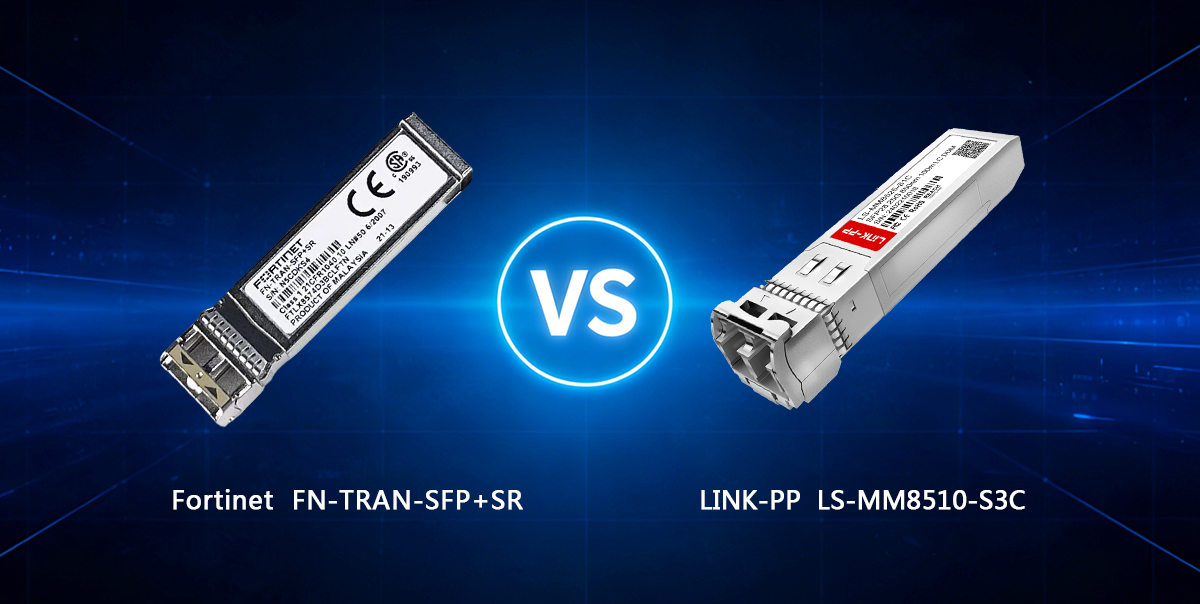
Recommended Model: LINK-PP LS-MM8510-S3C
The LINK-PP LS-MM8510-S3C is a 10GBASE-SR SFP+ transceiver specifically designed to function as a fully compatible replacement for FN-TRAN-SFP+SR Fortinet modules in supported Fortinet systems.
From an engineering perspective, this module is built to match Fortinet’s short-range 10G optical specifications while maintaining strict adherence to SFP+ MSA standards.
Key Technical Alignment with FN-TRAN-SFP+SR
The LS-MM8510-S3C delivers the core characteristics expected of an FN-TRAN-SFP+SR compatible optic:
-
Standards compliance: IEEE 802.3ae 10GBASE-SR
-
Operating wavelength: 850 nm
-
Fiber type: Multimode fiber (MMF)
-
Transmission distance: Up to 300 m on OM3 MMF
-
Connector type: Duplex LC
These parameters ensure predictable optical performance when deployed in short-reach 10G links across enterprise wiring closets and data center rows.
Compatibility and Monitoring Capabilities
To ensure seamless operation in Fortinet environments, the LS-MM8510-S3C includes:
-
Fortinet-compatible EEPROM coding, allowing proper module recognition by FortiGate, FortiSwitch, and other Fortinet platforms with SFP+ slots
-
Digital Optical Monitoring (DOM/DDM) support, enabling visibility into key operational metrics such as temperature, voltage, and optical power levels
This combination supports both initial deployment and long-term maintenance by providing the diagnostic transparency expected in professional network operations.
Deployment Value Proposition
The LINK-PP LS-MM8510-S3C is engineered for plug-and-play deployment in Fortinet systems, reducing integration effort while maintaining link stability and operational reliability. For organizations managing large-scale rollouts or ongoing network expansion, it offers a cost-effective alternative to OEM optics without compromising standards compliance or interoperability.
In practical terms, this makes the LS-MM8510-S3C well-suited for:
-
Enterprise campus uplinks
-
Data center short-reach interconnects
-
High-density Fortinet switch and firewall deployments
⏩FN-TRAN-SFP+SR vs. Other 10GBASE-SR Modules: Buying Guide
When selecting 10GBASE-SR SFP+ optics for Fortinet environments, engineers and procurement teams often compare FN-TRAN-SFP+SR compatible modules with generic 10G SR transceivers available on the market. While both may share the same IEEE standard on paper, their real-world behavior in Fortinet systems can differ significantly.
This section provides a practical comparison and a buying guide focused on cost, risk, and deployment reliability.
FN-TRAN-SFP+SR Compatible vs Generic 10G SR Transceivers
The key differences between FN-TRAN-SFP+SR compatible optics and generic 10G SR modules lie in system recognition, EEPROM design, and interoperability validation.
| Feature | FN-TRAN-SFP+SR Compatible | Generic 10G SR |
|---|---|---|
| Fortinet System Recognition | Yes | Not guaranteed |
| EEPROM Coding | Fortinet-specific | Generic MSA |
| DOM/DDM Support | Yes | Depends on vendor |
| Interoperability Testing | Required and validated | Often limited or absent |
| Deployment Risk | Low | Medium |
Although generic 10G SR modules may meet IEEE 802.3ae requirements, they are not always designed with Fortinet platform behavior in mind. This can result in inconsistent recognition, limited diagnostics, or unexpected alerts after firmware updates.
Cost vs Risk: A Practical Perspective
From a procurement standpoint, generic optics often appear attractive due to lower upfront pricing. However, in Fortinet environments, this cost advantage may be offset by:
-
Additional testing and validation time
-
Troubleshooting effort during deployment
-
Increased operational risk after firmware upgrades
FN-TRAN-SFP+SR compatible modules are designed to minimize these risks by aligning optical performance, EEPROM identification, and monitoring behavior with Fortinet expectations.
Buying Guide: What Engineers Should Verify
Network engineers evaluating FN-TRAN-SFP+SR compatible optics should confirm:
-
Proven interoperability testing on Fortinet platforms
-
Stable DOM/DDM reporting for ongoing link monitoring
-
Consistent optical performance across temperature and load conditions
-
Clear alignment with 10GBASE-SR distance limits (OM3 / OM4)
These checks help ensure predictable behavior in production networks.
Procurement Considerations for Buyers
For procurement and purchasing teams, additional factors matter beyond unit cost:
-
Quality control and burn-in testing processes
-
Supply chain stability for long-term availability
-
Warranty coverage and technical support responsiveness
-
Vendor experience with Fortinet-compatible optics
Third-party FN-TRAN-SFP+SR compatible transceivers are particularly attractive in large-scale deployments, where per-unit savings compound quickly—provided that compatibility and reliability are properly validated.
While generic 10G SR transceivers may satisfy basic standards, FN-TRAN-SFP+SR compatible optics offer a lower-risk, Fortinet-aware solution. For networks where stability, diagnostics, and long-term maintainability matter, compatibility-focused design delivers tangible operational value alongside cost efficiency.
⏩FAQs About FN-TRAN-SFP+SR and Compatible 10G SFP+ Modules

Q1: What is Fortinet FN-TRAN-SFP+SR?
FN-TRAN-SFP+SR is Fortinet’s short-range 10GBASE-SR SFP+ optical transceiver designed for use in Fortinet devices equipped with SFP+ slots. It operates at 850 nm over multimode fiber (MMF) and supports transmission distances of up to 300 m on OM3 and 550 m on OM4 fiber, following the IEEE 802.3ae standard.
Q2: Is FN-TRAN-SFP+SR only compatible with Fortinet devices?
Yes. FN-TRAN-SFP+SR is an OEM transceiver intended for Fortinet platforms such as FortiGate firewalls and FortiSwitch switches. However, FN-TRAN-SFP+SR compatible third-party modules are specifically engineered and EEPROM-coded to operate correctly in these Fortinet systems.
Q3: Can I use third-party SFP+ optics in Fortinet equipment?
In most cases, yes. Many Fortinet devices support third-party SFP+ transceivers, provided the module is properly coded and tested for Fortinet compatibility. FN-TRAN-SFP+SR compatible optics are designed to meet this requirement, minimizing interoperability risks compared to generic SFP+ modules.
Q4: What does “FN-TRAN-SFP+SR compatible” mean in practice?
“FN-TRAN-SFP+SR compatible” means the transceiver:
-
Fully complies with SFP+ MSA and 10GBASE-SR standards
-
Matches Fortinet’s electrical and optical parameters
-
Uses Fortinet-specific EEPROM coding for system recognition
-
Has been validated on Fortinet platforms
Functionally, it behaves the same as the OEM FN-TRAN-SFP+SR module during normal operation.
Q5: What fiber types and distances are supported?
FN-TRAN-SFP+SR and compatible modules support multimode fiber (MMF):
-
OM3 MMF: up to 300 meters
-
OM4 MMF: up to 550 meters
Single-mode fiber is not supported for SR-class transceivers.
Q6: Does FN-TRAN-SFP+SR support DOM / DDM monitoring?
Yes. FN-TRAN-SFP+SR supports Digital Optical Monitoring (DOM/DDM). Compatible third-party modules designed for Fortinet environments also support DOM, allowing engineers to monitor optical power, temperature, and voltage through the Fortinet device interface.
Q7: Are FN-TRAN-SFP+SR compatible optics safe to use in production networks?
When sourced from a qualified vendor with proper interoperability testing, FN-TRAN-SFP+SR compatible optics are safe for production use. Key factors include standards compliance, EEPROM accuracy, burn-in testing, and verified operation on Fortinet hardware.
Q8: How do FN-TRAN-SFP+SR compatible modules compare in cost?
FN-TRAN-SFP+SR compatible transceivers typically cost significantly less than OEM optics. For large-scale deployments, these savings can be substantial, while still maintaining performance and reliability when compatibility requirements are met.
Q9: What should I verify before purchasing FN-TRAN-SFP+SR compatible optics?
Before purchasing, engineers and buyers should confirm:
-
Proven Fortinet platform compatibility
-
Support for DOM/DDM
-
Compliance with IEEE 802.3ae 10GBASE-SR
-
Vendor quality control, warranty, and support
These checks reduce deployment risk and ensure long-term stability.
Q10: Can firmware updates affect compatibility?
Yes. Firmware updates can change how Fortinet devices validate transceivers. Choosing FN-TRAN-SFP+SR compatible modules that are tested across firmware versions helps minimize issues after upgrades.
⏩ Conclusion: Choosing the Right FN-TRAN-SFP+SR Compatible SFP+ Transceivers
The Fortinet FN-TRAN-SFP+SR remains a proven solution for short-reach 10G Ethernet connectivity across FortiGate firewalls, FortiSwitch platforms, and other Fortinet appliances. Built on the IEEE 802.3ae 10GBASE-SR standard, it delivers predictable performance over multimode fiber while supporting the high port densities common in modern enterprise and data center networks.
For organizations seeking to optimize cost without introducing interoperability risk, FN-TRAN-SFP+SR compatible optics provide a practical and technically sound alternative. When these modules are fully MSA-compliant, properly EEPROM-coded, and validated on Fortinet platforms, they offer the same operational behavior as OEM optics—without unnecessary premium pricing.
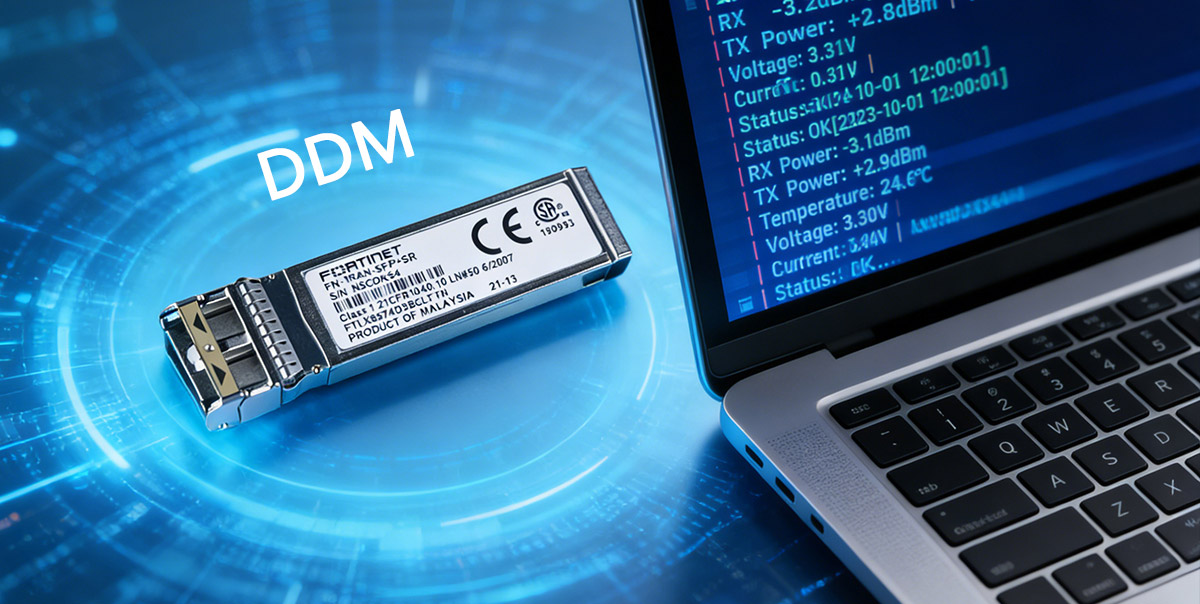
Why Choose LINK-PP for FN-TRAN-SFP+SR Compatibility
LINK-PP delivers Fortinet-compatible SFP+ transceivers engineered specifically for production-grade network environments. The recommended LS-MM8510-S3C is designed to function as a direct replacement for FN-TRAN-SFP+SR, offering:
-
Verified compatibility with Fortinet systems
-
Stable 10GBASE-SR performance at 850 nm over MMF
-
Support for 300 m (OM3) and 550 m (OM4) link distances
-
Built-in DOM/DDM monitoring for operational visibility
Each module is developed with interoperability, quality control, and long-term deployment reliability in mind—making it suitable for both incremental upgrades and large-scale rollouts.
Practical Next Steps
If you are planning to expand or upgrade 10G connectivity in a Fortinet environment, evaluating a FN-TRAN-SFP+SR compatible solution from LINK-PP can help reduce optical costs while maintaining network stability and transparency.
? View the LINK-PP FN-TRAN-SFP+SR compatible SFP+ transceiver:
LS-MM8510-S3C – https://www.l-p.com/products/475415.htm
? Explore compatible 10G SFP+ options for Fortinet platforms:
https://www.l-p.com/products/476082.htm
For technical questions, bulk pricing, or deployment guidance, LINK-PP’s team can support engineers and procurement teams in selecting the right optical solution for their Fortinet infrastructure.