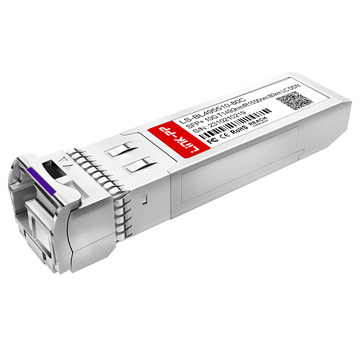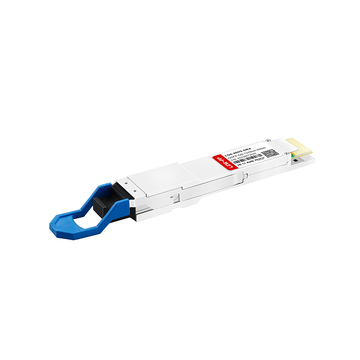
The price of a 10G SFP+ module typically ranges from low double digits to several hundred dollars, and in some cases even higher. This wide gap is not random—it is mainly driven by transmission distance, brand strategy, compatibility requirements, and optical technology.
If you search for “10g sfp price”, you are likely not looking for technical definitions. You want to know how much you should actually pay, why some modules are much more expensive than others, and whether a lower-priced option is safe to buy for your network.
In today’s market, buyers face three common problems:
-
OEM-branded 10G SFPs are often priced far above their actual hardware cost
-
Ultra-cheap modules raise concerns about compatibility and long-term reliability
-
Price listings rarely explain what you are paying for and what you can safely avoid paying for
This guide is designed to solve those problems. Instead of focusing on specifications alone, it breaks down real 10G SFP price ranges, explains which factors genuinely affect cost, and shows how to choose the right module based on price, use case, and risk level.
Whether you are sourcing optics for a data center, enterprise network, or ISP deployment, understanding the true cost structure behind 10G SFP pricing is the key to making a cost-effective and reliable purchasing decision.
? What Is the Average 10G SFP Price?
The average 10G SFP price typically falls between $10 and $300, depending on the module type, transmission distance, and brand. For most standard enterprise and data center deployments, the practical buying range is much narrower—and far more predictable—than many price lists suggest.
To make this clearer, it helps to break pricing down by real-world usage categories, not marketing labels.
Typical 10G SFP Price Ranges by Market Segment
-
Short-reach 10G SFP+ SR (multimode)
Most compatible SR modules are priced at the lower end of the range. They are widely used in data centers and usually offer the best cost-per-port for distances up to a few hundred meters. -
Long-reach 10G SFP+ LR (single-mode)
LR modules cost more due to single-mode optics and tighter manufacturing tolerances. However, their price has dropped significantly in recent years, making them a common choice for enterprise backbone links. -
Extended-reach 10G SFP+ ER
These modules sit at the upper end of the price spectrum. The higher cost is driven by longer transmission distances, higher optical power, and stricter performance requirements. -
OEM-branded 10G optical modules
Branded optics from major network vendors are often priced multiple times higher than functionally equivalent compatible modules, largely due to branding, support contracts, and vendor lock-in strategies.
What This Average Price Really Means for Buyers
For most buyers, the “average” 10G SFP price is not the midpoint of all available products. It is the price range that:
-
Meets your actual distance and fiber requirements
-
Is fully compatible with your switch or router
-
Does not include unnecessary brand premiums
In practice, many enterprise and data center networks can deploy reliable 10G SFP modules well below the highest listed prices, without sacrificing performance or stability.
Understanding this baseline price range is the first step. The next—and more important—step is knowing why prices change and which factors genuinely justify paying more, which we’ll break down in the next section.
? Key Factors That Affect 10G SFP Price
The price of a 10G SFP module is not determined by speed alone. In reality, only a few technical and commercial factors have a direct and meaningful impact on cost. Understanding these factors helps you quickly judge whether a higher price is justified—or unnecessary.
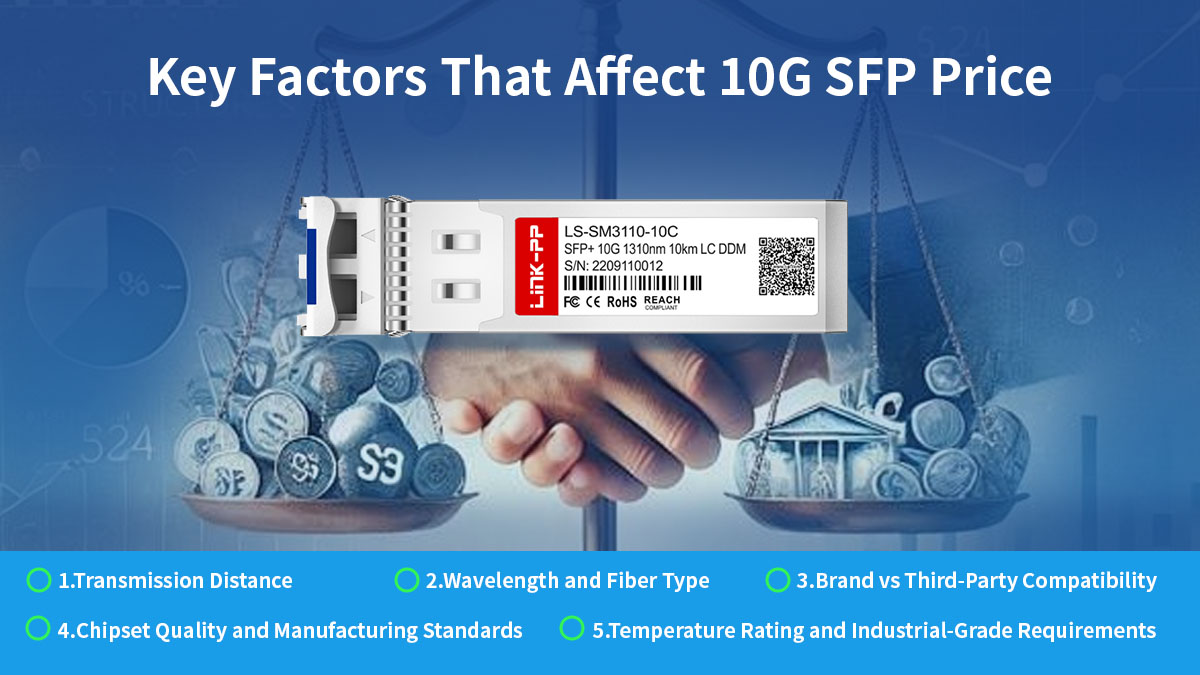
Below are the key price drivers that matter in real purchasing decisions.
Transmission Distance (SR, LR, ER, ZR)
Distance is the single biggest price factor.
The longer the supported transmission distance, the higher the optical cost.
-
SR (Short Reach) modules are the most affordable because they use lower-power optics and multimode fiber.
-
LR (Long Reach) modules cost more due to single-mode optics and stricter signal requirements.
-
ER / ZR modules are priced significantly higher because they require higher optical output, more precise components, and tighter testing standards.
Price impact: Distance increases almost always raise cost—and often faster than the distance itself.
Wavelength and Fiber Type
Wavelength choice directly affects both component cost and deployment flexibility.
-
850nm (multimode) optics are cheaper and easier to manufacture.
-
1310nm / 1550nm (single-mode) optics cost more but support longer distances and broader network designs.
Single-mode modules also tend to include more advanced optical components, which contributes to higher pricing.
Price impact: Single-mode optics are consistently more expensive than multimode alternatives.
Brand vs Third-Party Compatibility
Brand strategy plays a major role in pricing—even when hardware performance is identical.
-
OEM-branded 10G SFPs often include a large price premium tied to vendor certification and support programs.
-
Third-party compatible modules focus on functional compatibility rather than branding, offering similar performance at a lower cost.
For many networks, compatibility-tested third-party modules deliver the best price-to-performance ratio.
Price impact: Branding alone can multiply the price without improving optical performance.
Chipset Quality and Manufacturing Standards
Not all 10G SFPs are built to the same internal standards.
-
High-quality chipsets provide more stable signal performance and better interoperability.
-
Proper manufacturing processes include DDM calibration, aging tests, and real-device compatibility testing.
Modules that skip these steps may be cheaper upfront but risk instability over time.
Price impact: Better internal components slightly increase price but significantly reduce long-term risk.
Temperature Rating and Industrial-Grade Requirements
Environmental tolerance also affects cost.
-
Commercial-grade modules are designed for controlled data center environments.
-
Industrial-grade modules support wider temperature ranges and harsher conditions.
Industrial-rated optics require additional testing and component selection, which raises the price.
Price impact: Only pay more if your deployment environment actually requires it.
What to Take Away from These Price Factors
Not every higher-priced 10G SFP is better—but every legitimate price increase can be traced back to one of these factors. If a module is more expensive without offering longer distance, better compatibility, or higher reliability, the added cost is often unjustified.
In the next section, we’ll compare 10G SFP prices by module type, so you can see how these factors translate into real-world price differences.
? 10G SFP Price Comparison by Module Type
The most practical way to understand 10G SFP price differences is to compare modules by type. Each category reflects a clear trade-off between distance capability, optical complexity, and cost, which directly shapes its market price.
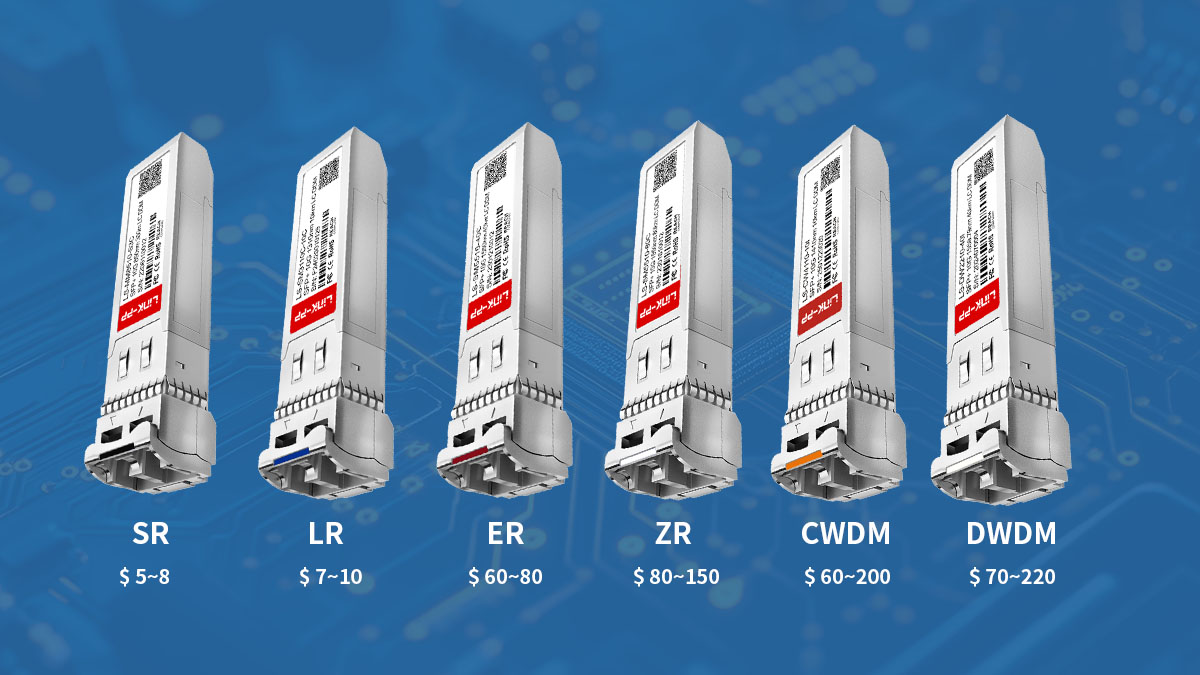
Below is a breakdown of the most common 10G SFP module types and how they compare in real purchasing scenarios.
10G SFP+ SR Price Overview
10G SFP+ SR modules are the lowest-priced option in the 10G SFP market.
They are designed for short-distance transmission over multimode fiber and are widely deployed in data centers and server rooms.
-
Lowest optical power requirements
-
Simplest optical design
-
High production volume, stable supply
Typical price positioning:
SR modules consistently sit at the bottom of the 10G SFP price range, making them the most cost-effective choice when distance is not a constraint.
10G SFP+ LR Price Overview
10G SFP+ LR modules represent the most balanced price-to-distance option.
They use single-mode fiber and support longer transmission distances, which increases both component cost and manufacturing complexity.
-
Single-mode optics with higher precision
-
Broader enterprise and campus network usage
-
Moderate increase in cost compared to SR
Typical price positioning:
LR pricing is higher than SR but significantly lower than ER or ZR, making it the most common choice for enterprise backbones.
10G SFP+ ER / ZR Price Overview
ER and ZR modules are the most expensive standard 10G SFP types.
Their pricing reflects the technical demands of long-distance transmission.
-
Higher optical output power
-
Stricter signal integrity requirements
-
More extensive testing and validation
These modules are typically used only when long distances are unavoidable.
Typical price positioning:
ER and ZR modules occupy the upper end of the 10G SFP price spectrum, often costing several times more than SR or LR options.
BiDi and CWDM/DWDM 10G SFP Pricing Differences
Specialized 10G SFP modules introduce additional pricing factors beyond distance.
-
BiDi 10G SFPs
Use a single fiber with two wavelengths. They are usually priced slightly higher than standard LR modules due to dual-wavelength design, but can reduce overall fiber infrastructure costs. -
CWDM 10G SFPs
Support multiple wavelength channels. Pricing is higher due to wavelength precision and lower production volume. -
DWDM 10G SFPs
Offer the highest wavelength accuracy and channel density, resulting in the highest prices among 10G SFP variants.
Price insight:
While these modules cost more individually, they can significantly reduce total network expansion costs in fiber-constrained environments.
10G SFP Price Comparison Table
| Module Type | Typical Distance | Typical Price Range | Common Use Case |
|---|---|---|---|
| 10G SFP+ SR | Short reach | Lowest | Data centers, server rooms |
| 10G SFP+ LR | Medium reach | Low to mid-range | Enterprise backbone, campus networks |
| 10G SFP+ ER / ZR | Long reach | High | Metro and long-distance links |
| BiDi 10G SFP | Medium to long | Mid to high | Fiber-limited deployments |
| CWDM 10G SFP | Medium to long | High | Scalable metro networks |
| DWDM 10G SFP | Long reach | Highest | High-capacity telecom networks |
Key Buying Insight
Price differences between 10G SFP types are logical and predictable. The most expensive module is not “better” by default—it is simply designed for a different problem. Matching the module type to your actual distance and fiber requirements is the fastest way to avoid overpaying.
Next, we’ll look at brand-name versus compatible 10G SFP pricing, where price gaps often become even more significant than technical differences.
? Original vs Compatible 10G SFP Price Comparison
When comparing 10G SFP prices, one of the largest gaps you will encounter is between original (OEM-branded) modules and third-party compatible alternatives. In many cases, the price difference is not driven by hardware performance—but by business and support models.
Understanding this distinction is critical for making a cost-effective buying decision.
Why OEM 10G SFP Modules Are Significantly More Expensive
OEM 10G SFP modules often cost several times more than compatible versions with identical specifications.
The higher price is typically driven by:
-
Vendor branding and certification programs
-
Proprietary coding and vendor lock-in strategies
-
Bundled support contracts rather than optical hardware itself
From a purely technical perspective, many OEM modules use standard optical components similar to those found in high-quality compatible optics.
? Price insight: You are often paying for the brand ecosystem—not better optical performance.
Performance and Reliability Comparison
In real-world deployments, performance differences between OEM and compatible 10G SFP modules are usually minimal when compatibility is properly managed.
High-quality compatible modules:
-
Match the same optical standards and IEEE specifications
-
Undergo switch-specific compatibility testing
-
Provide stable link performance and accurate DDM reporting
Reliability issues typically arise not from “third-party” status, but from poor manufacturing control or lack of testing.
? Key takeaway: Reliability depends on quality control, not logo branding.
Warranty, Certification, and Support Considerations
One area where OEM modules still hold an advantage is vendor-backed certification and support alignment.
-
OEM optics are fully covered under the vendor’s support policy
-
Compatible modules rely on the supplier’s own warranty and technical support
However, many enterprise buyers find that reputable compatible suppliers offer:
-
Multi-year warranties
-
Clear compatibility guarantees
-
Responsive pre- and post-sales support
For most networks, this level of coverage is sufficient without the OEM price premium.
Cost Savings Analysis Using Third-Party Compatible Modules
The financial impact of choosing compatible 10G SFP modules becomes clear at scale.
-
Savings of 50–80% per module are common
-
Large deployments can reduce optical budget dramatically
-
Lower replacement costs simplify long-term maintenance
For data centers, enterprises, and ISPs deploying dozens or hundreds of ports, compatible optics often deliver the best total cost of ownership.
? Bottom line: If compatibility is verified and support is reliable, third-party compatible 10G SFP modules offer a far more efficient balance between price and performance.
In the next section, we’ll focus on how to choose the right 10G SFP based on price and actual use case, helping you decide when paying more is justified—and when it isn’t.
? How to Choose the Right 10G SFP Based on Price and Use Case
Choosing a 10G optical transceivers purely based on the lowest price often leads to unnecessary risk, while choosing the most expensive option frequently results in overpaying. The right decision depends on how the module will be used, not on its list price alone.
Below are practical, price-focused guidelines for the most common deployment scenarios.
Budget-Driven Buying Scenarios
If your primary goal is cost control, the key is to avoid paying for capabilities you do not need.
-
Choose SR modules for short, in-rack or room-level connections
-
Avoid OEM branding unless vendor support policies require it
-
Prioritize compatibility-tested third-party modules with clear warranties
In these scenarios, spending more rarely improves network performance. A well-tested compatible module at a lower price usually delivers the same result.
? Best fit: Small to mid-sized networks, lab environments, and cost-sensitive upgrades.
Enterprise and Data Center Purchasing Considerations
Enterprise and data center networks require a balance between price, stability, and scalability.
-
LR modules are often the safest long-term choice for backbone links
-
Consistent supplier quality is more important than minimal unit price
-
Standardizing on one compatible supplier simplifies operations and spares management
Here, the goal is not the lowest price per unit, but predictable performance at a controlled cost.
? Best fit: Campus networks, enterprise core links, and cloud infrastructure.
ISP and Telecom Deployment Cost Optimization
For ISPs and telecom operators, optics cost scales quickly with port count.
-
ER, ZR, CWDM, or DWDM modules are selected only when distance or fiber efficiency demands it
-
Cost optimization focuses on total deployment cost, not just module price
-
Compatible modules are often essential for maintaining margins at scale
Paying more is justified only when higher-spec optics directly enable revenue-generating services.
? Best fit: Metro networks, access aggregation, and high-density transport links.
When Paying More Makes Sense—and When It Doesn’t
Pay more only when the higher price provides a clear operational benefit:
-
Longer transmission distance is required
-
Fiber availability is limited
-
Environmental conditions demand industrial-grade optics
Avoid higher-priced options when:
-
Distance requirements are modest
-
The network environment is controlled
-
The price difference is driven mainly by branding
? Decision rule: If the higher-priced module does not solve a real network problem, it is not worth the extra cost.
With these use-case guidelines in mind, the next step is understanding where to buy 10G SFP modules at the best price, and how to avoid common sourcing risks.
? Where to Buy 10G SFP Modules at the Best Price
Finding the best 10G SFP price is not just about comparing numbers. Where you buy from directly affects product quality, compatibility assurance, long-term cost, and risk exposure. Understanding the differences between sourcing channels helps avoid false savings.
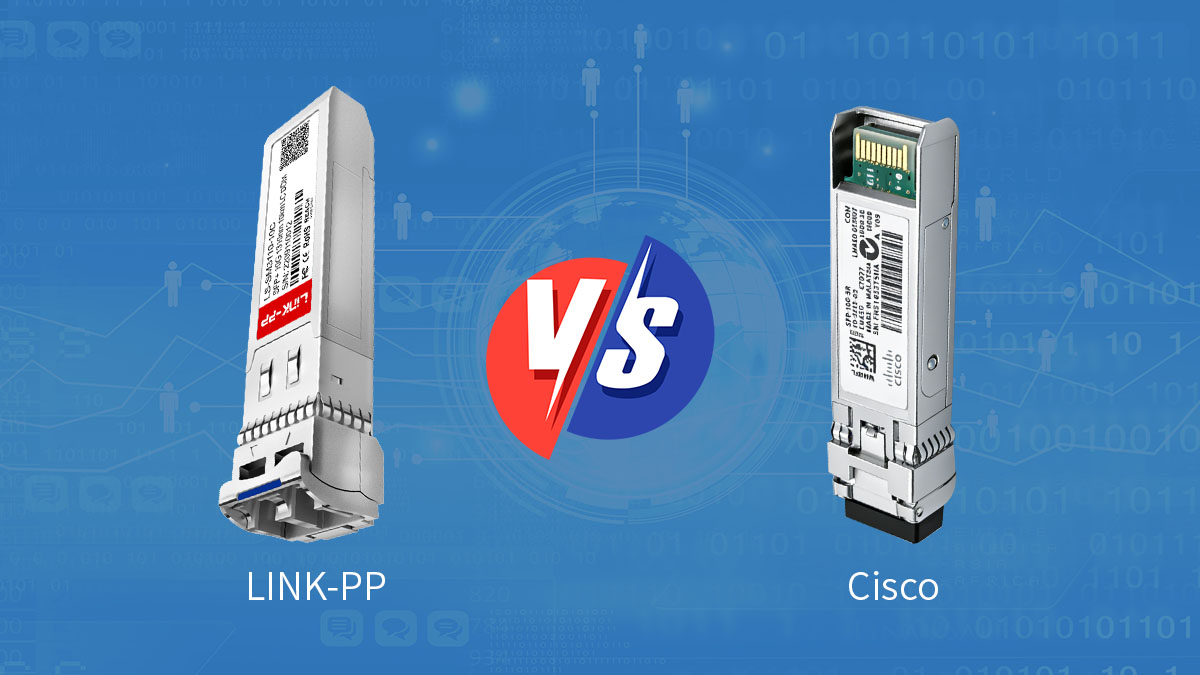
Manufacturer-Direct vs Reseller vs Marketplace
Each sourcing channel comes with distinct trade-offs.
-
Manufacturer-direct suppliers
Often offer the most transparent pricing, consistent quality control, and direct technical support. This option works well for buyers who value long-term reliability and stable supply. -
Resellers and distributors
Provide convenience and local availability, but pricing may include additional margins. Product origin and testing standards can vary depending on the reseller. -
Online marketplaces
Prices may appear attractive, but product consistency, traceability, and after-sales support are often unclear.
Buying insight: Lower upfront prices do not always translate into lower total cost.
Risks of Ultra-Low-Price Optics
Ultra-cheap 10G SFP modules often cut costs in ways that are not visible on a spec sheet.
Common risks include:
-
Inconsistent or recycled components
-
Poor DDM accuracy or missing diagnostics
-
Limited or no compatibility testing
-
Short product lifespan and higher failure rates
These risks can lead to downtime, repeated replacements, and higher operational costs over time.
Key takeaway: A price that looks “too good” often hides long-term expenses.
Bulk Pricing and Long-Term Procurement Strategies
For networks deploying multiple ports, procurement strategy matters more than unit price.
-
Bulk purchasing reduces per-module cost
-
Standardizing module types simplifies inventory management
-
Long-term supplier relationships improve pricing stability and support responsiveness
This approach helps control costs without sacrificing reliability.
Importance of Compatibility Testing and After-Sales Support
Compatibility issues are one of the most common hidden costs in optical networking.
A reliable supplier should provide:
-
Switch- and router-specific compatibility testing
-
Clear replacement and warranty policies
-
Responsive technical support when issues arise
Without these safeguards, even a low-priced module can become expensive.
Understanding where to buy safely sets the stage for the next section, where we look at LINK-PP’s 10G SFP pricing approach and how it fits into cost-effective, low-risk procurement strategies.
? LINK-PP 10G SFP Module Price Guide
LINK-PP positions its 10G SFP modules around a simple principle: deliver predictable compatibility and long-term stability at a controlled, transparent price. Rather than competing on the lowest possible number, LINK-PP focuses on reducing deployment risk and total cost of ownership.
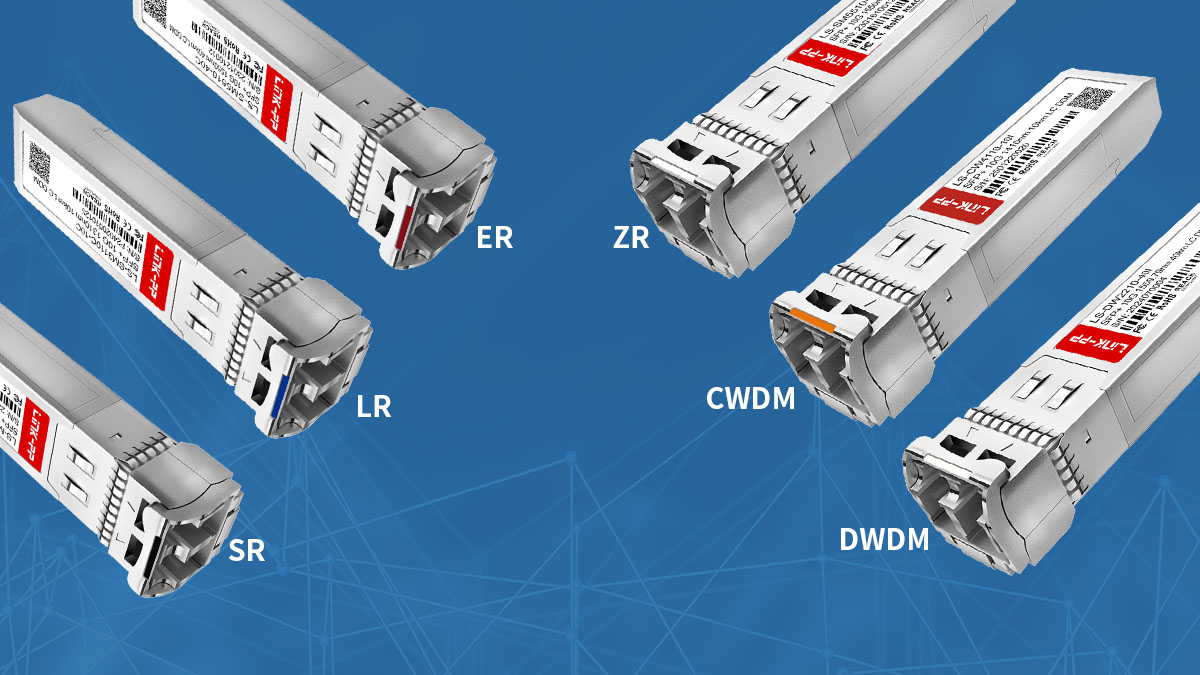
This section outlines how LINK-PP’s pricing fits into real-world buying decisions.
Overview of LINK-PP’s 10G SFP Product Portfolio
LINK-PP offers a complete range of 10G SFP+ modules designed for enterprise, data center, and telecom environments, including:
-
Standard short- and long-reach modules (SR, LR)
-
Extended- and ultra-long-reach optics (ER, ZR)
-
Fiber-efficient solutions (BiDi, CWDM, DWDM)
-
Broad compatibility across major switch and router platforms
The portfolio is structured to cover common deployment needs without unnecessary product overlap.
Typical LINK-PP 10G SFP Price Ranges by Module Type
The table below shows how LINK-PP 10G SFP pricing typically compares within the compatible optics market, without OEM brand premiums.
| Module Type | Typical Distance | LINK-PP Price Positioning | Common Use Case |
|---|---|---|---|
| 10G SFP+ SR transceiver | Short reach | $5 - $8 | Data centers, server rooms |
| 10G SFP+ LR transceiver | Medium reach | $7 - $10 | Enterprise backbone, campus networks |
| 10G SFP+ ER transceiver | Long reach | $60 - $80 | Metro and long-distance links |
| 10G SFP+ ZR transceiver | Ultra-long reach | $80 - $150 | Specialized long-haul deployments |
| BiDi 10G SFP transceiver | Medium to long | $12 - $30 | Fiber-limited networks |
| CWDM 10G SFP transceiver | Medium to long | $60 - $200 | Scalable metro networks |
| DWDM 10G SFP transceiver | Long reach | $70 - $220 | High-density telecom networks |
How LINK-PP Pricing Compares to OEM and Generic Third-Party Modules
LINK-PP sits between two extremes in the market:
-
Compared to OEM-branded modules
LINK-PP avoids brand-driven price inflation while maintaining standards-aligned performance. -
Compared to generic low-cost optics
LINK-PP emphasizes controlled manufacturing, compatibility validation, and traceability—factors often missing in ultra-low-price products.
Pricing insight: LINK-PP focuses on value-based pricing, not race-to-the-bottom discounts.
Value Factors Behind LINK-PP 10G SFP Pricing
Several internal controls directly affect LINK-PP’s pricing structure:
-
Full compatibility testing
Modules are tested across multiple platforms to ensure stable link behavior. -
Stable chipset selection
Consistent chipset sourcing reduces performance variance between batches. -
Warranty and technical support
Clear warranty coverage and responsive support reduce post-deployment risk.
These factors slightly increase upfront cost compared to the cheapest alternatives—but significantly lower operational uncertainty.
Best-Fit Scenarios for Choosing LINK-PP 10G SFP Modules
LINK-PP 10G SFP modules are particularly well suited for:
-
Enterprises seeking reliable compatibility without OEM pricing
-
Data centers standardizing optics across multiple platforms
-
ISPs balancing cost efficiency with long-term stability
-
Buyers who prioritize predictable performance over minimal unit price
By this point in the buying journey, most technical and pricing questions are already answered. The remaining concerns are usually addressed in the final section—common buyer questions about 10G SFP pricing, which we’ll cover next.
? FAQs About 10G SFP Price
1. Why is Cisco 10G SFP price so high?
Because most of the price comes from branding and support programs, not better optical performance.
Cisco 10G SFP modules include vendor certification, proprietary coding, and bundled support policies, which significantly increase cost even when the underlying optical specifications are standard.
2. Are cheap 10G SFP modules reliable?
It depends on manufacturing quality and testing, not price alone.
Low-priced modules from suppliers that skip compatibility testing or quality control carry higher risk, while properly tested compatible modules can be both affordable and reliable.
3. Does compatibility affect price?
Yes, compatibility assurance directly affects pricing.
Modules that are tested and coded for specific switch platforms cost more than generic optics, but they significantly reduce deployment and troubleshooting risk.
4. How long does a 10G SFP module typically last?
A quality 10G SFP module typically lasts many years under normal conditions.
Longevity depends on component quality, thermal control, and operating environment rather than the original purchase price.
5. Can I mix different priced 10G SFPs in the same network?
Yes, as long as specifications and compatibility are matched.
Price differences alone do not prevent mixed deployment, but wavelength, distance rating, and platform compatibility must align to ensure stable links.
? Summary: Is Price the Most Important Factor When Buying a 10G SFP?
The real value of a 10G SFP is not defined by the lowest price, but by whether its cost matches your actual distance, compatibility, and reliability needs.
Key Takeaways
-
10G SFP price varies mainly by distance, module type, and brand strategy, not by speed alone.
-
OEM-branded optics are significantly more expensive due to certification and support models, not superior hardware.
-
Compatible 10G SFP modules offer the best cost-to-performance ratio when compatibility testing is properly done.
-
Overpaying is common when buyers choose higher-spec optics that exceed real network requirements.
When to Choose — and When Not to
Choose higher-priced 10G SFP modules when:
-
Long-distance transmission or fiber efficiency is required
-
Network environments demand stricter stability or temperature tolerance
-
Vendor certification is mandatory for support policies
Avoid paying more when:
-
Distances are short or moderate
-
The network environment is controlled
-
Price differences are driven mainly by branding rather than technical value
Final Recommendation
For most enterprise, data center, and ISP deployments, the best approach is to match 10G SFP pricing to real use cases, not marketing labels. Carefully selected compatible optics can deliver reliable performance while significantly reducing total network cost.
If you are looking for transparent pricing, verified compatibility, and long-term stability, sourcing from a trusted manufacturer such as the LINK-PP Official Store allows you to balance cost control with deployment confidence—without paying unnecessary brand premiums.