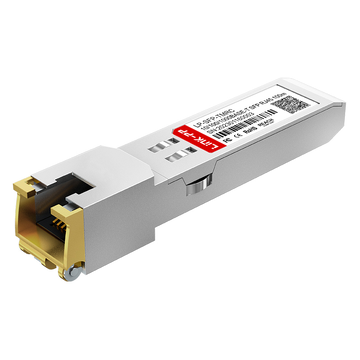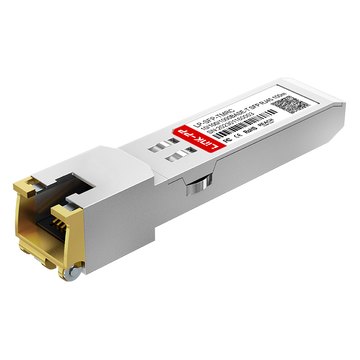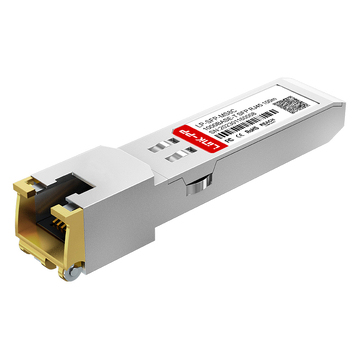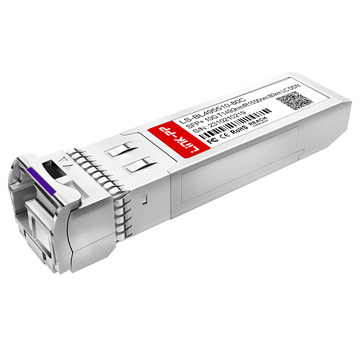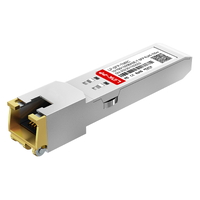
The Arista SFP-1G-T transceiver is the standard solution for delivering 1000BASE-T copper connectivity across Arista’s high-performance switching platforms. By adhering to IEEE 802.3 standards, these transceiver modules allow network administrators to utilize standard RJ45 cabling (Cat5e/Cat6) to achieve reliable gigabit speeds. This guide explores the technical bridge between Arista’s advanced hardware and essential copper infrastructure.
Beyond basic connectivity, mastering the Arista SFP-1G-T involves understanding its physical attributes, power profiles, and cross-platform compatibility. From verifying third-party EEPROM signatures to optimizing link performance in 10G SFP+ ports, we provide a comprehensive look at how to deploy, maintain, and scale these modules effectively within your enterprise network.
⬇️ Technical Overview of Arista SFP-1G-T Interface Standards
The Arista SFP-1G-T interface serves as the primary technical bridge between high-speed SFP-based switch ports and standard copper networking environments. This interface is engineered to provide reliable gigabit Ethernet transmission over twisted-pair cabling, ensuring seamless integration into existing data center architectures. By adhering to rigorous industry protocols, Arista ensures that these copper connections maintain the same carrier-grade stability as their optical counterparts.
Defining the RJ45 Copper Connectivity in Arista Switches
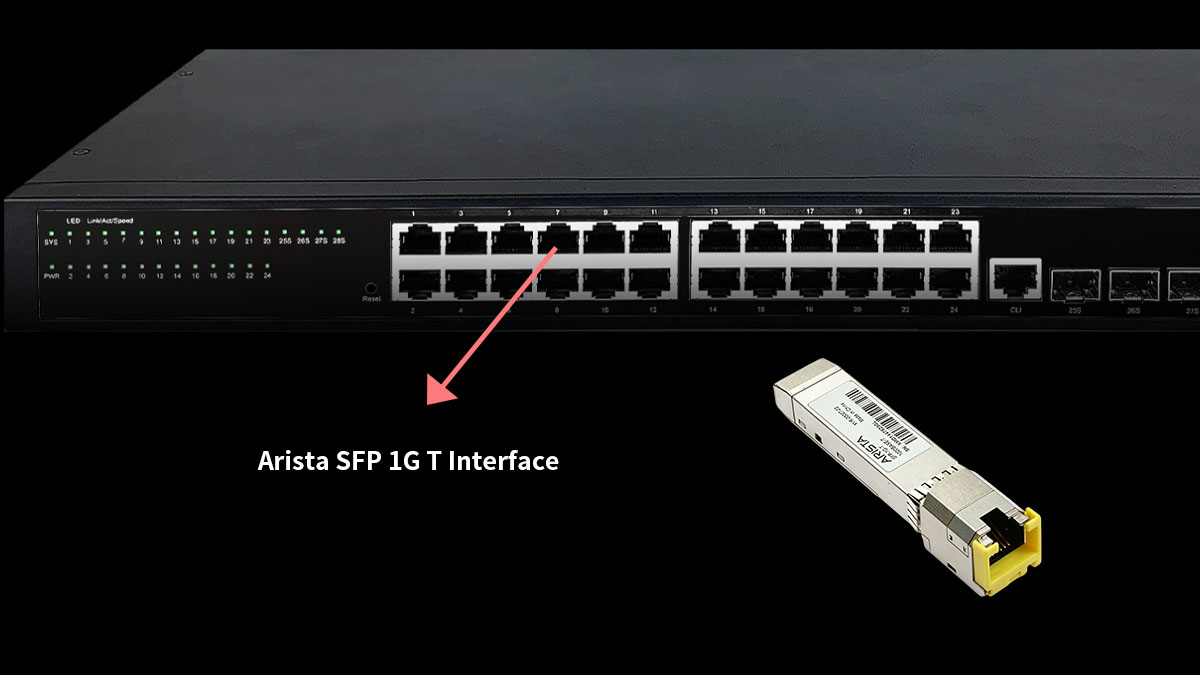
The Arista SFP-1G-T module utilizes the ubiquitous RJ45 connector, allowing SFP and SFP+ slots on Arista switches to interface directly with standard copper patch cords. This setup is essential for "Top-of-Rack" (ToR) deployments where short-reach connections to servers, storage arrays, or management appliances are required without the expense of optical transceivers.
Because Arista switches often feature high port densities, these RJ45 interfaces are designed for mechanical durability and ease of access. They enable a flexible hardware environment where a single switch can support both high-speed fiber uplinks and cost-effective copper downlinks simultaneously.
IEEE 802.3ab Compliance for 1000BASE-T Operations
At its core, the Arista SFP-1G-T operates based on the IEEE 802.3ab standard, which defines Gigabit Ethernet over copper. This compliance ensures that the transceiver supports four-pair full-duplex transmission, utilizing sophisticated signal processing to achieve a 1000Mbps throughput over balanced twisted-pair cabling.
Adherence to this standard guarantees interoperability across Arista’s entire product line and with other vendor-neutral equipment. It ensures that the module manages complex tasks like echo cancellation and crosstalk multi-level pulse amplitude modulation (PAM-5) effectively, maintaining a stable link even in high-traffic scenarios.
Physical Layer Attributes: Cat5e vs. Cat6 Cabling Requirements
The performance and reliability of the Arista SFP-1G-T are heavily dependent on the quality of the physical layer infrastructure. While both Category 5e (Cat5e) and Category 6 (Cat6) cables are technically supported for 1000BASE-T operations, they offer different margins for signal integrity and environmental noise resistance.
The following table summarizes the key differences in physical layer requirements and performance when using these cable types with Arista modules:
| Feature | Category 5e (Cat5e) | Category 6 (Cat6) |
| Standard Bandwidth | Up to 100MHz | Up to 250MHz |
| Max Transmission Speed | 1000Mbps | 1000Mbps (Up to 10G at short reach) |
| Max Distance (1Gbps) | 100m | 100m |
| Crosstalk Protection | Basic | Advanced (Internal Spline/Separator) |
| Signal-to-Noise Ratio | Standard | Superior |
| Best Use Case | General Office / Legacy Patching | High-Density Data Centers / EMI Areas |
Choosing between these copper cables often comes down to the specific deployment environment. Cat5e is generally sufficient for standard gigabit links up to 100m; however, Cat6 is highly recommended for Arista SFP-1G-T installations in high-density racks. The tighter twists and internal separators of Cat6 significantly reduce Alien Crosstalk (AXT) and Electromagnetic Interference (EMI), ensuring the Arista SFP-1G-T maintains a consistent, error-free connection in demanding enterprise conditions.
⬇️ Key Specifications of the Arista SFP-1G-T Transceiver
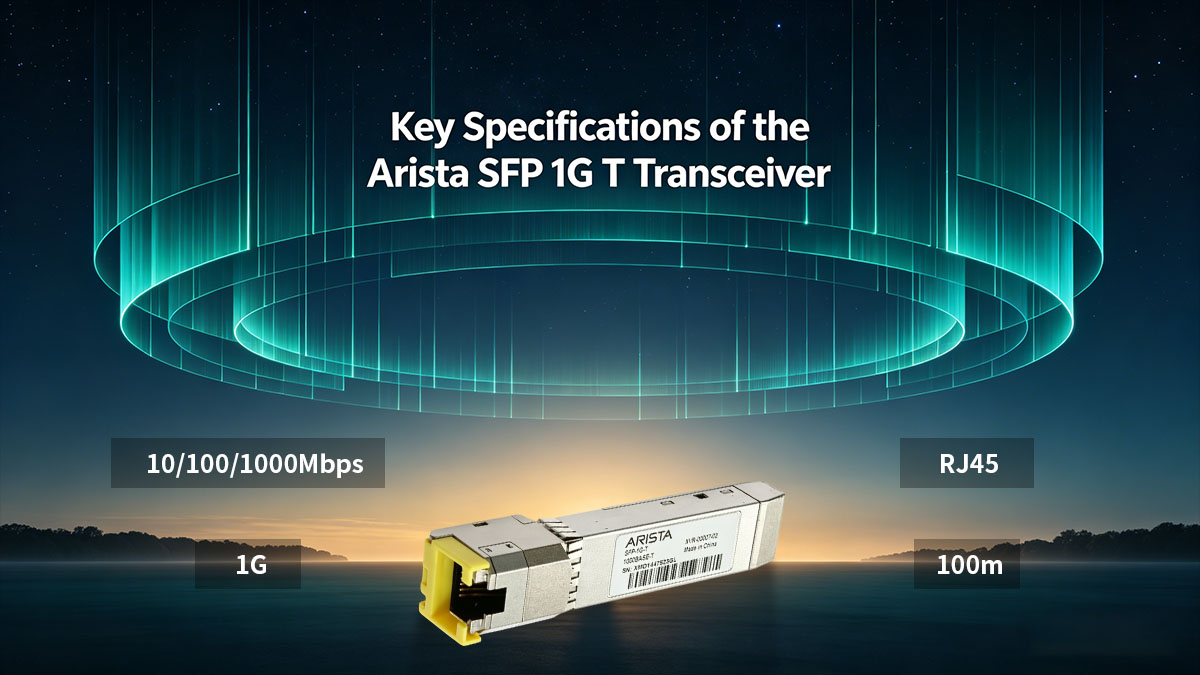
The Arista SFP-1G-T transceiver is defined by a rigorous set of electrical and mechanical specifications designed to ensure reliable data transmission over copper media. These modules translate complex digital signals into electrical pulses, balancing power efficiency with high-speed performance. Understanding these core specifications is vital for network architects to ensure the hardware meets the specific demands of their data center environment.
Maximum Link Length and Distance Limitations
The primary constraint of the Arista SFP-1G-T is its maximum reach, which is strictly defined by the 1000BASE-T standard at 100m (328 feet). This distance includes the total length of the horizontal cabling plus any patch cords used in the link. Exceeding this limit typically results in significant signal attenuation and increased error rates, potentially leading to link flapping or total connection failure.
For optimal performance, it is recommended to account for the quality of the termination points and the patch panels involved. In high-density Arista switch deployments, maintaining this 100-meter threshold ensures that the signal remains within the required decibel loss limits, providing a stable gigabit connection across the entire cable run.
Power Consumption Metrics and Heat Dissipation Profiles
Copper SFP modules are known to consume more power and generate more heat than their optical counterparts due to the complex digital signal processing (DSP) required for copper transmission. A standard Arista SFP-1G-T typically operates within a power range of 0.8W to 1.2W. While this may seem negligible for a single unit, the cumulative heat load in a fully populated 48-port switch can be substantial.
Effective heat dissipation is managed through the module’s metallic housing, which acts as a heat sink to transfer thermal energy to the switch's chassis and airflow system. Network operators must ensure that the switch environment has adequate cooling and airflow, especially when using high-density configurations, to prevent the transceivers from reaching thermal throttling limits.
Support for 10/100/1000Mbps Auto-Negotiation Functions
The Arista SFP-1G-T module supports auto-negotiation across 10Mbps, 100Mbps, and 1000Mbps speeds, allowing seamless interoperability with a wide range of network devices. This feature enables automatic detection of the optimal link speed and duplex mode based on the connected device.
Auto-negotiation also simplifies deployment by eliminating the need for manual configuration in most scenarios. It ensures backward compatibility with legacy equipment while maintaining optimal performance in mixed-speed network environments.
Internal Architecture: PHY Chipsets and Signal Integrity
The "brain" of the Arista SFP-1G-T is its internal Physical Layer (PHY) chipset, which is responsible for the conversion between the host system's serialized data and the electrical signals sent over the copper wire. High-quality PHY chips are essential for maintaining signal integrity, as they perform real-time error correction and noise cancellation to combat the inherent interference found in copper environments.
Advanced internal architecture also includes localized voltage regulation and electromagnetic shielding to protect the signal from external noise. By utilizing premium components, these modules ensure that the bit-to-signal conversion remains precise, minimizing jitter and ensuring that the switch's high-speed backplane receives a clean, accurate data stream.
⬇️ Hardware Compatibility for Arista SFP-1G-T Across Switch Series
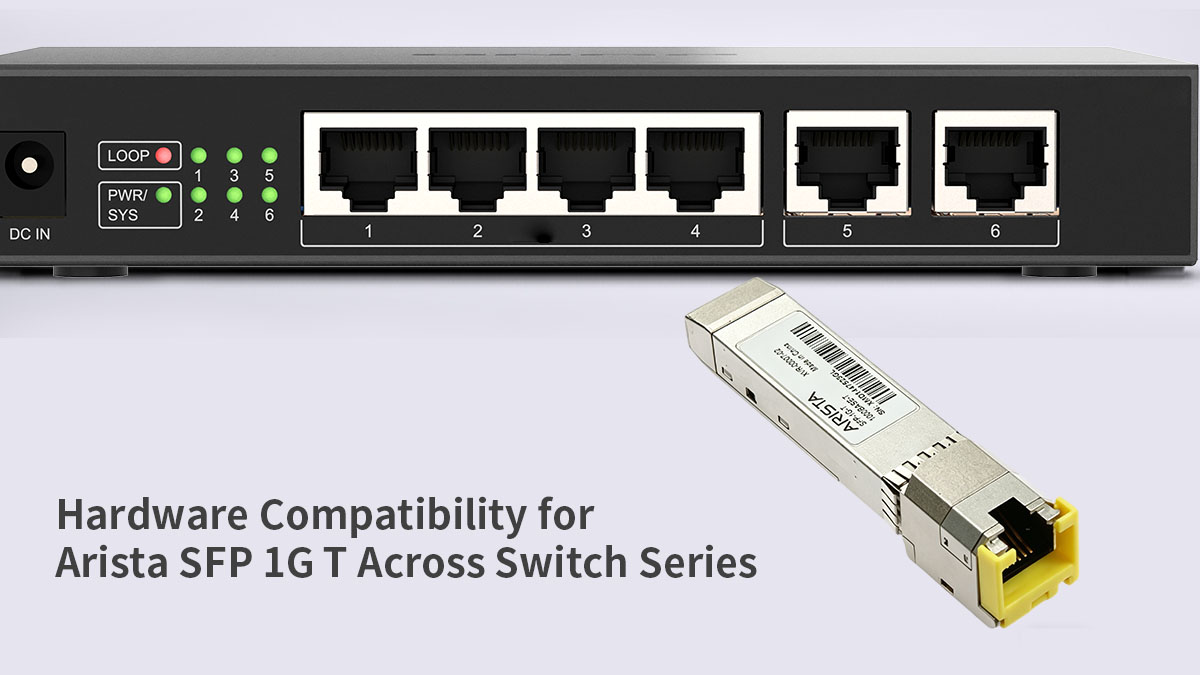
The Arista SFP-1G-T module is designed for broad compatibility across multiple Arista switch platforms, enabling flexible copper connectivity in both legacy and modern deployments. Its support for various port types and switch architectures makes it a practical choice for mixed-speed and high-density environments. Understanding hardware compatibility ensures optimal performance and avoids configuration or interoperability issues.
Integration with Arista 7050X and 7060X Series Platforms
The Arista 7050X and 7060X series are the flagship workhorses of the data center, and both provide robust support for the Arista SFP-1G-T. In these platforms, the module is frequently used in dedicated SFP management ports or within high-density leaf-switch configurations to provide copper downlinks. The EOS software automatically recognizes the module, loading the appropriate drivers to manage the electrical interface without manual intervention.
In these series, the hardware stability is maintained through Arista’s strict validation of the transceiver’s EEPROM. When a compatible Arista SFP-1G-T is inserted, the switch identifies the power requirements and thermal profile specific to that series, ensuring that the addition of copper modules does not exceed the system’s cooling or power delivery capacity.
Utilizing 1G T Modules in 10G SFP+ Dual-Rate Ports
One of the most significant advantages of the Arista SFP-1G-T is its ability to operate within 10G SFP+ slots. Most Arista 10G ports are "dual-rate," meaning they can down-clock to 1Gbps speeds to accommodate copper transceivers. This flexibility allows users to utilize high-bandwidth switches for lower-speed legacy copper connections without needing a separate physical switch for 1G traffic.
However, when using these modules in SFP+ ports, it is important to note that the port will operate strictly at the 1G rate. The switch’s SerDes (Serializer/Deserializer) must be capable of supporting the 1.25Gbps line rate required for 1000BASE-T. Most modern Arista hardware handles this transition automatically, but some specific ultra-low latency ports may require manual speed configuration to lock the link at 1000Mbps.
Identifying Supported Port Densities in Fixed-Configuration Switches
In fixed-configuration switches, such as the Arista 7010T or specific 7050SX models, port density plays a major role in how many Arista SFP-1G-T modules can be deployed. Because copper modules consume more power than optical modules, some high-density switches may have limitations on "stacking" these modules in adjacent ports to prevent localized overheating.
Before a full-scale rollout, administrators should consult the specific hardware manual for their switch model. In some cases, Arista recommends a "checkerboard" insertion pattern — leaving empty slots between copper modules — to optimize airflow and ensure that the heat dissipation remains within the safe operating range of the switch chassis.
Port Mapping and Speed Group Configuration Rules
Arista switches often organize ports into speed groups or logical blocks that share hardware resources. When deploying Arista SFP-1G-T modules, these groupings can impact how ports operate, especially when mixing SFP 1G and SFP+ 10G interfaces.
For example, enabling 1G mode on certain ports may require adjacent ports within the same group to operate at the same speed or become unavailable. Proper port mapping and awareness of these configuration rules help avoid unexpected behavior and ensure efficient utilization of switch resources.
⬇️ Performance Benchmarks of Arista SFP-1G-T Modules
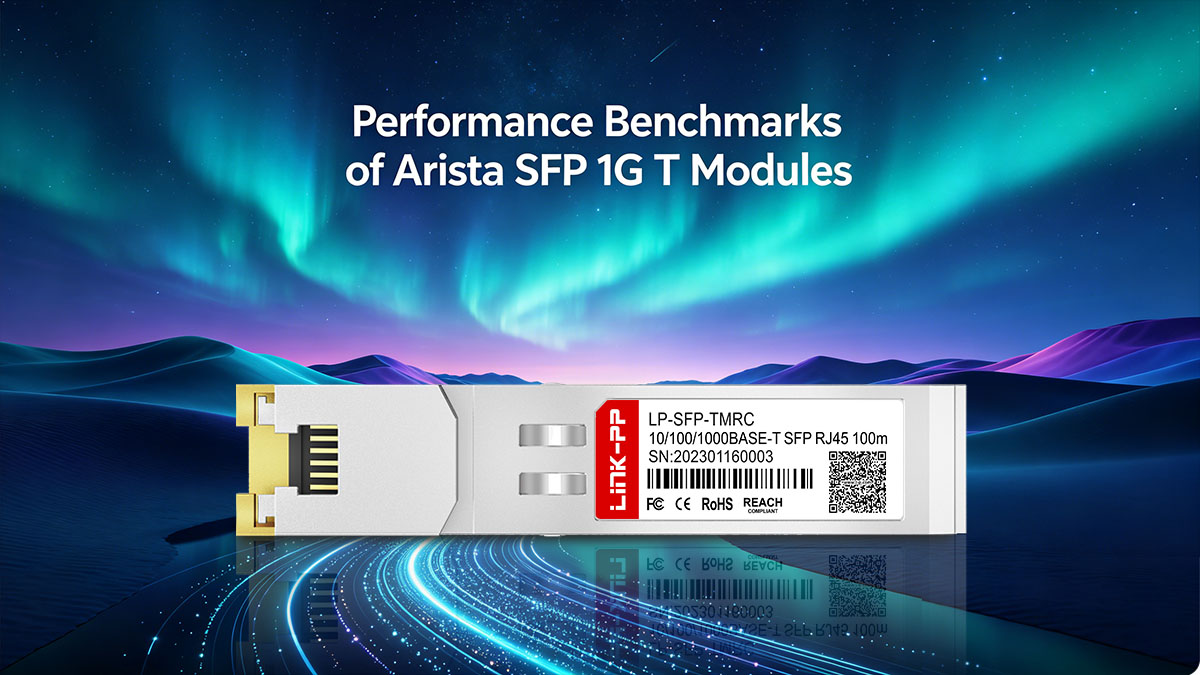
Evaluating the performance of the Arista SFP-1G-T involves analyzing how it handles data integrity and signal processing under heavy workloads. These benchmarks ensure that the copper interface meets the rigorous demands of enterprise-grade networking, maintaining consistent throughput and reliability.
Bit Error Rate (BER) Standards for Enterprise Networking
For any mission-critical network, the bit error rate (BER) is the ultimate metric of transmission quality. The Arista SFP-1G-T module is designed to meet or exceed the industry standard of 10⁻¹², meaning that no more than one bit in a trillion is mismanaged. Achieving this benchmark requires high-quality PHY chipsets capable of advanced forward error correction and adaptive equalization, ensuring that data remains intact even as it traverses the maximum 100-meter limit of copper cabling.
Latency Analysis in High-Frequency Trading Environments
In high-frequency trading (HFT) or latency-sensitive environments, the Arista SFP-1G-T is optimized to minimize the inherent processing delay of copper-to-digital signal conversion. While copper interfaces introduce slightly higher latency than fiber due to PHY-layer encoding, these modules utilize streamlined signal paths to maintain microsecond-level performance. This ensures that management and execution-adjacent links remain highly responsive without compromising the rigorous timing requirements of financial data networks.
Electromagnetic Interference (EMI) Shielding and Immunity
The Arista SFP-1G-T features a robust metallic housing that acts as a Faraday cage to provide superior EMI shielding and protection against environmental noise. By utilizing advanced balanced signaling and internal filtering, the module effectively suppresses crosstalk and external interference, ensuring high-fidelity signal transmission even in the electrically dense environments of modern data centers.
⬇️ Benefits of Using Third-Party Arista SFP-1G-T Compatible Modules
Choosing Arista SFP-1G-T compatible modules allows network operators to scale their infrastructure efficiently without being locked into high OEM prices. These modules provide the same reliable performance as original hardware while offering greater flexibility in budget allocation and procurement. By selecting high-quality alternatives, businesses can maintain a top-tier network while significantly lowering their total cost of ownership.
Significant CapEx Reduction Without Performance Trade-offs
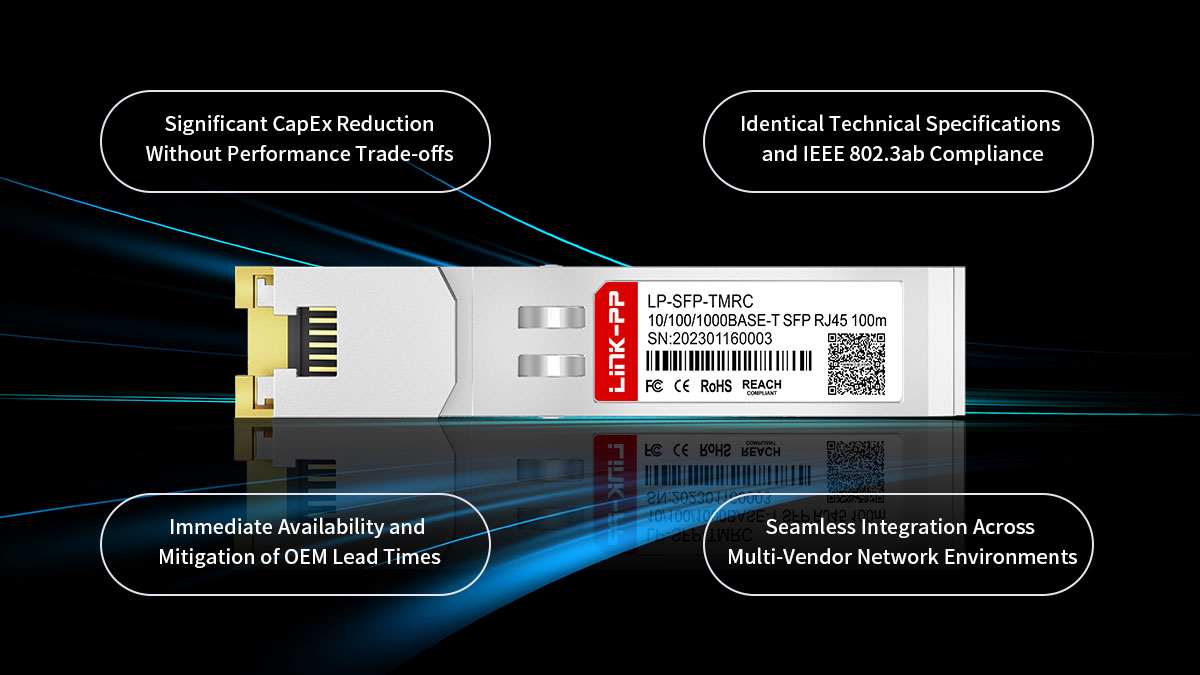
The most immediate advantage of third-party modules is the substantial saving in Capital Expenditure (CapEx), often costing a fraction of the price of branded Arista optics. Despite the lower price tag, there is no compromise on performance; these modules undergo rigorous testing to ensure they deliver the same gigabit speeds and reliability. A prime example is the LINK-PP LP-SFP-TMRC 10/100/1000BASE-T Module, which provides enterprise-grade stability and full compatibility with Arista systems at a much more accessible price point.
Identical Technical Specifications and IEEE 802.3ab Compliance
High-quality third-party Arista SFP-1G-T modules are built to the exact same industry standards as OEM products, specifically the IEEE 802.3ab protocol for 1000BASE-T operations. This means they use comparable PHY chipsets and internal components to handle signal processing, ensuring the electrical output and data integrity match Arista’s requirements perfectly. Because they follow these universal rules, they "speak the same language" as your switch, resulting in a stable link that behaves exactly like an original part.
Immediate Availability and Mitigation of OEM Lead Times
Supply chain delays can often stall critical network expansions when relying solely on OEM stock, which may have lead times of several weeks or even months. Third-party providers typically maintain much higher inventory levels, allowing for rapid deployment. This availability is crucial for urgent repairs or unexpected capacity increases, ensuring that your data center projects stay on schedule regardless of manufacturer shortages.
Seamless Integration Across Multi-Vendor Network Environments
Modern data centers rarely use equipment from just one brand, and third-party modules excel in these mixed environments. Unlike some OEM gear that is strictly locked to a single brand's ecosystem, compatible modules are designed to be highly adaptable across various platforms. This makes them an ideal choice for connecting Arista switches to servers, routers, or firewalls from different manufacturers, simplifying your spare parts inventory and streamlining overall network management.
⬇️ How to Verify Compatibility for Third-Party Arista SFP-1G-T Module
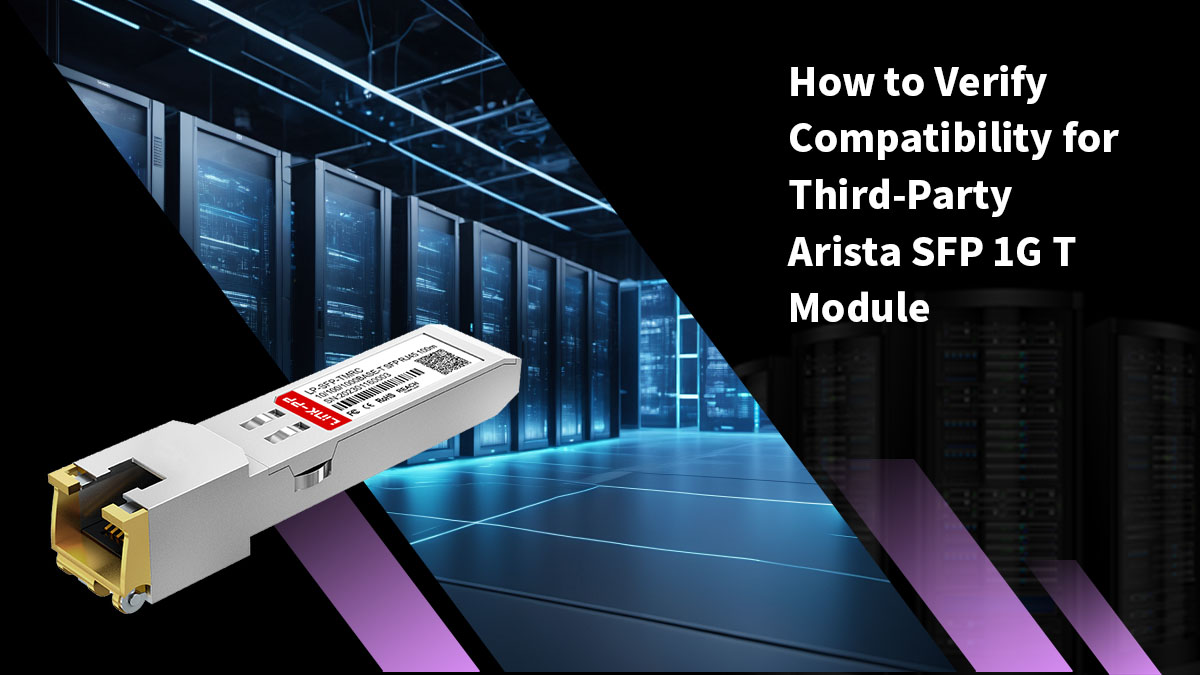
Verifying the compatibility of third-party modules is a crucial step in ensuring network stability and preventing system-level rejection. Arista switches utilize specific software checks within EOS (Extensible Operating System) to identify and validate inserted hardware. By following a systematic verification process, administrators can confirm that their Arista SFP-1G-T compatible modules provide the same functional transparency as original equipment.
EEPROM Signature Validation and Arista Vendor Identification
Every Arista-compatible transceiver contains an internal EEPROM chip programmed with specific data strings that the switch reads upon insertion. This data acts as a digital "fingerprint" that tells the switch the module's manufacturer, part number, and serial number. For a third-party Arista SFP-1G-T to function correctly, the EEPROM must be coded with the correct Arista-specific vendor signature.
If the signature is missing or incorrectly formatted, the switch may mark the port as "unsupported" or "err-disabled." High-quality compatible modules are pre-programmed with these validated signatures to ensure the host system recognizes them as genuine Arista-compatible hardware, allowing for immediate initialization and traffic forwarding.
Command Line Verification via Show Inventory and Show Interfaces Transceiver
Once the module is physically installed, the Arista Command Line Interface (CLI) provides the most direct way to verify its status. Network engineers should use a sequence of commands to ensure the switch has successfully parsed the module's internal data:
- Show Inventory: This command confirms that the switch recognizes the hardware. A compatible Arista SFP-1G-T should appear with its correct model name and a unique serial number, indicating it has passed the initial hardware handshake.
- Show Interfaces Transceiver: This is essential for monitoring real-time health. It provides critical data such as the manufacturer name, voltage, and temperature. For copper modules, it specifically confirms that the "Type" is recognized as 1000BASE-T.
By reviewing the output of these commands, you can ensure that the EOS recognizes the module as a valid component of the system’s inventory rather than a generic or unknown device.
Physical Layer Auto-Negotiation and Link Training Confirmation
Compatibility isn't just about software recognition; it also involves the physical ability of the module to communicate with end-devices. The Arista SFP-1G-T compatible module must successfully perform "Link Training" and auto-negotiation to establish a stable connection. This process ensures that the module and the connected device agree on the highest possible speed (1000Mbps) and duplex mode.
To verify this, administrators should check the link status to ensure it does not "flap" (repeatedly go up and down). A successfully verified module will show a "Link Up" status with a speed of 1000Mb/s and Full Duplex. Any failure in this stage usually points to a physical layer mismatch or a chipset incompatibility that prevents the auto-negotiation protocol from completing correctly.
Resolving Software Compatibility Alerts and Port Lockdown Status
In some cases, Arista EOS may trigger a warning alert when a non-Arista branded module is detected, even if the module is technically compatible. Understanding how to interpret and resolve these alerts is key to a successful deployment. If a port enters a "lockdown" or "err-disabled" state, it is often due to strict software policies regarding unauthorized transceivers.
To resolve these issues, administrators can often use specific configuration commands, such as service unsupported-transceiver, to allow the switch to accept third-party modules. Verification is complete when the "Software Compatibility" status shows as "Authorized" or when the port remains in an active "Connected" state without generating persistent system log (Syslog) errors.
⬇️ Installation and Maintenance of Arista SFP-1G-T Compatible Module Hardware
Proper installation and ongoing maintenance are essential to maximizing the lifespan and reliability of your Arista SFP-1G-T compatible modules. While these components are designed for durability, adhering to standardized handling procedures prevents physical damage and minimizes network downtime.
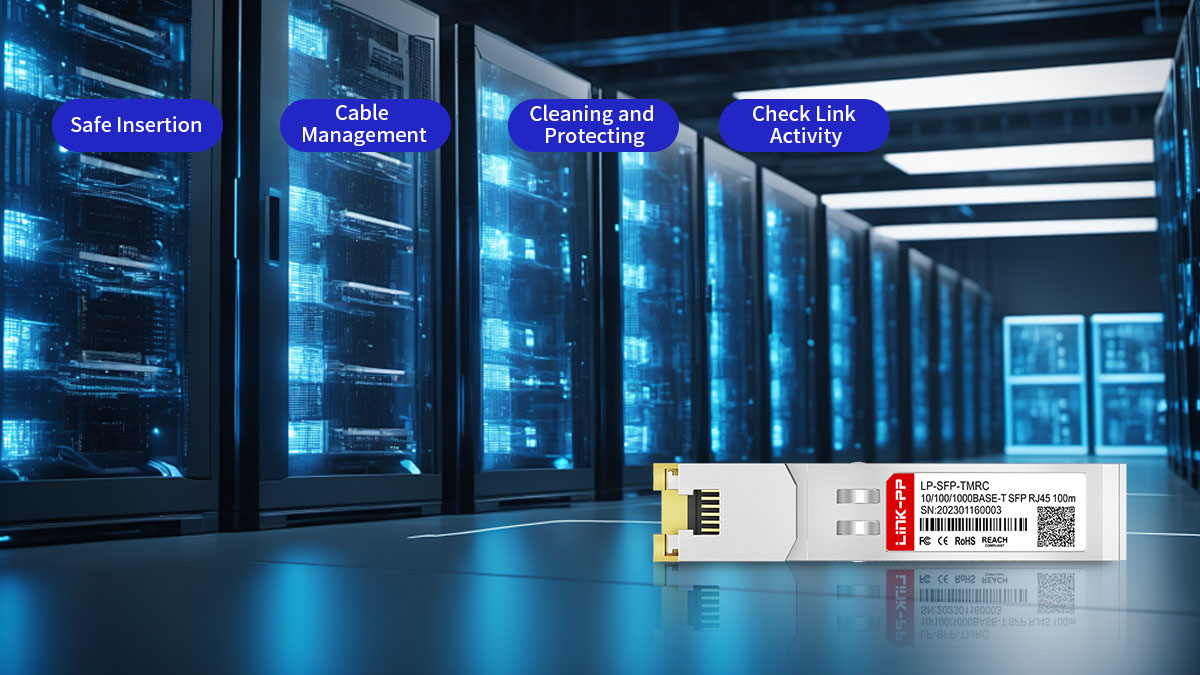
Hot-Swappable Functionality and Safe Insertion Procedures
One of the key operational advantages of the Arista SFP-1G-T compatible module is its hot-swappable nature, which allows for installation or removal without powering down the switch. To ensure a safe and successful deployment, follow these standardized steps:
- Alignment and Insertion: Hold the module by its sides and align it with the SFP slot. Slide it in gently until you feel it click into place, which indicates the electrical connectors are fully seated.
- Engagement Check: Once inserted, verify that the bale clasp is in the closed position. This mechanical lock prevents the module from being accidentally disconnected due to cable tension.
- Static Safety: Always wear an ESD (Electrostatic Discharge) wrist strap when handling the modules to prevent static electricity from damaging the sensitive internal PHY chipsets.
Cable Management Best Practices for High-Density Copper Ports
Copper cables are significantly heavier and less flexible than fiber optic SFP module, making structured cable management a priority in Arista deployments. Improper management can lead to excessive "port stress," where the weight of the cables pulls on the SFP cage, potentially causing intermittent link failures.
To mitigate this, ensure that all Cat5e or Cat6 cables are supported by horizontal management arms or Velcro ties to distribute weight evenly. Avoid sharp bends near the RJ45 connector, as tight radii can cause internal wire pairs to untwist, leading to increased crosstalk and signal degradation. Maintaining a tidy cabling structure not only improves airflow for cooling but also simplifies troubleshooting and future hardware upgrades.
Cleaning and Protecting the SFP Cage and RJ45 Interface
Environmental contaminants like dust and debris are common enemies of electrical signal integrity. Although copper interfaces are generally more robust than fiber, the SFP cage on the switch and the RJ45 pins on the module must remain clean to ensure a low-resistance connection.
If a port has been empty for an extended period, it is wise to use compressed air to clear the SFP slot before inserting a new Arista SFP-1G-T compatible module. For the RJ45 interface itself, ensure that the gold-plated pins are free of oxidation or oils. If a connection becomes unstable, a quick inspection with a flashlight can reveal if dust buildup is preventing the RJ45 jack from clicking securely into the module.
Interpreting LED Status Indicators for Link and Activity
Arista switches provide immediate visual feedback through Port LED indicators, which are vital for rapid on-site troubleshooting. Understanding these signals allows technicians to verify the health of the Arista SFP-1G-T compatible module without immediately accessing the CLI:
- Solid Green: Indicates that a valid link has been established at the maximum supported speed (1000Mbps).
- Flashing Green: Represents active data transmission; the frequency of the flashes usually correlates with the volume of traffic.
- Amber/Yellow: Often signifies a speed mismatch or a non-optimal link (e.g., the port has negotiated down to 10/100Mbps instead of 1Gbps).
- Off: Indicates no link is detected, which could stem from a disconnected cable, a faulty module, or the port being administratively shut down in the software.
⬇️ Conclusion: Building Reliable Copper Networks with Arista SFP-1G-T Compatible Module
The Arista SFP-1G-T compatible module remains a practical and reliable choice for organizations aiming to balance performance with cost in copper-based networks. With full IEEE 802.3ab compliance and seamless integration into Arista EOS environments, it delivers stable 1000Base-T connectivity with low latency and consistent performance. By understanding its specifications, compatibility considerations, and proper deployment practices, network teams can build infrastructures that are both efficient and easy to scale.
To maximize uptime and return on investment, choosing the right hardware partner is just as important as the technology itself. High-quality third-party compatible modules offer enterprise-level reliability while reducing costs and avoiding long lead times. For dependable and high-performance solutions, the LINK-PP Official Store provides a comprehensive selection of SFP modules and networking components to support your next deployment.