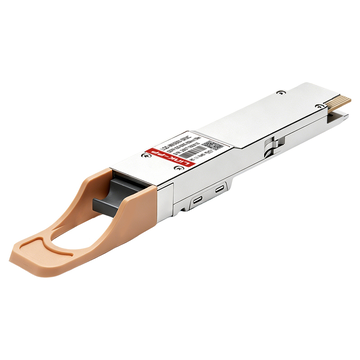
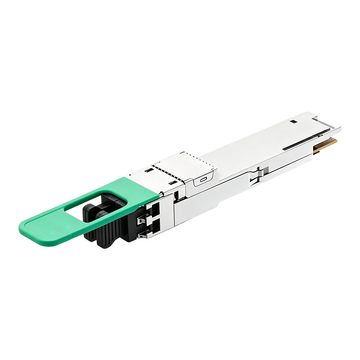
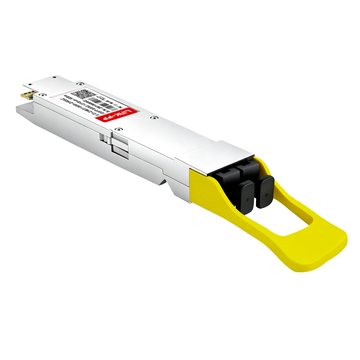
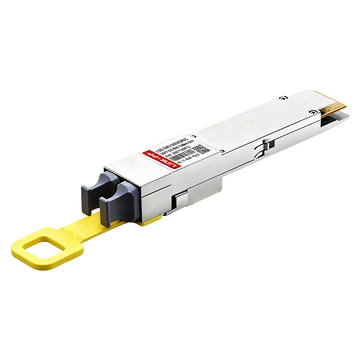
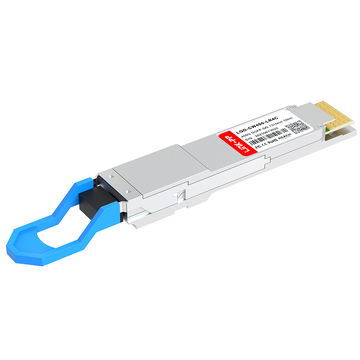
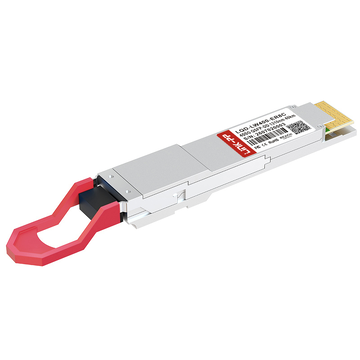
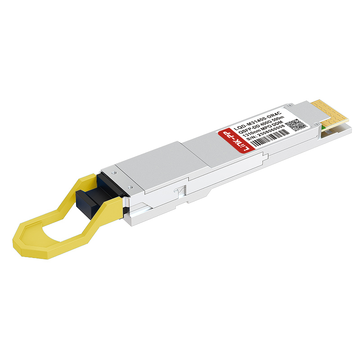
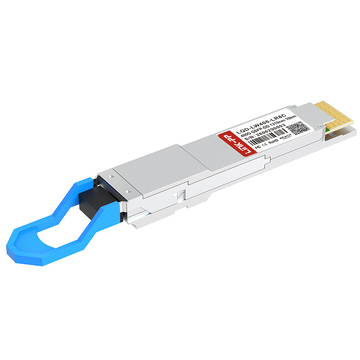
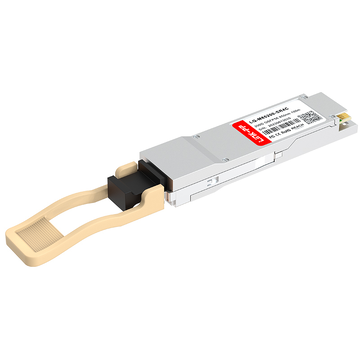
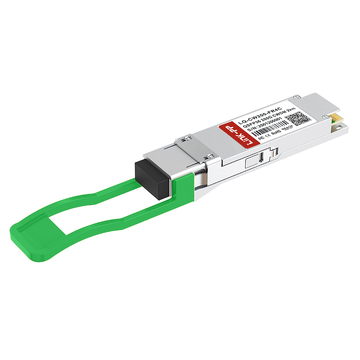
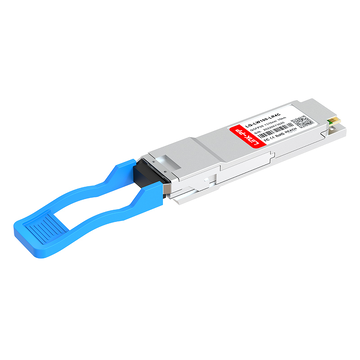
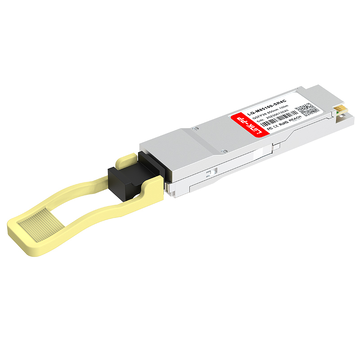
What Are Optic Transceivers?
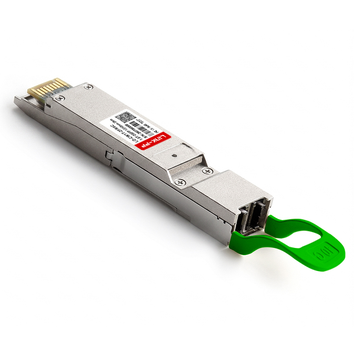
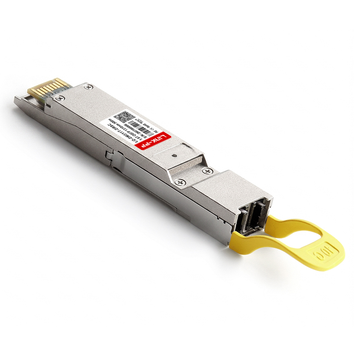
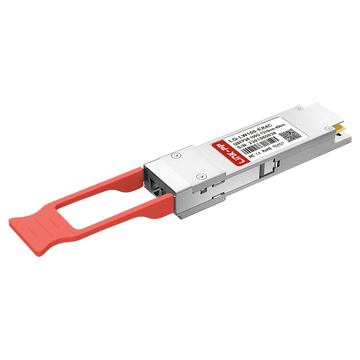
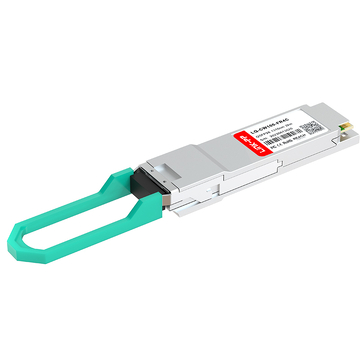
Optic transceivers are network modules that convert electrical signals into optical signals and optical signals back into electrical signals for fiber communication. They provide high-speed connectivity between switches, routers, servers, and other network devices. Common optic transceiver form factors include SFP+, QSFP+, QSFP28, and QSFP-DD, with different data rates, wavelengths, fiber types, and transmission distances.
Types of Optic Transceivers
- SFP Transceivers: Compact modules commonly used for 1G Ethernet and other low-speed network connections.
- SFP+ Transceivers: Support 10Gbps connectivity for data center, enterprise, and telecommunications networks.
- SFP28 Transceivers: Designed for 25Gbps Ethernet and high-density server connections.
- QSFP+ Transceivers: Provide 40Gbps connectivity using parallel or multiplexed optical architectures.
- QSFP28 Transceivers: Support 100Gbps networking and are widely deployed in modern data centers.
- QSFP56 Transceivers: Enable 200Gbps connectivity for high-performance network infrastructure.
- QSFP-DD Transceivers: Provide high-density 400G and higher-speed connectivity for data centers and AI networks.
How to Choose Optic Transceivers
Choosing the right optic transceiver requires matching the module's optical and electrical specifications with the equipment and network link.
Data Rate
The data rate determines the supported network bandwidth. Select a transceiver that matches the switch or router port, such as 1G, 10G, 25G, 40G, 100G, 200G, or 400G.
Transmission Distance
The required transmission distance affects the appropriate transceiver type. Short-distance links may use multimode SR optics, while longer connections generally require single-mode LR, ER, ZR, or other extended-reach solutions.
Fiber Type and Wavelength
Fiber type and wavelength must match the optical architecture of the network. Multimode fiber is commonly used with short-range 850nm optics, while single-mode fiber supports longer-distance applications and wavelength-division solutions.
Form Factor and Port Compatibility
The form factor must be compatible with the host device. SFP+, SFP28, QSFP+, QSFP28, and QSFP-DD modules have different electrical interfaces, port configurations, and mechanical dimensions.
Compatibility and Standards
Device compatibility is essential for reliable deployment. Check the host equipment, coding requirements, operating temperature, DOM support, and applicable Ethernet or optical standards before selecting a module.
Applications of Optic Transceivers
Optic transceivers are used across data centers, enterprise networks, telecommunications, cloud computing, and high-performance computing. The appropriate module depends on the required data rate, transmission distance, fiber type, and network architecture.
Data Center Networks
Optic transceivers provide high-speed connections between switches, servers, storage systems, and data center network fabrics. SFP+, SFP28, QSFP28, QSFP56, and QSFP-DD modules support different bandwidth requirements, from 10Gbps access links to high-density 400G and beyond.
Enterprise and Campus Networks
Enterprise networks use optic transceivers to extend fiber connectivity between switches, aggregation devices, servers, and network distribution layers. SFP and SFP+ modules are commonly suited to 1G and 10G connections where flexible fiber deployment and longer link distances are required.
Telecommunications Networks
Telecommunications infrastructure relies on optical transceivers for fiber-based connections across access, aggregation, transport, and backbone networks. Single-mode transceivers with longer transmission distances and specific wavelengths can support demanding telecom link requirements.
Cloud Computing Infrastructure
Cloud data centers require scalable optical connectivity to handle large volumes of east-west traffic between servers and switches. High-speed QSFP28, QSFP56, and QSFP-DD transceivers help increase network capacity while maintaining high port density.
AI and High-Performance Computing
AI clusters and high-performance computing environments require high-bandwidth, low-latency connections between GPUs, switches, and computing nodes. High-speed optical transceivers such as 400G QSFP-DD solutions can support the growing interconnect bandwidth required by distributed computing workloads.
Storage and SAN Networks
Optic transceivers are also used to connect storage systems, servers, and switches in high-speed storage networks. The selected module should match the required protocol, port interface, fiber infrastructure, transmission distance, and supported data rate.
Frequently Asked Questions
What is an optic transceiver?
An optic transceiver is a pluggable network module that converts electrical signals to optical signals and optical signals back to electrical signals. It enables data transmission over fiber optic cables.
What is the difference between SFP+ and QSFP28?
SFP+ typically supports 10Gbps, while QSFP28 is commonly designed for 100Gbps connectivity. QSFP28 generally uses four electrical and optical lanes to achieve higher aggregate bandwidth.
How do I choose the right optic transceiver?
Match the transceiver to the required data rate, transmission distance, fiber type, wavelength, form factor, and host-device compatibility. The equipment model and network standard should also be checked before deployment.
Can optic transceivers work with different network equipment brands?
Yes, compatible transceivers can be designed for equipment from different networking brands. However, compatibility depends on the host device, module coding, electrical interface, optical specifications, and firmware requirements.
What fiber type should I use with an optic transceiver?
Use multimode fiber for compatible short-range SR applications and single-mode fiber for longer-distance LR, ER, ZR, and wavelength-division applications. The fiber type must match the transceiver specification.
Do optic transceivers support DOM monitoring?
Many modern optic transceivers support Digital Optical Monitoring (DOM). DOM can provide information such as temperature, voltage, optical transmit power, and optical receive power when supported by the module and host equipment.
Certifications and Standards
Optic transceivers may be available with applicable CE, RoHS, UL, and ISO-related compliance or manufacturing certifications, depending on the specific model and product configuration. These certifications and compliance requirements help support deployments in markets such as Europe, North America, and other regulated international markets; always verify the certification status of the specific model before deployment.
Support and Services
LINK-PP provides optic transceiver solutions for different network speeds, transmission distances, fiber types, and equipment platforms. Customers can consult the technical team for product selection support based on equipment models, link distance, fiber infrastructure, and network requirements.
Available services can include free samples, custom cable assemblies, and small-batch orders, helping customers validate compatibility before larger deployments. For specialized networking requirements, LINK-PP can also provide technical assistance in identifying suitable optical modules and connectivity solutions.
Explore the available Optic Transceivers at LINK-PP and contact the team for product recommendations, specifications, samples, or quotation support.