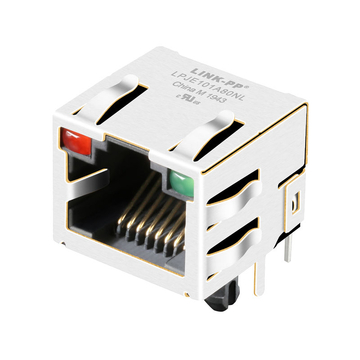


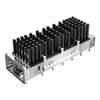
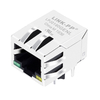
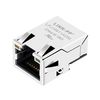
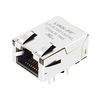
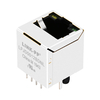
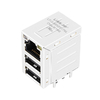
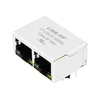
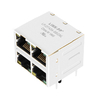
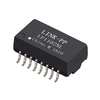
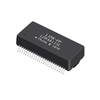
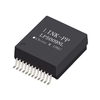
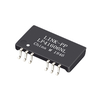
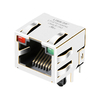
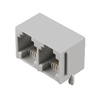

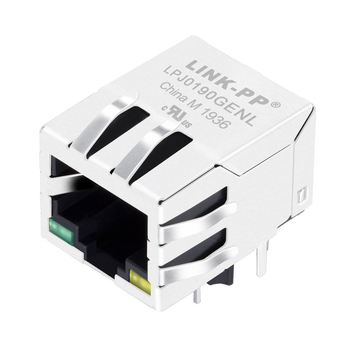
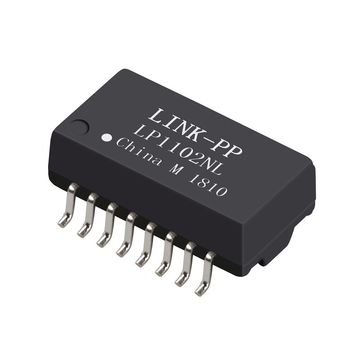



Gold plating thickness matters because it affects how well an RJ45 8P8C Connector's contact surfaces resist wear and maintain reliable electrical connections over time. However, a thicker gold layer does not automatically mean better overall performance, as contact design, plating quality, and operating conditions also influence durability.
Gold plating is commonly applied to the mating contacts of an RJ45 8P8C Connector, where the metal terminals meet the pins of an inserted plug. This surface finish helps resist oxidation and corrosion while supporting stable electrical contact during normal use.
Different RJ45 8P8C Connector models are available with different gold plating specifications, including 3µin, 6µin, 15µin, 30µin, and 50µin. Understanding the differences between these options can help engineers and procurement teams evaluate contact durability, electrical requirements, and overall product cost.
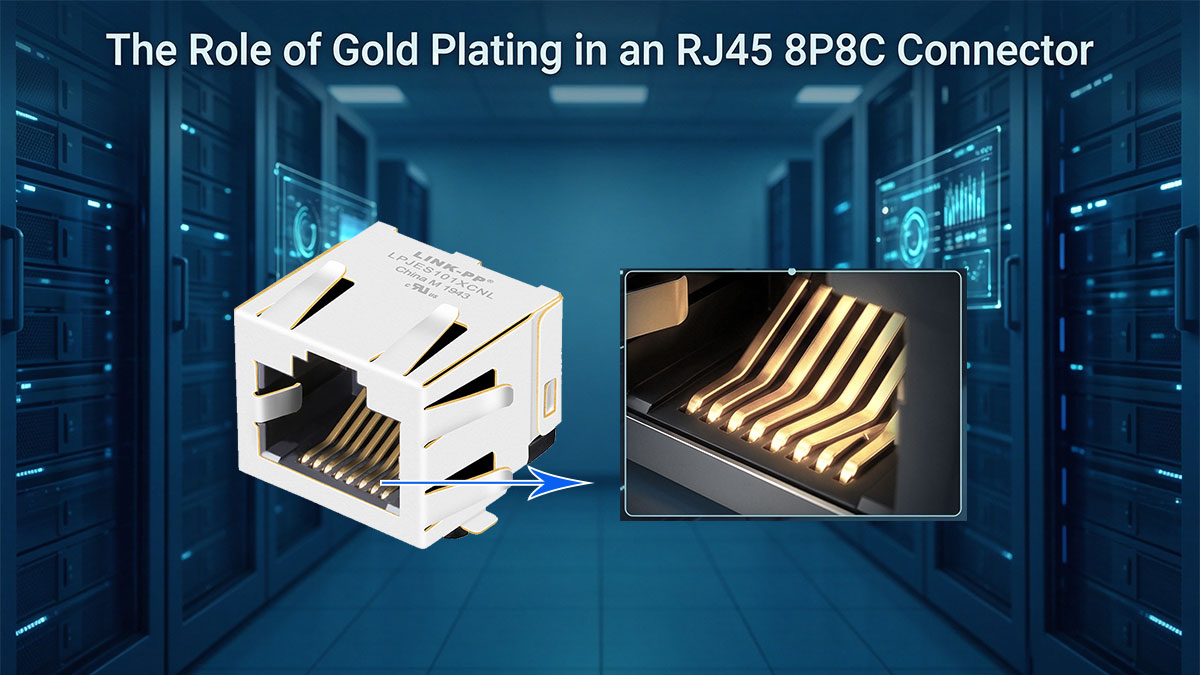
The Role of Gold Plating in an RJ45 8P8C Connector
Gold plating helps protect the contact terminals of an RJ45 8P8C Connector from surface deterioration and supports reliable electrical contact between the jack and its mating plug. Its effectiveness depends not only on the gold layer itself but also on the underlying materials and overall contact construction.
How Gold Plating Protects Contact Surfaces
Inside an RJ45 8P8C Connector, eight metal terminals are positioned to connect with the corresponding pins of an RJ45 plug. Each insertion and removal creates friction between these mating surfaces, which can gradually wear the contact finish.
Gold is widely used for electrical contacts because it resists oxidation and corrosion. Unlike many common contact metals, it does not readily form an insulating oxide layer under normal conditions. This helps maintain a suitable contact surface and reduces the risk of connection problems caused by oxidation.
The gold coating also acts as a protective layer over the underlying contact material. However, its protection depends on the coating condition. If the gold layer becomes worn or has pores that expose the underlying material, the contact may become more vulnerable to corrosion and surface deterioration.
Gold Plating and Contact Reliability
A reliable RJ45 8P8C Connector requires consistent physical contact between its spring terminals and the plug pins. The condition of these surfaces can influence contact resistance and electrical connection stability.
Gold plating helps maintain this interface by reducing oxidation-related problems. Several factors work together to support contact reliability:
- Surface Condition: Properly plated contact surfaces help establish consistent electrical connections.
- Contact Resistance: Surface oxidation, contamination, and wear can affect resistance at the mating interface.
- Contact Pressure: The spring terminals must maintain sufficient force against the plug pins.
- Plating Quality: Coating thickness, coverage, and uniformity influence surface protection.
Gold plating is only one part of the connector's electrical design. Contact geometry, impedance control, and signal integrity also affect Ethernet transmission performance. A thicker coating alone cannot guarantee better signal quality or support a higher data rate.
Why Nickel Underplating Matters
Gold is often applied over a nickel layer rather than directly onto the base metal of an RJ45 8P8C Connector's contact terminal. This intermediate layer is known as nickel underplating and plays an important role in the overall contact structure.
Nickel acts as a barrier that helps limit the diffusion of base metals into the gold coating. It also provides a supporting layer beneath the outer finish.
A typical contact structure consists of three layers:
- Base Metal: Provides the mechanical strength and spring properties needed for the terminal to maintain contact with the plug.
- Nickel Underplate: Forms a barrier between the base material and the gold coating, helping limit metal diffusion.
- Gold Top Layer: Provides the exposed mating surface and helps resist oxidation and corrosion.
These layers serve different purposes but work together to support contact reliability. When comparing RJ45 8P8C Connector products, it is important to consider the complete plating structure rather than evaluating the gold layer in isolation.
RJ45 8P8C Connector Gold Plating Options Compared
Common gold plating specifications for RJ45 8P8C Connector contacts include 3µin, 6µin, 15µin, 30µin, and 50µin. The main difference between these options is the amount of gold deposited on the specified contact area.
A thicker coating contains more gold material over the same plated area, providing a greater potential wear allowance. However, the difference in thickness does not translate directly into a fixed difference in service life.
3µin vs. 6µin Gold Plating
Both 3µin and 6µin are thin gold plating options for RJ45 8P8C Connector contacts. The main difference is the amount of gold deposited on the mating surface.
Their approximate thickness conversions are:
- 3µin: 0.076µm
- 6µin: 0.152µm
The 6µin option provides twice the nominal gold thickness of the 3µin option when both are measured over the same area. This means it contains more gold material to account for gradual surface wear.
However, this difference does not establish a specific improvement in mating cycle life. Actual durability also depends on plating quality, contact pressure, and mechanical design.
When comparing these options, consider:
- Gold Content: A 6µin coating contains approximately twice as much gold per unit area as a 3µin coating.
- Wear Allowance: The thicker option provides more plating material before the underlying layer becomes exposed.
- Application Requirements: Both options should be evaluated against the expected mating frequency.
- Material Cost: The 3µin option requires less gold for the same plated area.
The difference is mainly about available plating material, not a guaranteed difference in connector lifespan.
15µin vs. 30µin Gold Plating
The difference between 15µin and 30µin is more noticeable in terms of plating thickness. A 30µin coating provides twice the nominal gold thickness of a 15µin coating over the same contact area.
Their approximate thickness conversions are:
- 15µin: 0.381µm
- 30µin: 0.762µm
Both options contain more gold material than the thinner 3µin and 6µin finishes. The 30µin option provides a greater potential wear allowance, which may be useful when contact surfaces experience repeated insertion and removal.
However, choosing between them still requires more than comparing thickness values.
For example, an RJ45 8P8C Connector with 15µin gold plating may meet an application's requirements if its contact structure and mating cycle rating are suitable. Moving to 30µin may provide additional plating material, but the benefit should be evaluated against the actual operating requirements and additional cost.
| Comparison Factor | 15µin | 30µin |
| Approximate Thickness | 0.381µm | 0.762µm |
| Relative Gold Thickness | 1× | 2× |
| Available Wear Allowance | Lower | Greater |
| Gold Material Requirement | Lower | Higher |
| Cost Consideration | Generally lower | Generally higher |
A thicker finish may be worth considering when additional wear allowance is required. However, actual mating cycle performance should be verified through product specifications and test results.
30µin vs. 50µin Gold Plating
The comparison between 30µin and 50µin focuses on whether the additional gold material provides enough value to justify its cost.
A 30µin coating measures approximately 0.762µm, while a 50µin coating measures approximately 1.270µm. The 50µin option contains approximately 67% more gold thickness than the 30µin option over the same plated area.
This additional material provides a greater wear allowance, but it does not mean the connector will last 67% longer. Actual wear depends on contact pressure, surface finish, lubrication, mating conditions, and the quality of the complete plating structure.
The main differences include:
- 30µin: Provides a relatively thick gold finish and may be sufficient when its durability rating meets the application requirements.
- 50µin: Offers additional gold material for applications requiring a greater wear allowance.
- Material Cost: The thicker option generally requires more gold and may increase manufacturing costs.
- Performance Verification: Mating cycle ratings and contact resistance measurements are still needed to evaluate actual durability.
For procurement teams, 50µin should not automatically be treated as the best choice. If a 30µin finish already meets the required specifications, the additional gold may not provide enough practical value to justify the higher cost.
How Gold Thickness Affects Cost
Gold is a valuable plating material, so increasing the coating thickness generally increases the amount of gold required during manufacturing. When the plated contact area and other production conditions remain the same, thicker finishes usually involve higher material costs.
The following table provides an overall comparison of the five gold plating options available for evaluating an RJ45 8P8C Connector:
| Gold Thickness | Approx. Thickness (µm) | Relative Gold Amount | General Consideration |
| 3µin | 0.076 | 1× | Lowest gold material requirement |
| 6µin | 0.152 | 2× | More plating material than 3µin |
| 15µin | 0.381 | 5× | Greater potential wear allowance |
| 30µin | 0.762 | 10× | Thicker contact finish |
| 50µin | 1.270 | 16.7× | Highest gold material requirement among these options |
Relative gold amounts are calculated using 3µin as the reference, assuming the same plated area and uniform coating thickness. They do not represent actual product prices or manufacturing costs.
The final price difference also depends on plating processes, production volume, contact design, and manufacturing requirements.
LINK-PP offers RJ45 8P8C Connector options with different contact gold plating specifications. The LPJES101XCNL supports multiple selectable gold plating thickness configurations over nickel, allowing customers to choose a contact finish that suits their application requirements. Customers can consult the sales team to confirm the available plating options and corresponding ordering configurations before placing an order.
This flexibility allows procurement teams to evaluate contact finishes according to their equipment requirements instead of being limited to a single fixed plating thickness.
RJ45 8P8C Connector Gold Thickness and Contact Wear
Gold plating thickness influences how much material is available to withstand repeated contact friction. A thicker coating can provide a greater wear allowance, but actual durability also depends on contact pressure, surface finish, and the mechanical design of the connector.
When comparing different RJ45 8P8C Connector plating options, it is important to distinguish between the amount of gold on the contact surface and the number of mating cycles a product can withstand.
Comparing Contact Wear Across Plating Thicknesses
Every time an RJ45 plug is inserted or removed, its metal pins slide against the jack's spring contacts. This repeated movement gradually wears the plating on the mating surfaces.
The main difference between thinner and thicker coatings is how much gold material is available before the underlying layer becomes exposed.
Under comparable plating and contact conditions, a 50µin coating provides more material to withstand wear than a 15µin coating. Similarly, a 30µin finish provides a greater potential wear allowance than a 6µin finish.
However, this does not mean the thicker option will always perform better in every connector design. Uneven plating, excessive contact pressure, and poor surface conditions can all affect the actual wear process.
When evaluating different finishes, consider:
- Thinner Gold Coatings: Contain less material to withstand repeated friction.
- Thicker Gold Coatings: Provide more material before the contact surface wears through.
- Plating Uniformity: Consistent coating thickness helps provide more predictable protection.
- Contact Construction: The shape, material, and surface condition of the spring terminals also influence wear.
Therefore, plating thickness provides a useful basis for comparing potential wear resistance, but it cannot independently determine the mechanical lifespan of an RJ45 8P8C Connector.
How Mating Cycles Affect Contact Surfaces
A mating cycle generally consists of one complete insertion and removal operation. Each cycle creates friction between the plug pins and the jack contacts, gradually affecting the condition of the plated surfaces.
As the number of cycles increases, the contact finish may experience surface abrasion and gradual material loss. If the gold layer becomes sufficiently worn, the underlying nickel layer may become exposed in the mating area.
This is why mating cycle ratings are important when evaluating connector durability. They indicate the number of repeated operations a product is specified or tested to withstand under defined conditions.
Several factors influence how the contact surfaces respond to repeated use:
- Insertion Frequency: More frequent connections create more opportunities for mechanical wear.
- Plug Compatibility: Incorrect or poorly matched plugs may create abnormal contact conditions.
- Insertion Alignment: Misalignment can cause uneven pressure and localized surface damage.
- Contact Pressure: The force applied by the spring terminals affects friction during mating.
A higher mating cycle rating can be useful when comparing products, but the testing method and acceptance criteria should also be reviewed.
Does Thicker Gold Provide More Wear Allowance?
Yes. When the plated area, coating quality, and contact conditions are comparable, a thicker gold layer provides more material that can be worn away before the underlying layer becomes exposed.
For example, a 30µin coating has more available gold material than a 15µin coating. This can be beneficial for an RJ45 8P8C Connector used in applications where cables are changed frequently or regular maintenance is required.
However, the relationship between gold thickness and service life is not linear. Doubling the coating thickness does not necessarily double the number of mating cycles.
Actual durability depends on how quickly the contact surface wears, which is influenced by several mechanical and material factors. A thicker coating may provide additional protection, but it cannot compensate for poor contact geometry or unsuitable mating conditions.
When comparing two plating options, distinguish between these measurements:
| Evaluation | What It Indicates |
| Gold Plating Thickness | The amount of gold material available on the specified contact area |
| Mating Cycle Rating | The number of complete mating operations specified or verified under test conditions |
Both measurements are useful, but they describe different aspects of connector performance. The most reliable evaluation considers them together rather than using one as a substitute for the other.
Why Contact Design Still Matters
Gold thickness is only one part of the mechanical contact system. The spring terminals must maintain suitable contact pressure while allowing the plug to be inserted and removed without excessive friction.
The material and geometry of these terminals influence how well they retain their shape and maintain contact during repeated use.
Other design factors also contribute to durability:
- Contact Material: Copper alloys such as phosphor bronze provide the mechanical properties needed for spring contacts.
- Spring Geometry: Terminal shape and dimensions influence contact force and movement during insertion.
- Surface Finish: Properly finished mating surfaces help reduce uneven wear.
- Plating Structure: Gold thickness and nickel underplating contribute to the protection of the contact material.
LINK-PP provides product-specific durability specifications for its RJ45 8P8C Connector products. For example, the LPJES101XCNL documentation specifies phosphor bronze contacts with gold plating over nickel and offers multiple selectable gold plating thickness configurations. Its datasheet also specifies a minimum operating life of 750 cycles.
The LPJEF1802DNL documentation separately lists a minimum durability of 600 mating cycles. These figures provide examples of documented mechanical requirements for two different connector designs.
They should not be interpreted as a direct comparison of gold thickness because contact construction and product specifications also differ. The 750-cycle rating for LPJES101XCNL should likewise not be attributed to one specific gold plating option without supporting test documentation.
For procurement teams, checking both the plating specification and the mechanical durability rating provides a more complete basis for evaluating an RJ45 8P8C Connector than looking at gold thickness alone.
RJ45 8P8C Connector Gold Thickness and Electrical Reliability
Gold plating helps maintain a stable electrical contact surface by reducing oxidation and protecting the mating terminals. However, increasing the coating thickness does not automatically improve every electrical characteristic. Contact resistance, corrosion protection, and signal integrity are influenced by different aspects of connector design.
Understanding these differences helps buyers evaluate whether a thicker finish provides a practical benefit or whether other electrical specifications deserve more attention when comparing RJ45 8P8C Connector products.
Gold Thickness vs. Contact Resistance
Contact resistance refers to the electrical resistance at the point where two mating metal surfaces touch. In an RJ45 8P8C Connector, this occurs between the spring terminals and the corresponding pins of an inserted plug.
Gold plating helps maintain this interface by resisting oxidation and providing a stable contact surface. When the coating remains intact and the mating surfaces are properly maintained, it helps limit resistance changes caused by surface deterioration.
However, a thicker gold layer does not necessarily produce a lower contact resistance. The actual measurement also depends on several factors:
- Contact Pressure: Sufficient force helps maintain a stable connection between the mating surfaces.
- Surface Condition: Contamination, scratches, and plating defects can affect the contact interface.
- Contact Material: The underlying metal and complete terminal structure influence electrical behavior.
- Plating Quality: Uniform coverage helps maintain consistent contact conditions.
For this reason, buyers should compare the specified contact resistance rather than assume that a higher gold thickness automatically indicates a better electrical connection.
Gold Thickness vs. Corrosion Protection
Gold is widely used on electrical contacts because it resists oxidation and corrosion under normal operating conditions. This property helps protect the mating surfaces from deterioration that could interfere with electrical contact.
A thicker coating provides more gold material and may offer additional protection if the surface experiences gradual wear. However, corrosion protection depends on more than nominal thickness.
Plating coverage, coating uniformity, surface defects, and the nickel underplate all contribute to the condition of the finished contact.
Consider these differences:
- Thin Gold Coatings: Provide a smaller amount of protective material and may offer less allowance for wear.
- Thicker Gold Coatings: Provide more material to maintain the protective surface as wear occurs.
- Nickel Underplating: Helps limit metal diffusion from the base material into the gold layer.
- Plating Coverage: Helps prevent exposed areas from becoming vulnerable to environmental deterioration.
Environmental conditions also matter. High humidity, airborne contaminants, and corrosive substances may affect connector contacts, particularly when the protective finish is damaged.
Therefore, a thicker gold coating may provide an advantage in maintaining surface protection, but it does not make an RJ45 8P8C Connector immune to corrosion. The complete plating structure and environmental qualification should also be considered.
Gold Thickness vs. Signal Integrity
Signal integrity describes how accurately electrical signals travel through a connector without excessive distortion or interference. For Ethernet connections, the RJ45 8P8C Connector must maintain the electrical characteristics required by the intended data rate.
Gold plating helps maintain the physical contact interface, but signal integrity depends mainly on the connector's overall electrical design.
Several specifications are more directly related to transmission performance:
- Impedance: Proper impedance matching helps reduce signal reflections along the transmission path.
- Insertion Loss: Measures the signal energy lost as it passes through the connector.
- Return Loss: Indicates how much signal energy is reflected because of impedance mismatches.
- Crosstalk: Measures unwanted signal coupling between nearby contact pairs.
These characteristics depend on contact geometry, internal wiring layout, pair separation, and the connector's overall construction.
Increasing the gold thickness alone does not guarantee lower insertion loss, better return loss, or reduced crosstalk. A connector with thicker gold plating still needs to meet the relevant electrical requirements for its intended Ethernet application.
When comparing products, review transmission specifications and test results separately from contact plating information.
What Gold Plating Cannot Improve
Gold plating provides useful protection for contact surfaces, but it cannot compensate for every limitation in an RJ45 8P8C Connector design.
For example, increasing the coating thickness does not automatically improve shielding effectiveness, mechanical strength, or Ethernet transmission capability. These characteristics depend on other materials, structural features, and electrical design considerations.
| Performance Factor | Relationship with Gold Thickness |
| Contact Surface Protection | More material is available to withstand wear |
| Corrosion Resistance | Helps maintain the protective surface, but coverage and coating quality also matter |
| Contact Resistance | Not determined by thickness alone |
| Signal Integrity | Depends mainly on electrical design and contact geometry |
| Ethernet Data Rate | Requires the connector to meet relevant transmission specifications |
| EMI Shielding | Depends on shielding structure and grounding design |
When evaluating a product, it is important to review its complete electrical and mechanical specifications rather than focus on one plating parameter.
For example, the LINK-PP LPJES101XCNL specifies a maximum contact resistance of 20mΩ, a minimum insulation resistance of 1000MΩ, and a dielectric strength of 1000VAC RMS. These specifications offer additional reference points for evaluating its electrical characteristics alongside its selectable contact plating configurations.
The key is to evaluate gold thickness as one part of the connector's overall design, not as a substitute for verified electrical performance.
RJ45 8P8C Connector Gold Thickness for Different Applications
The right gold plating thickness for an RJ45 8P8C Connector depends on how it is used and what conditions it must handle. Fixed network connections, frequently maintained equipment, test interfaces, and industrial systems may have different contact durability requirements.
Instead of choosing the thickest available finish for every application, buyers should consider connection frequency, environmental conditions, and the connector's mechanical and electrical specifications.
Fixed Network Ports with Limited Mating
Many network devices use fixed cable connections that remain plugged in for extended periods. Examples include office switches, routers, patch panels, and other equipment where cables are rarely removed after installation.
Because these connections experience relatively few mating operations, the contact surfaces generally face less repeated mechanical wear than frequently serviced ports.
For this type of application, a thinner gold finish may be sufficient if the RJ45 8P8C Connector meets the required contact resistance and durability specifications. Choosing a thicker coating without a clear application need may increase procurement costs without providing a meaningful practical benefit.
When evaluating connectors for fixed installations, consider:
- Connection Frequency: Determine how often cables are expected to be removed or replaced.
- Contact Finish: Check whether the specified gold thickness meets the required contact protection level.
- Electrical Requirements: Verify contact resistance and transmission specifications.
- Installation Design: Confirm that the connector's mounting style and port configuration match the PCB layout.
For fixed network equipment, selecting a suitable contact finish and compatible connector structure is generally more important than simply choosing the highest gold thickness.
Ports Requiring Frequent Cable Changes
Some network devices require regular cable replacement, maintenance, or hardware testing. In these situations, the plug may be inserted and removed more frequently, creating additional friction between the mating contacts.
Repeated connections can gradually wear the plated surfaces. A thicker gold finish may provide more material to withstand this wear, making it worth considering when the equipment has demanding mating requirements.
However, the selected RJ45 8P8C Connector should also have a verified mating cycle rating that matches the expected usage.
Important factors include:
- Expected Mating Cycles: Estimate how frequently the port will be connected and disconnected.
- Gold Thickness: Consider whether additional plating provides a suitable wear allowance.
- Mechanical Durability: Review the contact structure and spring properties.
- Test Results: Check whether the stated operating life has been verified under defined conditions.
For frequently maintained equipment, comparing both gold thickness and mating cycle ratings provides a better basis for selection than relying on either specification alone.
Test and Service Interfaces
Test equipment and service interfaces often require repeated connections during inspection, troubleshooting, and maintenance. Unlike permanent network connections, these ports may experience many insertion and removal operations over a relatively short period.
In these applications, contact condition and repeatable electrical connections are particularly important. Worn or contaminated contact surfaces may affect measurements or create intermittent connections during testing.
When evaluating an RJ45 8P8C Connector for test and service equipment, pay attention to:
- Repeated Mating Requirements: Consider the expected number of connection cycles during normal operation.
- Contact Resistance: Check whether the connector maintains resistance within the specified limits.
- Mechanical Stability: Review spring contact construction and mating cycle ratings.
- Plating Specifications: Compare available gold thickness options against the expected wear requirements.
A thicker gold finish may be useful when repeated connections create greater wear demands. However, it should be supported by appropriate mechanical durability data rather than selected solely because it has a higher nominal thickness.
Equipment Exposed to Harsh Conditions
Industrial control equipment and other demanding installations may operate in environments with temperature variations, humidity, vibration, or electromagnetic interference. These conditions can affect connector reliability in different ways.
In such applications, gold plating is only one part of the overall evaluation. Buyers should also consider the RJ45 8P8C Connector's operating temperature range, contact construction, shielding design, and environmental test results.
For example, a shielded modular jack may be useful in equipment where electromagnetic interference control is important. However, shielding and gold plating serve different purposes: gold protects the mating contact surface, while the shielding structure helps manage electromagnetic interference.
When evaluating connectors for demanding environments, consider:
- Temperature Range: Confirm that the connector's specified operating temperature matches the equipment requirements.
- Contact Protection: Review gold thickness, nickel underplating, and plating coverage.
- EMI Shielding: Check whether the connector includes a suitable shielding structure and grounding arrangement.
- Environmental Qualification: Review relevant humidity, vibration, and corrosion test results when required.
LINK-PP offers different RJ45 8P8C Connector configurations for varying equipment requirements.
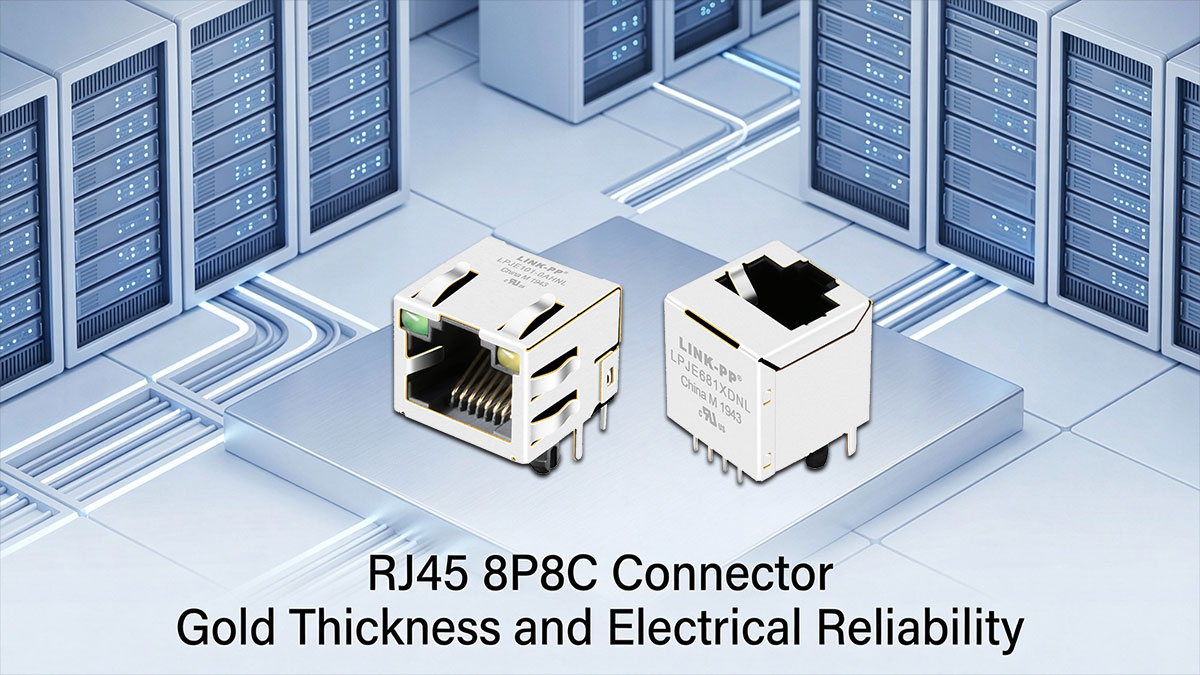
For example, the LPJE101-0AHNL features a shielded structure, green and yellow LED indicators, and an operating temperature range of -40°C to +85°C. The LPJE681XDNL provides a vertical through-hole mounting configuration without LED indicators or shielding tabs.
Both models list 6µin, 15µin, and 30µin contact mating area plating options. These configurations allow engineers to evaluate different mechanical and interface requirements when selecting a suitable product.
The most appropriate choice depends on the complete equipment design. A suitable plating specification should be considered together with mounting requirements, electrical characteristics, and environmental conditions.
RJ45 8P8C Connector Specifications for Product Evaluation
Comparing RJ45 8P8C Connector products requires more than checking the gold plating thickness listed in a product datasheet. Contact materials, plating coverage, mating cycle ratings, and electrical specifications also help determine whether a product meets the requirements of a particular application.
A structured evaluation makes it easier to compare products from different manufacturers and identify differences that may not be obvious from their appearance.
Gold Thickness and Plating Coverage
Start by checking the stated gold plating thickness on the mating contacts. A datasheet may list a specific value, such as 6µin or 30µin, or provide several plating options for the same product series.
However, the thickness value alone does not describe the entire contact finish. It is also necessary to identify which parts of the terminal receive gold plating.
For example, the mating area that touches the plug pins may have a gold finish, while the PCB solder tails may use a different surface treatment.
When comparing products, check:
- Gold Thickness: Confirm the specified value in microinches (µin) or micrometers (µm).
- Plating Location: Identify whether the stated thickness applies to the contact mating area.
- Thickness Requirement: Check whether the value represents a minimum thickness or a typical measurement.
- Available Options: Determine whether the manufacturer offers different plating configurations for the same product series.
If the datasheet only states "Gold Plated" without providing a measurable thickness, request clarification before making a direct comparison.
Contact Materials and Underplating
The metal used for the spring contacts is another important specification. These terminals must maintain their shape and provide sufficient contact force after repeated plug insertion and removal.
Copper alloys, including phosphor bronze, are commonly used in RJ45 8P8C Connector contacts because of their electrical conductivity and mechanical properties. However, the exact material and thickness depend on the product design.
The plating structure should also be reviewed. Nickel underplating provides a barrier between the base material and the outer gold layer, helping limit metal diffusion.
When evaluating different products, consider:
- Contact Material: Check whether the terminals use phosphor bronze or another specified copper alloy.
- Material Thickness: Review the stated terminal thickness when available.
- Nickel Underplate: Confirm whether a nickel barrier is included beneath the gold finish.
- Plating Structure: Check whether the manufacturer identifies the gold and nickel thicknesses separately.
Two connectors may offer the same gold thickness but use different contact materials or underlying plating structures. These differences should be considered when evaluating their mechanical construction and contact reliability.
For example, the LINK-PP LPJES101XCNL uses phosphor bronze contacts with gold plating over nickel and supports multiple selectable contact gold plating thickness configurations. This allows customers to match the contact finish to their application requirements instead of being limited to one fixed thickness.
Mating Cycle Ratings
Mating cycle ratings provide a reference for evaluating how well an RJ45 8P8C Connector is designed or tested to withstand repeated insertion and removal operations.
However, a higher number does not automatically mean that one product is more durable than another. Different manufacturers may use different test procedures, mating plugs, and acceptance criteria.
Before comparing these figures, check:
- Rated Mating Cycles: Confirm the minimum number of complete insertion and removal operations specified.
- Test Procedure: Check whether the manufacturer identifies the applicable test method.
- Mating Plug: Determine whether a specified or standardized plug is used during testing.
- Acceptance Criteria: Review the mechanical and electrical requirements that must remain satisfied after testing.
For instance, LINK-PP specifies a minimum operating life of 750 cycles for the LPJES101XCNL and a minimum of 600 mating cycles for the LPJEF1802DNL.
These figures provide useful product-level references, but they should not be used to rank the gold plating options directly. The two models have different product designs and specifications, so their durability figures should be evaluated within their respective test conditions.
When comparing suppliers, look for clearly documented test results rather than relying only on advertised cycle counts.
Testing and Electrical Specifications
Mechanical durability is only one part of product evaluation. Electrical specifications help determine whether the connector can maintain the required electrical characteristics in the intended equipment.
The following specifications are particularly useful:
| Specification | What It Helps Evaluate |
| Contact Resistance | Electrical resistance at the mating interface |
| Insulation Resistance | Electrical isolation between specified contacts |
| Dielectric Strength | Ability to withstand a specified voltage without electrical breakdown |
| Insertion Loss | Signal loss through the connector |
| Return Loss | Signal reflections caused by impedance mismatches |
| Crosstalk | Unwanted signal coupling between contact pairs |
Not every datasheet provides all these parameters. Some manufacturers publish basic electrical ratings, while more detailed transmission characteristics may be available in separate test reports or technical documents.
For example, the LINK-PP LPJES101XCNL specifies a maximum contact resistance of 20mΩ, a minimum insulation resistance of 1000MΩ, and a dielectric strength of 1000VAC RMS. These figures provide measurable references when reviewing its electrical specifications.
For applications requiring specific Ethernet transmission performance, engineers should also confirm the relevant insertion loss, return loss, crosstalk, and other applicable transmission requirements.
LINK-PP provides product specifications and technical documentation for its RJ45 8P8C Connector range. When standard datasheet information is not sufficient, customers can request additional drawings or technical details to confirm mechanical dimensions, contact configurations, and application compatibility.
Reviewing these specifications together provides a more complete basis for comparing products and selecting a suitable connector.
RJ45 8P8C Connector Gold Plating: Finding the Right Balance
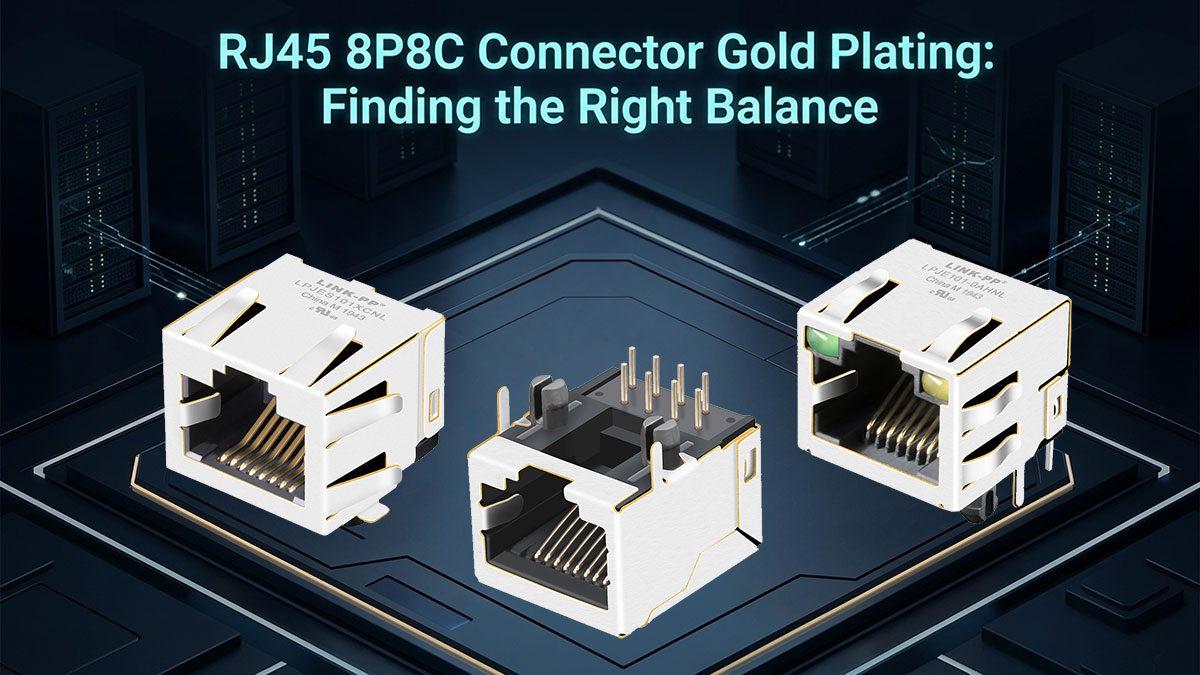
The best gold plating thickness for an RJ45 8P8C Connector depends on its intended use, not simply on which option contains the most gold. Thicker coatings provide more material to withstand contact wear, but they do not automatically guarantee longer service life or better electrical performance.
For applications with limited mating operations, a thinner finish may be sufficient if it meets the required specifications. Equipment that experiences frequent cable changes may benefit from a greater wear allowance, while demanding environments require additional attention to contact materials, plating coverage, and environmental qualifications.
Before choosing a connector, compare its gold thickness, nickel underplate, mating cycle rating, and electrical specifications together. Finding the right balance between contact durability, application requirements, and procurement cost is more important than selecting the thickest available coating.
Looking for an RJ45 8P8C Connector with suitable contact plating options? Explore the range of modular jacks at the LINK-PP Official Store to review product specifications, find a suitable configuration, or request a quotation for your project.