Why can one optical fiber carry far more data than a single "link" seems to allow? If light can travel at different wavelengths, can we treat a fiber like a multi-lane highway rather than a single road? And if we can, what transceiver module actually makes this happen in real networks?
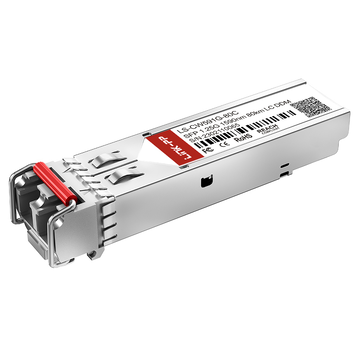
The answer is the CWDM transceiver. Designed for Coarse Wavelength Division Multiplexing, these CWDM SFP modules send and receive optical signals on specific wavelength channels, allowing multiple services to coexist on the same fiber with a balanced mix of capacity, simplicity, and cost efficiency.
✈️ What is a CWDM Transceiver
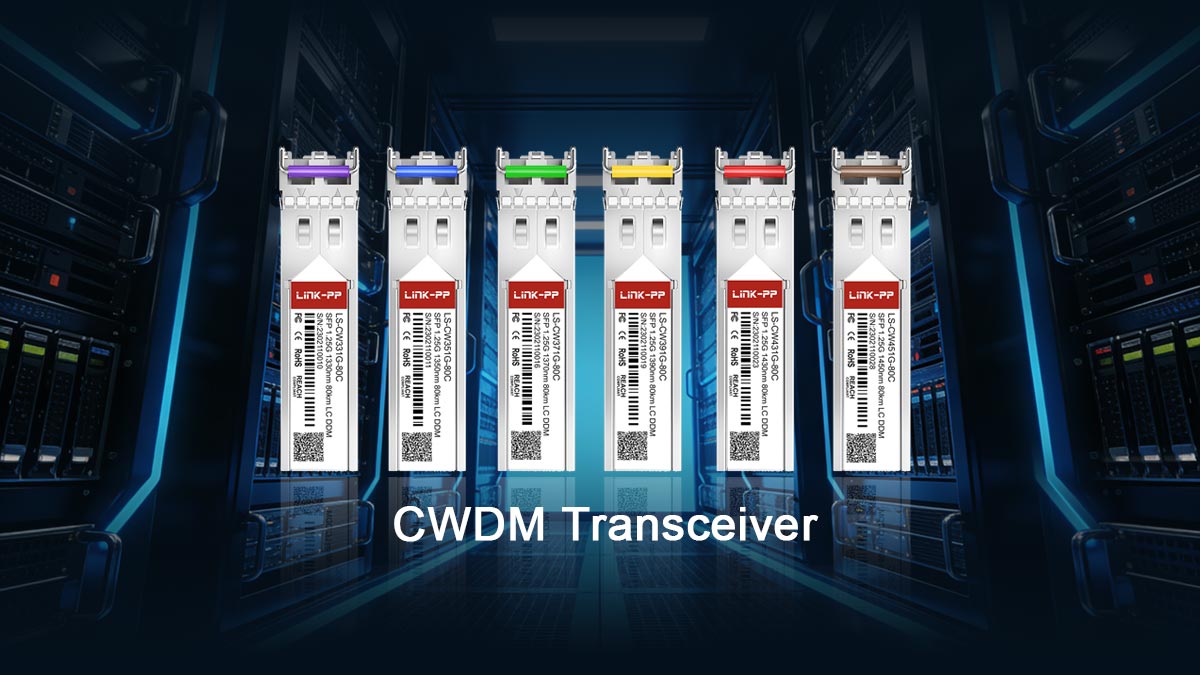
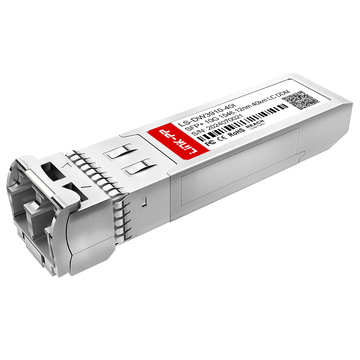
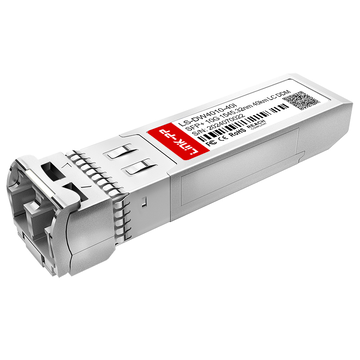
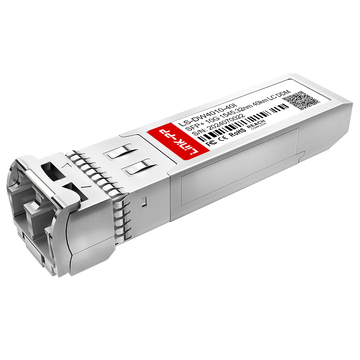
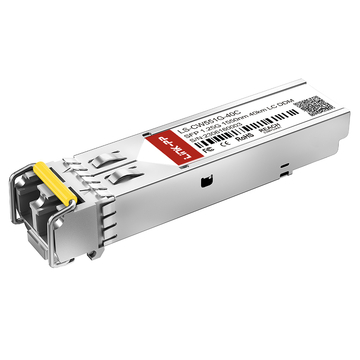
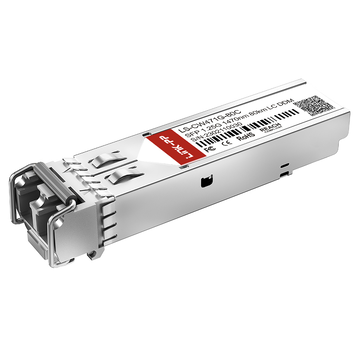
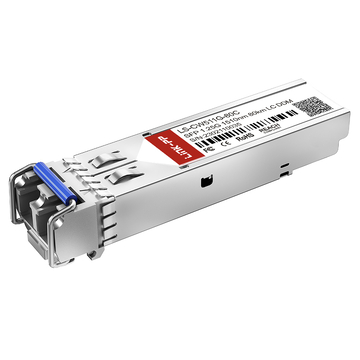
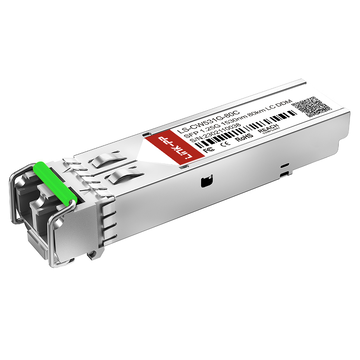
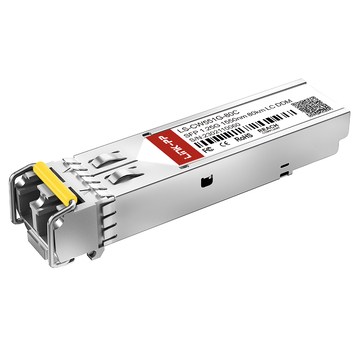
A CWDM transceiver is an optical transceiver module that operates on a fixed CWDM wavelength channel (such as 1270nm, 1290nm, 1310nm, up to 1610nm). Its job is straightforward: convert electrical data into a wavelength-specific optical signal for transmission, and then convert the received optical signal back into electrical data on the other end.
In a CWDM-based WDM link, each transceiver “owns” one wavelength lane. When combined with passive CWDM MUX/DEMUX devices, multiple wavelength lanes can share the same fiber — so you scale capacity without deploying additional fiber pairs.
Basic Principles of CWDM Technology
CWDM (Coarse Wavelength Division Multiplexing) works by assigning different wavelength “channels” of light to different data streams, so multiple signals can travel through the same fiber at the same time without interfering with each other. You can think of each wavelength as a separate lane on a highway—independent, parallel, and clearly separated.
Here’s how CWDM works in a typical link:
? Step 1: Wavelength Generation (Transmit)
Each CWDM transceiver converts electrical data into an optical signal at a fixed wavelength (for example, 1470nm).
? Step 2: Wavelength Combining (Multiplexing)
A passive CWDM MUX combines multiple wavelength channels into a single fiber.
? Step 3: Shared Fiber Transmission
All wavelengths travel together through the same optical fiber. Because CWDM channels are widely spaced, they remain distinguishable and stable over transmission.
? Step 4: Wavelength Separation (Demultiplexing)
At the far end, a passive CWDM DEMUX separates the mixed optical signal back into individual wavelength channels.
? Step 5: Signal Recovery (Receive)
Each corresponding CWDM transceiver receives only its assigned wavelength and converts the optical signal back into electrical form for the switch/router.
This is why CWDM is often viewed as a “high-return” WDM option: it increases fiber capacity using simple wavelength separation, often with passive devices, keeping deployment and operation relatively straightforward compared with denser WDM architectures.
Key Components of CWDM SFP Transceivers
Each CWDM SFP transceiver integrates several precision optical and electronic parts that convert data between electrical and optical formats. The table below summarizes the essential components and their functions:
| Component | Function |
| Laser Diode (LD) | Converts electrical signals into optical signals at a specific CWDM wavelength. |
| Photodiode (PD) | Detects incoming optical signals and converts them back to electrical form. |
| Wavelength Filter | Ensures accurate operation within the assigned CWDM wavelength channel. |
| Driver and Amplifier Circuits | Control laser output power and boost weak received signals for stable transmission. |
| EEPROM (Memory Chip) | Stores key module data such as wavelength, vendor ID, and diagnostics used by network switches. |
How CWDM Transceiver Differs from DWDM Solutions
CWDM and DWDM SFP transceivers both multiplex wavelengths, but they target different priorities:
- Channel Spacing & Capacity: CWDM SFP uses coarser spacing (fewer lanes per fiber), while DWDM SFP uses denser spacing to support many more channels and higher aggregate capacity.
- Cost & Complexity: CWDM optics and passive MUX/DEMUX designs are generally simpler and more cost-efficient, making them attractive for cost-sensitive expansion. DWDM module often requires tighter wavelength control and can involve more complex components and operational planning.
- Typical Deployment Fit: CWDM transceiver is widely used for metro/access and moderate distances, where you want a strong cost/performance balance. DWDM transceiver is more common when you need maximum spectral efficiency and large-scale capacity growth, especially in backbone environments.
✈️ CWDM Transceiver Compatibility with Major Network Equipment
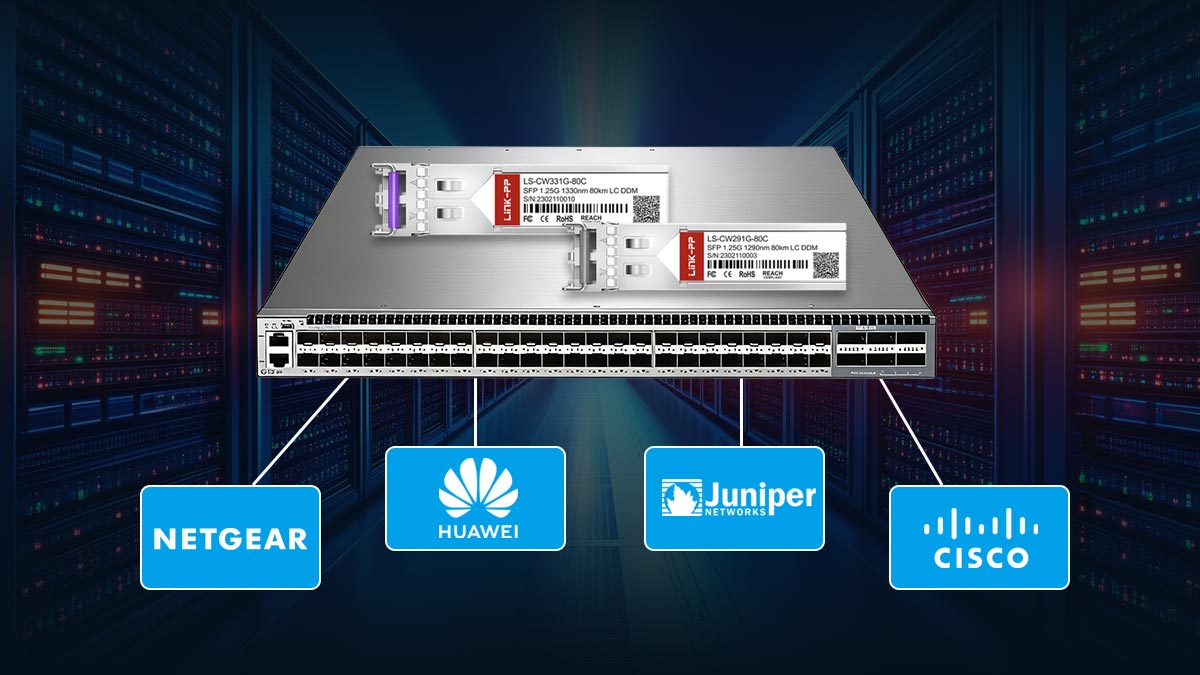
Network compatibility is a key factor when planning any CWDM deployment. Although CWDM SFP transceivers follow standardized optical parameters, real-world interoperability often depends on how different vendors implement coding, calibration, and system validation. Ensuring compatibility across your switches and routers — whether from Cisco, Juniper, or Huawei — can help avoid costly mismatches and downtime.
Compatibility with Cisco, Juniper, and Huawei Switches
CWDM transceivers are generally designed to meet industry MSA (Multi-Source Agreement) standards, but each network equipment vendor may have subtle firmware or hardware requirements. Cisco, Juniper, and Huawei devices often require SFP optical transceivers to be recognized through specific vendor IDs or EEPROM coding.
While many third-party CWDM transceiver modules work seamlessly, some switches may display warning messages, disable the port, or limit certain features if a non-certified module is installed. Proper validation and testing before full deployment are recommended.
Multi-Vendor Interoperability Considerations
In multi-vendor environments, interoperability between different CWDM transceivers and switch brands can be challenging. Factors such as optical power levels, wavelength accuracy, and signal sensitivity must be considered to avoid link degradation.
Network engineers should verify that the transmit (Tx) and receive (Rx) specifications align across devices and that the overall optical budget meets the network design. Using MSA-compliant modules significantly improves the chances of successful multi-vendor operation.
EEPROM Coding and Vendor Locking Issues
Many CWDM transceivers include EEPROM data that identifies the manufacturer, model, and supported features. Some vendors implement vendor locking, where the switch will reject modules that do not match its expected coding.
This can lead to compatibility headaches and extra costs if replacement or alternative modules are needed. Understanding EEPROM coding, or selecting modules specifically advertised as compatible with your network equipment, helps prevent vendor lock-in issues while maintaining full functionality.
✈️ How to Select the Right CWDM Transceiver for Your Network
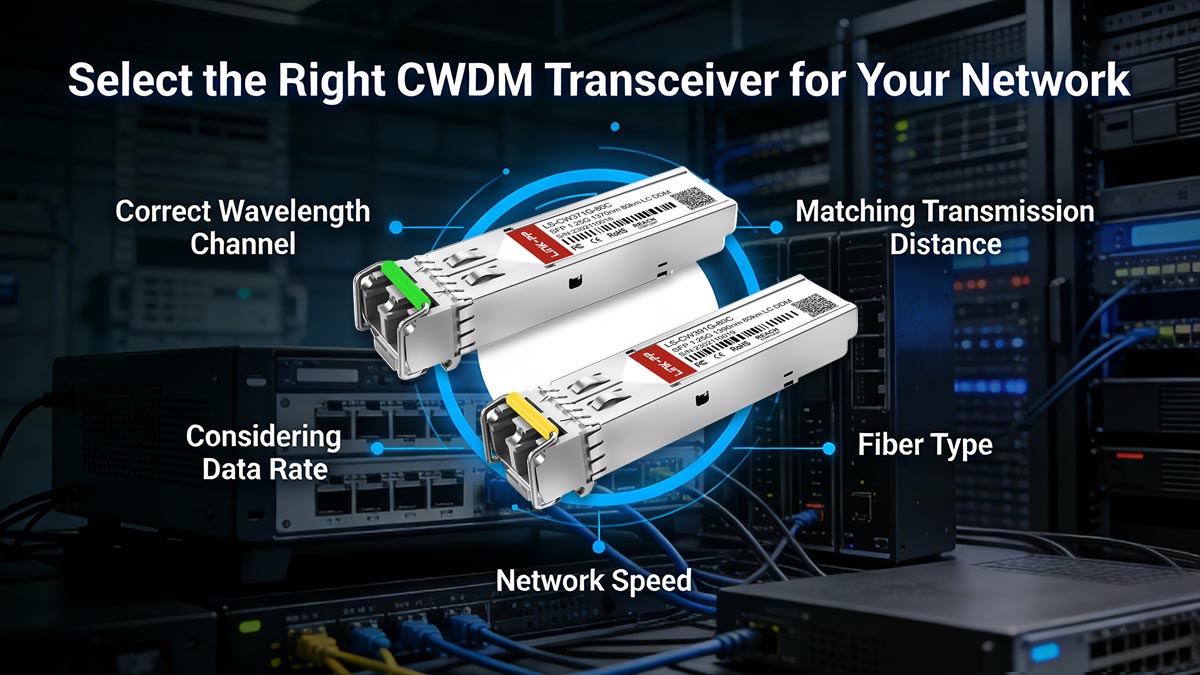
Choosing the right CWDM transceiver is essential to ensure stable performance, optimal signal transmission, and long-term scalability in your optical network. The selection process involves balancing several technical factors — such as wavelength, distance, fiber type, data rate, and power budget — to match the demands of your specific application.
Choosing the Correct Wavelength Channel
CWDM systems operate within a range of wavelengths, typically between 1270nm and 1610nm, spaced at 20nm intervals. Each transceiver corresponds to a fixed wavelength, so it must match the channel plan of your CWDM multiplexer. For example, if your network uses channel 1510nm on the multiplexer, you must select a transceiver configured for the same wavelength. Planning your channel allocation early helps avoid interference and simplifies future network expansion.
Matching Transmission Distance and Fiber Type
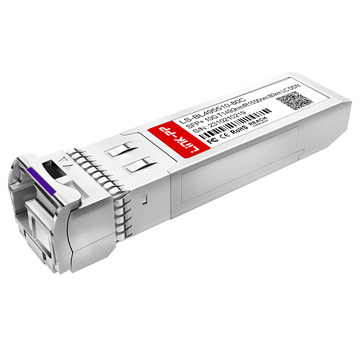
Transmission distance determines which optical power level and laser type you need. For short-haul links under 10km, standard CWDM SFP module offer a cost-efficient solution. For longer spans — up to 40km or even 80km — use CWDM SFP+ modules. Also, ensure compatibility between the transceiver and the deployed fiber type: single-mode fiber (SMF) is used for most CWDM deployments, while multimode fibers are typically unsuitable due to higher attenuation at CWDM wavelengths.
Considering Data Rate and Network Speed
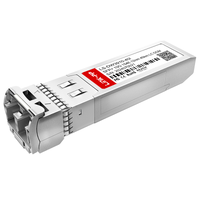
When choosing a CWDM transceiver, data rate is another vital factor that impacts both performance and future scalability. CWDM solutions now span from 1G CWDM and 10G CWDM modules for standard enterprise links to 25G CWDM, 40G CWDM, and even CWDM 100G options for high-capacity core or data center networks. The transceiver’s speed must align with the switch or router port specifications — mismatched rates can cause link failures or underutilized capacity.
Evaluating Power Budget Requirement
Your network’s optical power budget defines whether the signal can travel the required distance without degradation. Key considerations include transmitter output power, receiver sensitivity, and total link loss (affected by fiber connectors and splices). As a general rule, ensure the calculated link loss margin leaves at least 2–3dB of reserve for aging and environmental variations.
✈️ Understanding Key Factors Driving CWDM Transceiver Pricing
The cost of CWDM transceivers is not arbitrary; it is determined by a combination of technical specifications, manufacturing complexity, and market dynamics. Understanding these key factors — from the specific wavelength used to the brand on the label — is essential for network planners to accurately budget for deployments and identify where costs can be managed without sacrificing performance.
Impact of Wavelength and Optical Components
Each CWDM wavelength channel — from 1270nm to 1610nm — requires precise optical filters, multiplexers, and lasers. Lasers operating at extreme ends of the spectrum (e.g., 1270nm or 1610nm) often cost more due to stricter manufacturing tolerances.
Moreover, higher-quality optical components, such as DFB (Distributed Feedback) lasers and better isolators, improve signal stability and reach but increase production costs. For networks demanding long-haul performance or low signal attenuation, the premium for advanced optical components is typically justified.
Cost Differences Between Form Factors
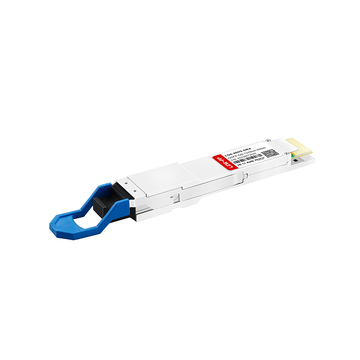
CWDM transceivers are available in several form factors, including SFP, SFP+, SFP28, QSFP+, and QSFP28, each designed for different network speeds and port densities. The form factor chosen can significantly affect the price due to differences in design complexity, manufacturing processes, and supported data rates.
For example, SFP and SFP+ modules are widely used and benefit from mature manufacturing processes, often resulting in relatively lower costs. In contrast, higher-density or higher-speed modules such as QSFP+ or QSFP28 may require more advanced optical packaging and integrated circuitry, which increases production costs.
Volume Purchasing and Bulk Discounts
Procurement volume is another important factor that can influence the final cost of CWDM transceivers. Vendors often offer tiered pricing structures, where larger purchase quantities result in lower per-unit costs. For organizations deploying large-scale data center networks or metropolitan fiber infrastructure, bulk purchasing can significantly reduce overall procurement expenses.
Long-term partnerships with suppliers may also lead to better pricing agreements, customized modules, or dedicated technical support. By planning procurement in advance and consolidating orders where possible, network operators can leverage economies of scale to optimize their budget.
Brand vs Third-Party Module Pricing
Brand premiums also contribute to CWDM transceiver pricing differences. Modules purchased directly from major network equipment manufacturers — such as Cisco, Juniper, or Huawei — are often priced significantly higher than compatible third-party alternatives.
However, many third-party (like LINK-PP) compatible CWDM transceivers are manufactured to meet the same industry standards (such as MSA specifications) and undergo rigorous compatibility testing. When sourced from reputable suppliers, these modules can provide comparable performance and reliability at a substantially lower cost, making them an attractive option for cost-conscious network deployments.
✈️ Practical Cost Optimization Strategies for CWDM Transceiver Procurement
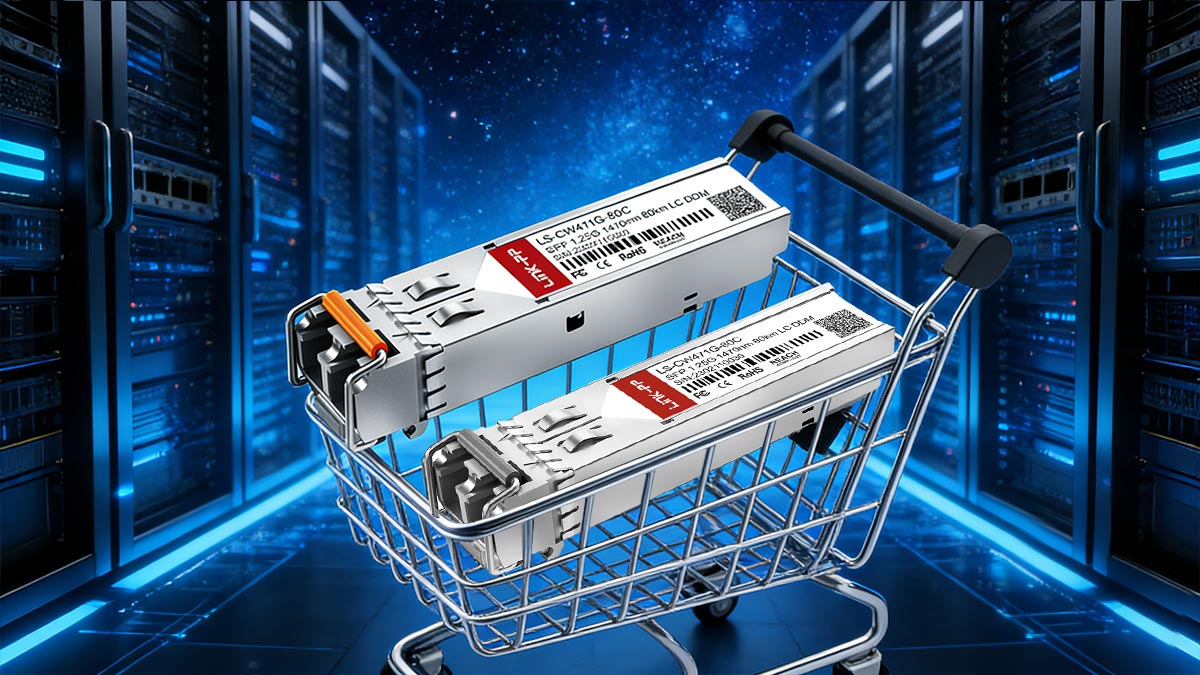
Achieving cost efficiency in CWDM transceiver procurement goes beyond simply finding the lowest price. It requires a balanced strategy that aligns network performance goals with long-term operational savings. By understanding when to prioritize premium performance, adopt third-party alternatives, or leverage optical efficiency, organizations can substantially reduce the total cost of ownership without compromising reliability.
Balancing Performance and Budget
The first step in cost optimization is determining the right balance between performance and expenditure. Not every network segment demands top-tier, long-distance CWDM module. For access or metro layers, standard reach transceivers (10 - 40km) may suffice, offering solid performance at lower cost.
In contrast, critical backbone links or high-reliability applications might justify premium modules with extended reach or industrial-grade temperature resistance. A thorough needs assessment helps avoid overspending on unnecessary specifications while maintaining network integrity.
When to Choose Third-Party Compatible Modules
Third-party CWDM transceivers have matured significantly, providing comparable performance to OEM-branded optics at a fraction of the cost. These alternatives are particularly attractive for large-scale deployments, redundancy builds, or non-critical links.
However, careful vendor evaluation is essential. Network engineers should confirm compliance with MSA standards, request optical test reports, and verify firmware compatibility to minimize interoperability risks. In many cases, working with certified third-party suppliers yields savings of 40–60% while maintaining dependable service quality.
Reducing Operational Costs with Efficient Optics
Long-term network operating costs can be reduced through energy-efficient and easily maintainable optics. CWDM transceivers with low power consumption not only decrease energy usage but also reduce heat generation, improving equipment lifespan and lowering cooling demands.
Modular designs and hot-pluggable transceivers simplify maintenance, helping to minimize downtime and labor costs. Additionally, implementing remote monitoring through Digital Diagnostic Monitoring (DDM) features enhances predictive maintenance and prevents costly service interruptions.
✈️ Quality Standards and Testing for CWDM Transceiver Procurement
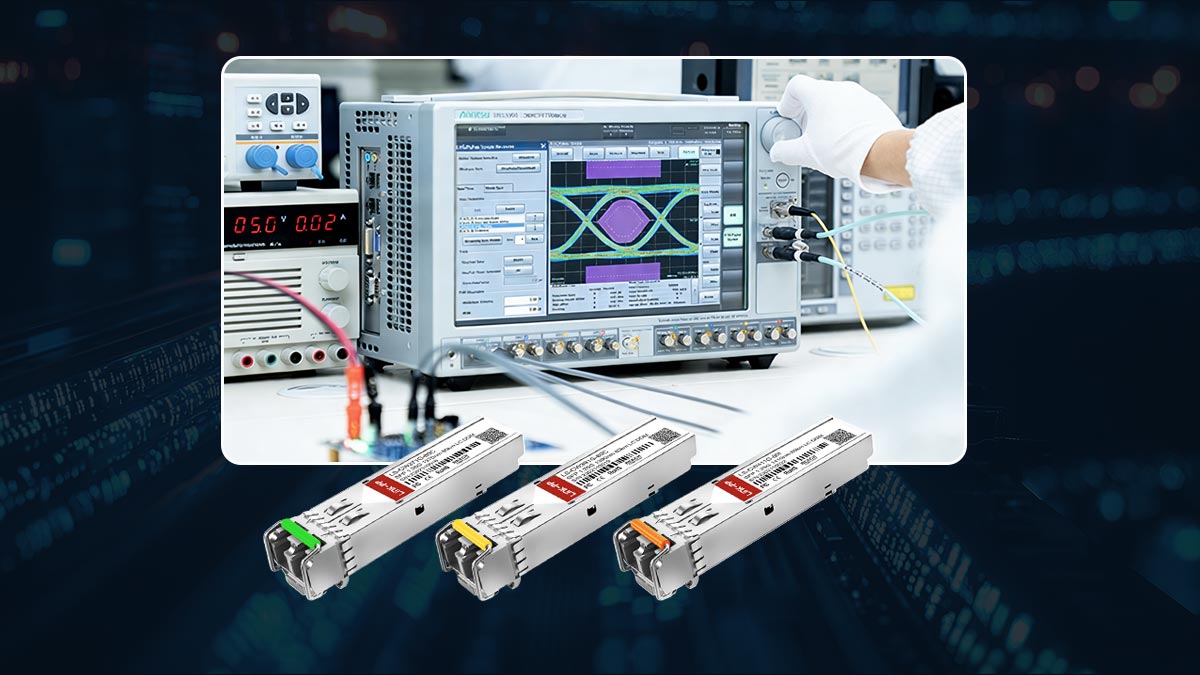
Buying CWDM transceivers isn’t just a wavelength-and-distance checkbox exercise — quality control is what separates “works in the lab” from “stays stable in production.” A solid procurement process should anchor on recognized standards, verify optical performance with measurable tests, and demand reliability evidence that matches your operating environment.
Industry Standards (MSA, IEEE Compliance)
Start with standards because they define what “normal” looks like. For CWDM SFP/CWDM SFP+/CWDM SFP28/CWDM QSFP+/CWDM QSFP28 form factors, MSA (Multi-Source Agreement) specifications help ensure mechanical fit, electrical interface behavior, and EEPROM/DOM conventions are implemented consistently across vendors. While MSAs aren’t “laws,” they’re the practical baseline that makes multi-vendor sourcing possible without constant surprises.
On the link side, IEEE Ethernet standards define how the transceiver should behave at the protocol/PHY level (e.g., relevant Ethernet PHY requirements for the speed you’re deploying). In procurement, “IEEE compliant” should mean more than a marketing phrase — ask suppliers to specify which IEEE standard(s) they claim compliance with and what test evidence they have (test reports, compliance statements, or third-party lab results).
Procurement Tip: Put “MSA-compliant form factor + IEEE-compliant link behavior” into your acceptance criteria, and treat vague wording (“compatible,” “works with”) as insufficient unless backed by test data.
Optical Performance Testing Methods
Optical testing turns vendor claims into numbers. At minimum, your incoming inspection (or supplier’s outgoing QA) should validate:
- Transmit (Tx) Parameters: center wavelength accuracy for the CWDM channel, output optical power, extinction ratio, and (for higher speeds) eye diagram/OMA-related metrics where applicable.
- Receive (Rx) Parameters: receiver sensitivity, overload point, and signal integrity under attenuation.
- Power Budget Verification: confirm that the measured Tx power and Rx sensitivity align with the advertised link budget, leaving margin for patch panels, connectors, splice loss, and aging.
- DOM/DDM Sanity Checks: verify digital diagnostics (Tx/Rx power, temperature, voltage, bias current) report realistically and consistently; flaky DOM readings are often an early warning of unstable modules or poor calibration.
How to apply this practically:
- For small batches, require the supplier to provide per-lot test summaries plus a few per-unit test reports (sample-based).
- For critical links, do your own spot-checking using an optical power meter and attenuator to validate basic Tx/Rx behavior and confirm alarms/thresholds behave as expected.
Reliability and Burn-In Testing
A CWDM transceiver can pass initial optical checks and still fail early due to marginal components, inconsistent assembly, or weak thermal design. That’s why reliability screening matters — especially when you’re buying third-party compatible optics at scale.
Common reliability expectations include:
- Optical Spectrum Test (OST): validating the laser’s center wavelength matches the CWDM channel and remains stable (no abnormal drift) during warm-up or extended operation.
- Eye Pattern Test: verifying signal integrity (eye opening/jitter behavior) to ensure the transmitter waveform stays clean and compliant under load.
- Bit Error Rate Test (BERT): running sustained BER testing at the target data rate — ideally with an attenuation sweep — to confirm real link margin and catch intermittent errors.
- Temperature Test: checking module performance at low/ambient/high points aligned to your deployment environment, and confirming key metrics don’t drift beyond acceptable limits.
Procurement Tip: Align reliability and temperature testing with where the optics will actually run. A data center top-of-rack switch is very different from a telco cabinet with limited airflow — if the supplier offers commercial and industrial temperature options, specify the correct class up front instead of defaulting to the cheapest SKU.
Certification and Quality Assurance
Certifications don’t guarantee perfection, but they do signal whether a supplier can deliver consistent quality across batches — so the modules you receive next quarter behave like the ones you validated today.
What to look for:
- Documented QA System: clear process controls, lot/serial traceability, and defined rules for isolating and handling nonconforming units.
- Consistent Test Documentation: shipment-level QC reports that state test items and thresholds (not just “PASS”), plus basic proof of test equipment calibration/verification practices.
- RMA + Failure Analysis Capability: an RMA process with measurable rates, structured triage, and root-cause feedback that prevents repeat failures — not only replacements.
- Interoperability Evidence: platform test logs or compatibility notes tied to specific switch/router models and OS versions, especially if EEPROM/DOM behavior can vary by firmware.
Procurement Tip: Put QA into the PO/RFQ — require traceability, define the minimum documents shipped with each lot, and set clear remedies if failure rates exceed an agreed threshold (batch hold, expedited replacement, or extended coverage).
✈️ CWDM Transceiver Procurement Mistakes You Should Avoid
Even with careful planning, many buyers make avoidable mistakes when procuring CWDM fiber transceivers. These oversights can lead to compatibility issues, degraded performance, or unexpected downtime. Recognizing common pitfalls helps ensure a more reliable and cost-effective deployment.
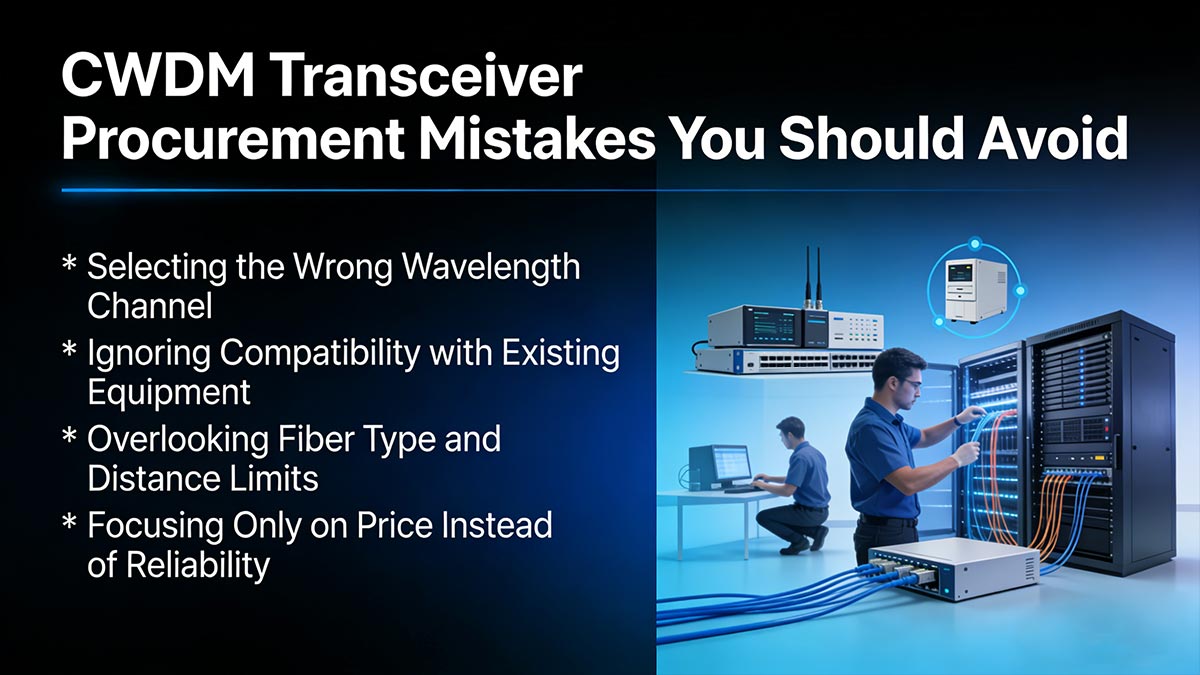
Selecting the Wrong Wavelength Channel
One of the most common CWDM procurement mistakes is selecting an incorrect wavelength channel. CWDM systems rely on fixed wavelength spacing (typically 20nm), and each channel must match the port configuration of the CWDM multiplexer/demultiplexer in the network.
If the wavelength does not match the corresponding mux/demux channel, the optical signal may experience severe attenuation or fail to pass through entirely. During procurement, always verify the wavelength plan used in your CWDM infrastructure and ensure that each transceiver aligns with the designated channel.
Ignoring Compatibility with Existing Equipment
Another frequent issue is overlooking compatibility with existing switches, routers, or transport equipment. Different network vendors — such as Cisco, Juniper, or Huawei — may implement EEPROM coding or vendor-lock mechanisms that restrict the use of unsupported optics.
Before purchasing CWDM modules, confirm that the transceiver is properly coded or tested for the target platform. Many third-party compatible optics can be programmed to work with specific vendors, but this compatibility must be verified in advance to avoid link initialization failures or system warnings.
Overlooking Fiber Type and Distance Limits
CWDM transceivers are designed for specific transmission distances and fiber types, typically single-mode fiber (SMF). Deploying a module designed for shorter distances on a long-haul link can lead to insufficient power budget, while using long-distance optics in short links may cause receiver overload if attenuation is not considered.
Procurement decisions should always factor in the link budget, including fiber length, connector losses, and any passive components such as CWDM mux/demux units. Verifying these parameters helps ensure that the selected transceiver delivers reliable signal performance across the entire link.
Focusing Only on Price Instead of Reliability
While cost optimization is important, selecting the lowest-priced module without evaluating quality and testing standards can introduce long-term risks. Modules that lack proper testing, burn-in screening, or quality assurance processes may fail prematurely, leading to higher replacement rates and network downtime.
A better procurement strategy balances price with proven reliability — choosing suppliers that provide verified testing data, traceability, and compatibility validation. This approach often results in a lower total cost of ownership over the lifecycle of the network.
✈️ Conclusion: Best Practices for Cost-Effective CWDM Transceiver Procurement
CWDM transceivers play a critical role in expanding network capacity while keeping fiber infrastructure costs under control. However, achieving true cost efficiency requires more than simply selecting the cheapest module—it involves understanding wavelength planning, ensuring compatibility with existing equipment, validating link budgets, and sourcing optics that meet reliable quality standards.
By combining careful module selection, compatibility verification, proper testing standards, and smart procurement strategies, organizations can deploy CWDM networks that deliver both performance and long-term value. Avoiding common procurement mistakes and working with trusted suppliers helps ensure stable optical connectivity while keeping operational costs manageable.
If you are looking for reliable CWDM optical transceiver module that combines compatibility, quality testing, and competitive pricing, explore the available solutions at the LINK-PP Official Store to find optics designed for efficient and scalable WDM network deployments.