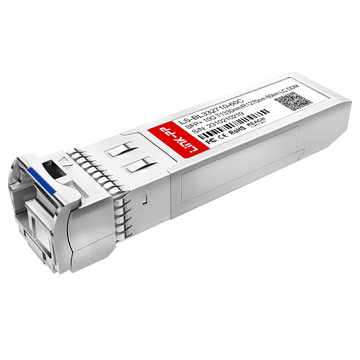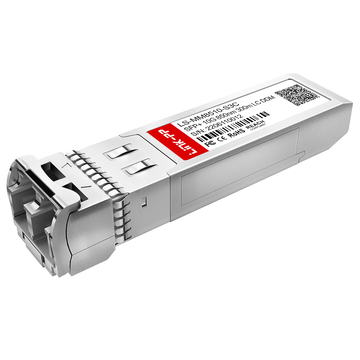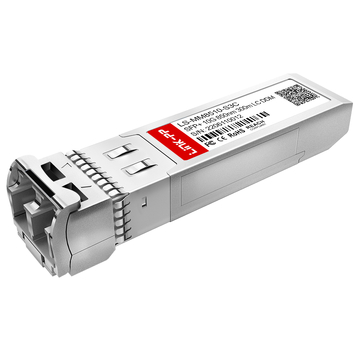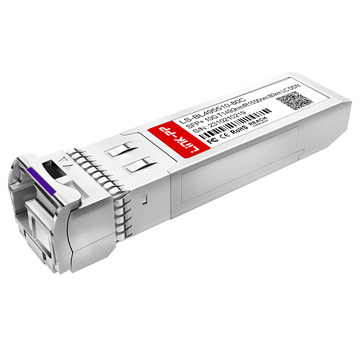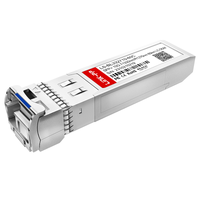


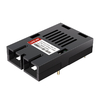
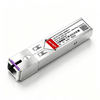
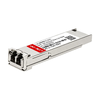
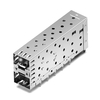






As network traffic continues to grow driven by cloud computing, virtualization, AI workloads, and high-performance enterprise applications, 10Gbps Ethernet has become a foundational building block for modern network architectures. At the center of this transition is the 10GB SFP Module, a compact yet powerful transceiver that enables reliable, scalable, and cost-effective 10G connectivity across data centers, enterprise campuses, and service provider networks.
Unlike higher-speed optics that often come with increased cost and power consumption, 10G SFP+ modules strike an optimal balance between performance, flexibility, and affordability. They support a wide range of transmission distances, fiber types, and deployment scenarios—ranging from short-reach server connections inside a data center to long-distance single-mode fiber links spanning multiple buildings or metropolitan areas. This versatility is one of the key reasons why 10GB SFP modules remain widely deployed even as 25G and 100G technologies continue to evolve.
This product guide is designed to provide a comprehensive, practical, and vendor-neutral overview of 10GB SFP modules. It covers how they work, the different types available, critical technical specifications, compatibility considerations, and real-world use cases. Whether you are planning a new 10G network, upgrading existing infrastructure, or evaluating third-party transceivers, this guide will help you make confident, technically sound decisions.
💒What Is a 10GB SFP Module?
A 10GB SFP module, more accurately referred to as a 10G SFP+ (Small Form-Factor Pluggable Plus) transceiver, is a hot-pluggable network interface module designed to transmit and receive data at speeds of up to 10 gigabits per second. It serves as the physical-layer connection between network devices—such as switches, routers, and servers—and the transmission medium, which can be either fiber optic cabling or copper.
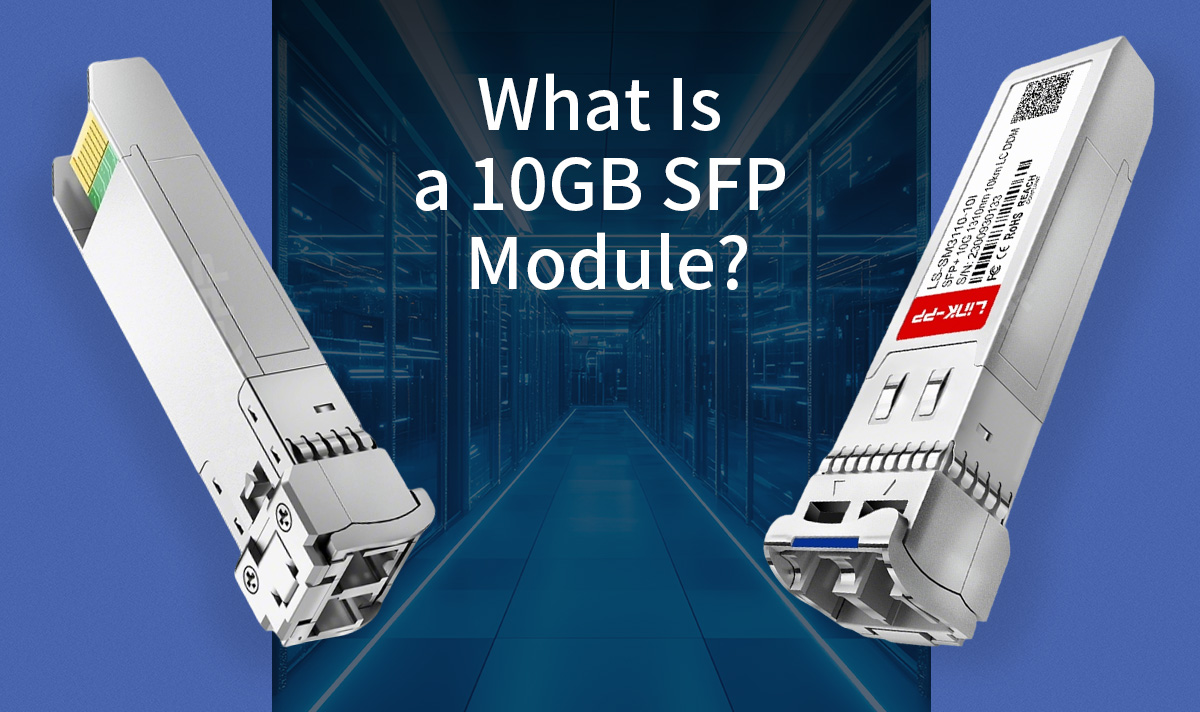
From a functional perspective, a 10GB SFP module performs three core tasks:
-
Electrical-to-optical (or electrical-to-electrical) signal conversion
-
Signal transmission over a defined medium and distance
-
Optical-to-electrical signal recovery at the receiving end
This modular design allows network engineers to choose the most appropriate transceiver type based on distance, cabling infrastructure, and application requirements—without replacing the network hardware itself.
Understanding the SFP+ Form Factor
The “SFP+” designation indicates an enhanced version of the original SFP standard. While both SFP and SFP+ share nearly identical physical dimensions, their internal architectures differ significantly.
-
SFP 1G modules are designed for data rates up to 1Gbps
-
SFP+ 10G modules support 10Gbps by shifting most signal processing tasks from the module to the host device
This design change reduces module complexity, lowers power consumption, and enables higher port density on modern switches. As a result, 10GB SFP+ modules have become the dominant form factor for 10G Ethernet deployments, effectively replacing older transceiver types such as XFP in most environments.
How a 10GB SFP Module Works
A typical 10GB SFP module consists of several key internal components:
-
Laser transmitter (VCSEL or DFB) to generate optical signals
-
Photodiode receiver to detect incoming optical signals
-
Transmitter and receiver optical subassemblies (TOSA/ROSA)
-
Electronic circuitry for signal conditioning and control
-
EEPROM for storing identification, compatibility, and diagnostic data
When installed into an SFP+ port, the module interfaces directly with the host system’s PHY and MAC layers. Data is transmitted over the network using standardized Ethernet protocols such as 10GBASE-SR, 10GBASE-LR, or 10GBASE-ER, ensuring interoperability across compliant devices.
Hot-Pluggability and Network Flexibility
One of the defining features of a 10GB SFP module is its hot-pluggable design. Modules can be inserted or removed from compatible ports without powering down the device, allowing for:
-
Faster network deployment
-
Simplified maintenance and upgrades
-
Reduced downtime in production environments
This flexibility is particularly valuable in data centers and enterprise networks where uptime and scalability are critical.
Why 10GB SFP Modules Are Still Widely Used
Despite the availability of higher-speed technologies, 10GB SFP modules continue to play a vital role in modern networks. They are widely supported across networking platforms, offer predictable performance, and integrate seamlessly with existing fiber infrastructure. For many organizations, 10G remains the most cost-effective and operationally efficient bandwidth tier, especially at the access and aggregation layers.
💒Types of 10GB SFP Modules
10GB SFP modules are available in multiple variants, each optimized for specific transmission distances, fiber types, and deployment scenarios. Understanding the differences between these module types is essential for designing a stable, cost-efficient, and scalable 10G network.
At a high level, 10GB SFP modules can be categorized into optical transceivers (using fiber optic cables) and cable-based solutions (using copper or integrated optical cables). Within optical transceivers, the most common distinctions are based on reach distance and wavelength.
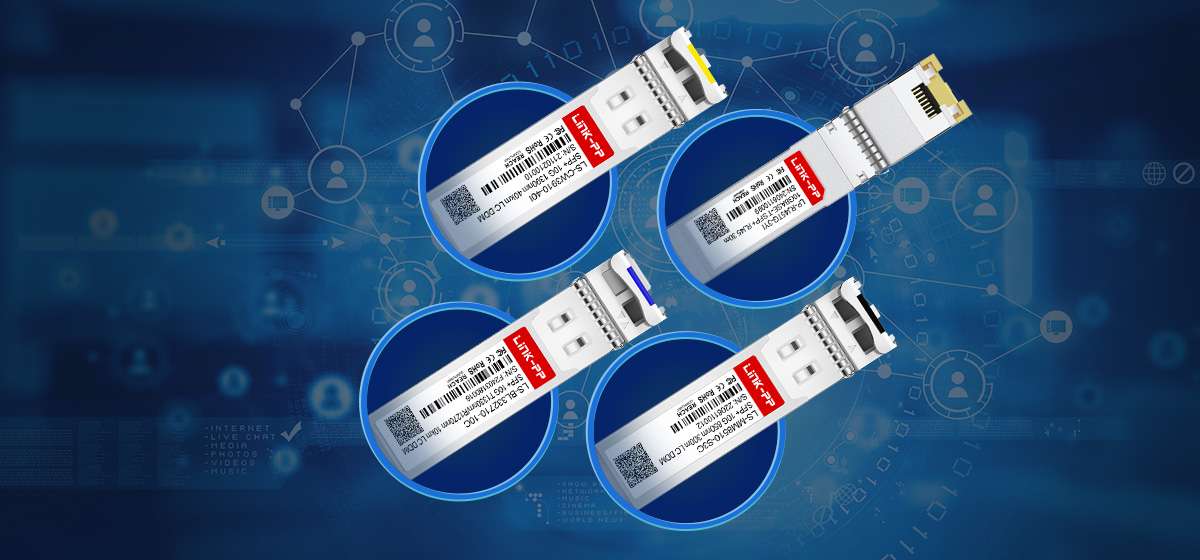
Overview of Common 10GB SFP Module Types
The table below provides a high-level comparison of the most widely used 10GB SFP module types:
| 10GB SFP Module Type | IEEE Standard | Wavelength | Fiber Type | Max Distance | Typical Use Case |
|---|---|---|---|---|---|
| 10G SFP+ SR | 10GBASE-SR | 850nm | Multimode (OM3/OM4) | 300–400m | Data centers, server access |
| 10G SFP+ LR | 10GBASE-LR | 1310nm | Single-mode | 10km | Campus & enterprise networks |
| 10G SFP+ ER | 10GBASE-ER | 1550nm | Single-mode | 40km | Metro & service provider links |
| 10G SFP+ ZR | Proprietary | 1550nm | Single-mode | 80km | Long-haul transmission |
| 10G SFP+ DAC | — | Electrical | Copper | 1–15m | Rack-to-rack connections |
| 10G SFP+ AOC | — | Optical | MMF (integrated) | Up to 100m | High-density data centers |
10G SFP+ SR (Short Reach)
The 10G SFP+ SR module is designed for short-distance transmission over multimode fiber (MMF) and is one of the most commonly deployed 10GB SFP module types.
-
Wavelength: 850nm
-
Fiber Type: OM3 / OM4 multimode fiber
-
Maximum Distance:
-
Up to 300m on OM3
-
Up to 400m on OM4
-
SR modules are widely used in data center environments where distances are relatively short and fiber infrastructure is already in place. Their lower cost and reduced power consumption make them ideal for high-density switch ports and server connections.
Typical applications include:
-
Top-of-rack (ToR) to server connections
-
Switch-to-switch links within the same data hall
-
High-performance computing clusters
10G SFP+ LR (Long Reach)
The 10G SFP+ LR module supports longer distances using single-mode fiber (SMF) and operates at a wavelength of 1310nm.
-
Maximum Distance: Up to 10km
-
Connector: LC duplex
LR modules are commonly used in enterprise campus networks and inter-building connections, where distances exceed the capabilities of multimode fiber. Compared to SR modules, LR transceivers are more expensive but offer significantly greater reach and flexibility.
Common deployment scenarios:
-
Building-to-building connectivity
-
Core and aggregation layer links
-
Enterprise WAN extensions
10G SFP+ ER, ZR and EZR (Extended Reach)
For applications requiring long-distance transmission, ER, ZR and EZR modules are the preferred solutions.
10G SFP+ ER
-
Wavelength: 1550nm
-
Maximum Distance: Up to 40km
-
Standard: 10GBASE-ER
10G SFP+ ZR
-
Wavelength: 1550nm
-
Maximum Distance: Up to 80km
-
Standard: Typically vendor-specific
10G SFP+ EZR
-
Wavelength: 1550nm
-
Maximum Distance: Up to 120km
-
Standard: Typically vendor-specific
These modules are primarily used in metropolitan area networks (MANs), telecom backhaul, and service provider environments. Due to higher optical output power, careful attention must be paid to optical power budgets, attenuation, and dispersion when deploying ER or ZR modules.
10G SFP+ DAC (Direct Attach Copper)
10G SFP+ DAC cables are an alternative to optical transceivers for very short distances. Instead of separate modules and fiber cables, DAC solutions integrate twinax copper cables with fixed SFP+ connectors.
-
Passive DAC: Up to 7m
-
Active DAC: Up to 15m
-
Advantages: Low cost, ultra-low latency, minimal power usage
DAC cables are widely used inside racks or between adjacent racks in data centers where flexibility and distance are less critical than cost and simplicity.
10G SFP+ AOC (Active Optical Cable)
Active Optical Cables (AOC) combine fiber optics and transceivers into a single, factory-terminated assembly.
-
Distance: Typically up to 100m
-
Weight: Much lighter than DAC
-
Ease of Deployment: Plug-and-play
AOCs are well suited for high-density environments where airflow, cable management, and signal integrity are important considerations.
Choosing Between Optical Modules and Cable-Based Solutions
While traditional optical 10GB SFP modules offer maximum flexibility and distance, DAC and AOC solutions provide cost and simplicity advantages for short-range connections. Selecting the correct type depends on your physical layout, distance requirements, and long-term scalability plans.
💒Key Specifications of 10GB SFP Modules
When selecting a 10GB SFP module, understanding the technical specifications is critical. While many 10G SFP+ transceivers may appear similar on the surface, their internal parameters directly affect performance, compatibility, reliability, and long-term network stability. This section breaks down the most important specifications you should evaluate before deployment.
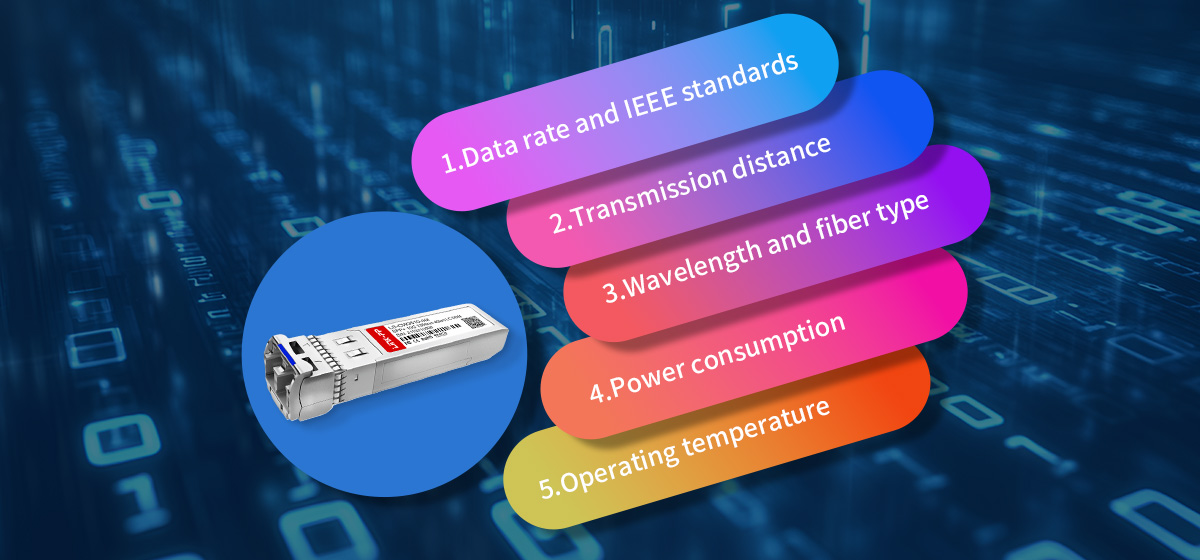
Core Technical Specifications Overview
The table below summarizes the key specifications commonly used to differentiate 10GB SFP modules:
| Specification | Description | Why It Matters |
|---|---|---|
| Data Rate | Maximum supported throughput | Ensures 10Gbps performance |
| IEEE Standard | 10GBASE-SR / LR / ER | Guarantees interoperability |
| Wavelength | 850nm / 1310nm / 1550nm | Determines fiber type and reach |
| Transmission Distance | Max supported link length | Prevents signal loss |
| Fiber Type | MMF or SMF | Must match installed cabling |
| Connector Type | LC duplex | Affects patch cord compatibility |
| Power Consumption | Typical <1.5W | Impacts heat and port density |
| DOM/DDM Support | Optical diagnostics | Enables monitoring and troubleshooting |
| Operating Temperature | Commercial or Industrial | Determines environmental suitability |
Data Rate and Ethernet Standards
All 10GB SFP modules are designed to support 10Gbps Ethernet, but compliance with IEEE standards is what ensures consistent performance and cross-vendor compatibility.
Common standards include:
-
10GBASE-SR – Short-reach over multimode fiber
-
10GBASE-LR – Long-reach over single-mode fiber
-
10GBASE-ER – Extended reach over single-mode fiber
Using standards-compliant modules reduces interoperability issues and simplifies future network expansion.
Wavelength and Its Impact on Fiber Selection
Wavelength is one of the most fundamental characteristics of a 10GB SFP module because it directly determines which type of fiber can be used.
| Wavelength | Fiber Type | Typical Module |
|---|---|---|
| 850nm | Multimode (OM3/OM4) | 10G SFP+ SR |
| 1310nm | Single-mode | 10G SFP+ LR |
| 1550nm | Single-mode | 10G SFP+ ER / ZR |
Mismatch between wavelength and fiber type is one of the most common causes of link failure in 10G networks.
Transmission Distance and Optical Budget
Transmission distance is not just a fixed number; it is determined by the optical power budget, which accounts for:
-
Fiber attenuation
-
Connector and splice losses
-
Aging of optical components
For example, while a 10G SFP+ LR module is rated for up to 10km, real-world installations should always include a safety margin to account for additional losses.
Power Consumption and Thermal Considerations
10GB SFP modules are designed for high efficiency, typically consuming less than 1.5 watts. Lower power consumption results in:
-
Reduced heat generation
-
Higher port density on switches
-
Improved long-term reliability
In dense data center environments, power and thermal characteristics can be just as important as transmission distance.
Digital Optical Monitoring (DOM / DDM)
Most modern 10GB SFP modules support Digital Optical Monitoring (DOM), also known as Digital Diagnostics Monitoring (DDM).
DOM provides real-time data such as:
-
Module temperature
-
Supply voltage
-
Transmit optical power
-
Receive optical power
This visibility allows network operators to proactively detect degradation and prevent outages.
Operating Temperature Range
10GB SFP modules are typically available in two temperature classes:
| Class | Temperature Range | Typical Environment |
|---|---|---|
| Commercial | 0°C to 70°C | Data centers, offices |
| Industrial | -40°C to 85°C | Outdoor or harsh environments |
Choosing the correct temperature rating is essential for long-term stability, especially in non-controlled environments.
Connector Type and Physical Interface
Most 10GB SFP modules use LC duplex connectors, which support high-density cabling and are widely available. Ensuring connector compatibility avoids unnecessary patch cord replacements and simplifies installation.
Why Specifications Matter More Than Price
While cost is always a consideration, overlooking technical specifications often leads to hidden issues such as link instability, excessive packet loss, or premature module failure. A properly specified 10GB SFP module ensures optimal performance and reduces total cost of ownership over time.
💒10GB SFP Module vs Other 10G Transceivers
When planning a 10Gbps network, the 10GB SFP module is only one of several available transceiver options. Other 10G form factors—such as XFP and 10GBASE-T (RJ45) solutions—are still found in certain environments. Understanding the differences between these technologies helps ensure the right balance of performance, cost, and scalability.
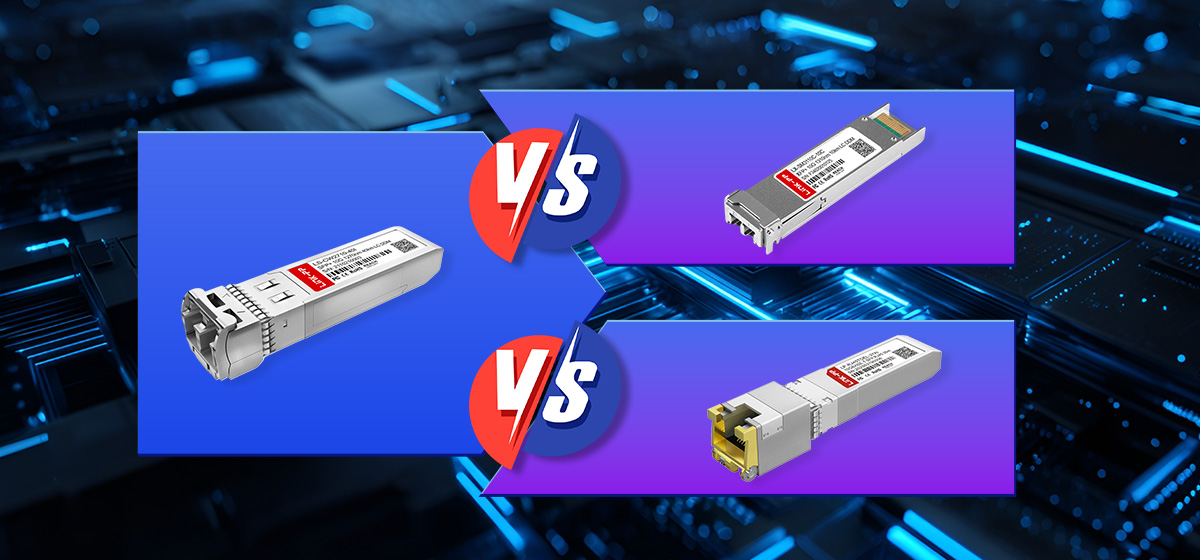
10GB SFP+ vs XFP
XFP was one of the earliest standardized 10G optical transceiver form factors. While it played an important role in early 10G deployments, it has largely been replaced by SFP+.
| Feature | 10GB SFP+ | XFP |
|---|---|---|
| Form Factor | Compact | Larger |
| Power Consumption | Lower | Higher |
| Port Density | High | Limited |
| Cost | Lower | Higher |
| Industry Adoption | Current standard | Legacy |
Key takeaway:
10GB SFP+ modules offer the same 10Gbps performance as XFP but in a smaller, more energy-efficient form factor. For modern networks, XFP is generally considered obsolete except in legacy systems.
10GB SFP+ vs 10GBASE-T (RJ45)
10GBASE-T Copper transceivers use standard copper Ethernet cabling (Cat6a/Cat7) with RJ45 connectors. While this approach can simplify cabling in some environments, it comes with notable trade-offs.
| Feature | 10GB SFP+ | 10GBASE-T |
|---|---|---|
| Medium | Fiber / DAC / AOC | Copper Ethernet |
| Max Distance | Up to 80km (fiber) | Up to 100m |
| Latency | Very low | Higher |
| Power Consumption | ~1–1.5W | ~4–6W |
| Heat Generation | Low | High |
Key takeaway:
10GB SFP modules are preferred in data centers and performance-sensitive environments due to lower latency and power consumption. 10GBASE-T is mainly used where existing copper cabling must be reused.
Why 10GB SFP Modules Remain the Most Popular Choice
Despite the availability of newer form factors, the 10GB SFP module continues to dominate 10G deployments because it offers:
-
Broad compatibility across vendors
-
Flexible support for short and long distances
-
Low power consumption and heat output
-
Cost-effective scaling in both enterprise and data center networks
For access, aggregation, and many core-layer use cases, SFP+ remains the most practical 10G solution.
Choosing the Right 10G Transceiver for Your Network
If your network requires:
-
Maximum flexibility and distance → 10GB SFP+
-
Reuse of copper cabling → 10GBASE-T
In most scenarios, especially where fiber is available, 10GB SFP modules provide the best overall balance of performance, efficiency, and long-term value.
💒Compatibility and Interoperability
Compatibility is one of the most critical—and often misunderstood—aspects of deploying 10GB SFP modules. While many SFP+ transceivers share identical physical dimensions and electrical interfaces, not all modules will function reliably across different network platforms. Understanding how compatibility works helps prevent link failures, unexpected errors, and unnecessary operational costs.

Vendor Platform Compatibility
Most enterprise and data center switches are designed to work with SFP+ modules that follow specific vendor-defined identification and coding requirements. Common platforms include:
-
Cisco
-
Juniper
-
Arista
-
HPE
-
Dell
-
Huawei
Although the underlying optics may be technically similar, many vendors implement transceiver validation mechanisms that check the module’s EEPROM data during initialization. If the module does not match the expected vendor profile, the device may:
-
Reject the module entirely
-
Display warning messages
-
Disable the port or limit functionality
This is why compatibility must always be verified against the exact switch model and software version.
MSA Compliance and Industry Standards
Most 10GB SFP modules are built according to Multi-Source Agreement (MSA) standards, which define:
-
Mechanical dimensions
-
Electrical interfaces
-
Optical parameters
-
Diagnostic data formats
MSA compliance ensures that a transceiver will physically fit and meet baseline performance expectations. However, MSA compliance alone does not guarantee full vendor acceptance, especially on platforms with strict validation policies.
OEM vs Third-Party 10GB SFP Modules
One of the most common decisions buyers face is choosing between OEM (original vendor) modules and third-party compatible modules.
| Aspect | OEM Modules | Third-Party Modules |
|---|---|---|
| Cost | High | Significantly lower |
| Vendor Branding | Native | Coded for compatibility |
| Lead Time | Often long | Typically shorter |
| Performance | Stable | Comparable when tested |
| Warranty Impact | Official support | Depends on vendor policy |
High-quality third-party 10GB SFP modules are typically pre-coded, programmed, and tested to match specific vendor platforms. When sourced from reputable suppliers, they can deliver the same optical performance at a much lower total cost of ownership.
Cross-Vendor Interoperability
In many real-world networks, it is common to connect devices from different vendors at each end of a fiber link. In most cases, cross-vendor interoperability is possible as long as the following parameters match:
-
Same wavelength
-
Same fiber type (MMF or SMF)
-
Same or compatible Ethernet standard
-
Similar optical power ranges
For example, a Cisco compatible 10G SFP+ LR module can successfully communicate with a Juniper compatible LR module when properly matched.
Firmware and Software Considerations
Switch operating systems and firmware versions can affect transceiver behavior. Some updates introduce stricter validation or enhanced diagnostics. Best practices include:
-
Verifying module support lists before upgrades
-
Testing transceivers in a staging environment
-
Monitoring system logs for compatibility warnings
Proactive compatibility management helps avoid unexpected service disruptions.
Best Practices for Ensuring Compatibility
To ensure smooth deployment of 10GB SFP modules:
-
Confirm switch and NIC model compatibility
-
Match wavelength, distance, and fiber type
-
Use MSA-compliant and vendor-coded modules
-
Source transceivers from trusted suppliers
-
Validate performance before large-scale rollout
Why Compatibility Matters More Than Ever
As networks become more heterogeneous and cost-sensitive, interoperability is no longer optional. Properly selected 10GB SFP modules enable multi-vendor flexibility while maintaining performance, reliability, and operational confidence.
💒How to Choose the Right 10GB SFP Module
Choosing the right 10GB SFP module is not just about selecting a data rate. It requires a clear understanding of your physical network environment, hardware compatibility, application requirements, and long-term scalability. By following a structured selection approach, you can avoid common deployment mistakes and ensure stable 10G performance.
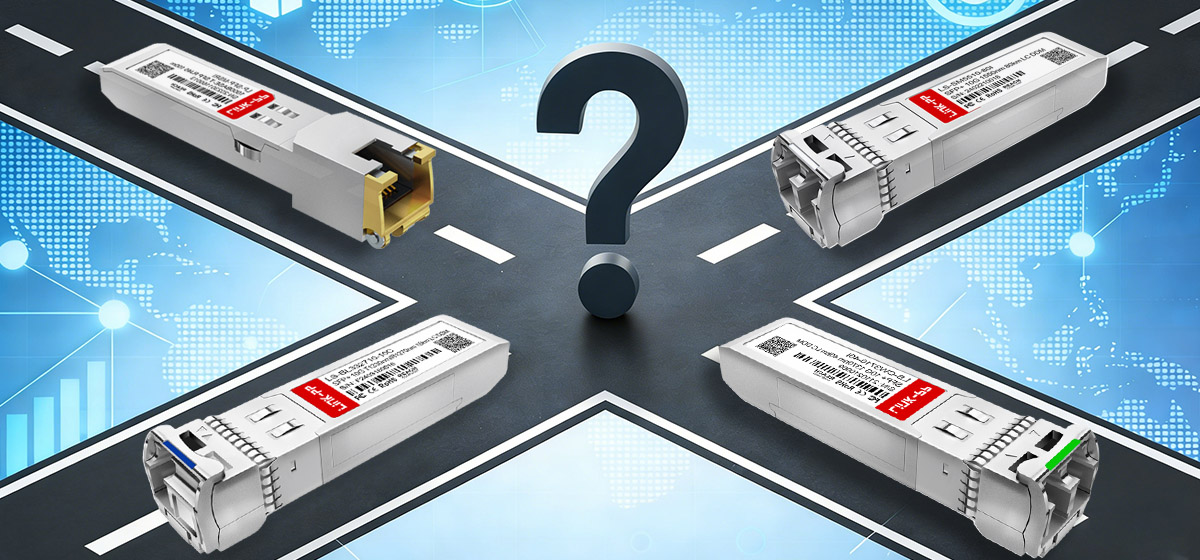
Step 1: Identify Network Devices and Port Requirements
Start by identifying the exact models of switches, routers, or network interface cards (NICs) where the 10GB SFP modules will be installed. Key questions to answer include:
-
Does the device support SFP+ ports or only SFP?
-
Are there vendor-specific transceiver restrictions?
-
Is the port shared with other speeds (1G / 10G auto-negotiation)?
Always consult the official hardware compatibility list (HCL) or transceiver support documentation for your platform.
Step 2: Determine Transmission Distance and Cabling Type
Next, evaluate the physical distance between connected devices and the existing cabling infrastructure.
| Distance Requirement | Recommended Module |
|---|---|
| ≤ 400m (MMF) | 10G SFP+ SR |
| ≤ 10km (SMF) | 10G SFP+ LR |
| ≤ 40km (SMF) | 10G SFP+ ER |
| ≤ 80km (SMF) | 10G SFP+ ZR |
| ≤ 15m (Copper) | 10G SFP+ DAC |
Selecting the correct module for the actual distance—not the maximum rated distance—helps ensure signal stability and longevity.
Step 3: Match Wavelength and Fiber Type
The wavelength of the 10GB SFP module must match the fiber type used in your network:
-
850nm → Multimode fiber (OM3 / OM4)
-
1310nm or 1550nm → Single-mode fiber
Using the wrong wavelength-fiber combination is a common cause of failed links and troubleshooting delays.
Step 4: Verify Compatibility and Coding
Ensure the module is compatible with your network equipment at both ends of the link. This includes:
-
Vendor-specific coding (Cisco, Juniper, Arista, etc.)
-
MSA compliance
-
Firmware compatibility
For multi-vendor networks, it is often best to use vendor-coded third-party modules that have been tested for interoperability.
Step 5: Consider Operating Environment and Reliability
Environmental conditions play a major role in module reliability. Ask the following:
-
Is the equipment installed in a climate-controlled data center?
-
Will the module be exposed to high temperatures or industrial conditions?
Choose between commercial-grade (0–70°C) and industrial-grade (-40–85°C) modules accordingly.
Step 6: Evaluate Power Consumption and Port Density
In high-density deployments, power efficiency matters. Lower-power 10GB SFP modules allow:
-
Higher port density
-
Reduced cooling requirements
-
Improved long-term operational stability
This is especially important in data centers and aggregation layers.
Step 7: Assess Total Cost of Ownership (TCO)
Instead of focusing solely on upfront cost, consider:
-
Module lifespan
-
Energy consumption
-
Maintenance and replacement cycles
-
Vendor lock-in risks
In many cases, high-quality third-party 10GB SFP modules offer the best balance between cost and performance.
Step 8: Plan for Future Scalability
Finally, think beyond the immediate deployment. Consider whether your current 10G infrastructure will eventually migrate to 25G or higher speeds. Selecting modules that align with your long-term roadmap can reduce future upgrade complexity.
A Practical Selection Checklist
Before finalizing your purchase, confirm the following:
-
✅ Correct module type (SR, LR, ER, DAC, etc.)
-
✅ Matching wavelength and fiber
-
✅ Verified device compatibility
-
✅ Suitable operating temperature
-
✅ Trusted supplier and warranty
Making the Right Choice with Confidence
By following a structured approach, selecting the right 10GB SFP module becomes a straightforward and repeatable process. Proper planning reduces risk, minimizes downtime, and ensures your 10G network delivers consistent, high-performance connectivity.
💒Common Use Cases for 10GB SFP Modules
Thanks to their flexibility, wide compatibility, and cost efficiency, 10GB SFP modules are deployed across a broad range of network environments. From high-density data centers to enterprise campuses and service provider networks, 10G optical transceivers continue to play a critical role in delivering reliable high-speed connectivity.
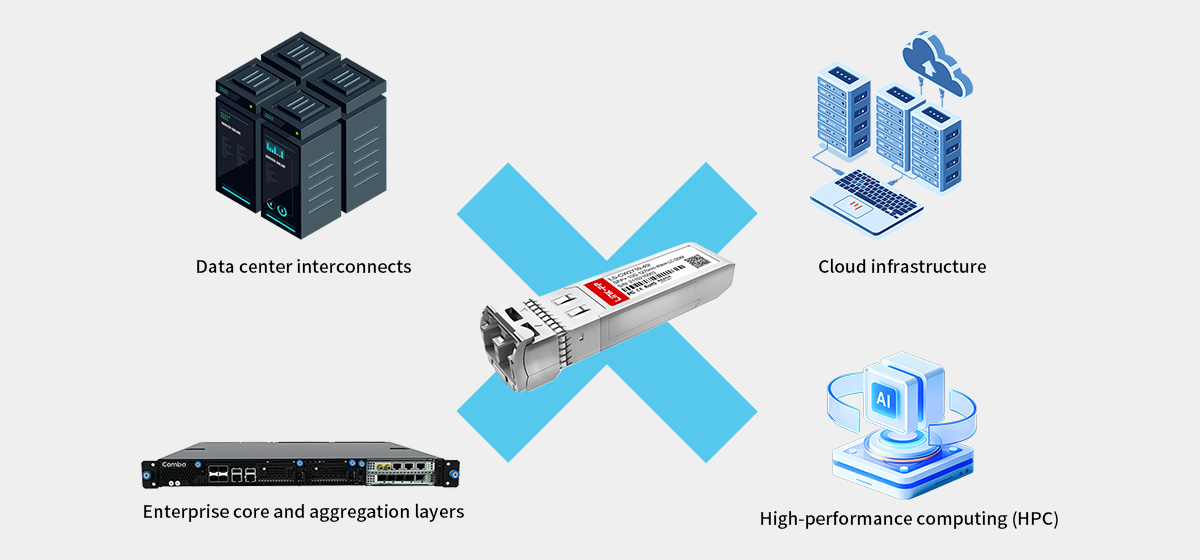
Data Center Access and Aggregation Layers
One of the most common use cases for 10GB SFP modules is within data center access and aggregation layers. In modern leaf-spine or traditional three-tier architectures, 10G SFP+ transceivers are widely used for:
-
Server-to-switch connections
-
Top-of-rack (ToR) to end-of-row (EoR) links
-
Switch-to-switch aggregation
Short-reach 10G SFP+ SR modules and DAC/AOC cables are especially popular in data centers due to their low latency, reduced power consumption, and cost-effectiveness over short distances.
Enterprise Campus Networks
In enterprise environments, 10GB SFP modules are frequently deployed to support high-bandwidth uplinks between access, distribution, and core layers.
Typical scenarios include:
-
Building-to-building connectivity using 10G SFP+ LR
-
Backbone links between network closets
-
Core switch interconnections
Compared to 1G links, 10G SFP+ uplinks provide significantly improved performance for bandwidth-intensive applications such as video conferencing, cloud services, and large file transfers.
Cloud and Virtualized Infrastructure
Cloud platforms and virtualized data centers rely heavily on east-west traffic between servers and virtual machines. 10GB SFP modules provide:
-
Consistent low-latency connectivity
-
High port density
-
Seamless integration with virtual switches
These characteristics make 10G SFP+ transceivers a common choice for private clouds, hybrid cloud deployments, and storage networks.
High-Performance Computing (HPC)
In high-performance computing (HPC) environments, predictable latency and throughput are essential. 10GB SFP modules are often used to connect compute nodes, storage systems, and interconnect fabrics where reliability and consistency matter more than raw bandwidth.
Short-distance optical or DAC-based solutions are favored to minimize signal delay and maximize efficiency.
Service Provider and Metro Networks
Service providers and telecom operators use 10G SFP+ LR, ER, and ZR modules to deliver:
-
Metro Ethernet services
-
Backhaul connections
-
Point-to-point fiber links
Long-reach modules enable carriers to extend 10Gbps connectivity across cities and regions without deploying intermediate network equipment.
Storage and Backup Networks
10GB SFP modules are widely used in storage networks that support technologies such as:
-
iSCSI
-
Network Attached Storage (NAS)
-
Backup and replication systems
The increased bandwidth and stability of 10G links help reduce backup windows and improve data availability.
Industrial and Specialized Environments
In industrial or outdoor deployments, industrial-grade 10GB SFP modules with extended temperature ranges are used in:
-
Transportation networks
-
Energy and utility systems
-
Manufacturing facilities
These environments demand ruggedized transceivers capable of operating reliably under harsh conditions.
Why 10GB SFP Modules Fit So Many Use Cases
The reason 10GB SFP modules appear across such diverse scenarios is simple: they combine standardization, flexibility, and proven reliability. Organizations can deploy the same core technology across multiple network layers while adapting module types to specific distance and environment requirements.
💒FAQ About 10GB SFP Modules
This section addresses the most frequently asked questions about 10GB SFP modules, covering compatibility, deployment, performance, and operational concerns commonly raised by network engineers and IT buyers.
What is the difference between 10GB SFP and 10G SFP+?
In practice, “10GB SFP” and “10G SFP+” refer to the same type of transceiver.
The correct technical term is SFP+, which denotes support for 10Gbps data rates. “10GB SFP” is a commonly used commercial or search term, while “10G SFP+ module” is the industry-standard name.
Are 10GB SFP modules backward compatible with 1G SFP ports?
No. 10GB SFP+ modules are not backward compatible with 1G SFP ports.
However:
-
Many SFP+ ports are backward compatible with 1G SFP modules
-
A 1G SFP module can often operate in an SFP+ port at 1Gbps
Always verify port capabilities in your device documentation.
What fiber type is required for a 10GB SFP module?
The required fiber type depends on the module variant:
| Module Type | Fiber Required |
|---|---|
| 10G SFP+ SR | Multimode fiber (OM3 / OM4) |
| 10G SFP+ LR | Single-mode fiber |
| 10G SFP+ ER / ZR | Single-mode fiber |
| 10G SFP+ AOC | Integrated multimode fiber |
| 10G SFP+ DAC | Copper twinax |
Using the wrong fiber type is a common cause of link failure.
Can I use different brands of 10GB SFP modules on each end of a link?
Yes, cross-vendor interoperability is generally possible, provided that:
-
Wavelengths match
-
Fiber types match
-
IEEE standards are the same
-
Optical power ranges are compatible
For best results, use MSA-compliant modules and test links in a staging environment.
Do I need DOM/DDM support on 10GB SFP modules?
While not mandatory, DOM/DDM (Digital Optical Monitoring) is highly recommended.
It allows you to monitor:
-
Module temperature
-
Transmit and receive optical power
-
Supply voltage
This data is invaluable for proactive troubleshooting and long-term maintenance.
How far can a 10GB SFP module transmit data?
Transmission distance varies by module type:
-
SR: Up to 300–400m
-
LR: Up to 10km
-
ER: Up to 40km
-
ZR: Up to 80km
Actual distance depends on fiber quality, attenuation, and connector losses.
Are third-party 10GB SFP modules reliable?
Yes—when sourced from reputable manufacturers.
High-quality third-party modules are:
-
MSA-compliant
-
Vendor-coded and tested
-
Functionally equivalent to OEM modules
They are widely used to reduce costs without sacrificing performance or reliability.
Do 10GB SFP modules support hot-swapping?
Yes. 10GB SFP modules are hot-pluggable, meaning they can be inserted or removed without powering down the device.
However, best practice is to:
-
Follow vendor guidelines
-
Avoid excessive insert/remove cycles
Is 10GB SFP still relevant with 25G and 100G networks?
Absolutely. While higher speeds are gaining adoption, 10G remains the most cost-effective and widely supported option for many access, aggregation, and enterprise networks.
It continues to be a stable and reliable choice for existing infrastructure.
Summary of Common Questions
Most deployment issues related to 10GB SFP modules stem from mismatched specifications, compatibility assumptions, or improper fiber selection. Understanding these FAQs helps eliminate uncertainty and ensures smoother network implementation.
💒Summary: Is a 10GB SFP Module Right for Your Network?
A 10GB SFP module remains one of the most practical and widely adopted solutions for delivering high-speed, reliable network connectivity. It offers a proven balance between performance, flexibility, cost efficiency, and long-term compatibility—making it an ideal choice for many modern networking scenarios.
If your network requires stable 10Gbps bandwidth, supports fiber or short-range high-density connections, and prioritizes low power consumption and broad vendor interoperability, then a 10G SFP+ solution is very likely the right fit. From data center access layers and enterprise campus backbones to cloud infrastructure and metro networks, 10GB SFP modules continue to meet real-world performance demands without the complexity or expense of higher-speed optics.
While emerging technologies such as 25G, 40G, and 100G are reshaping core and hyperscale environments, 10G remains highly relevant—especially where existing infrastructure, budget considerations, or operational simplicity are key factors. The wide availability of multiple module types (SR, LR, ER, DAC, AOC), combined with mature standards and strong ecosystem support, ensures that 10GB SFP modules can be deployed with confidence today and maintained for years to come.
Ultimately, choosing the right 10GB SFP module comes down to understanding your distance requirements, device compatibility, operating environment, and growth plans. When selected and deployed correctly, a 10GB SFP module provides a reliable foundation for scalable network performance—making it a smart, future-aware investment for a wide range of network architectures.