In modern optical networking, the demand for flexible and cost-efficient deployment has driven widespread adoption of compatible transceivers. For commonly used modules like the AT-SPLX10A, users are no longer limited to original OEM options, but increasingly rely on third-party solutions that promise seamless interoperability. This shift makes it essential to clearly understand how compatibility works in practice, especially in environments where stability and performance are critical.
The AT-SPLX10A, as a standard Gigabit fiber optic SFP module, sits at the center of many Allied Telesis network deployments. When integrating compatible alternatives, factors such as MSA compliance, device recognition, and cross-vendor interoperability become key considerations. A solid grasp of these aspects helps ensure that AT-SPLX10A compatible modules can operate reliably alongside original equipment without compromising network integrity.
❇️ AT-SPLX10A Overview and Key Specifications
The AT-SPLX10A is a widely deployed 1G SFP optical transceiver used in Allied Telesis networking environments for Gigabit fiber connectivity. Understanding its fundamental characteristics is essential when evaluating compatibility and interoperability with third-party alternatives.

What Is the AT-SPLX10A Transceiver
The AT-SPLX10A is a 1000BASE-LX SFP transceiver designed for single-mode fiber applications. It enables Gigabit Ethernet transmission over longer distances, typically up to 10km, making it suitable for enterprise campus and metro access networks.
As a hot-swappable optical transceiver module, the AT-SPLX10A can be easily installed into compatible SFP ports on switches and routers without interrupting system operation. Its standardized form factor allows it to integrate seamlessly into a wide range of networking equipment, forming the basis for both OEM and compatible deployment scenarios.
Core Technical Specifications and Standards
The AT-SPLX10A follows industry-standard specifications to ensure interoperability across compliant devices. It operates under the 1000BASE-LX standard, using a 1310nm FP laser for transmission over single-mode fiber, which supports stable, long-distance communication.
To better understand its capabilities, the key technical specifications are summarized below:
| Parameter | Specification |
| Form Factor | SFP |
| Data Rate | 1.25Gbps |
| Transmission Standard | 1000BASE-LX |
| Fiber Type | Single-Mode Fiber |
| Wavelength | 1310nm |
| Maximum Distance | Up to 10km |
| Connector Type | Duplex LC |
| Diagnostic Support | Digital Diagnostic Monitoring (DDM) |
| Operating Temperature | 0°C to 70°C (Commercial Range) |
| Compliance Standards | SFP MSA, IEEE 802.3z |
Original Allied Telesis Module Positioning
Within the Allied Telesis product lineup, the AT-SPLX10A is positioned as one of the standard single mode transceivers for reliable, mid-range fiber links. It is typically deployed in enterprise access, aggregation layers, and campus backbone connections where stable 1G performance is required.
As an OEM module, it is designed to ensure full compatibility and optimized performance with Allied Telesis switches and routers. However, its adherence to open standards also makes it a reference point for compatible third-party transceivers aiming to replicate its functionality and interoperability.
❇️ AT-SPLX10A SFP Module Compatibility Explained
Compatibility is a critical factor when deploying AT-SPLX10A SFP modules, especially in mixed-vendor network environments. It determines whether a transceiver can be properly recognized, configured, and operated within a given device. Knowing how compatibility works helps ensure stable performance and avoids unexpected connectivity issues.

What “Compatible” Really Means in Optics Transceiver
In the context of optical modules, “compatible” does not simply mean that a module fits into an SFP port. It refers to the ability of the transceiver to function identically to the original AT-SPLX10A in terms of performance, communication, and device recognition.
This involves several key aspects:
- Electrical and Optical Alignment: The module must match the signal characteristics, wavelength (1310nm), and transmission behavior defined by the AT-SPLX10A.
- EEPROM Coding: Compatible modules are programmed with specific data so that switches can recognize them as supported devices.
- Protocol Compliance: The module must adhere to Gigabit Ethernet standards (1000BASE-LX) to ensure proper data transmission.
- Operational Stability: It should deliver consistent performance under real-world conditions, including temperature and workload variations.
MSA Standards and Interoperability Basics
The foundation of fiber SFP compatibility lies in Multi-Source Agreement (MSA) standards, which define the physical, electrical, and management interfaces of optical transceivers. The AT-SPLX10A follows these standards, enabling interoperability across different vendors.
In practical terms, MSA compliance ensures:
- Standardized Form Factor: All compliant SFP modules share the same physical dimensions and connector types.
- Uniform Electrical Interface: Devices can communicate with transceivers using consistent signaling and power requirements.
- Digital Diagnostics Support (DDM/DOM): Monitoring functions such as temperature, voltage, and optical power are accessible across platforms.
- Cross-Vendor Interoperability: Transceiver modules from different manufacturers can work in the same equipment if they follow MSA and IEEE specifications.
Because of these standards, third-party AT-SPLX10A compatible modules can be engineered to deliver equivalent functionality while maintaining interoperability with Allied Telesis devices.
Common Compatibility Myths
Despite the maturity of optical standards, several misconceptions about compatibility still exist. These myths can lead to unnecessary restrictions or higher costs in network deployments.
One common myth is that only OEM modules can guarantee proper operation. In reality, well-designed compatible modules that follow MSA standards and are properly coded can achieve the same level of functionality and stability. Another misconception is that using third-party optics will damage network equipment; however, compliant modules operate within defined electrical and thermal limits, making them safe for use.
There is also a belief that compatible modules lack reliability or performance consistency. In practice, reputable vendors perform rigorous testing and validation to ensure interoperability with target devices, including those using AT-SPLX10A specifications.
❇️ AT-SPLX10A Compatible Third-Party Modules
Third-party compatible modules have become a practical alternative to OEM transceivers like the AT-SPLX10A, especially in cost-sensitive and large-scale deployments. These modules are designed to replicate the functionality and interoperability of the original while offering greater flexibility in sourcing.

Definition of Third-Party Compatible Optics Transceiver
A third-party compatible optics transceiver is a non-OEM module engineered to function equivalently to branded products such as the AT-SPLX10A. It is designed to meet the same technical standards and to be recognized by the target networking equipment without compatibility issues.
In practical terms, an AT-SPLX10A compatible transceiver must fulfill several conditions:
- Standards Compliance: It adheres to IEEE (e.g., 1000BASE-LX) and MSA specifications.
- Device Compatibility Coding: EEPROM data is programmed to match the requirements of specific vendors like Allied Telesis.
- Equivalent Performance: Optical output, sensitivity, and transmission distance align with OEM specifications.
- Plug-and-Play Operation: It can be inserted and used without additional configuration.
By meeting these criteria, third-party compatible modules can serve as direct substitutes for AT-SPLX10A in most deployment scenarios.
How Third-Party Modules are Engineered
The engineering of compatible modules focuses on replicating both the physical and logical characteristics of the original transceiver. This process involves careful design, component selection, and validation to ensure interoperability.
Typically, the development process includes:
- Hardware Design Alignment: Using high-quality lasers, photodiodes, and chipsets that match the performance of OEM modules.
- EEPROM Programming and Testing: Writing vendor-specific codes and validating recognition across supported devices.
- Environmental and Stress Testing: Ensuring stable operation under different temperatures and workloads.
- Interoperability Validation: Testing with real switches and routers to confirm seamless integration.
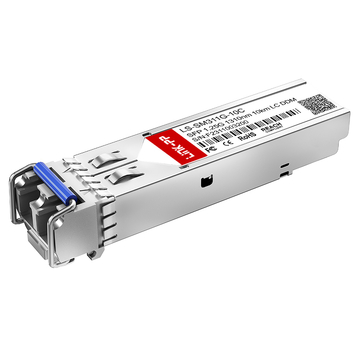
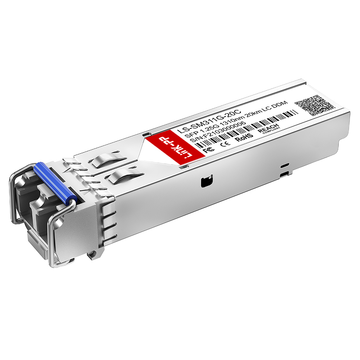
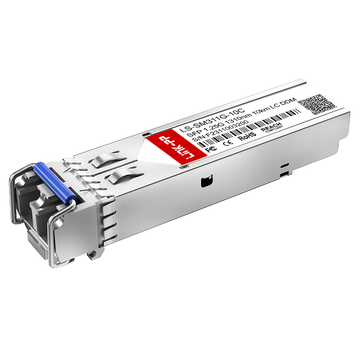
For example, third-party compatible solutions like the LINK-PP LS-SM311G-10C 1000BASE-LX SFP are engineered with these principles in mind, offering reliable performance comparable to AT-SPLX10A in Allied Telesis environments.
Key Differences from OEM Modules
Although third-party compatible modules are designed to replicate the functionality of OEM products like the AT-SPLX10A, the primary differences lie in branding, pricing, and ecosystem integration rather than core technical performance. OEM modules are developed, tested, and certified directly by Allied Telesis, ensuring full alignment with their hardware and firmware. In contrast, compatible modules are produced by independent manufacturers that rely on industry standards and reverse engineering to achieve the same level of interoperability.
Another key distinction is in cost and flexibility. OEM modules typically come at a premium due to brand value and bundled support services, while third-party alternatives offer a more cost-effective option without sacrificing essential performance. Additionally, compatible modules often provide greater flexibility in terms of multi-vendor support and availability, making them particularly attractive for diverse or large-scale network environments where budget and scalability are critical considerations.
Benefits of Using Compatible Transceivers
Using third-party compatible transceivers, like those designed for the AT-SPLX10A, offers several benefits that make them an attractive option for network deployments.
- Cost Savings: Third-party modules typically come at a significantly lower price point compared to OEM options, which can help reduce overall network equipment costs without compromising performance.
- Increased Flexibility: Compatible transceivers are often designed to work across multiple vendors and platforms, providing greater flexibility when mixing and matching equipment within a network.
- Comparable Performance: When properly engineered, compatible modules adhere to the same standards as OEM products, delivering reliable and consistent performance that matches the needs of most network environments.
- Faster Availability: Since third-party manufacturers have less stringent production requirements, compatible modules are often available more quickly, ensuring less downtime and faster deployment.
These advantages make compatible transceivers a viable and practical choice for organizations looking to optimize their network infrastructure.
❇️ AT-SPLX10A Compatibility with Allied Telesis Devices
When using third-party AT-SPLX10A compatible modules, it’s essential to ensure they work smoothly with Allied Telesis devices. These third-party modules are designed to deliver similar performance and functionality as the original but require careful attention to device compatibility, firmware, and other factors to ensure reliable operation in production networks.

Supported Allied Telesis Switches and Routers
The AT-SPLX10A compatible third-party modules are typically supported by a wide range of Allied Telesis switches and routers that accept standard SFP modules. Devices such as the AT-9000 series switches, as well as higher-end products from Allied Telesis, generally work well with these third-party modules. However, note that stacking ports (e.g., ports 27-28 on AT-x510DP series) typically require ATI-qualified modules and may reject third-party SFP modules.
Although these modules are designed to meet industry standards like IEEE 1000BASE-LX, not every model in the Allied Telesis portfolio will support third-party SFPs seamlessly, so always verify compatibility before deployment. Using compatible modules can offer more flexibility and cost savings, but ensuring smooth integration with your network hardware is crucial.
Firmware Considerations and Recognition
Firmware plays a crucial role in ensuring that AT-SPLX10A compatible SFP modules are correctly recognized and function as expected. When using third-party or compatible modules, specific firmware considerations should be kept in mind:
- Firmware Updates: Always ensure that your device is running the latest firmware version. Newer firmware versions may include improved compatibility with third-party transceivers.
- SFP Module Recognition: Some older firmware versions may not correctly recognize third-party modules or may trigger compatibility warnings. In these cases, updating the firmware can resolve recognition issues.
To avoid any potential issues, it's essential to keep both the compatible transceiver and device firmware up-to-date, ensuring optimal performance and avoiding unexpected downtimes.
Troubleshooting Compatibility Issues
While the AT-SPLX10A is designed to be compatible with Allied Telesis devices, compatibility issues can still arise, especially when using third-party modules or in mixed-vendor environments. Below are common troubleshooting steps to resolve compatibility issues:
- Check Device Compatibility: Confirm that your Allied Telesis device supports the AT-SPLX10A or any third-party compatible module.
- Firmware Verification: Ensure both the device and the transceiver have the latest firmware versions installed. Sometimes, the device may fail to recognize the module if the firmware is outdated.
- Physical Inspection: Inspect the SFP port for any dust or dirt that could cause connectivity problems. Make sure the transceiver is properly seated in the slot.
- Log Errors and Diagnostics: Review error logs and diagnostic information for insights into any potential recognition issues. If the device displays error messages regarding the SFP module, it could indicate a compatibility or configuration problem.
By following these steps, you can identify and resolve most compatibility issues quickly, ensuring smooth network operation.
❇️ Cost Advantages of AT-SPLX10A Compatible Alternatives
Cost efficiency is one of the main reasons organizations choose third-party AT-SPLX10A compatible modules over OEM options. While maintaining similar performance and interoperability, these alternatives can significantly reduce both initial investment and long-term operational expenses.

Price Comparison between OEM and Third-Party
OEM AT-SPLX10A modules from Allied Telesis are typically priced at a premium due to brand value, bundled support, and certification processes. This higher cost can become a limiting factor, especially in large-scale deployments where multiple transceivers are required across access and aggregation layers.
In contrast, third-party compatible modules are generally priced much lower while still adhering to the same IEEE and MSA standards. This price gap allows organizations to achieve the same network performance at a fraction of the cost, making compatible alternatives particularly appealing for budget-conscious projects.
Budget Optimization Strategies
Using AT-SPLX10A compatible modules enables more flexible budget allocation across the network infrastructure. Instead of allocating a large portion of the budget to optical transceivers, organizations can redistribute resources to other critical areas such as switching hardware, redundancy design, or network security.
Additionally, procurement strategies can be optimized by sourcing from multiple qualified vendors, reducing dependency on a single supplier. This not only improves pricing competitiveness but also helps mitigate risks related to supply chain constraints or product availability.
ROI for Large-Scale Deployments
In large-scale network environments, such as data centers, campus networks, or ISP infrastructures, the cost savings from using compatible modules can be substantial. When multiplied across hundreds or thousands of ports, even small per-unit savings translate into significant reductions in total capital expenditure.
Over time, this cost efficiency contributes to a higher return on investment (ROI), as organizations can expand or upgrade their networks without proportionally increasing their budget. By balancing performance, compatibility, and cost, AT-SPLX10A compatible alternatives provide a practical path to scalable and sustainable network growth.
❇️ AT-SPLX10A Compatibility Testing and Certification
Ensuring reliable interoperability is critical when using AT-SPLX10A compatible third-party modules. To achieve this, manufacturers implement rigorous testing and certification processes that validate performance, stability, and device compatibility. These measures help guarantee that compatible transceivers can operate seamlessly in Allied Telesis environments.

How Third-Party Modules are Tested
Third-party AT-SPLX10A-compatible modules are usually tested at both the component level and the host-system level. That means vendors validate the optical engine, EEPROM coding, diagnostics, and link behavior before approving the module for shipment.
A solid testing process typically includes:
- Optical performance verification, including wavelength, power output, and receiver sensitivity.
- Host-device recognition checks to confirm that the switch or router identifies the module correctly.
- Link stability testing under normal traffic and extended operation.
- DOM/DDM validation, if the module supports digital monitoring.
This kind of process is especially important for compatible optics, because a module that looks correct on paper still needs to perform consistently in the real device.
Compliance with MSA and Industry Standards
Compliance with MSA (Multi-Source Agreement) and IEEE standards is the foundation of compatibility. AT-SPLX10A compatible modules are designed according to these specifications to ensure consistent physical, electrical, and optical characteristics.
By adhering to standards such as IEEE 802.3z (1000BASE-LX), third-party modules can achieve interoperability across different devices and vendors. This standardization is what enables compatible modules to function reliably in Allied Telesis equipment without requiring proprietary dependencies.
Vendor Compatibility Testing Processes
To ensure seamless integration, many third-party vendors perform compatibility testing using actual Allied Telesis switches and routers. This process involves inserting the module into target devices and verifying recognition, link establishment, and stable data transmission.
Vendors may also simulate different firmware environments to confirm that the module behaves correctly across multiple device versions. This practical validation step is essential to minimize deployment risks and ensure plug-and-play operation in production networks.
Certifications and Quality Guarantees
Reputable third-party manufacturers provide certifications and quality assurances to demonstrate the reliability of their AT-SPLX10A compatible modules. These certifications often include compliance with international standards such as CE, RoHS, and FCC, ensuring safety and environmental compliance.
In addition to formal certifications, many vendors offer warranties, lifecycle testing reports, and quality control documentation. These guarantees provide confidence that the modules will perform consistently over time, making them a dependable alternative to OEM transceivers.
❇️ AT-SPLX10A Alternative Solutions and Recommendations
When OEM optics transceivers are not the best fit, third-party compatible alternative solutions offer a practical path forward for AT-SPLX10A deployments. These options prioritize the same performance profile — 1G single-mode, 10km reach, 1310nm — while adding flexibility in cost, availability, and vendor choice. The key is selecting alternatives that match the technical and operational needs of Allied Telesis environments without introducing unnecessary risk.

When to Choose Third-Party over OEM
Third-party modules make the most sense when OEM pricing or lead times become a barrier to scaling the network. For example, if a project requires dozens of AT-SPLX10A equivalents for campus uplinks or branch connections, compatible alternatives can deliver the same link reliability at a fraction of the cost.
Opt for third-party optics in scenarios like routine expansions, spare inventory builds, or multi-site rollouts where MSA compliance and vendor testing provide sufficient assurance. Reserve OEM for mission-critical paths where direct vendor support is non-negotiable, ensuring the choice aligns with overall risk tolerance and budget goals.
Recommended AT-SPLX10A Compatible SFP Module
For teams seeking a reliable AT-SPLX10A equivalent, the LINK-PP LS-SM311G-10C 1000BASE-LX SFP stands out as a strong option. This module matches the core specs — 1310nm wavelength, up to 10km on single-mode fiber, LC duplex connector, and DOM support — while being engineered for plug-and-play use in Allied Telesis switches and routers.
It is positioned as a cost-effective, MSA-compliant alternative that has been tested for interoperability in similar 1G environments. With its focus on quality coding and stable performance, the LS-SM311G-10C simplifies procurement for organizations prioritizing both savings and dependability.
Factors to Consider when Selecting Third-Party Alternatives
Start by verifying that the module aligns with AT-SPLX10A parameters: 1000BASE-LX, single-mode fiber, 1.25Gbps data rate, and LC interface. Beyond specs, check vendor documentation for Allied Telesis-specific testing and EEPROM coding to minimize recognition issues.
Other key considerations include warranty terms, DOM functionality for monitoring, temperature range compatibility, and bulk pricing. Reputable suppliers also provide clear compliance statements (MSA, RoHS) and real-user feedback, helping ensure the alternative performs as expected in production without hidden integration hurdles.
❇️ Key Takeaways on AT-SPLX10A Compatible Module Interoperability

AT-SPLX10A compatible modules provide a reliable and cost-efficient alternative to OEM transceivers when interoperability is properly ensured. With the support of industry standards and careful compatibility design, these modules can deliver stable performance in Allied Telesis networks.
In practice, a few key points are worth keeping in mind:
- Standards matter: MSA and IEEE compliance are the foundation of seamless interoperability.
- Compatibility is multi-layered: It involves not just hardware fit, but also coding, firmware recognition, and real-device validation.
- Cost savings are significant: Third-party modules help reduce expenses, especially in large-scale deployments.
- Quality makes the difference: Choosing well-tested and certified products ensures consistent and reliable operation.
For a smoother deployment experience, it’s recommended to source from trusted vendors. You can explore proven AT-SPLX10A compatible module solutions through the LINK-PP Official Store, where quality and compatibility are designed to meet real-world networking needs.