
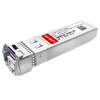

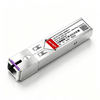
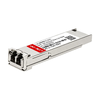






Fiber optic technology has become the backbone of modern high-speed networks, enabling reliable, long-distance data transmission across enterprise, data center, and telecom environments. As network demands grow, organizations increasingly rely on 10G connections to support bandwidth intensive applications, cloud services, and large-scale virtualization. Single mode transceivers are particularly critical in scenarios that require low latency and extended reach, making them an essential component in the network infrastructure.
Among these solutions, Cisco 10GB Single Mode SFP modules stand out for their combination of high performance, compatibility, and operational reliability. These transceivers are designed to deliver consistent 10-gigabit speeds over single-mode fiber, with variations that accommodate different distances, wavelengths, and environmental requirements. Understanding the distinctions between module types and their technical characteristics is vital for engineers and IT professionals who need to optimize network performance and ensure long-term stability.
This article provides a detailed exploration of Cisco 10GB Single Mode SFP optical modules, including their classifications, specifications, technical parameters, and key features. You will gain insights into module selection, deployment scenarios, and performance considerations, equipping them with the knowledge needed to plan and maintain efficient, high-speed fiber networks.
? Overview of Cisco 10GB Single Mode SFP Modules
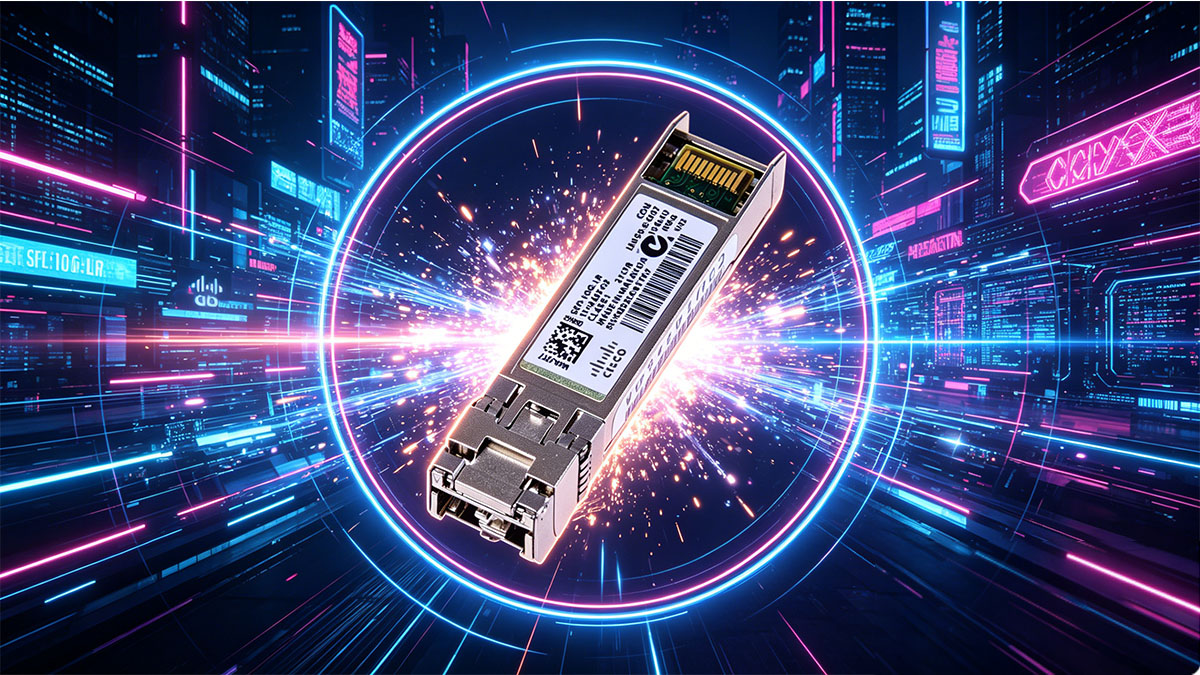
Cisco 10GB Single Mode fiber SFP modules are essential components for high-speed, long-distance fiber optic networks, enabling reliable 10-gigabit connectivity over single-mode fiber. They are designed for environments where bandwidth demands are high, transmission distances exceed several kilometers, and low-latency performance is critical. By selecting the appropriate module, network engineers can ensure optimal throughput, reduced signal degradation, and efficient management across data centers, enterprise backbones, and metro networks.
Definition and Core Functionality
These transceiver modules serve as optical transceivers that convert electrical signals from switches or routers into optical signals suitable for transmission over single-mode fiber, and vice versa at the receiving end. Their design supports 10Gbps data rates with minimal signal loss, making them suitable for long-distance deployments. They also include features such as:
- Hot-swappable operation to reduce network downtime.
- Low power consumption to maintain energy efficiency in dense network environments.
- Digital Diagnostics Monitoring (DDM) for real-time metrics including temperature, voltage, and optical power.
The main benefits of these modules can be summarized as:
- Enabling reliable long-distance transmission for enterprise and telecom networks.
- Supporting high-bandwidth applications such as virtualization, cloud services, and video streaming.
- Simplifying maintenance through monitoring capabilities and plug-and-play installation.
Cisco Optical Portfolio Positioning
Cisco 10GB Single Mode SFP modules are positioned between standard SFP 1G and higher-capacity QSFP+ 40G/QSFP28 100G modules in the Cisco product hierarchy. This placement balances performance, cost, and deployment flexibility. The modules are categorized by reach, wavelength, and compatibility:
| Module Type | Typical Reach | Wavelength | Common Use Case |
|---|---|---|---|
| SFP-10G-LR | 10 km | 1310 nm | Enterprise and data center links |
| SFP-10G-ER | 40 km | 1550 nm | Metro networks |
| SFP-10G-ZR | 80 km | 1550 nm | Long-haul backbone connections |
Each module type is designed to integrate seamlessly with Cisco SFP+ ports, ensuring consistent network performance. Choosing the correct module depends on factors such as required transmission distance, environmental conditions, and application-specific bandwidth demands.
Core Advantages and Deployment Scenarios
Cisco 10GB Single Mode SFP modules offer advantages that extend beyond raw speed. They enable long-distance connectivity without compromising signal integrity, support proactive network management through DDM, and reduce operational complexity through plug-and-play installation. Typical deployment scenarios include:
- Data center interconnects spanning multiple sites.
- Enterprise backbone networks connecting core, distribution, and aggregation layers.
- Metro and long-haul telecommunications networks requiring high reliability and extended reach.
By understanding their core functionality, portfolio positioning, and deployment scenarios, network engineers can make informed decisions to maintain high performance and scalable network architecture.
? Classification of Cisco 10GB Single Mode SFP Modules
Cisco 10GB Single Mode SFP modules can be classified based on transmission distance, wavelength, connector type, and environmental grade. Understanding these classifications helps network engineers select the right module for specific deployment scenarios, ensuring optimal performance and network reliability.
Classification by Transmission Distance
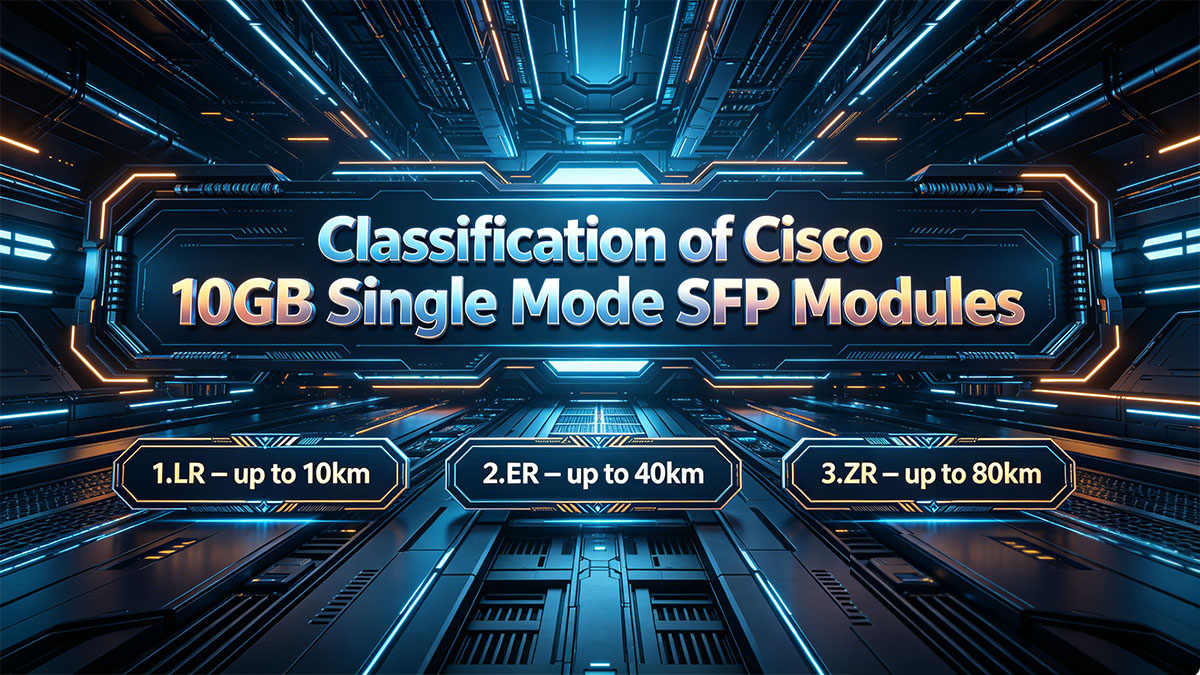
Transmission distance is the most critical factor when choosing a module, as it determines whether a signal can reach its destination without repeaters or amplifiers. Cisco modules are generally grouped into three categories:
- Short Reach (LR): Supports distances up to 10 km over standard single-mode fiber, commonly used in enterprise and data center networks.
- Extended Reach (ER): Covers distances up to 40 km, suitable for metro networks and inter-building connections.
- Long-Haul (ZR): Designed for distances up to 80 km, ideal for telecommunications and long-distance backbone links.
These categories allow engineers to match module capabilities with network layout and distance requirements, reducing the risk of signal degradation or network downtime.
Classification by Wavelength
Wavelength affects the propagation characteristics of optical signals and their interaction with fiber attenuation and dispersion. Cisco 10GB Single Mode SFP modules typically use:
- 1310 nm: Standard long-reach wavelength, used in most LR modules.
- 1550 nm: Extended wavelength for ER and ZR modules, optimized for longer distances and lower attenuation over single-mode fiber.
Selecting the correct wavelength ensures maximum transmission efficiency and minimizes optical losses across the network.
Classification by Connector Type
The connector type determines physical compatibility with fiber cabling infrastructure. Cisco 10GB Single Mode SFP modules primarily use:
- LC Duplex: The industry standard for single-mode SFP modules, providing reliable connections with minimal insertion loss.
This standardization simplifies installation and ensures consistent interoperability across Cisco and third-party equipment.
Classification by Environmental Grade
Modules may also be classified based on operating conditions, particularly temperature ranges:
- Commercial Grade: Operating temperature from 0°C to 70°C, suitable for standard data centers and office environments.
- Industrial/Ruggedized: Operating temperature from -40°C to 85°C, designed for harsh environments, outdoor installations, or industrial automation networks.
Choosing the correct grade ensures module reliability in the intended operational environment.
Summary Table of Cisco 10GB Single Mode SFP Classifications
| Classification | Categories / Options | Typical Applications |
|---|---|---|
| Transmission Distance | LR (10 km), ER (40 km), ZR (80 km) | Enterprise, Metro, Telecom backbone |
| Wavelength | 1310 nm, 1550 nm | Long-reach or extended-distance links |
| Connector Type | LC Duplex | Standard fiber patching and cabling |
| Environmental Grade | Commercial, Industrial/Ruggedized | Data centers, outdoor/industrial setups |
This classification framework enables IT professionals to make informed decisions, balancing reach, performance, and environmental requirements. Properly selected modules maximize network efficiency while reducing unnecessary upgrades or replacements.
? Key Specifications of Cisco 10GB Single Mode SFP
Cisco 10GB Single Mode SFP modules are engineered to deliver high-speed, reliable optical performance. Understanding their key specifications is essential for ensuring optimal network operation, selecting the right module for the required distance, and maintaining signal integrity across the network.
Core Optical Parameters
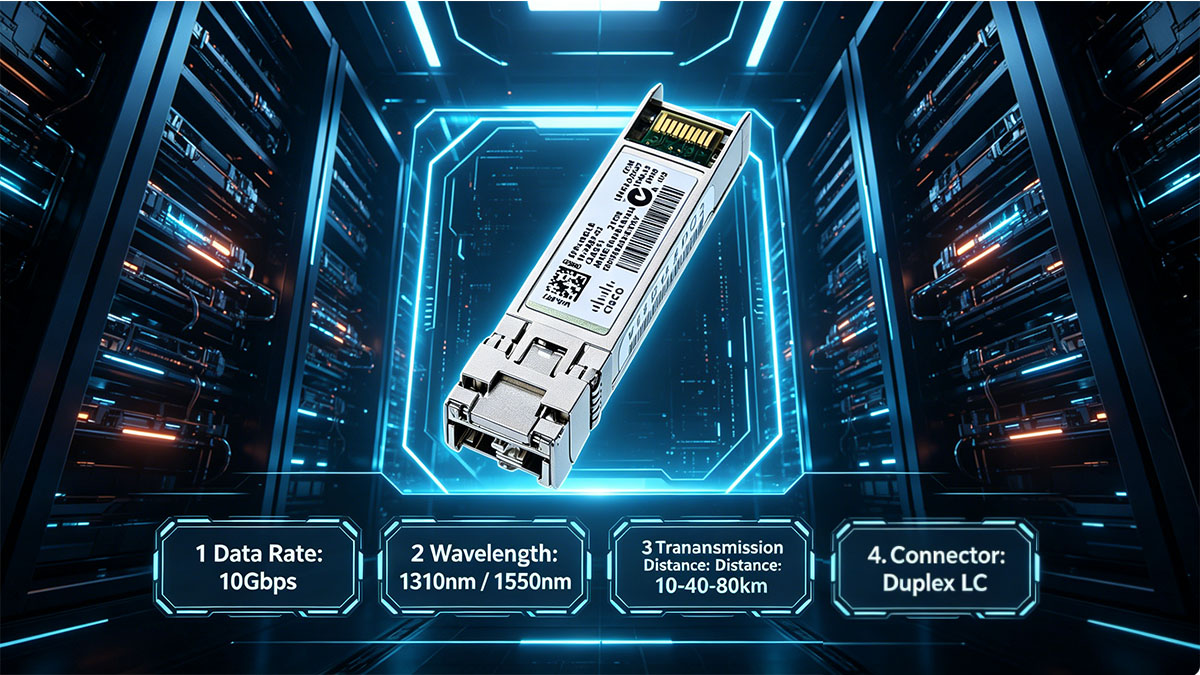
The core optical specifications define the fundamental performance of these modules, including data rate, transmission distance, wavelength, and fiber type. These parameters directly impact network design and deployment decisions.
| Parameter | Specification | Notes |
|---|---|---|
| Data Rate | 10 Gbps | Standard for SFP+ modules |
| Transmission Distance | 10 km (LR), 40 km (ER), 80 km (ZR) | Depends on module type and fiber quality |
| Wavelength | 1310 nm (LR), 1550 nm (ER/ZR) | Affects attenuation and dispersion |
| Fiber Type | OS2 Single-Mode Fiber | Optimized for long-distance transmission |
These parameters guide engineers in matching the module to network requirements, ensuring that both reach and signal quality meet the intended operational standards.
Transmitter and Receiver Characteristics
The transmitter and receiver define the optical signal strength and sensitivity, which determine the module's ability to maintain signal integrity over distance. Key considerations include:
- Transmitter Output Power: Ensures sufficient optical power to reach the receiver without degradation.
- Receiver Sensitivity: Minimum signal level required for error-free reception.
- Optical Budget: Calculated as the difference between transmitter power and receiver sensitivity, guiding maximum reliable distance.
Accurate evaluation of these characteristics is crucial for avoiding network errors and minimizing the need for repeaters or amplifiers.
Digital Diagnostics Monitoring (DDM/DOM)
Most Cisco 10GB Single Mode SFP modules support DDM (also known as DOM), providing real-time monitoring of operational parameters:
- Transmitter and receiver optical power
- Module temperature
- Supply voltage
- Laser bias current
DDM enhances network reliability by allowing proactive detection of potential faults and ensuring modules operate within safe parameters.
Power Consumption and Efficiency
Low power consumption is another critical specification that impacts thermal management and energy efficiency in high-density network environments. Typical SFP+ modules operate at:
- Power consumption around 1W per module
- Reduced heat generation to maintain switch and router stability
- Compliance with energy efficiency standards for large-scale deployments
Selecting modules with appropriate power profiles ensures sustainable operation and reduces cooling requirements in data centers.
? Performance Parameters and Technical Considerations
Cisco 10GB Single Mode SFP modules deliver high-speed optical connectivity, but their performance depends on multiple technical parameters. Understanding these factors is essential for ensuring reliable data transmission, minimizing signal loss, and optimizing network design.
Optical Link Budget and Signal Integrity
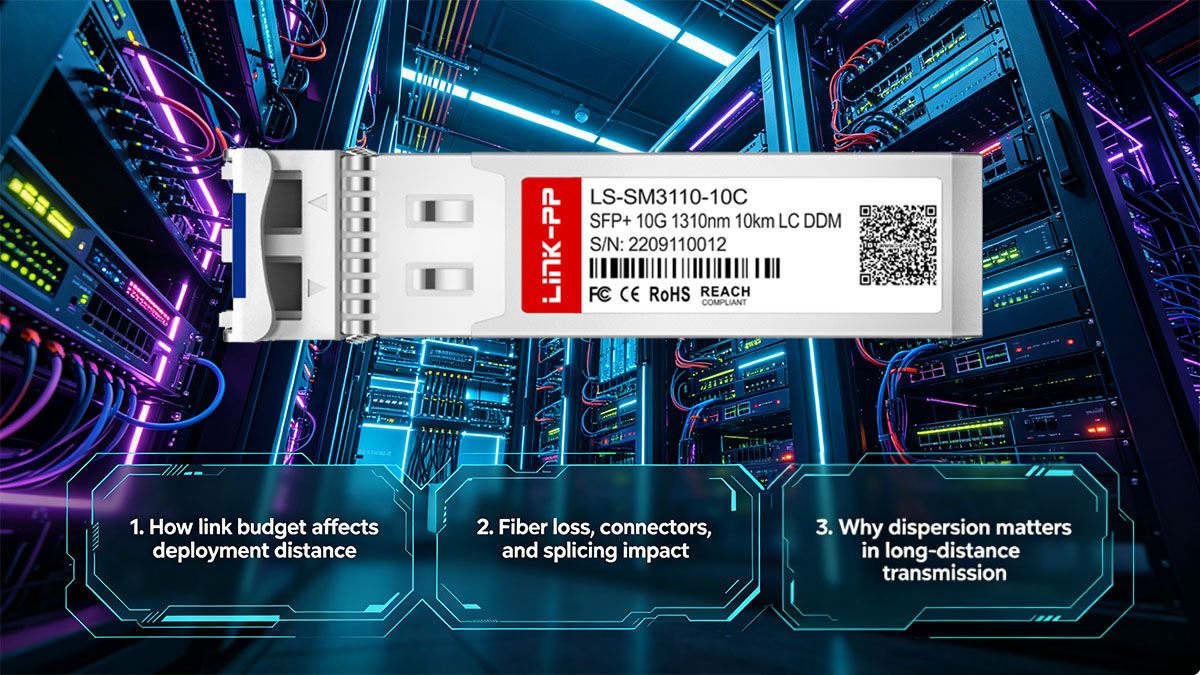
The optical link budget determines the maximum distance a module can reliably transmit data without requiring repeaters or signal amplifiers. It is calculated as the difference between transmitter output power and receiver sensitivity, minus any losses from connectors, splices, or fiber attenuation.
Key considerations for maintaining signal integrity include:
- Evaluating fiber attenuation per kilometer to ensure sufficient optical power reaches the receiver.
- Minimizing connector and splice losses through proper installation and maintenance.
- Ensuring the selected module's optical budget exceeds total link loss for the intended deployment distance.
Accurately assessing these factors allows engineers to predict the module's effective reach and identify potential sources of signal degradation. To quantify these considerations, optical link parameters such as transmitter power, receiver sensitivity, and total link budget can be summarized in the following table:
| Parameter | Typical Range / Value | Impact on Performance |
|---|---|---|
| Transmitter Power | -2 to +5 dBm | Determines reach; higher power supports longer distances |
| Receiver Sensitivity | -14 dBm (LR), -12 dBm (ER) | Lower sensitivity may require shorter spans or higher transmitter power |
| Link Budget | 10–18 dB (varies by module) | Ensures signal integrity over distance |
By understanding and applying these specifications, network designers can maintain high data fidelity and reduce the risk of transmission errors, ensuring consistent 10Gbps performance over single-mode fiber links.
Chromatic Dispersion and Its Effects
Chromatic dispersion occurs when different wavelengths of light travel at slightly different speeds through the fiber, potentially causing pulse broadening and signal degradation over long distances. Cisco 10GB Single Mode SFP modules are designed to mitigate dispersion effects, but engineers should consider:
- Using ER or ZR modules for distances exceeding 10–40 km where dispersion impact becomes significant.
- Ensuring fiber types match module specifications (OS2 single-mode fiber is standard).
- Evaluating dispersion compensation if links approach maximum module reach.
Addressing chromatic dispersion is essential for maintaining error-free 10Gbps transmission, especially in long-haul deployments.
Latency and Transmission Stability
Cisco 10GB Single Mode SFP modules offer low-latency transmission, making them suitable for high-performance applications such as data center interconnects, financial trading networks, and real-time video streaming. Key performance considerations include:
- Consistency of signal delivery across long distances.
- Stability under varying temperature and environmental conditions.
- Impact of multiple fiber spans or intermediate connectors on latency.
Maintaining stable transmission ensures predictable network behavior, reduces jitter, and supports quality of service (QoS) for latency-sensitive applications.
? Key Features of Cisco 10GB Single Mode SFP
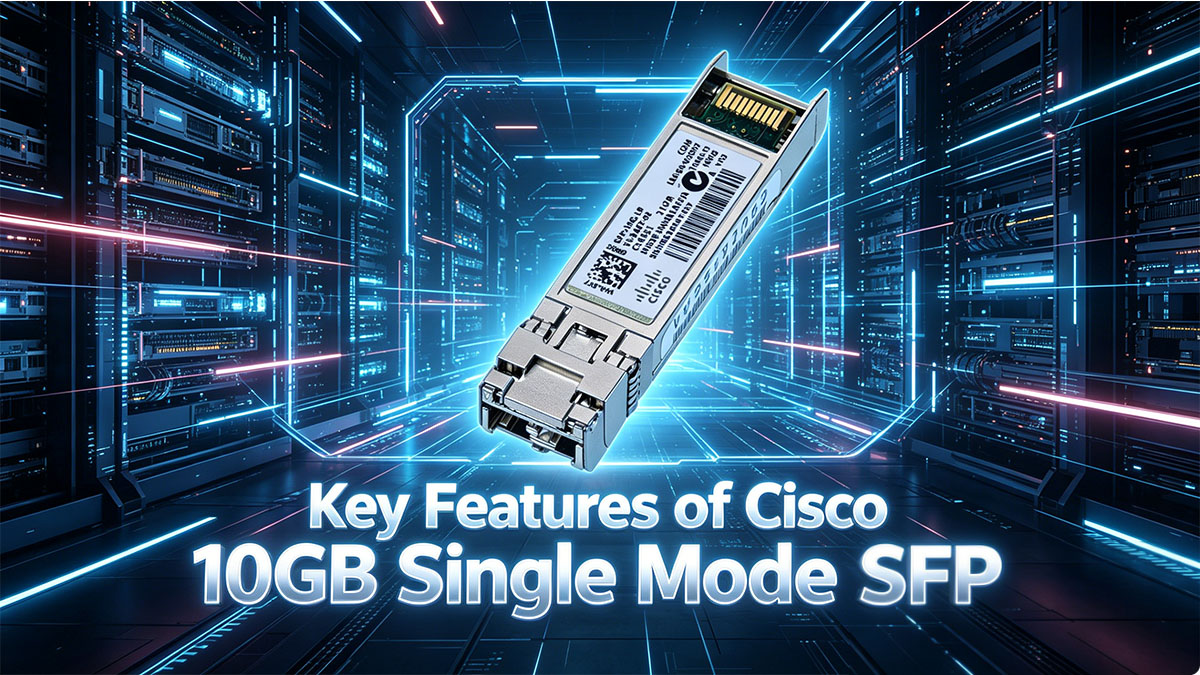
Cisco 10GB Single Mode SFP modules offer a combination of high-speed performance, reliability, and operational flexibility. These features enable network engineers to deploy, monitor, and maintain high-performance fiber optic networks with minimal disruption. Understanding the key capabilities of these modules is essential for maximizing network efficiency and long-term stability.
Hot-Swappable Design
One of the most practical features of Cisco SFP modules is their hot-swappable design, which allows modules to be inserted or removed without powering down the network device. This capability provides several benefits:
- Minimizes network downtime during maintenance or upgrades.
- Simplifies module replacement in high-density switch and router environments.
- Enables quick scalability as network requirements grow.
The hot-swappable feature ensures that operational continuity is maintained, even during routine maintenance or emergency replacements.
High Compatibility and Interoperability
Cisco 10GB Single Mode SFP modules are engineered for seamless integration within the Cisco ecosystem. They also maintain a degree of interoperability with multi-vendor equipment when standards-compliant interfaces are used. Key points include:
- Full support for Cisco SFP+ ports across switches and routers.
- Compatibility with industry-standard LC duplex connectors.
- Adherence to SFF-8431 and SFF-8432 MSA (Multi-Source Agreement) standards for SFP+ transceivers.
This ensures network engineers can deploy modules confidently without unexpected compatibility issues, reducing troubleshooting time and enhancing network reliability.
Reliability and Longevity
Reliability is a core consideration for high-speed transceivers. Cisco 10GB Single Mode SFP modules are tested for extended operational life and consistent performance under varying environmental conditions. Notable aspects include:
- High MTBF (Mean Time Between Failures), supporting continuous operation over several years.
- Resistance to temperature fluctuations and minor mechanical stress.
- Compliance with industry quality standards to ensure predictable performance.
Advanced Monitoring Capabilities
Most Cisco SFP modules support Digital Diagnostics Monitoring (DDM/DOM), providing real-time visibility into module operation. The monitored parameters help engineers proactively manage the network:
| Feature | Monitored Parameter | Benefits |
|---|---|---|
| Optical Power Monitoring | Transmit and receive power (dBm) | Detects signal degradation early |
| Temperature Monitoring | Module temperature (°C) | Prevents overheating and thermal shutdowns |
| Voltage Monitoring | Supply voltage (V) | Ensures stable power delivery |
| Laser Bias Current | Laser drive current (mA) | Identifies potential laser degradation |
By leveraging DDM, network operators can identify potential issues before they cause downtime, optimize maintenance schedules, and extend the operational lifespan of modules.
? Common Cisco 10GB Single Mode SFP Models Explained
Cisco offers several 10GB Single Mode SFP modules tailored to different transmission distances and network applications. Selecting the appropriate module ensures optimal performance, minimal signal loss, and network reliability. The most commonly deployed models are SFP-10G-LR, SFP-10G-ER, and SFP-10G-ZR. Each module type is designed for specific reach and deployment scenarios.

SFP-10G-LR
The SFP-10G-LR module is designed for standard long-reach connections up to 10 km over single-mode fiber, making it the most widely used module in enterprise and data center networks. It balances cost and performance, providing reliable 10Gbps transmission without the need for additional amplification.
Key features of SFP-10G-LR include:
- Transmission distance up to 10 km over OS2 single-mode fiber.
- LC duplex connector standard for ease of integration.
- Hot-swappable design for minimal network downtime.
This module is ideal for intra-building connections or short campus links where moderate distance and standard optical power are sufficient.
SFP-10G-ER
The SFP-10G-ER module extends the transmission reach up to 40 km, making it suitable for metropolitan networks or inter-building connections within a city. Compared to LR modules, ER modules require higher optical power and more precise link budget planning to ensure signal integrity over longer distances.
Important specifications and considerations for SFP-10G-ER include:
- Extended reach of up to 40 km on single-mode fiber.
- Wavelength of 1550 nm to minimize attenuation.
- Higher transmitter power requirements to maintain signal quality.
Engineers should evaluate the optical link budget carefully and ensure fiber quality is adequate for ER deployment, particularly in scenarios with multiple splices or connectors.
SFP-10G-ZR
The SFP-10G-ZR module is designed for ultra-long-haul transmissions up to 80 km, targeting long-distance backbone connections and data center interconnects. Its higher optical power and longer reach make it suitable for demanding network scenarios, but careful planning for dispersion compensation is required to maintain signal integrity over extreme distances.
Key considerations for SFP-10G-ZR include:
- Maximum transmission distance of 80 km over single-mode fiber.
- Requires 1550 nm wavelength and high transmitter power.
- Consideration of chromatic dispersion and potential need for dispersion compensation.
SFP-10G-ZR modules are ideal for long-haul telecom links, cross-city connections, and dark fiber deployments where maintaining low latency and high signal quality is critical.
? Deployment Scenarios and Use Cases
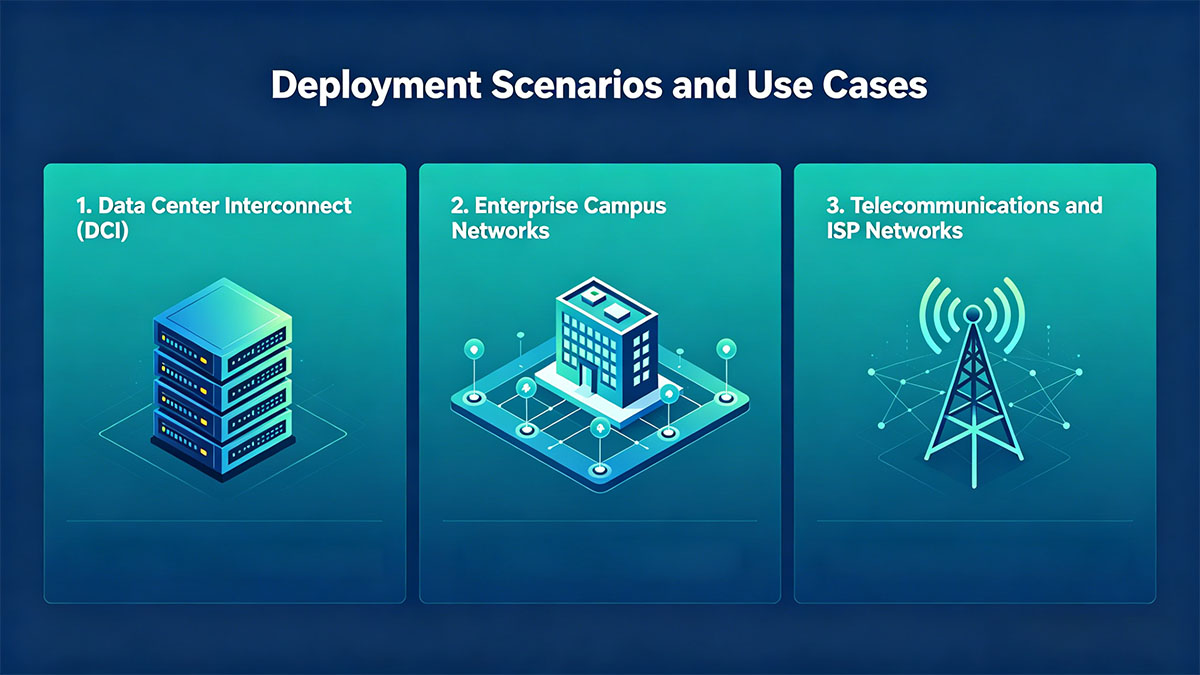
Cisco 10GB Single Mode SFP modules are versatile transceivers that support a range of deployment scenarios, from short intra-campus links to long-haul telecommunications. Selecting the appropriate module type ensures optimal network performance, low latency, and reliable 10Gbps connectivity across various applications.
Data Center Interconnect (DCI)
Data Center Interconnect (DCI) networks require high-speed, low-latency optical links to connect multiple data centers or storage clusters over moderate to long distances. Cisco 10GB Single Mode SFP modules provide the flexibility and reach required for these environments.
Key considerations for DCI deployment include:
- Using SFP-10G-ER modules for medium-range connections up to 40 km.
- Employing SFP-10G-ZR modules for long-haul links up to 80 km when data centers are geographically distant.
- Monitoring link performance via DDM to proactively detect degradation and maintain high availability.
- Planning for dispersion compensation on ZR links to maintain signal integrity over long distances.
DCI deployments benefit from these modules by enabling high-bandwidth replication, real-time analytics, and seamless cloud integration between facilities.
Enterprise Campus Networks
Within enterprise campuses, 10GB Single Mode SFP modules are commonly used to connect switches, routers, and aggregation layers across buildings or across a single site. The primary goal is to ensure high-speed connectivity for applications such as virtualization, video conferencing, and large file transfers.
Deployment recommendations include:
- Utilizing SFP-10G-LR modules for intra-campus connections up to 10 km.
- Ensuring minimal connector and splice losses to maintain signal quality.
- Leveraging hot-swappable modules to reduce downtime during maintenance or upgrades.
By selecting the correct module type and optimizing link layout, enterprises can maintain reliable high-speed communication across all campus facilities.
Telecommunications and ISP Networks
Telecommunications providers and ISPs require long-reach, high-capacity links to connect central offices, metro networks, and intercity backbones. Cisco 10GB Single Mode SFP modules offer both reliability and scalability for these demanding environments.
Important considerations for telecom and ISP networks include:
- Using SFP-10G-ER for metro connections and SFP-10G-ZR for long-haul links.
- Planning optical link budgets to account for multiple splices, connectors, and fiber attenuation.
- Incorporating DDM monitoring to detect early signs of signal degradation.
- Evaluating dispersion compensation requirements for ZR deployments to maintain low error rates.
These modules support stable, high-throughput 10Gbps connectivity, enabling ISPs to deliver consistent service levels and support bandwidth-intensive applications over long distances.
? Best Practices for Selecting the Right Cisco 10GB Single Mode SFP
Selecting the appropriate Cisco 10GB Single Mode fiber optic SFP module is critical to ensure optimal network performance, reliability, and future readiness. Adhering to best practices during module selection can prevent network downtime, reduce maintenance costs, and maximize the longevity of your optical infrastructure.
Matching Distance and Application Requirements
Choosing a module that aligns with your network's distance and application needs is essential to avoid over- or under-specification. Using an over-specified module may increase costs unnecessarily, while under-specification can lead to signal degradation or connectivity issues.
Key considerations include:
- Assess the required transmission distance and select the corresponding module (LR for up to 10 km, ER for 40 km, ZR for 80 km).
- Match the module type to the network application (campus connectivity, data center interconnect, metro or long-haul links).
- Verify that the optical budget supports the planned link, including fiber attenuation, splices, and connectors.
Correctly matching the module ensures reliable 10Gbps performance without incurring extra cost or risking signal quality.
Ensuring Compatibility with Network Equipment
Not all SFP modules are compatible with every switch or router, so confirming hardware support is vital for smooth deployment.
Best practices include:
- Check Cisco's official switch and router support lists for the specific SFP module.
- Verify that the module interface and connector type (typically LC duplex) matches the network equipment ports.
- Ensure the firmware version of network devices supports the module for proper operation and DDM functionality.
Proper compatibility checks prevent installation failures and help maintain consistent network performance.
Considering Environmental Conditions
Environmental factors can significantly affect module performance and longevity. Cisco 10GB Single Mode SFP modules are designed to operate under specific temperature and humidity ranges.
Deployment guidelines include:
- Ensure modules are installed in environments within specified operating temperature and humidity ranges.
- Avoid exposure to excessive dust, vibration, or direct sunlight.
- Use proper cooling and airflow management in high-density rack deployments to prevent thermal stress.
Considering environmental conditions during selection helps prevent premature failures and maintains reliable 10Gbps connectivity.
Planning for Future Scalability
Networks are dynamic and constantly growing, so planning for scalability ensures that SFP transceiver choices remain relevant as the network expands.
Scalability considerations include:
- Selecting modules with sufficient reach and optical budget to accommodate future distance increases.
- Anticipating future network bandwidth needs and potential upgrade paths (e.g., migration from SFP+ 10G to SFP28 25G or higher).
- Designing fiber infrastructure with spare capacity for additional modules or redundancy.
Planning ahead reduces future upgrade costs and ensures smooth network expansion without service disruption.
? Conclusion
Cisco 10GB Single Mode SFP modules provide reliable, high-speed optical connectivity across a variety of network deployments, including enterprise campuses, data center interconnects, and long-haul telecommunications networks. Understanding module classifications, key specifications, performance parameters, and deployment best practices ensures optimal network performance, signal integrity, and scalability. Proper selection and planning allow organizations to achieve consistent 10Gbps transmission while minimizing downtime and maintenance challenges.
Key Takeaways
- Versatile Deployment: Suitable for short intra-campus links, metro networks, and long-haul backbones.
- Optimized Performance: Modules like SFP-10G-LR, ER, and ZR provide tailored reach, optical power, and wavelength options.
- Reliability and Monitoring: Hot-swappable design and DDM capabilities ensure operational stability and proactive maintenance.
- Scalability and Future-Proofing: Supports network growth and upgrade paths with appropriate link budget and fiber planning.
For organizations seeking high-quality Cisco 10GB Single Mode SFP modules and related optical solutions, exploring the LINK-PP Official Store provides access to a full range of compatible transceivers, detailed technical specifications, and support resources. Leveraging these modules can streamline network deployment, enhance performance, and ensure reliable high-speed connectivity across all types of optical networks.