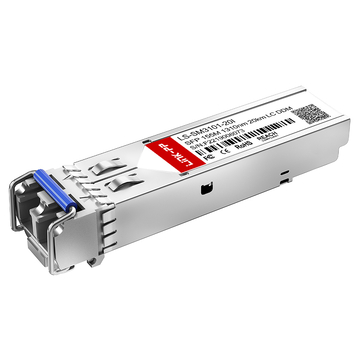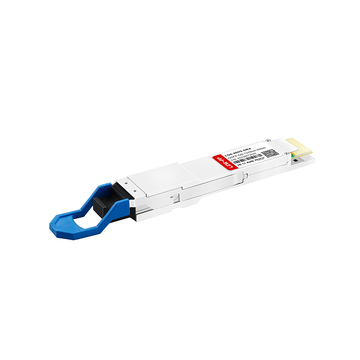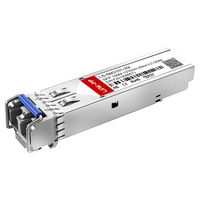


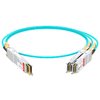
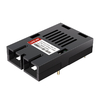
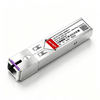
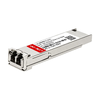
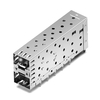
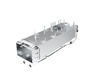
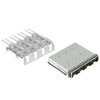

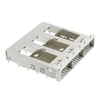





How can industrial networks maintain flawless data transmission across miles of harsh, unpredictable environments without dropping a single packet? As modern automation and surveillance infrastructure expand, standard networking hardware often fails under extreme thermal and physical stress. This is where specialized, industrial-grade transceivers like the SFP-3 become critical for ensuring absolute network stability.
But what exactly makes the SFP-3 the go-to component for mission-critical core links, and how do we accurately measure its reliability? In this article, we will evaluate the architectural strengths, thermal endurance, and optical signal budgeting of this robust transceiver. Ultimately, you will discover how to optimize your 100BASE-FX Fast Ethernet links to achieve maximum uptime and long-term performance.
✏️ Introduction to the ComNet SFP-3 Transceiver Architecture
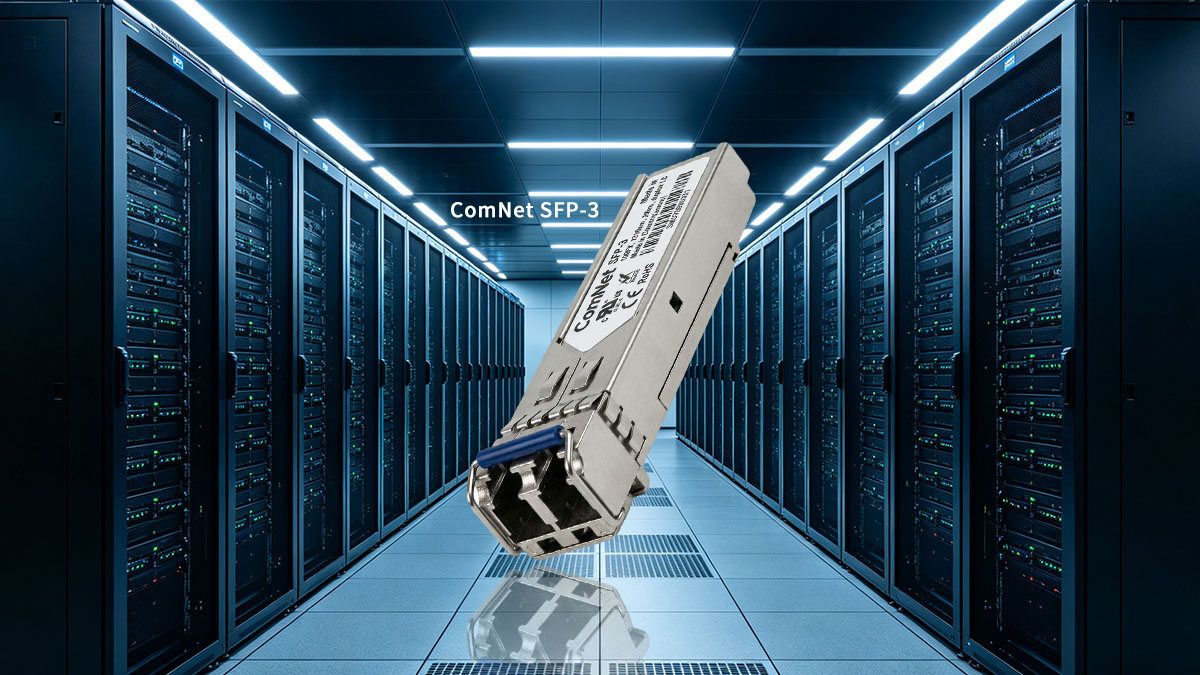
The ComNet SFP-3 transceiver represents a cornerstone in ruggedized networking, specifically designed to bridge the gap between high-speed data transmission and extreme environmental demands. This module integrates advanced optical engineering with a small form-factor design to deliver highly reliable connectivity across critical infrastructure. By exploring its architecture, we can better understand how it maintains seamless performance where standard hardware fails.
Hardware Profiling: 100BASE-FX Fast Ethernet Standards
The SFP-3 transceiver strictly operates under the 100BASE-FX Fast Ethernet standard, providing a dependable 100Mbps data rate. This legacy standard remains highly valued in industrial sectors because it prioritizes transmission stability and deterministic performance over raw, unnecessary speed.
By utilizing this specific protocol, the hardware ensures complete compatibility with existing industrial control systems and legacy fiber networks. It effectively eliminates the packet loss and high latency often associated with copper wiring in high-interference areas.
Core Optical Mapping: 1310nm Wavelength over 20km Single-Mode Fiber
To achieve its impressive 20-kilometer transmission range, the SFP-3 utilizes a 1310nm optical wavelength optimized for single-mode fiber pathways. This specific wavelength strikes an ideal balance, offering low signal attenuation and minimal dispersion over long distances.
By pushing data through thin single-mode fiber cores, the light travels efficiently with very little degradation. This long-haul capability makes the module an excellent choice for connecting geographically dispersed nodes without requiring expensive intermediate signal repeaters.
Form Factor Architecture: The Role of LC Duplex Interfaces
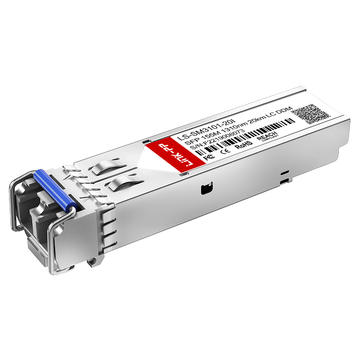
The physical layout of the SFP-3 is built around the industry-standard Small Form-Factor Pluggable (SFP) housing, featuring a LC duplex interface. This compact design allows for high port density on network switches, saving valuable space inside crowded electrical enclosures.
The LC duplex connector provides separate, dedicated fiber lines for transmitting (TX) and receiving (RX) data simultaneously. This structural design ensures secure, snap-in mechanical locking that resists heavy vibrations and accidental disconnections.
Target Use Cases: Industrial Automation, Transport, and Surveillance Networks
The robust architecture of the SFP-3 makes it uniquely suited for heavy-duty applications where network downtime is simply not an option. It is regularly deployed across three primary sectors:
- Industrial Automation: It safely connects programmable logic controllers (PLCs) on factory floors plagued by severe electromagnetic interference.
- Transportation Infrastructure: It links roadside traffic cabinets and rail signaling systems along miles of remote tracks.
- Surveillance Networks: It carries high-definition video feeds from distant outdoor IP cameras back to central monitoring stations.
✏️ Core Reliability Metrics for SFP-3 Industrial Implementations
Deploying networking hardware in industrial environments requires strict adherence to predictable performance standards. For the SFP-3 transceiver, reliability is quantified through precise optical, electronic, and thermal benchmarks that ensure continuous operation. Understanding these core metrics allows network engineers to calculate exact link longevity and prevent unexpected network dropouts.
Understanding Mean Time Between Failures in Hardened Hardware
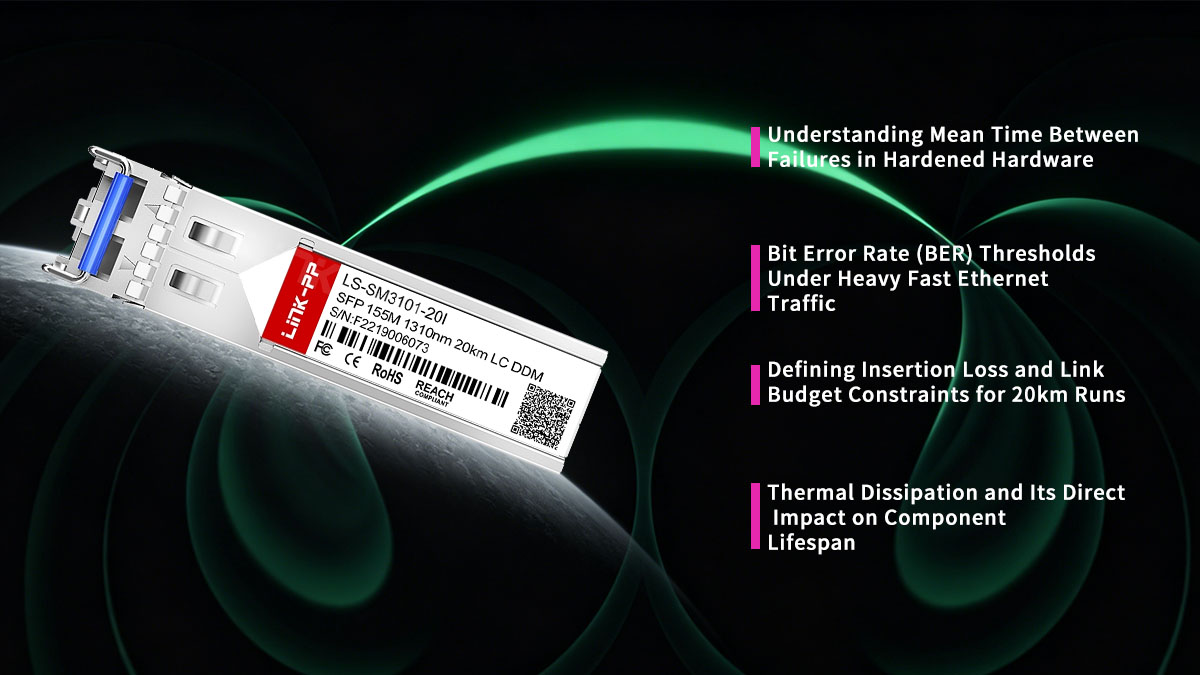
The Mean Time Between Failures (MTBF) is a critical statistical metric that highlights the long-term reliability of the SFP-3 under continuous operation. Because this hardware is heavily ruggedized, its MTBF is significantly higher than standard commercial-grade transceivers.
This extended lifespan is achieved by using premium, industrial-grade internal components that resist electrical degradation over time. A high MTBF rating translates directly to lower maintenance costs and fewer emergency hardware replacements in the field.
Bit Error Rate (BER) Thresholds Under Heavy Fast Ethernet Traffic
The Bit Error Rate (BER) measures the percentage of transmitted bits that encounter errors due to noise, interference, or signal attenuation. Under heavy Fast Ethernet traffic, the SFP-3 maintains a strict, low BER threshold to guarantee data integrity.
By keeping the BER exceptionally low, the transceiver ensures that critical automation commands or video packets are delivered without corruption. This precise performance prevents the need for data retransmissions, keeping latency low and network throughput highly predictable.
Defining Insertion Loss and Link Budget Constraints for 20km Runs
When deploying the SFP-3 across a maximum range of 20 kilometers, managing the optical signal budget is essential for preventing link failures. Signal loss naturally occurs due to fiber attenuation, connector interfaces, and mechanical splices along the single-mode fiber pathway. Engineers must calculate these losses to ensure the remaining optical power stays well within the receiver's operational limits.
The following data table outlines the typical optical signal constraints and power budget distribution required for a successful 20km fiber run:
| Budget Parameter | Standard Value | Impact on 20km Core Link |
| Total Optical Power Budget | 9.0dB to 16.0dB | The total allowable signal loss before link failure occurs. |
| Fiber Attenuation (1310nm) | ~0.35dB/km | Cumulative loss over distance, totaling roughly 7.0dB for a 20km run. |
| Connector Insertion Loss | 0.25dB to 0.50dB per pair | Fixed loss introduced at each patch panel or adapter interface. |
| Splice Loss Allowance | 0.10dB per fusion splice | Minor signal degradation caused by permanent fiber joins along the path. |
| Safety Power Margin | 3.0dB | Reserved buffer to compensate for component aging and future repairs. |
Thermal Dissipation and Its Direct Impact on Component Lifespan
Efficient thermal dissipation is vital for keeping the internal laser diode of the SFP-3 running at its optimal wavelength. Excessive heat buildup alters electrical resistance and degrades optical output power, which can lead to premature transceiver failure.
The SFP-3 incorporates an advanced metal chassis designed to conduct heat away from sensitive internal circuitry and out into the switch housing. This superior thermal design stabilizes signal performance and directly protects the hardware from heat-induced degradation.
✏️ Evaluating SFP-3 Environmental Endurance and Temperature Ratings
Industrial network deployments frequently expose hardware to severe environmental extremes that would instantly cripple standard office equipment. The SFP-3 transceiver is explicitly engineered to withstand these harsh conditions through rigorous ruggedization and advanced thermal engineering. By validating its performance across broad temperature spectrums, operators can confidently deploy this module in the world's most unforgiving climates.
Industrial Hardening: The -40°C to +75°C Operating Window
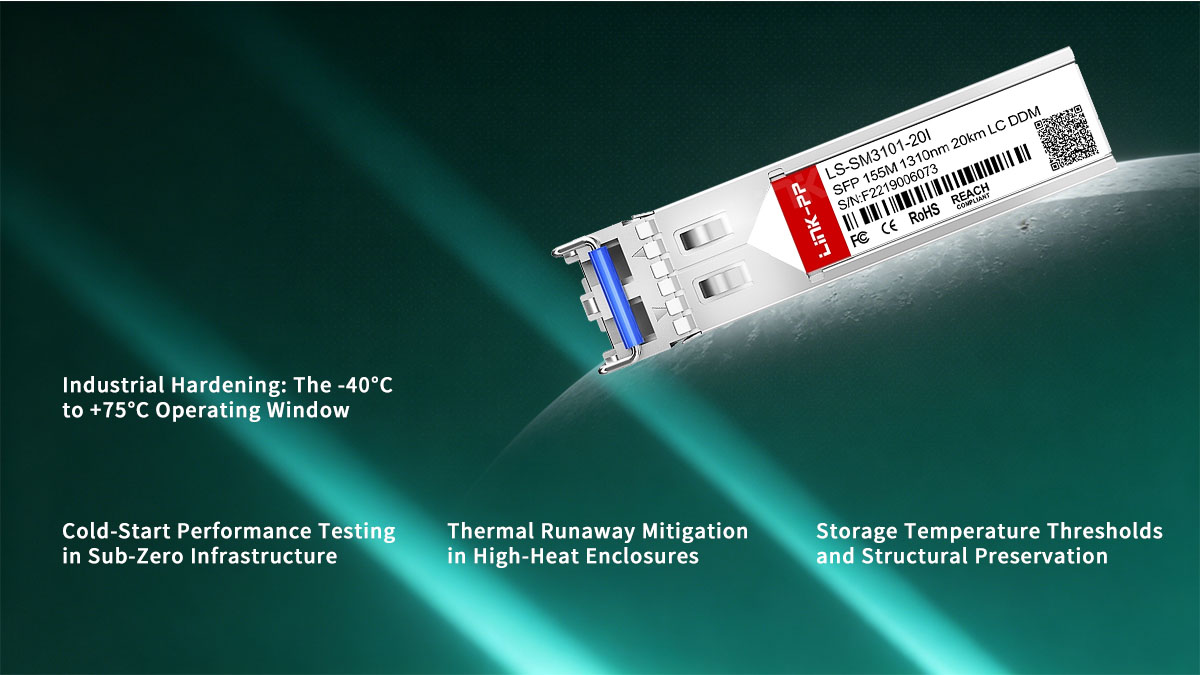
The SFP-3 features heavy-duty industrial hardening that allows it to operate flawlessly in temperatures ranging from -40°C up to +75°C. This wide operational window ensures the transceiver maintains optimal optical output and electrical stability despite sudden weather shifts.
Unlike commercial transceivers that experience severe signal drift when exposed to extreme conditions, this hardened module uses specialized internal circuitry to self-compensate. This guarantees a highly stable 100BASE-FX link whether deployed in a freezing roadside cabinet or a sweltering desert enclosure.
Cold-Start Performance Testing in Sub-Zero Infrastructure
Booting up networking equipment in sub-zero environments introduces unique hardware challenges, as extreme cold can alter laser diode characteristics and freeze critical electrical properties. The SFP-3 undergoes rigorous cold-start performance testing to ensure it can initialize instantly at temperatures as low as -40°C.
During a sub-zero boot sequence, the transceiver's internal components quickly stabilize without throwing link-loss errors or dropping packets. This immediate synchronization prevents prolonged network downtime during winter power outages or scheduled system reboots in arctic infrastructure.
Thermal Runaway Mitigation in High-Heat Enclosures
In tightly sealed, unventilated industrial enclosures, ambient heat combined with internal hardware power consumption can quickly trigger dangerous thermal runaway. The SFP-3 addresses this threat by utilizing highly efficient heat dissipation paths that prevent thermal buildup inside the module casing.
By actively channeling heat away from the sensitive internal transmitter and receiver electronics, the module protects itself from permanent thermal degradation. This proactive mitigation ensures the optical signal remains crisp and prevents the hardware from shutting down unexpectedly under high-heat stress.
Storage Temperature Thresholds and Structural Preservation
Beyond active operational limits, the SFP-3 is rated to safely withstand storage temperatures ranging from -40°C all the way up to +85°C. This expanded survival window protects spare transceivers while they are sitting in unconditioned field warehouses or transport vehicles.
Maintaining structural preservation during long-term storage prevents the delicate internal solder joints, optical lenses, and epoxy seals from cracking or warping. This high tolerance ensures that when a backup module is pulled from inventory, it will perform flawlessly immediately upon installation.
✏️ Physical Layer Integrity and SFP-3 Connector Performance
The stability of a fiber optic data link heavily relies on the physical connection between the transceiver and the fiber patch cable. For the SFP-3 module, maintaining physical layer integrity ensures that the light signal passes through the interface cleanly without reflections or blockages. Evaluating the mechanical durability and structural performance of this connector interface helps prevent intermittent network dropouts caused by physical wear or contamination.
Analyzing the Mechanical Durability of the Duplex LC Receptacle
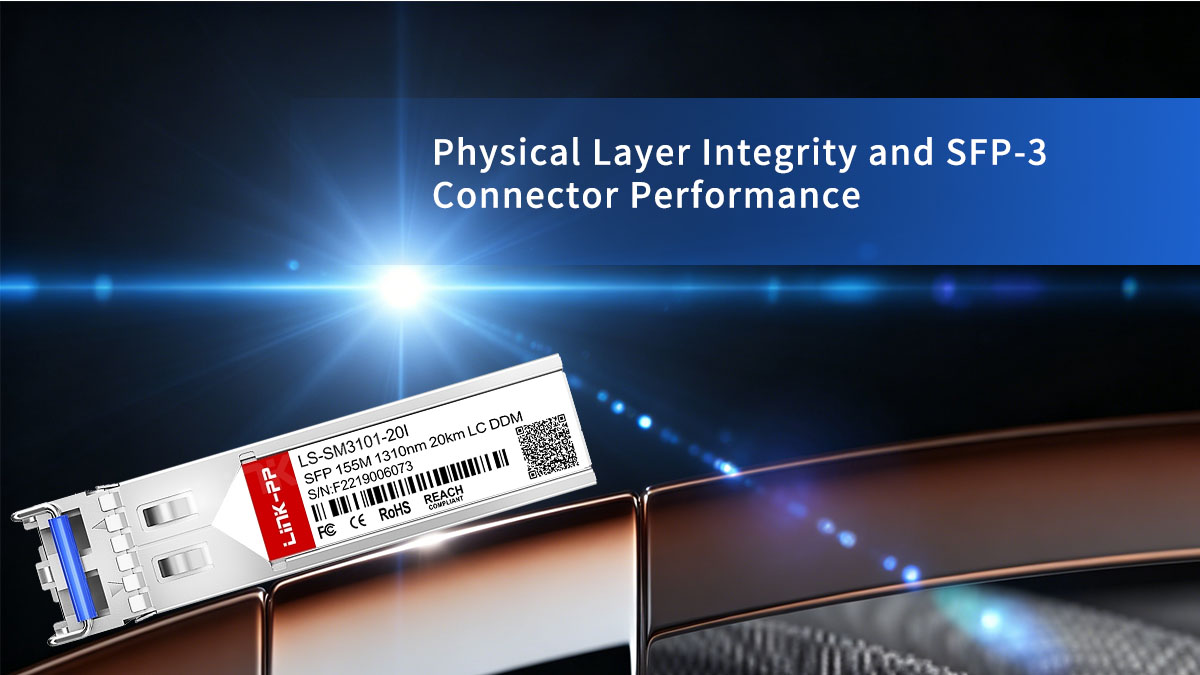
The SFP-3 is engineered with a high-grade duplex LC receptacle designed to lock fiber patch cables securely into place. This mechanical housing must withstand constant structural stress while maintaining perfect physical contact with the inserted fiber pins.
Key structural aspects that define the overall durability of this connector interface include:
- Precision-molded housing: Resists cracking and deformation under heavy mechanical pressure.
- Internal retention clips: Ensure a tight, snap-in fit that prevents accidental cable pull-outs.
- Vibration-resistant architecture: Locks the connector firmly in place to withstand constant industrial movement.
Mating Cycle Degradation Profiles Over Extended Deployments
Every time a fiber cable is plugged into or pulled out of the SFP-3, the physical interface undergoes minor frictional wear. Over extended field deployments, tracking this mating cycle degradation profile is essential for predicting hardware aging and maintaining link performance.
The mechanical wear and tear associated with prolonged physical handling typically presents through the following issues:
Friction wear on internal latching mechanisms: Causes looser cable seating after hundreds of cycles.
Microscopic bore enlargement: Leads to minor alignment shifts between the internal lenses.
Spring tension reduction: Lowers the physical forward pressure required to hold fiber ends together.
Dust and Contamination Vulnerabilities in Exposed Core Links
In heavy industrial environments, airborne dust, oils, and moisture pose a constant threat to open optical ports. Because the fiber core inside the LC receptacle is microscopic, even a tiny speck of dust can completely block or scatter the 1310nm light signal.
Common field factors that exacerbate contamination risks in active network links include:
- Leaving unused ports uncapped: Exposes sensitive internal optics directly to ambient factory dust.
- Reusing dirty protective dust caps: Transfers trapped particles back onto clean optical lenses.
- High-humidity air penetration: Causes moisture to condense inside the interface and distort light waves.
Best Practices for Ferrule Alignment Validation
Maintaining perfectly aligned ceramic ferrules inside the SFP-3 receptacle ensures optimal light transfer between the cable and the transceiver. When validating this alignment in the field, technicians must avoid touching sensitive internal contacts with standard micro-wipes to prevent static buildup or scratching.
Safe and effective physical verification practices can be achieved by using the following field methods:
- Utilizing a handheld fiber inspection scope: Allows visual inspection of the internal lens surface cleanly.
- Performing non-contact air dusting: Removes loose particles safely without scratching the optical glass.
- Executing a standard dry-click tool cleaning: Polishes the internal ferrule surface without using abrasive materials.
✏️ Optical Signal Budgeting for SFP-3 Long-Haul Links
Proper optical signal budgeting is the foundation of any dependable long-distance fiber optic connection. For the SFP-3 transceiver, this process involves balancing the light output from the transmitter against the limitations and sensitivity of the receiving hardware. By carefully calculating these optical boundaries, network engineers can establish stable, long-haul links that remain completely free from signal degradation or unexpected dropouts.
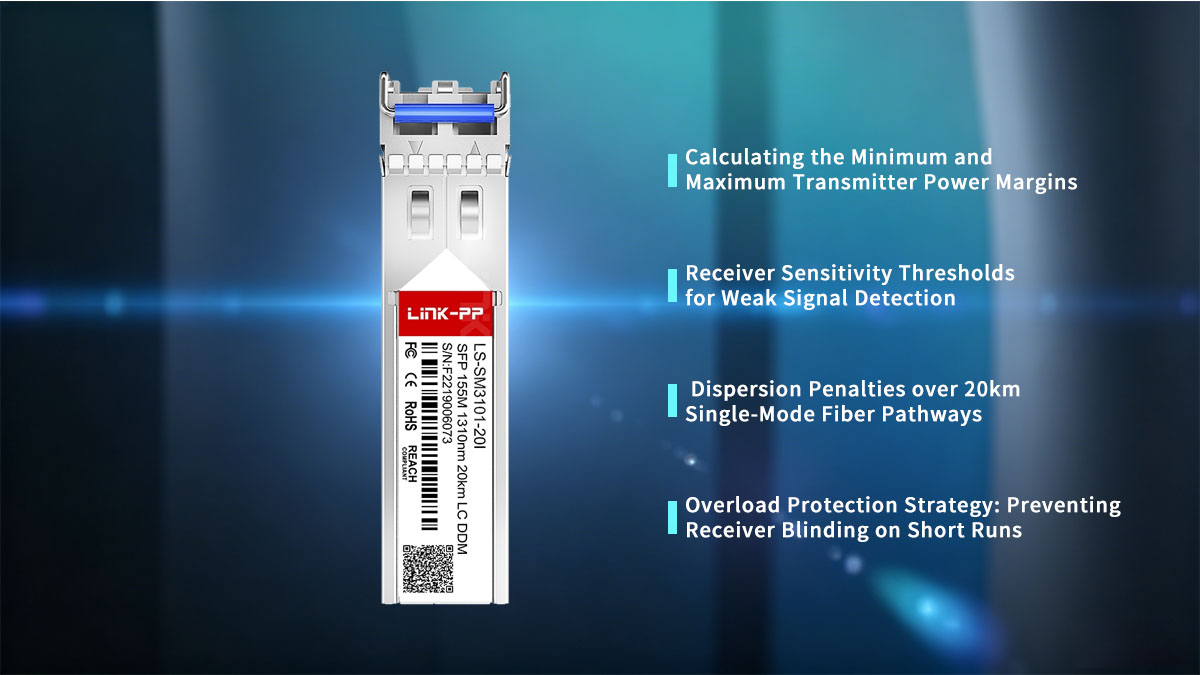
Calculating the Minimum and Maximum Transmitter Power Margins
The SFP-3 transmitter operates within a strictly defined power window to ensure that the optical signal is neither too weak nor too intense. Calculating the minimum transmitter power margin ensures that the module launches enough light into the single-mode fiber to successfully overcome natural attenuation over 20km.
Concurrently, tracking the maximum power margin helps engineers avoid over-powering the link on shorter cable segments. This initial power calculation serves as the starting baseline for the entire link design and dictates how much signal loss the pathway can safely tolerate.
Receiver Sensitivity Thresholds for Weak Signal Detection
Receiver sensitivity defines the lowest level of optical power that the SFP-3 can accurately detect and process without dropping data packets. This industrial transceiver features an exceptionally high sensitivity threshold, capable of clean weak-signal detection down to a -31dBm limit.
This impressive low-light performance allows the module to maintain a stable Fast Ethernet connection even when the light signal is severely attenuated after traveling long distances. If the incoming light drops below this -31dBm threshold, the link will rapidly fail as the hardware struggles to distinguish the data signal from background noise.
Dispersion Penalties over 20km Single-Mode Fiber Pathways
As light pulses travel through 20 kilometers of single-mode fiber, they naturally experience chromatic dispersion, which causes the optical pulses to broaden and smear over time. If left unmanaged, this pulse spreading makes it incredibly difficult for the receiving sensor to differentiate between individual data bits.
To combat this issue, the SFP-3 accounts for a specific dispersion penalty within its overall link budget calculations. This built-in power buffer ensures that minor signal distortion caused by long-distance single-mode fiber runs will not degrade the Bit Error Rate or disrupt link synchronization.
Overload Protection Strategy: Preventing Receiver Blinding on Short Runs
While weak signals are a concern for long-haul pathways, connecting an SFP-3 over a very short fiber optic cable introduces the opposite risk of receiver overload. If the raw transmitter power hits the sensitive optical receiver directly without enough attenuation, it can permanently blind or damage the hardware.
The SFP-3 incorporates a robust overload protection strategy that safely manages high incoming light levels. However, if a short deployment is necessary, engineers must insert inline optical attenuators to reduce the signal strength and keep the power within safe operational parameters.
✏️ Protocol Compliance and SFP-3 Interoperability Evaluation
Ensuring strict protocol compliance is essential for maintaining seamless communication across complex industrial networks. The SFP-3 transceiver is engineered to align perfectly with global networking benchmarks, guaranteeing that its optical and electrical signaling remain completely standardized. By evaluating these design compliances, network administrators can ensure the module seamlessly interfaces with diverse hardware setups without compatibility risks.
Strict Adherence to the IEEE 802.3 Fast Ethernet Specifications
The SFP-3 transceiver is built in strict accordance with the IEEE 802.3 standard for 100BASE-FX Fast Ethernet communications. This global specification dictates the exact optical timing, signaling rates, and physical media requirements needed for dependable SFP 100M transmission.
Adhering to this framework ensures that the transceiver transmits data packets predictably under all traffic loads. Because it follows these exact rules, the module prevents protocol conflicts, ensuring maximum uptime for critical automation and control systems.
Small Form-Factor Pluggable Multi-Source Agreement (MSA) Conformance
Multi-Source Agreement (MSA) conformance guarantees that the physical and electrical design of the SFP-3 matches industry-wide standards. This agreement defines the precise mechanical dimensions, pin configurations, and electrical interfaces for all SFP modules.
Because the SFP-3 strictly follows these MSA guidelines, it fits perfectly into any standard SFP slot regardless of the equipment brand. This standardized architecture protects network operators from being forced into single-vendor hardware choices during physical deployments.
Interfacing with ComNet Managed vs. Unmanaged Industrial Switches
The SFP-3 demonstrates exceptional operational versatility when integrated into either ComNet managed or unmanaged industrial switch environments. When plugged into an unmanaged switch, the module acts as a reliable plug-and-play device that establishes immediate connectivity without requiring configuration.
When deployed within a managed ComNet switch, the module unlocks deep software-level integration and advanced network control features. This environment allows administrators to actively monitor link statuses, manage bandwidth allocations, and optimize the core link for high-priority industrial data traffic.
✏️ SFP-3 Performance Auditing and Diagnostic Capabilities
Auditing the real-time operational performance of active optical links is essential for maintaining high network availability. The SFP-3 transceiver includes built-in diagnostic tools that allow engineers to continuously monitor critical health parameters directly from the switch console. This active auditing capability ensures that subtle signal degradation or environmental strain is identified and fixed before it leads to a catastrophic link failure.
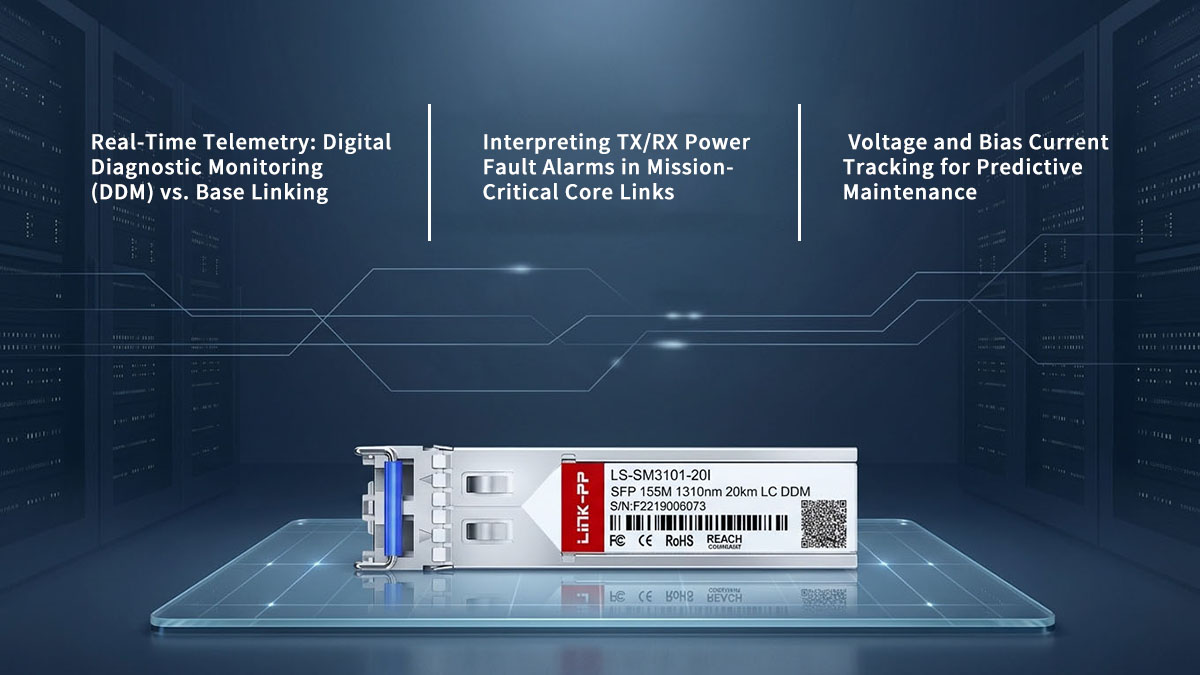
Real-Time Telemetry: Digital Diagnostic Monitoring (DDM) vs. Base Linking
Performance testing reveals that the SFP-3 delivers advanced real-time telemetry through Digital Diagnostic Monitoring (DDM), which offers significant advantages over basic, unmonitored links. While standard base linking only shows whether an optical connection is up or down, DDM provides continuous visibility into the internal physical conditions of the transceiver.
This internal diagnostic framework allows network administrators to view live operational metrics like temperature, optical power levels, and supply voltage. Access to this deep telemetry is critical for auditing core link health, transforming a simple connection into an intelligent, highly visible network node.
Interpreting TX/RX Power Fault Alarms in Mission-Critical Core Links
During heavy traffic auditing, the SFP-3 utilizes a highly precise system of built-in threshold alarms to flag abnormal transmitter (TX) and receiver (RX) power levels. If a fiber bend or a dirty connector interface causes the optical signal to drop unexpectedly, the module immediately triggers a specific power fault alert.
Interpreting these real-time alarms allows field technicians to isolate physical layer issues within minutes instead of manually testing miles of fiber. By instantly identifying whether the problem lies with a failing laser transmitter or an over-attenuated receiver, operators can rapidly restore mission-critical links.
Voltage and Bias Current Tracking for Predictive Maintenance
A vital part of evaluating the long-term reliability of the SFP-3 involves tracking its internal operating voltage and laser bias current over time. As optical laser diodes naturally age, they require slightly more electrical current to maintain the same light output level.
By auditing these specific telemetry changes, the system can flag when a module is reaching the end of its functional life before it actually breaks. This precise tracking data allows teams to schedule predictive maintenance windows, replacing worn transceivers during planned downtime rather than responding to emergency outages.
✏️ Conclusion: Maximizing Fast Ethernet Core Link Stability via SFP-3 Transceivers
Building and maintaining a highly reliable fiber optic infrastructure in harsh industrial environments requires a careful balance of the right hardware specifications and proactive monitoring. The SFP-3 transceiver provides a foundational solution for these challenges, ensuring that critical 100BASE-FX Fast Ethernet networks remain stable under severe environmental and physical stress. By understanding the performance metrics and architectural strengths detailed in this guide, operators can fully optimize their long-haul core links for maximum long-term uptime.
To successfully protect your network deployment and achieve optimal operational stability, keep these essential best practices in mind:
- Strictly balance your optical budget: Always calculate insertion losses and keep incoming signal power well within the specific receiver sensitivity limits to prevent packet drops over 20km pathways.
- Leverage real-time DDM diagnostics: Actively monitor internal voltage, temperature, and laser bias current levels through your managed switch console to identify potential component wear before a link failure occurs.
- Enforce proper physical port hygiene: Keep exposed duplex LC receptacles securely protected with clean dust caps and use non-contact field tools to preserve mechanical ferrule alignment.
- Ensure full hardware compatibility: When expanding or repairing your network infrastructure, prioritize transceiver modules that offer verified protocol compliance and multi-source agreement conformance.
If you are looking to scale your infrastructure or optimize your procurement strategy with premium, carrier-grade compatible alternatives, finding a trustworthy hardware vendor is critical. Explore fully compatible, rigorously tested SFP transceiver modules by visiting the LINK-PP Official Store to secure robust third-party hardware tailored for your mission-critical industrial networks.