





























Industrial Ethernet networks are widely used in environments that require high reliability, such as transportation systems, power utilities, factory automation, and outdoor industrial infrastructure. These environments depend on stable Gigabit connectivity, where ruggedized copper SFP modules are essential to maintain consistent network performance under temperature stress, vibration, and electromagnetic interference.
The Cisco GLC-T-RGD is a commonly used industrial-grade copper 1G SFP designed for harsh operating conditions. As industrial networks continue to scale, many engineers also evaluate NEBS-compliant alternatives that can provide similar performance while offering greater sourcing flexibility and long-term deployment options. This makes compatibility and alternative selection an important topic in industrial network planning.
This article focuses on the technical overview of Cisco GLC-T-RGD and its NEBS-compliant industrial SFP alternatives, with emphasis on compatibility and deployment considerations. The key areas covered include:
- Core specifications and application scenarios of Cisco GLC-T-RGD
- NEBS compliance requirements in industrial networking environments
- Reasons for considering alternative industrial copper SFP transceivers
- Compatibility factors such as hardware, firmware, and environmental conditions
- Comparison between original Cisco modules and compatible alternatives
- Deployment best practices for industrial reliability
- Future trends in ruggedized Ethernet connectivity
Overall, the following sections provide a structured foundation for evaluating Cisco GLC-T-RGD and its alternatives in industrial Ethernet deployments, helping support more informed technical decisions.
🧽 Understanding Cisco GLC-T-RGD Industrial SFP Modules
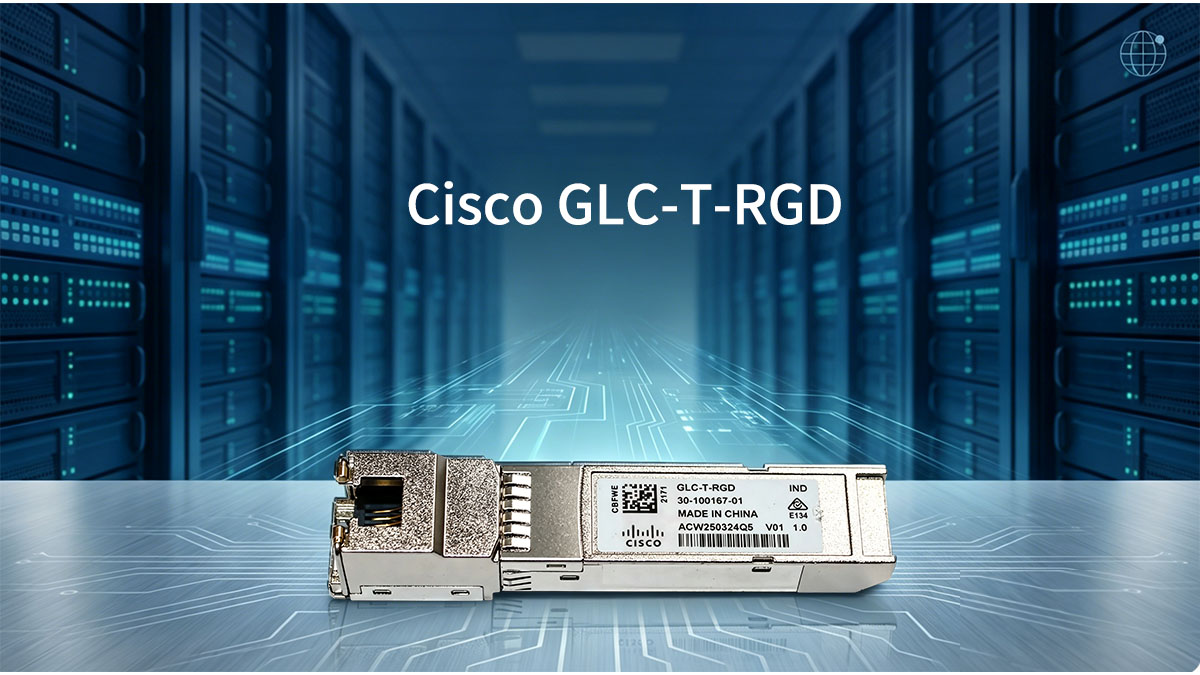
Cisco GLC-T-RGD is a ruggedized 1000BASE-T copper module designed for industrial and mission-critical Ethernet environments. It is used to extend Gigabit Ethernet connectivity over standard copper cabling while maintaining stable performance in harsh operating conditions where commercial-grade modules may fail or degrade.
What Is Cisco GLC-T-RGD?
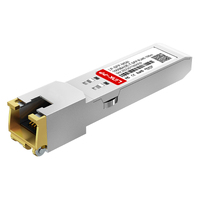
Cisco GLC-T-RGD is a Gigabit Ethernet copper Small Form-Factor Pluggable (SFP) transceiver that provides RJ45-based connectivity for industrial network switches. It is specifically engineered for environments requiring higher resilience than standard data center optics.
Key characteristics include:
- Supports 1000BASE-T Gigabit Ethernet over copper
- Uses standard RJ45 interface for Cat5e/Cat6 cabling
- Designed for industrial-grade operating conditions
- Compatible with select Cisco industrial switching platforms
This module is typically deployed in edge networks where fiber is not always practical, but reliability requirements remain high.
Key Technical Specifications of Cisco GLC-T-RGD
Cisco GLC-T-RGD is defined by a set of technical parameters optimized for industrial performance. These specifications ensure stable copper-based Gigabit connectivity in electrically noisy and physically demanding environments.
| Specification Category | Cisco GLC-T-RGD Details |
|---|---|
| Data Rate | 1Gbps (1000BASE-T) |
| Interface Type | RJ45 copper |
| Maximum Distance | Up to 100m over Cat5e/Cat6 |
| Operating Environment | Industrial temperature range |
| Power Consumption | Higher than fiber SFP modules due to copper PHY |
| EMI Performance | Enhanced resistance for industrial settings |
These parameters make the module suitable for deployments where copper cabling is preferred for cost or installation simplicity, but reliability must still be maintained at industrial standards.
Industrial Networking Scenarios Using Cisco GLC-T-RGD
Cisco GLC-T-RGD is widely used in environments where industrial-grade durability and Ethernet stability are required under non-ideal physical conditions.
Typical application scenarios include:
- Power substations and utility communication networks
- Industrial automation and PLC-based control systems
- Intelligent transportation infrastructure such as rail and traffic systems
- Outdoor cabinet-based switching environments
- Edge computing nodes in IoT and smart infrastructure deployments
In these scenarios, copper-based Gigabit connectivity is often preferred due to easier field termination and maintenance flexibility. However, environmental stress factors such as temperature variation, vibration, and electromagnetic interference make industrial-grade transceivers essential for maintaining stable network performance.
🧽 What NEBS Compliance Means in Industrial Networking
NEBS compliance defines a set of rigorous environmental, electrical, and mechanical standards that ensure network equipment can operate reliably in demanding carrier-grade and industrial environments. In the context of industrial networking, NEBS compliance is often used as a benchmark for evaluating whether hardware such as copper SFP modules can withstand extreme operating conditions without performance degradation.
Overview of NEBS Standards
NEBS (Network Equipment-Building System) is a set of standards originally developed for telecom infrastructure to ensure long-term equipment reliability in central office and field deployments. It focuses on ensuring that network devices can continue operating under stress conditions that go beyond typical commercial environments.
Core NEBS focus areas include:
- Environmental resilience under temperature and humidity variation
- Mechanical durability against vibration and physical shock
- Electromagnetic compatibility (EMC) in electrically noisy environments
- Fire safety and material compliance requirements
These requirements ensure that equipment is not only functional under ideal conditions but also stable in real-world, high-stress deployment environments.
Why NEBS Compliance Matters for Industrial SFP Modules
NEBS compliance is particularly important for industrial SFP modules because these components often operate in environments where failure is not acceptable. Industrial networks typically support critical infrastructure systems where downtime can directly impact safety or operational continuity.
Key reasons NEBS compliance is relevant include:
- Improved operational stability in extreme temperature environments
- Better resistance to electromagnetic interference in industrial sites
- Higher tolerance to vibration in transportation or outdoor installations
- Increased reliability in long-term unattended deployments
In practical terms, NEBS-compliant modules are expected to maintain consistent optical or electrical performance even when exposed to fluctuating environmental conditions commonly found in industrial applications.
Difference Between Commercial, Industrial, and NEBS-Compliant Optics
Commercial, industrial, and NEBS-compliant optical modules differ primarily in their design targets and environmental tolerance levels. These differences directly impact where and how each type can be deployed.
| Category | Operating Temperature Range | Environmental Durability | Typical Use Case |
|---|---|---|---|
| Commercial SFP | 0°C to 70°C | Basic protection level | Data centers and office networks |
| Industrial SFP | -40°C to 85°C | Enhanced ruggedization | Industrial automation and edge networks |
| NEBS-Compliant SFP | Extended industrial-grade range with strict certification requirements | High resilience to shock, vibration, and EMI | Telecom, utilities, and mission-critical infrastructure |
From a deployment perspective, NEBS-compliant optics provide the highest level of assurance for environments where network uptime and physical resilience are critical design requirements. This makes them especially relevant for industrial systems that operate in harsh or unpredictable conditions.
🧽 Why Organizations Consider Cisco GLC-T-RGD Alternatives
Organizations often evaluate alternatives to Cisco GLC-T-RGD not because the module is unsuitable, but because industrial network environments demand flexibility in sourcing, lifecycle management, and scalability. As deployments expand across distributed sites, engineers increasingly prioritize compatibility and long-term availability alongside performance.
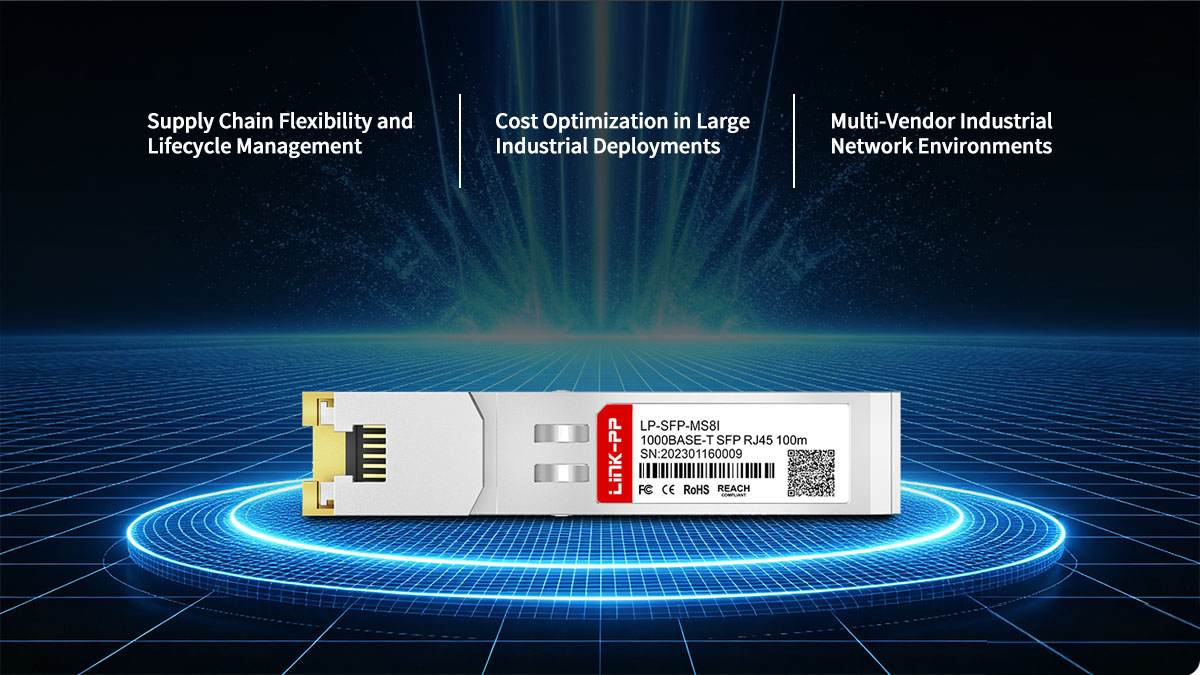
Supply Chain Flexibility and Lifecycle Management
A primary reason for considering alternatives is the need for stable long-term supply in industrial networks. Infrastructure such as utilities, transportation systems, and manufacturing plants typically operates over many years, often exceeding standard product lifecycles.
Key considerations include:
- Long deployment cycles that require consistent module availability
- Reduced dependency on a single vendor's product lifecycle decisions
- Need for replacement consistency across multiple industrial sites
- Risk mitigation against end-of-life announcements
In practice, organizations often look for compatible modules that maintain functional equivalence while offering broader sourcing options to support long-term maintenance strategies.
Cost Optimization in Large Industrial Deployments
Large-scale industrial Ethernet deployments often include hundreds or thousands of network ports, making transceiver cost and lifecycle efficiency a significant factor in infrastructure planning.
Common cost-related drivers include:
- High port density in industrial switches and edge nodes
- Repeated procurement cycles for expansion and maintenance
- Budget constraints in public infrastructure and utility projects
- Need to balance performance requirements with infrastructure scale
Rather than focusing on price alone, organizations typically evaluate total lifecycle efficiency, including replacement availability and operational continuity, when considering alternative industrial SFP modules.
Multi-Vendor Industrial Network Environments
Modern industrial networks are rarely built on a single-vendor ecosystem. Instead, they often include a mix of switching platforms, controllers, and edge devices across different manufacturers.
This creates compatibility-driven requirements such as:
- Interoperability with Cisco industrial switches and third-party platforms
- Standardized Gigabit Ethernet connectivity across heterogeneous systems
- Simplified inventory management across multiple hardware types
- Consistent performance behavior in mixed-vendor environments
In these scenarios, compatible alternatives to Cisco GLC-T-RGD are evaluated based on their ability to integrate seamlessly into existing infrastructure without introducing operational inconsistencies.
🧽 Technical Compatibility Considerations for Cisco GLC-T-RGD Alternatives
Compatibility is the most critical factor when evaluating alternatives to Cisco GLC-T-RGD, especially in industrial environments where network stability directly impacts operational continuity. Even if a module supports 1000BASE-T, it must still align with Cisco hardware behavior, firmware expectations, and harsh environmental requirements to function reliably.
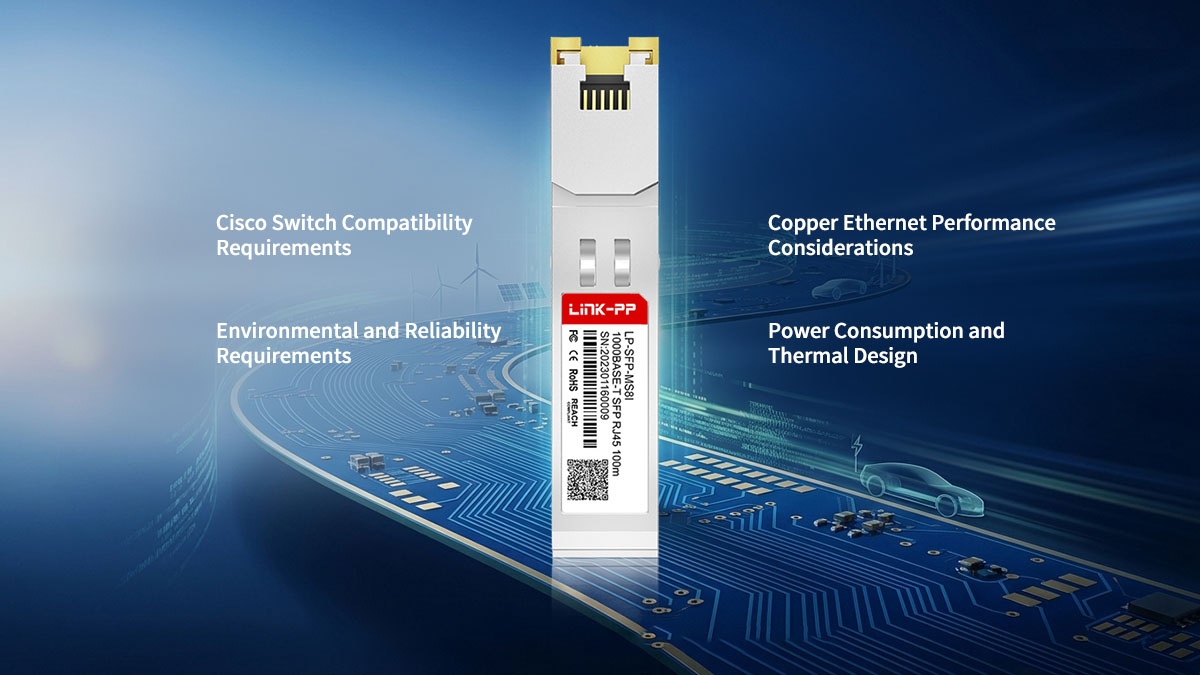
Cisco Switch Compatibility Requirements
Cisco platforms often enforce strict transceiver validation mechanisms, meaning compatibility is not only electrical but also logical at the firmware level. As a result, alternative modules must be carefully matched to Cisco system expectations.
Key compatibility requirements include:
- Proper EEPROM coding recognized by Cisco IOS and industrial switch platforms
- Support for standard 1000BASE-T auto-negotiation behavior
- Stable link initialization without triggering vendor mismatch alerts
- Compatibility across Cisco industrial switch series and edge devices
In practical deployments, even minor inconsistencies in module identification or initialization timing can result in link instability or administrative restrictions, making validation essential before large-scale rollout.
Environmental and Reliability Requirements
Industrial environments introduce physical stress factors that significantly exceed typical enterprise conditions. Therefore, compatibility must include environmental resilience, not just protocol-level functionality.
Key environmental requirements include:
- Extended operating temperature range suitable for outdoor or cabinet deployment
- Resistance to vibration in transportation or heavy machinery environments
- High tolerance to humidity, dust, and condensation exposure
- Stable performance under continuous 24/7 operation cycles
Modules that fail to meet these conditions may function correctly in lab environments but degrade quickly in real-world industrial installations.
Copper Ethernet Performance Considerations
Since Cisco GLC-T-RGD is a copper-based SFP module, electrical signal quality and transmission stability are essential compatibility factors. Alternatives must ensure consistent performance over standard structured cabling.
Important performance factors include:
- Stable Gigabit transmission over Cat5e or Cat6 cabling up to 100m
- Strong electromagnetic interference (EMI) resistance in industrial sites
- Reliable auto-MDI/MDIX behavior for flexible cabling deployment
- Low packet loss and stable latency under electrical noise conditions
In industrial facilities with heavy machinery or power equipment, EMI resistance becomes a defining factor in maintaining link integrity and avoiding intermittent connectivity issues.
Power Consumption and Thermal Design
Thermal behavior is another key compatibility dimension, especially in dense switch deployments where multiple copper SFP modules operate simultaneously. Cisco GLC-T-RGD alternatives must align with similar power and heat characteristics.
Key considerations include:
- Power draw consistency with Cisco switch port budgets
- Heat dissipation under full port utilization scenarios
- Thermal stability in enclosed industrial enclosures or outdoor cabinets
- Avoidance of overheating that could trigger port throttling or instability
In practice, excessive thermal output can reduce overall switch reliability, particularly in rugged environments where cooling options are limited.
🧽 Comparing Cisco GLC-T-RGD and Compatible Industrial Alternatives
A structured comparison between Cisco GLC-T-RGD and compatible industrial SFP alternatives is essential for understanding how they behave in real deployment environments. While both categories are designed to support 1000BASE-T connectivity, differences emerge in validation methods, environmental qualification, and long-term operational consistency.
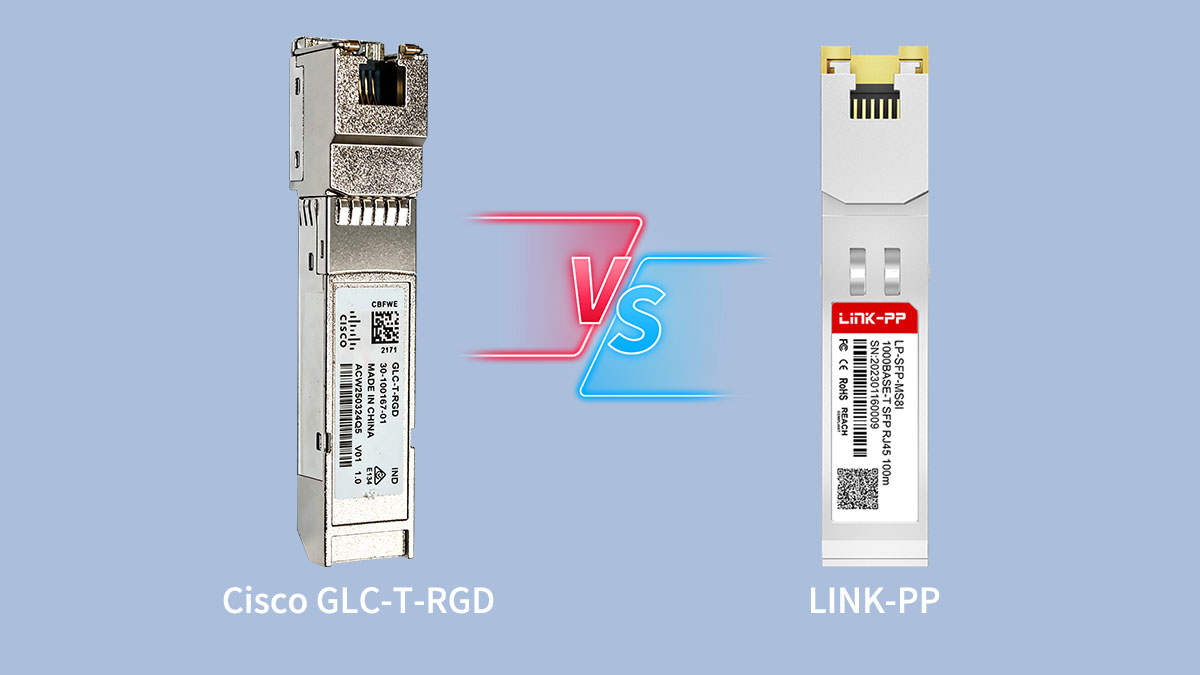
Original Cisco Modules vs Compatible Industrial SFPs
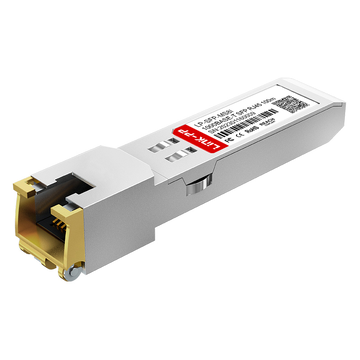
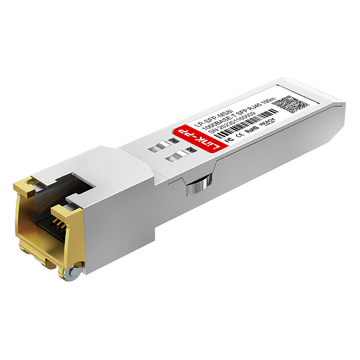
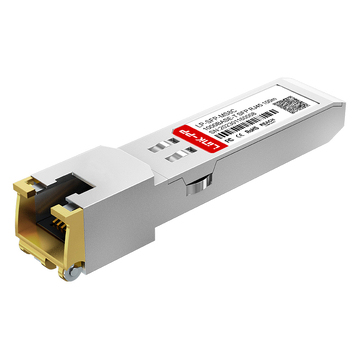
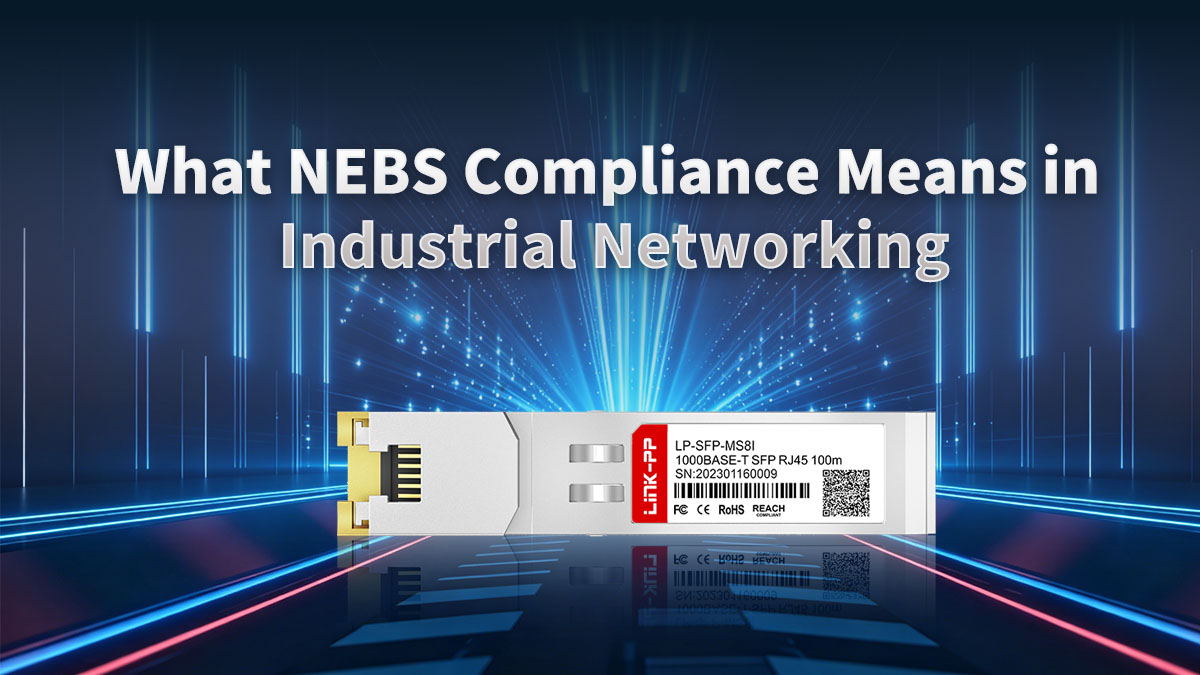
The primary distinction between original Cisco GLC-T-RGD modules and compatible alternatives (such as LINK-PP LP-SFP-MS8I) lies in system-level integration and qualification depth. Cisco-branded modules are fully validated within Cisco ecosystems, while compatible industrial SFPs focus on functional equivalence with broader deployment flexibility.
Key comparison points include:
- Firmware recognition behavior in Cisco industrial switches
- Validation scope within Cisco-certified hardware ecosystems
- Consistency of EEPROM identification and initialization
- Availability across long-term industrial procurement cycles
In operational environments, both types can deliver stable Gigabit connectivity when properly matched with hardware requirements, but validation assurance levels differ depending on sourcing strategy and deployment standards.
Third-Party Industrial SFP Vendor Ecosystem
Compatible industrial SFP modules are produced by specialized optical transceiver manufacturers that design hardware aligned with Cisco-compatible protocols and industrial environmental requirements. These vendors typically focus on cross-platform interoperability and ruggedized performance.
Common characteristics of this ecosystem include:
- Multi-platform compatibility across Cisco and other industrial switches
- Industrial-grade testing for temperature, vibration, and EMI resistance
- Standardized 1000BASE-T electrical and optical compliance
- Extended availability for long-term infrastructure support
Quality and consistency vary across manufacturers, making qualification testing and vendor selection an important part of deployment planning in industrial environments.
Key Evaluation Criteria for Alternative Modules
Selecting compatible industrial alternatives requires a structured evaluation framework that goes beyond basic functional compatibility. Industrial networks demand predictable long-term behavior under stress conditions.
Important evaluation criteria include:
- Compliance with industrial temperature and environmental standards
- Stability under continuous high-load Gigabit Ethernet traffic
- MTBF (Mean Time Between Failures) expectations for mission-critical use
- Burn-in testing and real-world interoperability validation
- Availability of technical support and lifecycle documentation
In addition, consistency across production batches is important for large-scale deployments where thousands of ports must behave identically across distributed industrial sites.
🧽 Deployment Best Practices for Industrial Copper SFP Modules
Proper deployment practices are essential for ensuring that Cisco GLC-T-RGD and its compatible industrial copper SFP alternatives operate reliably in real-world environments. Even when modules are technically compatible, installation quality, cabling design, and validation procedures directly influence long-term network stability.
Verifying Compatibility Before Deployment
Compatibility verification is the first and most critical step before large-scale installation. Industrial networks often operate across distributed sites, making pre-deployment validation necessary to avoid costly troubleshooting later.
Key verification steps include:
- Confirming Cisco switch model compatibility with 1000BASE-T SFP modules
- Validating EEPROM recognition behavior in the target hardware
- Testing link establishment under real switch firmware versions
- Performing small-scale pilot deployments before full rollout
In practice, early-stage testing helps identify issues such as link negotiation delays or module recognition inconsistencies before they impact production environments.
Industrial Cabling and Installation Recommendations
Copper SFP performance is heavily influenced by cabling quality and installation practices, especially in electrically noisy industrial environments. Proper physical layer design ensures stable Gigabit transmission over long-term operation.
Recommended installation practices include:
- Using high-quality Cat5e or Cat6 shielded twisted-pair cables
- Ensuring proper grounding to reduce electromagnetic interference
- Maintaining separation from high-voltage or high-current equipment
- Avoiding excessive cable bending or mechanical stress during routing
In industrial facilities, improper cabling is one of the most common causes of intermittent link instability, even when transceiver modules themselves are fully compliant.
Monitoring and Maintaining Industrial SFP Stability
Ongoing monitoring is essential for maintaining performance consistency in industrial Ethernet networks. Unlike controlled data center environments, industrial sites experience dynamic environmental conditions that can impact link quality over time.
Key maintenance practices include:
- Monitoring port temperature and power consumption levels
- Tracking link error rates and packet loss indicators
- Performing periodic inspection of physical cabling and connectors
- Replacing modules proactively based on lifecycle planning
Additionally, centralized network monitoring systems can help detect early signs of degradation, such as increased retransmissions or unstable auto-negotiation behavior, allowing corrective action before failures occur.
🧽 Common Challenges When Selecting Cisco GLC-T-RGD Alternatives
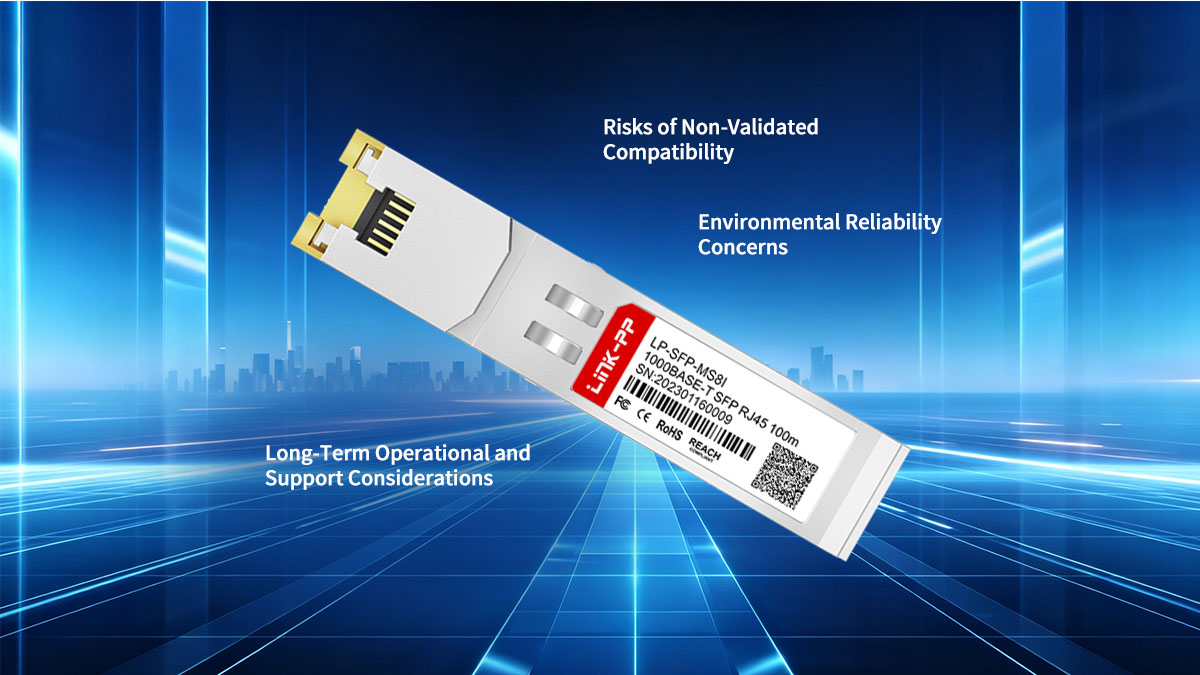
Selecting alternatives to Cisco GLC-T-RGD in industrial environments introduces several technical and operational challenges. Even when modules appear compatible on paper, real-world deployment conditions often reveal issues related to interoperability, environmental stress tolerance, and long-term reliability.
Risks of Non-Validated Compatibility
One of the most common challenges is incomplete or inconsistent compatibility validation with Cisco hardware. Industrial networks are particularly sensitive to link instability, which can be triggered by subtle differences in module implementation.
Typical issues include:
- Inconsistent module recognition by Cisco industrial switches
- Link flapping during auto-negotiation processes
- Firmware-related compatibility warnings or port restrictions
- Intermittent connectivity under load conditions
In many cases, these issues only appear after deployment, making pre-validation testing a critical requirement for minimizing operational risk.
Environmental Reliability Concerns
Industrial environments expose SFP modules to conditions that are significantly more demanding than standard enterprise networks. Alternatives that do not fully match industrial-grade specifications may experience accelerated performance degradation.
Common environmental challenges include:
- Failure under extended high or low temperature exposure
- Signal instability caused by vibration in transportation or heavy machinery environments
- EMI-induced packet errors in electrically noisy facilities
- Moisture or dust intrusion affecting connector stability over time
Even minor weaknesses in environmental design can lead to reduced network stability in long-term deployments, particularly in outdoor or utility infrastructure applications.
Long-Term Operational and Support Considerations
Beyond technical compatibility, long-term operational sustainability is a key concern when selecting alternative industrial SFP modules. Industrial networks often operate for 10 years or more, requiring consistent support and predictable lifecycle management.
Key challenges include:
- Ensuring consistent module availability across multi-year deployments
- Maintaining uniform performance across different production batches
- Limited visibility into long-term manufacturer support policies
- Difficulty in standardizing replacement modules across distributed sites
In large-scale industrial infrastructures, even small variations between replacement units can introduce inconsistencies that complicate maintenance and troubleshooting processes.
🧽 Future Trends in Industrial Ethernet and Ruggedized SFP Connectivity
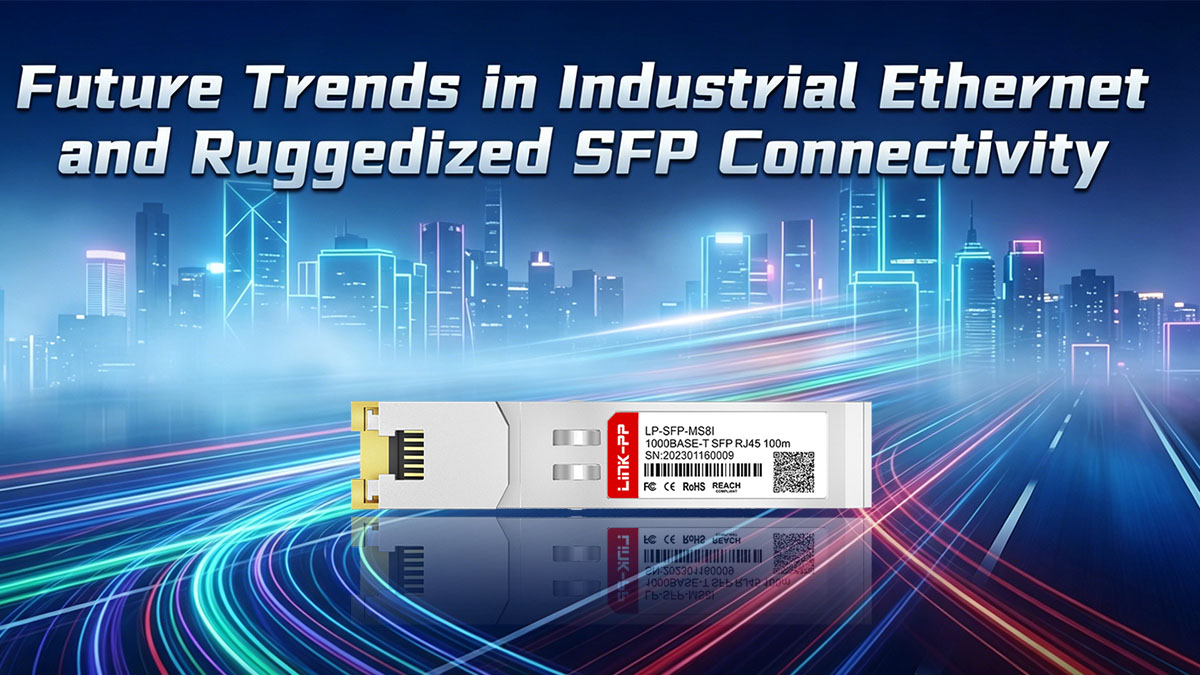
Industrial Ethernet is evolving rapidly as operational technology (OT) and information technology (IT) continue to converge. As a result, ruggedized SFP connectivity such as Cisco GLC-T-RGD and its compatible alternatives is also shifting toward higher reliability expectations, broader interoperability, and improved lifecycle efficiency.
Growth of Industrial IoT and Edge Networking
Industrial IoT and edge computing are significantly increasing the demand for stable and distributed Ethernet connectivity. Networks are no longer centralized but spread across large-scale industrial environments.
Key developments include:
- Expansion of sensor-driven automation systems in factories and utilities
- Increased deployment of edge computing nodes closer to operational equipment
- Higher density of Gigabit Ethernet connections in distributed environments
- Greater reliance on real-time data transmission between field devices and control systems
In this context, ruggedized copper SFP modules remain relevant due to their simplicity, cost efficiency, and ease of deployment in edge locations where fiber is not always practical.
Evolution of Ruggedized Network Components
Ruggedized Ethernet hardware is also evolving to meet stricter performance and environmental expectations. Industrial deployments now require components that can sustain long-term stability under increasingly complex conditions.
Key evolution trends include:
- Wider and more consistent industrial temperature tolerance ranges
- Improved EMI shielding and signal integrity in high-noise environments
- Enhanced mechanical durability for vibration-heavy installations
- More efficient power and thermal designs for dense switch environments
These improvements are driving both original equipment and compatible module manufacturers to adopt more advanced design standards that reduce failure rates and improve operational predictability.
Increasing Demand for Flexible Compatible Optics
As industrial networks expand, organizations are placing greater emphasis on flexibility in optical and copper transceiver sourcing strategies. This trend is shaping how alternatives to modules like Cisco GLC-T-RGD are evaluated and deployed.
Key industry shifts include:
- Adoption of multi-vendor procurement strategies to reduce supply chain risk
- Greater focus on interoperability across mixed networking environments
- Increasing reliance on standardized 1000BASE-T compatibility across platforms
- Demand for consistent performance across long-term deployment cycles
In practice, this means compatible industrial SFP modules are being designed not only for electrical compatibility but also for predictable behavior across diverse hardware ecosystems and extended lifecycle requirements.
Overall, the future of industrial Ethernet connectivity is moving toward higher resilience, greater interoperability, and improved deployment flexibility. Ruggedized SFP modules will continue to play a critical role in supporting these trends, particularly in environments where reliability and long-term operational stability are essential.
🧽 Conclusion
Cisco GLC-T-RGD plays an important role in industrial Ethernet networks where stable 1000BASE-T copper connectivity is required under harsh environmental conditions. Its design supports reliable operation in temperature-variant, vibration-prone, and electrically noisy environments, making it a common choice for industrial switches deployed in utilities, transportation systems, and automation infrastructures.
At the same time, NEBS-compliant Cisco GLC-T-RGD alternatives are increasingly evaluated as industrial networks scale and diversify. These alternatives are not simply replacement components, but strategic options that support broader requirements such as lifecycle continuity, multi-vendor interoperability, and supply chain flexibility. When properly validated, they can deliver comparable performance in terms of Gigabit Ethernet transmission, environmental durability, and long-term operational stability.
From a deployment perspective, successful selection of industrial copper SFP modules depends on several critical factors:
- Ensuring full compatibility with Cisco industrial switching platforms
- Verifying environmental resilience for industrial-grade conditions
- Maintaining stable performance under continuous network load
- Planning lifecycle management across distributed infrastructure sites
Ultimately, the most reliable approach is to evaluate both original and compatible modules based on technical validation rather than brand alone, ensuring that each deployment meets the required performance and reliability standards.
For organizations seeking industrial-compatible optical and copper transceiver solutions with a focus on compatibility verification and industrial deployment support, the LINK-PP Official Store provides a wide range of networking modules designed for multi-platform environments and long-term industrial applications.