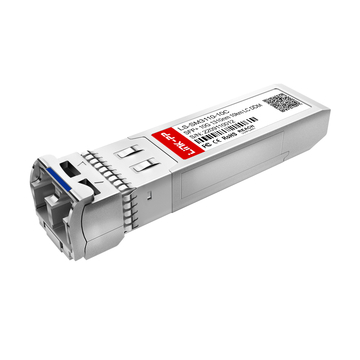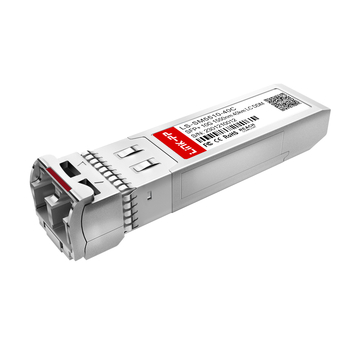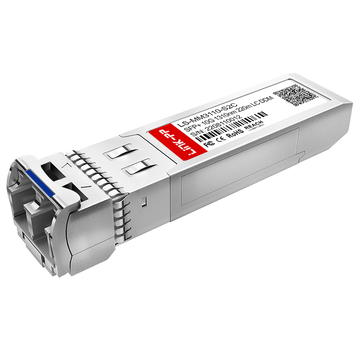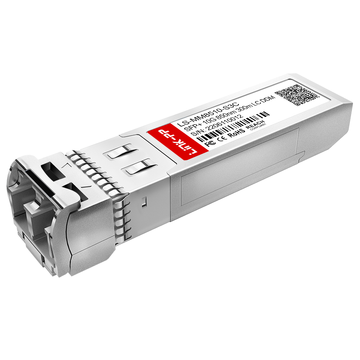
Cloud-managed networking has become a major direction for modern enterprise IT infrastructure. As organizations continue expanding branch connectivity, wireless coverage, hybrid cloud services, and distributed work environments, network scalability and operational efficiency are receiving far greater attention than before. In this transition, Meraki switches and cloud-managed platforms are widely adopted because they simplify deployment, monitoring, and centralized management. At the same time, the increasing demand for high-speed fiber connectivity is driving broader adoption of Meraki SFP and SFP+ optical modules across enterprise networks.
However, as network environments continue to scale, infrastructure budgeting is becoming a growing concern for IT teams and system integrators. Optical transceivers may appear to be small components within a network architecture, but in multi-site deployments, campus upgrades, and cloud edge expansion projects, their cumulative cost can significantly affect overall infrastructure planning. This is why many organizations are now evaluating Meraki SFP compatible solutions as part of a long-term cloud infrastructure budgeting strategy. Beyond cost considerations, compatibility, reliability, scalability, and operational stability have also become critical decision-making factors when selecting optical modules for Meraki environments.
This article explores the role of Meraki SFP compatible modules in modern cloud-managed infrastructure planning. It will examine key technical considerations, budgeting strategies, deployment best practices, compatibility challenges, and long-term scalability factors. In addition, the guide will compare original Meraki optics with compatible alternatives, helping enterprises better understand how to optimize network performance while maintaining efficient infrastructure investment planning for future growth.
🃏 Understanding Meraki SFP Modules in Cloud Networking
Meraki SFP modules play a critical role in enabling high-speed and stable fiber connectivity within cloud-managed enterprise networks. As organizations continue migrating toward scalable and centralized network architectures, optical transceivers have become essential for supporting switch uplinks, inter-building communication, branch connectivity, and high-bandwidth traffic aggregation. Understanding how Meraki SFP modules function within cloud networking environments is important for making informed infrastructure and budgeting decisions.
What Is a Meraki SFP Module?
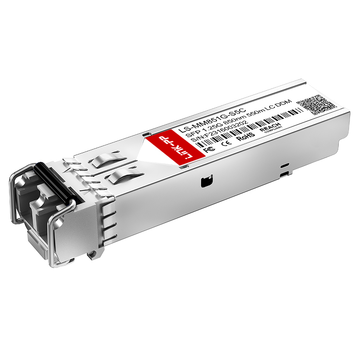
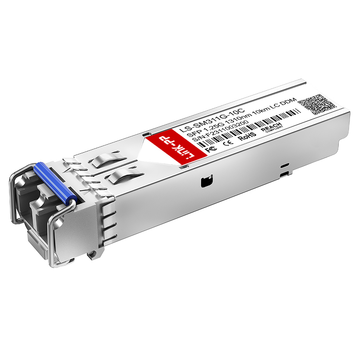
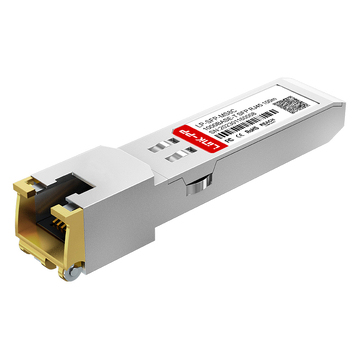
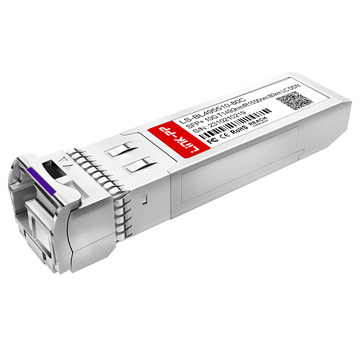
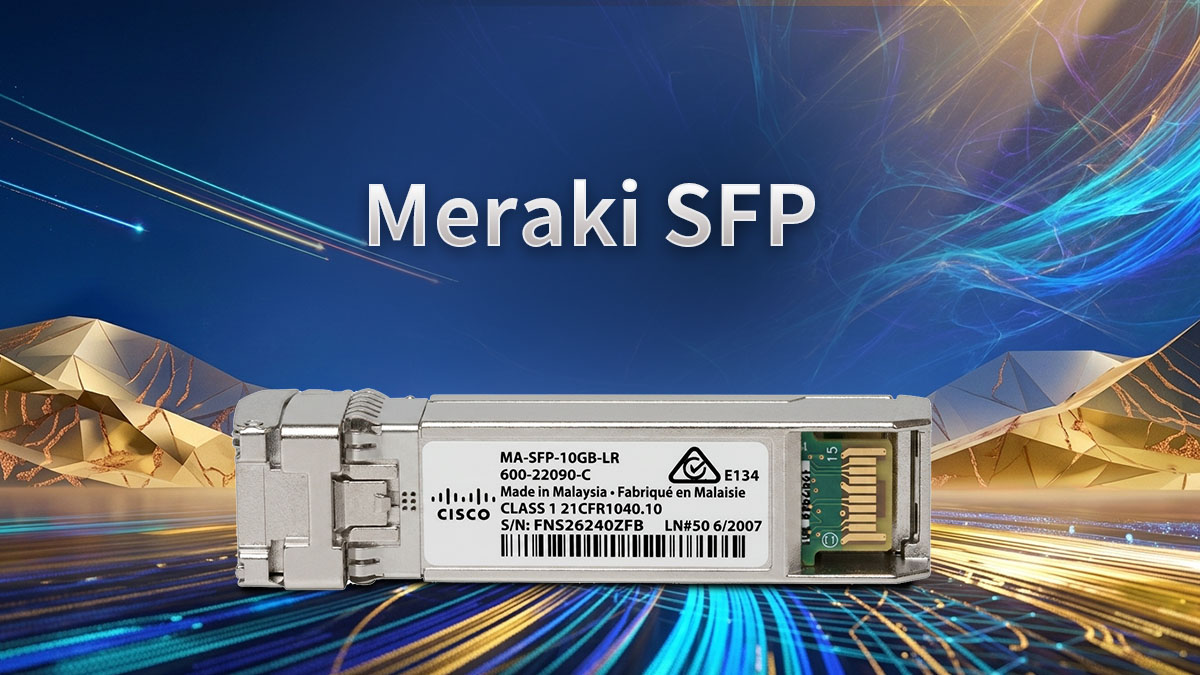
A Meraki SFP module is a compact, hot-swappable optical or copper transceiver designed for use in Meraki switches and networking equipment. These modules provide flexible network connectivity by allowing administrators to select different transmission media, speeds, and distances based on deployment requirements.
Meraki SFP transceivers are commonly used to support:
- Fiber uplinks between access and aggregation switches
- Long-distance connections between buildings or campuses
- High-speed connections for wireless access point aggregation
- Data transmission between branch offices and centralized infrastructure
- Scalable cloud-managed enterprise networking environments
Depending on the deployment scenario, Meraki-compatible optics may support either fiber or copper connectivity. Fiber modules are typically preferred for longer transmission distances and electromagnetic interference resistance, while RJ45 copper modules are often used for shorter-distance Ethernet connectivity.
The following table summarizes common Meraki SFP module categories used in enterprise cloud networking.
| Module Type | Typical Speed | Transmission Media | Common Distance |
|---|---|---|---|
| 1Gbps | Multimode Fiber | Up to 550m | |
| 1Gbps | Single-Mode Fiber | Up to 10km | |
|
10G SFP+ SR |
10Gbps | Multimode Fiber | Up to 300m |
|
10G SFP+ LR |
10Gbps | Single-Mode Fiber | Up to 10km |
| SFP RJ45 Copper | 1Gbps | Cat5e/Cat6 Cable | Up to 100m |
These modules allow organizations to adapt their network infrastructure based on bandwidth demands, physical topology, and long-term scalability planning.
Main Types of Meraki SFP Modules
Different network environments require different types of optical modules. Meraki SFP compatible transceivers are available in multiple form factors and specifications to support diverse enterprise deployment needs.
The most commonly deployed Meraki-compatible module categories include:
- 1G SFP optical transceivers for standard enterprise access layer connectivity
- 10G SFP+ modules for higher-bandwidth aggregation and uplink applications
- RJ45 copper transceivers for short-range Ethernet connections
- Single-mode fiber modules for long-distance transmission
- Multimode fiber modules for short-range high-speed communication
- Short-range (SR) optics for data center and campus deployments
- Long-range (LR) optics for metro and inter-building networking
The table below highlights several major differences between common optical module types.
| Module Category | Fiber Type | Wavelength | Typical Use Case |
|---|---|---|---|
| SX/SR Modules | Multimode Fiber | 850nm | Short-range campus links |
| LX/LR Modules | Single-Mode Fiber | 1310nm | Long-distance enterprise links |
| RJ45 Copper Modules | Copper Ethernet | N/A | Standard Ethernet connectivity |
Selecting the correct transceiver type is important because transmission distance, fiber infrastructure, and switch compatibility directly influence network performance and stability.
Typical Enterprise Deployment Scenarios
Meraki SFP modules are widely used across various enterprise networking scenarios where stable fiber connectivity and centralized cloud management are required. Their flexibility makes them suitable for both small business networks and large-scale distributed infrastructures.
Common deployment scenarios include:
- Campus network aggregation
- Multi-floor enterprise building connectivity
- Branch office uplinks
- Hybrid cloud infrastructure expansion
- Wireless access layer backhaul
- Edge computing environments
- Retail and hospitality network deployments
- Industrial and warehouse networking
For example, in a campus network environment, 10G SR SFP+ transceivers are frequently deployed to connect access switches to aggregation layers using multimode fiber. In contrast, long-distance branch connectivity often relies on single-mode LR optics to maintain stable transmission over several kilometers.
🃏 Why Cloud Infrastructure Budgeting Matters
Cloud infrastructure budgeting has become a critical part of enterprise network planning as organizations continue expanding digital services, remote operations, and high-bandwidth applications. In cloud-managed networking environments, infrastructure costs are no longer limited to switches and servers alone. Optical connectivity, scalability planning, maintenance efficiency, and long-term upgrade strategies all contribute to the total financial impact of modern network deployments. For organizations deploying Meraki SFP modules across multiple locations, proper budgeting directly affects operational sustainability and future expansion flexibility.

Rising Costs in Modern Network Expansion
Enterprise networks are growing more rapidly than ever due to increased cloud adoption, IoT deployment, AI-driven applications, and distributed workforce requirements. As infrastructure expands, networking costs can rise significantly across both hardware and operational management layers.
Several major factors are contributing to higher infrastructure spending:
- Growing demand for higher bandwidth connectivity
- Expansion of branch office and campus networks
- Increased fiber cabling deployment requirements
- Higher switch port density in enterprise environments
- Migration from 1G to 10G and higher-speed architectures
- Greater need for network redundancy and resiliency
- Continuous infrastructure refresh cycles
The following table highlights some common drivers behind rising cloud networking costs.
| Infrastructure Factor | Budget Impact | Typical Enterprise Scenario |
|---|---|---|
| Higher Bandwidth Demand | Increased transceiver upgrades | 10G migration projects |
| Multi-Site Expansion | Larger optics inventory requirements | Branch network growth |
| Fiber Backbone Deployment | Higher installation and maintenance costs | Campus interconnection |
| Redundancy Planning | Additional hardware and spare modules | High-availability networks |
| Cloud Service Adoption | Increased uplink capacity needs | Hybrid cloud environments |
As enterprises continue scaling their digital infrastructure, even small networking components such as optical transceivers can create significant cumulative costs when deployed across dozens or hundreds of switches.
This is especially relevant in large Meraki cloud-managed environments where standardized optics are often required across distributed locations.
The Financial Impact of Optical Transceivers
Optical transceivers are frequently underestimated during infrastructure planning because they represent a smaller individual cost compared to switches or routers. However, in large-scale deployments, the total number of SFP and SFP+ modules required can substantially influence overall project budgets.
The financial impact of Meraki SFP deployment becomes more noticeable in scenarios such as:
- Enterprise-wide switch refresh projects
- Data center expansion
- Campus backbone upgrades
- Large wireless access point deployments
- Multi-branch connectivity rollouts
- Disaster recovery infrastructure planning
For example, a deployment involving hundreds of switch uplinks may require a large number of 10G SFP+ optics, significantly increasing infrastructure expenses if budgeting is not carefully optimized.
Balancing Performance and Cost Efficiency
Effective cloud infrastructure budgeting is not simply about reducing expenses. The primary objective is to balance network performance, operational reliability, and long-term scalability while maintaining cost efficiency.
Organizations evaluating Meraki SFP compatible solutions typically focus on several key budgeting priorities:
- Maintaining stable network performance
- Reducing unnecessary infrastructure overspending
- Simplifying lifecycle management
- Supporting future bandwidth growth
- Improving deployment flexibility
- Lowering operational complexity
One of the most important concepts in network budgeting is total cost of ownership (TCO). Instead of evaluating only initial hardware pricing, enterprises increasingly assess the long-term operational impact of networking decisions.
Key TCO considerations often include:
- Hardware longevity
- Energy efficiency
- Maintenance requirements
- Compatibility reliability
- Inventory standardization
- Future upgrade readiness
The following comparison illustrates common budgeting perspectives in cloud-managed networking environments.
| Budgeting Focus | Short-Term Perspective | Long-Term Perspective |
|---|---|---|
| Hardware Selection | Initial acquisition cost | Lifecycle operational efficiency |
| Optical Modules | Per-unit pricing | Scalability and replacement planning |
| Network Growth | Immediate deployment | Future expansion readiness |
| Infrastructure Strategy | CAPEX reduction | Balanced CAPEX and OPEX management |
Organizations that successfully align performance requirements with infrastructure budgeting strategies are often better positioned to scale cloud-managed networks efficiently without introducing unnecessary operational risk.
As a result, Meraki SFP compatible modules are increasingly evaluated not only from a technical standpoint, but also as part of broader enterprise infrastructure cost optimization strategies.
🃏 Why Organizations Choose Meraki SFP Compatible Solutions
Many enterprises are adopting Meraki SFP compatible solutions as part of broader efforts to improve infrastructure scalability, operational flexibility, and long-term budget efficiency. As cloud-managed networking environments continue expanding across campuses, branch offices, and distributed enterprise locations, organizations increasingly require optical connectivity solutions that can support both technical performance and sustainable infrastructure planning. Compatible optics are often evaluated not only for cost considerations, but also for deployment flexibility, interoperability, and operational consistency.
Cost Optimization Across Large Deployments
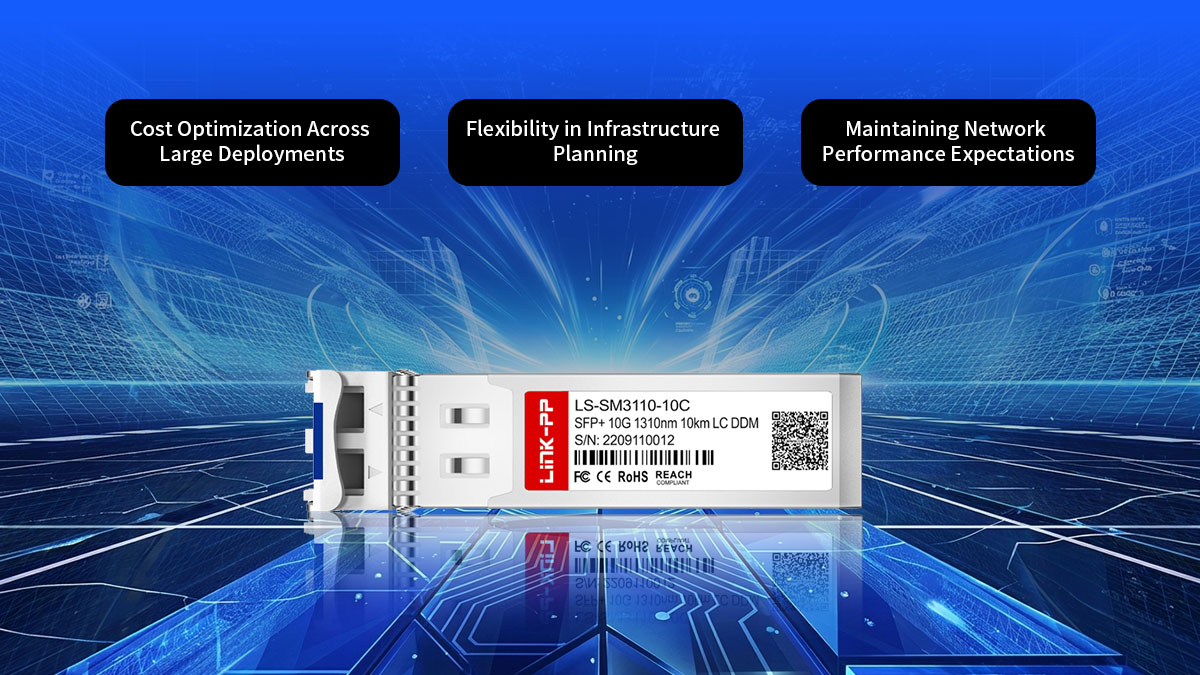
One of the primary reasons organizations deploy Meraki SFP compatible modules is to improve cost efficiency across large-scale networking projects. In cloud-managed infrastructures, even modest differences in transceiver pricing can create significant financial impact when multiplied across hundreds of network ports.
Compatible optical modules are commonly considered in scenarios such as:
- Enterprise-wide switch upgrades
- Multi-branch network rollouts
- Campus backbone expansion
- Wireless infrastructure scaling
- Data center interconnection projects
- Long-term network standardization initiatives
The budget advantages become more noticeable as deployment size increases.
| Deployment Environment | Typical Optics Volume | Budget Sensitivity |
|---|---|---|
| Small Office Network | Low | Limited impact |
| Regional Enterprise Network | Medium | Moderate optimization potential |
| Large Distributed Enterprise | High | Significant infrastructure savings |
In many enterprise environments, infrastructure teams also allocate spare transceivers for redundancy and maintenance planning. This increases the total optics inventory required over time and further strengthens the importance of long-term cost control.
Flexibility in Infrastructure Planning
Modern enterprise networks rarely remain static. Organizations continuously add new users, remote offices, cloud applications, and wireless devices, requiring network infrastructures that can scale efficiently over time.
Meraki SFP compatible modules are often selected because they provide greater flexibility when planning long-term infrastructure growth.
Common flexibility advantages include:
- Wider availability across multiple optical specifications
- Support for different transmission distances
- Compatibility with various fiber infrastructure types
- Easier adaptation to mixed network environments
- Faster deployment across distributed locations
The ability to choose among multiple transceiver specifications allows IT teams to better align networking hardware with real deployment requirements rather than relying on a limited set of optics options.
Maintaining Network Performance Expectations
While cost and flexibility are important, network stability remains the top priority for most enterprise IT environments. Organizations selecting Meraki SFP compatible modules still expect reliable performance, interoperability, and operational consistency within cloud-managed infrastructure deployments.
High-quality compatible optics are typically evaluated based on several performance-related factors:
- Compliance with IEEE optical standards
- Accurate EEPROM coding compatibility
- Stable optical signal transmission
- DOM/DDM monitoring support
- Reliable switch recognition behavior
- Long-term thermal stability
One of the most important technical considerations is compatibility coding. Proper EEPROM programming allows compatible modules to communicate correctly with Meraki switches and helps reduce the likelihood of transceiver detection issues or operational instability.
🃏 Key Technical Factors When Evaluating Meraki SFP Compatible Modules
Selecting the right Meraki SFP compatible modules requires more than simply matching transmission speed or connector type. In cloud-managed enterprise environments, optical transceivers directly affect network stability, scalability, monitoring visibility, and long-term operational reliability. Organizations evaluating compatible optics should carefully assess compatibility behavior, transmission specifications, reliability standards, and firmware interoperability before deployment. Proper evaluation helps reduce operational risk while ensuring consistent network performance across distributed infrastructures.
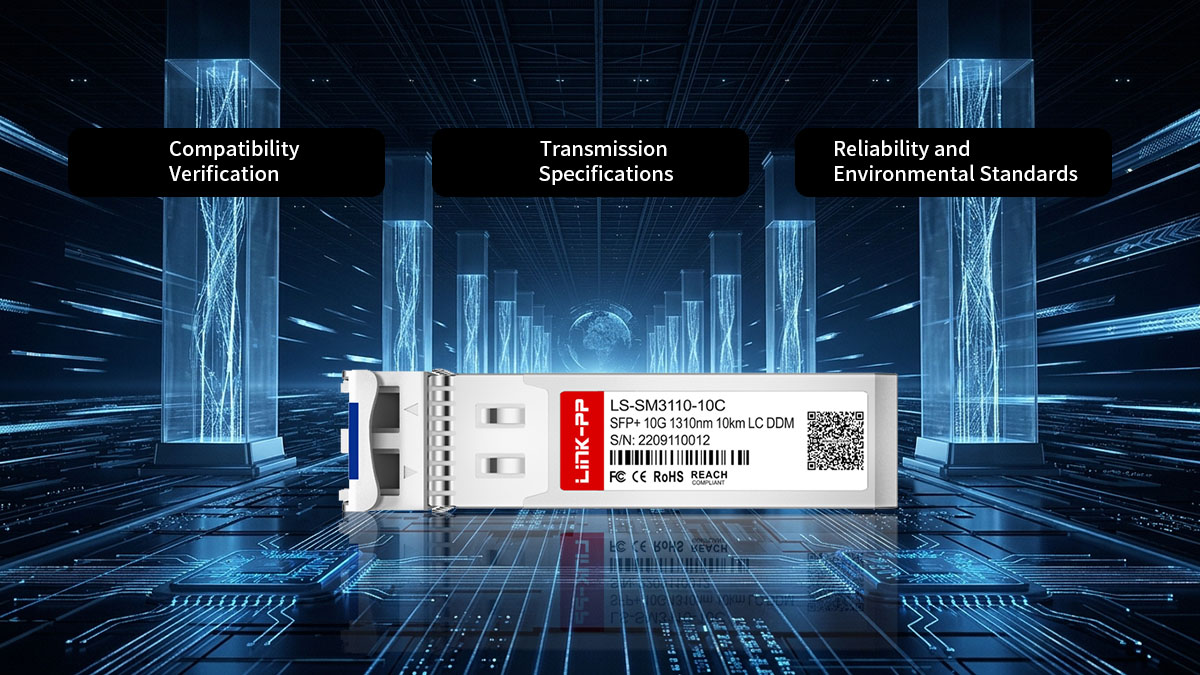
Compatibility Verification
Compatibility verification is one of the most important technical factors when evaluating Meraki SFP compatible modules. Even if two transceivers share identical hardware specifications, differences in EEPROM coding, firmware interaction, or switch recognition behavior can affect operational stability.
Before deployment, organizations typically validate several compatibility-related areas:
- Switch model compatibility
- Firmware interoperability
- EEPROM coding accuracy
- DOM/DDM monitoring support
- Hot-swapping behavior
- Link initialization consistency
Meraki cloud-managed switches may perform module identification checks during initialization. Properly coded compatible optics help ensure smooth recognition and stable operation within the switching environment.
Transmission Specifications
Transmission specifications directly influence network performance, deployment flexibility, and infrastructure scalability. Selecting the correct optical parameters helps ensure stable communication across the intended network distance and fiber environment.
Key transmission factors commonly evaluated include:
- Data transmission rate
- Optical wavelength
- Maximum transmission distance
- Fiber type compatibility
- Connector interface type
- Power consumption
The table below summarizes several common Meraki-compatible optical specifications used in enterprise networks.
| Module Type | Speed | Wavelength | Fiber Type | Typical Distance |
|---|---|---|---|---|
| SFP 1G SX | 1Gbps | 850nm | Multimode Fiber | Up to 550m |
| SFP 1G LX | 1Gbps | 1310nm | Single-Mode Fiber | Up to 10km |
| 10Gbps | 850nm | Multimode Fiber | Up to 300m | |
|
(MA-SFP-10GB-SR) |
10Gbps | 1310nm | Single-Mode Fiber | Up to 10km |
Choosing the wrong transmission specification can lead to performance limitations or connectivity failures.
Reliability and Environmental Standards
Reliable optical performance is essential for enterprise cloud-managed networking environments that require continuous uptime and stable data transmission. Compatible optics should meet operational reliability standards suitable for long-term production deployment.
Several reliability-related factors are commonly evaluated during module selection:
- MTBF (Mean Time Between Failures)
- Manufacturing quality control
- Environmental stress testing
- Thermal operating range
- Signal integrity consistency
- Long-duration stability performance
The following table highlights common reliability evaluation criteria.
| Reliability Factor | Enterprise Importance |
|---|---|
| MTBF Rating | Indicates expected operational lifespan |
| Temperature Tolerance | Supports stable operation in varying environments |
| Signal Stability | Reduces transmission errors |
| Manufacturing Quality | Improves long-term consistency |
| Compliance Certifications | Confirms industry-standard validation |
Enterprise deployments may involve environments with elevated temperatures, high-density switch stacking, or industrial operating conditions. In such cases, thermal reliability becomes especially important.
🃏 Building a Cost-Efficient Cloud Networking Strategy
Building a cost-efficient cloud networking strategy requires balancing infrastructure scalability, operational reliability, and long-term financial sustainability. As organizations continue expanding cloud-managed environments, networking decisions increasingly influence both capital investment and ongoing operational efficiency. Meraki SFP compatible solutions are often evaluated within broader infrastructure planning initiatives because optical connectivity affects network scalability, maintenance complexity, and future upgrade flexibility. A well-planned strategy helps enterprises reduce unnecessary spending while maintaining stable and high-performance connectivity across distributed environments.
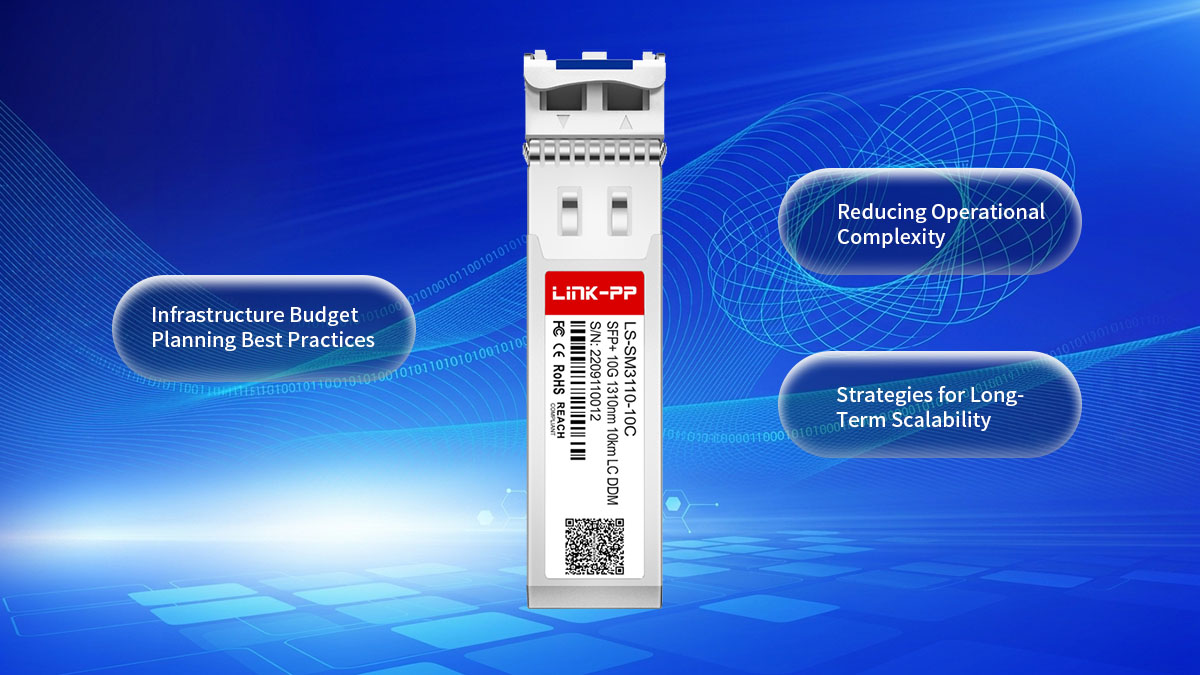
Infrastructure Budget Planning Best Practices
Effective cloud infrastructure budgeting begins with long-term planning rather than short-term hardware selection alone. Organizations that successfully scale cloud-managed networks typically build flexible strategies that account for bandwidth growth, infrastructure expansion, and future technology migration.
Several best practices commonly improve infrastructure budget efficiency:
- Forecasting future bandwidth requirements
- Planning phased network expansion
- Standardizing optical module specifications
- Preparing for redundancy requirements
- Evaluating long-term maintenance costs
- Aligning deployment timelines with upgrade cycles
The following table outlines several key infrastructure planning areas and their budget implications.
| Planning Area | Strategic Importance | Budget Impact |
|---|---|---|
| Bandwidth Forecasting | Supports future scalability | Prevents premature upgrades |
| Optical Standardization | Simplifies operations | Reduces inventory complexity |
| Redundancy Planning | Improves availability | Increases initial hardware allocation |
| Lifecycle Planning | Extends infrastructure usability | Improves long-term cost efficiency |
| Upgrade Readiness | Supports future technologies | Minimizes migration disruption |
Organizations deploying Meraki cloud-managed infrastructure often benefit from creating standardized optical deployment policies across all locations. This simplifies network operations while improving procurement consistency and maintenance efficiency.
Reducing Operational Complexity
Operational complexity can significantly increase infrastructure costs over time. Even when hardware acquisition costs are optimized, inconsistent deployment standards and fragmented inventory management can create long-term maintenance inefficiencies.
Organizations building cost-efficient cloud networking strategies often focus on simplifying operational processes across their infrastructure.
Several operational optimization strategies include:
- Standardizing optics across switch platforms
- Reducing the number of transceiver variants in use
- Simplifying cross-site deployment procedures
- Centralizing compatibility validation processes
- Streamlining troubleshooting workflows
The table below highlights how operational simplification can influence enterprise network efficiency.
| Operational Area | Simplification Benefit |
|---|---|
| Inventory Management | Easier spare allocation |
| Deployment Consistency | Faster installation processes |
| Technical Support | Reduced troubleshooting complexity |
| Firmware Validation | Improved compatibility control |
| Multi-Site Management | Better operational standardization |
Reducing operational complexity is particularly valuable in large distributed cloud-managed environments where IT teams manage multiple remote locations with limited onsite resources.
Strategies for Long-Term Scalability
Long-term scalability is one of the most important objectives in modern cloud networking strategy development. Enterprise infrastructures must support growing traffic demands, cloud application expansion, and evolving bandwidth requirements without requiring constant large-scale redesign.
Organizations planning scalable Meraki SFP deployments often prioritize:
- Modular infrastructure growth
- Higher-speed migration readiness
- Flexible fiber architecture
- Future-proof optical specifications
- Simplified upgrade pathways
The following table compares common scalability considerations in enterprise cloud networking.
| Scalability Factor | Long-Term Benefit |
|---|---|
| 10G Upgrade Readiness | Supports future bandwidth growth |
| Standardized Fiber Infrastructure | Simplifies expansion planning |
| Modular Network Design | Enables phased deployment |
| Compatible Optics Flexibility | Improves deployment adaptability |
| Centralized Cloud Management | Enhances operational scalability |
As enterprise workloads continue shifting toward cloud-based applications, network traffic patterns are becoming increasingly bandwidth-intensive. Technologies such as AI workloads, real-time collaboration platforms, IoT deployments, and edge computing are accelerating the need for scalable optical infrastructure.
To prepare for future expansion, organizations commonly implement strategies such as:
- Deploying fiber infrastructure capable of supporting higher speeds
- Selecting optics with broad interoperability support
- Planning aggregation layers for future bandwidth increases
- Building scalable campus backbone architectures
- Standardizing cloud-managed operational policies
Long-term scalability planning also helps reduce disruptive infrastructure replacement cycles by allowing networks to evolve incrementally rather than requiring complete redesigns.
🃏 Comparing Original Meraki Optics and Compatible Alternatives
Organizations evaluating optical networking infrastructure often compare original Meraki optics with compatible alternatives to balance operational reliability, deployment flexibility, and long-term budget efficiency. Both options can support enterprise cloud-managed networking environments, but they differ in areas such as deployment cost, inventory flexibility, interoperability options, and scalability planning. Understanding these differences helps IT teams align optical infrastructure decisions with technical requirements and long-term operational goals.
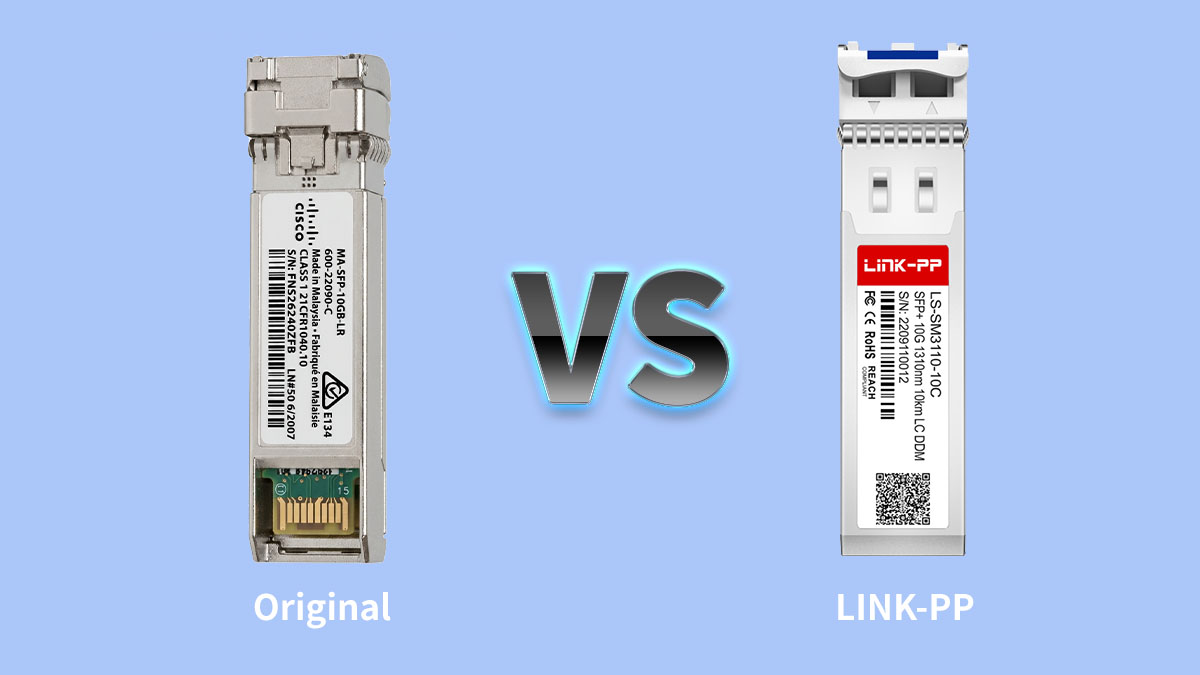
Performance and Stability Comparison
Network performance and operational stability are among the most important considerations when comparing original Meraki optics and compatible transceivers. In enterprise environments, optical modules must maintain stable signal transmission, reliable switch recognition, and continuous connectivity under varying traffic conditions.
Both original and high-quality compatible optics are typically designed to comply with industry networking standards. However, compatibility validation and manufacturing consistency can vary depending on the transceiver supplier.
The following table compares several common performance-related factors.
| Evaluation Area | Original Meraki Optics | Compatible Alternatives |
|---|---|---|
| Switch Recognition | Native integration | Depends on compatibility coding |
| Signal Stability | Consistent | Varies by manufacturing quality |
| DOM/DDM Monitoring | Fully supported | Often supported on quality modules |
| Firmware Interoperability | Optimized for Meraki | Requires compatibility validation |
| Long-Term Stability | Enterprise-grade consistency | Depends on testing standards |
In many enterprise deployments, well-tested compatible optics can provide stable operational performance comparable to original modules when sourced from reliable manufacturers.
Budgetary Comparison
Budget efficiency is one of the primary reasons organizations evaluate compatible optics for cloud-managed networking deployments. In large enterprise infrastructures, the cumulative cost of optical transceivers can significantly influence overall network investment planning.
The following table highlights several common budget-related differences between original and compatible optics.
| Budget Factor | Original Meraki Optics | Compatible Alternatives |
|---|---|---|
| Initial Deployment Cost | Higher | Lower |
| Large-Scale Rollout Efficiency | Moderate | Often more cost-efficient |
| Spare Inventory Planning | Higher inventory expense | More flexible scaling |
| Expansion Budget Flexibility | More restrictive | Greater budgeting flexibility |
| Long-Term Infrastructure Scaling | Higher cumulative investment | Often lower total deployment cost |
For small deployments, the financial difference may be limited. However, in large multi-site environments requiring hundreds of optical modules, infrastructure budgeting considerations become much more significant.
Deployment Flexibility Comparison
Deployment flexibility is another major factor influencing optical infrastructure decisions. Modern enterprise networks frequently evolve due to changing bandwidth requirements, cloud service adoption, and distributed workforce expansion.
Compatible optics are often evaluated because they may provide broader deployment flexibility across varying enterprise networking scenarios.
Several flexibility-related considerations include:
- Availability across multiple optical specifications
- Support for different transmission distances
- Adaptability to mixed fiber environments
- Faster deployment scalability
- Wider infrastructure compatibility options
The table below compares several deployment flexibility characteristics.
| Flexibility Area | Original Meraki Optics | Compatible Alternatives |
|---|---|---|
| Available Module Variants | Standardized selection | Broader specification options |
| Fiber Infrastructure Adaptability | Limited to official offerings | Often more deployment flexibility |
| Multi-Site Scalability | Stable standardization | Easier inventory expansion |
| Procurement Flexibility | Vendor-specific sourcing | Broader sourcing options |
| Upgrade Path Options | Structured ecosystem alignment | Greater customization flexibility |
Ultimately, the choice between original Meraki optics and compatible alternatives depends on an organization’s operational priorities, deployment scale, infrastructure growth strategy, and long-term budgeting objectives. Many enterprises adopt a balanced approach that combines operational reliability with scalable infrastructure cost management to support evolving cloud-managed networking environments.
🃏 Best Practices for Deploying Meraki SFP Compatible Modules
Successful deployment of Meraki SFP compatible modules requires more than simply inserting transceivers into network switches. Enterprise cloud-managed environments demand stable interoperability, long-term reliability, and operational consistency across distributed infrastructures. Following proven deployment best practices helps organizations reduce compatibility risks, improve network uptime, simplify maintenance, and optimize long-term infrastructure performance. Proper planning and operational discipline are especially important in large-scale Meraki deployments where optical connectivity directly affects business continuity.
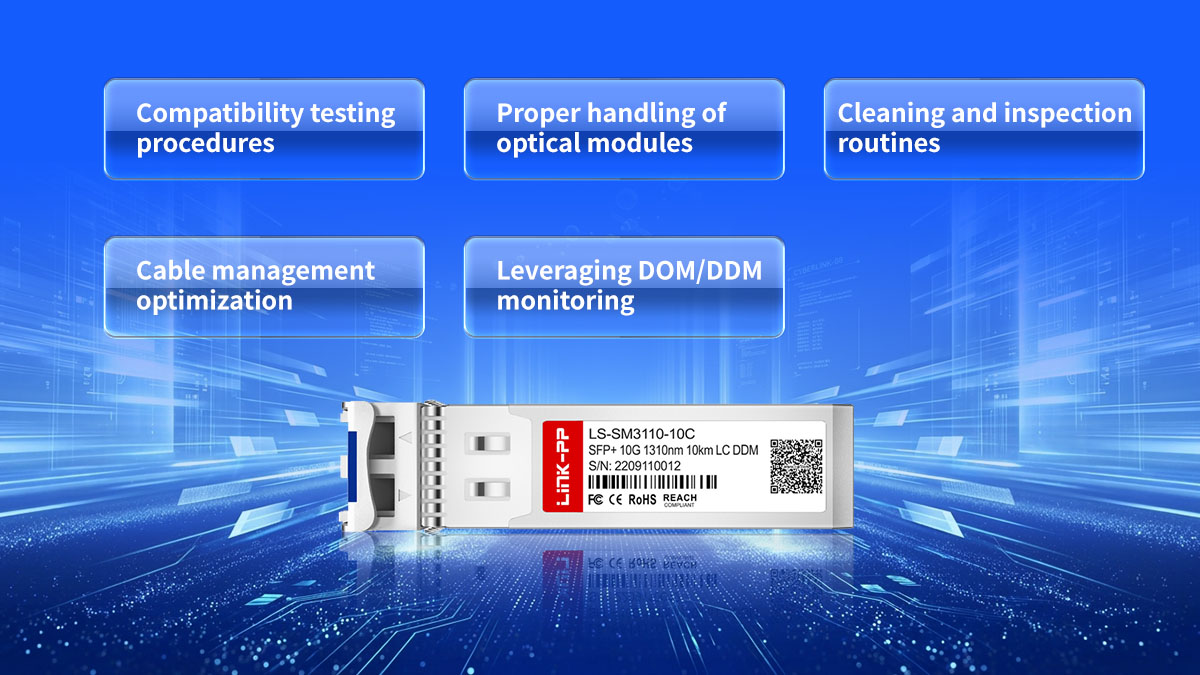
Pre-Deployment Validation
Pre-deployment validation is one of the most important steps when implementing compatible optical modules in cloud-managed networking environments. Thorough testing before production rollout helps reduce unexpected interoperability issues and minimizes operational disruption.
Organizations commonly validate several critical areas before deployment:
- Switch model compatibility
- Firmware interoperability
- Optical signal stability
- DOM/DDM monitoring functionality
- Link initialization consistency
- Transmission performance under traffic load
The following table outlines key validation procedures often used in enterprise optical deployments.
| Validation Area | Purpose |
|---|---|
| Firmware Compatibility Testing | Prevents module recognition issues |
| Traffic Load Testing | Verifies operational stability |
| DOM/DDM Validation | Confirms monitoring functionality |
| Multi-Switch Interoperability Testing | Ensures deployment consistency |
| Redundancy Failover Testing | Verifies high-availability operation |
Lab-based validation environments are commonly used before deploying optics into production infrastructure. This allows IT teams to simulate real operational conditions while identifying potential compatibility concerns in advance.
Installation and Maintenance Guidelines
Proper installation and maintenance procedures help preserve optical module reliability and extend operational lifespan. Even high-quality Meraki-compatible optics may experience performance degradation if installation practices are inconsistent or environmental conditions are poorly managed.
Several installation best practices are commonly recommended for enterprise deployments:
- Handle optical modules using anti-static precautions
- Avoid touching fiber connector end faces
- Verify correct fiber polarity before activation
- Ensure proper connector insertion
- Use clean and properly labeled fiber cabling
- Confirm matching transmission specifications
The following table summarizes several important installation and maintenance considerations.
| Deployment Practice | Operational Benefit |
|---|---|
| Fiber End-Face Cleaning | Reduces signal loss and contamination |
| Proper Cable Labeling | Simplifies troubleshooting |
| Controlled Cable Routing | Improves airflow and maintenance access |
| Correct Fiber Type Matching | Prevents transmission instability |
| Environmental Monitoring | Supports long-term reliability |
Fiber contamination is one of the most common causes of optical performance issues in enterprise networking environments. Dust, oil, or improper cable handling can introduce signal degradation and intermittent connectivity problems.
Monitoring and Lifecycle Management
Continuous monitoring and lifecycle management are essential for maintaining long-term stability in enterprise optical networking environments. Cloud-managed infrastructures benefit from proactive operational visibility that allows IT teams to identify potential issues before they affect production traffic.
Meraki SFP compatible modules that support DOM/DDM monitoring provide valuable operational insights, including:
- Optical transmit power
- Optical receive power
- Module temperature
- Voltage levels
- Laser bias current
The table below highlights common monitoring metrics and their operational importance.
| Monitoring Metric | Operational Purpose |
|---|---|
| TX Optical Power | Verifies transmission strength |
| RX Optical Power | Detects signal degradation |
| Module Temperature | Identifies thermal issues |
| Voltage Monitoring | Confirms stable power conditions |
| Bias Current Monitoring | Evaluates laser performance |
In summary, by combining thorough validation, disciplined installation procedures, and continuous monitoring practices, enterprises can maximize the operational reliability and long-term value of Meraki SFP compatible deployments within modern cloud-managed networking environments.
🃏 Conclusion
As cloud-managed networking environments continue evolving, Meraki SFP compatible solutions are becoming increasingly important for organizations seeking scalable, flexible, and cost-efficient infrastructure strategies. From campus deployments and branch connectivity to hybrid cloud expansion and high-speed aggregation, optical transceivers play a critical role in maintaining reliable enterprise network performance. Careful evaluation of compatibility, transmission specifications, operational reliability, and lifecycle planning helps organizations build stronger long-term infrastructure foundations while maintaining efficient budget control.
Throughout this guide, several key considerations consistently shape successful Meraki optical deployment strategies:
- Aligning optical specifications with real network requirements
- Prioritizing compatibility verification and firmware interoperability
- Standardizing deployment and maintenance procedures
- Planning for future scalability and higher bandwidth migration
- Reducing operational complexity across distributed environments
- Balancing infrastructure performance with long-term cost efficiency
As enterprise cloud networking continues expanding, organizations are increasingly adopting flexible optical infrastructure strategies that support both operational stability and sustainable growth planning. Well-tested Meraki SFP compatible modules can help enterprises improve deployment agility, simplify network scaling, and optimize infrastructure investment across large multi-site environments.
For organizations seeking reliable enterprise optical networking solutions, the LINK-PP Official Store provides a broad range of compatibility-focused transceivers designed for modern cloud-managed infrastructures. With support for multiple Meraki networking environments, enterprise-grade testing standards, and scalable optical connectivity options, LINK-PP helps businesses build more efficient and future-ready network architectures for evolving cloud networking demands.