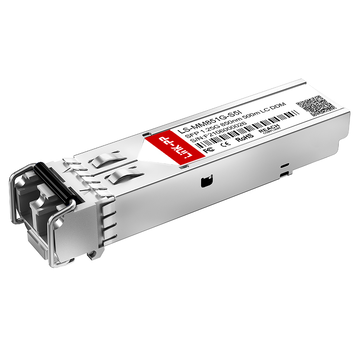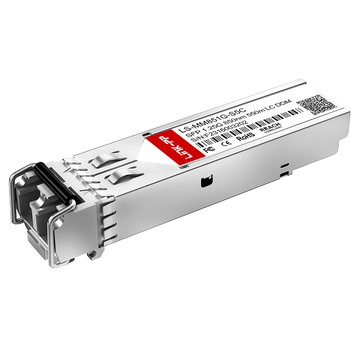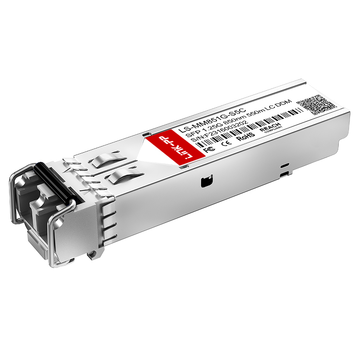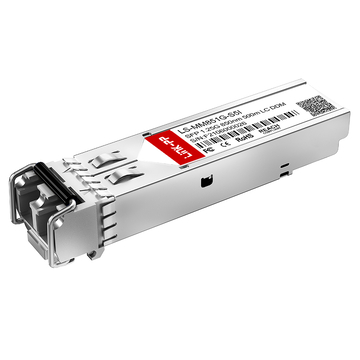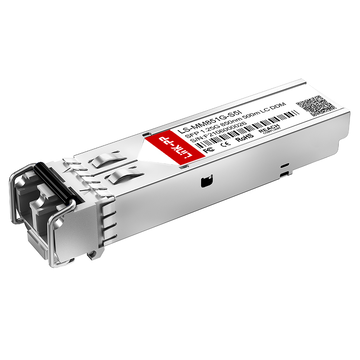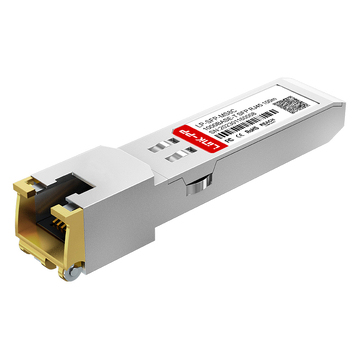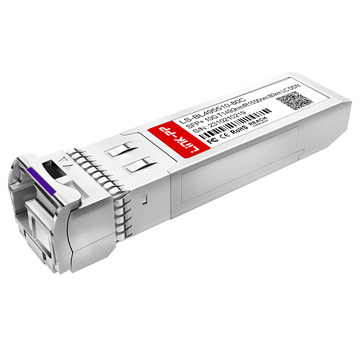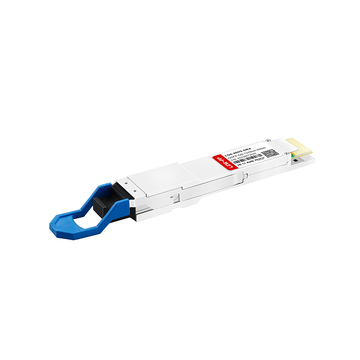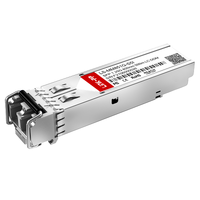






























In modern enterprise and data center networking, Gigabit Ethernet remains a foundational layer that continues to support a wide range of infrastructure environments. Among the most widely deployed optical components in this space, the Cisco 1000Base-SX SFP Transceiver ( such as MGBSX1 and GLC-SX-MM-RGD) plays a critical role in enabling short-reach, high-speed fiber connectivity over multimode fiber. As network demands increase due to cloud adoption, virtualization, and distributed architectures, organizations are continuously reassessing the efficiency and scalability of their optical interconnect strategies.
Against this backdrop, the discussion around Cisco 1000Base-SX SFP Transceiver alternatives has become increasingly relevant. Many network operators are evaluating whether original modules or compatible optical solutions better align with their evolving requirements for performance consistency, procurement flexibility, and long-term operational efficiency. This shift is not only driven by technical considerations but also by broader market dynamics, including supply chain variability and the expansion of multi-vendor networking environments.
This article provides a structured analysis of Cisco 1000Base-SX SFP Transceiver alternatives, focusing on current market trends, technology fundamentals, deployment considerations, and selection criteria. It aims to help readers understand how different optical transceiver options compare in real-world applications and what key factors should be evaluated when planning or upgrading Gigabit fiber infrastructure.
📋 Understanding Cisco 1000Base-SX SFP Transceiver Technology
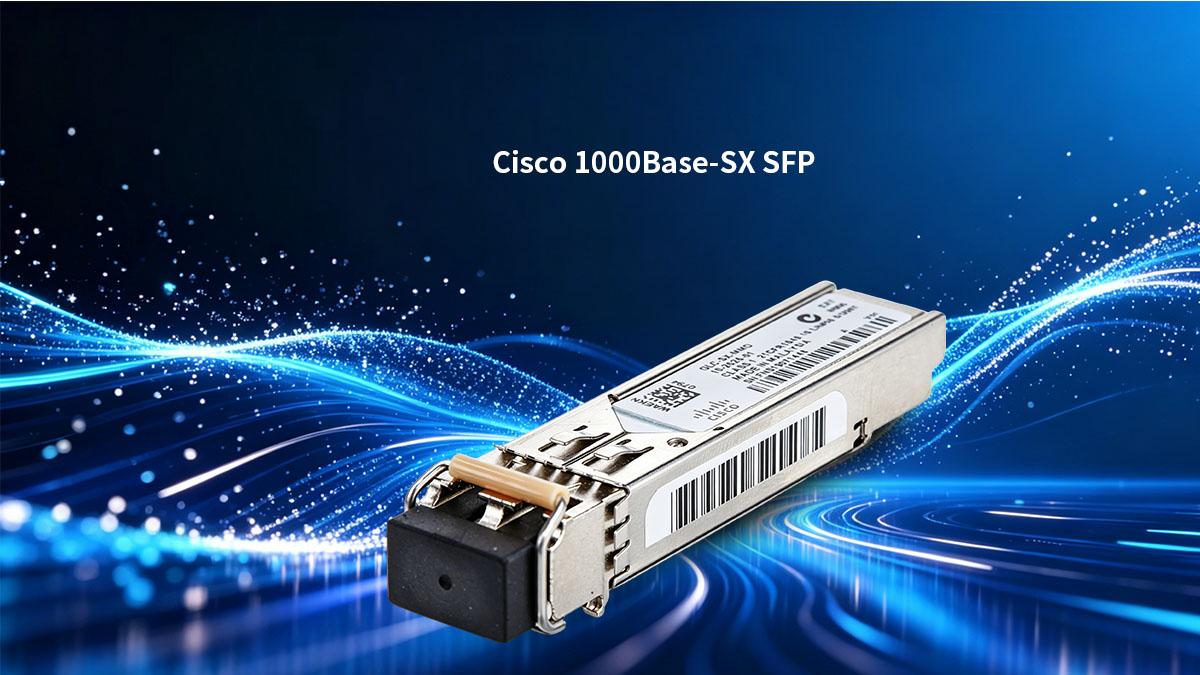
The Cisco 1000Base-SX SFP Transceiver is a short-reach Gigabit Ethernet optical module designed for reliable data transmission over multimode fiber. It is primarily used to enable 1Gbps connectivity within enterprise LANs and data center environments, offering a standardized and widely compatible solution for high-speed optical communication. Understanding its core technology is essential for evaluating both original modules and compatible alternatives in modern network deployments.
What Is a Cisco 1000Base-SX SFP Transceiver
A Cisco 1000Base-SX SFP Transceiver is a hot-swappable optical module that supports 1Gbps Ethernet transmission over multimode fiber using short-wavelength optics. It is widely adopted in switching and routing platforms to provide flexible fiber uplinks.
In practical use, this module is defined by several key technical characteristics:
- Operates at an 850nm wavelength optimized for multimode fiber transmission
- Supports distances typically up to 550m depending on fiber grade
- Uses LC duplex connectors for standardized physical connectivity
- Complies with IEEE 802.3z Gigabit Ethernet standards
These characteristics make it suitable for short-range backbone and access layer connections in structured cabling systems.
Common Deployment Scenarios
The Cisco 1000Base-SX SFP Transceiver is most commonly deployed in environments where short-distance, high-density fiber connectivity is required. Its design supports flexible integration into existing Gigabit Ethernet infrastructures.
Typical deployment scenarios include:
- Enterprise campus networks connecting switches across buildings or floors
- Data center access layer links between aggregation and edge switches
- Storage and server connectivity in localized high-speed environments
- Industrial and manufacturing networks requiring EMI-resistant fiber links
These scenarios highlight its role as a cost-effective and reliable solution for structured short-range optical networking.
Key Performance Characteristics
The performance of the Cisco 1000Base-SX SFP Transceiver is defined by stable Gigabit throughput, standardized optical specifications, and consistent interoperability across Cisco-supported platforms.
A closer look at its technical parameters includes:
| Parameter | Specification | Relevance |
|---|---|---|
| Data Rate | 1Gbps | Ensures Gigabit Ethernet compatibility |
| Wavelength | 850nm | Optimized for multimode fiber transmission |
| Max Distance | Up to 550m | Suitable for campus and intra-building links |
These specifications ensure predictable performance in controlled multimode fiber environments, making it a widely used optical solution for Gigabit networking deployments.
📋 Why the Market Is Shifting Toward Cisco 1000Base-SX SFP Transceiver Alternatives
The increasing shift toward Cisco 1000Base-SX SFP Transceiver alternatives is primarily driven by evolving enterprise network requirements, cost optimization pressures, and the rapid expansion of multi-vendor infrastructure environments. As Gigabit fiber networks continue to scale, organizations are reassessing how optical modules fit into long-term deployment strategies, with compatibility and flexibility becoming key decision factors.
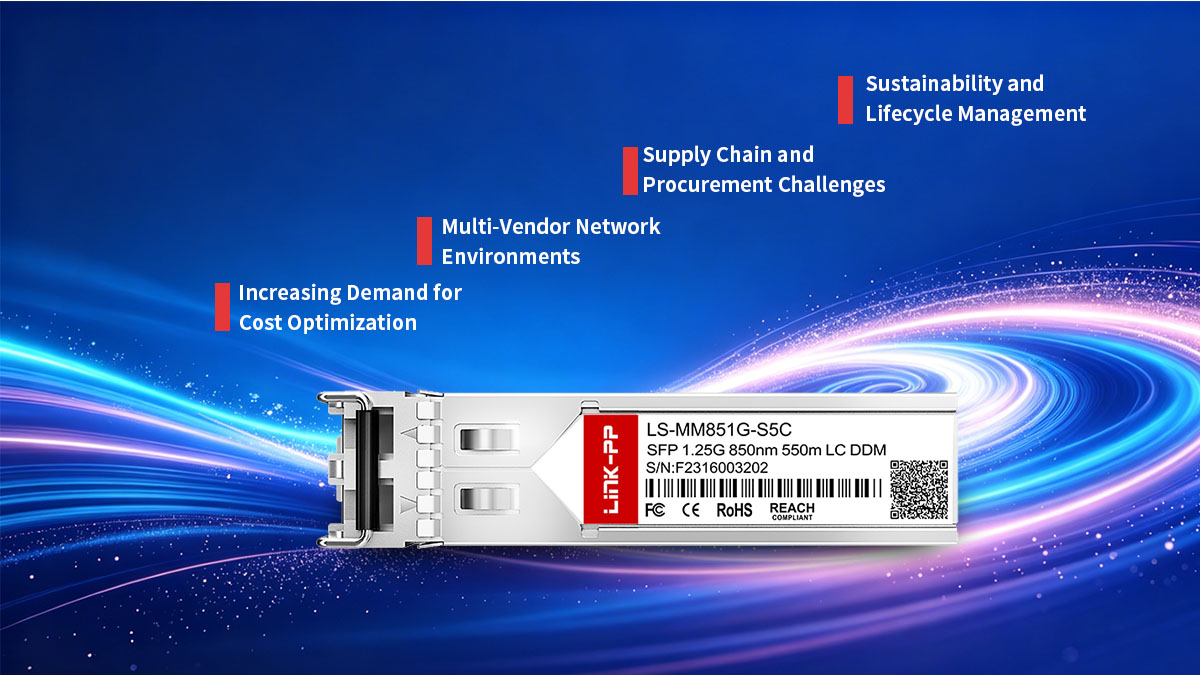
Increasing Demand for Cost Optimization
The main driver behind the adoption of Cisco 1000Base-SX SFP Transceiver alternatives is the need to optimize networking expenditure without compromising performance stability.
In real-world network planning, organizations often face growing infrastructure costs due to large-scale switch deployments and continuous expansion of fiber links. This has led to a stronger focus on cost efficiency across optical components.
Key factors influencing this trend include:
- Expansion of enterprise campus and data center networks requiring large volumes of SFP modules
- Budget constraints in IT procurement cycles, especially in scaling environments
- Pressure to reduce total cost of ownership while maintaining Gigabit performance standards
- Preference for flexible sourcing strategies that support long-term infrastructure planning
These conditions make alternative optical modules a practical consideration for many network operators managing high-density deployments.
Multi-Vendor Network Environments
Modern enterprise networks are increasingly built using multi-vendor architectures, which reduces dependency on a single hardware ecosystem. In this context, Cisco 1000Base-SX SFP Transceiver alternatives are gaining attention due to their role in enabling broader interoperability.
This shift is influenced by several operational realities:
- Deployment of mixed switching environments across different manufacturers
- Requirement for standardized optical interfaces that work across platforms
- Increased adoption of IEEE-compliant networking designs
- Flexibility to integrate optical modules into heterogeneous infrastructure stacks
As a result, compatibility becomes more important than brand exclusivity, especially in large-scale distributed networks where uniform hardware sourcing is not always practical.
Supply Chain and Procurement Challenges
Global supply chain fluctuations have also contributed significantly to the growing interest in alternative optical modules. Cisco 1000Base-SX SFP Transceiver availability can be affected by production cycles, regional distribution constraints, and procurement lead times.
From an operational perspective, this creates challenges such as:
- Unpredictable delivery timelines for original optical modules
- Inventory management difficulties in large-scale rollouts
- Project delays caused by hardware availability constraints
- Need for secondary sourcing channels to maintain deployment continuity
To address these challenges, many organizations evaluate alternative modules that provide more stable availability and flexible procurement options while maintaining required technical specifications.
Sustainability and Lifecycle Management
Sustainability considerations and infrastructure lifecycle extension are also influencing the shift toward Cisco 1000Base-SX SFP Transceiver alternatives. Instead of replacing entire network systems, many organizations focus on extending the usable life of existing Gigabit infrastructure.
This approach is supported by several practical factors:
- Continued operation of existing multimode fiber installations
- Reduction of electronic waste through extended hardware utilization
- Gradual migration strategies toward higher-speed networks rather than full replacement
- Optimization of legacy systems to meet current performance needs
These lifecycle-driven strategies encourage the use of compatible optical modules that can integrate into existing environments without requiring major infrastructure redesigns.
📋 Major Market Trends Influencing Cisco 1000Base-SX SFP Transceiver Alternatives
The market for Cisco 1000Base-SX SFP Transceiver alternatives is being shaped by several structural trends in global networking infrastructure. These trends are not isolated technical shifts but rather the result of long-term changes in how enterprises design, scale, and operate Gigabit Ethernet networks. Understanding these dynamics is essential for evaluating why alternative optical modules are becoming increasingly relevant in modern deployments.
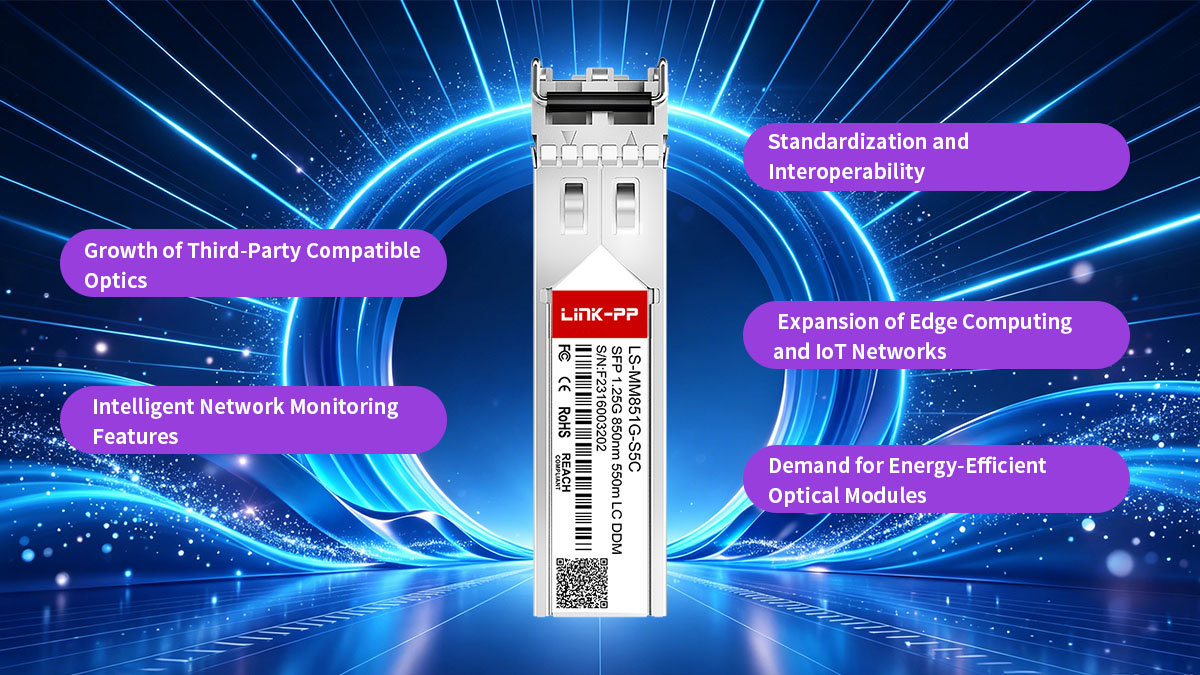
Growth of Third-Party Compatible Optics
The expansion of third-party compatible optics is one of the most significant trends influencing the Cisco 1000Base-SX SFP Transceiver alternative market. As enterprises seek greater flexibility in hardware sourcing, compatible modules have become a widely accepted option in many networking environments.
This growth is driven by several factors:
- Improved manufacturing precision and quality control in optical module production
- Increasing compliance with MSA (Multi-Source Agreement) standards
- Wider adoption of interoperability testing across switch platforms
- Maturation of global optical supply chains supporting consistent output
These developments have elevated compatible optics from a niche option to a mainstream consideration in Gigabit Ethernet deployments, particularly in cost-sensitive and large-scale environments.
Intelligent Network Monitoring Features
Another important trend is the increasing integration of intelligent monitoring capabilities into optical modules. Cisco 1000Base-SX SFP Transceiver alternatives are now frequently designed with enhanced diagnostic functions that support real-time network visibility.
Key capabilities include:
- Digital Optical Monitoring (DOM) for tracking optical power levels
- Temperature and voltage monitoring for operational stability assessment
- Early fault detection to reduce downtime risks
- Support for predictive maintenance strategies in network operations
These features enable network teams to gain deeper insight into link performance, making optical infrastructure more manageable and proactive rather than purely reactive.
Standardization and Interoperability
Standardization remains a foundational trend shaping the Cisco 1000Base-SX SFP Transceiver alternative landscape. As networks become more complex, adherence to global standards ensures smoother integration across multi-vendor environments.
This trend is reflected in several industry developments:
- Strong reliance on IEEE 802.3 Gigabit Ethernet standards
- Increased importance of MSA-compliant optical module design
- Growing adoption of vendor-neutral network architectures
- Enhanced compatibility testing across switching ecosystems
As a result, interoperability has become a core requirement rather than a secondary consideration in optical module selection.
Expansion of Edge Computing and IoT Networks
The rise of edge computing and IoT deployments is also accelerating demand for Cisco 1000Base-SX SFP Transceiver alternatives. These environments often require distributed, short-reach fiber connectivity with consistent performance characteristics.
This expansion introduces several networking demands:
- Increased deployment of Gigabit fiber links at the network edge
- Requirement for stable connectivity in industrial and automation systems
- Higher density of access layer connections in distributed sites
- Need for resilient and low-latency communication pathways
These factors reinforce the importance of flexible optical module options that can support scalable and geographically dispersed network architectures.
Demand for Energy-Efficient Optical Modules
Energy efficiency has become a growing priority in network infrastructure planning, influencing the design and selection of Cisco 1000Base-SX SFP Transceiver alternatives. Organizations are increasingly focused on reducing operational power consumption while maintaining performance stability.
This trend is characterized by:
- Optimization of power usage per optical link in large deployments
- Improvements in thermal management and module efficiency design
- Alignment with corporate sustainability and green IT initiatives
- Reduction of cooling requirements in high-density environments
As energy costs and sustainability targets continue to influence IT strategies, efficient optical module design is becoming an important competitive factor in the market.
📋 Key Factors to Evaluate When Selecting Cisco 1000Base-SX SFP Transceiver Alternatives
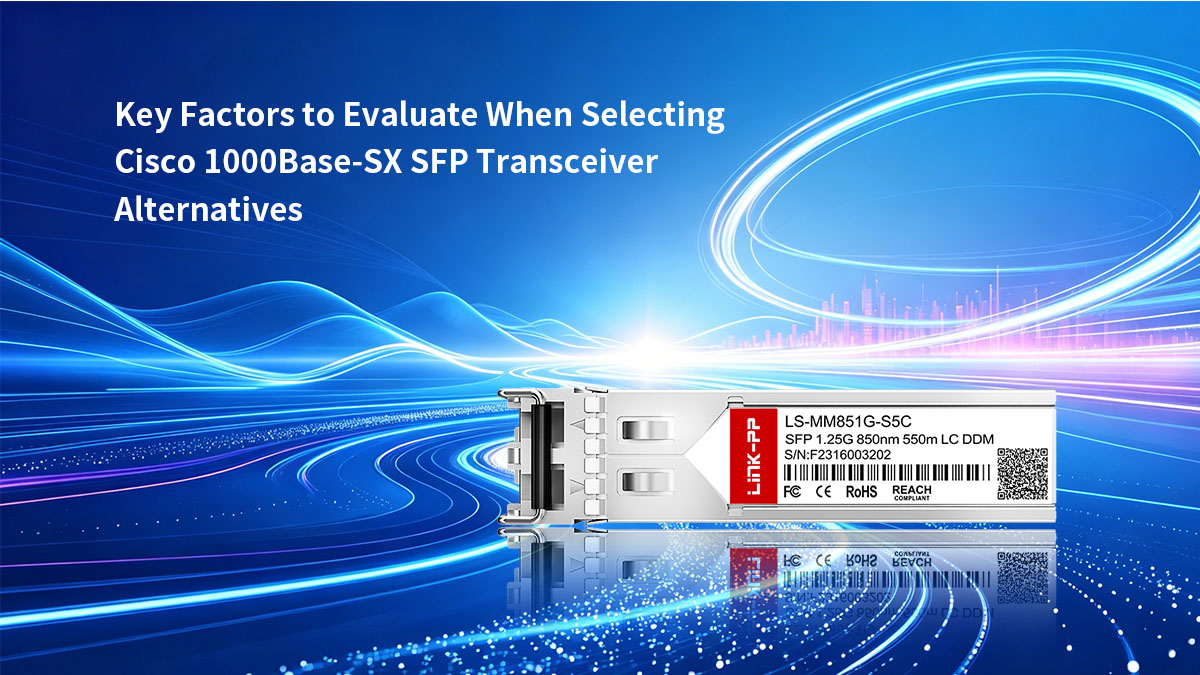
Selecting Cisco 1000Base-SX SFP Transceiver alternatives requires careful evaluation of multiple technical and operational factors to ensure stable performance in real-world Gigabit Ethernet environments. The goal is not only to ensure basic compatibility but also to maintain long-term network reliability, scalability, and manageability across diverse infrastructure deployments.
Compatibility Validation
Compatibility is the primary factor when evaluating Cisco 1000Base-SX SFP Transceiver alternatives, as even minor mismatches can affect link stability or device recognition.
A structured compatibility assessment typically includes:
- Verification of switch and router platform support across Cisco devices
- Testing module recognition under different firmware versions
- Ensuring correct coding and EEPROM configuration alignment
- Cross-checking interoperability in mixed vendor environments
This step ensures that the optical module integrates seamlessly into existing network hardware without requiring configuration changes or introducing instability.
Optical Performance Specifications
Optical performance directly determines the reliability and reach of Cisco 1000Base-SX SFP Transceiver alternatives in multimode fiber environments. Ensuring alignment with required transmission parameters is essential for consistent network behavior.
Key specifications to evaluate include:
- Wavelength accuracy (commonly 850nm for SX modules)
- Supported transmission distance over OM1, OM2, OM3, and OM4 fiber
- Optical power budget to maintain signal integrity across links
- Receiver sensitivity and tolerance under varying conditions
| Parameter | Typical Range | Evaluation Focus |
|---|---|---|
| Wavelength | 850nm | Multimode fiber compatibility |
| Distance | Up to 550m | Fiber grade dependency |
| Power Budget | System-dependent | Link stability assurance |
These parameters ensure that the module can sustain reliable Gigabit transmission across intended deployment distances.
Reliability and Manufacturing Standards
Reliability is a critical factor in enterprise and industrial networks where downtime can have significant operational impact. Cisco 1000Base-SX SFP Transceiver alternatives must meet consistent manufacturing and testing standards.
Important considerations include:
- Compliance with industry-standard optical manufacturing processes
- Environmental stress testing for temperature and humidity tolerance
- Quality assurance procedures across production batches
- Certification alignment with relevant networking standards
These elements help ensure stable long-term operation, especially in high-density or mission-critical environments.
Monitoring and Diagnostic Capabilities
Modern network management increasingly relies on real-time visibility, making diagnostic features an important evaluation criterion for Cisco 1000Base-SX SFP Transceiver alternatives.
Key diagnostic capabilities include:
- Digital Optical Monitoring (DOM) for real-time parameter tracking
- Voltage and temperature reporting for health assessment
- Optical power level monitoring for proactive fault detection
- Support for network management system integration
These features improve operational efficiency by enabling early detection of potential link degradation or hardware issues.
Long-Term Scalability
Scalability determines whether Cisco 1000Base-SX SFP Transceiver alternatives can support future network expansion without requiring major redesign or replacement.
Evaluation factors include:
- Compatibility with evolving network architectures and upgrades
- Ability to coexist with higher-speed optical technologies
- Flexibility for phased infrastructure migration strategies
- Support for long-term lifecycle management planning
A scalable optical module strategy ensures that current deployments remain viable even as network bandwidth requirements increase over time.
📋 Common Challenges and Risks in the Compatible Optics Market
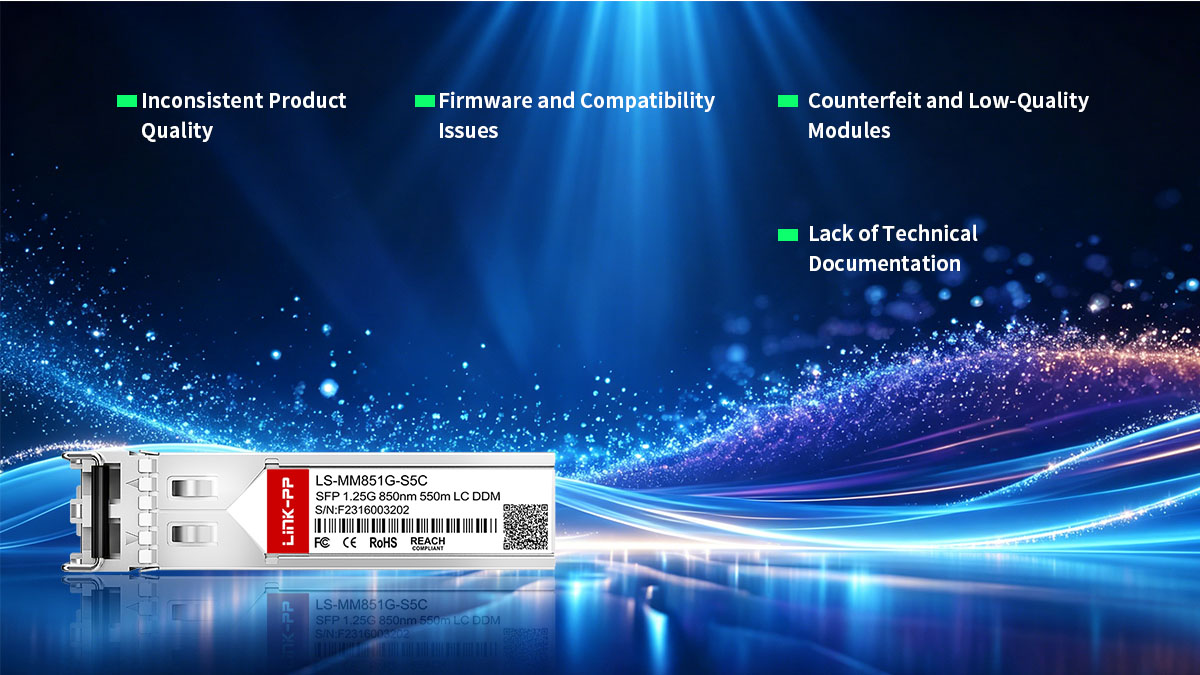
The market for Cisco 1000Base-SX SFP Transceiver alternatives has expanded rapidly, but this growth also introduces several technical and operational risks that must be carefully managed. While compatible optics can deliver strong performance in many environments, variations in quality control, firmware behavior, and supplier reliability can significantly impact network stability if not properly evaluated.
Inconsistent Product Quality
Inconsistent manufacturing quality is one of the most common challenges in the compatible optics market for Cisco 1000Base-SX SFP Transceiver alternatives. Differences in production standards can lead to variations in optical performance even among modules with identical specifications.
Key risk factors include:
- Variability in optical signal strength across production batches
- Differences in component sourcing and assembly processes
- Limited environmental testing in lower-tier manufacturing lines
- Potential deviation from stated technical specifications under load
These inconsistencies can result in unstable link performance, especially in large-scale deployments where uniform behavior across all modules is required.
Firmware and Compatibility Issues
Firmware and platform compatibility represent another critical risk area when deploying Cisco 1000Base-SX SFP Transceiver alternatives in Cisco-based or multi-vendor environments.
Common issues include:
- Failure of switch platforms to correctly recognize module identity
- EEPROM coding mismatches affecting module initialization
- Firmware updates causing unexpected compatibility changes
- Limited interoperability testing across different hardware versions
These issues can lead to link failures, degraded performance, or the need for manual configuration adjustments, particularly in heterogeneous network infrastructures.
Counterfeit and Low-Quality Modules
The expansion of demand has also increased exposure to counterfeit or low-quality optical modules in the Cisco 1000Base-SX SFP Transceiver alternative market. These products may appear technically similar but lack proper validation and testing.
Key risks include:
- Misrepresented technical specifications such as distance or wavelength support
- Absence of proper quality assurance and certification processes
- Shortened operational lifespan under continuous use
- Increased failure rates in high-density deployments
Identifying reliable supply sources and verifying product authenticity is essential to maintaining network stability and avoiding unexpected downtime.
Lack of Technical Documentation
Incomplete or insufficient technical documentation is another challenge that can affect the deployment of Cisco 1000Base-SX SFP Transceiver alternatives, particularly in complex enterprise environments.
This limitation often results in:
- Reduced visibility into detailed optical performance parameters
- Difficulties in troubleshooting link instability issues
- Lack of clear compatibility matrices across different platforms
- Increased dependency on trial-and-error deployment approaches
Without comprehensive documentation, network teams may face longer deployment cycles and reduced confidence in large-scale implementation decisions.
📋 Best Practices for Deploying Cisco 1000Base-SX SFP Transceiver Alternatives
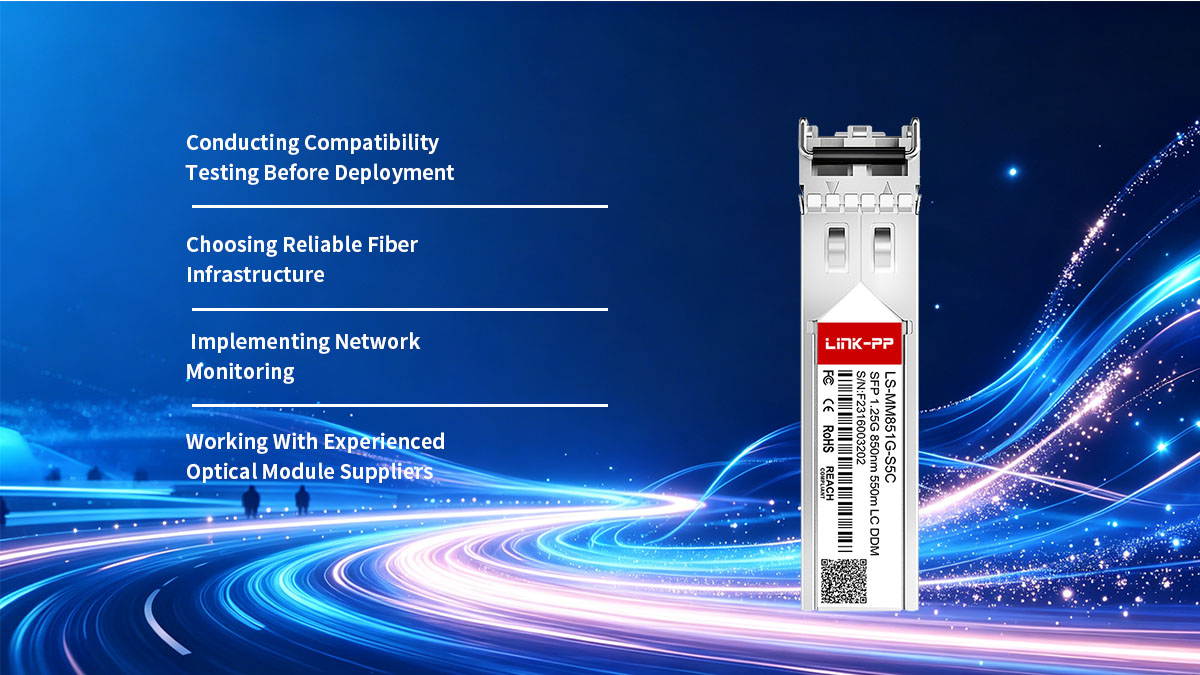
Deploying Cisco 1000Base-SX SFP Transceiver alternatives effectively requires a structured approach that prioritizes compatibility validation, physical layer integrity, and continuous network monitoring. In enterprise and data center environments, following best practices helps ensure stable Gigabit connectivity while minimizing operational risks associated with multi-vendor optical deployments.
Conducting Compatibility Testing Before Deployment
Compatibility testing is the first and most important step when introducing Cisco 1000Base-SX SFP Transceiver alternatives into a production network. This process ensures that modules function correctly across targeted hardware platforms before large-scale rollout.
A structured validation process typically includes:
- Testing module recognition on Cisco switches and routers under real firmware versions
- Verifying link establishment and stability under sustained traffic loads
- Confirming correct EEPROM coding and device identification behavior
- Evaluating interoperability in mixed-vendor test environments
By validating these factors in a controlled environment, network teams can significantly reduce the risk of deployment-related disruptions.
Choosing Reliable Fiber Infrastructure
Even high-quality Cisco 1000Base-SX SFP Transceiver alternatives depend heavily on the quality of the underlying fiber infrastructure. Multimode fiber conditions and installation practices directly influence optical performance and link stability.
Key infrastructure considerations include:
- Selecting appropriate multimode fiber types (OM2, OM3, or OM4 depending on distance requirements)
- Ensuring proper connector cleaning and inspection before installation
- Maintaining correct bend radius to avoid signal degradation
- Using certified structured cabling systems for enterprise deployments
A well-prepared physical layer ensures that optical modules operate within their intended performance range.
Implementing Network Monitoring
Continuous monitoring is essential for maintaining stable performance when using Cisco 1000Base-SX SFP Transceiver alternatives in dynamic network environments. Visibility into optical parameters helps detect potential issues before they impact service quality.
Effective monitoring practices include:
- Enabling Digital Optical Monitoring (DOM) on supported modules
- Tracking optical power levels to detect signal degradation trends
- Monitoring temperature and voltage fluctuations in real time
- Integrating module data into centralized network management systems
These monitoring capabilities support proactive maintenance strategies and improve overall network reliability.
Working With Experienced Optical Module Suppliers
Supplier selection plays a critical role in ensuring the long-term success of Cisco 1000Base-SX SFP Transceiver alternative deployments. Experienced suppliers typically provide better consistency, validation, and technical support.
Key evaluation points include:
- Availability of detailed compatibility and test reports
- Consistency in product quality across batches
- Access to technical consultation during deployment planning
- Long-term support for troubleshooting and lifecycle management
Working with a technically capable supplier helps reduce uncertainty and improves confidence in large-scale optical deployments.
📋 Future Outlook for Cisco 1000Base-SX SFP Transceiver Alternatives
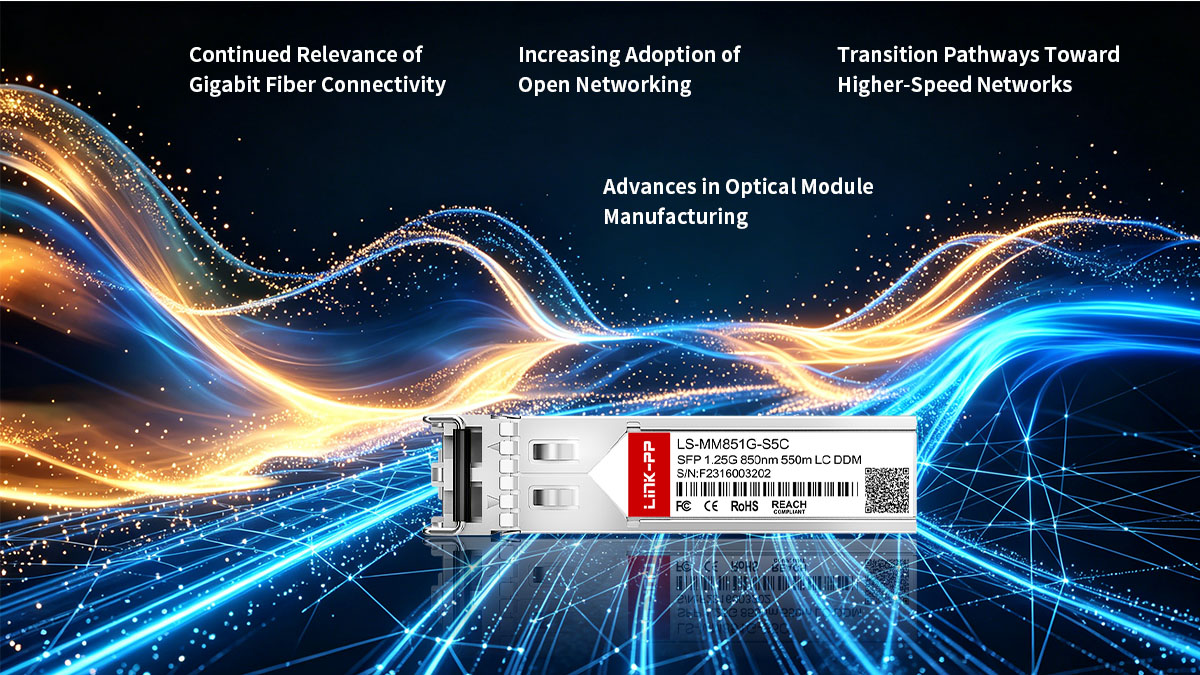
The future of Cisco 1000Base-SX SFP Transceiver alternatives is closely tied to the continued evolution of enterprise networking, where hybrid infrastructures and phased technology upgrades remain the dominant strategy. While higher-speed optical standards are expanding rapidly, Gigabit multimode fiber links will continue to play a critical role in access-layer and legacy system support for the foreseeable future.
Continued Relevance of Gigabit Fiber Connectivity
Gigabit fiber connectivity remains widely deployed, ensuring that Cisco 1000Base-SX SFP Transceiver alternatives will retain strong market relevance in enterprise and industrial environments. Many organizations still rely on 1Gbps infrastructure as a stable and cost-efficient foundation for internal networking.
Key drivers of continued relevance include:
- Extensive installed base of Gigabit Ethernet switching infrastructure
- Ongoing use of multimode fiber in campus and building networks
- Stable performance requirements for access-layer connectivity
- Cost-effective operation for non-core network segments
As a result, demand for compatible SX-class optics is expected to remain steady even as higher-speed technologies grow.
Increasing Adoption of Open Networking
The rise of open networking architectures is reshaping how Cisco 1000Base-SX SFP Transceiver alternatives are evaluated and deployed. Enterprises are increasingly prioritizing flexibility and interoperability over vendor-exclusive ecosystems.
This trend is reflected in several developments:
- Expansion of white-box switching and disaggregated network models
- Greater reliance on MSA-compliant optical modules
- Reduced dependence on proprietary hardware ecosystems
- Increased focus on standardized, vendor-neutral infrastructure design
These changes encourage broader acceptance of compatible optical modules that can operate across diverse networking platforms.
Transition Pathways Toward Higher-Speed Networks
Although Gigabit optics remain widely used, many organizations are gradually transitioning toward 10Gbps and higher-speed architectures. Cisco 1000Base-SX SFP Transceiver alternatives play an important role in supporting this transition phase.
Common migration patterns include:
- Maintaining 1Gbps access layers while upgrading core networks
- Incremental replacement of legacy links with other high-speed transceivers
- Hybrid deployments combining SFP 1G, SFP+ 10G, and higher interfaces
- Extended use of multimode fiber infrastructure during phased upgrades
This transitional approach ensures operational continuity while enabling long-term scalability.
Advances in Optical Module Manufacturing
Ongoing improvements in optical module manufacturing are also shaping the future of Cisco 1000Base-SX SFP Transceiver alternatives. Enhanced production technologies are improving both performance consistency and feature integration.
Key advancements include:
- More precise optical alignment and component integration
- Improved quality control through automated testing systems
- Enhanced support for digital diagnostics and monitoring features
- Greater consistency across large-scale production batches
These advancements contribute to higher reliability and stronger market confidence in compatible optical solutions, particularly for enterprise-scale deployments.
📋 Conclusion
Cisco 1000Base-SX SFP Transceiver technology continues to serve as a foundational component in Gigabit Ethernet networks, especially in enterprise campus, data center, and industrial environments. While original modules remain widely used for their validated ecosystem integration, Cisco 1000Base-SX SFP Transceiver alternatives have become increasingly important as organizations prioritize scalability, supply flexibility, and cost-efficient network expansion strategies.
Across the full analysis, several key conclusions stand out:
- Gigabit multimode fiber infrastructure remains highly relevant and widely deployed
- Compatible optical modules are increasingly supported by improved manufacturing and stricter testing standards
- Market demand is shifting toward multi-vendor interoperability and open networking architectures
- Deployment success depends heavily on compatibility validation, fiber quality, and monitoring practices
- Long-term network evolution is moving toward hybrid architectures combining legacy and higher-speed links
Together, these factors show that Cisco 1000Base-SX SFP Transceiver alternatives are no longer a secondary option but a strategic component in modern network planning. When selected and deployed with proper technical evaluation, they can support stable performance while offering greater flexibility for evolving infrastructure needs.
For organizations planning to optimize their Gigabit optical networks or evaluate compatible transceiver solutions, professional-grade product consistency and technical reliability remain essential. Resources and optical module solutions can be explored through the LINK-PP Official Store, where a range of standards-compliant networking components are available to support diverse deployment requirements.