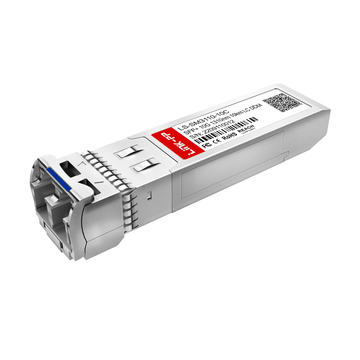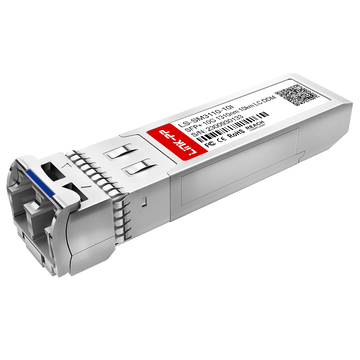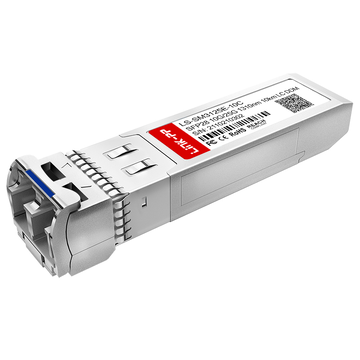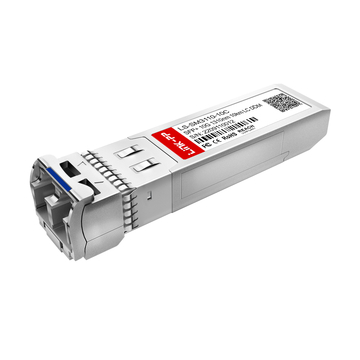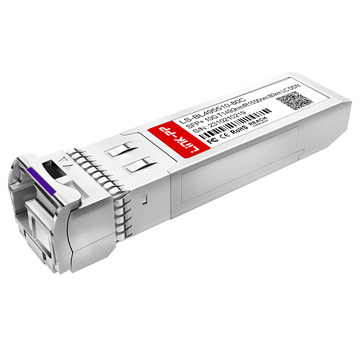
The genuine Cisco SFP-10/25G-LR-S price typically ranges from $600 to $1,200 USD via authorized networking partners, while third-party compatible transceivers average $40 to $80 USD. This S-Class, dual-rate optical module supports both 10 Gbps and 25 Gbps line rates over Single-Mode Fiber (SMF) up to 10 kilometers. It is widely considered the most cost-effective hardware investment for enterprise data centers executing phased migrations to 25G architectures.
In the current landscape of enterprise data center upgrades, transitioning from 10G to 25G Ethernet is no longer a luxury—it is a structural necessity to support high-density virtualization and cloud workloads. However, when mapping out a network refresh, IT architects quickly realize that optical transceivers often consume the largest portion of the hardware budget.
The Cisco SFP-10/25G-LR-S transceiver is engineered to solve this exact procurement dilemma. Compliant with the IEEE 802.3cc (25GBASE-LR) industry standard, this module utilizes advanced dual-rate ASIC silicon. This allows the optic to seamlessly autonegotiate between 10G and 25G speeds across existing LC-duplex Single-Mode Fiber (SMF) infrastructure, eliminating the need to physically "rip and replace" cables or optics during a switch upgrade.
Yet, the pricing landscape for Cisco networking optics remains notoriously complex for procurement teams. Buyers frequently encounter confusing nomenclature and massive price gaps. Why is the S-Class ("-S") significantly cheaper than standard LR models? Is the premium cost of a genuine OEM module justified when third-party alternatives cost 90% less?
In this guide, we bypass the vendor marketing jargon to provide a technically precise cost analysis. We will break down current market pricing, define Cisco's specific temperature and protocol parameters (Ethernet vs. FCoE), and demonstrate the long-term Return on Investment (ROI) of adopting dual-rate flexibility for your core and distribution layers.
🔄 What Is the Cisco SFP-10/25G-LR-S?
Definition: The Cisco SFP-10/25G-LR-S is an enterprise-grade, S-Class optical transceiver built on the SFP28 form factor. Operating at a 1310 nm wavelength, it provides high-speed Ethernet transmission up to 10 kilometers over standard LC-duplex Single-Mode Fiber (SMF). Its defining technical advantage is its dual-rate circuitry, which allows the module to seamlessly operate at both 10GBASE-LR (10 Gbps) and 25GBASE-LR (25 Gbps) standards, making it a critical asset for future-proofing long-reach network interconnects.
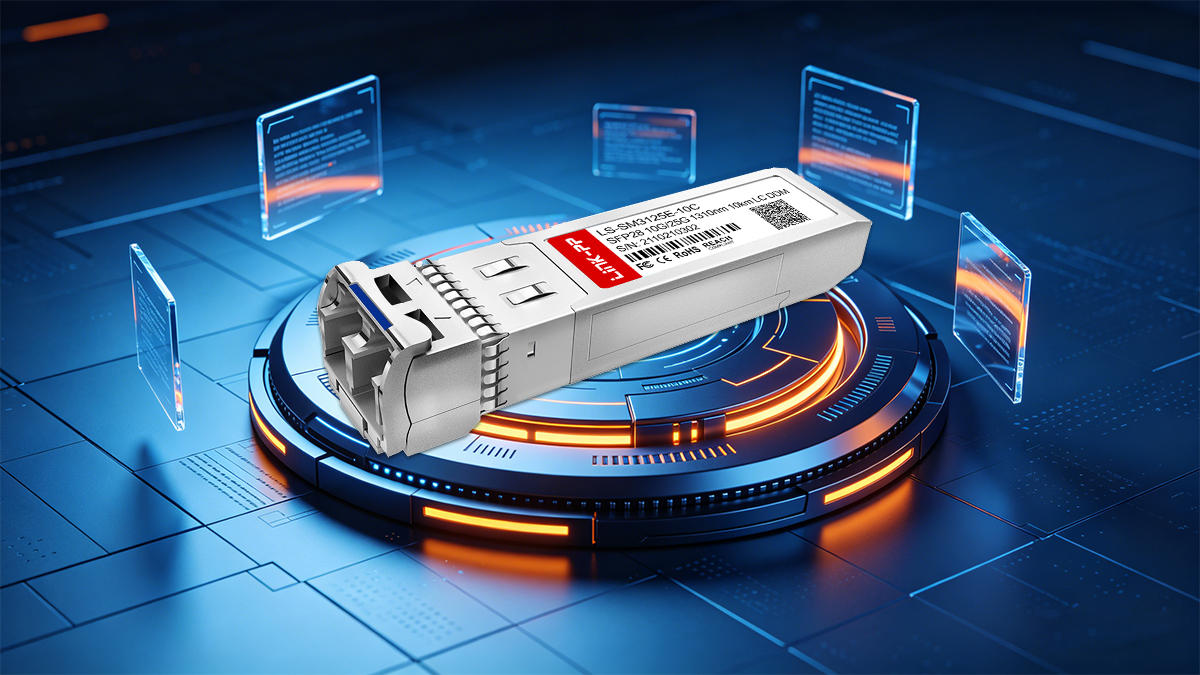
To establish baseline technical precision, here are the core physical parameters of the module:
| Specification | Details |
|---|---|
| Form Factor | SFP28 (Mechanically identical and backward-compatible with SFP+ ports) |
| Wavelength | 1310 nm |
| Maximum Reach | 10 km via OS1/OS2 Single-Mode Fiber |
| Supported Protocols | 10/25 Gigabit Ethernet (As an S-Class module, it does not support FCoE or OTN) |
| Operating Temperature | Commercial range (0°C to 70°C / 32°F to 158°F) |
Cisco SFP-10/25G-LR-S Compatibility and Deployment Scenarios
Hardware compatibility is the primary driver of optic deployment. The SFP-10/25G-LR-S is highly versatile, validated across a broad spectrum of Cisco’s enterprise networking portfolio, most notably within the Cisco Catalyst 9000 series (e.g., Catalyst 9500/9600 core switches) and the Cisco Nexus 3000/9000 series for data center environments.
Because the physical dimensions of an SFP28 transceiver are identical to the older SFP+ standard, the optic can be physically inserted into legacy 10G ports. The host switch's operating system (such as Cisco IOS-XE or NX-OS) will automatically negotiate the line rate based on the port's hardware capabilities.
From an architectural standpoint, network engineers leverage this transceiver in three specific deployment scenarios:
- Phased Brownfield Migrations: This is the most financially compelling use case. Organizations can deploy these optics into legacy 10G SFP+ switch ports today. Next year, when the IT budget allows for an upgrade to 25G SFP28 switches, the engineering team simply unplugs the optic from the old switch and inserts it into the new one. The link speed increases to 25 Gbps without the prohibitive cost of replacing the transceivers or re-pulling fiber.
- Campus Core-to-Distribution Links: In large enterprise campuses, the distance between the primary data center and remote distribution closets frequently exceeds the 300m/400m limitation of Multimode Fiber (CSR/SR optics). The 10km reach of the LR-S module provides a reliable, high-bandwidth backbone over existing SMF runs between buildings.
- Spine-Leaf Data Center Topologies: For high-performance computing (HPC) or large-scale server farms where inter-rack distances are significant, deploying SFP-10/25G-LR-S ensures deterministic, non-blocking 25G bandwidth between the Leaf switches and the Spine layer, maintaining strict commercial temperature operating thresholds.
🔄 What Dictates the Cisco SFP-10/25G-LR-S Price?
The market price of the Cisco SFP-10/25G-LR-S is driven by three primary variables: the manufacturing cost of dual-rate ASIC silicon, the high-power 1310nm lasers required for 10km Long Reach (LR) transmission, and the Cisco OEM brand premium that guarantees absolute compliance and Tier-1 TAC support.
When budgeting for a network refresh, IT procurement managers often question why the Cisco SFP-10/25G-LR-S price appears significantly higher than standard, single-rate 10G optical modules. The cost differential is not arbitrary; it is rooted in advanced hardware engineering and enterprise-level risk mitigation.
To accurately assess whether this optic fits your IT budget, it is essential to deconstruct the three core components that dictate its market value:
1. Dual-Rate Technology (The Silicon Premium)
You are essentially purchasing two optical modules engineered into a single physical unit. Traditional transceivers are hard-coded to function at one specific speed (e.g., exclusively 10G or exclusively 25G). In contrast, the SFP-10/25G-LR-S utilizes complex Clock and Data Recovery (CDR) circuitry and dual-rate silicon.
This internal hardware allows the optic to accurately step down its transmission rate to 10 Gbps when connected to an older line card, and seamlessly ramp up to 25 Gbps when interfacing with next-generation switch ports. The manufacturing complexity of this adaptive silicon is the primary baseline driver of the transceiver's cost.
2. Long Reach Optical Lasers vs. Short Reach (SR)
In the optical networking market, distance directly correlates with price. Short Reach (SR) or Cisco Short Reach (CSR) transceivers utilize cheaper VCSEL (Vertical-Cavity Surface-Emitting Lasers) designed to push data over Multimode Fiber (MMF) for distances limited to 100 or 400 meters.
The "LR" (Long Reach) designation in the SFP-10/25G-LR-S signifies the inclusion of higher-quality, higher-power Distributed Feedback (DFB) lasers. These lasers operate at a 1310 nm wavelength, enabling signal propagation over Single-Mode Fiber (SMF) for up to 10 kilometers without severe signal degradation or the need for intermediate optical amplifiers. The physical cost of manufacturing precise DFB lasers inherently elevates the price tag over short-distance counterparts.
3. Cisco OEM Branding and TAC Support Guarantee
The final, and arguably most significant, factor influencing the price is the vendor ecosystem. Purchasing a genuine OEM Cisco transceiver carries a notable brand premium compared to bare-metal hardware. However, for enterprise environments, this premium is often categorized as a critical insurance policy.
When you purchase the genuine SFP-10/25G-LR-S, it includes a verified Cisco EEPROM (Electrically Erasable Programmable Read-Only Memory) chip. This guarantees seamless compatibility with Cisco IOS-XE and NX-OS software without requiring forced override commands (such as service unsupported-transceiver). More importantly, utilizing genuine optics ensures that in the event of a catastrophic network failure, Cisco TAC (Technical Assistance Center) will provide full diagnostics and support, rather than attributing the outage to unverified, third-party hardware.
🔄 S-Class vs. Non-S Optics: Maximizing Your Budget
The S-Class (denoted by the "-S" suffix) is Cisco’s enterprise-grade optical tier, offering massive cost savings over standard non-S optics. The SFP-10/25G-LR-S is significantly cheaper because it operates within standard commercial temperatures (0°C to 70°C) and supports Ethernet exclusively, stripping away unnecessary Service Provider protocols like FCoE and OTN.
If you are reviewing a quote from a networking vendor, you have likely noticed a staggering price discrepancy between standard Cisco optics and those ending in an "-S". In fact, understanding this single naming convention is the most effective way to maximize your IT procurement budget.
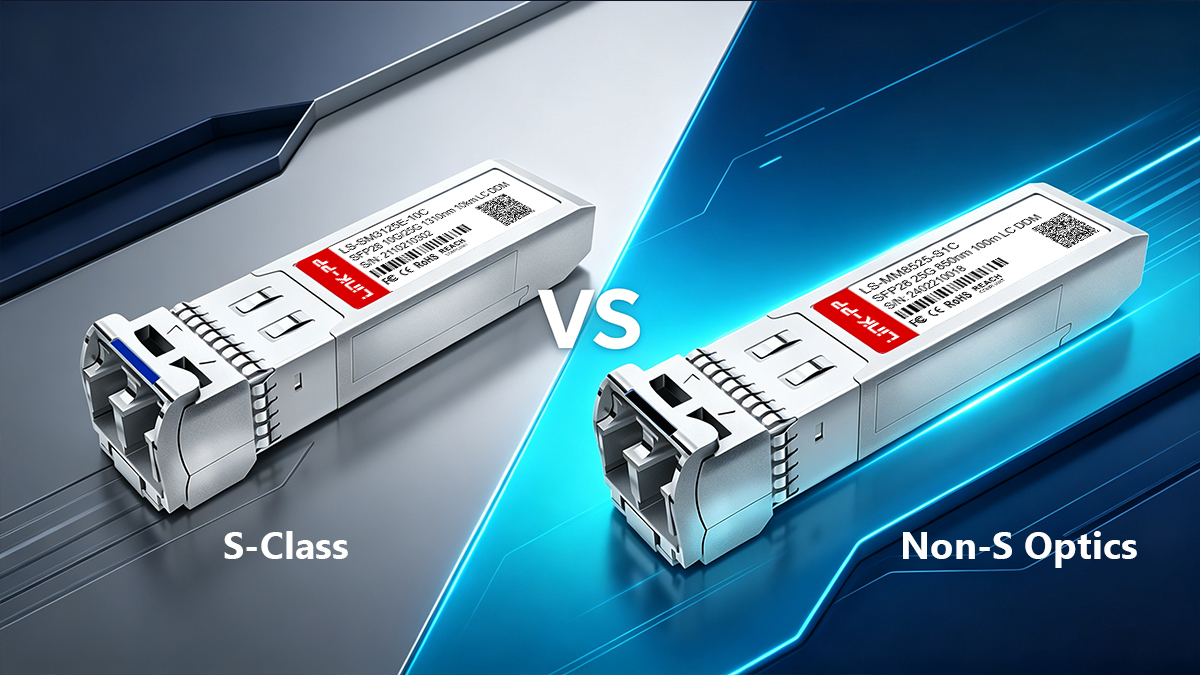
A common point of friction for network engineers and buyers is the question: "What is the difference between the SFP-10/25G-LR and the SFP-10/25G-LR-S?" Is the S-Class an inferior, "budget" module?
The definitive answer is no. The S-Class is not lower quality; it is simply highly optimized for standard Enterprise and Data Center environments, rather than demanding Telecom or ISP networks. Here is the technical breakdown of why the "-S" saves you money:
1. Temperature Tolerances: Commercial vs. Industrial
The primary cost-driver of non-S optics is their ability to survive in extreme physical environments. Standard non-S transceivers are built with industrial-grade components designed to operate in extended temperature ranges (typically -40°C to 85°C). This is required for optics deployed in outdoor cellular towers, unventilated industrial sheds, or street-level telco cabinets.
The SFP-10/25G-LR-S, however, operates strictly within the commercial temperature range of 0°C to 70°C (32°F to 158°F). If your core switches are racked in a climate-controlled data center or a standard office network closet, paying a premium for industrial temperature tolerance is a waste of budget.
2. Protocol Support: Ethernet-Only vs. Multi-Protocol
Telecom providers frequently transport multiple types of traffic across the same fiber optic infrastructure. Standard non-S optics are programmed to support a wide array of protocols, including Fibre Channel over Ethernet (FCoE) for storage networks, and Optical Transport Network (OTN) standards.
By contrast, the S-Class is strictly an Ethernet-only transceiver. Cisco removed the software overhead and licensing costs associated with OTN and FCoE. For 95% of enterprise networks—which rely purely on 10G or 25G Ethernet to move data—the S-Class provides the exact same network performance without paying for protocols you will never configure.
The Procurement Verdict
When comparing the SFP-10/25G-LR-S cost against its non-S counterpart, the choice is clear. Unless you are a Service Provider running OTN, or you are deploying switches in harsh, non-climate-controlled environments, you should always purchase the S-Class (-S) optics. Selecting the S-Class allows you to maintain genuine Cisco reliability and full TAC support while cutting your optical hardware budget by up to 50%.
🔄 Genuine Cisco Pricing vs. Third-Party Alternatives
While genuine Cisco SFP-10/25G-LR-S modules command a premium price (often $600–$1,200+), they guarantee 100% switch compatibility and Cisco TAC support. Third-party compatible optics (like those from FS.com or Flexoptix) offer the same technical specifications for a fraction of the cost ($40–$80), but carry the risk of support denial during critical network outages.
Venture into any networking community on Reddit (such as r/networking or r/Cisco), and you will immediately encounter the industry’s most fiercely debated topic: Is it worth paying for genuine Cisco optics, or should you buy third-party compatible transceivers?
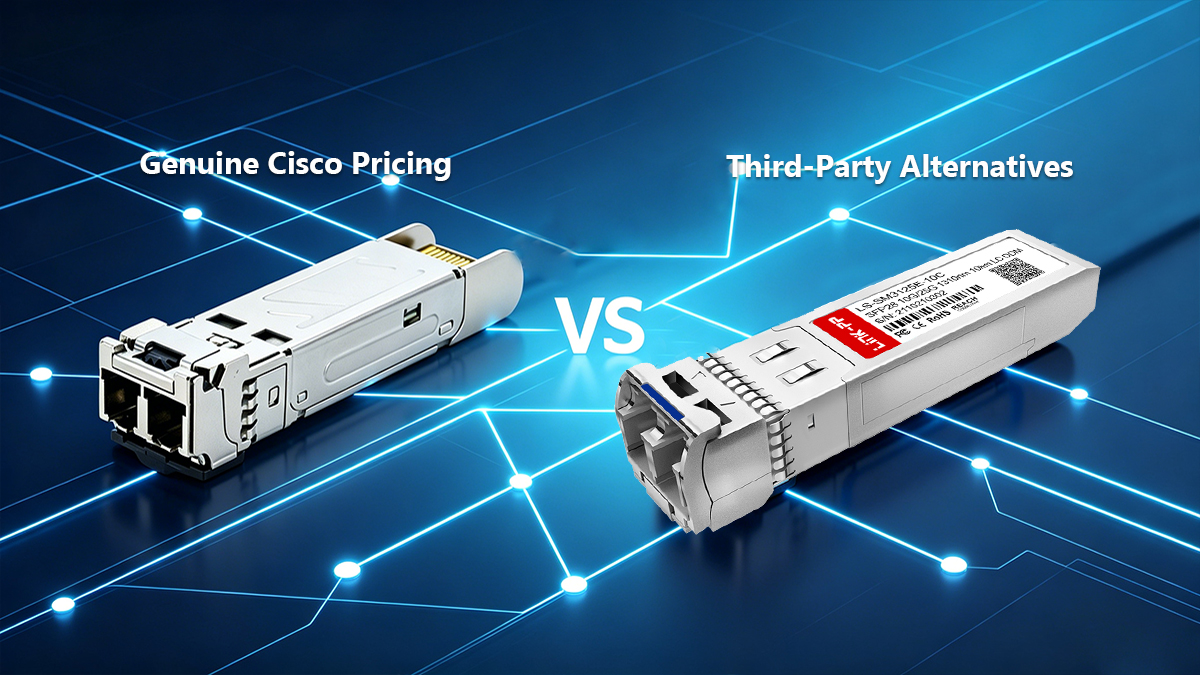
When migrating to 25G architecture, the price gap between original equipment manufacturer (OEM) hardware and third-party alternatives is too massive for procurement teams to ignore. Here is a realistic look at the current market pricing tiers for a 10/25G Long Reach module:
| Product Type | Estimated Price Range (USD) | Notes |
|---|---|---|
| Genuine Cisco OEM (New in Box) | $900 – $1,300+ | Pricing varies based on enterprise discount levels and procurement contracts |
| Genuine Cisco OEM (Refurbished / Secondary Market) | $300 – $600 | Common in broker channels and enterprise hardware resellers |
| Third-Party Compatible (e.g., FS, Flexoptix, LINK-PP, AddOn) | $40 – $80 | Lower-cost alternative with broad compatibility options |
Given that third-party optics can cost up to 90% less, why do enterprise architects still allocate hundreds of thousands of dollars toward genuine Cisco 25G LR transceiver pricing? The answer lies not in optical performance, but in risk management.
The Case for Third-Party Optics
From a purely hardware standpoint, many third-party vendors manufacture their optical transceivers in the exact same fabrication plants as major networking brands. A reputable third-party SFP-10/25G-LR-S is coded to bypass Cisco’s vendor-lock mechanisms, utilizing the same 1310nm DFB lasers and dual-rate silicon.
For budget-constrained environments—such as edge switch deployments, lab environments, or non-critical access layers—third-party optics provide an unbeatable Return on Investment. If a $50 optic fails, network engineers can simply throw it away and swap it out with a spare from their inventory without a second thought.
The Case for Genuine Cisco OEM (The TAC Factor)
The danger of third-party optics emerges strictly at the Core and Distribution layers of the network. If your primary Spine-Leaf topology experiences a catastrophic link failure causing a major business outage, your engineering team will immediately open a high-severity ticket with the Cisco Technical Assistance Center (TAC).
If Cisco TAC pulls the switch diagnostic logs and identifies the presence of unsupported, third-party transceivers via the service unsupported-transceiver command log, they possess the contractual right to halt support. The support engineer can legitimately claim, "We cannot verify the integrity of the optical signal; please replace the third-party optics with genuine Cisco modules before we continue troubleshooting."
During a critical outage, the cost of network downtime will instantly eclipse whatever money was saved by purchasing cheap hardware.
The Hybrid Deployment Strategy
To balance budget efficiency with enterprise reliability, veteran IT architects recommend a Hybrid Procurement Strategy:
- Core/Spine Links: Invest the budget in genuine Cisco SFP-10/25G-LR-S modules for all critical backbone and cross-datacenter links to guarantee unimpeded TAC support.
- Access/Leaf Links: Utilize high-quality, third-party compatible optics for server-to-switch access layer connections, keeping spare modules readily available on-site for immediate physical replacement.
🔄 The ROI of Investing in Dual-Rate 10/25G Flexibility
The primary ROI of the Cisco SFP-10/25G-LR-S lies in its "Buy Once, Deploy Twice" capability. By autonegotiating between 10G and 25G line rates, network teams can install these optics in legacy 10G networks today, and seamlessly scale to 25G throughput during future switch upgrades without purchasing new transceivers.
When analyzing the SFP-10/25G-lR-S ROI, IT directors must look beyond the initial Capital Expenditure (CapEx). While the upfront cost of a dual-rate module is higher than a legacy, single-rate 10G base optic, its true value is unlocked during phased network architecture migrations.
Upgrading an enterprise core network is rarely a "rip-and-replace" event that happens overnight. Budget constraints often force organizations to upgrade their infrastructure in stages over multiple fiscal years. This is where the dual-rate flexibility of the SFP-10/25G-LR-S transforms from a technical feature into a massive financial asset.
The "Buy Once, Deploy Twice" Scenario
Consider a standard enterprise data center executing a phased upgrade strategy:
- Phase 1 (Current Year): The engineering team needs to establish new 10km Single-Mode Fiber links between two buildings, but the budget only allows for maintaining the existing legacy 10G SFP+ distribution switches.
- The Dual-Rate Advantage: Instead of buying standard SFP 10G LR optics, the procurement team purchases the Cisco SFP-10/25G-LR-S. Because the SFP28 form factor is backward-compatible, these optics plug directly into the legacy 10G switch ports. The internal ASIC silicon steps the speed down, and the network operates flawlessly at 10 Gbps.
- Phase 2 (Two Years Later): Capital budget is approved to upgrade the distribution layer to new, high-density 25G-capable hardware (such as the Nexus 9300 series).
- The Payoff: The engineering team simply unplugs the SFP-10/25G-LR-S optics from the old 10G switches and inserts them into the new 25G switches. The optical module autonegotiates to the higher line rate. The network bandwidth increases by 2.5x to 25 Gbps, and the organization spends exactly $0 on new optics or fiber cabling.
Mitigating Labor and Logistics Costs
The financial ROI extends beyond hardware procurement. Replacing optical transceivers across a large campus requires significant Operating Expenditure (OpEx)—including scheduling maintenance windows, dispatching field technicians, re-verifying optical light levels, and updating network documentation.
By deploying dual-rate optics proactively, organizations eliminate the labor costs and network downtime associated with a secondary hardware swap. The transition to 25G becomes a software-driven or simple hardware-swap exercise at the switch level, while the optical layer remains completely untouched.
Ultimately, investing in the Cisco 25G LR transceiver pricing today is an insurance policy against future obsolescence. It prevents IT departments from falling into the trap of purchasing 10G hardware that will be effectively useless when the business demands higher network throughput in the near future.
🔄 Frequently Asked Questions about Cisco SFP-10/25G-LR-S Price
To help you navigate the complexities of Cisco’s optical pricing and nomenclature, we have compiled direct answers to the most common queries surrounding the 10/25G S-Class optical lineup.
1. What is the SFP-10/25G-LR-S?
2. What is the difference between Cisco SFP-10G-LR-I and SFP-10G-LR-S?
3. What is the difference between 10G-SR and 10G-SR-S?
4. What is the SFP-10/25G-CSR-S?
5. Do I need to configure the switch to make the dual-rate optic work?
🔄 Is the Cisco SFP-10/25G-LR-S Worth the Price for Your Network?
The high initial cost of a genuine Cisco SFP-10/25G-LR-S is easily justified if your organization is executing a multi-year, phased migration from 10G to 25G across critical Core and Distribution layers. However, for edge deployments, lab environments, or budget-restricted access layers, deploying MSA-compliant compatible optics is the smarter financial strategy.
From an IT procurement perspective, optical transceivers are no longer just passive connectivity tools; they are strategic hardware assets. Deciding whether to allocate budget for the Cisco SFP-10/25G-LR-S price comes down to evaluating your specific architectural roadmap and risk tolerance.
When the Dual-Rate Premium is Worth It
If your enterprise is currently running on 10G infrastructure but you have a definitive roadmap to upgrade to 25G switches within the next 12 to 36 months, the dual-rate flexibility is invaluable. Buying the SFP-10/25G-LR-S today significantly reduces your future CapEx and OpEx. You eliminate the need to purchase new optics later, avoid the labor costs of re-cabling, and ensure you have full Cisco TAC support for your most mission-critical backbone links.
When a Lower-Cost Optic is Sufficient
Conversely, you should avoid paying the premium 10/25G Long Reach price tag if:
- Distance is minimal: If your switch-to-server or inter-rack connections are under 300 meters, standard Multimode Fiber (MMF) optics like the 10/25G-CSR-S will easily suffice at a much lower cost.
- The network layer is non-critical: For Access/Leaf switches or secondary redundant links where immediate TAC support is not a life-or-death scenario, purchasing genuine Cisco OEM optics is often an over-allocation of budget.
Maximize Your Budget with Premium Compatible Optics
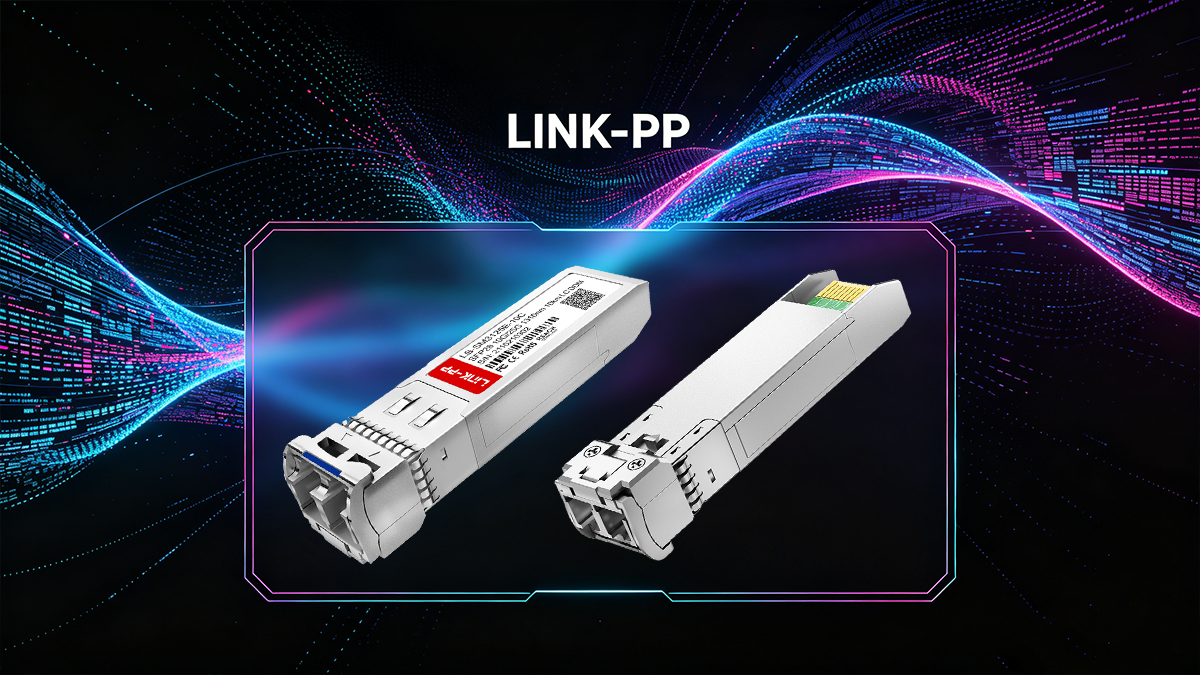
For organizations looking to deploy the advanced dual-rate and 10km reach capabilities of the SFP-10/25G-LR-S without absorbing the steep Cisco brand markup, third-party compatible optics are the industry-standard solution.
If your procurement strategy focuses on maximizing ROI without sacrificing optical performance, visit the LINK-PP Official Store for Cisco SFP-10/25G-LR-S compatible modules. (Note: Please insert your actual URL in the href attribute).
Built strictly to Multi-Source Agreement (MSA) standards, LINK-PP compatible optics are pre-coded to ensure 100% plug-and-play functionality with your existing Nexus and Catalyst switches. You get the exact same 1310nm DFB laser performance, dual-rate autonegotiation, and seamless 10G-to-25G future-proofing, all while reclaiming up to 80% of your optical hardware budget for other critical IT initiatives.