In the rapidly evolving world of high-speed networking, the choice of optical transceivers plays a pivotal role in determining network performance and reliability. As businesses continue to scale and demand for data increases, the decision to use original or third-party optics has become a critical consideration for many network operators. LINK-PP and Arista, two prominent players in the networking hardware space, represent a significant contrast in this debate. While original optics promise guaranteed compatibility and support, third-party alternatives offer cost-effective solutions without compromising on quality. This article delves into the key differences between LINK-PP's original optics and Arista’s offerings, exploring the benefits, challenges, and market trends shaping the decision-making process for network engineers and businesses alike. Understanding these factors can help guide informed choices that balance performance, cost, and long-term network needs.
✅ Why Your Optical Transceiver Choice Matters

In today’s high-speed networking environment, optical transceivers are crucial components that facilitate the transmission of data across long distances with minimal signal loss. These small, powerful devices play an essential role in connecting various network elements such as switches, routers, and servers. With the growing demand for faster internet speeds and higher data throughput, choosing the right optical transceiver is more important than ever.
The decision between using original (OEM) optics or third-party compatible modules can have a significant impact on network performance, reliability, and cost. A well-chosen transceiver ensures smooth communication across the network, enabling enterprises to handle increasing volumes of data traffic without interruptions. However, an ill-suited optical transceiver can lead to signal degradation, compatibility issues, and additional operational costs.
The Role of Optics in Modern High-speed Networks
Optical transceivers are at the heart of modern fiber-optic communication systems. These devices convert electrical signals to optical signals for transmission over fiber optic cables and vice versa. As the need for faster and more efficient data transmission grows, so does the reliance on optical transceivers.
In high-speed networks, the role of optics goes beyond simply connecting devices; they ensure high bandwidth and low latency, which are essential for applications such as cloud computing, data centers, and telecommunications. The transition to higher-speed networks (such as 10G, 40G, and 100G Ethernet) has made high-performance optics indispensable.
Moreover, modern optical transceivers can operate over longer distances with better signal integrity, making them ideal for large-scale networks and intercontinental data transmission. With innovations in optics, such as Dense Wavelength Division Multiplexing (DWDM), businesses can maximize their infrastructure’s capacity without overhauling their entire network.
Market Status of Original Module and Third-Party Compatible Modules
The market for optical transceivers has become increasingly diverse with the rise of third-party compatible modules. Historically, businesses relied on original modules from manufacturers like Cisco, Arista, and Juniper, which promised guaranteed compatibility and high-quality standards. However, third-party optics, produced by companies like LINK-PP, have emerged as a cost-effective alternative without compromising on performance.
In recent years, the demand for third-party compatible modules has surged, driven by the lower costs and competitive performance they offer. Many network operators now consider third-party optics as a viable option, particularly for non-critical applications. While original modules remain the go-to for mission-critical systems, the market for third-party optics continues to grow, offering flexibility and scalability to businesses with diverse needs.
Despite the growing acceptance of third-party optics, concerns about compatibility, reliability, and support persist. Original optics still dominate in sectors where performance and longevity are paramount, particularly in large-scale enterprises and high-performance computing environments. However, third-party suppliers are increasingly addressing these concerns by offering enhanced support, warranties, and compliance with industry standards.
Key Decision Factors: Performance, Total Cost of Ownership (TCO), Compatibility, and Support
When choosing between original and third-party optics, several key factors must be considered:
-
Performance: The performance of an optical transceiver is paramount. Network operators must ensure that the transceiver supports the required data rates, distances, and signal integrity needed for their network. Original optics typically come with guarantees of high performance, but third-party modules are increasingly able to match these standards.
-
Total Cost of Ownership (TCO): The upfront cost of a transceiver is just one aspect of its total cost. TCO also includes ongoing maintenance, energy consumption, and the potential cost of network downtime. Third-party optics often come at a fraction of the price of original modules, offering a more attractive initial investment. However, businesses should also factor in the reliability and warranty services offered by both options.
-
Compatibility: Compatibility with existing infrastructure is a critical consideration. Original optics guarantee compatibility with specific hardware, ensuring seamless integration. Third-party optics, while often compatible, may require more careful evaluation to ensure they work optimally with a given setup. Compatibility testing is crucial to avoid unexpected issues down the line.
-
Support: OEM optics typically come with robust support services, including technical assistance, software updates, and extended warranties. In contrast, support for third-party optics can vary. Many third-party suppliers offer comprehensive warranties and customer service, but businesses should assess the level of support provided before making a decision.
Ultimately, the decision between original and third-party optics depends on the specific needs of the business, including performance requirements, budget constraints, and the level of risk the organization is willing to take regarding compatibility and support.
✅ LINK-PP vs Arista: Brand Profiles & Market Positioning
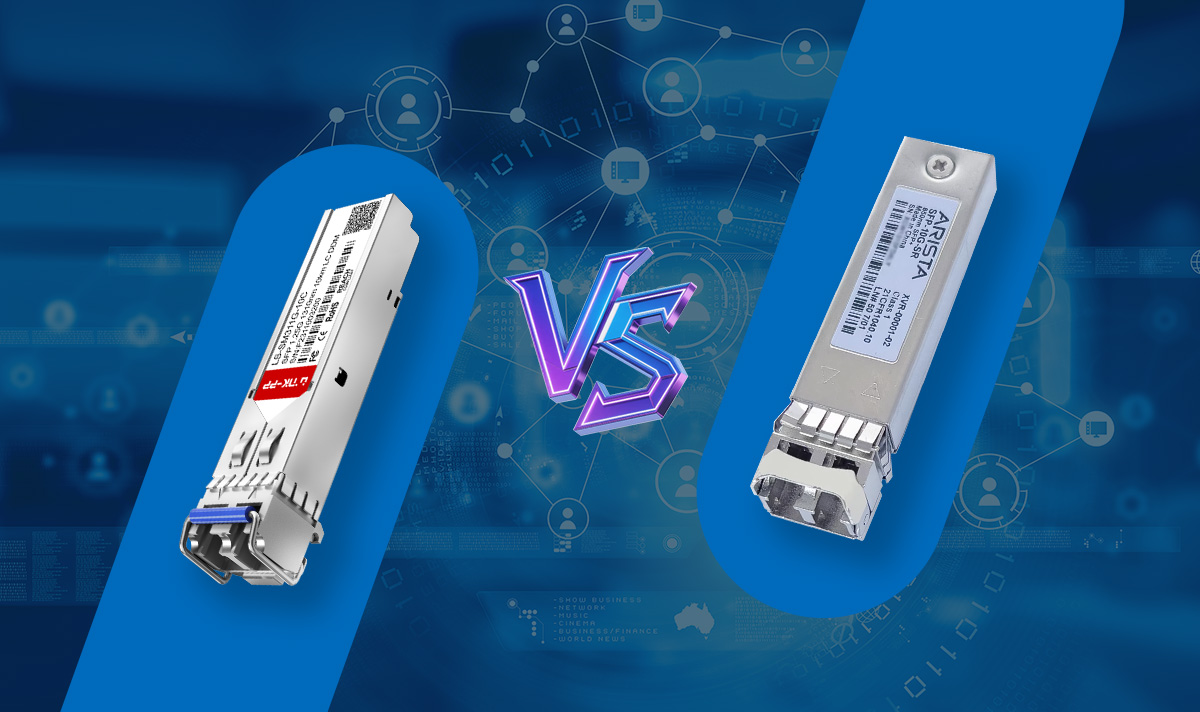
When it comes to the choice between original and third-party optics, understanding the brand profiles and market positioning of companies like Arista and LINK-PP is essential. Both brands play significant roles in the optical transceiver market but serve different customer bases with distinct business strategies and market philosophies. This section explores the key differences in their brand positioning, advantages, and the specific value they offer to customers.
Arista: Original Manufacturer Advantages and High-End Market Positioning
Arista Networks has long been a leader in the high-performance networking market, particularly known for its high-end solutions tailored to data centers, cloud service providers, and large-scale enterprise networks. The company’s optical transceivers are a crucial part of its product portfolio, offering original, premium solutions that promise guaranteed quality, performance, and reliability.
One of the primary advantages of Arista’s original optics is their alignment with Arista’s core networking hardware. As a vertically integrated manufacturer, Arista can ensure that its transceivers are designed specifically to work seamlessly with its switches, routers, and other network devices. This integration offers a clear advantage for businesses already using Arista’s networking products, as the optics are optimized for performance and compatibility. Customers can rely on the fact that the entire Arista ecosystem—from the hardware to the transceivers—is built to work in harmony, ensuring high levels of reliability and consistent performance.
Additionally, Arista’s optics are often positioned as high-performance solutions for mission-critical applications. Whether it’s for large-scale cloud environments, data centers, or enterprise networks requiring maximum throughput and ultra-low latency, Arista’s original optics provide the reliability and scalability needed for demanding workloads. Many of these modules support advanced technologies such as 100G Ethernet, DWDM, and other high-speed standards, which are crucial for data-heavy industries and high-performance computing environments.
Another key element of Arista’s high-end market positioning is its comprehensive support and warranty offerings. Arista’s customers benefit from not just the optics themselves but also the extensive technical support, troubleshooting, and software updates that accompany original modules. Arista’s reputation for customer service is well-established in the market, and businesses often opt for its original optics due to the confidence it provides in terms of long-term support, reliability, and future-proofing their network investments.
LINK-PP: Third-party Compatible Module Manufacturer, Cost Advantage Positioning, Compatibility Solutions
LINK-PP represents a strong alternative to original module manufacturers like Arista, offering third-party compatible optical transceivers designed to be compatible with a wide range of networking hardware from different vendors. While LINK-PP doesn’t produce its own networking devices like Arista, it specializes in creating optical transceivers that are fully compatible with various major brands, including Arista, Cisco, and Juniper, among others.
One of LINK-PP’s core strengths lies in its cost advantage. By producing third-party optics, LINK-PP can offer products at a significantly lower price point than original manufacturers like Arista. This affordability makes LINK-PP’s products an attractive option for businesses looking to reduce their networking costs without sacrificing too much on performance. This cost-effectiveness is particularly appealing for small and medium-sized enterprises (SMEs) and even large organizations with extensive networking needs that wish to scale cost-efficiently. LINK-PP's pricing model enables companies to achieve high bandwidth and reliable connectivity at a fraction of the cost of original optics, which can be especially beneficial in industries with tight budget constraints.
Another advantage of LINK-PP’s offerings is their flexibility in terms of compatibility. LINK-PP focuses on ensuring that its optical transceivers are universally compatible with networking hardware from a wide array of manufacturers. This versatility allows businesses to use LINK-PP optics in multi-vendor environments, where devices from different companies are integrated into a single network infrastructure. As such, LINK-PP provides a practical solution for companies seeking to avoid being locked into a specific vendor’s ecosystem, offering a degree of freedom in selecting networking hardware without worrying about the compatibility of their optics.
LINK-PP also strives to offer high-quality products that meet or exceed the performance standards of original optics. The company ensures that its modules are rigorously tested to ensure they meet industry standards for transmission distances, data rates, and reliability. While third-party optics from LINK-PP may not always provide the same level of integration and dedicated support as original modules, the company has made strides in providing excellent customer service, warranty support, and compliance with international standards. This helps mitigate some of the risks typically associated with third-party products, particularly in mission-critical environments.
Moreover, LINK-PP’s optics are widely recognized for their adaptability, with the company offering a variety of form factors and optical standards, from 1G to 100G, that cater to different network demands. Whether it's for a small business setting up an affordable network or a large data center looking for scalable, cost-effective transceivers, LINK-PP offers a diverse range of modules designed to suit various applications.
✅ In-Depth Technical Comparison
When selecting optical transceivers, it is crucial to evaluate factors such as performance, compatibility, and quality. In this section, we’ll compare the key aspects of optical transceivers offered by LINK-PP and Arista, focusing on performance specifications, compatibility, and quality metrics. To provide a clearer understanding, we will break down the technical specifications in table format for easy comparison.
Performance & Specifications
The performance of optical transceivers directly affects the overall functionality and efficiency of the network. Below, we compare LINK-PP’s and Arista’s optical modules based on key performance metrics.
| Performance Aspect | Arista (Original Optics) | LINK-PP (Third-Party Optics) |
|---|---|---|
| Speed Support | 10G, 25G, 40G, 100G, 400G | 155M, 1G, 10G, 25G, 40G, 100G, 200G, 400G |
| Key Application Areas | Data centers, cloud services, high-performance computing | Small to medium enterprises, budget-conscious large deployments |
| Reach | Supports long-distance transmission with minimal signal loss (up to 100+ km for specific modules) | Typically supports shorter to medium-range transmission (up to 120km for most modules) |
| Signal Integrity & BER | Excellent signal integrity with low Bit Error Rate (BER), optimized for long-haul applications | Generally reliable, but may exhibit slightly higher BER in long-distance scenarios |
| Power Consumption | Power-efficient design with minimal energy usage in high-speed modules | Comparable, but may not be as optimized for thermal management in higher-speed modules |
| Thermal Design Efficiency | High thermal efficiency for long-term reliability in large-scale data centers | Adequate thermal design but might not perform as efficiently under heavy load |
Key Insights:
-
Speed Support: Both Arista and LINK-PP support the major network speeds (10G to 200G), also has a slight edge by offering 400G optics, catering to more advanced, high-bandwidth applications.
-
Reach: Arista’s optics are optimized for long-range transmissions, making them better suited for large-scale deployments, especially for service providers. LINK-PP focuses more on shorter to medium-range solutions, although it still offers a competitive reach for most enterprise needs.
-
Signal Integrity & BER: Arista's products are optimized for minimal signal loss, which is critical for applications where reliability and data integrity are paramount. LINK-PP’s optics are reliable but may be more susceptible to signal degradation in long-distance setups.
-
Power Consumption: Arista’s modules are known for superior energy efficiency, a key factor for large-scale operations looking to reduce power costs. LINK-PP is competitive in this area, though its modules may not match Arista’s thermal efficiency in high-demand environments.
In-depth Compatibility Analysis
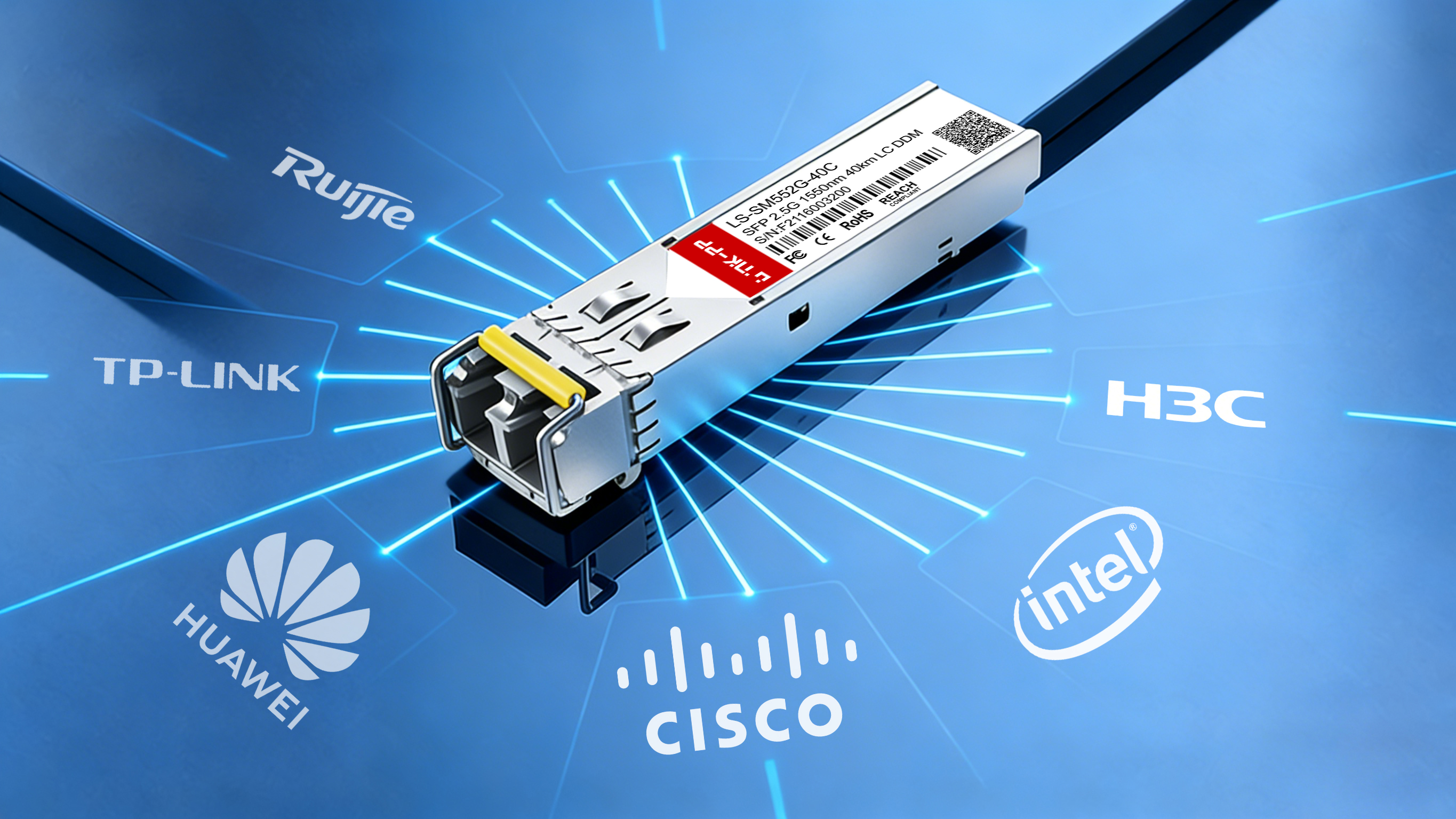
Compatibility is one of the most critical factors when selecting optical transceivers, especially when networks involve multi-vendor environments. The table below compares Arista’s and LINK-PP’s approaches to compatibility.
| Compatibility Aspect | Arista (Original Optics) | LINK-PP (Third-Party Optics) |
|---|---|---|
| Vendor Ecosystem | Primarily designed to work within Arista’s own ecosystem, ensuring seamless integration with Arista hardware and software | Supports a wide range of networking equipment from multiple vendors (Arista, Cisco, Juniper, etc.) |
| Certification Process | Rigorous certification and testing within Arista’s ecosystem to ensure flawless operation | Extensive testing across a range of hardware from different manufacturers to ensure compatibility |
| Firmware Compatibility | Full integration with Arista's EOS, ensuring that firmware updates and optimizations are fully compatible | May face compatibility challenges when firmware updates are made by other vendors, as LINK-PP optics are not tightly integrated |
| Multi-Vendor Interoperability | Excellent within the Arista ecosystem, but may face issues with non-Arista hardware | Excellent compatibility with different vendors, providing flexibility in multi-vendor environments |
| Real-World Compatibility Issues | Rare, due to tight integration and certification | Some compatibility issues may arise in complex multi-vendor setups, requiring additional testing |
Key Takeways:
-
Vendor Ecosystem: Arista’s optics are designed to work best within its own ecosystem. For companies using Arista hardware exclusively, this ensures a smooth, trouble-free experience. LINK-PP, however, thrives in heterogeneous environments, providing optics that work across multiple vendors.
-
Certification Process: Arista’s strict certification ensures that its optics will work flawlessly with Arista’s switches, routers, and other devices, minimizing risk. LINK-PP’s testing, while extensive, cannot guarantee the same seamless integration in environments with multiple vendors.
-
Firmware Compatibility: Arista’s tight coupling of optics with its EOS ensures that firmware updates and optimizations are directly supported, reducing the likelihood of compatibility issues. LINK-PP may experience occasional challenges when firmware updates are issued by hardware vendors.
-
Multi-Vendor Interoperability: LINK-PP’s flexibility in supporting multiple vendors makes it a great choice for companies that do not wish to be locked into a single vendor’s ecosystem. However, it may require additional testing when deploying across complex, multi-vendor infrastructures.
Quality and Reliability
The reliability of optical transceivers is critical, especially for networks that demand high uptime and performance. Let’s compare how Arista and LINK-PP stack up when it comes to quality and reliability metrics.
| Quality Aspect | Arista (Original Optics) | LINK-PP (Third-Party Optics) |
|---|---|---|
| Component Sourcing | Components are sourced from industry-leading suppliers, ensuring premium quality and reliability | Components are sourced from multiple suppliers, ensuring competitiveness in price, but there may be variability in component quality |
| Manufacturing Quality | High-quality manufacturing with strict controls and standardized processes, ensuring consistent performance | Manufacturing quality varies depending on the supplier, though LINK-PP maintains quality standards across its range of products |
| MTBF (Mean Time Between Failure) | High MTBF due to rigorous testing and high-quality components | Competitive MTBF, but generally lower than that of original optics due to more variable manufacturing processes |
| Operating Temperature Range | Broad range of operating temperatures to suit various environmental conditions (up to 85°C for certain modules) | Typically offers a lower range of operating temperatures compared to Arista, making it suitable for standard data center environments |
| Environmental Robustness | Designed to withstand harsh conditions, including extreme temperatures and high humidity | Suitable for most data center environments, but may not be as robust in extreme conditions |
Key Insights:
-
Component Sourcing: Arista’s optics are built with components sourced from high-end suppliers, ensuring top-tier performance and durability. LINK-PP's component sourcing can vary depending on the supplier, which can sometimes lead to minor quality variations.
-
Manufacturing Quality: Arista’s manufacturing processes are highly controlled, resulting in consistent performance across its range of optics. LINK-PP also adheres to strict quality standards, but as a third-party provider, it may not always achieve the same level of uniformity.
-
MTBF: Arista’s optics generally offer higher MTBF due to the superior quality of materials and manufacturing. LINK-PP’s modules still offer competitive MTBF, but may experience a higher failure rate in more demanding applications.
-
Operating Temperature Range: Arista’s products are designed to perform in extreme environments, offering better tolerance for temperature fluctuations. LINK-PP optics typically perform best in standard conditions but may not handle extreme temperatures as effectively.
-
Environmental Robustness: Arista’s optics are engineered for rugged conditions, ensuring reliable operation even in harsh environments. LINK-PP offers reliable optics for typical data center conditions but may not be as resilient in more extreme settings.
Conclusion
This in-depth technical comparison highlights the key differences between Arista’s original optics and LINK-PP’s third-party compatible modules. Both offer significant advantages, depending on the specific needs of the network:
-
Arista: Best for high-end, mission-critical applications where integration, performance, and long-term reliability are key priorities. Arista excels in large-scale data centers and high-performance computing environments where seamless integration with proprietary hardware and software is crucial.
-
LINK-PP: Ideal for cost-sensitive deployments or multi-vendor environments. LINK-PP offers flexibility, making it a great choice for businesses that require compatibility across different vendors and want to save on upfront hardware costs.
By understanding the specific needs of your network, whether it's maximizing performance, reducing costs, or ensuring compatibility in a multi-vendor environment, you can make a more informed decision between Arista and LINK-PP. Each brand brings unique strengths to the table, and the choice will ultimately depend on your network’s demands and budget.
✅ Total Cost of Ownership (TCO) Analysis

When selecting optical transceivers, the Total Cost of Ownership (TCO) is a key factor that can significantly impact the overall budget and financial strategy of a business. The TCO analysis goes beyond the initial procurement cost, accounting for factors such as warranty, replacement cycles, downtime costs, and the financial impact of bulk purchasing and long-term operations. This section will explore how Arista and LINK-PP stack up in terms of these critical cost aspects.
Initial Procurement Cost Comparison
The initial procurement cost is often the most immediate factor in any purchasing decision. Both LINK-PP and Arista offer optical transceivers, but the upfront costs differ significantly, particularly between original and third-party modules.
| Cost Aspect | Arista (Original Optics) | LINK-PP (Third-Party Optics) |
|---|---|---|
| Initial Procurement Cost | Premium pricing due to high performance, certification, and integration | Lower cost, offering a more affordable alternative with competitive quality |
| Price Range | Higher (typically 1.5x to 3x more than third-party optics) | Lower, with substantial savings (up to 50% less than OEM modules) |
| Target Audience | Large enterprises, data centers, high-performance applications | Small to medium enterprises, cost-conscious businesses, large deployments requiring flexibility |
Key Insights:
-
Arista: As an original equipment manufacturer (OEM), Arista’s optical transceivers come with a premium price tag. This pricing reflects the added value of certification, compatibility with Arista’s hardware and software, and long-term reliability. Arista’s products are designed for environments where performance and integration are paramount, and customers are often willing to pay more for the peace of mind that comes with using fully integrated, OEM-tested products.
-
LINK-PP: As a third-party optics manufacturer, LINK-PP offers significantly lower prices for comparable products. The cost savings can be substantial, often reducing initial procurement costs by 30% to 50% when compared to Arista’s original optics. LINK-PP’s pricing strategy appeals to cost-conscious businesses or those with large-scale deployments where budget constraints are a primary consideration.
The difference in initial procurement costs can make LINK-PP optics a more attractive option for businesses that need to scale quickly or operate on tighter budgets. However, the lower cost comes with trade-offs in terms of support and warranty, which will be further discussed below.
Total Cost of Ownership (TCO) Considerations: Warranty, Replacement Cycle, Downtime Costs
Beyond the initial procurement cost, businesses must also consider the long-term costs associated with maintaining, replacing, and supporting optical transceivers. TCO calculations include factors like warranty, replacement cycles, and potential downtime costs.
| TCO Consideration | Arista (Original Optics) | LINK-PP (Third-Party Optics) |
|---|---|---|
| Warranty | Comprehensive warranty, typically 3-5 years | Varies (often 3 years), with optional extended coverage |
| Replacement Cycle | Original modules are designed to last longer, with predictable lifecycle and fewer failures | Higher likelihood of failure compared to OEM optics, which may require more frequent replacements |
| Downtime Costs | Lower risk of downtime due to superior reliability and integration with Arista hardware | Potential for higher downtime costs due to compatibility issues and possible higher failure rates |
| Technical Support | Extensive technical support and service options | Limited support compared to OEM products, though warranty and third-party support options are available |
| Operational Lifespan | Typically lasts longer in mission-critical environments | May require more frequent replacements in high-demand or high-performance environments |
Key Insights:
-
Warranty: Arista’s optics generally come with a more robust warranty, typically ranging from 3 to 5 years. This warranty covers not just the optics themselves, but often extends to associated hardware and support. LINK-PP offers warranties ranging from 1 to 3 years, with optional extended coverage. While LINK-PP's warranties may be shorter, the cost savings during procurement can offset this, particularly for businesses with less demanding applications.
-
Replacement Cycle: Original Arista optics are designed for longevity, with replacement cycles that tend to be more predictable. Given the reliability of Arista’s modules, businesses experience fewer failures over the long term, resulting in lower replacement costs. LINK-PP’s third-party optics may experience more frequent failures, particularly in high-performance environments, leading to higher replacement cycles and associated costs.
-
Downtime Costs: Downtime is one of the most costly aspects of any network failure. Arista’s optics are less likely to fail in mission-critical environments, reducing downtime costs significantly. LINK-PP’s optics, while generally reliable, may have a slightly higher failure rate due to variations in quality and the challenges of multi-vendor compatibility. For companies relying on LINK-PP optics, there may be higher potential costs associated with downtime, particularly if a failure occurs in a non-integrated system or due to compatibility issues.
-
Technical Support: Arista provides extensive technical support as part of its service offerings, ensuring that any issues with optics are resolved quickly. This level of support is critical for large enterprises and data centers that rely on the seamless operation of their networks. LINK-PP, as a third-party provider, offers technical support, but it may not match the depth and responsiveness of Arista’s in-house services.
Financial Impact of Bulk Purchasing and Long-term Operations
For businesses with large-scale network deployments, bulk purchasing and long-term operational costs can have a significant financial impact. Both LINK-PP and Arista offer different advantages and challenges in this area.
| Cost Factor | Arista (Original Optics) | LINK-PP (Third-Party Optics) |
|---|---|---|
| Bulk Purchasing Discounts | Offers bulk purchasing programs with volume discounts, but still at a premium price point | Significant savings when purchasing in bulk, making it a cost-effective option for large deployments |
| Long-term Cost Efficiency | Higher upfront costs, but long-term reliability and performance often reduce operational disruptions and replacement needs | Lower initial cost, but may incur higher long-term replacement and downtime costs due to occasional failures |
| Scalability | Scalable for large enterprises, but the high upfront cost might strain smaller budgets | More scalable for businesses that need to deploy optics rapidly without major budget constraints |
| Operational Costs (Power & Maintenance) | Typically lower operational costs due to energy-efficient designs and minimal maintenance requirements | Slightly higher energy consumption and maintenance costs in certain models compared to Arista optics |
Key Insights:
-
Bulk Purchasing: Both Arista and LINK-PP offer bulk purchasing options, but LINK-PP’s lower initial price point translates into more substantial savings for large-scale deployments. For businesses purchasing in bulk, LINK-PP’s price advantage becomes even more significant, especially for projects with tight budgets.
-
Long-term Cost Efficiency: While Arista’s optics are more expensive initially, their long-term cost efficiency is appealing for mission-critical operations where performance, reliability, and minimal downtime are essential. Over the long term, the reduced replacement frequency and operational disruptions can make Arista’s products a better investment for large, high-performance networks. LINK-PP, while providing cost savings up front, may incur higher long-term costs if frequent replacements or compatibility issues arise.
-
Scalability: LINK-PP offers a more scalable solution for enterprises that need to deploy large numbers of optical transceivers without the budget constraints of OEM products. Arista’s products are highly scalable but may require higher capital investment at the outset.
-
Operational Costs (Power & Maintenance): Arista’s optics typically feature lower energy consumption and require minimal maintenance, which helps reduce ongoing operational costs. LINK-PP optics are competitive in terms of power consumption but may not always match the thermal efficiency and long-term reliability of Arista’s modules, potentially leading to higher operational costs over time.
Conclusion
The Total Cost of Ownership (TCO) is a crucial factor in determining the overall value of optical transceivers over their lifetime. While Arista’s optics come with higher initial costs, their superior warranty, reliability, and performance often result in lower long-term operational costs, especially for mission-critical applications. LINK-PP offers a cost-effective alternative, providing significant upfront savings, which can be particularly beneficial for large-scale or cost-conscious deployments. However, businesses considering LINK-PP optics must account for potentially higher replacement cycles and downtime costs in high-performance or multi-vendor environments.
For businesses that prioritize budget savings and scalability, LINK-PP offers a compelling value proposition. Conversely, for organizations that require maximum uptime, reliability, and integrated support, Arista’s higher initial investment can be justified by the long-term cost efficiency and operational stability it provides.
Understanding these factors allows businesses to make more informed purchasing decisions based on their unique network needs and financial priorities.
✅ Application Scenarios: Which One to Choose?
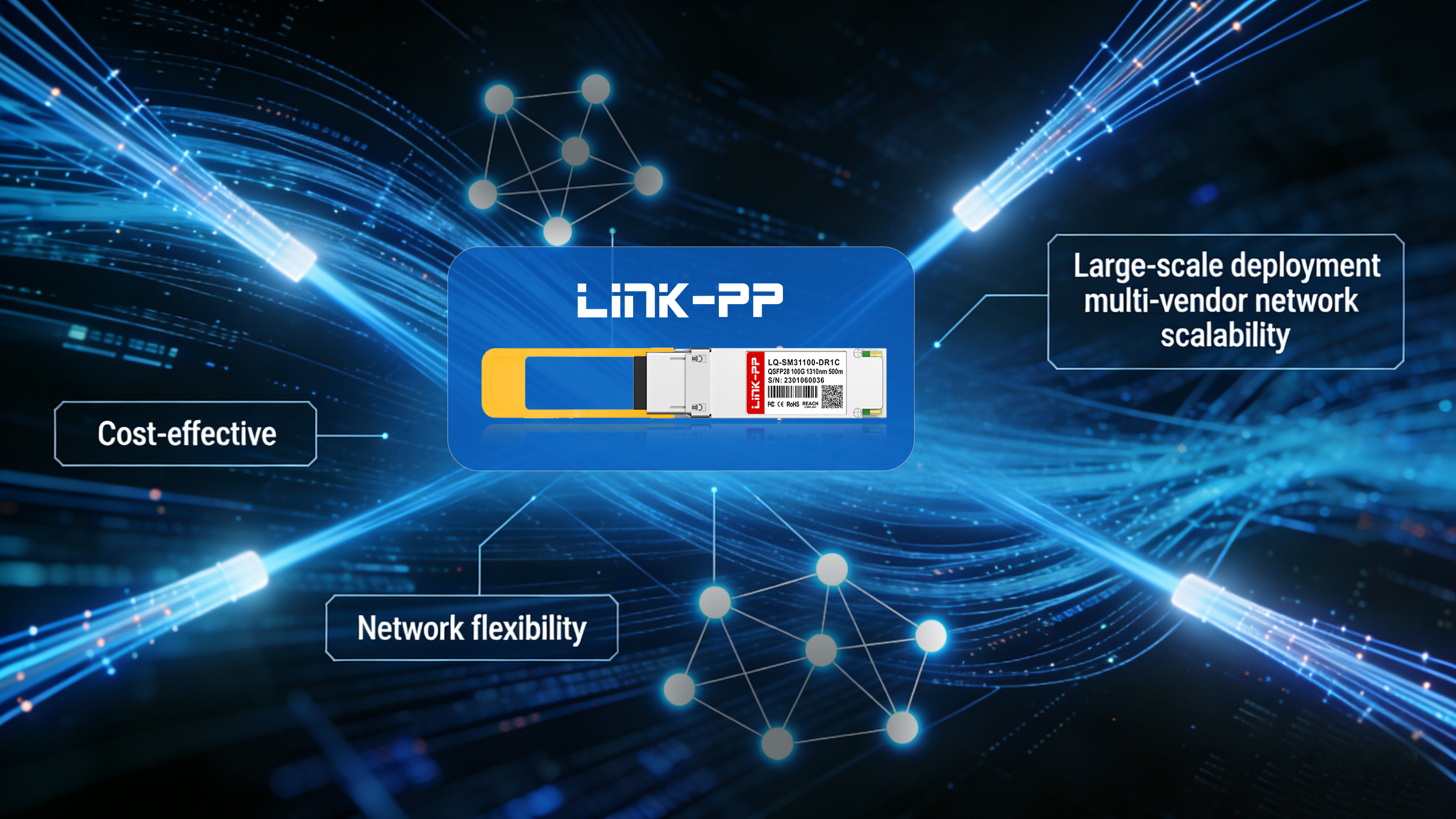
When deciding between Arista OEM optics and LINK-PP compatible optics, the choice depends heavily on the specific requirements of the network, including performance needs, budget, scalability, and integration considerations. Different application scenarios will make one option more suitable than the other. This section will explore typical scenarios in which each type of optical transceiver excels, helping businesses make an informed decision based on their unique needs.
When to Choose Arista OEM Optics
Arista OEM optics are best suited for high-performance environments where reliability, integration, and long-term support are paramount. Below are scenarios where choosing Arista’s original optics is likely the best option:
-
Mission-Critical Networks: For enterprises and service providers that run mission-critical operations, such as financial institutions, healthcare organizations, or large-scale cloud service providers, Arista OEM optics provide the reliability and performance needed to maintain high availability. In these settings, any failure or downtime could result in significant operational disruptions and financial losses. Arista’s optics are designed to minimize the risk of failure, providing high Mean Time Between Failures (MTBF) and robust warranty support.
-
Large-Scale Data Centers and Cloud Environments: Arista’s optics are particularly well-suited for large-scale data centers and cloud environments that require seamless integration with Arista's switches, routers, and management software. The tight integration between Arista’s hardware and optics ensures superior performance, reduced troubleshooting time, and optimized network throughput. This makes Arista optics the preferred choice for organizations that demand high-speed, low-latency, and reliable data transmission.
-
High-Performance Applications: For applications that demand the highest levels of performance, such as big data analytics, artificial intelligence (AI), machine learning (ML), and high-performance computing (HPC), Arista’s OEM optics deliver the necessary bandwidth and signal integrity. These optics are engineered to support higher data rates (e.g., 100G, 400G) and longer transmission distances, making them ideal for applications with stringent performance requirements.
-
Unified Ecosystem: Organizations that are already using Arista’s switches and routers benefit from the fully integrated ecosystem that Arista offers. When all components in the network are from the same manufacturer, compatibility is guaranteed, and there is less risk of integration issues. Arista’s OEM optics are tested and certified to work seamlessly with their hardware and software, which ensures the entire system works as a unified, efficient solution.
-
Long-Term Support and Warranty: Arista’s strong customer support and extended warranty offerings make their optics a sound investment for businesses that require ongoing service and assistance. This support is crucial for large enterprises where network downtime or performance issues can have a significant financial impact. Arista’s optics come with multi-year warranties and access to their dedicated support team, ensuring peace of mind and continuity.
In summary, Arista OEM optics are ideal for businesses that prioritize reliability, performance, and integration in high-end, mission-critical applications. They are particularly suited for large-scale, high-performance environments where the costs associated with network downtime or failures are too high to risk.
When to Consider LINK-PP Compatible Optics
While Arista OEM optics are the go-to choice for high-performance, mission-critical applications, LINK-PP’s third-party compatible optics provide an excellent alternative in a range of other scenarios. Below are situations in which LINK-PP optics should be considered:
-
Cost-Conscious Networks: One of the most compelling reasons to choose LINK-PP compatible optics is cost savings. Businesses that need to scale their networks but have limited budgets can benefit from the significant price difference between LINK-PP and Arista’s original optics. LINK-PP optics offer a more affordable solution without compromising too much on performance, making them suitable for organizations operating in budget-conscious sectors or for those looking to cut capital expenses.
-
Large-Scale Deployments with Multi-Vendor Networks: LINK-PP is an ideal option for businesses that need to deploy optics across networks consisting of equipment from multiple vendors. LINK-PP’s compatibility with a wide range of networking hardware, including devices from Arista, Cisco, Juniper, and others, provides flexibility in multi-vendor environments. For businesses that are not fully committed to a single vendor’s ecosystem, LINK-PP offers the ability to select hardware from different manufacturers while maintaining compatible optics.
-
Non-Mission-Critical Applications: For applications that are important but do not fall under mission-critical categories, LINK-PP’s optics offer a cost-effective alternative. For example, small to medium-sized enterprises (SMEs) or branch offices that need reliable but less expensive optical transceivers can benefit from LINK-PP optics. These modules can deliver the necessary speed and performance without the premium price associated with Arista’s original products.
-
Scalability and Flexibility: LINK-PP is often the better choice for organizations that need to deploy optics at scale quickly and without the constraints of a large upfront investment. The cost-effectiveness of LINK-PP optics makes them particularly attractive for companies planning to expand their network quickly or implement optical transceivers across multiple locations. LINK-PP provides a flexible, scalable solution that enables businesses to meet growing networking demands without overextending their budget.
-
Shorter Lifecycles and Temporary Deployments: In scenarios where the optical modules are only required for a limited time or for temporary applications, such as pop-up data centers, pilot projects, or temporary offices, LINK-PP optics can be a smart choice. These environments may not justify the investment in premium Arista optics, especially when the infrastructure is not expected to last long-term.
-
Less Demanding Network Environments: LINK-PP optics are ideal for less demanding environments where uptime and peak performance are not as critical. For example, small business networks, educational institutions, or branch offices that don’t rely on real-time, high-performance data streaming may find that LINK-PP’s affordable and reliable optics offer all the performance they need at a much lower cost.
-
Diverse Applications with Flexible Requirements: If a network spans multiple use cases with varying levels of demand (e.g., office networks, small-scale data centers, or regional networks), LINK-PP optics provide the flexibility to meet diverse needs. These optics can be used in environments where high-performance features such as ultra-low latency or extended ranges are not essential, offering a practical solution for a wide variety of setups.
To sum up, LINK-PP optics are an excellent choice for cost-conscious businesses, those with multi-vendor networks, and those operating in non-mission-critical or less demanding environments. They provide the necessary flexibility, scalability, and compatibility, all while offering significant savings over OEM options like Arista.
✅ Industry Trends & Future Outlook
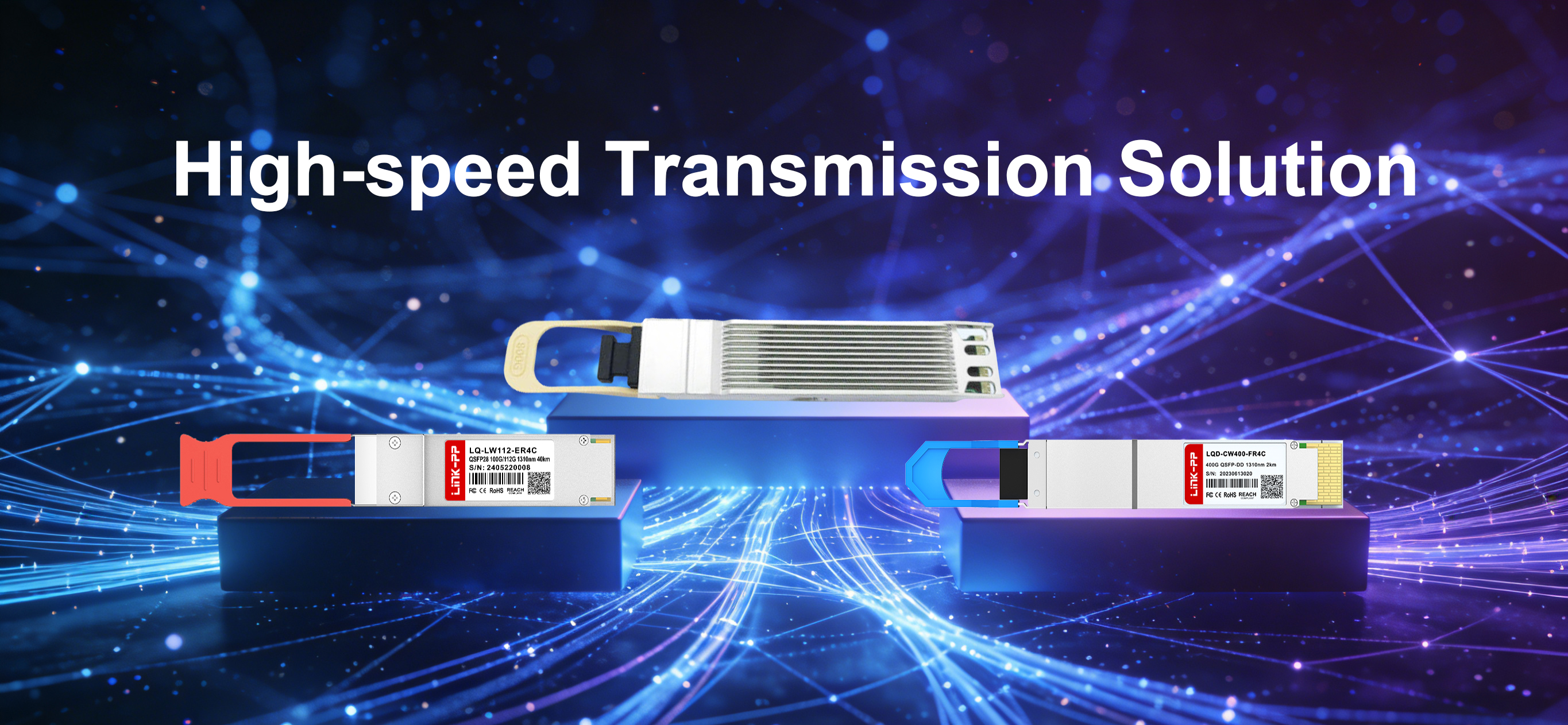
The optical transceiver market is evolving rapidly, driven by technological advancements, shifting market demands, and the increasing complexity of modern networks. As businesses scale and move toward more flexible, high-speed, and cost-effective solutions, several key trends are reshaping the landscape of optical modules, particularly in terms of standardization, the rise of third-party compatible modules, and changes in the strategies of Original Equipment Manufacturers (OEMs). In this section, we explore these industry trends and provide insights into the future outlook for optical transceivers.
Standardization And Decoupling Trends in Optical Modules
One of the most significant trends in the optical module market is the movement toward standardization and decoupling. Historically, optical transceivers were often tightly integrated with the hardware of specific vendors, creating a situation where enterprises were locked into using proprietary optics tied to the vendor’s networking equipment. However, as the demand for interoperability across multiple vendors and more flexible network architectures grows, the trend of decoupling optics from the hardware is gaining momentum.
Decoupling refers to the process of separating optical transceivers from the network switches and routers they are used with, allowing businesses to choose optics from different vendors without being locked into a single ecosystem. This trend is driven by the increasing need for multi-vendor environments, where businesses can select the best hardware and software solutions from different manufacturers. By decoupling optics from the hardware, businesses gain greater flexibility and are no longer restricted to proprietary optics offered by a single vendor.
In parallel, standardization of optical transceivers is gaining traction through industry initiatives such as the Open Optical Foundation and the development of common form factors like QSFP, SFP, and CFP. These standards ensure that optical modules can be used across a wide range of hardware platforms, further supporting interoperability and reducing the cost of proprietary solutions. The move toward standardization and decoupling empowers businesses to select the best optics for their needs, regardless of the hardware they use, and facilitates a more competitive, cost-effective market for optical transceivers.
Technological Advancements in Third-party Compatible Modules
While original equipment manufacturers (OEMs) like Arista have dominated the optical transceiver market for years, the rise of third-party compatible modules is an increasingly important trend. Third-party optics manufacturers, like LINK-PP, have made significant strides in developing high-quality optics that are compatible with a broad range of networking equipment from multiple vendors.
These third-party compatible modules are benefiting from several technological advancements, which are narrowing the performance gap between OEM and third-party solutions. Some of the key areas where third-party optics are advancing include:
-
Improved Performance and Reliability: Third-party manufacturers are investing heavily in research and development to improve the performance, reliability, and longevity of their optics. Advanced testing methods, improved component sourcing, and enhanced manufacturing processes have allowed third-party optics to achieve comparable performance to OEM products, even in demanding network environments.
-
Support for Higher Data Rates: As network speeds continue to increase, with 400G and 800G being the next frontiers, third-party optics manufacturers are actively developing solutions that support these higher data rates. This includes innovations in optics for 100G, 400G, and even 800G Ethernet, ensuring that third-party modules can meet the needs of high-speed data centers and other bandwidth-intensive applications.
-
Lower Power Consumption: With growing concerns about energy efficiency, third-party optics manufacturers are also focusing on reducing the power consumption of their products. Lower power consumption leads to cost savings in data center operations, helping businesses reduce operational expenses while maintaining high-performance networking.
-
Compliance with Industry Standards: Third-party manufacturers are increasingly adhering to the same standards as OEMs, ensuring that their products meet the same regulatory and industry benchmarks for quality and interoperability. Many third-party optics now undergo the same certification processes as OEM optics, ensuring that they can be deployed with confidence in a wide range of network environments.
As these advancements continue, third-party optics will become an even more viable option for businesses seeking cost-effective, high-performance networking solutions. The increasing quality and reliability of these modules will help fuel their continued adoption, particularly in non-mission-critical environments and multi-vendor deployments.
Changes in Original Equipment Manufacturer (OEM) Lock-in Strategies
For years, OEMs have used a strategy of "lock-in" to secure customer loyalty by tying customers to their proprietary hardware and optics. This strategy has traditionally worked well for companies like Arista, Cisco, and Juniper, as it ensured that their customers would continue to purchase their optics in addition to their networking equipment. However, this strategy is facing increasing challenges in the current market.
The rise of third-party optics, driven by the decoupling and standardization trends mentioned earlier, is eroding the effectiveness of OEM lock-in strategies. Many businesses are now seeking greater flexibility and cost savings by opting for third-party optics that are compatible with their existing networking hardware, making it more difficult for OEMs to maintain their monopoly on optical modules.
In response, some OEMs are shifting their strategies to focus more on offering open, flexible solutions that allow customers to mix and match optics from different vendors. For example, some companies are moving towards providing more interoperable platforms that can support both OEM and third-party optics. This shift is particularly visible in the data center and cloud service provider markets, where network operators demand more flexibility and cost-effective solutions.
Moreover, OEMs are increasingly bundling their hardware with a broader range of services, including cloud management tools, automation software, and enhanced support, to create more comprehensive value propositions for customers. By offering these added services, OEMs are attempting to provide more value beyond just the hardware and optics, making their solutions more appealing in a market where flexibility and cost savings are becoming key considerations.
However, despite these efforts to adapt, the reality is that the lock-in model is becoming less sustainable as businesses continue to demand greater freedom of choice, more competitive pricing, and the ability to deploy multi-vendor solutions. As the optical transceiver market becomes more commoditized, the bargaining power of customers increases, forcing OEMs to reconsider their traditional pricing and bundling strategies.
✅ Summary and Final Recommendations
Choosing the right optical transceivers is essential for optimizing network performance and cost efficiency. This article compared LINK-PP and Arista optics based on factors such as performance, compatibility, cost, and reliability. Here’s a quick summary of the key points and final recommendations:
Key Takeaways:
-
Arista OEM Optics: Ideal for mission-critical applications and large-scale data centers. They offer superior performance, seamless integration with Arista hardware, and robust long-term support. While they come at a higher cost, they provide greater reliability and lower long-term maintenance costs.
-
LINK-PP Compatible Optics: A cost-effective alternative for non-mission-critical applications or multi-vendor environments. They offer significant savings, especially for large-scale deployments, but may incur higher long-term costs in terms of replacements and potential downtime.
Final Recommendations:
-
Choose Arista OEM Optics if:
-
You need high performance and reliability for mission-critical networks.
-
Your network is heavily integrated with Arista hardware.
-
You require strong support and long-term warranty.
-
Consider LINK-PP Compatible Optics if:
-
You need a budget-friendly option for scaling your network.
-
Your network uses equipment from multiple vendors.
-
Your applications are less demanding and don’t require the premium features of OEM optics.
In conclusion, Arista OEM optics are best for high-performance, mission-critical environments, while LINK-PP optics offer a great value for cost-conscious businesses or multi-vendor networks. Make your choice based on your network’s needs and budget.