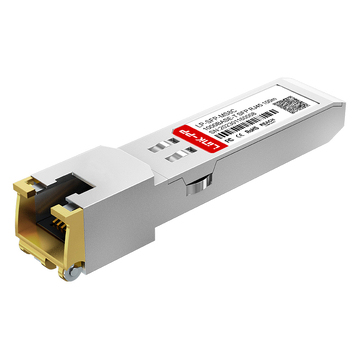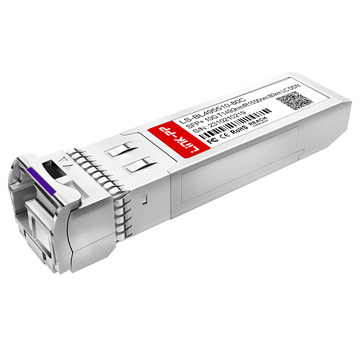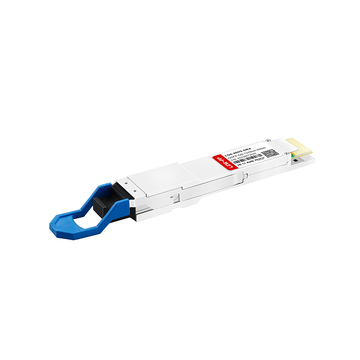






























A Fiber Channel SFP is a specialized optical transceiver designed exclusively for Fiber Channel (FC) networks, enabling high-speed, low-latency, and lossless data transmission in Storage Area Network (SAN) environments. Although it shares the same physical form factor as Ethernet SFPs, a Fiber Channel SFP operates on a completely different protocol and is optimized for storage traffic rather than general data networking.
In modern data centers, Fiber Channel SFPs are commonly used to connect servers, host bus adapters (HBAs), and Fiber Channel switches to enterprise storage systems. Their primary advantage lies in deterministic performance—predictable latency, guaranteed delivery, and protocol-level flow control—which is critical for mission-critical workloads such as databases, virtualization platforms, and backup systems.
This guide explains what a Fiber Channel SFP is, how it works, the main FC SFP types and speeds, and when it should be chosen over Ethernet-based alternatives. Whether you are planning a SAN deployment, upgrading from 8G to 16G or 32G Fiber Channel, or simply clarifying the differences between FC SFP modules and Ethernet SFP transceivers, this article provides a clear, technically grounded foundation.
➡️ What Is a Fiber Channel SFP?
A Fiber Channel SFP is an optical transceiver module purpose-built for Fiber Channel (FC) networks, enabling dedicated, high-reliability communication between servers, switches, and storage systems in SAN environments. While it uses the same Small Form-factor Pluggable (SFP) interface as Ethernet optics, a Fiber Channel SFP is not interchangeable with Ethernet SFP due to fundamental protocol differences.
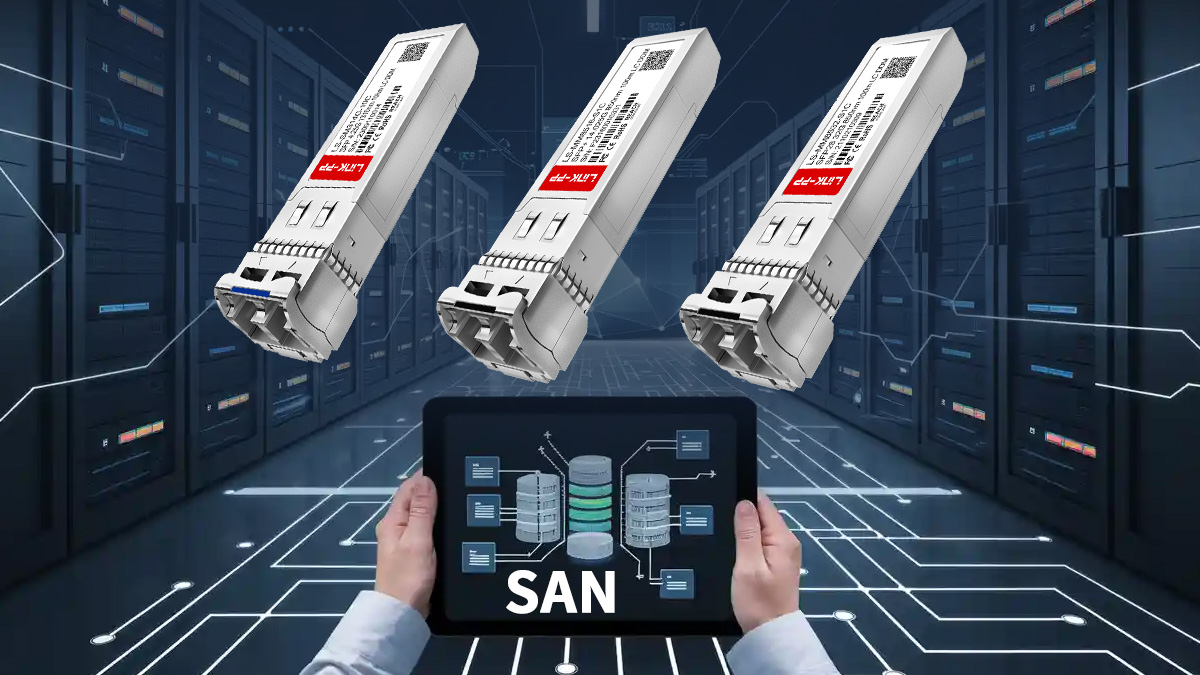
Fiber Channel vs Ethernet: Protocol-Level Differences
Fiber Channel and Ethernet are designed for different workloads.
-
Fiber Channel is a storage-focused protocol engineered for deterministic performance, prioritizing low latency, in-order delivery, and zero packet loss.
-
Ethernet is a general-purpose networking protocol optimized for flexibility and scalability, where packet loss and retransmission are acceptable.
Key differences include:
-
Flow control: Fiber Channel uses credit-based flow control to prevent congestion, while Ethernet relies on best-effort delivery (even with enhancements like DCB).
-
Traffic behavior: FC traffic is predictable and lossless; Ethernet traffic is bursty and can experience congestion.
-
Use case: Fiber Channel is purpose-built for SANs, whereas Ethernet supports LAN, WAN, and IP-based storage.
Because of these protocol-level distinctions, a Fiber Channel SFP is specifically coded and tested to operate within FC standards and cannot function as an Ethernet transceiver.
Role of SFP Transceivers in Fiber Channel Systems
In a Fiber Channel architecture, SFP transceivers act as the physical-layer interface between network hardware and optical fiber. They are installed in:
-
Fiber Channel switches
-
Host Bus Adapters (HBAs)
-
Storage array ports
The SFP converts electrical signals from the device into optical signals for transmission over fiber, and vice versa. More importantly, FC SFP modules are designed to support specific Fiber Channel speeds and standards (such as 8G, 16G, or 32G FC), ensuring signal integrity and compatibility across the SAN fabric.
How Fiber Channel SFPs Enable Low-Latency, Lossless Data Transport
Fiber Channel SFPs contribute to low-latency, lossless communication by supporting the core principles of the Fiber Channel protocol:
-
Credit-based flow control prevents buffer overruns before congestion occurs
-
Dedicated bandwidth avoids traffic contention common in shared Ethernet networks
-
Strict speed matching ensures predictable link behavior across the SAN
-
Protocol-optimized optics reduce serialization delay and retransmission overhead
As a result, Fiber Channel SFPs help maintain consistent performance even under heavy I/O loads, making them ideal for applications where storage responsiveness and data integrity are non-negotiable.
➡️ How Fiber Channel SFP Works
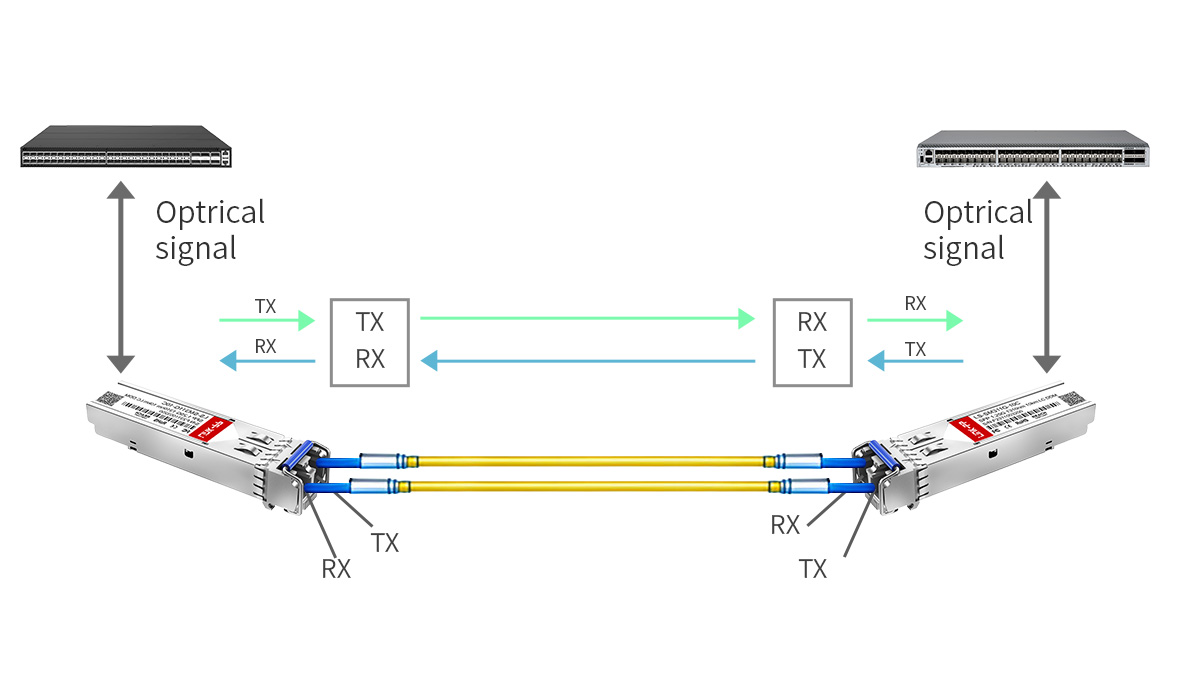
A Fiber Channel SFP operates as the optical transmission layer of a Fiber Channel link, converting high-speed electrical signals into light and back again while strictly adhering to Fiber Channel protocol requirements. Its design focuses on predictable performance, low latency, and lossless delivery, which are essential for storage traffic in SAN environments.
Optical Signaling Fundamentals in Fiber Channel
At the physical layer, a Fiber Channel SFP transmits data using laser-based optical signaling over single-mode or multimode fiber, depending on the module type. Each FC SFP is engineered for a fixed wavelength and speed, ensuring signal stability and minimal jitter.
Key optical characteristics include:
-
Deterministic clocking to maintain precise timing between devices
-
Fixed data rates (e.g., 8G, 16G, 32G) to avoid rate adaptation overhead
-
Tight optical tolerances defined by Fiber Channel standards
Unlike Ethernet optics, which may support a wider range of link behaviors, Fiber Channel SFPs are optimized for consistency rather than adaptability, reducing the risk of retransmission or link instability.
Relationship Between HBA, Switch Port, and SFP Module
In a Fiber Channel network, the SFP module functions as the physical connector linking the protocol logic to the optical fiber:
-
The Host Bus Adapter (HBA) generates Fiber Channel frames from the server
-
The Fiber Channel switch port manages routing and fabric services
-
The Fiber Channel SFP handles optical transmission between endpoints
All three components must support the same Fiber Channel speed and compatibility profile. While some FC SFPs can auto-negotiate down to lower speeds, optimal performance and stability are achieved when the HBA, switch, and SFP are explicitly matched.
This tight integration ensures predictable behavior across the SAN fabric and minimizes link-level errors.
Why Fiber Channel Prioritizes Reliability Over Flexibility
Fiber Channel is intentionally designed to favor reliability and determinism over the flexibility found in Ethernet networks. This design philosophy directly influences how Fiber Channel SFPs are built and deployed.
Key reasons include:
-
Storage workloads are latency-sensitive, where even microsecond delays can impact application performance
-
Lossless delivery is mandatory, as storage protocols depend on guaranteed data integrity
-
Controlled environments (SANs) allow stricter standards and fewer variables
As a result, Fiber Channel SFPs are less versatile than Ethernet optics but deliver consistent, enterprise-grade performance that storage systems rely on. This trade-off explains why Fiber Channel remains relevant in data centers where reliability outweighs the need for protocol convergence.
➡️ Common Fiber Channel SFP Speeds and Standards
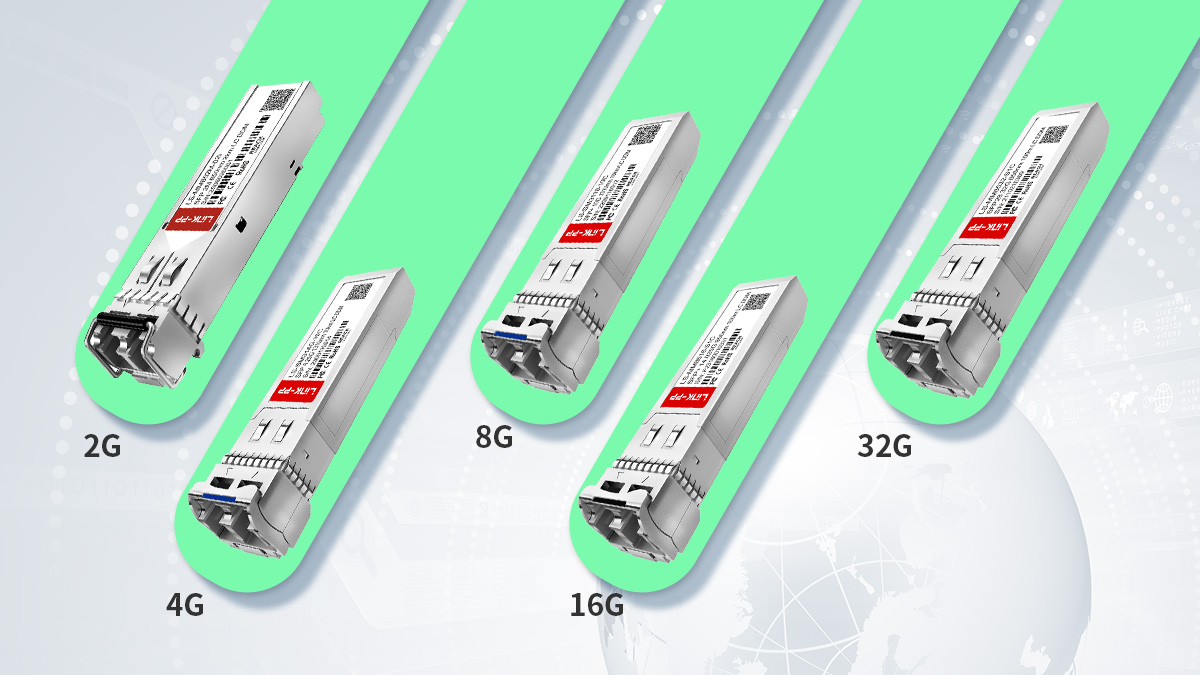
Fiber Channel SFP modules are defined by strict speed standards, each corresponding to a specific generation of SAN performance and scalability. While newer speeds dominate modern data centers, understanding all major Fiber Channel SFP types helps with legacy support, upgrade planning, and compatibility decisions.
2G Fiber Channel SFP
2G Fiber Channel SFP modules support data rates up to 2.125Gbps and were widely used in early enterprise SAN deployments.
Key characteristics:
-
Primarily deployed in legacy storage environments
-
Typically used with multimode fiber (850nm)
-
Limited bandwidth for modern workloads
Today, 2G FC SFPs are rarely deployed in new systems but may still appear in older SANs that require maintenance rather than full replacement.
4G Fiber Channel SFP
4G Fiber Channel SFP modules operate at 4.25Gbps and represented a significant step forward in SAN throughput and stability.
Key characteristics:
-
Improved performance over 2G with better error handling
-
Commonly found in aging but still operational SAN infrastructures
-
Often backward compatible with 2G environments
Although largely superseded by higher speeds, 4G FC SFPs remain relevant in long-lived enterprise storage networks.
8G Fiber Channel SFP
8G Fiber Channel SFP modules support data rates up to 8.5Gbps and are still widely used across enterprise data centers.
Key characteristics:
-
Strong balance between performance and cost
-
Broad compatibility with existing HBAs and switches
-
Common choice for mid-scale SAN deployments
8G FC SFPs are often used in environments that prioritize stability and predictable performance without the need for cutting-edge bandwidth.
16G Fiber Channel SFP
16G Fiber Channel SFP modules deliver data rates up to 14.025Gbps and are a standard choice for modern SAN architectures.
Key characteristics:
-
Designed for high-performance storage workloads
-
Lower latency and higher IOPS support compared to 8G
-
Widely adopted in virtualized and all-flash storage systems
16G FC SFPs offer backward compatibility with 8G and 4G in many implementations, making them ideal for phased SAN upgrades.
32G Fiber Channel SFP
32G Fiber Channel SFP modules support data rates up to 28.05Gbps and represent the current generation of high-speed Fiber Channel.
Key characteristics:
-
Optimized for NVMe over Fiber Channel (NVMe/FC)
-
Supports ultra-low latency and massive throughput
-
Requires high-quality optics and cabling
32G FC SFPs are primarily deployed in advanced data centers where maximum storage performance and future scalability are critical.
➡️ Single Mode vs Multimode Fiber Channel SFP
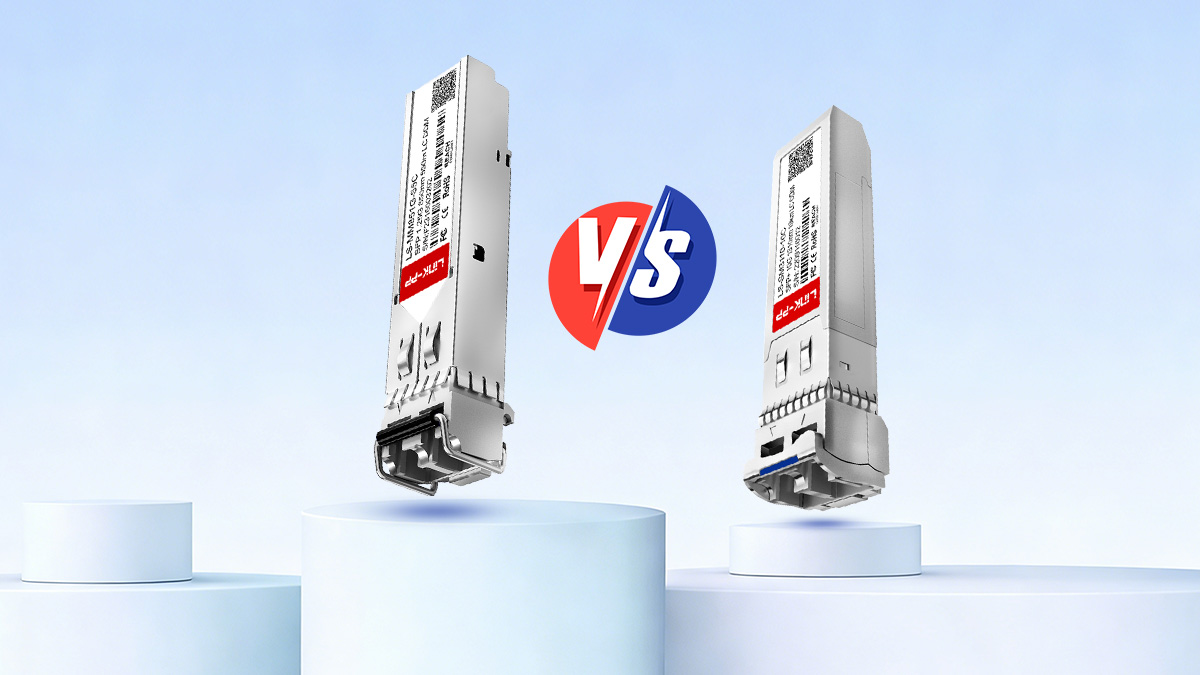
Fiber Channel SFPs are primarily classified by fiber type and wavelength, which directly determine transmission distance, deployment cost, and typical SAN use cases. The two most common options are multimode Fiber Channel SFPs (850nm) and single mode Fiber Channel SFPs (1310nm).
Multimode Fiber Channel SFP (850nm) – Short-Distance SAN
Multimode Fiber Channel SFPs operate at 850nm and are designed for short-distance, high-density SAN environments such as data centers and server rooms.
Key characteristics:
-
Typically used with OM3 / OM4 multimode fiber
-
Transmission distances generally up to 300m–500m, depending on speed and fiber grade
-
Lower optical cost, suitable for large-scale port deployments
-
Commonly used with 8G, 16G, and 32G Fiber Channel SFPs
Multimode FC SFPs are the preferred choice for intra-data-center SAN fabrics, where switches, servers, and storage arrays are located in close proximity.
Single Mode Fiber Channel SFP (1310nm) – Long-Distance Replication
Single mode Fiber Channel SFPs operate at 1310nm and are optimized for long-distance Fiber Channel links, often used in storage replication and disaster recovery scenarios.
Key characteristics:
-
Used with OS1 / OS2 single-mode fiber
-
Typical transmission distances range from 10km to 20km, depending on the FC standard
-
Higher optical cost but significantly longer reach
-
Common in inter-building SANs and remote data center connections
Single mode FC SFPs are ideal when distance and signal stability are more important than port density or upfront cost.
Distance, Fiber Type, and Cost Comparison
| Feature | Multimode FC SFP | Single Mode FC SFP |
|---|---|---|
| Typical Wavelength | 850nm | 1310nm |
| Fiber Type | OM3 / OM4 MMF | OS1 / OS2 SMF |
| Typical Distance | Up to 300m–500m | 10km–20km |
| Common Use Case | Intra-data-center SAN | Long-distance SAN replication |
| Relative Cost | Lower | Higher |
| Deployment Density | High | Moderate |
Which One Should You Choose?
-
Choose multimode Fiber Channel SFPs if your SAN operates within a data center and requires cost-effective, high-port-density connectivity.
-
Choose single mode Fiber Channel SFPs if your SAN must span long distances or support inter-site storage replication.
This distinction is critical during SAN planning, as fiber type and SFP selection directly affect scalability, cost, and future upgrade paths.
➡️ Fiber Channel SFP vs Ethernet SFP
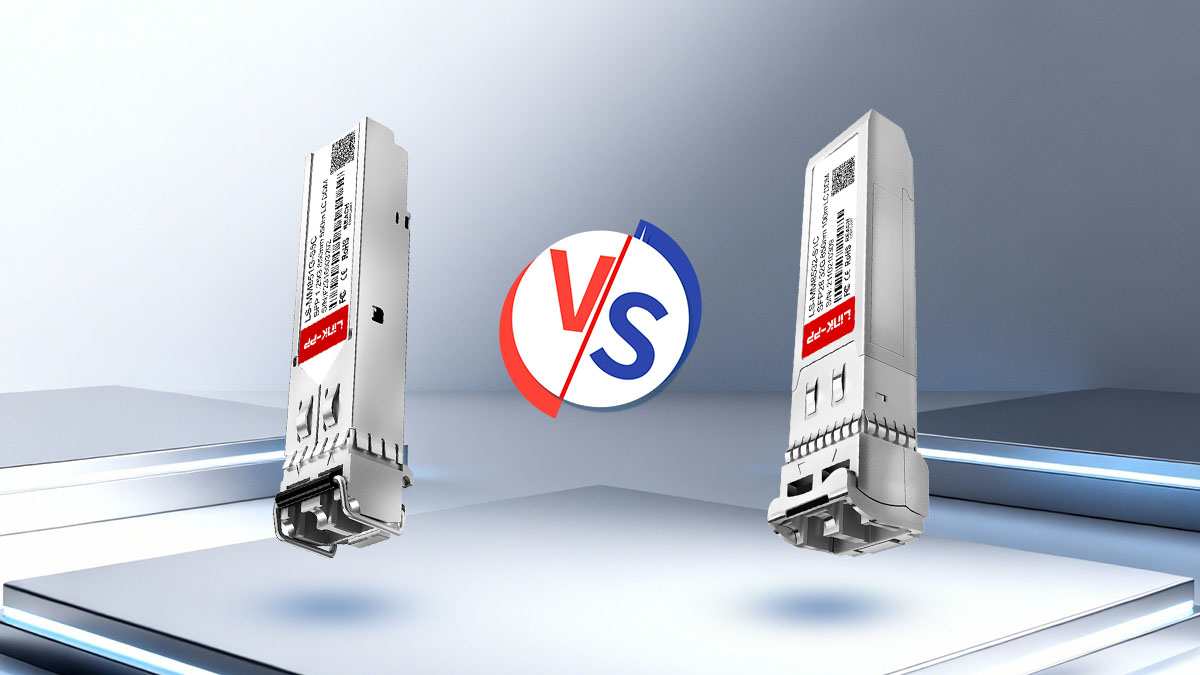
Although Fiber Channel SFPs and Ethernet SFPs share the same physical form factor, they are designed for fundamentally different network architectures and workloads. Understanding this distinction is critical, as these two types of SFP transceivers are not interchangeable, even when speed and wavelength appear similar.
Core Design Differences: Storage vs Data Networking
Fiber Channel SFPs are engineered specifically for storage traffic in SAN environments, where performance predictability and data integrity are mandatory.
Ethernet SFPs, by contrast, are built for general-purpose IP networking, prioritizing scalability, flexibility, and protocol convergence.
Key conceptual differences:
-
Fiber Channel assumes lossless, deterministic traffic
-
Ethernet assumes best-effort delivery with retransmission
-
Fiber Channel operates in a closed SAN fabric
-
Ethernet supports multi-protocol, multi-application networks
These differences shape how each SFP type is designed, tested, and deployed.
Protocol and Performance Comparison
| Feature | Fiber Channel SFP | Ethernet SFP |
|---|---|---|
| Primary Protocol | Fiber Channel (FC) | Ethernet (IEEE 802.3) |
| Typical Use Case | Storage Area Networks (SAN) | LAN, WAN, Data Center |
| Traffic Behavior | Lossless, deterministic | Best-effort, packet-based |
| Latency | Ultra-low and predictable | Variable |
| Flow Control | Credit-based | PAUSE / DCB (optional) |
| Retransmission | Not expected | Common and acceptable |
| Interoperability | FC-only devices | Broad IP ecosystem |
Speed Naming and Compatibility Differences
Even when speed numbers look similar, Fiber Channel and Ethernet SFPs follow different standards:
-
8G Fiber Channel SFP (8.5Gbps) ≠ 10G Ethernet SFP+ (10Gbps)
-
16G FC SFP (14.025Gbps) ≠ 25G SFP28 (25Gbps)
-
32G FC SFP (28.05Gbps) ≠ 40G / 50G Ethernet optics
Because encoding methods, clocking, and protocol framing differ, an Ethernet SFP will not function in a Fiber Channel port, and vice versa.
When to Use Fiber Channel SFP vs Ethernet SFP
| Scenario | Recommended SFP Type |
|---|---|
| Enterprise SAN | Fiber Channel SFP |
| Mission-critical storage | Fiber Channel SFP |
| IP-based networking | Ethernet SFP |
| Hyperconverged infrastructure | Ethernet SFP |
| NVMe over FC | Fiber Channel SFP |
| NVMe over TCP | Ethernet SFP |
Key Takeaway
If your environment relies on dedicated storage networking, Fiber Channel SFPs are the correct and safest choice. Ethernet SFPs may offer higher nominal speeds and broader flexibility, but they cannot match Fiber Channel’s predictable latency and lossless behavior in SAN workloads.
➡️ Typical Use Cases of Fiber Channel SFP
Fiber Channel SFPs are deployed in environments where storage performance, reliability, and predictability are critical. Unlike general-purpose networking optics, FC SFP modules are used almost exclusively in dedicated SAN architectures, supporting workloads that cannot tolerate packet loss or unpredictable latency.
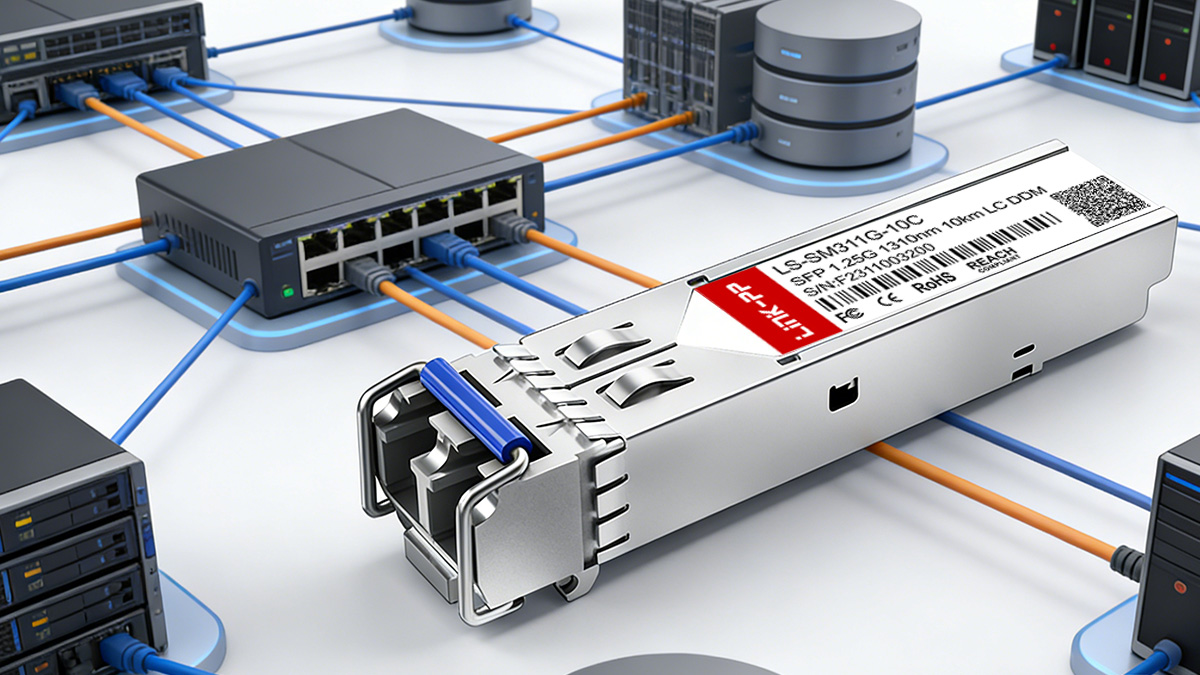
Enterprise Storage Area Networks (SAN)
The most common use case for Fiber Channel SFPs is in enterprise SAN fabrics, where servers and storage arrays are connected through Fiber Channel switches.
Typical scenarios include:
-
Mission-critical databases
-
ERP and core business applications
-
High-availability storage clusters
In these environments, Fiber Channel SFPs help ensure consistent I/O performance, even under sustained or peak workloads.
Data Center Storage Switching
Fiber Channel SFPs are widely used in data center storage switches, forming the backbone of the SAN fabric.
Key characteristics:
-
Dedicated FC ports with fixed speeds (8G / 16G / 32G)
-
Predictable east-west storage traffic
-
High port density with minimal latency variation
This makes FC SFPs ideal for large-scale, centrally managed storage networks.
Server Connectivity via Host Bus Adapters (HBAs)
Servers connect to the SAN through Fiber Channel Host Bus Adapters (HBAs) equipped with FC SFP modules.
Common use cases:
-
Physical servers running high-I/O workloads
-
Virtualized hosts requiring stable shared storage
-
Application clusters dependent on consistent storage latency
In these scenarios, the Fiber Channel SFP provides a direct, lossless path between compute and storage resources.
Storage Replication and Disaster Recovery
Single mode Fiber Channel SFPs are often used for long-distance storage replication between data centers.
Typical applications include:
-
Synchronous and asynchronous replication
-
Business continuity and disaster recovery (BCDR)
-
Inter-building or metro-area SAN extensions
By supporting extended distances over single-mode fiber, Fiber Channel SFPs enable reliable data protection strategies without introducing protocol complexity.
High-Performance and All-Flash Storage Systems
Modern all-flash arrays and NVMe-capable storage systems frequently rely on 16G and 32G Fiber Channel SFPs.
Why FC SFPs are preferred:
-
Ultra-low and consistent latency
-
Efficient handling of high IOPS workloads
-
Native support for NVMe over Fiber Channel (NVMe/FC)
These use cases highlight why Fiber Channel SFPs remain relevant despite the growth of Ethernet-based storage alternatives.
➡️ Compatibility and Interoperability Considerations
Compatibility is one of the most critical factors when deploying Fiber Channel SFPs. Even when speed, wavelength, and form factor match, mismatches in coding, firmware expectations, or vendor qualification can lead to link failures or unstable SAN performance.
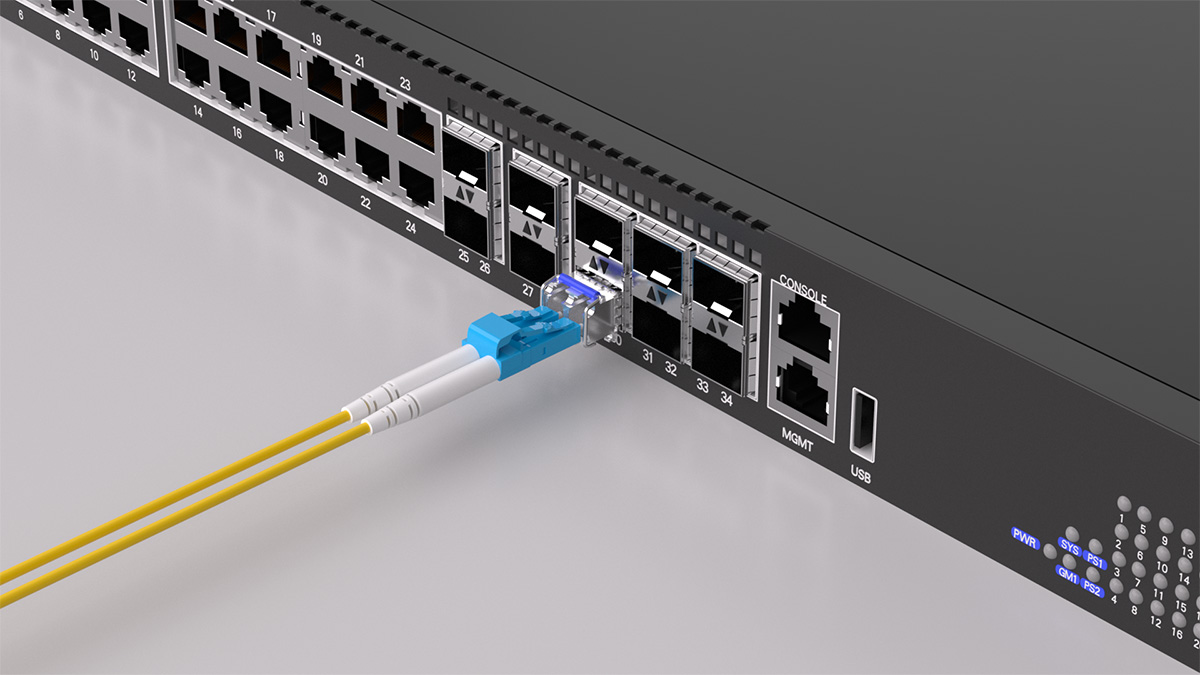
Switch, HBA, and SFP Speed Alignment
A Fiber Channel link requires end-to-end speed compatibility between:
-
The Host Bus Adapter (HBA)
-
The Fiber Channel switch port
-
The Fiber Channel SFP module
While many modern FC SFPs support limited backward compatibility, the most stable configuration is achieved when all components are explicitly rated for the same FC speed (for example, 16G FC end-to-end). Speed mismatches can cause:
-
Link negotiation failures
-
Unexpected downshifting
-
Increased error rates
OEM vs LINK-PP Fiber Channel SFPs
Most enterprise storage vendors qualify and recommend OEM-branded Fiber Channel SFPs, but LINK-PP FC SFP modules are widely used in practice.
Key considerations include:
-
OEM SFPs offer guaranteed compatibility but at a higher cost
-
LINK-PP SFPs must be correctly coded to match switch and HBA requirements
-
Reputable third-party vendors test FC SFPs against major platforms (e.g., Brocade, Cisco MDS, Emulex)
When sourced correctly, third-party Fiber Channel SFPs can deliver equivalent performance and reliability while reducing overall SAN deployment costs.
Vendor Qualification and Firmware Dependencies
Fiber Channel devices often enforce vendor qualification rules through firmware.
Important points:
-
Some switches check SFP EEPROM data at boot or insertion
-
Firmware updates may tighten or relax third-party support
-
Certified optics lists (HCLs) vary by vendor and model
Ignoring these factors can result in warnings, port shutdowns, or unsupported configurations.
Fiber Type and Optical Budget Matching
Interoperability is not limited to electronics—it also depends on fiber infrastructure.
Ensure alignment of:
-
Multimode vs single-mode fiber
-
Connector type (LC/UPC is standard for FC)
-
Optical budget relative to distance
Using the wrong fiber type or exceeding supported distance can degrade signal quality and compromise SAN reliability.
Best Practices for Ensuring Compatibility
To minimize risk when deploying Fiber Channel SFPs:
-
Verify switch and HBA compatibility matrices
-
Match SFP speed, wavelength, and fiber type end-to-end
-
Use optics from vendors with documented FC testing
-
Validate after firmware upgrades
➡️ How to Choose the Right Fiber Channel SFP
Choosing the right Fiber Channel SFP is less about brand preference and more about matching technical requirements across the entire SAN link. A correct selection ensures stable operation, predictable performance, and long-term scalability, while a wrong choice can introduce hidden risks that are difficult to troubleshoot later.
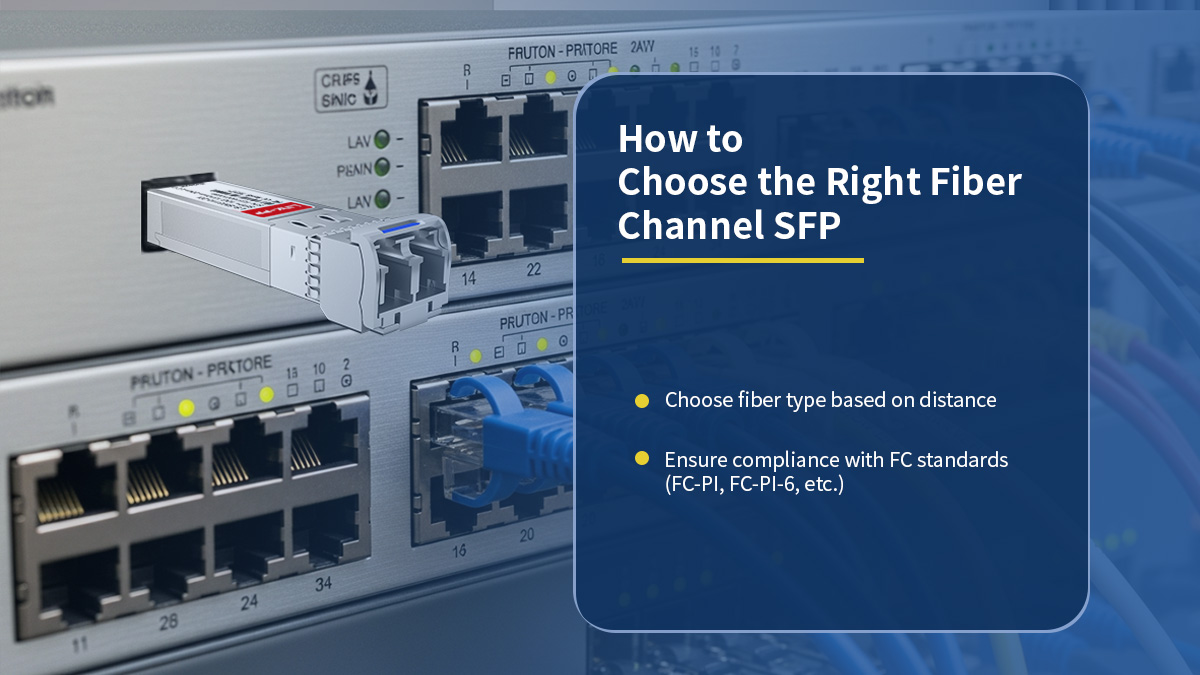
Step 1: Match the SFP Speed to Your SAN Infrastructure
Start by identifying the supported Fiber Channel speed of your environment.
-
Check the maximum speed supported by the HBA and switch port
-
Align the SFP speed across both ends of the link
-
Avoid mixing speeds unless explicitly supported and tested
For example, a 16G Fiber Channel SFP performs best when both the HBA and switch are designed for 16G operation, even if backward compatibility is technically possible.
Step 2: Choose the Correct Fiber Type and Distance
Next, determine whether your deployment requires multimode or single-mode optics.
-
Use multimode FC SFPs (850nm) for short-distance, in-rack or intra-data-center links
-
Use single-mode FC SFPs (1310nm) for long-distance connections and replication
Always ensure the maximum supported distance of the SFP exceeds your actual fiber run with sufficient margin.
Step 3: Verify Device and Vendor Compatibility
Before deployment, confirm that the SFP is compatible with:
-
The Fiber Channel switch model
-
The HBA firmware version
-
The SAN vendor’s qualification or support policies
This step is especially important when using LINK-PP Fiber Channel SFP, as proper coding and testing determine whether the module will be accepted by the hardware.
Step 4: Consider Future Scalability and Upgrade Paths
Selecting an SFP based solely on current requirements can limit future flexibility.
Consider:
-
Whether higher-speed FC standards (16G → 32G) are planned
-
Whether the chosen fiber type supports future upgrades
-
If your SAN roadmap includes NVMe over Fiber Channel (NVMe/FC)
Planning ahead helps avoid costly re-cabling or hardware replacements.
Step 5: Balance Cost, Risk, and Operational Stability
Finally, evaluate the trade-off between cost and operational confidence.
-
OEM SFPs provide maximum assurance but higher cost
-
High-quality third-party FC SFPs can significantly reduce expenses
-
The key is proven compatibility and testing, not branding alone
A well-chosen Fiber Channel SFP delivers long-term stability, reduces downtime risk, and supports efficient SAN operations.
➡️ FAQs About Fiber Channel SFP
Is a Fiber Channel SFP the same as an Ethernet SFP?
No. Although the form factor looks the same, Fiber Channel SFPs use different protocols and encoding and cannot operate in Ethernet ports.
Can Fiber Channel SFP be hot-swapped?
Yes. Most Fiber Channel SFP modules support hot-swapping, allowing replacement without shutting down the switch or server.
Do both ends need the same Fiber Channel SFP speed?
Yes, in practice. While some backward compatibility exists, best stability and performance are achieved when both ends run the same FC speed.
Can I use LINK-PP Fiber Channel SFP in enterprise switches?
Yes, if compatible. Properly coded and tested third-party FC SFPs can work reliably, depending on switch and firmware policies.
Are Fiber Channel SFPs still relevant today?
Yes. Fiber Channel SFPs remain widely used in SANs due to their low latency, lossless delivery, and support for NVMe/FC.
➡️ Summary: What to Know About Fiber Channel SFP
A Fiber Channel SFP is a purpose-built optical transceiver designed for lossless, low-latency storage networking in dedicated SAN environments, and it cannot be replaced by Ethernet SFPs.
Key Takeaways
-
Protocol-specific design: Fiber Channel SFPs are optimized for FC protocols, ensuring deterministic performance and data integrity.
-
Defined speed standards: Common options include 8G, 16G, and 32G Fiber Channel SFPs, each aligned with specific SAN performance needs.
-
Fiber type matters: Multimode (850nm) suits short-distance data center SANs, while single-mode (1310nm) supports long-distance replication.
-
Compatibility is critical: Stable SAN operation depends on matching SFP speed, fiber type, and device compatibility end-to-end.
When to Choose / When Not to Choose Fiber Channel SFP
Choose Fiber Channel SFP when:
-
You are deploying or maintaining a dedicated SAN
-
Storage workloads require predictable latency and zero packet loss
-
Your infrastructure supports Fiber Channel switches and HBAs
-
NVMe over Fiber Channel is part of your roadmap
Do not choose Fiber Channel SFP when:
-
Your environment is purely Ethernet/IP-based
-
Flexibility and protocol convergence are higher priorities than determinism
-
You do not operate or plan to operate a SAN fabric
Final Recommendation
For organizations running enterprise storage systems, Fiber Channel SFPs remain a proven and reliable foundation for SAN connectivity. By selecting the correct speed, fiber type, and compatible optics, you can achieve stable performance today while preserving a clear upgrade path for future storage demands.
If you are evaluating compatible, standards-compliant Fiber Channel SFP options for your SAN environment, you can explore a wide range of tested FC SFP modules at the LINK-PP Official Store, where products are designed to meet industry standards and real-world deployment requirements.