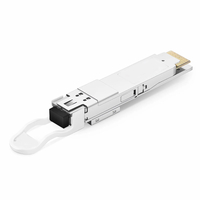
The demand for 400G coherent optical connectivity continues to rise as data centers, cloud providers, and carrier networks scale toward higher bandwidth and lower latency architectures. In this environment, transceiver modules such as Cisco QDD-400G-ZRP-S are widely deployed for high-capacity long-reach transmission in metro and data center interconnect (DCI) scenarios.
However, as network infrastructures become more complex and cost-sensitive, many operators begin evaluating alternative optical module options that can deliver comparable performance while improving supply flexibility, interoperability, and lifecycle efficiency. This is especially important in large-scale 400G deployments where consistency, availability, and scalability directly impact operational stability.
Understanding how Cisco QDD-400G-ZRP-S fits into modern optical networks—and what factors matter when selecting compatible alternatives—has become essential for organizations aiming to optimize both technical performance and procurement strategy in evolving 400G ecosystems.
💾 Understanding Cisco QDD-400G-ZRP-S
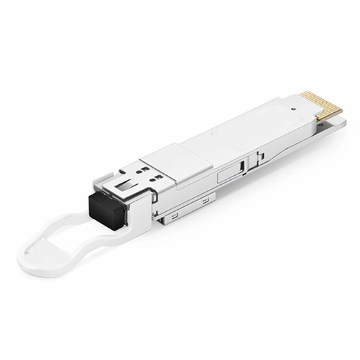
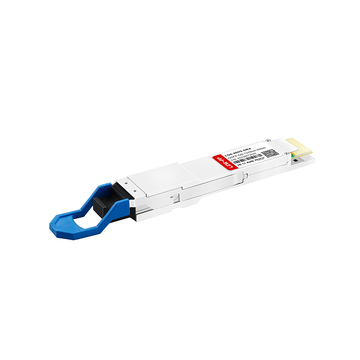
The Cisco QDD-400G-ZRP-S is a QSFP 400G coherent optical module designed for high-capacity, long-reach optical transport in modern data center interconnect and metro backbone networks. In practical deployments, it is primarily used to enable high-density 400Gbps links over DWDM infrastructure, making it a key component in scaling next-generation optical networks.
At a high level, this module is positioned for environments that require strong performance over extended distances while maintaining spectral efficiency and interoperability within coherent optical systems. It is commonly integrated into Cisco routing and switching platforms that support QSFP-DD form factor optics.
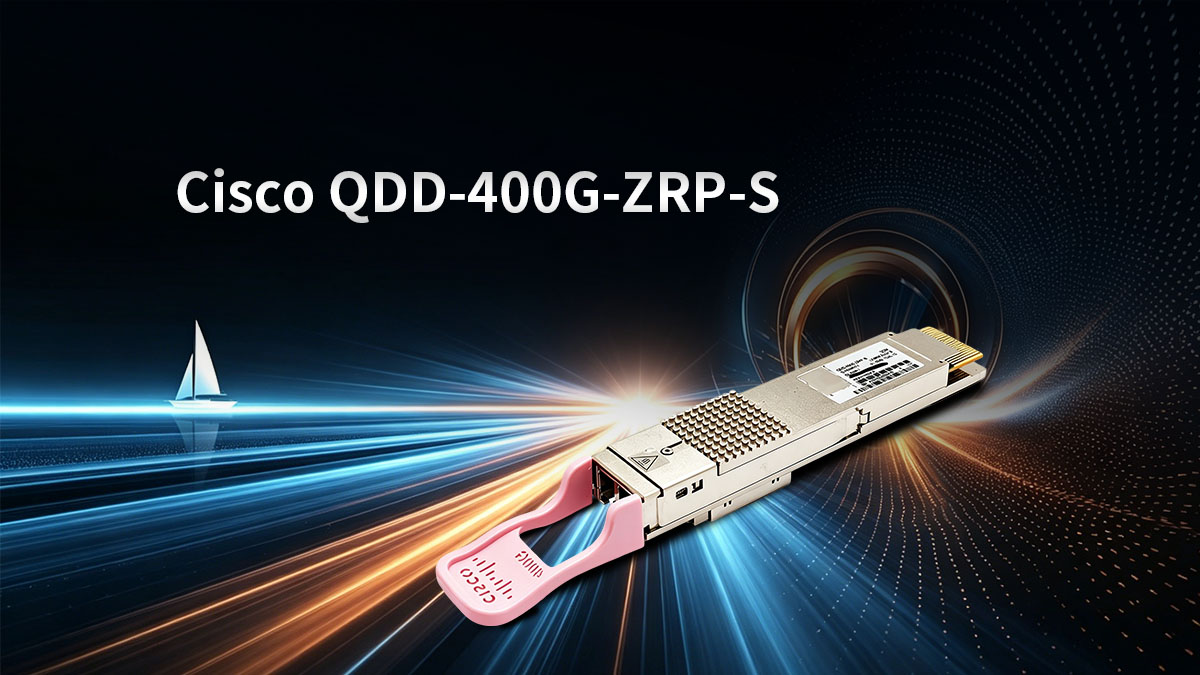
What Is Cisco QDD-400G-ZRP-S?
The Cisco QDD-400G-ZRP-S is a QSFP-DD form factor 400G coherent optical transceiver built for high-speed optical transmission across metro and regional network distances.
In simple terms, it is used to:
- Enable 400Gbps coherent optical links over DWDM networks
- Support high-capacity data center interconnect (DCI) architectures
- Extend network reach beyond short-reach optical modules
This module is typically deployed in environments where bandwidth density and transmission distance must be balanced within a single optical solution, especially in carrier-grade and cloud backbone infrastructures.
Core Technical Specifications
The Cisco QDD-400G-ZRP-S is defined by a set of coherent optical capabilities optimized for long-distance high-capacity transmission.
The following table summarizes key technical attributes:
| Parameter | Specification |
|---|---|
| Data Rate | 400Gbps |
| Form Factor | QSFP-DD |
| Transmission Technology | Coherent DWDM |
| Typical Reach | Metro / long-haul class distances |
| Modulation | Advanced coherent modulation (DSP-based) |
These specifications highlight its focus on high-performance optical transport rather than short-range Ethernet connectivity.
Beyond raw parameters, the module also integrates coherent digital signal processing (DSP) to optimize signal integrity, enabling stable transmission over complex optical fiber routes.
Common Enterprise and Carrier Deployment Scenarios
The Cisco QDD-400G-ZRP-S is widely adopted in high-capacity network architectures where bandwidth aggregation and long-distance transmission are required.
Typical deployment scenarios include:
- Data center interconnect (DCI)
- Connecting geographically distributed data centers
- Supporting cloud replication and workload balancing
- Metro optical transport networks
- High-capacity traffic aggregation across urban regions
- Backbone connectivity between metro nodes
- Cloud and hyperscale infrastructure
- Supporting east-west traffic in large-scale cloud platforms
- Enabling scalable backbone expansion
- AI and high-performance computing networks
- Handling massive data exchange between compute clusters
- Reducing bottlenecks in distributed training environments
These use cases demonstrate that the module is not limited to a single application type but is instead positioned as a flexible building block for high-bandwidth optical infrastructure.
💾 Why Organizations Consider Cisco QDD-400G-ZRP-S Alternatives
In many QSFP 400G optical network deployments, organizations begin exploring alternatives to Cisco QDD-400G-ZRP-S not because of performance limitations, but due to broader operational and procurement strategy needs. As networks scale, factors such as supply stability, cost efficiency, and multi-vendor flexibility become just as important as raw optical performance.
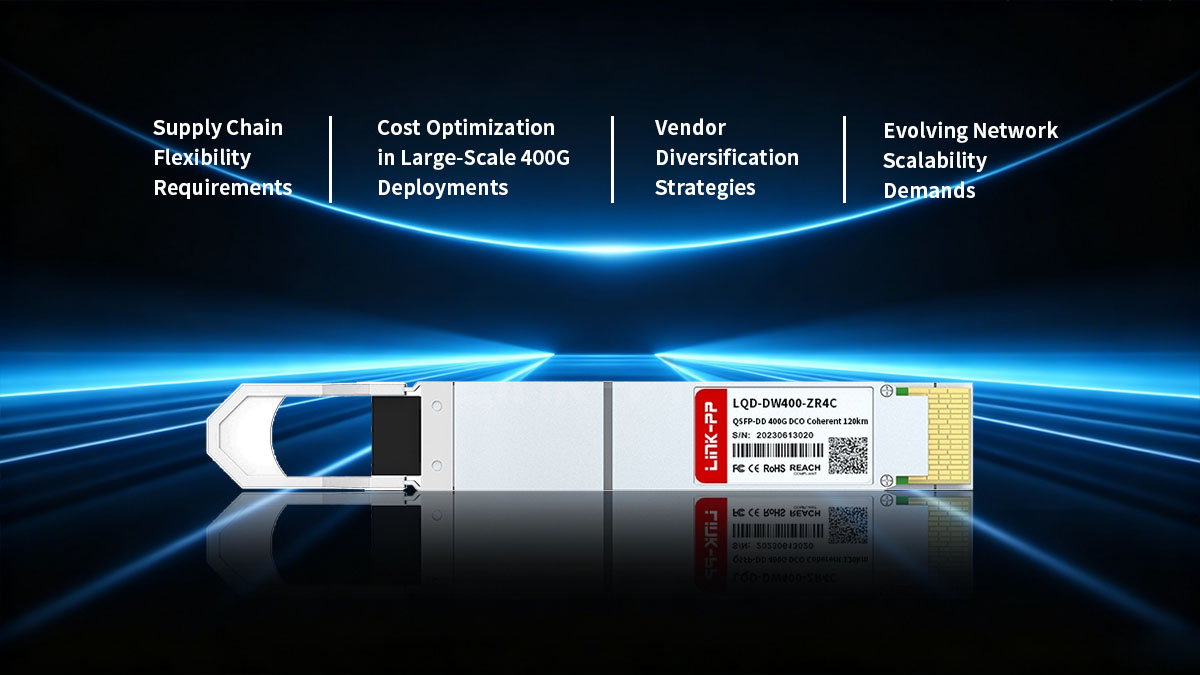
Understanding these motivations helps explain why alternative selection has become a standard part of modern 400G infrastructure planning.
Supply Chain Flexibility Requirements
Organizations often evaluate alternatives to Cisco QDD-400G-ZRP-S to reduce dependency on single-source supply chains and improve procurement resilience.
Key considerations include:
- Global lead time variability for optical modules
- Risk of supply shortages during large-scale deployments
- Need for flexible inventory planning across multiple projects
- Pressure to maintain continuous deployment cycles without delays
In large network rollouts, even minor supply disruptions can impact rollout schedules, making alternative sourcing strategies increasingly important for operational continuity.
Cost Optimization in Large-Scale 400G Deployments
As 400G adoption expands, deployment scale directly amplifies hardware investment. This makes cost structure a critical factor when evaluating optical modules.
Key cost-driven factors include:
- High-volume deployment requirements across data centers
- Need to balance performance with total infrastructure expenditure
- Budget allocation across multiple network layers (optics, switching, routing)
- Optimization of long-term operational costs, not just initial deployment
In practice, organizations aim to achieve equivalent network performance while improving overall cost efficiency across thousands of optical links.
Vendor Diversification Strategies
Modern network architectures increasingly adopt multi-vendor strategies to reduce operational risk and improve system flexibility.
Organizations consider alternatives in order to:
- Avoid dependency on a single optical module ecosystem
- Increase flexibility in procurement and lifecycle management
- Enable interoperability across different hardware platforms
- Strengthen negotiation leverage in large-scale procurement
This approach is particularly common in hyperscale and carrier environments where infrastructure diversity improves long-term resilience.
Evolving Network Scalability Demands
The rapid evolution of network architectures also drives interest in alternative 400G solutions compatible with Cisco QDD-400G-ZRP-S use cases.
Key scalability-related drivers include:
- Transition planning toward OSFP 800G and higher-speed architectures
- Increasing east-west traffic in AI and cloud environments
- Requirement for modular and future-proof optical infrastructure
- Need for flexible upgrade paths without full system redesign
As a result, organizations prioritize solutions that align not only with current 400G needs but also with long-term scalability roadmaps.
💾 Key Factors When Selecting a Cisco QDD-400G-ZRP-S Alternative
When evaluating alternatives to Cisco QDD-400G-ZRP-S, organizations typically focus on more than just basic compatibility. The selection process involves validating interoperability, optical performance, and long-term operational stability within complex 400G networks.
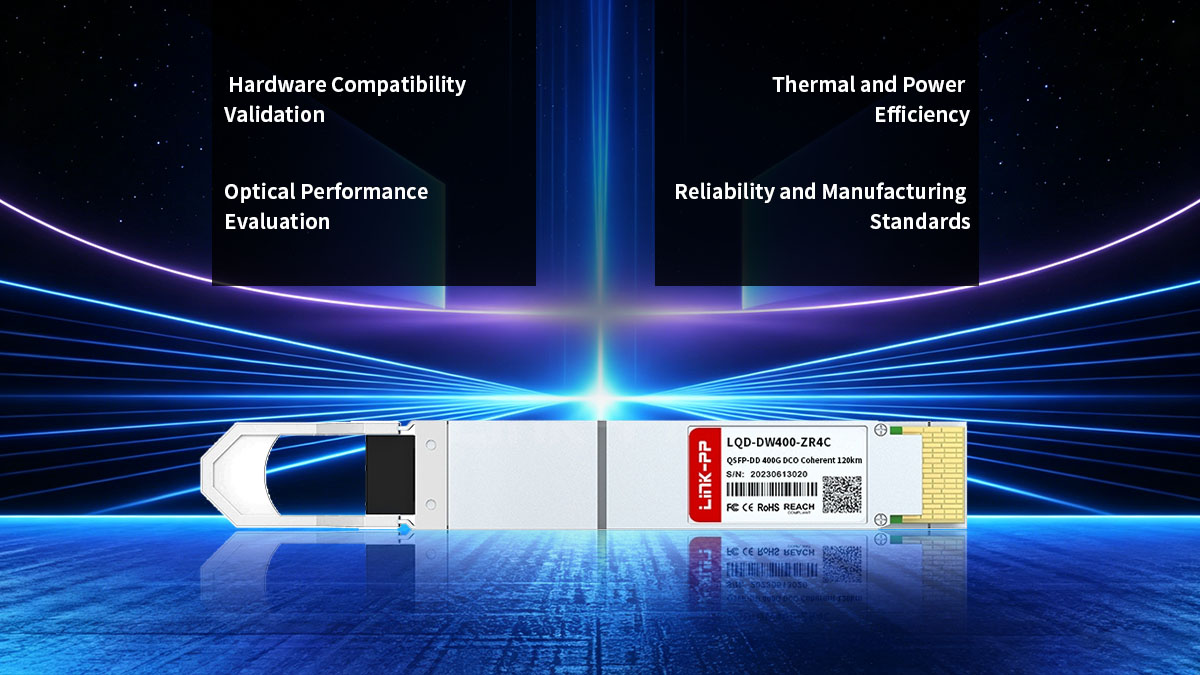
Hardware Compatibility Validation
The first and most critical step is ensuring that the alternative module is fully compatible with the target networking platform.
Key validation points include:
- Switch and router recognition across Cisco QSFP-DD interfaces
- Correct EEPROM coding for system-level identification
- Firmware compatibility with existing network operating systems
- Stable operation under Cisco optical platform constraints
Without proper hardware-level validation, even high-performance modules may fail to initialize or operate correctly within production environments.
Optical Performance Evaluation
After compatibility is confirmed, the next priority is verifying whether the alternative can match the optical performance requirements of Cisco QDD-400G-ZRP-S deployments.
Key performance aspects include:
- Consistent 400Gbps transmission under real traffic loads
- Signal integrity over long-reach DWDM links
- Optical signal-to-noise ratio (OSNR) stability
- Error rate performance under varying network conditions
To better understand the core performance expectations, the table below summarizes critical evaluation parameters:
| Parameter | Evaluation Focus |
|---|---|
| Transmission Rate | Stable 400Gbps throughput |
| Reach Capability | Metro / long-haul DWDM compatibility |
| Signal Quality | OSNR stability and low BER |
| Link Reliability | Performance under sustained load |
These metrics help determine whether an alternative can truly operate at a comparable level in production-grade optical environments.
Thermal and Power Efficiency
In high-density 400G deployments, power and thermal characteristics directly affect rack design and operational stability.
Important considerations include:
- Power consumption per transceiver in dense configurations
- Heat dissipation efficiency in QSFP-DD slots
- Impact on overall system cooling requirements
- Stability under continuous high-throughput operation
Efficient thermal design not only improves reliability but also reduces long-term operational overhead in large-scale data center environments.
Reliability and Manufacturing Standards
Long-term deployment success depends heavily on the quality and consistency of the optical module manufacturing process.
Key reliability factors include:
- Compliance with industry optical standards and certifications
- Rigorous environmental and stress testing procedures
- Stable production quality across batches
- Proven long-term deployment track record in carrier networks
High-reliability modules reduce the risk of network downtime and minimize maintenance complexity in mission-critical environments.
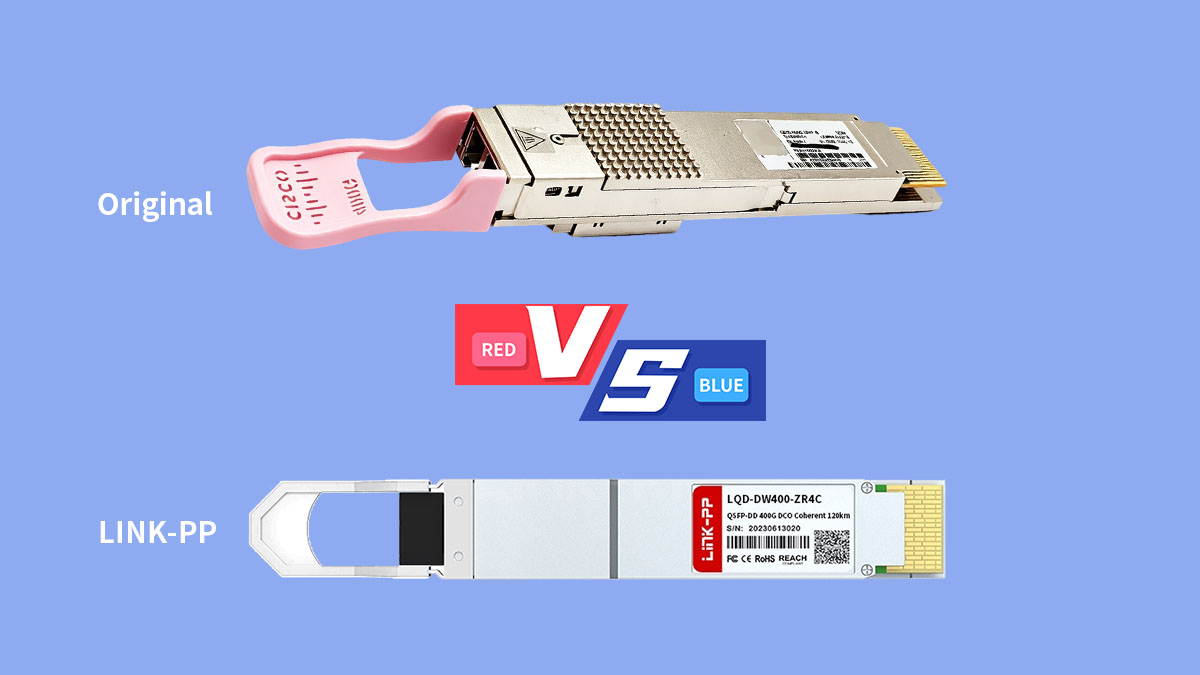
💾 Comparing Original Cisco Modules and Compatible Alternatives
When comparing Cisco QDD-400G-ZRP-S with compatible alternative modules, the goal is not to determine which is “better” in absolute terms, but to understand how closely alternatives can replicate performance, interoperability, and lifecycle behavior in real 400G deployments.
In most enterprise and carrier networks, the comparison typically centers on performance consistency, multi-vendor operability, and total deployment economics.
Performance Similarities and Differences
At a functional level, both original Cisco modules and compatible alternatives are designed to deliver 400Gbps coherent optical transmission. However, differences may appear in how consistently this performance is maintained under varying network conditions.
Key comparison points include:
- Throughput stability under sustained traffic loads
- Optical reach consistency in DWDM environments
- Error performance behavior across long-haul links
- Efficiency of coherent DSP signal processing
A simplified comparison of key performance dimensions is shown below:
| Performance Aspect | Cisco QDD-400G-ZRP-S | Compatible Alternatives |
|---|---|---|
| Data Rate | 400Gbps | 400Gbps |
| Optical Reach | Metro / long-reach optimized | Varies by vendor design |
| Signal Stability | Highly optimized for Cisco systems | Dependent on implementation |
| DSP Optimization | Cisco-integrated tuning | Vendor-specific DSP design |
From a deployment perspective, the main distinction is not the nominal data rate, but how consistently performance is maintained across different network conditions and hardware environments.
Interoperability Across Multi-Vendor Networks
Interoperability is one of the most important factors when evaluating compatible alternatives to Cisco QDD-400G-ZRP-S, especially in modern multi-vendor optical environments.
Key considerations include:
- Ability to operate across different router and switch platforms
- Consistency in DWDM transceivers integration
- Compatibility with existing optical line systems
- Support for open optical networking architectures
In practice, many organizations adopt a mixed-vendor strategy to increase flexibility and reduce dependency on a single ecosystem. However, this requires rigorous interoperability testing to ensure stable end-to-end transmission performance.
Lifecycle and Maintenance Considerations
Beyond performance, lifecycle management plays a significant role in module selection, particularly for large-scale deployments where long-term operational stability is essential.
Key lifecycle factors include:
- Availability of firmware updates and compatibility support
- Long-term supply continuity for network expansion
- Technical support responsiveness and documentation quality
- Ease of replacement and inventory standardization
Original Cisco modules typically benefit from tightly integrated lifecycle support within Cisco ecosystems, while compatible alternatives may offer broader sourcing flexibility depending on vendor maturity.
Deployment Cost Structure Analysis
Cost considerations often play a significant role when comparing Cisco QDD-400G-ZRP-S with compatible alternatives, especially in large-scale 400G rollouts.
Key cost-related aspects include:
- Initial acquisition cost per module
- Total cost across large deployment volumes
- Maintenance and replacement cost over time
- Operational efficiency impact on infrastructure scaling
While original modules are often associated with ecosystem integration benefits, compatible alternatives may provide more flexible cost structures, particularly in high-density deployments.
However, cost evaluation should always be balanced against performance stability and long-term network reliability to avoid hidden operational risks.
💾 Risks to Avoid When Evaluating Alternatives
When evaluating alternatives to Cisco QDD-400G-ZRP-S, the main risks are not always visible at the initial specification level. Many issues only emerge during large-scale deployment, where compatibility, stability, and lifecycle behavior directly impact network reliability.
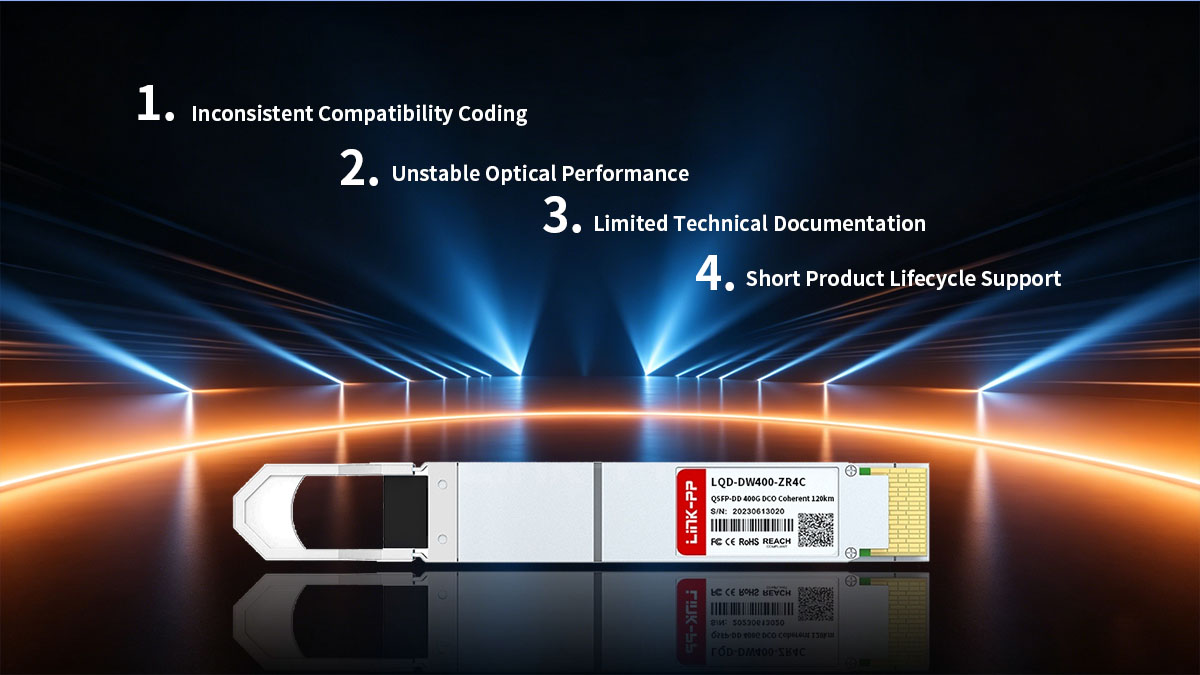
Understanding these risks helps prevent costly rework, service instability, and long-term operational inefficiencies in 400G optical environments.
Inconsistent Compatibility Coding
One of the most common risks in alternative selection is inconsistent or incorrect compatibility coding at the module level.
Key issues include:
- Incorrect EEPROM programming that prevents device recognition
- Platform mismatch with Cisco QSFP-DD validation rules
- Firmware-level rejection during initialization
- Partial functionality despite apparent link activation
In real deployments, even small coding inconsistencies can lead to intermittent link failures or complete module rejection by the host system, making pre-deployment validation essential.
Unstable Optical Performance
Another critical risk is variability in optical performance under real network conditions, especially in long-reach DWDM environments.
Key risk indicators include:
- Fluctuating signal quality under sustained traffic loads
- Higher-than-expected bit error rates (BER)
- Reduced transmission stability over longer distances
- Sensitivity to temperature and fiber impairments
These issues often do not appear in controlled lab tests but become significant in production networks where traffic load and environmental conditions vary continuously.
Limited Technical Documentation
A lack of detailed technical documentation can significantly increase operational risk when deploying compatible alternatives.
Common documentation gaps include:
- Insufficient interoperability testing reports
- Missing platform compatibility matrices
- Limited DSP behavior transparency
- Incomplete troubleshooting guidance
Without clear documentation, network teams may struggle to diagnose issues efficiently, leading to longer downtime and increased operational complexity.
Short Product Lifecycle Support
Lifecycle uncertainty is another important risk factor, particularly in long-term infrastructure planning.
Key concerns include:
- Unclear long-term availability of the optical module
- Limited roadmap transparency for future compatibility updates
- Inconsistent firmware support over time
- Replacement availability risks in large-scale deployments
In enterprise and carrier environments, unpredictable lifecycle support can create significant challenges for inventory planning and network expansion strategies.
💾 Best Practices for Selecting Reliable 400G Coherent Alternatives
Selecting a reliable alternative to Cisco QDD-400G-ZRP-S requires a structured approach that goes beyond basic specification matching. In 400G coherent networks, small evaluation gaps can lead to large-scale operational instability, so the focus should be on validation depth, deployment realism, and lifecycle confidence.
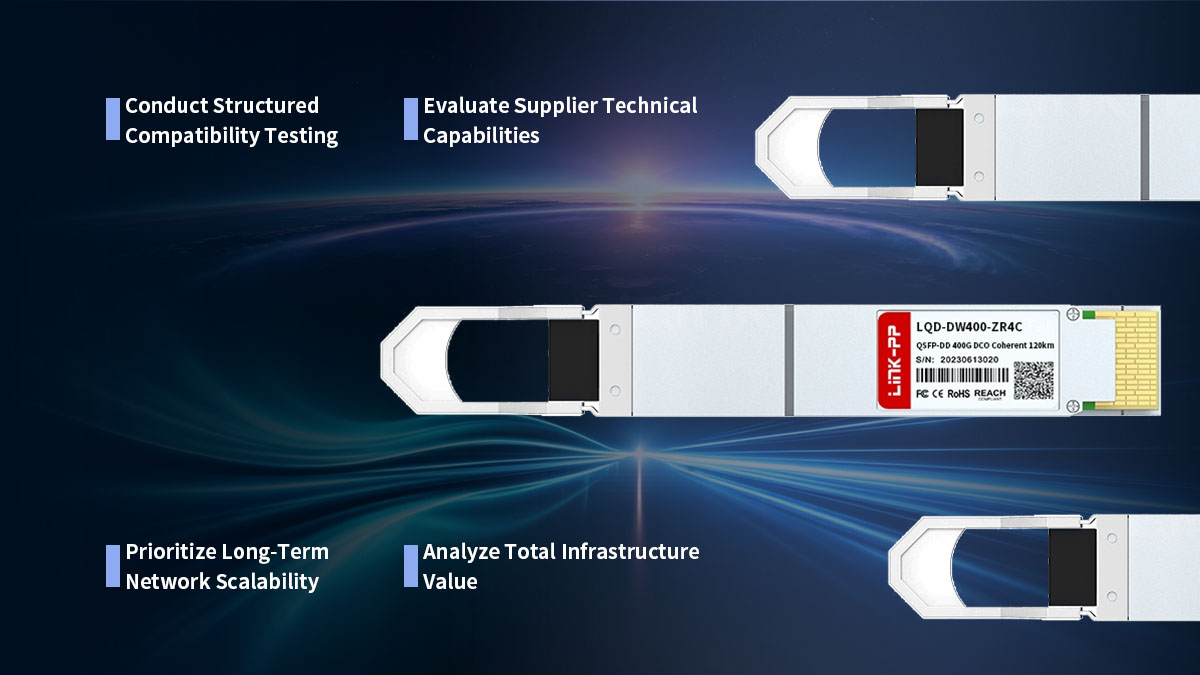
The following practices help ensure that alternative modules perform consistently in production-grade environments.
Conduct Structured Compatibility Testing
A reliable selection process always starts with systematic compatibility validation in controlled environments before any production deployment.
Key testing practices include:
- Verifying recognition across Cisco QSFP-DD ports and platforms
- Testing EEPROM coding consistency under multiple firmware versions
- Running end-to-end link initialization across different chassis models
- Simulating real traffic loads instead of static loopback tests
After these checks, it becomes easier to confirm whether the module can operate seamlessly within existing Cisco-based infrastructures without unexpected interoperability issues.
Evaluate Supplier Technical Capabilities
Beyond hardware specifications, the technical capability of the supplier plays a critical role in long-term deployment success.
Important evaluation points include:
- Depth of coherent optics engineering expertise
- Ability to support DSP and firmware tuning requirements
- Availability of technical support for integration issues
- Transparency in optical design and testing methodologies
A strong supplier is typically able to demonstrate consistent performance data across multiple deployment scenarios, not just isolated lab results.
Prioritize Long-Term Network Scalability
400G networks are rarely static, and most environments are already planning transitions toward higher-speed architectures.
Key scalability considerations include:
- Compatibility with future 800G migration paths
- Support for evolving DWDM channel structures
- Flexibility in multi-rate optical environments
- Alignment with long-term infrastructure expansion strategies
A well-chosen alternative should not only meet current requirements but also remain relevant as network demands evolve over time.
Analyze Total Infrastructure Value
Instead of focusing only on unit-level comparison, it is important to evaluate the overall infrastructure value delivered by an alternative solution.
Key evaluation dimensions include:
- Performance consistency across large-scale deployments
- Operational efficiency in high-density environments
- Maintenance frequency and replacement cycles
- Impact on long-term network stability and downtime risk
This broader perspective helps ensure that selection decisions support both technical performance and business continuity objectives.
💾 Future Trends in 400G Coherent Optical Networking
400G coherent optical networking is evolving quickly as cloud scale, AI workloads, and hyperscale data traffic continue to grow. Technologies surrounding modules like Cisco QDD-400G-ZRP-S are no longer static; they are part of a broader transition toward more open, efficient, and higher-capacity optical infrastructures.
Understanding these trends helps organizations make more future-aligned decisions when selecting optical modules and planning long-term network architecture.
Growth of Open Optical Ecosystems
The industry is increasingly shifting toward open and interoperable optical networking models, reducing dependency on tightly closed ecosystems.
Key developments include:
- Expansion of open line system architectures in metro and DCI networks
- Increasing adoption of multi-vendor optical interoperability frameworks
- Standardization efforts across 400G coherent transmission technologies
- Greater flexibility in integrating third-party optical modules
This trend allows network operators to build more flexible infrastructures while optimizing procurement strategies across different vendors and platforms.
Transition Toward Higher-Speed Optical Architectures
While 400G remains a core deployment standard, the industry is already moving toward next-generation speeds.
Key evolution patterns include:
- Gradual migration from 400G to 800G coherent optics
- Increasing demand for higher-density QSFP-DD and OSFP-based solutions
- Rapid growth in AI-driven data center traffic requiring higher throughput
- Optimization of backbone networks for multi-terabit scaling
In this context, 400G modules continue to serve as a foundational layer while also acting as a transition point toward future high-speed architectures.
Advancements in Coherent DSP Technologies
Coherent digital signal processing (DSP) continues to be a major innovation driver in optical networking performance.
Key improvements include:
- Enhanced power efficiency in DSP chipsets
- Better tolerance to fiber impairments and noise
- Increased spectral efficiency in DWDM systems
- Improved long-haul transmission stability
These advancements directly improve the performance envelope of 400G coherent modules, allowing longer reach and more reliable operation in complex network environments.
Sustainability and Energy Efficiency Priorities
Energy efficiency is becoming a major design consideration in modern optical networking deployments.
Key sustainability trends include:
- Reduction in per-bit energy consumption across 400G links
- Development of low-power coherent optics for dense deployments
- Optimization of cooling systems in high-density data centers
- Integration of green networking strategies in infrastructure planning
As data traffic continues to scale, reducing power consumption per transmitted bit becomes a critical metric for both operational cost and environmental impact.
💾 Conclusion
In modern 400G coherent optical networks, Cisco QDD-400G-ZRP-S serves as a high-performance foundation for long-reach and high-capacity connectivity, but alternative selection is increasingly driven by operational flexibility rather than pure performance differences. The most important takeaway is that successful deployment depends on balancing compatibility, optical stability, and lifecycle assurance across large-scale infrastructures.
Key points to retain include:
- Compatibility validation is essential to avoid platform-level recognition issues
- Optical performance consistency matters more than peak specifications alone
- Lifecycle stability directly impacts long-term network scalability
- Multi-vendor flexibility improves procurement resilience and deployment speed
As 400G networks expand globally, reliable alternative solutions play a critical role in supporting scalable and cost-efficient infrastructure growth. Many operators now design networks with mixed optical ecosystems to reduce dependency on a single vendor while maintaining high performance standards.
Reliable alternatives help achieve:
- Greater supply chain stability in large deployments
- Improved flexibility in network expansion planning
- More balanced infrastructure investment strategies
- Reduced operational risk in multi-site environments
In this context, alternatives to Cisco QDD-400G-ZRP-S are not replacements in a narrow sense, but strategic components in broader optical network planning.
For organizations planning or expanding 400G coherent networks, the most effective approach is to combine structured evaluation with long-term infrastructure alignment. Selection decisions should prioritize tested interoperability, consistent optical behavior, and sustainable lifecycle support.
A practical strategy includes:
- Validating real-world compatibility before deployment at scale
- Prioritizing performance consistency over theoretical maximum specifications
- Aligning module selection with future 800G migration pathways
- Ensuring long-term sourcing stability from trusted suppliers
For organizations seeking additional technical options and deployment-ready optical solutions, platforms such as LINK-PP Official Store provide a structured portfolio of 400G optical modules and network components designed for data center and telecom environments.
Ultimately, a well-planned alternative selection strategy for Cisco QDD-400G-ZRP-S ensures not only stable 400G performance today, but also a scalable foundation for next-generation optical networking architectures.