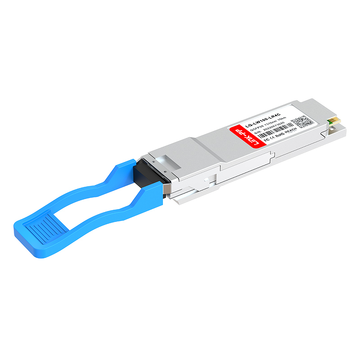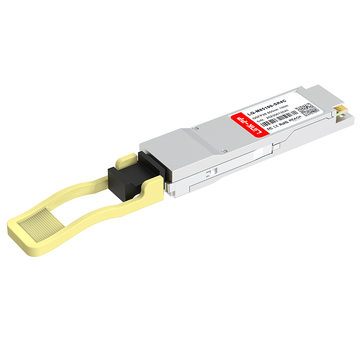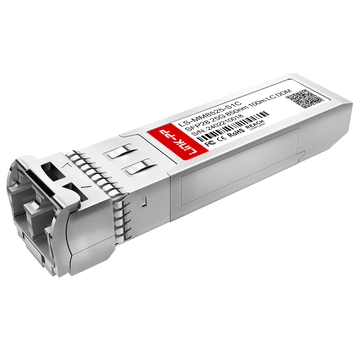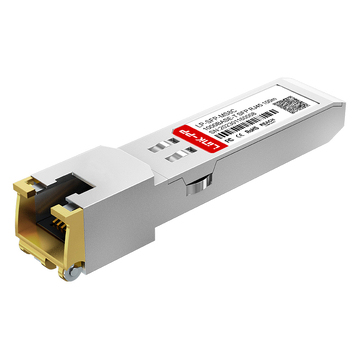






























In modern data center and enterprise network environments, the rapid shift toward 25G Ethernet has significantly increased the demand for flexible and scalable connectivity solutions. As bandwidth requirements continue to grow, network operators are under pressure to upgrade infrastructure without disrupting existing QSFP-based architectures or incurring unnecessary complexity.
Within this context, the Cisco CVR-QSFP28-SFP25G adapter plays an important role by enabling interoperability between QSFP28 ports and SFP28 transceivers. However, as networks become more diverse and cost-sensitive, many organizations begin evaluating Cisco CVR-QSFP28-SFP25G alternative options that can deliver similar functionality with greater flexibility, broader compatibility, or improved deployment economics. This makes the topic highly relevant for 25G migration strategies and high-density switching environments.
This article explores the ecosystem around Cisco CVR-QSFP28-SFP25G and its alternatives in depth, including key technical and deployment considerations, such as:
- Compatibility requirements across switch platforms and optics
- Performance, thermal, and reliability factors in real deployments
- Different types of alternative solutions available in the market
By the end, you will gain a clearer understanding of how to evaluate and select the most suitable connectivity approach for scalable 25G network design, while maintaining long-term operational stability in evolving infrastructures.
✅ Understanding the Cisco CVR-QSFP28-SFP25G Adapter
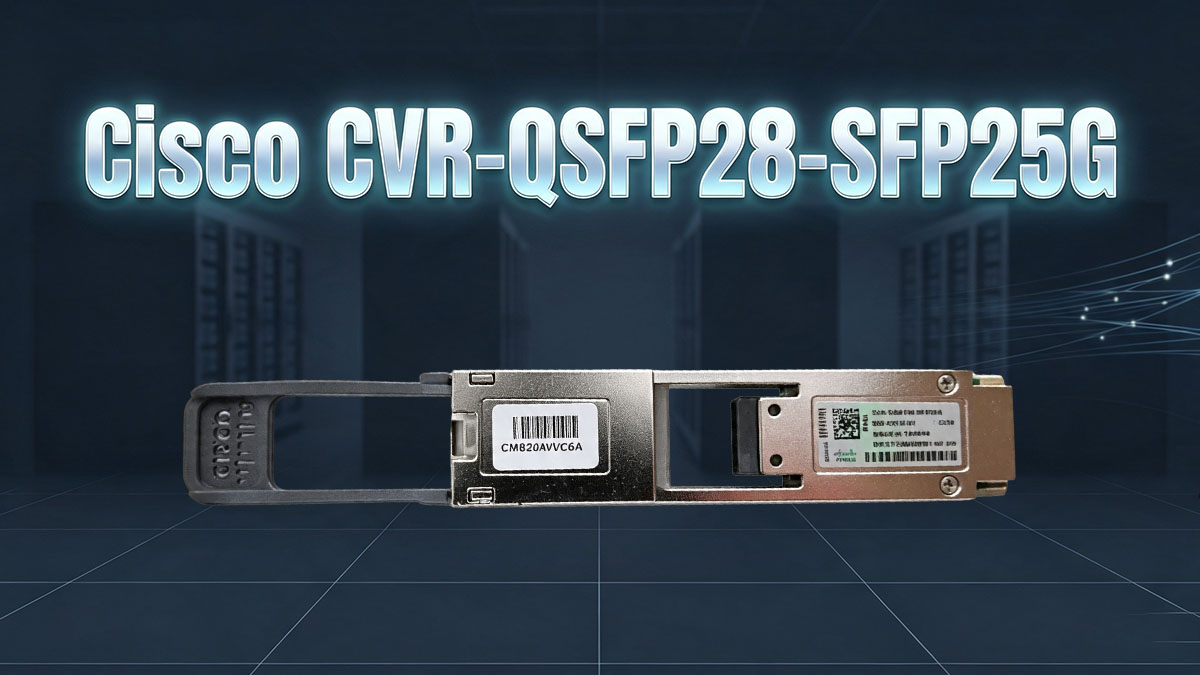
The Cisco CVR-QSFP28-SFP25G adapter is a compact connectivity component designed to bridge QSFP28 host ports with SFP28 optical transceivers. In practice, it enables network operators to reuse high-speed QSFP28 interfaces while connecting 25G SFP28 optics, making it a key tool for flexible port utilization in modern data center architectures.
This adapter is primarily used to extend the usability of QSFP28-based switches without requiring a full hardware redesign. It helps support incremental network upgrades, especially in environments transitioning from 10G to 25G or expanding 25G capacity within existing infrastructure.
To better understand its role, the following sections break down its definition, working mechanism, and typical use cases in real-world deployments.
What Is the Cisco CVR-QSFP28-SFP25G?
The Cisco CVR-QSFP28-SFP25G is a hardware adapter that allows a QSFP28 port to accept SFP28 transceivers. Its main purpose is to provide interface flexibility between different form factors while maintaining 25G data transmission capability.
This type of adapter is commonly deployed in environments where:
- Existing QSFP28 switch ports need to support SFP28 optics
- Network scaling requires mixed-speed connectivity
- Infrastructure upgrades must be performed gradually
From a functional perspective, it acts as a mechanical and electrical bridge rather than a signal-processing device, ensuring compatibility between port types without altering the underlying data rate capabilities of the switch.
How the Adapter Works
The adapter works by mapping QSFP28 electrical lanes to support SFP28 transceiver operation. Instead of converting data rates, it maintains native 25G signaling while enabling physical interface adaptation between port types.
At a technical level, its operation can be understood through several key mechanisms:
- QSFP28 ports provide multiple high-speed lanes, typically designed for 100G aggregation
- The adapter enables one lane to be allocated for a single 25G SFP28 transceiver
- Signal integrity is preserved through direct electrical pass-through design
- The system relies on switch-level port configuration for proper lane assignment
In simplified terms, it does not “convert speed” but rather “reassigns compatibility,” allowing the switch to treat the connected SFP28 module as a valid endpoint.
Common Applications in Modern Networks
The Cisco CVR-QSFP28-SFP25G adapter is widely used in environments where flexibility and incremental scaling are critical. It is particularly relevant in high-density switching and evolving data center designs.
Typical application scenarios include:
- Data center leaf-spine architectures requiring mixed-speed port usage
- Enterprise aggregation layers upgrading from 10G to 25G connectivity
- Cloud infrastructure environments with dynamic scaling requirements
- Server-to-switch connections where 25G SFP28 optics are preferred
These use cases highlight its role in reducing infrastructure rigidity and enabling more efficient port utilization across different network layers.
✅ Why Organizations Look for Cisco CVR-QSFP28-SFP25G Alternatives
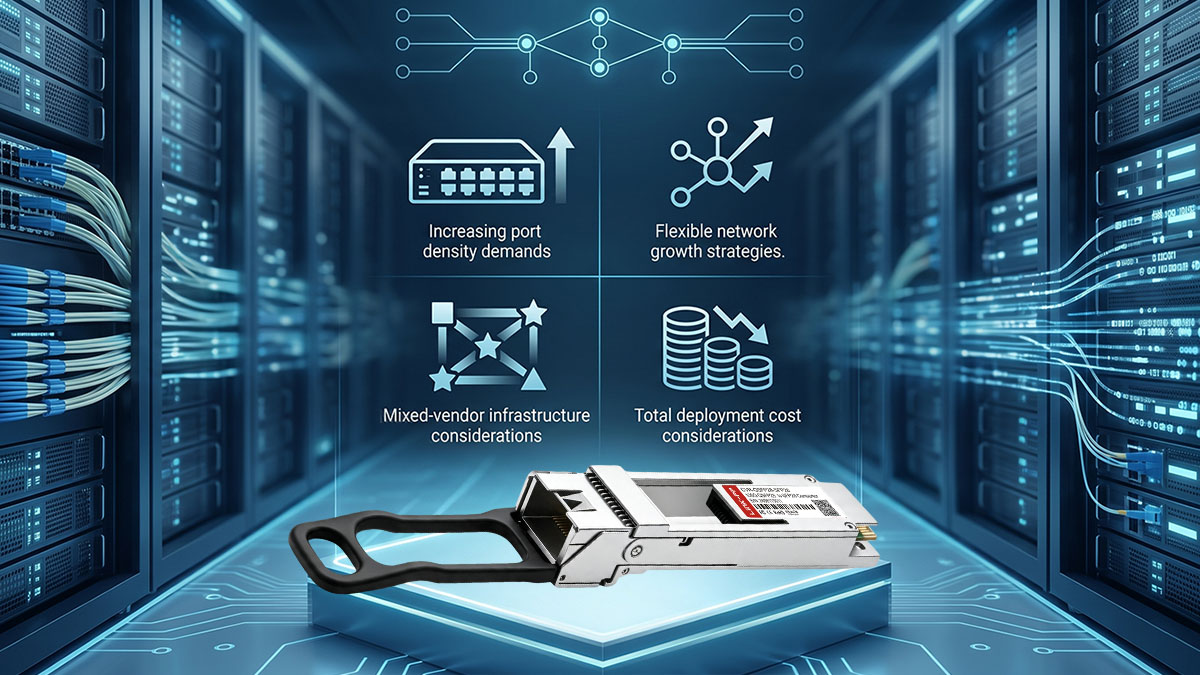
Organizations increasingly evaluate Cisco CVR-QSFP28-SFP25G alternative options because modern network environments demand greater flexibility, lower operational constraints, and more cost-efficient scalability. While the original adapter is effective in many deployments, it is not always the most optimal choice for evolving multi-vendor and high-density infrastructures.
As 25G adoption accelerates across data centers and enterprise backbones, decision-makers often reassess whether a single-vendor adapter model can fully support long-term expansion, procurement efficiency, and interoperability goals. This leads to broader consideration of alternative solutions that can meet similar technical requirements with improved deployment freedom.
Network Expansion and Scalability Requirements
The primary driver behind exploring alternatives is the need for scalable network growth without architectural limitations. As traffic loads increase, organizations require connectivity solutions that can adapt quickly to changing bandwidth demands.
In practice, scalability challenges typically include:
- Rapid growth in server-to-switch 25G connections
- Increasing demand for high-density port utilization in leaf-spine designs
- Requirement to support mixed-speed environments during migration phases
- Need for modular expansion without redesigning core infrastructure
These factors often push network teams to consider more flexible adapter or breakout-based solutions that can better align with long-term scaling strategies.
Cost Optimization Objectives
Cost efficiency plays a significant role in evaluating Cisco CVR-QSFP28-SFP25G alternatives, especially in large-scale deployments where even small per-port differences can accumulate significantly.
Key cost-related considerations include:
- Total cost of ownership across thousands of ports
- Budget constraints in phased 25G upgrades
- Lifecycle cost comparison between OEM and compatible solutions
- Reduced dependency on single-vendor pricing structures
Rather than focusing only on upfront hardware expense, organizations increasingly evaluate long-term operational cost efficiency, including maintenance, replacement cycles, and inventory flexibility.
Supply Chain and Availability Challenges
Global supply chain variability has made hardware availability a critical factor in network planning. Even technically suitable components may become impractical if lead times are too long or supply is inconsistent.
Common availability concerns include:
- Extended procurement lead times for OEM-specific adapters
- Limited regional stock for high-demand components
- Project delays caused by inconsistent hardware delivery
- Need for multi-source procurement strategies
To mitigate these risks, many organizations diversify their component sourcing strategies by considering functionally equivalent alternatives that maintain deployment timelines and reduce dependency bottlenecks.
Multi-Vendor Network Environments
Modern enterprise and cloud networks increasingly rely on multi-vendor architectures to improve flexibility and avoid vendor lock-in. In such environments, strict ecosystem dependencies can become a limitation.
Typical motivations include:
- Integration with mixed switching platforms across different vendors
- Adoption of open networking principles for infrastructure standardization
- Requirement for interoperability across heterogeneous hardware ecosystems
- Desire to maintain flexibility in future procurement decisions
As a result, organizations often explore Cisco CVR-QSFP28-SFP25G alternatives that better align with vendor-neutral strategies while maintaining consistent 25G performance across the network fabric.
✅ Key Technical Specifications to Evaluate in Alternative Options
When evaluating alternatives to the Cisco CVR-QSFP28-SFP25G, the most important step is to focus on core technical specifications that directly impact compatibility, stability, and long-term network performance. In practice, the right alternative is not defined by form factor alone, but by how well it maintains signal integrity, power efficiency, and interoperability in real deployments.
Port and Interface Compatibility
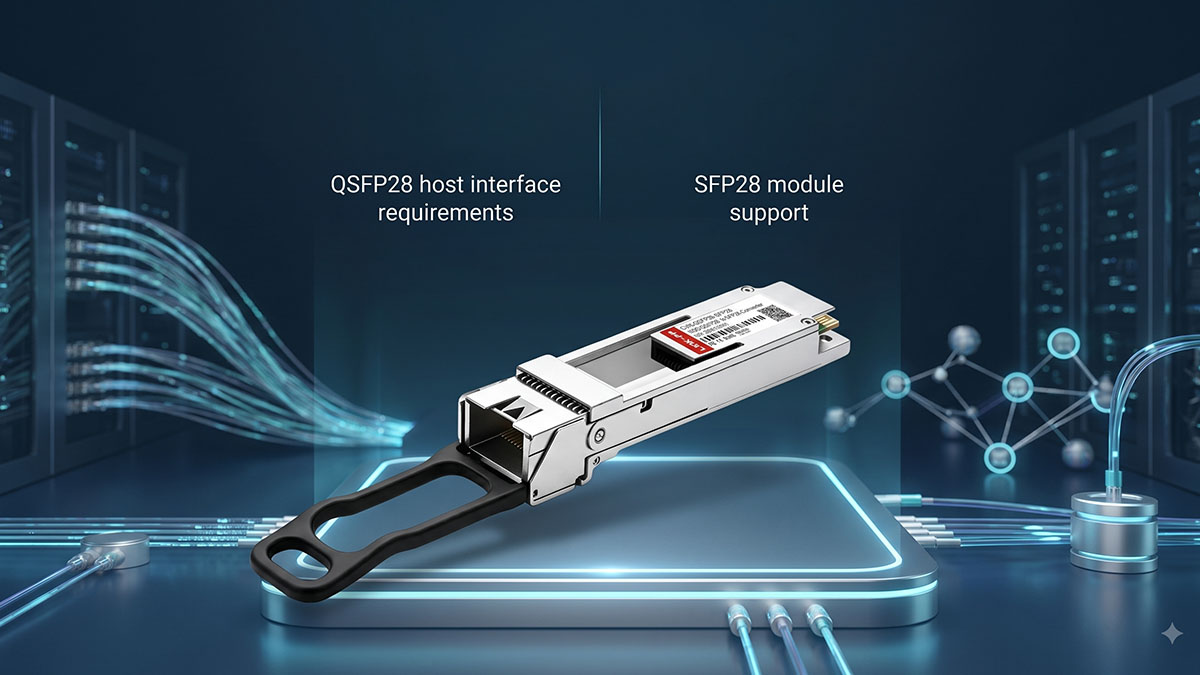
The most critical requirement for any alternative solution is ensuring full compatibility between QSFP28 host ports and SFP28 transceivers. If this layer is not correctly aligned, the adapter or module may fail to initialize or operate inconsistently.
Compatibility evaluation typically focuses on how well the solution supports:
- QSFP28 host-side electrical and mechanical interface standards
- SFP28 optical module recognition and signaling
- Switch platform firmware compatibility
- Lane mapping behavior for 25G single-lane operation
To better understand how different design approaches compare, the following table summarizes key compatibility dimensions across common implementation types:
| Solution Type | Host Interface Support | SFP28 Support | Configuration Dependency | Deployment Flexibility |
|---|---|---|---|---|
| Cisco CVR-QSFP28-SFP25G | Native QSFP28 | Fully supported | Cisco platform dependent | Moderate |
| Third-party adapter | QSFP28 compliant | Varies by vendor | Firmware compatibility required | High |
| Breakout cable solution | QSFP28 direct breakout | Fully supported | Minimal configuration | High |
| Native SFP28 ports | Not required | Native support | No adaptation needed | Very high |
After reviewing these categories, it becomes clear that compatibility is not only a hardware question but also a system-level integration issue involving switch software and optical module validation.
Electrical Performance Characteristics
Electrical performance determines whether an alternative solution can maintain stable 25G signal transmission under real-world conditions. Even small deviations in signal integrity can lead to increased error rates or link instability in high-speed environments.
Key performance indicators typically include:
- Signal attenuation and insertion loss levels
- Lane consistency across QSFP28 interfaces
- Compliance with 25G electrical signaling standards
- Crosstalk resistance in dense port environments
A well-designed alternative should preserve native 25G signaling without introducing unnecessary conversion layers. This ensures that data transmission remains stable even under sustained high-throughput workloads.
To evaluate electrical performance more effectively, network engineers often consider:
- Eye diagram clarity under load conditions
- Bit error rate (BER) thresholds
- PCB trace quality in adapter design
- Electrical isolation between lanes
These metrics help determine whether an alternative solution can maintain carrier-grade stability in production networks.
Thermal Design and Power Efficiency
Thermal behavior is a key factor in high-density deployments, where dozens or even hundreds of adapters may operate within a single chassis. Poor thermal design can lead to overheating, performance throttling, or reduced hardware lifespan.
Effective alternatives should prioritize:
- Low power consumption per adapter or module
- Efficient heat dissipation design
- Compatibility with existing switch airflow patterns
- Stable operation under sustained traffic loads
In practical deployments, thermal efficiency directly impacts rack density and long-term reliability. For example, in tightly packed leaf switches, even small differences in heat output can significantly influence cooling system design.
Common evaluation considerations include:
- Maximum operating temperature range
- Heat distribution across port clusters
- Passive vs active cooling requirements
- Impact on overall chassis thermal budget
Reliability and Durability Metrics
Long-term reliability is essential when selecting alternatives to Cisco-native solutions, especially in mission-critical data center environments where downtime is costly.
Reliability evaluation typically focuses on:
- Mechanical insertion and extraction cycle lifespan
- Connector durability under repeated use
- Environmental resistance (temperature, humidity, vibration)
- Long-term signal stability under continuous load
In addition, organizations often assess:
- Manufacturing quality consistency
- Failure rate under stress testing conditions
- Compliance with industry reliability standards
- Field performance history in similar deployments
A reliable alternative should not only match baseline functionality but also maintain stable performance over extended operational periods, minimizing the need for frequent replacement or intervention.
✅ Types of Cisco CVR-QSFP28-SFP25G Alternative Solutions
When evaluating alternatives to the Cisco CVR-QSFP28-SFP25G, it is important to understand that “alternative” does not refer to a single product category. Instead, it includes multiple solution types designed to achieve QSFP28-to-SFP28 interoperability or 25G connectivity in different architectural ways.
Each solution type offers a different balance of flexibility, compatibility, and deployment complexity, making selection highly dependent on network design requirements such as port density, scalability, and infrastructure strategy.
Third-Party Compatible QSFP28-to-SFP28 Adapters
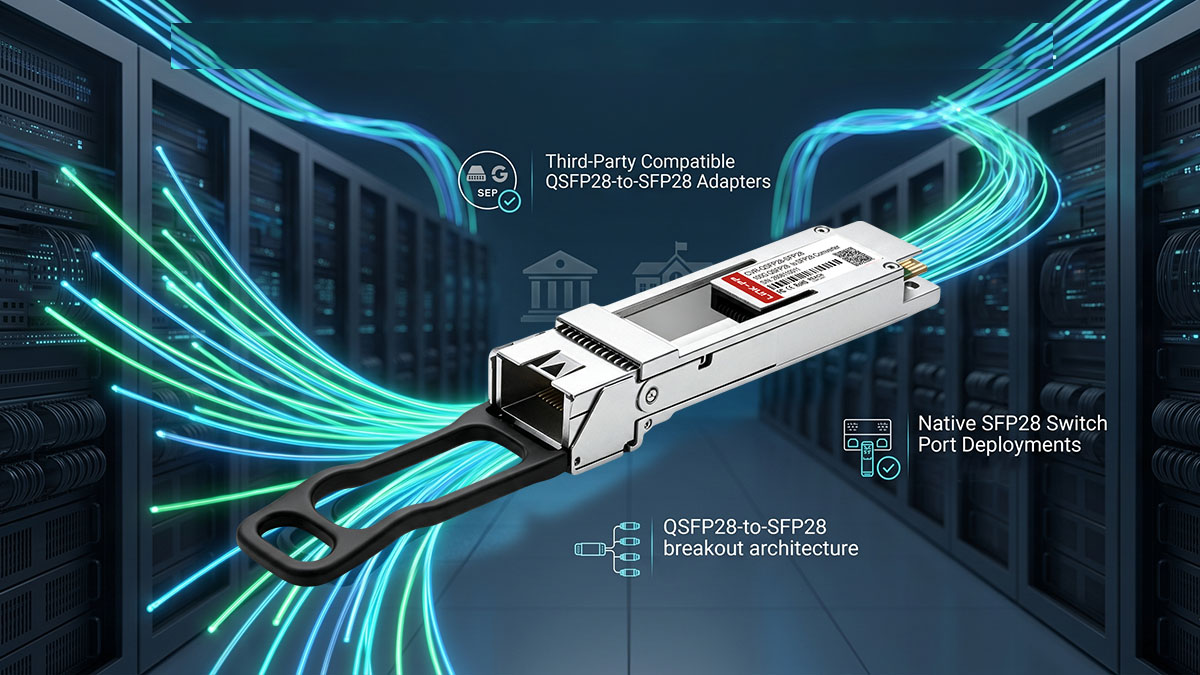
One of the most direct alternatives is third-party QSFP28-to-SFP28 adapter solutions, which are designed to replicate the core functionality of OEM adapters while offering broader vendor flexibility.
These solutions are typically chosen because they provide similar physical and electrical adaptation between QSFP28 ports and SFP28 modules without requiring a full platform redesign.
Key characteristics of this category include:
- QSFP28-compliant mechanical interface for switch insertion
- Support for standard SFP28 optical transceivers
- Varying levels of switch firmware compatibility
- Availability across multiple vendor ecosystems
In many cases, these adapters are used in heterogeneous network environments where flexibility and sourcing diversity are prioritized over strict OEM standardization.
Native SFP28 Port-Based Deployments
A more architectural alternative is the use of switches that natively support SFP28 ports, eliminating the need for QSFP28-to-SFP28 adaptation entirely.
This approach is often selected in greenfield deployments or large-scale upgrades where infrastructure standardization is a priority.
Key advantages include:
- Direct SFP28 connectivity without adapters or conversion layers
- Reduced hardware dependency and simplified troubleshooting
- Lower latency due to elimination of intermediate components
- Improved long-term scalability in 25G-focused designs
However, this approach typically requires careful planning at the infrastructure level, as it may involve higher initial platform investment and reduced flexibility in mixed-speed environments.
QSFP28-to-SFP28 Breakout Cable Solutions
Another widely used alternative is the breakout cable approach, which eliminates the need for a physical adapter module by directly splitting QSFP28 ports into multiple SFP28 connections.
This method is particularly effective in high-density environments where maximizing port utilization is a priority.
Typical breakout configurations include:
- 1× QSFP28 to 4× SFP28 direct connections
- Passive copper DAC breakout cables for short-range links
- Active optical breakout cables for extended reach requirements
| Breakout Type | Transmission Medium | Typical Reach | Power Requirement | Use Case |
|---|---|---|---|---|
| Passive DAC | Copper | Short distance (rack-level) | None | Low-cost intra-rack connections |
| Active Optical Cable (AOC) | Optical fiber | Medium distance | Low | Cross-rack connectivity |
| Fiber Breakout | Optical transceivers | Long distance | Depends on optics | Data center interconnect |
Before selecting this approach, it is important to evaluate cabling complexity and port planning, as breakout architectures can significantly influence switch port allocation strategies.
Open Networking and Vendor-Neutral Architecture Solutions
In increasingly heterogeneous environments, some organizations adopt open networking strategies as a long-term alternative to proprietary adapter ecosystems.
These solutions are based on standardized hardware designs that support interoperability across multiple switch vendors and optical module providers.
Core characteristics include:
- Support for multi-vendor switch operating systems
- Standardized QSFP28 and SFP28 interface compliance
- Reduced dependency on proprietary hardware ecosystems
- Greater flexibility in procurement and lifecycle management
This approach is particularly common in cloud-scale and hyperscale data center environments, where infrastructure agility and cost optimization are prioritized over vendor-specific optimization.
✅ Compatibility Considerations Before Selecting an Alternative
Before selecting any alternative to the Cisco CVR-QSFP28-SFP25G, the most important step is to validate end-to-end compatibility across hardware, optics, and software layers. In 25G networks, even small mismatches between modules, switch platforms, or firmware versions can lead to link instability, module rejection, or reduced performance.
A proper compatibility assessment ensures that the chosen solution not only functions at a basic level but also integrates reliably into production environments with predictable behavior under load.
Switch Platform Compatibility
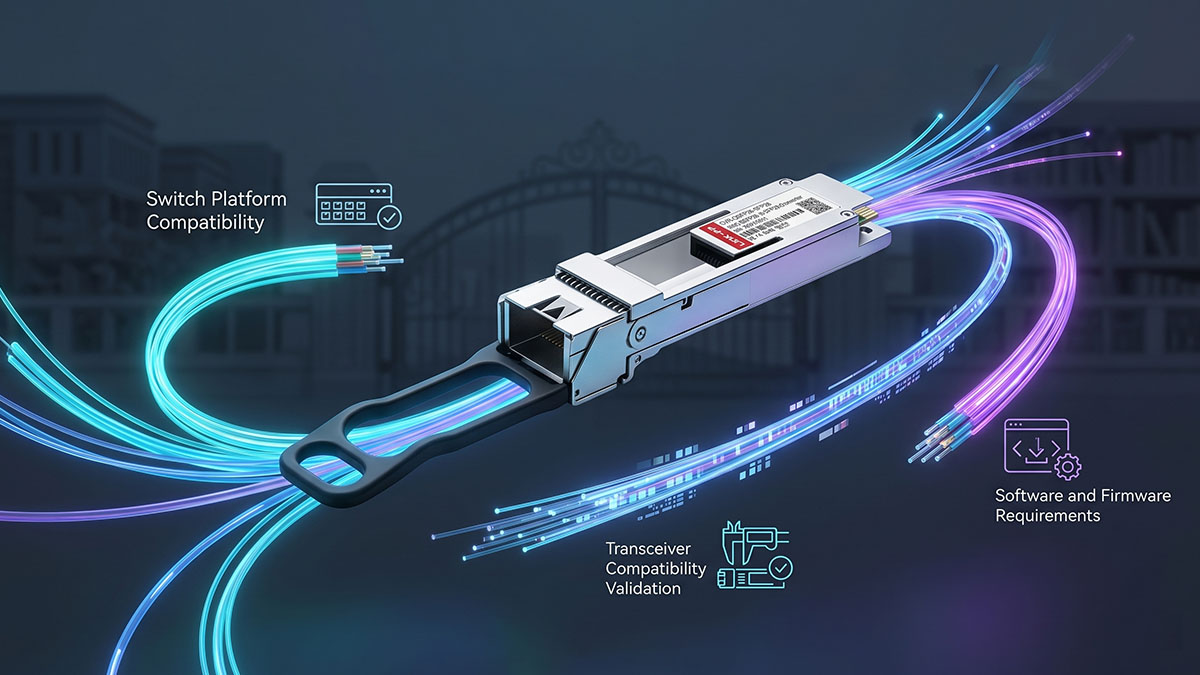
The first and most fundamental compatibility factor is whether the solution is supported by the target switch platform. Different Cisco switch families and multi-vendor systems may enforce specific validation rules for adapters and optics.
Key considerations include:
- QSFP28 port support for SFP28 breakout or adapter mode
- Platform-specific hardware restrictions or port licensing rules
- Switch ASIC capability for lane reassignment and breakout operation
- Model-specific compatibility matrices provided by vendors
In practical deployment scenarios, organizations often validate compatibility using a platform checklist before large-scale rollout. This helps avoid situations where a technically correct adapter fails due to firmware or hardware-level restrictions.
Transceiver Compatibility Validation
Even if the adapter itself is compatible, the connected SFP28 transceivers must also be fully supported. Optical compatibility is one of the most common sources of deployment issues in 25G environments.
Important validation points include:
- Support for 25G SFP28 optical standards (SR, LR, DAC, AOC)
- EEPROM coding recognition by the switch system
- Vendor-specific transceiver restrictions or validation rules
- Proper link negotiation between QSFP28 host and SFP28 module
To reduce deployment risk, engineers typically verify compatibility across both hardware and optics before scaling deployment across multiple racks or clusters.
Software and Firmware Requirements
Software and firmware compatibility plays a critical role in ensuring stable operation of alternative solutions. Even when hardware is physically compatible, outdated or mismatched firmware can prevent proper initialization.
Key areas to evaluate include:
- Minimum supported IOS / NX-OS version for QSFP28-to-SFP28 operation
- Feature enablement requirements for breakout or adapter functionality
- Firmware dependency for optical module recognition
- Upgrade consistency across distributed switch environments
In many production networks, firmware alignment is treated as part of the deployment baseline. This ensures that all devices behave consistently and reduces unexpected compatibility issues during scaling.
Interoperability Testing Best Practices
Even with documented compatibility, real-world validation is essential before full deployment. Interoperability testing helps confirm that the selected alternative performs reliably under actual traffic conditions.
A structured testing approach typically includes:
- Lab-based validation using representative switch and server configurations
- Link stability testing under sustained 25G traffic loads
- Error rate monitoring to detect signal integrity issues
- Failover and recovery testing in redundant network topologies
To strengthen validation, engineers often simulate production-like traffic patterns and observe system behavior over extended periods. This helps identify edge cases that may not appear during basic connectivity tests.
✅ Performance Comparison Between Cisco and Alternative Solutions
When comparing the performance of the Cisco CVR-QSFP28-SFP25G with alternative solutions, the key conclusion is that real-world performance differences are less about theoretical 25G capability and more about implementation quality, compatibility consistency, and system-level integration. In properly validated environments, both Cisco and alternative solutions can deliver similar baseline throughput, but differences emerge under load, density, and mixed-vendor conditions.
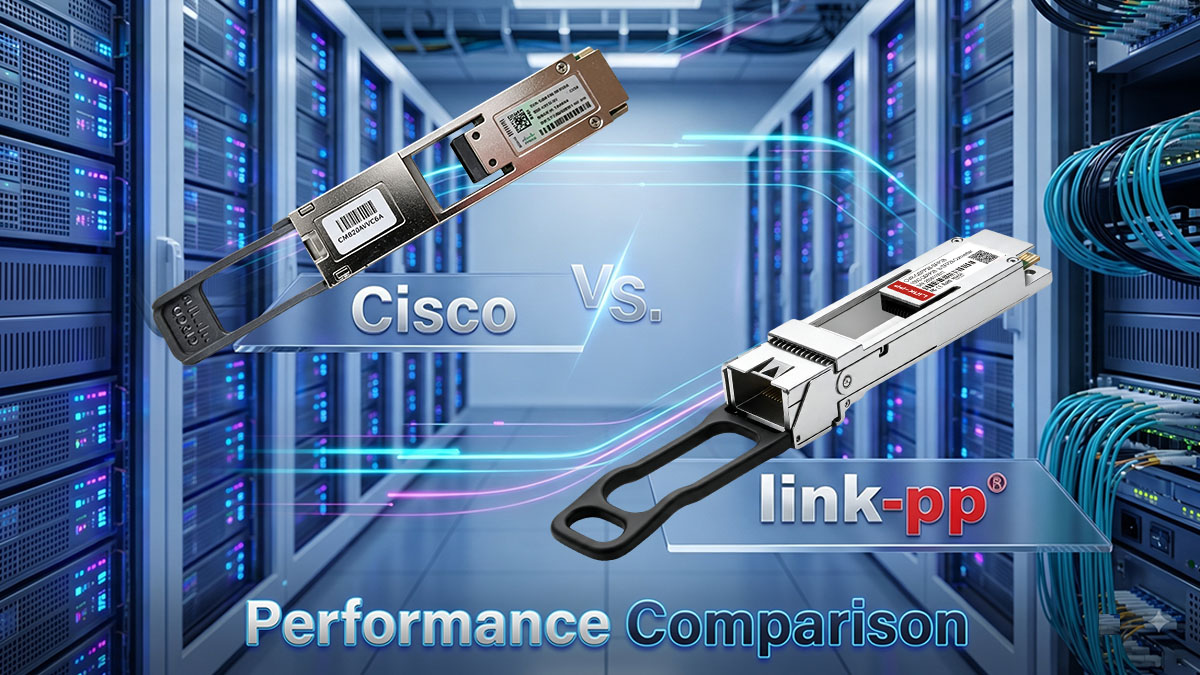
To understand these differences clearly, performance should be evaluated across throughput stability, signal integrity, thermal behavior, and operational consistency in production networks.
Throughput and Link Stability
From a throughput perspective, most compliant solutions are capable of sustaining full 25G line-rate performance. However, link stability under continuous traffic and mixed workloads is where differences may become more visible.
In real deployments, performance evaluation typically focuses on:
- Sustained 25G line-rate throughput without packet loss
- Stability under burst traffic conditions in leaf-spine architectures
- Link flap frequency in long-duration operation
- Consistency across multiple ports in high-density configurations
These factors matter because even minor instability at scale can impact overall fabric efficiency, especially in data center environments where east-west traffic dominates.
Signal Integrity Evaluation
Signal integrity is one of the most technically sensitive areas when comparing Cisco-native and alternative solutions. While both are designed to support 25G signaling, differences in electrical design quality can influence error rates and long-term stability.
Key evaluation dimensions include:
- Bit error rate (BER) performance under sustained load
- Eye diagram quality in high-speed signal transmission
- Resistance to electromagnetic interference (EMI) in dense switch chassis
- Consistency of lane mapping and signal passthrough behavior
A simplified comparison of typical signal behavior characteristics is shown below:
| Evaluation Factor | Cisco CVR-QSFP28-SFP25G | High-Quality Alternatives | Lower-Quality Alternatives |
|---|---|---|---|
| BER Stability | Very stable | Stable | Variable |
| EMI Resistance | High | Moderate to high | Low to moderate |
| Signal Consistency | Consistent | Generally consistent | Inconsistent |
| Long-term Degradation | Minimal | Low | Noticeable over time |
After reviewing these factors, it becomes clear that signal integrity is strongly influenced by manufacturing quality and validation processes rather than branding alone.
Thermal Performance Under Load
Thermal behavior becomes increasingly important as port density increases in modern switches. In high-density 25G deployments, even small differences in heat output can influence airflow design and system reliability.
Key thermal considerations include:
- Heat generation per adapter or module in sustained operation
- Airflow compatibility within fixed switch chassis designs
- Temperature stability under full port utilization
- Impact on overall switch thermal budget
In practical environments, well-designed alternatives can perform similarly to Cisco solutions, but inconsistencies in thermal engineering may lead to localized hotspots or reduced efficiency in densely populated racks.
Operational Experience in Production Networks
In production environments, performance is ultimately defined by operational consistency rather than isolated benchmarks. Both Cisco and alternative solutions can perform reliably when properly deployed, but differences appear in lifecycle behavior and operational predictability.
Common real-world observations include:
- Cisco-native solutions tend to offer more predictable behavior in tightly controlled environments
- High-quality alternatives often perform comparably when compatibility is fully validated
- Lower-tier alternatives may require more frequent troubleshooting in mixed-vendor setups
- Large-scale deployments benefit more from consistency than peak performance differences
From a system perspective, long-term operational stability is often the most important metric, especially in networks where downtime or performance variance can affect multiple dependent services simultaneously.
✅ Deployment Scenarios Where Alternative Options Make Sense
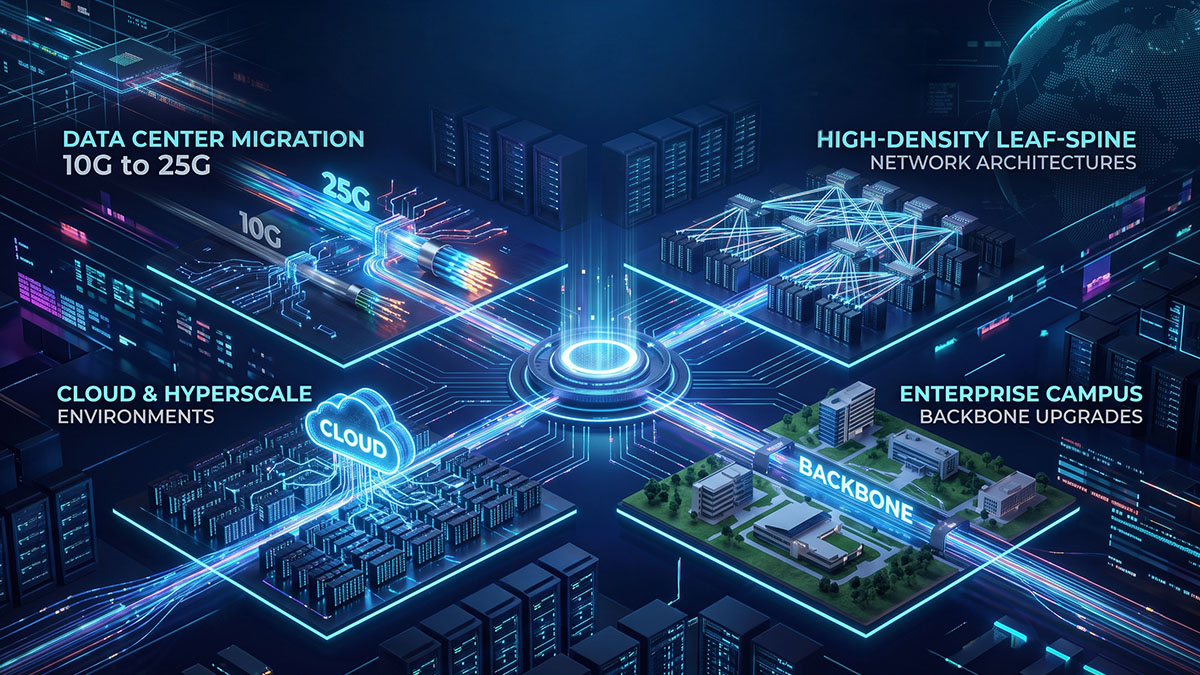
Alternative solutions to the Cisco CVR-QSFP28-SFP25G are most valuable in environments where flexibility, scalability, and infrastructure efficiency matter more than strict single-vendor standardization. In practice, these scenarios often arise during network expansion, architecture upgrades, or large-scale data center optimization projects.
Data Center Migration from 10G to 25G
One of the most common scenarios for alternative solutions is the transition from 10G to 25G Ethernet. During this migration phase, infrastructure is often partially upgraded, creating mixed-speed environments that require flexible connectivity options.
In this context, alternatives are useful because they support:
- Gradual migration without replacing all existing switching hardware
- Mixed 10G/25G environments during transition periods
- Reuse of existing QSFP28-based switching infrastructure
- Flexible optics selection based on deployment stage
This approach reduces disruption while allowing organizations to scale bandwidth incrementally, rather than performing a full infrastructure overhaul.
High-Density Leaf-Spine Architectures
In modern leaf-spine data center designs, port density and efficient bandwidth distribution are critical. Alternative solutions are often considered when maximizing QSFP28 port utilization is a priority.
Typical deployment advantages include:
- Higher flexibility in distributing 25G server connections
- Efficient use of uplink/downlink bandwidth ratios
- Easier scaling of leaf switch layers without redesign
- Support for dynamic workload distribution across racks
These architectures benefit from solutions that allow more granular control over port allocation, especially when server density increases and east-west traffic dominates network behavior.
Cloud and Hyperscale Environments
Cloud and hyperscale data centers represent one of the strongest use cases for alternative connectivity solutions due to their scale, automation requirements, and vendor diversity.
In these environments, alternatives are often used to support:
- Large-scale standardized deployments across thousands of ports
- Rapid infrastructure expansion with consistent hardware profiles
- Multi-vendor interoperability strategies for procurement flexibility
- Automation-driven network provisioning workflows
At this scale, operational efficiency and supply chain flexibility often outweigh the need for strict OEM-only components, making compatible alternatives a practical choice.
Enterprise Campus Backbone Upgrades
Enterprise campus networks upgrading their backbone infrastructure also benefit from alternative solutions, especially when modernizing aggregation and core layers.
Key considerations in these scenarios include:
- Incremental backbone capacity upgrades without full redesign
- Integration of new 25G links into existing switching infrastructure
- Support for hybrid access and aggregation layer designs
- Cost-effective scaling of inter-building or inter-floor connectivity
These upgrades are often performed in phases, and alternative solutions help maintain continuity while improving overall network throughput and resilience.
✅ How to Choose the Right Cisco CVR-QSFP28-SFP25G Alternative
Selecting a suitable alternative to the Cisco CVR-QSFP28-SFP25G requires more than matching form factors or confirming basic 25G support. The right choice depends on how well the solution aligns with network architecture, interoperability requirements, and long-term scalability goals.
In real deployments, the most successful selection process is based on structured evaluation rather than isolated specification comparison, ensuring that the chosen option performs reliably across the entire network lifecycle.
Define Technical Requirements First
A clear technical baseline is essential before comparing any alternative options. Without defined requirements, selection decisions often become inconsistent or overly focused on individual specifications rather than system-level performance.
Key requirements to define include:
- Required port density across leaf and spine layers
- Target data rates (25G-only or mixed 10G/25G environments)
- Distance requirements for inter-switch and server connectivity
- Expected traffic patterns (east-west vs north-south dominance)
After these parameters are established, alternative solutions can be evaluated based on how well they support the intended network topology rather than isolated feature sets.
Assess Compatibility and Certification
Compatibility validation is one of the most critical steps in the selection process. Even technically capable alternatives may fail in production if they are not properly validated against the target hardware and software environment.
Important evaluation points include:
- Switch platform support for QSFP28-to-SFP28 adaptation modes
- Optical transceiver compatibility across different vendors
- Firmware and operating system version alignment
- Compliance with relevant IEEE 25G Ethernet standards
In many cases, organizations also rely on internal qualification testing or vendor-provided compatibility matrices to reduce deployment risk before scaling across production networks.
Compare Reliability and Support Factors
Beyond technical compatibility, long-term reliability plays a decisive role in alternative selection. In high-density data center environments, even minor inconsistencies can lead to significant operational overhead.
Key reliability considerations include:
- Manufacturing consistency across large deployment batches
- Failure rates under continuous 25G traffic loads
- Mechanical durability of connector interfaces
- Availability of technical support and lifecycle maintenance
A well-qualified alternative should provide stable performance over time, minimizing unexpected disruptions and reducing the need for frequent replacements or troubleshooting interventions.
Build a Long-Term Network Strategy
The most effective selection decisions are aligned with long-term infrastructure planning rather than short-term deployment needs. This ensures that the chosen solution remains viable as the network evolves.
Strategic planning considerations include:
- Expected network growth over multiple upgrade cycles
- Standardization across different layers of the data center
- Transition roadmap from mixed-speed to fully 25G or higher environments
- Operational efficiency and maintenance simplification goals
When alternatives are evaluated within this broader context, organizations are better positioned to achieve a balance between performance, scalability, and operational sustainability across their entire network ecosystem.
✅ Conclusion
The selection of Cisco CVR-QSFP28-SFP25G alternative options plays a critical role in building flexible, scalable, and cost-efficient 25G network infrastructures. While the Cisco CVR-QSFP28-SFP25G adapter provides a reliable foundation for QSFP28-to-SFP28 interoperability, many organizations explore alternative solutions to achieve greater deployment flexibility, improved supply chain resilience, and better alignment with evolving data center architectures. Ultimately, the right choice depends on balancing compatibility, performance stability, and long-term network scalability requirements.
To simplify decision-making, the most important considerations can be summarized as follows:
- Compatibility validation across switch platforms, optics, and firmware is essential for stable deployment
- Alternative solutions include adapters, breakout cables, native SFP28 architectures, and open networking models
- Performance differences are often determined by implementation quality rather than theoretical 25G capability
- Deployment scenarios such as data center migration, leaf-spine scaling, and hyperscale environments strongly influence solution choice
- Long-term reliability and operational consistency are more important than short-term cost optimization alone
As 25G networks continue to expand across enterprise and cloud infrastructures, selecting the right connectivity strategy becomes a key factor in ensuring sustainable performance and operational efficiency. For organizations evaluating Cisco CVR-QSFP28-SFP25G alternative solutions, focusing on tested compatibility, stable performance, and scalable architecture design is essential for long-term success.
To explore more validated 25G interconnect and transceiver solutions designed for modern data center deployments, you can visit the LINK-PP Official Store and discover a wide range of connectivity products built for high-performance networking environments.