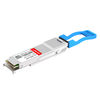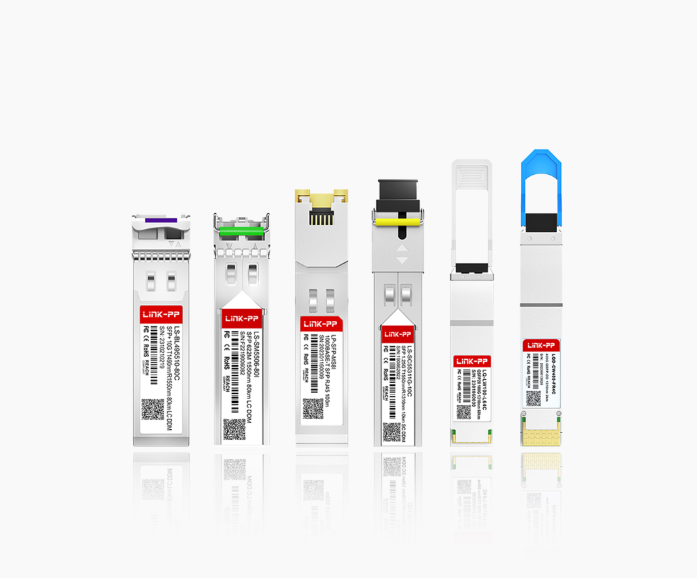
As network infrastructures evolve, enterprises increasingly demand higher data speeds and reliable connectivity over existing fiber installations. The 10GBASE LRM standard meets this need by providing 10G Ethernet performance optimized for legacy multimode fiber environments, extending the lifecycle of older cabling systems.
Whether upgrading campus networks, optimizing data centers, or improving enterprise backbones, choosing the right optical transceiver can make a significant difference. The SFP 10GBASE LRM module balances cost, performance, and reach to support modern network expansion efficiently.
Before buying a SFP 10GBASE LRM module, it’s essential to understand its key features and performance advantages. This article explains why SFP 10GBASE LRM stands out, compares it with other 10G SFP transceivers such as 10GBASE SR and 10GBASE LR, and provides practical advice on buying, compatibility checking, and deployment scenarios.
🔎 What Is SFP 10GBASE LRM
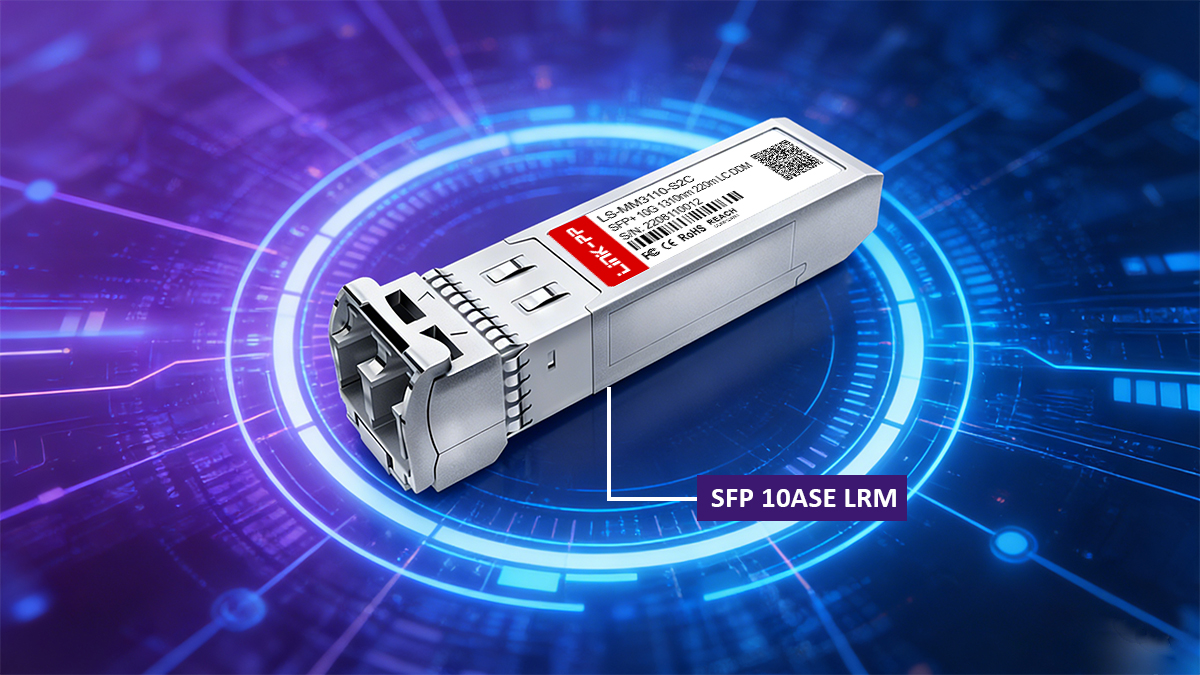
SFP 10GBASE LRM is a 10G Ethernet optics transceiver designed to extend high-speed connections over legacy fiber infrastructure. It offers a cost-effective solution for short-distance connections with high bandwidth and transmission rates using existing multimode fiber systems.
Definition of SFP 10GBASE LRM
SFP 10GBASE LRM is a 10G Ethernet standard defined by IEEE 802.3. It enables data transmission up to 220m over multimode fiber or 300m over single mode fiber, providing a bridge between short-reach and long-reach optical modules.
This standard was developed to extend the usability of legacy multimode fiber (OM1, OM2, OM3) in 10G networks. It helps reduce upgrade costs by maintaining compatibility with existing cabling systems while supporting reliable high-speed performance.
Introduction to SFP 10GBASE LRM Transceiver
The 10GBASE LRM SFP transceiver functions as an optical-to-electrical signal converter that connects switches, routers, or network interface cards to fiber optic cabling. It transmits and receives data over multimode fiber using a 1310nm wavelength laser, allowing high-speed 10G communication across short distance connection. Its hot-pluggable design enables easy installation and replacement without disrupting network operations.
| Specification |
Description |
| Form Factor |
SFP+ (Hot-pluggable) |
| Data Rate |
10Gbps |
| Transmission Distance |
Up to 220m over OM1/OM2/OM3 MMF;
Up to 300m over SMF |
| Wavelength |
1310nm |
| Connector Type |
Duplex LC |
| Cable Type |
MMF/SMF |
| Standards Compliance |
IEEE 802.3aq (10GBASE LRM) |
Key Features of SFP 10GBASE LRM Module
SFP 10GBASE LRM optical transceiver is designed to deliver reliable 10G performance over existing multimode fiber, ensuring network flexibility and cost efficiency. Its compact design, wide compatibility, and advanced diagnostics monitoring make it ideal for high-density enterprise and data center deployments.
- High-Speed 10G Connectivity: Supports full-duplex 10G Ethernet transmission with stable performance and low latency.
- Extended Transmission Range: Enables up to 220m over OM1/OM2/OM3 multimode fiber and up to 300m over single mode fiber.
- 1310nm Operating Wavelength: Uses a 1310nm laser for optimal signal integrity and reduced modal dispersion.
- Hot-Pluggable Design: Allows quick installation, replacement, and maintenance without network downtime.
- Wide Compatibility: Fully compliant with IEEE 802.3aq and SFP MSA standards, ensuring multi-vendor interoperability.
- DDM (Digital Diagnostics Monitoring): Supports real-time monitoring of temperature, voltage, TX power, RX power, and laser bias current.
🔎 Why SFP 10GBASE LRM Stands Out
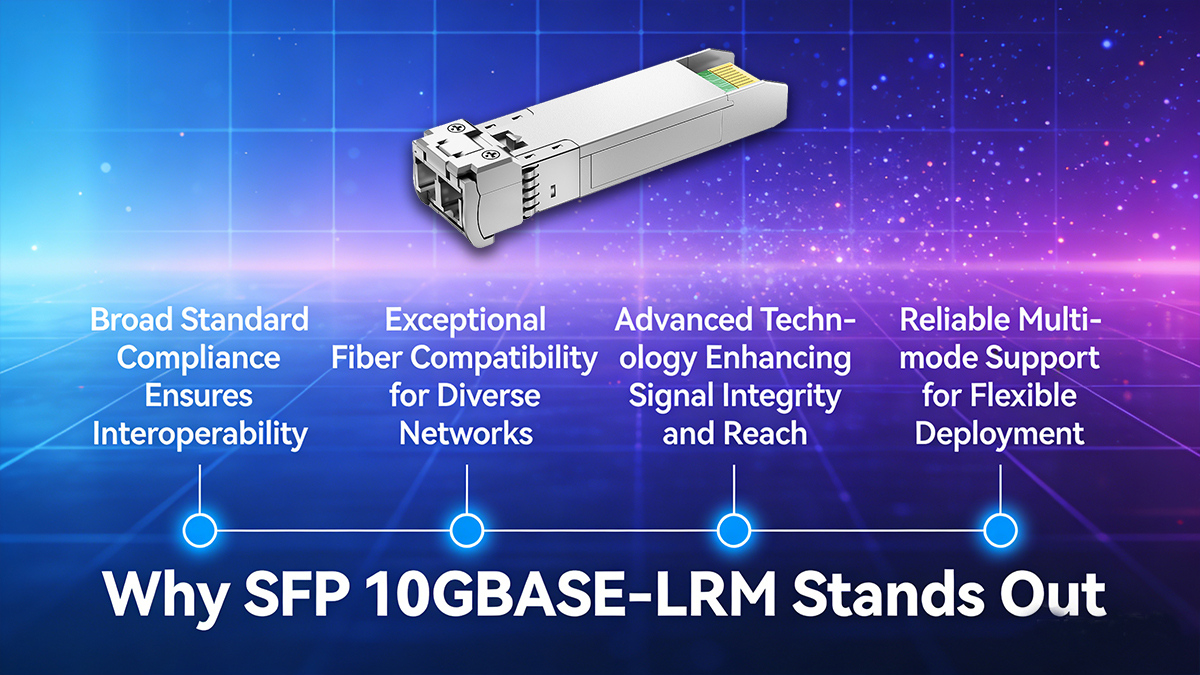
The SFP 10GBASE LRM module stands out for its versatility, compatibility, and stability in modern 10G Ethernet networks. It combines advanced optical technology with broad industry compliance to deliver reliable, cost-effective performance across a wide range of applications.
Broad Standard Compliance Ensures Interoperability
The 10GBASE LRM fiber SFP module fully complies with IEEE 802.3aq and SFP+ MSA standards, ensuring interoperability across different vendors’ switches, routers, and network devices. This broad compliance allows seamless integration into existing network environments without compatibility issues.
Exceptional Fiber Compatibility for Diverse Networks
Designed to work with OM1, OM2, and OM3 multimode fiber, the SFP 10GBASE LRM supports legacy and modern fiber infrastructures. Its ability to transmit over both older and newer fiber types helps organizations extend network upgrades without costly recabling.
Advanced Technology Enhancing Signal Integrity and Reach
With built-in dispersion compensation technology, the SFP 10GBASE LRM maintains clear signal quality over the transmission process. It minimizes transmission errors and ensures stable performance, even in environments with older or less optimized fiber installations.
Reliable Multimode Support for Flexible Deployment
The 10GBASE LRM SFP transceiver module provides consistent performance across various multimode environments, making it ideal for enterprise networks, data centers, and campus backbones. Its hot-pluggable design and low power consumption enable flexible, scalable deployment in high-density systems.
🔎 SFP 10GBASE LRM VS Other 10G SFP Module: What’s the Difference
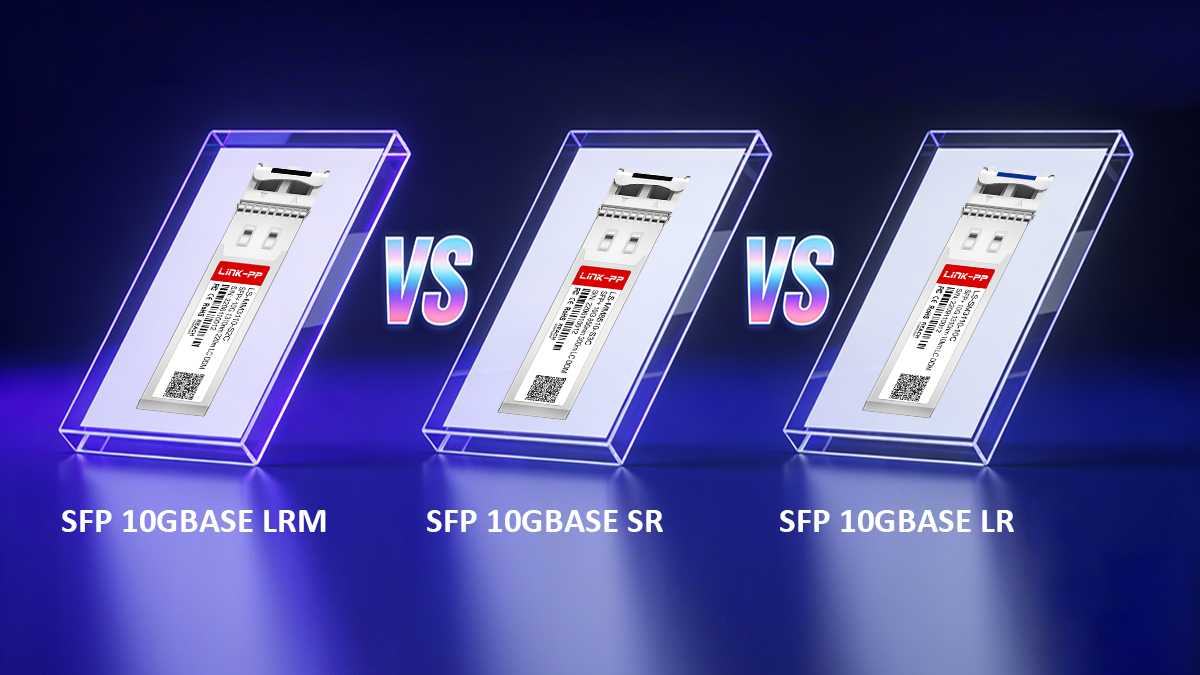
When selecting a 10G SFP module, understanding how SFP 10 GBASE LRM differs from SR and LR models helps ensure the right match for your network. Each module type is optimized for specific distances, fiber types, and deployment environments.
SFP 10GBASE LRM VS SFP 10GBASE SR
SFP 10GBASE LRM and SFP 10GBASE SR both operate over multimode fiber but differ in wavelength, distance, and fiber compatibility. While SR modules are ideal for short-range links, LRM modules extend the reach on legacy multimode fiber, making them more versatile for network upgrades.
| Parameter |
SFP 10GBASE LRM |
SFP 10GBASE SR |
| Standard |
IEEE 802.3aq |
IEEE 802.3ae |
| Wavelength |
1310nm |
850nm |
| Fiber Type |
MMF (OM1/OM2/OM3) or SMF |
OM3/OM4 |
| Max Cable Distance |
220m (MMF) or 300m (SMF) |
300m (MMF) |
| Main Use Case |
Reusing existing legacy fiber |
Modern short-reach, high-density data centers |
| Key Advantage |
Cost-effective upgrade for older networks |
Lower cost, optimized for very short links |
SFP 10GBASE LRM VS SFP 10GBASE LR
SFP 10GBASE LRM and SFP 10GBASE LR share similar data rates but serve different transmission environments. LRM modules are optimized for multimode fiber and shorter distances, whereas LR modules are designed for long-distance transmission over single mode fiber.
| Parameter |
SFP 10GBASE LRM |
SFP 10GBASE LR |
| Standard |
IEEE 802.3aq |
IEEE 802.3ae |
| Wavelength |
1310nm |
1310nm |
| Fiber Type |
MMF (OM1/OM2/OM3) or SMF |
SMF |
| Max Cable Distance |
220m (MMF) or 300m (SMF) |
10km (SMF) |
| Main Use Case |
Short-reach over existing MMF |
Long-reach backbone or inter-building runs |
| Key Advantage |
Lower cost, flexible MMF support |
Long distance with stable optical performance |
LRM VS SR VS LR: Which One Should You Choose
Pick the module between SFP 10GBASE LRM, SFP 10GBASE SR, and SFP 10GBASE LR depends on your network’s transmission distance, fiber type, and existing cabling environment. Each 10G SFP module — LRM, SR, and LR — offers unique strengths tailored for different network setups. Understanding these factors ensures that your choice delivers both cost-efficiency and reliable performance.
Transmission Distance
Transmission range is one of the most important factors in choosing between LRM, SR, and LR SFP modules. Choosing based on link length ensures stable performance and prevents unnecessary over-investment.
- SFP 10GBASE SR supports up to 300m on OM3 fiber and around 400m on OM4, making it suitable for short interconnections within data centers.
- SFP 10GBASE LRM extends this reach to 220m on OM1/OM2/OM3, offering better performance on older multimode fibers where SR modules may struggle.
- SFP 10GBASE LR is designed for long-distance transmission up to 10km using single mode fiber, ideal for enterprise backbones or metro networks.
Fiber Type
The type of optical fiber you already have plays a critical role in module selection. Selecting the right fiber type ensures proper signal transmission and minimizes dispersion or loss.
- SFP 10GBASE SR modules use 850nm lasers optimized for modern multimode fiber (OM3/OM4).
- SFP 10GBASE LRM modules use 1310nm lasers, allowing them to operate effectively on both legacy multimode fibers (OM1/OM2) and newer ones (OM3).
- SFP 10GBASE LR modules also operate at 1310nm but are specifically engineered for single mode fiber (SMF) to handle long-distance communication.
Existing Cabling Environment
Your current cabling infrastructure often determines the most cost-effective upgrade path. By aligning your module choice with existing cabling, you can achieve optimal network performance with minimal infrastructure changes.
- If your network already uses OM1 or OM2 multimode fiber, the SFP 10GBASE LRM is the best choice—it maximizes reuse of existing cables and reduces upgrade costs.
- For environments already equipped with OM3/OM4 multimode fiber, SFP 10GBASE SR modules are a simple and affordable option for short connections.
- In long-haul or inter-building deployments, where single mode fiber is in place, SFP 10GBASE LR modules provide unmatched reach and signal reliability.
🔎 How to Buy SFP 10GBASE LRM
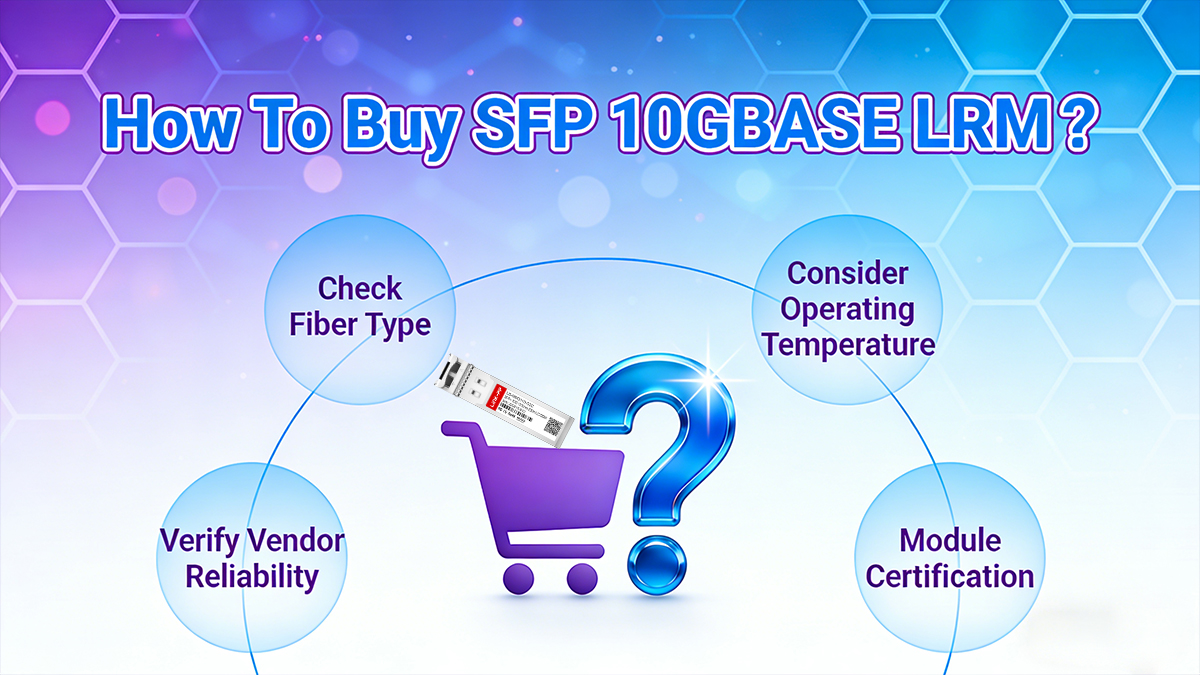
Buying the right SFP 10GBASE LRM module requires understanding your network’s physical environment, compatibility needs, and quality standards. By evaluating fiber type, link distance, equipment interoperability, and vendor reliability, you can ensure long-term network stability and performance.
Check Fiber Type and Link Distance Requirements
Before purchasing an SFP 10GBASE LRM module, identify the optical fiber type and the distance between network endpoints.
- Fiber Type: SFP 10GBASE LRM modules are optimized for multimode fiber (OM1, OM2, OM3) but can also support limited single mode operation up to 300m. If your network uses older multimode fiber, 10GBASE LRM SFP is often the most cost-effective option since it avoids expensive recabling.
- Link Distance: SFP 10GBASE LRM supports distances up to 220m on multimode fiber and 300m on single mode fiber. For shorter runs (under 100m), SR modules may be cheaper; for links beyond 1km, LR modules are better suited.
- Bandwidth Considerations: Always assess your future expansion plans. If network speeds may increase or link lengths extend, choosing LRM ensures scalability with minimal hardware changes.
Evaluate Compatibility with Existing Network Equipment
Compatibility is crucial for ensuring smooth integration into your existing infrastructure.
- Device Support: Verify that your switches, routers, or network interface cards (NICs) support 10G SFP+ slots and comply with the IEEE 802.3aq standard.
- Vendor Interoperability: Many network devices require vendor-specific firmware or approved module lists. Check the manufacturer’s documentation or “compatibility matrix” before purchase.
- DDM Functionality: Ensure the module supports Digital Diagnostics Monitoring (DDM) if your system requires real-time tracking of optical parameters.
- Testing and Validation: It’s recommended to test one or two modules in your setup before bulk ordering to confirm link stability and full interoperability.
Consider Operating Temperature and Environment
Environmental factors play a significant role in SFP transceiver performance and lifespan.
- Temperature Range: Standard commercial-grade modules operate between 0℃ and +70℃, suitable for controlled indoor environments like data centers. For outdoor or industrial use, choose industrial-grade modules rated from -40℃ to +85℃.
- Humidity and Airflow: Poor ventilation or high humidity can shorten module lifespan. Always ensure your equipment rack provides proper airflow and dust protection.
- Power Consumption: In high-density deployments, selecting energy-efficient modules (<1.5W) helps reduce heat generation and power costs.
Verify Vendor Reliability and Module Certification
Choosing a reliable supplier is as important as choosing the right module type.
- Vendor Reputation: Purchase from suppliers (like Link-PP) or distributors with proven experience in optical networking components. Check customer feedback, technical documentation, and warranty policies.
- Certification and Compliance: Ensure the module meets IEEE 802.3aq, RoHS, and CE/FCC certifications for safety and performance standards.
- After-Sales Support: A trustworthy vendor provides technical support, firmware updates, and replacement services if compatibility or performance issues arise.
- Counterfeit Avoidance: Avoid unverified sources; counterfeit transceivers may appear identical but often lack stable performance or full diagnostics support.
🔎 Tips to Check SFP 10GBASE LRM Module Compatibility
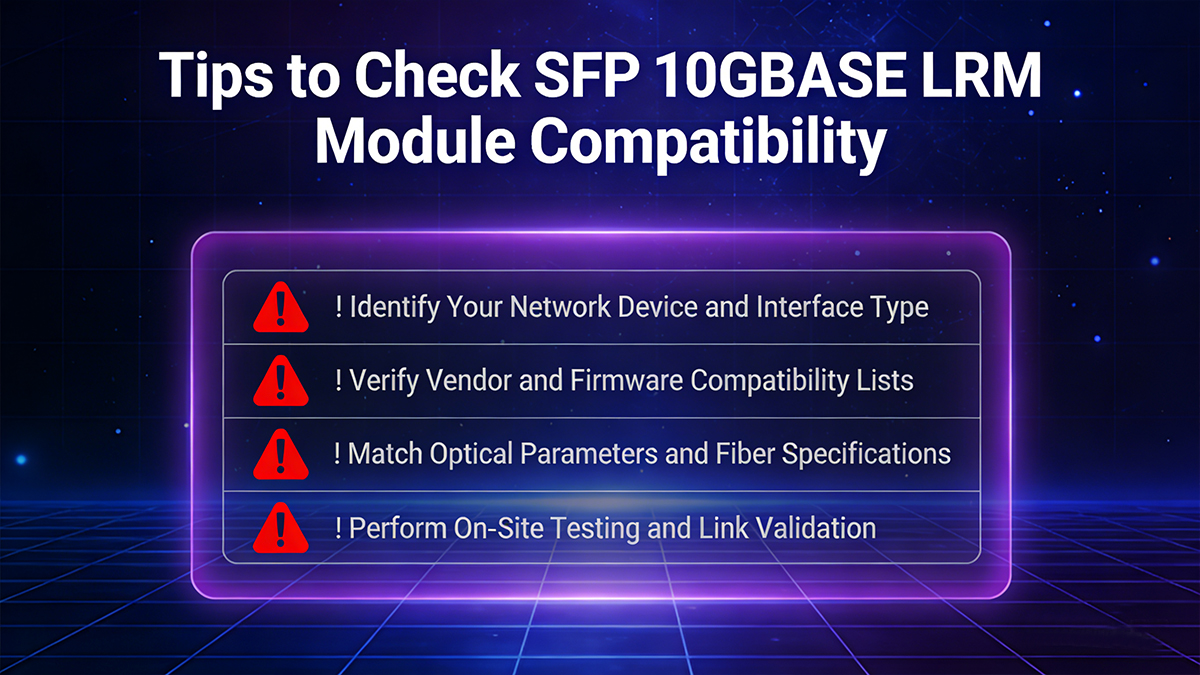
Ensuring compatibility is essential before deploying an SFP 10GBASE LRM module into your network. By checking device interfaces, vendor support, optical parameters, and conducting live testing, you can avoid link failures, alarms, or unexpected performance issues.
Identify Your Network Device and Interface Type
Start by confirming the exact model of your switch, router, or NIC and the type of 10G interface it provides. Check whether the port is SFP+ and supports 10GBASE optics rather than only 1G modules. Also verify connector type (typically LC duplex) and port labeling (such as “10GBASE-X” or “SFP+”) to ensure it is designed for 10GBASE LRM modules.
Verify Vendor and Firmware Compatibility Lists
Most equipment vendors publish official compatibility or transceiver support lists on their product pages or documentation. Review these lists to confirm that SFP 10GBASE LRM — especially third-party modules — are explicitly supported on your device model and firmware version. If possible, update to a recommended firmware release, since older firmware may block or partially support certain third-party or newer LRM modules.
Match Optical Parameters and Fiber Specifications
Check that the key optical parameters of the SFP 10GBASE LRM module align with your fiber plant. Confirm wavelength (1310nm), supported fiber type (multimode), transmission distance, and connector type match the installed cabling and patch panels. Ensure your fiber category (OM1/OM2/OM3/OM4) and link length fall within the module’s specified reach, leaving some safety margin for losses from splices and patching.
Perform On-Site Testing and Link Validation
After installation, perform live tests to validate real-world compatibility. Bring up the link, check link status LEDs, and verify that both ends negotiate 10G correctly without frequent flaps or errors. Use device monitoring or diagnostics (such as DDM, DOM, or error counters) to check optical power levels and error statistics, and run traffic tests to confirm stable throughput under realistic load.
🔎 Typical Deployment Scenarios for SFP 10GBASE LRM
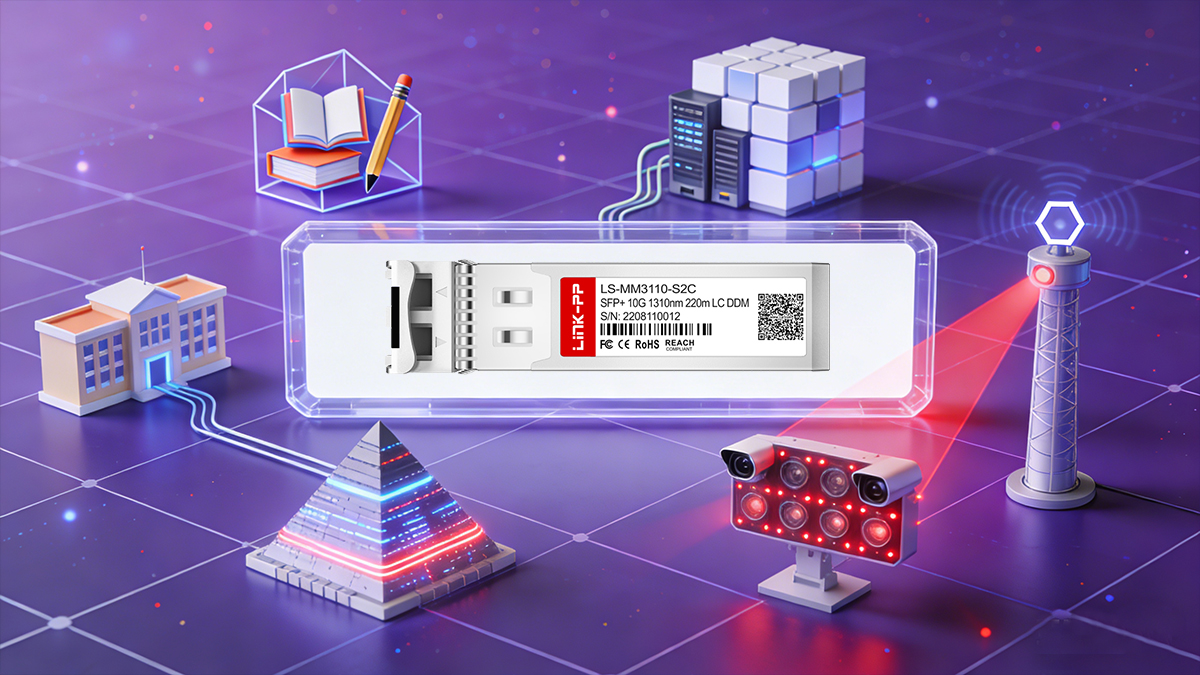
SFP 10GBASE LRM excels in scenarios where existing multimode fiber needs to support 10G Ethernet without costly rewiring. It bridges legacy infrastructure with modern high-speed requirements across enterprise, data center, and service provider environments.
Enterprise / Campus Network Upgrades
In enterprise and campus networks, the SFP 10GBASE LRM module enables seamless migration from 1G to 10G Ethernet using existing OM1 or OM2 fiber. It is commonly used to connect distribution and access switches across buildings or floors, extending network capacity without costly fiber replacements.
Data Center Short-Reach Links
Within data centers, SFP 10GBASE LRM transceivers provide reliable short-to-medium reach connections between switches, servers, and storage systems. They are especially useful in facilities where legacy multimode fiber is still in use, allowing operators to deploy 10G links without converting to single-mode infrastructure.
High-Performance Computing (HPC) Clusters
In HPC environments, 10GBASE LRM SFP modules deliver high-throughput and low-latency links between compute nodes and aggregation switches. Their energy-efficient design and hot-swappable form factor make them ideal for dense, high-demand computing setups where uptime and scalability are critical.
Service Provider / Access-Layer Aggregation
Service providers often use SFP 10GBASE LRM at the access or aggregation layer to interconnect local exchanges or customer premises equipment. Their ability to operate over standard multimode fiber simplifies network expansion and ensures stable 10G transmission within metropolitan or regional networks.
🔎 Optimizing Your Network with LINK-PP SFP 10GBASE LRM
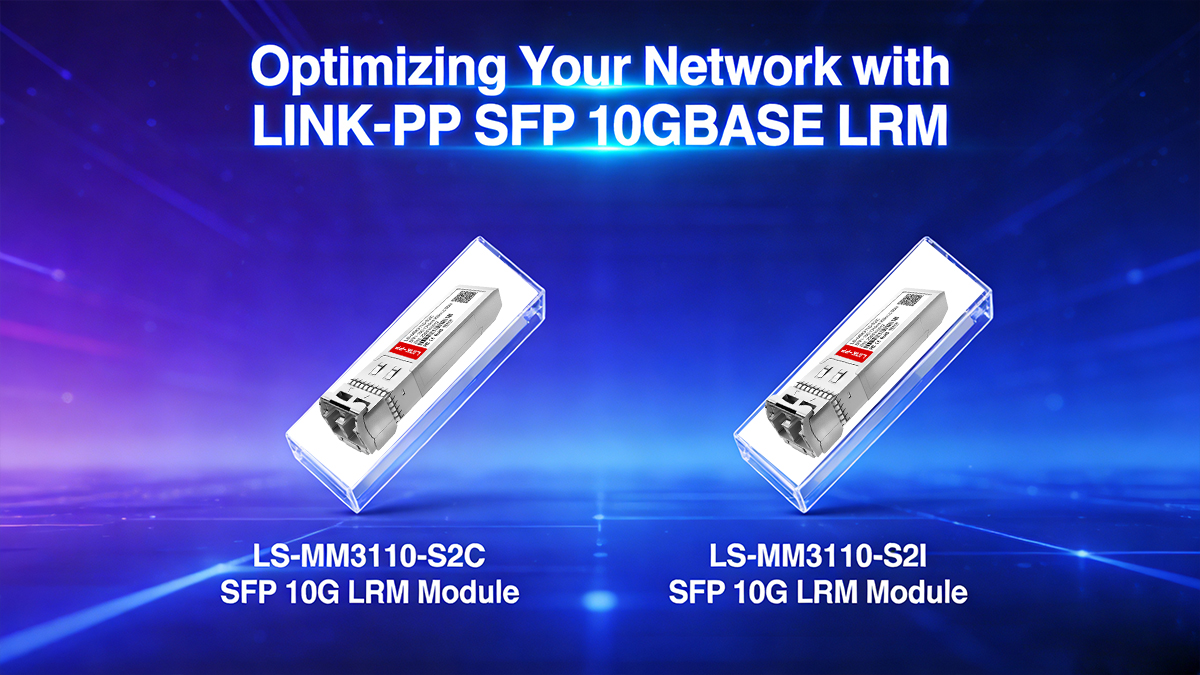
LINK-PP SFP 10GBASE LRM is designed to deliver reliable, high-speed optical connectivity across a wide range of network environments. With exceptional compatibility, stability, and cost efficiency, these SFP modules help businesses upgrade to 10G performance without replacing their existing multimode fiber infrastructure.
LS-MM3110-S2C SFP 10G LRM Module
LINK-PP LS-MM3110-S2C is a commercial-grade SFP 10GBASE LRM transceiver engineered for enterprise networks and data center environments. It combines high-speed performance, stability, and interoperability to meet modern 10G Ethernet requirements.
Key Specifications & Features:
- Data Rate: Supports a full 10Gbps transmission speed, providing reliable high-bandwidth performance for demanding network applications.
- Transmission Distance: Extends reach up to 220m over OM1, OM2, or OM3 multimode fiber, ensuring flexible deployment options.
- Optical Wavelength: Operates at 1310nm, delivering enhanced signal integrity and reduced modal dispersion across older fiber infrastructures.
- Form Factor: Hot-pluggable SFP+ design allows quick installation, removal, or replacement without disrupting active network connections.
- Power Efficiency: Features low power consumption (1.5W), making it suitable for high-density switch or router deployments where energy efficiency is critical.
- Compatibility: Fully compliant with IEEE 802.3aq and SFP+ MSA standards, ensuring seamless interoperability with equipment from major networking vendors.
LS-MM3110-S2I SFP 10G LRM Module
LINK-PP LS-MM3110-S2I is an industrial-grade SFP 10GBASE LRM optical module engineered for reliable operation in demanding environments. With a wide operating temperature range from -40℃ to +85℃, this module ensures dependable network performance across outdoor, industrial, and telecommunications applications.
Key Specifications & Features:
- Industrial Durability: Built for performance in extreme environmental conditions, ensuring long-term reliability in rugged deployment scenarios.
- High-Speed Connectivity: Provides 10Gbps data transmission over multimode fiber at a 1310nm wavelength, ensuring high-speed, low-latency communication.
- Transmission Distance: Supports link lengths of up to 220m, ideal for short-distance high-bandwidth connections.
- Versatile Applications: Perfect for outdoor cabinets, industrial automation systems, and telecommunications infrastructure requiring robust optical networking.
- Stable Operation: Delivers dependable signal integrity and link stability even under harsh or fluctuating environmental conditions.
🔎 FAQs about SFP 10GBASE LRM

SFP 10GBASE LRM frequently asked questions about fiber compatibility, reach limits, and practical deployment. These answers address common concerns to help ensure successful integration into your network.
Can I use SFP 10GBASE LRM on single mode fiber?
Yes, but only for short distances up to around 300m. Although SFP 10GBASE LRM is optimized for multimode fiber, it can also function on single mode fiber for limited reach using a 1310nm laser.
Does SFP 10GBASE LRM work with existing OM3 multimode cabling?
Yes, SFP 10GBASE LRM works perfectly with OM3 multimode cabling and is also backward compatible with OM1 and OM2. This flexibility allows you to upgrade legacy cabling systems to 10G speeds without replacing existing fiber infrastructure.
How far can an SFP 10GBASE LRM transmit data?
The maximum transmission distance is 220m over OM1/OM2/OM3 multimode fiber and up to 300m over single mode fiber. Actual reach depends on fiber quality, connectors, and patch panels — always verify with link budget calculations.
Does SFP 10GBASE LRM support Digital Diagnostics Monitoring (DDM)?
Yes, most high-quality SFP 10GBASE LRM modules, including the LINK-PP SFP transceiver module, support DDM (Digital Diagnostics Monitoring). This feature enables users to monitor key parameters like temperature, voltage, transmit/receive power, and laser bias current in real time.
Can I mix SFP 10GBASE LRM and SR in the same link?
No. Mixing SFP 10GBASE LRM and SR modules on the same fiber link is not recommended because they use different wavelengths (1310nm vs 850nm) and optical specifications. Both ends of a link should always use the same transceiver type to ensure stable communication.
How do I troubleshoot link issues when using SFP 10GBASE LRM modules?
Start by checking fiber cleanliness and connector alignment—most link failures come from dirty or misaligned connectors. Next, verify transceiver compatibility and ensure both ends use the same type of module. If issues persist, review DDM readings for abnormal power levels or temperature fluctuations, and replace the module if necessary.
🔎 Conclusion: Key Takeaways for Buying SFP 10GBASE LRM

When buying an SFP 10GBASE LRM module, the most important considerations are network compatibility, transmission distance, and long-term reliability. This module is specifically designed to extend 10Gbps connectivity across existing multimode fiber (OM1/OM2/OM3), offering a practical balance between performance and cost efficiency. Buyers should assess their cabling environment, verify IEEE 802.3aq compliance, and confirm interoperability with switches, routers, or NICs to ensure seamless integration. Environmental factors, such as operating temperature range and deployment conditions, are equally crucial for choosing between commercial- and industrial-grade models.
Whether for enterprise backbones, data centers, or industrial applications, selecting a high-quality, standards-compliant SFP module ensures consistent throughput and long-term stability. To explore certified, high-performance options backed by expert support, visit the LINK-PP Official Store and find the ideal SFP 10GBASE solution for your network needs.