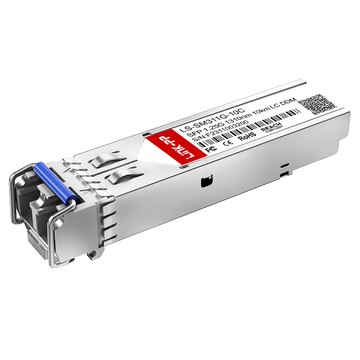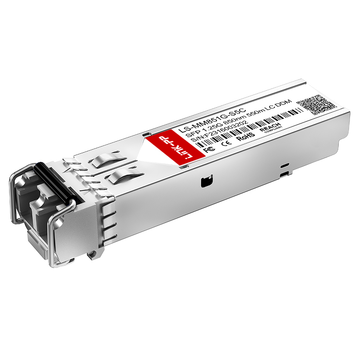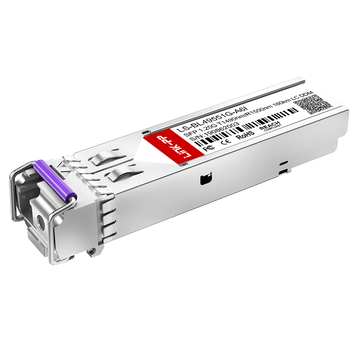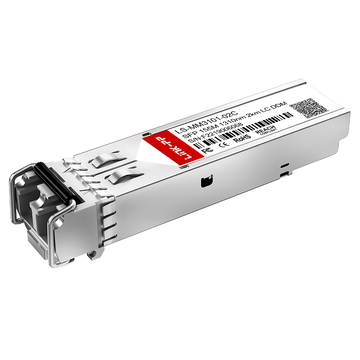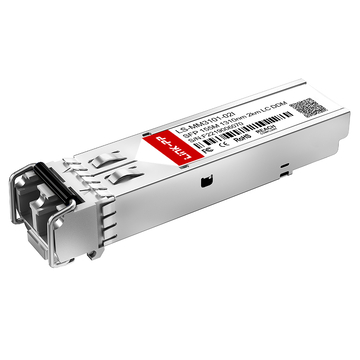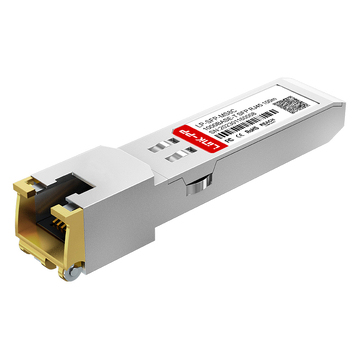

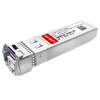



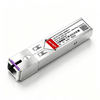
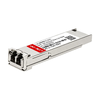

























Industrial networks operate in environments where reliability is critical and environmental conditions can be far more demanding than those found in traditional enterprise networks. Facilities such as manufacturing plants, power substations, transportation systems, and outdoor surveillance sites often experience extreme temperatures, electrical interference, dust, and vibration. In these scenarios, standard optical transceivers may not provide the durability or stability required for long-term operation.
An industrial SFP (Small Form-factor Pluggable) module is specifically designed to address these challenges. Compared with standard commercial transceivers, industrial SFP modules support a wider operating temperature range, reinforced hardware construction, and improved resistance to environmental stress. These characteristics make them suitable for industrial Ethernet switches, field networking equipment, and outdoor communication infrastructure.
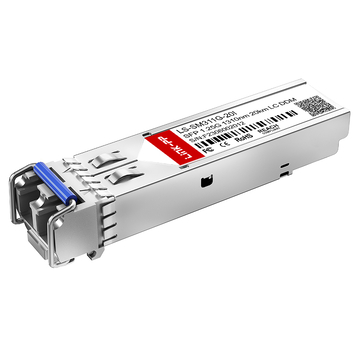
Industrial SFP modules are available in several types, including Gigabit fiber SFP, Fast Ethernet SFP, copper SFP, and BiDi SFP, allowing them to support a wide range of industrial networking architectures. Depending on the model, they can deliver transmission distances from a few hundred meters to tens of kilometers using multimode or single-mode fiber.
This guide explains what industrial SFP modules are, their key technical characteristics, common types, and typical deployment scenarios. It also provides practical considerations for selecting the right industrial optical transceiver for demanding industrial Ethernet networks.
➡️ What Is an Industrial SFP?
An industrial SFP is a Small Form-factor Pluggable sfp transceiver designed to operate reliably in harsh industrial environments. Compared with standard commercial SFP modules used in office networks or data centers, industrial SFP modules are built with extended temperature tolerance, ruggedized hardware, and enhanced resistance to electrical interference and physical stress. These characteristics allow them to maintain stable network connectivity in environments such as factories, substations, transportation infrastructure, and outdoor installations.
Industrial SFP modules are typically used in industrial Ethernet switches, routers, and field networking devices to provide fiber or copper connectivity. Like standard SFP modules, they are hot-swappable and support multiple interface types such as 100BASE-FX, 1000BASE-SX, 1000BASE-LX, and 1000BASE-T, enabling flexible network design while maintaining industrial-grade reliability.

Operating Temperature Range
Industrial SFP modules are designed to operate across a significantly wider temperature range than standard commercial transceivers, allowing them to function reliably in extreme environments.
| Module Type | Operating Temperature | Typical Environment |
|---|---|---|
| Industrial SFP | -40°C to 85°C | Outdoor cabinets, factories, substations |
| Commercial SFP | 0°C to 70°C | Data centers, offices, enterprise networks |
This extended temperature range ensures stable performance in locations where equipment may be exposed to extreme cold, high heat, or rapid temperature fluctuations, such as roadside equipment enclosures or industrial production facilities.
Ruggedized Hardware Design
Industrial SFP modules incorporate reinforced internal components and protective design features to withstand mechanical stress and harsh operating conditions.
Key design characteristics include:
- Enhanced PCB durability to tolerate vibration from heavy machinery
- Stronger connector structures for repeated installation and removal
- Improved shielding to reduce electromagnetic interference (EMI)
- Robust component selection for long-term reliability
These hardware improvements help ensure that industrial fiber connections remain stable even in environments with continuous vibration, electrical noise, or physical shocks.
Compliance with Industrial Standards
Industrial networking equipment must meet strict reliability and electromagnetic compatibility requirements, and industrial SFP modules are designed accordingly.
Typical compliance areas include:
- EMC (Electromagnetic Compatibility) requirements for industrial environments
- EMI resistance to reduce signal disruption from electrical equipment
- Industrial-grade component selection to support long service lifecycles
By meeting these standards, industrial SFP modules can deliver stable long-term network connectivity in mission-critical systems where downtime or communication failures could disrupt industrial operations.
➡️ Key Features of Industrial SFP Modules
Industrial SFP modules are designed to provide reliable network connectivity in environments where standard optical transceivers may fail. Their main advantages include extended temperature support, improved reliability, hot-swappable operation, and flexible long-distance connectivity for industrial Ethernet networks.
These features allow industrial SFP modules to maintain stable communication in applications such as manufacturing systems, power infrastructure, transportation networks, and outdoor monitoring installations.

Extended Temperature Operation
Industrial SFP modules are built to operate in extreme environmental conditions where temperature fluctuations are common.
| Feature | Industrial SFP | Commercial SFP |
|---|---|---|
| Operating Temperature | -40°C to 85°C | 0°C to 70°C |
| Environment | Outdoor and industrial sites | Indoor networks |
| Stability Under Temperature Changes | High | Moderate |
Because many industrial devices are installed in uncontrolled environments, the extended temperature range ensures stable signal transmission even during seasonal changes or continuous high-temperature operation.
Examples of environments where extended temperature capability is important include:
- Outdoor communication cabinets
- Manufacturing plants with high ambient heat
- Cold storage or substation facilities
Enhanced Reliability
Industrial SFP modules are engineered for continuous long-term operation, which is essential in industrial networks that run around the clock.
Key reliability characteristics include:
- Higher component durability to withstand long operating cycles
- Improved MTBF (Mean Time Between Failures) compared with typical commercial modules
- Stable signal performance under electrical interference conditions
- Consistent operation in mission-critical infrastructure
In industrial systems such as SCADA networks, factory automation platforms, and transportation control systems, network interruptions can affect operations. Reliable optical modules help reduce downtime and maintenance frequency.
Hot-Swappable Capability
Like standard SFP transceiver, industrial SFP modules support hot-swappable operation, meaning they can be installed or removed without shutting down the networking device.
This capability provides several operational advantages:
- Simplified maintenance without interrupting the entire network
- Faster module replacement in field environments
- Reduced service downtime for critical infrastructure
Hot-swappable functionality is particularly valuable in distributed industrial networks, where equipment may be installed in remote locations that require efficient maintenance procedures.
Long-Distance Connectivity
Industrial SFP modules support both multimode fiber (MMF) and single-mode fiber (SMF), enabling flexible network deployment across different distances.
| Interface Type | Fiber Type | Typical Distance |
|---|---|---|
| 1000BASE-SX | Multimode fiber | up to 550m |
| 1000BASE-LX | Single-mode fiber | up to 10km |
| Long-Reach SFP | Single-mode fiber | 40km–80km |
Short-range multimode connections are typically used within facilities, while single-mode optics are often deployed for long-distance industrial communication links, such as connections between substations, control centers, or remote monitoring stations.
The availability of multiple distance options allows industrial SFP modules to support both local equipment connections and wide-area industrial networks.
➡️ Common Types of Industrial SFP Modules
Industrial SFP modules are available in several interface types to support different industrial Ethernet requirements. The most common variants include Gigabit SFP, Fast Ethernet SFP, rj45 SFP, and single fiber SFP, each designed for specific network speeds, cabling infrastructure, and deployment distances.

Selecting the appropriate type depends on factors such as existing network equipment, transmission distance, and available cabling.
Industrial Gigabit SFP (1000BASE-SX / 1000BASE-LX)
Industrial Gigabit SFP modules are widely used in modern industrial Ethernet networks because they provide 1Gbps bandwidth with reliable fiber connectivity.
| Standard | Fiber Type | Typical Distance | Common Use |
|---|---|---|---|
| 1000BASE-SX | Multimode fiber | up to 550m | Factory networks |
| 1000BASE-LX | Single-mode fiber | up to 10km | Campus or industrial parks |
| 1000BASE-LH | Single-mode fiber | up to 40km | Long-distance infrastructure |
These modules are commonly deployed in industrial switches, aggregation nodes, and backbone links within manufacturing environments. Multimode SX modules are typically used for short distances inside facilities, while LX or LH modules are used for longer connections between buildings or remote sites.
Industrial Fast Ethernet SFP (100BASE-FX)
Industrial 100BASE-FX SFP modules provide 100Mbps fiber connectivity and are still widely used in legacy industrial networks.
| Parameter | Typical Value |
|---|---|
| Data Rate | 100Mbps |
| Fiber Type | Multimode or single-mode |
| Typical Distance | 2km to 20km |
| Common Application | Industrial automation systems |
Many industrial control systems and legacy field devices continue to rely on Fast Ethernet infrastructure, making 100BASE-FX sfp important for maintaining compatibility with existing equipment.
They are commonly used in:
- PLC communication networks
- Industrial automation systems
- Monitoring and control networks
Industrial Copper SFP (1000BASE-T)
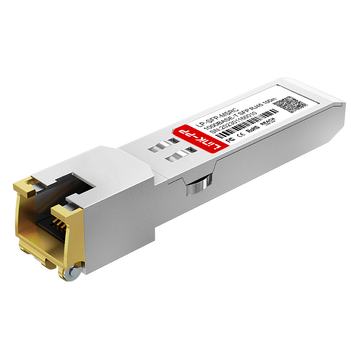
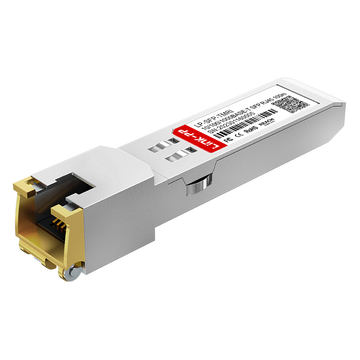
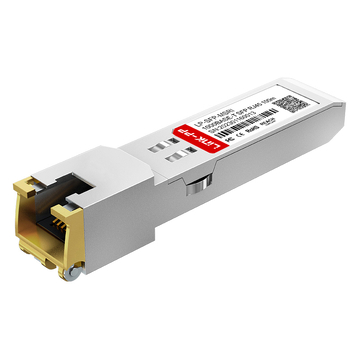
Industrial copper SFP module provide Ethernet connectivity through RJ45 twisted-pair cable, allowing fiber-based switches to connect directly to copper network devices.
| Feature | Specification |
|---|---|
| Interface | RJ45 |
| Cable Type | Cat5e / Cat6 |
| Maximum Distance | 100m |
| Data Rate | 1Gbps |
Copper SFP modules are typically used when:
- Fiber cabling is not available
- Short-distance connections are required
- Industrial devices use standard Ethernet ports
They provide a convenient option for connecting industrial computers, cameras, or control devices located close to the network switch.
Industrial BiDi SFP
Industrial Bidirectional SFP module enable two-way communication over a single optical fiber by transmitting and receiving signals at different wavelengths.
| Feature | Description |
|---|---|
| Fiber Requirement | Single fiber |
| Transmission Method | Bidirectional wavelengths |
| Typical Distance | 10km–40km |
| Infrastructure Benefit | Reduced fiber usage |
BiDi modules are particularly useful in environments where fiber resources are limited or where installing additional fiber cables would be difficult.
Common deployment scenarios include:
- Long-distance outdoor monitoring systems
- Transportation communication networks
- Industrial campuses with limited fiber infrastructure
By using only one fiber strand instead of two, BiDi SFP modules help optimize fiber utilization while maintaining stable industrial network connectivity.
➡️ Industrial SFP vs Commercial SFP
Industrial SFP modules differ from commercial SFP modules primarily in environmental tolerance, reliability, and long-term deployment stability. While both types share the same SFP form factor and interface standards, industrial versions are specifically engineered for harsh operating conditions commonly found in industrial Ethernet networks.

Understanding these differences helps network designers determine whether a standard optical transceiver is sufficient or if an industrial-grade module is required.
Temperature and Environmental Tolerance
Industrial SFP modules support a much wider operating temperature range, allowing them to function reliably in outdoor or harsh industrial environments.
| Module Category | Operating Temperature | Typical Deployment Environment |
|---|---|---|
| Industrial SFP | -40°C to 85°C | Factories, outdoor cabinets, substations |
| Commercial SFP | 0°C to 70°C | Data centers, enterprise networks |
Industrial installations often involve equipment exposed to direct sunlight, cold weather, or rapidly changing environmental conditions. The extended temperature range ensures that industrial SFP modules maintain stable optical performance in these situations.
Reliability and Lifespan
Industrial SFP modules are designed with components that support long-term operation in demanding environments.
| Characteristic | Industrial SFP | Commercial SFP |
|---|---|---|
| Component Grade | Industrial-grade components | Standard commercial components |
| Environmental Resistance | High | Moderate |
| Long-Term Stability | Optimized for continuous operation | Suitable for controlled environments |
Industrial networking equipment frequently operates in mission-critical systems such as manufacturing control networks or power infrastructure. In these cases, stable communication is essential, and industrial-grade transceivers help minimize unexpected failures.
Cost Considerations
Industrial SFP modules generally have higher manufacturing costs due to their specialized design and component requirements.
| Factor | Industrial SFP | Commercial SFP |
|---|---|---|
| Initial Cost | Higher | Lower |
| Environmental Capability | Extreme conditions | Controlled environments |
| Maintenance Frequency | Typically lower | May increase in harsh conditions |
Although industrial modules typically involve a higher initial investment, they can reduce maintenance requirements and equipment replacement cycles when deployed in harsh environments. For industrial networks that require long service life and stable connectivity, these characteristics often make industrial SFP modules the more appropriate choice.
➡️ Typical Industrial SFP Deployment Scenarios
Industrial SFP transceiver module is commonly deployed in environments where networking equipment must operate reliably under challenging conditions such as temperature fluctuations, electrical interference, vibration, or long transmission distances. These modules support stable fiber connectivity across a wide range of industrial Ethernet applications.
Typical deployment environments include industrial automation systems, transportation infrastructure, power and utility networks, and outdoor surveillance systems, where network stability and durability are essential.

Industrial Automation Networks
Industrial SFP modules are widely used in factory automation systems to support communication between industrial switches, controllers, and monitoring devices.
| Network Component | Connection Type | Typical Distance |
|---|---|---|
| PLC to Industrial Switch | Fiber Ethernet | 300m–2km |
| Production Line Switches | Multimode fiber | up to 550m |
| Factory Backbone Network | Single-mode fiber | up to 10km |
In manufacturing facilities, fiber connections help reduce the impact of electromagnetic interference generated by heavy machinery, which can affect copper-based communication. Industrial SFP modules ensure stable connectivity between control systems and production equipment.
Common applications include:
- Programmable logic controller (PLC) communication
- Manufacturing process monitoring
- Industrial control system networking
Transportation Infrastructure
Modern transportation systems rely on fiber networks to support monitoring, signaling, and communication between distributed devices.
| Deployment Area | Network Function | Typical Distance |
|---|---|---|
| Railway Communication Systems | Control and monitoring | 10km–40km |
| Highway Monitoring Networks | Video and sensor data | 2km–20km |
| Intelligent Transportation Systems | Traffic management | 1km–10km |
Industrial SFP modules are often installed in trackside cabinets, roadside communication nodes, and traffic monitoring stations. Their ability to withstand outdoor conditions makes them suitable for transportation networks that require continuous operation.
Power and Utility Networks
Power infrastructure and utility systems require highly reliable communication networks to support monitoring and control operations.
| Application | Communication Role | Typical Network Type |
|---|---|---|
| Substation Networking | Equipment monitoring | Industrial Ethernet |
| Smart Grid Systems | Data transmission | Fiber backbone |
| SCADA Systems | Control communication | Long-distance fiber links |
In these environments, industrial SFP modules are commonly used to connect substations, remote sensors, and control centers through fiber links that can span several kilometers. Reliable optical communication ensures that monitoring data and control commands are transmitted without interruption.
Outdoor Surveillance Networks
Industrial SFP modules are frequently deployed in surveillance systems where cameras and monitoring equipment are installed across large outdoor areas.
| Surveillance Environment | Connectivity Requirement | Typical Distance |
|---|---|---|
| City Surveillance Systems | Fiber video transmission | 2km–20km |
| Industrial Park Monitoring | High-reliability connectivity | 1km–10km |
| Perimeter Security Networks | Long-distance links | up to 40km |
Outdoor surveillance infrastructure often requires long-distance fiber connectivity between cameras, aggregation switches, and monitoring centers. Industrial SFP modules provide the durability needed to operate in outdoor cabinets and remote monitoring stations exposed to varying weather conditions.
These deployments demonstrate how industrial SFP modules enable stable, long-distance fiber networking across diverse industrial environments where conventional networking hardware may not perform reliably.
➡️ How to Choose the Right Industrial SFP
Selecting the right industrial SFP module depends on several factors, including environmental conditions, device compatibility, transmission distance, and fiber infrastructure. Because industrial networks often operate in demanding environments, choosing the correct module helps ensure stable communication and long-term network reliability.

The following considerations can help determine which industrial SFP module is suitable for a specific deployment.
Verify Temperature Rating
The first step in selecting an industrial SFP module is confirming that its operating temperature range matches the environmental conditions of the deployment site.
| Environment Type | Typical Temperature Range | Recommended Module Type |
|---|---|---|
| Indoor industrial facility | 0°C to 70°C | Commercial or industrial SFP |
| Outdoor equipment cabinet | -20°C to 70°C | Industrial SFP |
| Harsh outdoor environment | -40°C to 85°C | Industrial SFP with extended temperature |
Industrial sites such as substations, roadside cabinets, and factory floors may experience extreme heat, freezing temperatures, or large temperature fluctuations. Modules designed for extended temperature operation help maintain stable optical performance under these conditions.
Check Compatibility with Industrial Switches
Industrial fiber optic transceiver must be compatible with the networking equipment in which they are installed. Many industrial switches require modules that follow specific interface standards or vendor compatibility profiles.
| Switch Vendor | Typical Industrial Use |
|---|---|
| Cisco | Industrial Ethernet switching |
| Hirschmann | Industrial automation networks |
| Moxa | Transportation and factory systems |
| Aruba | Enterprise and industrial edge networks |
Before selecting a module, it is important to verify:
- Supported interface standards (e.g., 1000BASE-SX, 1000BASE-LX)
- Compatibility with the switch firmware
- Correct SFP form factor
Ensuring compatibility helps prevent link detection issues and supports stable network operation.
Select the Appropriate Transmission Distance
Industrial SFP modules are available in different optical specifications designed for various transmission distances. Choosing the correct distance rating ensures reliable signal performance without unnecessary optical power levels.
| Optical Standard | Fiber Type | Typical Distance |
|---|---|---|
| 1000BASE-SX | Multimode fiber | up to 550m |
| 1000BASE-LX | Single-mode fiber | up to 10km |
| Long-Reach SFP | Single-mode fiber | 40km–80km |
Short-range multimode modules are often used within industrial buildings, while single-mode optics are commonly deployed for campus connections, remote monitoring stations, or distributed infrastructure networks.
Identify the Correct Fiber Type
Industrial networks may use either multimode or single-mode fiber depending on the required transmission distance and existing cabling infrastructure.
| Fiber Type | Typical Use | Distance Capability |
|---|---|---|
| Multimode fiber (MMF) | Short-distance connections | up to 550m |
| Single-mode fiber (SMF) | Long-distance links | 10km–80km |
When selecting an industrial SFP module, the fiber type should match the installed cabling. Using the correct fiber ensures optimal signal performance and minimizes optical loss across the network link.
By evaluating temperature requirements, device compatibility, transmission distance, and fiber type, network designers can select an industrial SFP module that meets the operational needs of industrial Ethernet environments.
➡️ Industrial SFP Compatibility and Interoperability
Industrial SFP modules are designed to support flexible deployment across different networking platforms. In many industrial Ethernet environments, equipment from multiple vendors is often integrated into the same network. As a result, compatibility and interoperability are key considerations when selecting optical transceiver module.
Most industrial SFP modules follow standard interface specifications and can operate with a wide range of industrial switches and networking devices, provided that the module encoding and interface requirements match the host equipment.

Multi-Vendor Compatibility
Many industrial networks combine devices from multiple manufacturers, so SFP modules must support interoperability across different hardware platforms.
| Compatibility Aspect | Description | Impact on Deployment |
|---|---|---|
| MSA Compliance | Follows Multi-Source Agreement standards | Enables cross-vendor interoperability |
| Vendor Encoding | EEPROM programmed for specific switch vendors | Ensures device recognition |
| Interface Standards | Supports Ethernet optical standards | Allows consistent link performance |
MSA compliance allows industrial SFP modules from different manufacturers to share the same physical dimensions and electrical interfaces. This standardization enables network operators to deploy compatible modules across multiple types of industrial networking equipment.
In addition, vendor-specific encoding ensures that switches can correctly identify and enable the module, which helps maintain stable link operation.
Plug-and-Play Deployment
Industrial SFP modules are designed for simple installation and integration into existing industrial Ethernet infrastructure.
| Deployment Feature | Function | Benefit |
|---|---|---|
| Hot-swappable design | Install or remove without shutdown | Simplifies maintenance |
| Automatic link detection | Switch detects module and link status | Faster deployment |
| Standardized interfaces | Compatible with common SFP slots | Flexible integration |
These features allow technicians to replace or install modules quickly, which is particularly important in remote or distributed industrial environments where minimizing maintenance time is critical.
Plug-and-play functionality also simplifies network expansion. When additional switches or fiber links are added, industrial SFP modules can be installed without complex configuration procedures, allowing industrial Ethernet networks to scale efficiently while maintaining reliable connectivity.
➡️ FAQs About Industrial SFP
What is the main difference between an industrial SFP and a standard SFP?
The main difference is environmental tolerance. Industrial SFP modules support a wider operating temperature range and are designed to withstand vibration, electrical interference, and outdoor conditions.
Do industrial SFP modules support the same speeds as standard SFP modules?
Yes. Industrial SFP modules support common Ethernet speeds such as 100Mbps and 1Gbps, depending on the specific optical standard used.
Can industrial SFP modules be used in outdoor networking equipment?
Yes. Industrial SFP modules are specifically designed for outdoor or harsh environments and can operate reliably in equipment cabinets exposed to temperature changes and environmental stress.
Do industrial SFP modules require special industrial switches?
No. Industrial SFP modules use the same SFP form factor and Ethernet standards as regular modules, but compatibility with the switch model and firmware should always be verified.
Are industrial SFP modules suitable for long-distance fiber connections?
Yes. Industrial SFP modules are available in both short-range and long-reach versions, supporting fiber transmission distances from hundreds of meters to tens of kilometers.
When should an industrial SFP module be used instead of a commercial one?
Industrial SFP modules are recommended when networking equipment is deployed in harsh environments, such as factories, transportation infrastructure, utility networks, or outdoor monitoring systems.
➡️ Conclusion
Industrial SFP modules play an important role in maintaining reliable fiber connectivity in environments where standard networking equipment may not perform consistently. With features such as extended temperature tolerance, ruggedized hardware design, and long-distance fiber support, these modules are well suited for industrial Ethernet applications including manufacturing automation, transportation infrastructure, power utilities, and outdoor surveillance networks.
When selecting an industrial fiber transceiver, it is important to consider factors such as operating temperature range, device compatibility, transmission distance, and fiber type. Choosing the appropriate module helps ensure stable communication, reduce maintenance requirements, and support long-term network performance in demanding industrial environments.
For organizations planning to deploy or upgrade industrial fiber networks, compatible industrial optical transceivers can provide reliable performance across a wide range of industrial switches and networking platforms. To explore industrial-grade SFP modules designed for industrial Ethernet applications, visit the LINK-PP Official Store for detailed product information and available options.