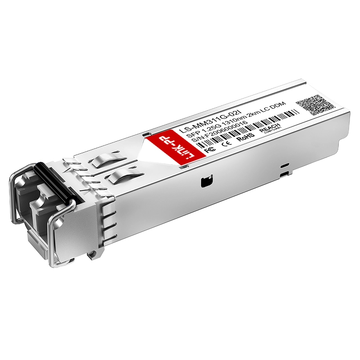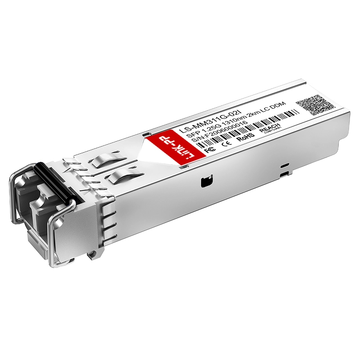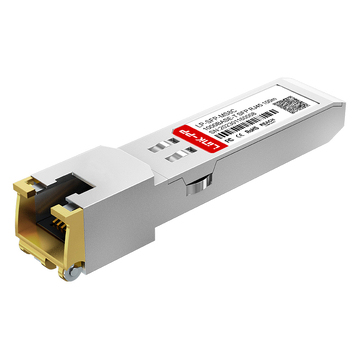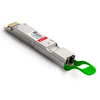






























Industrial fiber-optic networks are increasingly required to operate in environments where temperature stability cannot be guaranteed, especially in automation systems, transportation infrastructure, and outdoor surveillance deployments. In these scenarios, optical transceivers must maintain stable signal transmission even when exposed to continuous heat accumulation, rapid temperature fluctuations, and limited airflow conditions. This is where the reliability of components such as the Moxa SFP-1GLSXLC-T becomes a critical consideration.
The Moxa SFP-1GLSXLC-T is designed for industrial-grade Gigabit Ethernet connectivity, but its real-world performance is not defined only by bandwidth or optical distance. A key factor that determines long-term stability is how well the module withstands thermal stress conditions during operation. In practical network environments, thermal stress is not an occasional event but a persistent operational challenge that gradually affects optical output stability, receiver sensitivity, and overall link integrity.
Thermal stress testing, therefore, becomes an essential engineering validation process that simulates extreme temperature conditions to evaluate how optical modules behave under continuous thermal load. For devices like the Moxa SFP-1GLSXLC-T, such testing helps ensure that performance remains consistent across industrial temperature ranges and that degradation risks are minimized over extended deployment cycles.
Understanding how thermal stress influences optical transceiver behavior provides a foundation for evaluating not only product reliability but also system-level network resilience. This forms the basis for analyzing design considerations, testing methodologies, and real-world performance characteristics in industrial networking applications.
💡 Overview of Moxa SFP-1GLSXLC-T
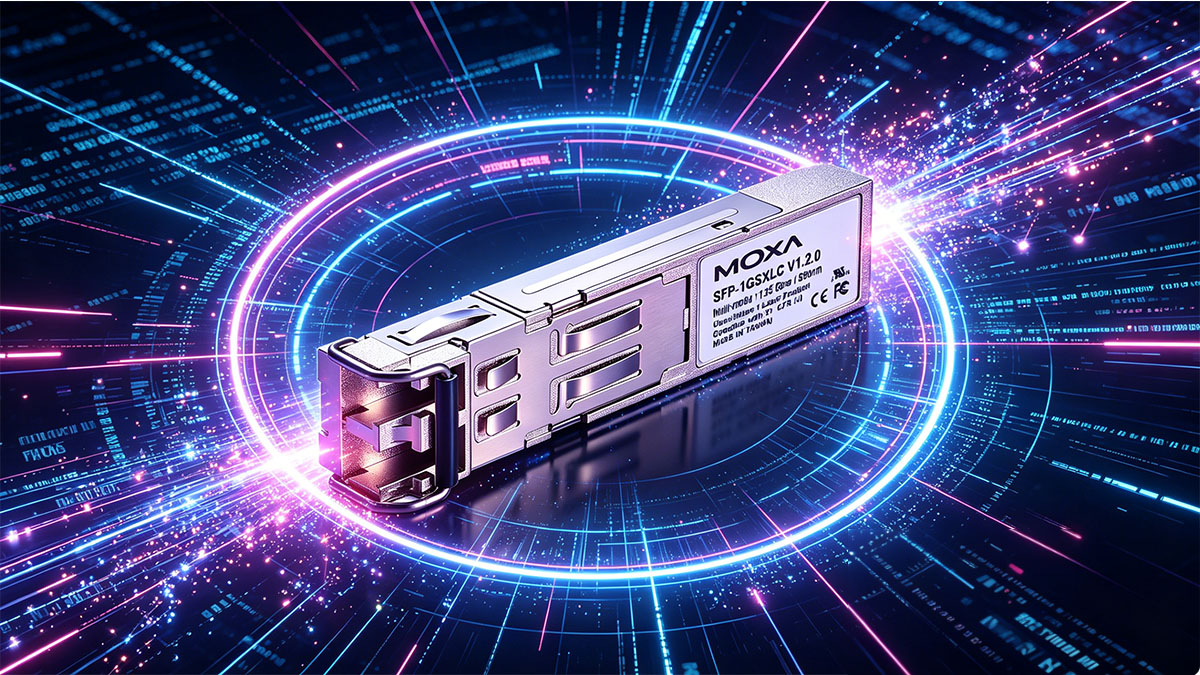
The Moxa SFP-1GLSXLC-T is an industrial-grade 1G fiber optic SFP module designed to deliver stable Gigabit Ethernet connectivity in harsh and temperature-variable environments. Its core value lies in maintaining reliable optical communication performance under extended operating conditions, where standard commercial SFP modules may experience instability due to thermal fluctuations or environmental stress.
From a deployment perspective, this module is primarily used in industrial networks that require long-term operational stability rather than short-term peak performance. Its design emphasizes durability, compatibility with industrial Ethernet switches, and consistent optical signal integrity across wide temperature ranges, making it suitable for mission-critical infrastructure systems.
Key Specifications and Features
The technical characteristics of the Moxa SFP-1GLSXLC-T define its suitability for industrial networking environments where both performance and environmental tolerance are required. Its design focuses on balanced optical transmission capability and rugged operational stability.
A clear breakdown of its core specifications helps understand its functional positioning in industrial applications:
| Parameter | Specification | Relevance |
|---|---|---|
| Data Rate | 1.25Gbps (1G Ethernet) | Supports standard Gigabit network links |
| Wavelength | 1310nm | Optimized for single-mode fiber transmission |
| Transmission Distance | Up to 10km | Suitable for medium-range industrial connectivity |
| Fiber Type | Single-mode fiber (SMF) | Ensures low attenuation over distance |
These parameters highlight that the module is optimized for stable long-distance transmission rather than high-capacity data throughput, which aligns with typical industrial networking requirements such as control systems and monitoring networks.
Beyond basic optical specifications, the module also incorporates industrial-grade design considerations. These include enhanced thermal tolerance, improved component stability, and compatibility with ruggedized networking hardware. Such features ensure that the transceiver maintains consistent performance even when operating near its environmental limits.
In addition, the module is engineered to support Digital Diagnostic Monitoring (DDM), enabling real-time tracking of key optical parameters such as temperature, voltage, and optical power. This capability is particularly valuable in environments where thermal stress conditions may gradually affect signal quality.
Common Deployment Scenarios
In practical applications, the Moxa SFP-1GLSXLC-T 1G SFP is widely used in environments where network reliability is more critical than raw transmission speed. Its industrial design makes it suitable for continuous operation in systems exposed to environmental stress and limited maintenance access.
Typical deployment scenarios include:
- Industrial automation systems where stable machine-to-machine communication is required
- Railway and transportation signaling networks with long-distance fiber links
- Outdoor surveillance systems deployed in variable climate conditions
- Power and utility monitoring networks with remote infrastructure nodes
Each of these scenarios shares a common requirement: the network must remain operational despite temperature variations, vibration, or restricted cooling conditions. In such environments, the stability of optical transceivers directly influences system reliability.
As a result, the Moxa SFP-1GLSXLC-T is often selected not only for its optical performance but also for its ability to maintain consistent behavior under conditions where thermal stress is a persistent operational factor.
💡 Understanding Thermal Stress in Optical Transceivers
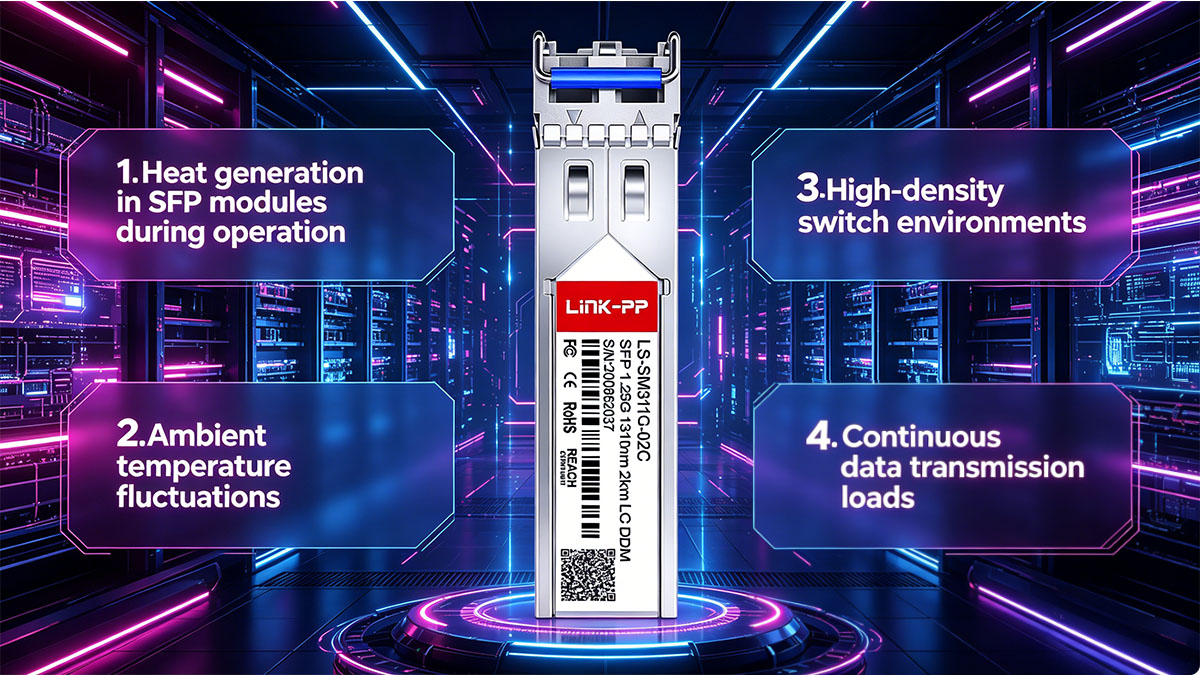
Thermal stress in optical transceivers refers to performance and reliability degradation caused by continuous temperature variation or sustained heat exposure. For transceiver modules like the Moxa SFP-1GLSXLC-T, it directly affects optical signal stability, component lifespan, and overall link reliability in industrial environments.
What Is Thermal Stress?
Thermal stress can be understood as the internal mechanical and electrical strain caused by uneven or repeated temperature changes within a device. In optical modules, this stress is especially significant because multiple components with different thermal expansion rates are tightly integrated into a compact form factor.
From an operational perspective, thermal stress manifests in several ways:
- Variation in laser emission stability due to temperature-sensitive semiconductor behavior
- Shifts in optical alignment caused by microscopic expansion and contraction
- Fluctuations in circuit impedance affecting signal modulation accuracy
- Gradual degradation of solder joints and internal bonding materials
These effects are not always immediately visible at the system level. Instead, they often appear as subtle performance inconsistencies, such as intermittent link degradation or increased bit error rates under heavy load.
Sources of Thermal Stress
Thermal stress in optical transceivers originates from both external environmental conditions and internal system design factors. In industrial deployments, these stress sources often overlap, creating compounded thermal challenges.
Common sources include:
- Ambient temperature extremes in outdoor or unconditioned environments
- Heat accumulation in high-density switch chassis with limited airflow
- Continuous high-load data transmission generating internal heat
- Insufficient thermal dissipation design within network enclosures
Each of these conditions contributes differently to the overall thermal profile of the module. For example, ambient temperature fluctuations affect baseline operating conditions, while chassis congestion increases localized heat concentration around adjacent modules.
To better illustrate how these sources influence operational conditions, the following comparison highlights their impact characteristics:
| Thermal Source | Primary Effect | Impact Level |
|---|---|---|
| Ambient temperature variation | Baseline operating drift | Medium |
| High-density deployment | Localized heat buildup | High |
| Continuous data traffic | Internal heat generation | Medium to High |
| Limited ventilation | Heat retention | High |
This combination of external and internal factors makes thermal stress a persistent and cumulative challenge rather than a single-point failure condition.
Impact on Transceiver Performance
The influence of thermal stress on optical transceivers is primarily reflected in signal quality degradation and reduced operational stability. As temperature increases or fluctuates beyond optimal ranges, both optical and electrical performance parameters begin to shift.
Key performance impacts include:
- Increased bit error rate (BER) due to reduced signal clarity
- Instability in optical output power affecting transmission consistency
- Reduced receiver sensitivity under high-temperature conditions
- Shortened component lifespan caused by accelerated material fatigue
From a system-level perspective, these changes can lead to intermittent link instability, packet loss, or unexpected network downtime. In critical industrial applications, even minor performance deviations can propagate into larger system reliability issues.
💡 Thermal Stress Test Methodologies for SFP Modules
Thermal stress test methodologies for SFP modules are designed to evaluate whether optical transceivers can maintain stable performance under extreme and fluctuating temperature conditions. These methods simulate real-world thermal environments to verify reliability, signal stability, and long-term durability.
Standard Testing Procedures
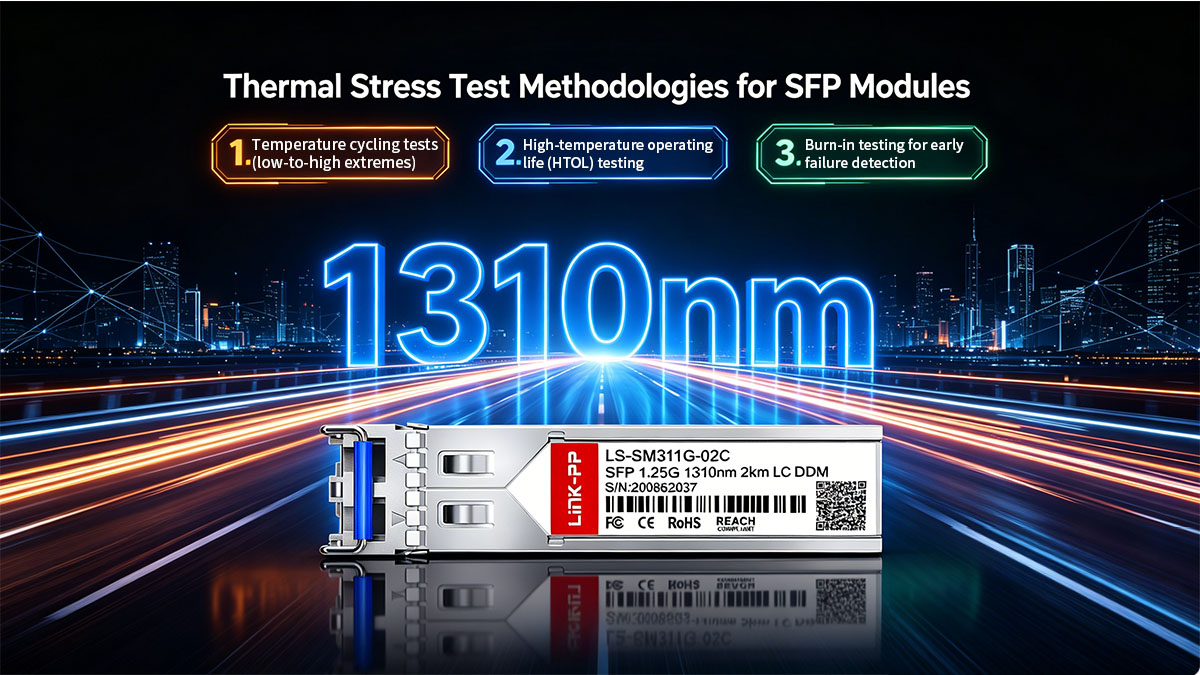
Thermal stress testing typically follows several standardized procedures designed to simulate real-world environmental conditions. Each method targets different failure mechanisms, from early-life defects to long-term material fatigue.
Common testing procedures include:
- Temperature cycling tests between low and high extremes
- High-temperature operating life (HTOL) testing under continuous load
- Burn-in testing to detect early-stage component failure
- Low-temperature start-up validation for cold environment reliability
These procedures are often executed in controlled environmental chambers where temperature, humidity, and operational load can be precisely regulated. The goal is to observe how optical output, signal integrity, and electrical characteristics behave under stress conditions.
To better understand the role of each method, the following comparison summarizes their focus areas:
| Test Method | Primary Objective | Stress Type | Duration |
|---|---|---|---|
| Temperature Cycling | Detect thermal expansion fatigue | Repeated thermal shock | Medium |
| HTOL Testing | Evaluate long-term reliability | Continuous high temperature | Long |
| Burn-in Testing | Eliminate early failures | Elevated temperature + load | Short |
| Cold Start Test | Verify low-temp operability | Low-temperature stress | Short |
Each test contributes a different layer of reliability validation, ensuring that the module is not only functional at room temperature but also stable across its full operational range.
Industry Standards and Compliance
Thermal stress testing for SFP transceivers is typically aligned with established international standards to ensure consistency and comparability across manufacturers. These standards define acceptable test conditions, measurement methods, and pass/fail criteria.
Key references often include:
- IEEE Ethernet physical layer specifications related to optical transceivers
- IEC environmental testing standards for electronic equipment durability
- Telcordia reliability standards for optical components
- Vendor-specific qualification procedures for industrial-grade modules
These frameworks ensure that testing is not arbitrary but based on repeatable and validated methodologies. For industrial applications, compliance with such standards is especially important because it guarantees predictable behavior under harsh operating environments.
In addition to formal standards, many manufacturers implement extended internal qualification processes. These often include more aggressive temperature ranges or longer testing durations than baseline requirements to simulate worst-case deployment conditions.
Key Parameters Measured
During thermal stress testing, multiple performance indicators are continuously monitored to assess how the optical module responds to temperature variations. These parameters help identify both immediate instability and long-term degradation trends.
Key measured parameters include:
- Optical output power stability across temperature ranges
- Receiver sensitivity variation under thermal load
- Electrical power consumption fluctuations
- Bit error rate (BER) changes during stress conditions
Each parameter provides insight into a different aspect of module behavior. For example, optical output power stability reflects laser performance consistency, while BER indicates overall signal integrity at the system level.
The following table summarizes how these parameters relate to thermal stress behavior:
| Parameter | What It Indicates | Thermal Sensitivity |
|---|---|---|
| Optical Output Power | Laser stability | High |
| Receiver Sensitivity | Signal detection capability | Medium to High |
| Power Consumption | Circuit efficiency changes | Medium |
| Bit Error Rate (BER) | End-to-end link quality | High |
By analyzing these metrics collectively, engineers can determine whether a module like the Moxa SFP-1GLSXLC-T can maintain stable operation under prolonged thermal exposure or whether performance degradation is likely to occur in demanding industrial environments.
💡 Thermal Performance of Moxa SFP-1GLSXLC-T
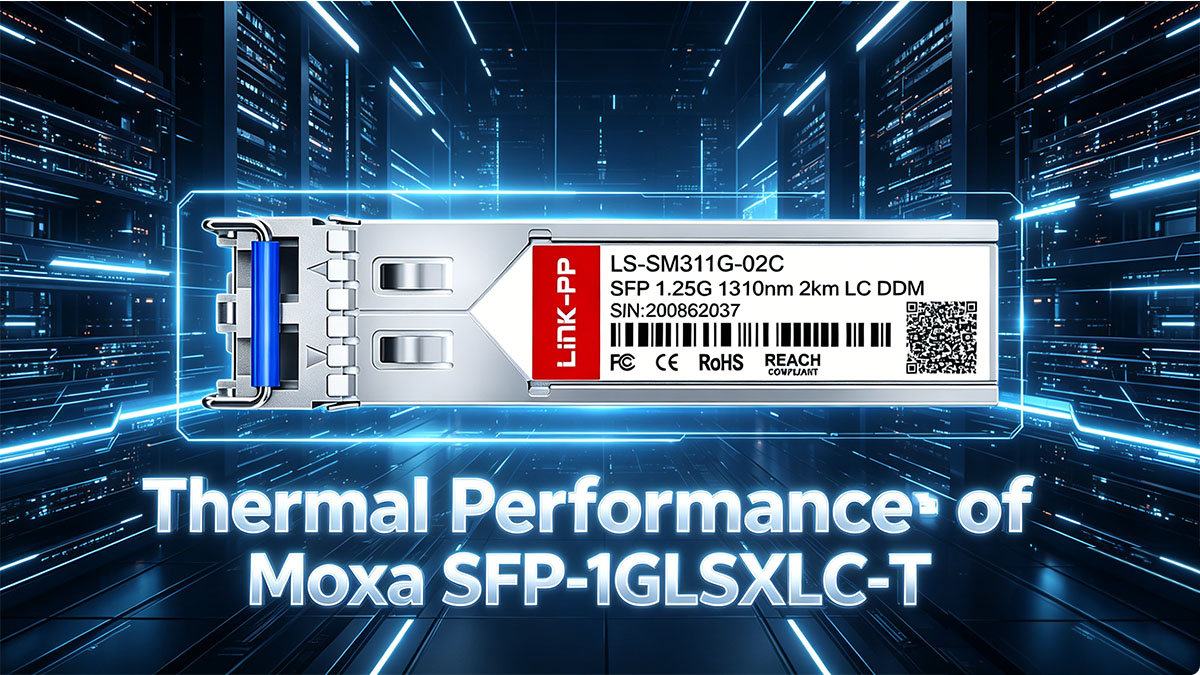
The thermal performance of the Moxa SFP-1GLSXLC-T refers to its ability to maintain stable optical and electrical operation across a wide temperature range in industrial environments. It is designed to minimize performance drift under heat exposure and ensure consistent link reliability during continuous operation.
Operating Temperature Range
The operating temperature range is one of the most important indicators of thermal capability in industrial fiber SFP modules. It defines the environmental boundaries within which the transceiver can maintain compliant and stable operation.
The Moxa SFP-1GLSXLC-T is typically designed for extended industrial temperature conditions, allowing it to operate reliably in environments where commercial-grade modules would fail or experience instability.
| Parameter | Industrial Specification | Functional Meaning |
|---|---|---|
| Operating Temperature | -40°C to 85°C | Supports extreme environments |
| Storage Temperature | Wider than operating range | Ensures safe handling and logistics |
| Thermal Stability Range | Full load operation support | Maintains link consistency |
These specifications indicate that the module is not limited to controlled indoor environments but is intended for deployment in field conditions where temperature cannot be strictly regulated.
From a system perspective, this wide range ensures that network links remain operational even during seasonal variations or unexpected thermal spikes.
Heat Dissipation Design
Thermal performance is not only defined by temperature range but also by how efficiently the module manages internal heat generation. The Moxa SFP-1GLSXLC-T relies on structural and material design choices to improve heat dissipation under continuous load.
Key design considerations include:
- Compact internal layout to reduce thermal hotspots
- Metal housing to improve passive heat conduction
- Optimized component placement for uniform heat distribution
- Reduced power loss circuitry to limit internal heat generation
These design elements work together to prevent localized overheating, which is a common failure trigger in high-density switch environments.
In practical deployment, heat dissipation efficiency becomes especially important when multiple SFP modules operate side by side in confined switch chassis. Without proper thermal design, heat accumulation can lead to performance drift or intermittent link instability.
Reliability Under Prolonged Stress
Long-term reliability under thermal stress is a critical measure of industrial optical module performance. For the Moxa SFP-1GLSXLC-T, this involves evaluating how consistent its optical output and receiver sensitivity remain during extended high-temperature operation.
| Reliability Factor | Expected Behavior | Impact on Network |
|---|---|---|
| Optical Stability | Minimal drift over time | Stable signal transmission |
| Electrical Consistency | Low fluctuation in power draw | Predictable system load |
| Material Durability | Resistance to thermal fatigue | Extended service life |
| Link Integrity | Low error rate under stress | Reduced downtime risk |
These factors collectively determine the module’s Mean Time Between Failures (MTBF), which is a key reliability metric in industrial networking systems. A stable MTBF under thermal stress conditions indicates that the module can operate continuously without frequent maintenance or unexpected failure events.
💡 Real-World Challenges and Failure Scenarios
In real industrial deployments, thermal stress rarely appears in isolation. It usually combines with airflow limitations, equipment density, and environmental exposure, creating conditions that gradually affect optical transceiver stability. For modules such as the Moxa SFP-1GLSXLC-T, these challenges define how reliably the network performs outside controlled laboratory conditions.
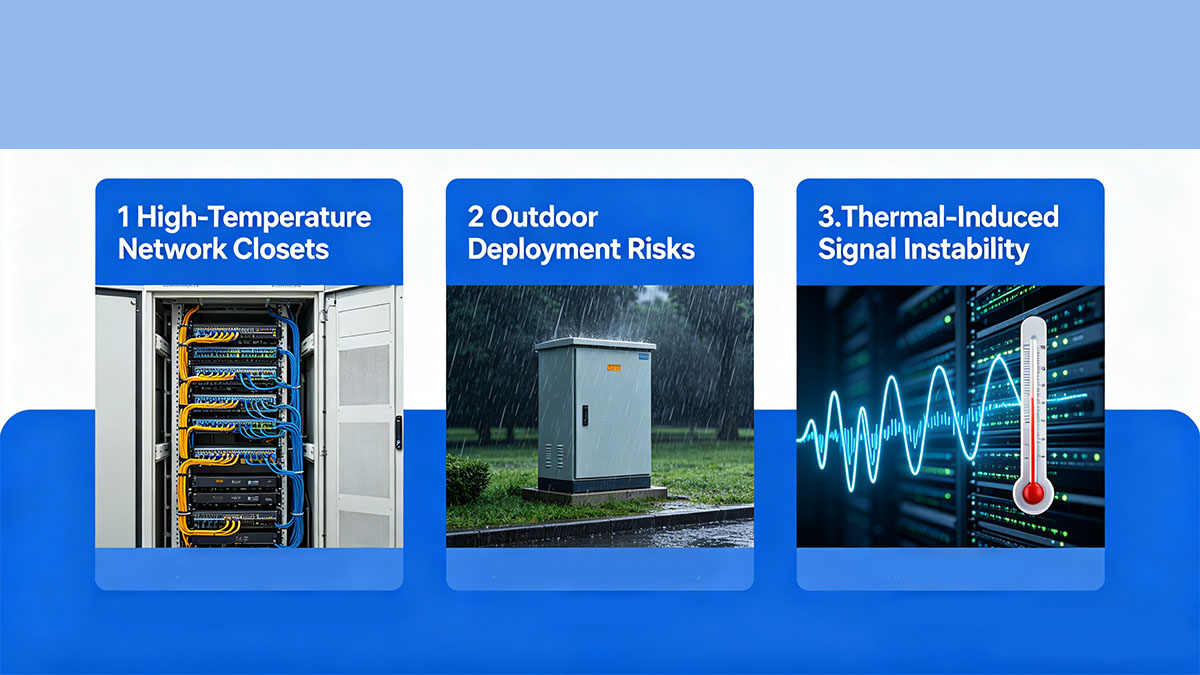
Understanding these scenarios helps identify why otherwise compliant SFP modules may still experience intermittent issues in the field.
High-Temperature Network Closets
High-density network closets are one of the most common environments where thermal stress becomes a persistent issue. When multiple switches and transceivers operate in confined spaces, heat accumulation often exceeds design expectations.
Typical characteristics of this scenario include:
- Limited airflow due to compact rack design
- Continuous operation of multiple heat-generating devices
- Rising ambient temperature inside closed enclosures
- Reduced cooling efficiency over time due to dust buildup
These conditions can lead to gradual performance drift in optical modules. Even if the device remains within its specified operating range, localized hotspots may still form around densely populated ports.
In practice, this often results in subtle symptoms rather than immediate failure, such as fluctuating optical power levels or unstable link behavior during peak traffic periods.
Outdoor Deployment Risks
Outdoor installations introduce another layer of thermal unpredictability. Unlike controlled indoor environments, outdoor systems are directly exposed to environmental temperature changes, sunlight radiation, and seasonal variation.
Key risk factors include:
- Direct solar heating of enclosures and cabinets
- Rapid day-night temperature transitions
- Seasonal extremes in hot and cold climates
- Moisture combined with heat affecting enclosure efficiency
These variables create continuous thermal cycling conditions for installed SFP modules. Over time, repeated expansion and contraction of internal components can contribute to mechanical fatigue and reduced optical alignment stability.
In such environments, even well-designed industrial modules must rely on both thermal resilience and system-level protection mechanisms to maintain stable operation.
Thermal-Induced Signal Instability
One of the most critical failure scenarios caused by thermal stress is signal instability. This does not usually manifest as a complete link failure but rather as intermittent degradation in transmission quality.
Common symptoms include:
- Occasional packet loss during high-temperature periods
- Increased bit error rate under sustained load
- Temporary link resets without physical disconnection
- Reduced receiver sensitivity during peak thermal conditions
These issues are often difficult to diagnose because they may only appear under specific combinations of temperature and traffic load. As a result, they are sometimes misinterpreted as network configuration or switch-level issues rather than thermal-related degradation.
From a system reliability perspective, thermal-induced instability is particularly problematic because it affects performance consistency rather than absolute functionality. Networks may appear operational while still experiencing hidden degradation in data integrity.
💡 Best Practices for Managing Thermal Stress
Effective thermal stress management is essential for maintaining stable performance of optical transceivers such as the Moxa SFP-1GLSXLC-T in industrial environments. In practice, most thermal-related issues are not caused by the module itself, but by system design, installation density, and insufficient heat dissipation planning. Applying proper mitigation strategies helps reduce performance drift and extends overall network reliability.
The goal of thermal management is to keep operating conditions stable enough that optical and electrical parameters remain within predictable ranges, even under continuous load.
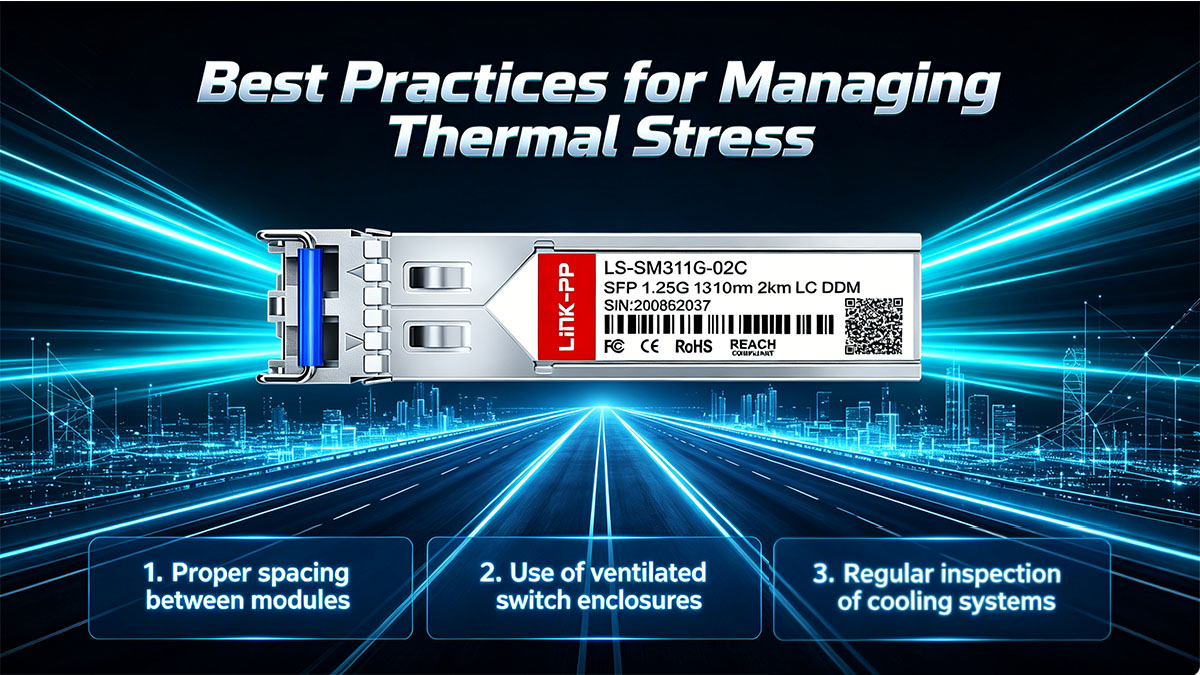
Optimizing Network Hardware Layout
One of the most effective ways to control thermal stress is through proper physical layout of networking equipment. Heat concentration often occurs when devices are installed too closely or airflow paths are blocked.
Key layout optimization practices include:
- Maintaining sufficient spacing between switches and SFP modules
- Avoiding full-port utilization in high-temperature environments when possible
- Designing rack layouts to support front-to-back or bottom-to-top airflow
- Separating high-power devices from fiber termination points
These measures help reduce localized heat buildup around transceiver slots. In dense deployments, even small improvements in airflow efficiency can significantly lower operating temperatures and improve long-term stability.
Proper layout design is especially important in industrial cabinets where equipment is often installed in compact, sealed enclosures with limited ventilation capacity.
Monitoring and Diagnostics
Continuous monitoring is critical for detecting early signs of thermal stress before they evolve into performance issues. Modern industrial transceivers and switches often support built-in diagnostic functions that provide real-time visibility into operating conditions.
Common monitoring practices include:
- Tracking internal temperature via Digital Diagnostic Monitoring (DDM)
- Observing optical output power trends over time
- Monitoring receiver sensitivity fluctuations under load
- Logging error rates and link instability events
To better understand how these indicators are used in practice, the following table summarizes key diagnostic signals:
| Indicator | What It Shows | Thermal Relevance |
|---|---|---|
| Module Temperature | Internal heat level | Direct thermal condition |
| TX Optical Power | Laser output stability | Heat-sensitive parameter |
| RX Sensitivity | Signal reception quality | Affected by temperature drift |
| Error Rate (BER) | Link integrity | Reflects thermal instability |
When combined, these indicators allow operators to identify gradual thermal degradation patterns before they impact system availability. This is particularly valuable in remote or unattended installations where physical inspection is limited.
Preventive Maintenance Strategies
Preventive maintenance plays a key role in minimizing long-term thermal stress effects. Instead of reacting to failures, system operators can proactively reduce thermal risks through scheduled inspection and environmental control.
Recommended maintenance strategies include:
- Regular cleaning of ventilation paths and air filters
- Periodic inspection of rack cooling systems and fans
- Verification of enclosure sealing and thermal insulation integrity
- Firmware and hardware health checks for networking equipment
These actions help ensure that heat dissipation systems remain effective over time. In many cases, thermal issues in SFP modules are indirectly caused by degraded cooling performance in the surrounding infrastructure rather than the module itself.
In addition, long-term stability can be improved by maintaining consistent operating environments. Sudden changes in enclosure configuration, equipment density, or cooling behavior can introduce new thermal stress conditions that accelerate component aging.
💡 Comparing Thermal Resilience with Standard SFP Modules
Thermal resilience in optical transceivers refers to the ability to maintain stable optical and electrical performance under sustained or fluctuating temperature conditions. When comparing the Moxa SFP-1GLSXLC-T with standard commercial SFP modules, the key difference lies in how each category handles long-term exposure to heat stress and environmental variability.
In industrial environments, this distinction directly affects network stability, maintenance frequency, and overall system reliability.
Industrial vs Commercial-Grade Transceivers
Industrial-grade and commercial-grade SFP modules are often similar in basic optical specifications, but they differ significantly in thermal design, component selection, and validation standards. These differences determine how each type performs under real-world stress conditions.
A structured comparison highlights the core distinctions:
| Category | Operating Temperature | Design Focus | Thermal Stability |
|---|---|---|---|
| Industrial SFP (e.g., Moxa SFP-1GLSXLC-T) | -40°C to 85°C | Long-term reliability in harsh environments | High |
| Commercial SFP | 0°C to 70°C | Cost efficiency in controlled environments | Moderate |
Industrial-grade modules are engineered for continuous operation in environments where temperature control is limited or unpredictable. This includes outdoor cabinets, transportation systems, and industrial automation platforms.
Commercial modules, on the other hand, are optimized for data centers or office environments where temperature is actively regulated. While they may perform similarly under ideal conditions, their stability decreases significantly when exposed to prolonged thermal stress outside their defined range.
Long-Term Cost Efficiency
Thermal resilience is not only a technical factor but also a long-term operational cost consideration. Modules with higher thermal tolerance typically reduce maintenance requirements and unexpected downtime, especially in distributed industrial networks.
Key cost-related differences include:
- Reduced replacement frequency due to higher durability
- Lower maintenance labor requirements in remote installations
- Decreased risk of unplanned network outages
- Improved system uptime consistency in critical applications
Although industrial-grade modules generally have a higher initial cost, their ability to withstand thermal stress often results in lower total cost of ownership over time. This is especially relevant in environments where physical access to equipment is difficult or costly.
In contrast, commercial-grade modules may require more frequent replacement or troubleshooting when used outside their intended thermal range, leading to increased operational overhead.
💡 Future Trends in Thermal Management for Optical Modules
Thermal management in optical modules is evolving beyond passive heat tolerance toward more predictive, adaptive, and design-integrated approaches. For industrial transceivers such as the Moxa SFP-1GLSXLC-T, future improvements in thermal handling will increasingly focus on reducing internal heat generation while improving real-time visibility into operating conditions.
The overall trend is shifting from “withstand temperature stress” to “actively manage and predict thermal behavior before degradation occurs.”
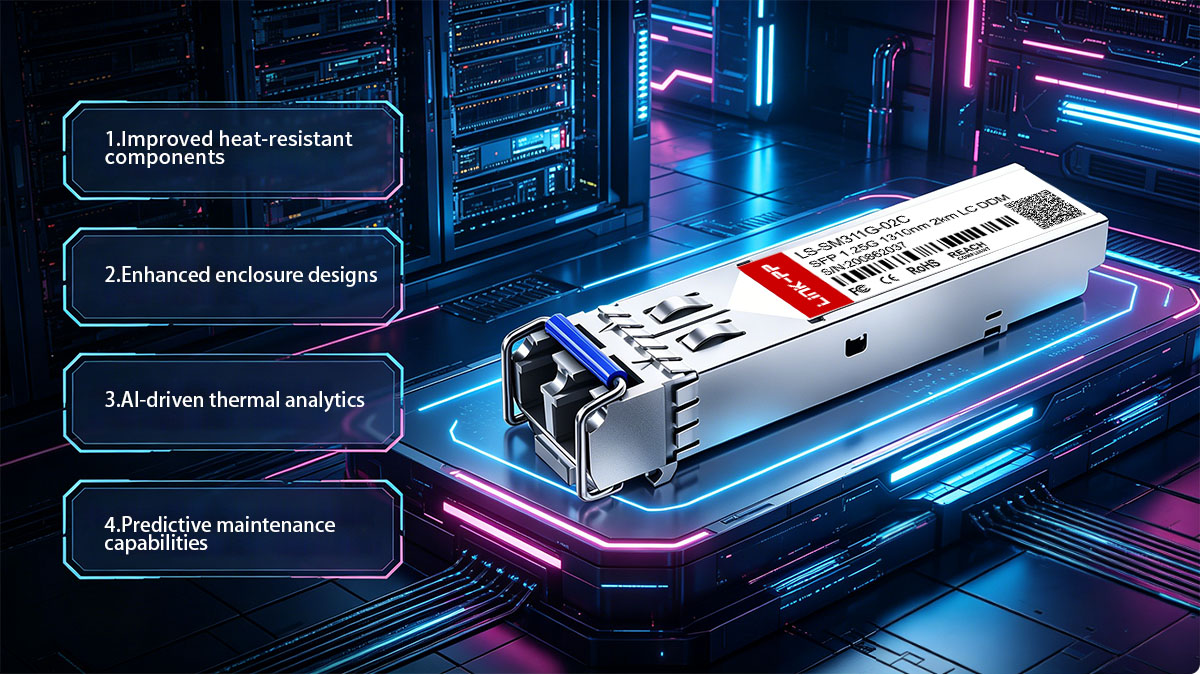
Advanced Materials and Design Innovations
One of the most significant directions in thermal management is the use of improved materials and more thermally efficient structural designs. These innovations aim to reduce heat accumulation at the component level and improve dissipation efficiency across the module.
Key development areas include:
- High thermal conductivity housing materials to improve heat transfer efficiency
- Low-power semiconductor components to reduce internal heat generation
- Optimized internal circuit layouts to minimize localized thermal hotspots
- Improved solder and bonding materials with higher thermal fatigue resistance
These enhancements collectively help reduce the rate of thermal aging in optical transceivers. Instead of relying solely on external cooling systems, next-generation modules increasingly integrate thermal efficiency into their physical design architecture.
As a result, future industrial SFP modules are expected to maintain more stable optical performance even under prolonged high-temperature operation.
Integration with Smart Monitoring Systems
Another major trend is the integration of thermal management with intelligent monitoring and predictive analytics systems. Instead of only reacting to temperature changes, modern networks are moving toward continuous thermal behavior analysis.
Key capabilities include:
- Real-time temperature tracking at module and port level
- AI-based prediction of thermal degradation patterns
- Correlation of traffic load with heat generation trends
- Automated alerts for abnormal thermal fluctuations
To better illustrate how this evolves in practice, the following comparison highlights traditional vs intelligent thermal management approaches:
| Approach | Monitoring Type | Response Method | Outcome |
|---|---|---|---|
| Traditional | Threshold-based temperature alerts | Reactive maintenance | Post-failure intervention |
| Smart Thermal Management | Continuous data analytics + prediction | Proactive optimization | Reduced failure probability |
This shift allows network operators to identify potential thermal stress conditions before they impact performance. For industrial deployments, this is especially important because physical access to equipment is often limited, and failures can lead to significant operational disruption.
💡 Conclusion
The Moxa SFP-1GLSXLC-T demonstrates that thermal stress resistance is a critical factor in ensuring stable optical performance in industrial networking environments. Through proper thermal stress testing, this module can maintain reliable signal transmission, consistent optical output, and long-term operational stability even under harsh temperature conditions.
The key insights from thermal stress analysis and application of the Moxa SFP-1GLSXLC-T can be summarized as follows:
- Thermal stress directly impacts optical signal stability, receiver sensitivity, and module lifespan
- Industrial-grade SFP modules are designed to withstand wide temperature ranges and continuous heat exposure
- Thermal stress testing (including cycling, HTOL, and burn-in) is essential for reliability validation
- Real-world environments such as network closets and outdoor deployments significantly increase thermal risks
- Proper system design, monitoring, and maintenance are critical to minimizing thermal-related failures
In industrial networking, thermal performance is not just a specification but a long-term reliability determinant. Selecting a module like the Moxa SFP-1GLSXLC-T and applying proper thermal management strategies helps ensure predictable network behavior, reduced downtime, and improved system resilience in demanding environments.
For organizations building or upgrading industrial optical networks, choosing thermally reliable transceiver solutions is a key step toward long-term stability. To explore compatible optical modules, industrial SFP solutions, and related networking components, you can visit LINK-PP Official Store for more technical options and product resources tailored to industrial deployment needs.