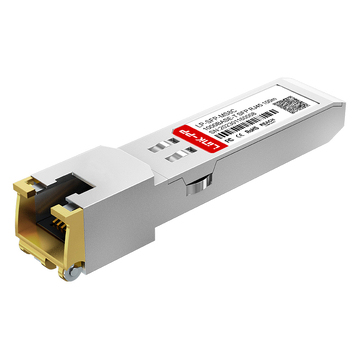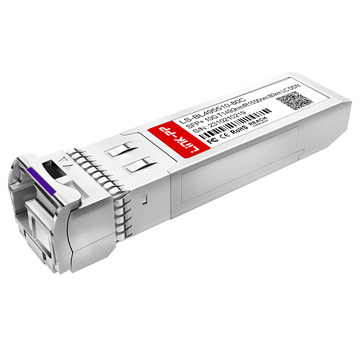

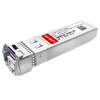

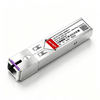
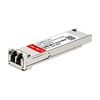






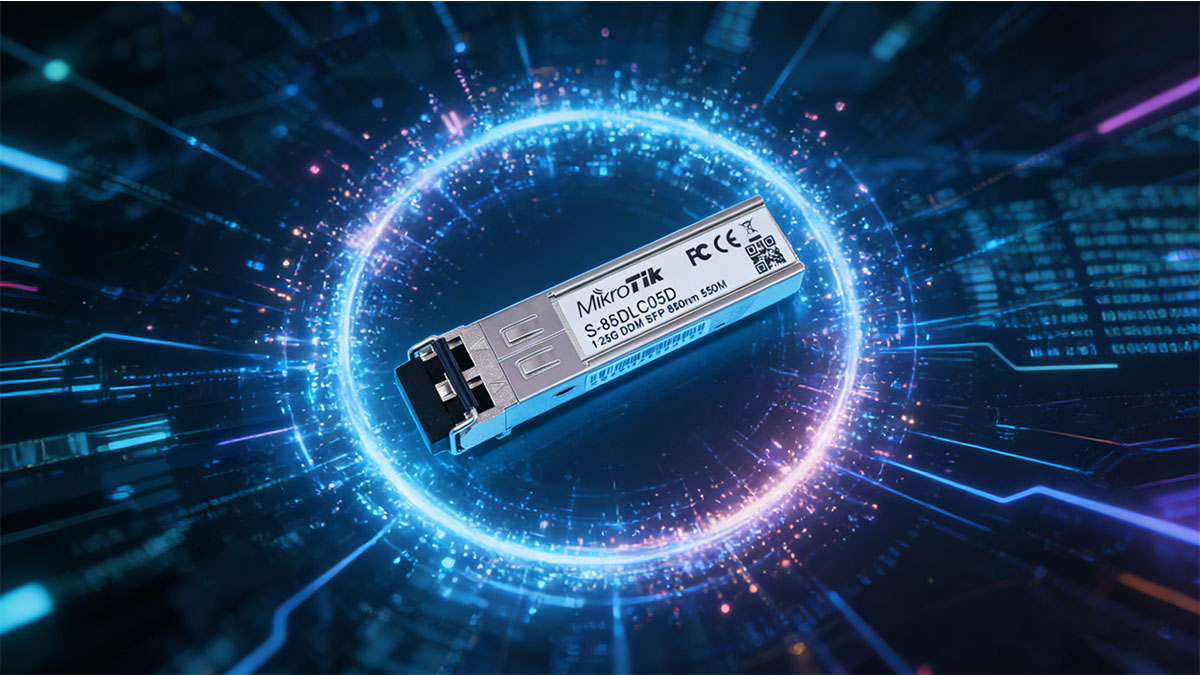
The Mikrotik S-85DLC05D has become a widely recognized 1.25G SFP optical transceiver in enterprise and campus networks due to its reliable performance over multimode fiber. Supporting distances up to 550 meters and plug-and-play integration with Mikrotik devices, it has long been a standard choice for fiber uplinks in small to medium-sized networks. However, the growing diversity of networking equipment and the need for multi-vendor compatibility have created a demand for alternative modules that can maintain similar performance without being restricted to a single brand.
As networks expand and organizations increasingly adopt heterogeneous infrastructures, relying solely on a specific manufacturer’s module can introduce challenges. Compatibility issues, supply constraints, and cost considerations have prompted network engineers to explore alternatives to the Mikrotik S-85DLC05D. These alternatives aim to offer seamless integration, stable performance, and support for common features like Digital Optical Monitoring, all while providing more flexibility in deployment.
This article provides a comprehensive guide to understanding Mikrotik S-85DLC05D alternatives. It covers technical specifications, key performance metrics, compatibility considerations, and practical deployment advice. By reading this guide, network professionals can make informed decisions about selecting modules that meet both current network requirements and future scalability needs, ensuring reliable and efficient fiber connectivity across diverse network environments.
? Overview of Mikrotik S-85DLC05D Specifications
The Mikrotik S-85DLC05D is engineered to provide stable and cost-effective short-range fiber connectivity. It is particularly suited for enterprise LANs, campus networks, and small to medium-sized data centers where reliable 1.25G transmission is required over multimode fiber. Its combination of standard compliance, plug-and-play design, and digital monitoring support makes it a practical choice for networks prioritizing simplicity and interoperability within Mikrotik ecosystems.
Core Technical Specifications
The S-85DLC05D offers reliable performance with specifications that meet common network requirements. Key technical characteristics include transmission distance, wavelength, and interface type, which directly affect compatibility and deployment scenarios. The module ensures stable Gigabit Ethernet transmission while maintaining energy efficiency and minimal heat output.
| Specification | Value | Description |
|---|---|---|
| Data Rate | 1.25Gbps | Supports standard Gigabit Ethernet speeds over fiber |
| Wavelength | 850nm | Compatible with multimode fiber systems |
| Maximum Distance | 550m | Effective over OM2/OM3 multimode fiber |
| Connector Type | Duplex LC | Industry-standard LC interface for fiber patching |
| Digital Optical Monitoring (DOM) | Supported | Allows real-time monitoring of optical parameters |
These specifications demonstrate that the module is designed for plug-and-play installation with minimal configuration. Its support for DOM enables network engineers to monitor signal quality, temperature, and power levels, helping to prevent link degradation over time.
Typical Deployment Scenarios
The Mikrotik S-85DLC05D is best suited for environments that require short-range, reliable fiber connectivity with straightforward management. Common deployment scenarios include:
- Enterprise LAN links connecting switches across office floors
- Campus networks requiring high-density uplinks between buildings
- Small to medium data center top-of-rack connections
- Fiber uplinks where cost-effectiveness is prioritized without sacrificing stability
These scenarios highlight that while the module is optimized for Mikrotik devices, it can also function effectively in homogeneous environments where the network consists primarily of Gigabit SFP links.
Strengths and Limitations
While the S-85DLC05D provides a reliable solution for many fiber deployments, it has specific advantages and constraints that influence network planning:
- Advantages:
- Cost-effective for short-range optics deployments
- Plug-and-play operation with Mikrotik hardware
- Support for DOM allows proactive network monitoring
- Limitations:
- Limited multi-vendor compatibility may cause interoperability issues in mixed environments
- Only suitable for distances up to 550m over multimode fiber
- Supply may be restricted in certain regions, creating sourcing challenges
Understanding these specifications and limitations is essential when planning upgrades or considering alternatives. The module’s combination of simplicity, reliability, and monitoring support makes it a practical baseline for evaluating compatible options in more complex network environments.
? Why Consider Alternatives to Mikrotik S-85DLC05D
Network engineers increasingly explore alternatives to the Mikrotik S-85DLC05D due to evolving infrastructure demands, compatibility requirements, and cost considerations. While the original module performs reliably in Mikrotik-only environments, organizations operating multi-vendor networks or seeking long-term cost efficiency may find alternatives more suitable. Evaluating alternatives ensures seamless integration, predictable performance, and supply chain flexibility.
Multi-Vendor Network Compatibility
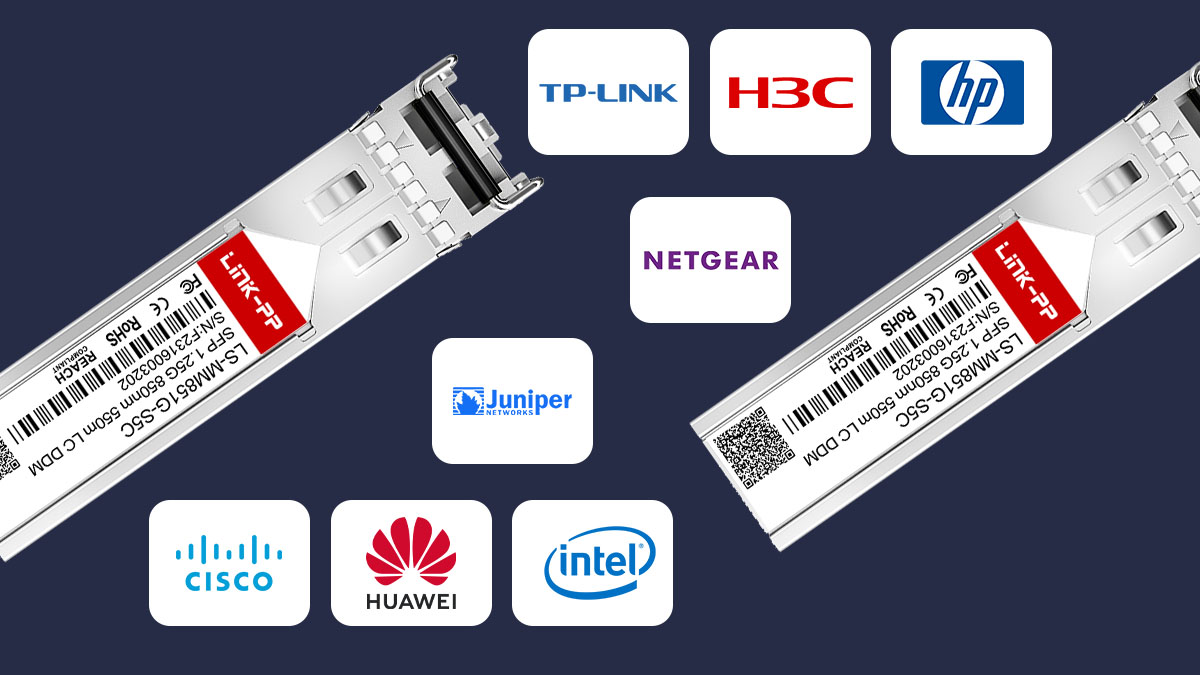
Relying solely on the S-85DLC05D can create limitations in heterogeneous environments. In networks where switches and routers from different vendors coexist, compatibility issues may arise due to vendor-specific coding or firmware restrictions. Alternatives that are fully compliant with the Multi-Source Agreement (MSA) standard can mitigate these issues, providing:
- Consistent plug-and-play operation across brands like Cisco, Juniper, and Ubiquiti
- Reduced risk of link errors caused by unsupported SFP modules
- Simplified troubleshooting with standardized optical parameters
Ensuring multi-vendor compatibility is particularly important for enterprises planning incremental network upgrades or long-term scalability.
Cost Optimization Without Performance Loss
Alternatives often offer cost advantages while maintaining performance equivalent to the original S-85DLC05D. Total cost of ownership (TCO) should be considered beyond the initial module price, including factors such as:
- Module lifespan and warranty coverage
- Energy consumption and heat dissipation
- Maintenance and replacement frequency
By selecting high-quality alternatives, network operators can reduce expenses while ensuring stable Gigabit transmission, avoiding the need for frequent replacements due to compatibility or supply issues.
Supply Chain and Availability Factors
The availability of original Mikrotik S-85DLC05D modules can fluctuate depending on regional distribution and production cycles. Alternatives provide more reliable sourcing options, which help prevent deployment delays and reduce operational risks. Key benefits of diversifying module suppliers include:
- Shorter lead times and predictable delivery schedules
- Access to re-certified or MSA-compatible modules for urgent deployments
- Reduced dependency on a single manufacturer
Considering these factors, exploring alternatives is not only a matter of cost or compatibility but also a proactive approach to maintaining network continuity and minimizing potential disruptions.
? Key Features to Look for in Compatible Alternatives
Selecting a suitable alternative to the Mikrotik S-85DLC05D requires careful evaluation of technical and operational characteristics. The right module ensures seamless integration, stable optical performance, and long-term reliability, while avoiding common pitfalls such as link errors or device incompatibility.

MSA Compliance and Coding Compatibility
One of the most critical features is compliance with the Multi-Source Agreement (MSA) standard. MSA compliance guarantees that modules from different vendors can operate reliably with standardized signals and interface parameters. When evaluating alternatives:
- Check that the module adheres to SFP MSA specifications for 1.25G multimode optics
- Ensure EEPROM coding is compatible with the target switches to prevent recognition errors
- Confirm that Digital Optical Monitoring (DOM) functionality is supported for real-time diagnostics
MSA-compliant alternatives reduce the risk of vendor lock-in and facilitate smooth integration in mixed-network environments.
Optical Performance Metrics
The optical characteristics of an alternative module directly affect network stability and link quality. Key metrics to consider include:
- Transmit power and receiver sensitivity, which determine the achievable distance and signal integrity
- Bit Error Rate (BER), ensuring minimal data loss over fiber links
- Temperature tolerance, as modules may operate in commercial or industrial ranges depending on deployment
The table below summarizes typical performance specifications to compare alternatives against the original S-85DLC05D:
| Metric | Typical S-85DLC05D | Alternative Module Range | Notes |
|---|---|---|---|
| Wavelength | 850nm | 850nm | Consistent with multimode fiber standards |
| Max Distance | 550m | 300–550m | Depends on fiber type (OM2/OM3) |
| Transmit Power | -9.5 to -3dBm | -10 to -3dBm | Must ensure sufficient link margin |
| Receiver Sensitivity | ≤ -17dBm | ≤ -18dBm | Lower sensitivity may limit distance |
| DOM Support | Yes | Yes | Critical for monitoring and troubleshooting |
This comparison highlights that many MSA-compliant alternatives provide optical performance comparable to the original module, with minor variations depending on the manufacturer.
Reliability and Quality Assurance
Reliability is a critical consideration when selecting alternatives, as substandard modules can introduce link instability and increase maintenance workload. When evaluating quality:
- Look for modules that have undergone interoperability testing across multiple switch brands
- Prefer modules with burn-in or stress testing to ensure stable operation over time
- Check certifications such as CE, RoHS, and FCC to confirm adherence to safety and environmental standards
By prioritizing tested and certified modules, network operators can achieve long-term reliability similar to the original S-85DLC05D while maintaining flexibility in sourcing.
? Top Alternatives to Mikrotik S-85DLC05D
For networks that require flexibility, cost efficiency, or multi-vendor compatibility, several alternatives to the Mikrotik S-85DLC05D provide comparable performance while maintaining stable Gigabit transmission over multimode fiber. These options can be broadly categorized into third-party MSA-compliant modules, OEM-compatible modules, and re-certified or re-coded modules.

Third-Party MSA-Compatible SFP Modules
Third-party modules that comply with the SFP MSA standard offer broad compatibility across multiple switch vendors. They are particularly suitable for mixed-vendor networks where plug-and-play functionality is essential.
- Fully compliant with Gigabit SFP MSA specifications
- Compatible with switches from Cisco, Juniper, Ubiquiti, and other brands
- Support DOM for monitoring optical parameters
- Offer transmission distance up to 550m over OM2/OM3 multimode fiber
These modules provide reliable performance similar to the original Mikrotik module without locking the network into a single vendor ecosystem.
OEM-Compatible Modules from Other Vendors
Another approach is to use OEM-compatible modules designed to match fiber SFP specifications from major networking brands. These modules are programmed to mimic the original device’s coding and behavior.
- Cisco-compatible GLC-SX-MM-RGD equivalents function reliably on Cisco and other MSA-compliant switches
- Ubiquiti UF-MM-1G modules can be deployed in multi-vendor environments
- Cross-vendor deployment ensures smooth upgrades and reduces potential recognition errors
OEM-compatible alternatives are a practical choice when network operators want guaranteed recognition and support across multiple switch platforms.
Refurbished or Re-Coded Optical Modules
Refurbished or re-coded SFP transceivers provide a budget-conscious option while maintaining optical performance. These optical modules are typically tested and reprogrammed to meet MSA standards.
- Re-certified modules undergo functional testing for reliability and performance
- EEPROM re-coding ensures compatibility with various switch brands
- Cost savings without significant performance compromise
While they require careful sourcing from trusted suppliers, re-coded modules can serve as an effective interim solution in cost-sensitive deployments.
Comparative Overview
The following table summarizes the main types of alternatives and their core attributes:
| SFP Types | Compatibility | Optical Performance | Monitoring Support | Typical Use Case |
|---|---|---|---|---|
| Third-Party MSA-Compliant | Multi-vendor | Comparable to S-85DLC05D | Yes | Mixed-network environments |
| OEM-Compatible | Specific vendor emulation | High | Yes | Cross-platform guaranteed recognition |
| Re-Coded / Refurbished | Multi-vendor (tested) | Comparable | Yes | Budget-sensitive deployments |
This overview illustrates that each alternative category provides viable options depending on network requirements, budget constraints, and compatibility needs. Selecting the right type ensures stable connectivity and reduces dependency on a single manufacturer.
? Performance Comparison: Original vs Alternatives
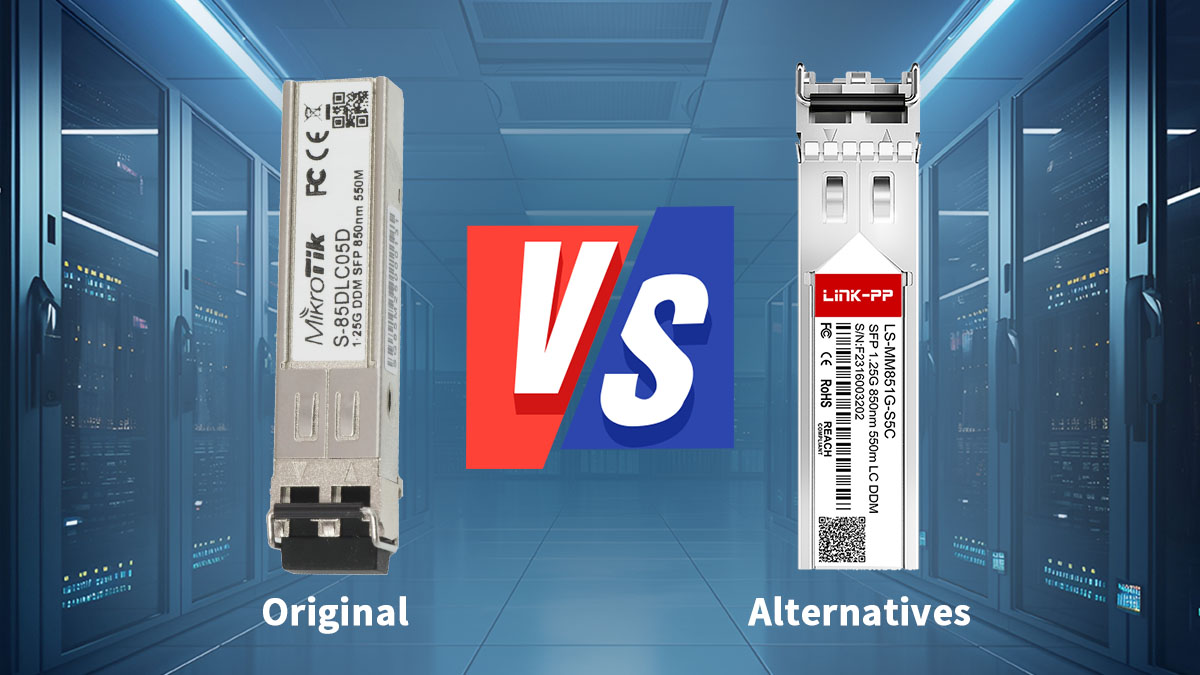
When evaluating alternatives to the Mikrotik S-85DLC05D, the primary concern is whether they maintain stable and reliable optical performance. High-quality alternatives can offer comparable or near-identical performance, but differences in signal strength, sensitivity, and long-term stability may impact specific deployments. Understanding these factors helps network engineers make informed decisions without compromising link quality.
Optical Signal Quality and Stability
Most MSA-compliant and OEM-compatible alternatives provide optical performance on par with the original module, with minimal variation in link quality. Key points include:
- Signal integrity is generally maintained over distances up to 550m with OM2/OM3 multimode fiber
- Bit Error Rate (BER) remains low across tested alternatives, ensuring minimal packet loss
- Variations in transmit power and receiver sensitivity may slightly affect maximum achievable distance
Monitoring with DOM allows real-time assessment of power levels and temperature, helping to ensure that any minor variations do not translate into service disruption.
Compatibility Testing Results
Alternatives differ in plug-and-play recognition across switch brands. Performance evaluation should focus on:
- Firmware compatibility: Tested modules generally work with recent switch OS versions
- Recognition success rate: MSA-compliant and OEM modules usually show near 100% detection
- Interoperability: Modules from third-party vendors may require firmware updates on older switches
The table below summarizes performance aspects between the original Mikrotik module and typical alternatives:
| Feature | Mikrotik S-85DLC05D | Third-Party MSA Module | OEM-Compatible Module | Re-Coded / Refurbished |
|---|---|---|---|---|
| Max Distance | 550m | 300–550m | 550m | 300–550m |
| Transmit Power | -9.5 to -3dBm | -10 to -3dBm | -9.5 to -3dBm | -10 to -3dBm |
| Receiver Sensitivity | ≤ -17dBm | ≤ -18dBm | ≤ -17dBm | ≤ -18dBm |
| DOM Support | Yes | Yes | Yes | Yes |
| Recognition Rate | 100% on Mikrotik | 95–100% on multi-vendor | 100% on targeted vendors | 90–100% on tested switches |
This comparison indicates that high-quality alternatives offer performance comparable to the original module while providing flexibility in deployment. Minor variations in distance or power levels rarely affect standard enterprise network operations.
Power Consumption and Thermal Performance
Energy efficiency and heat dissipation are important in dense deployments, especially in top-of-rack switches or stacked environments. Key observations include:
- Power consumption of alternatives generally matches the original module (around 0.8–1W per SFP)
- Thermal output is minimal, allowing safe operation in standard commercial temperature ranges
- Continuous monitoring via DOM can alert operators to abnormal temperature spikes
By selecting alternatives with verified energy efficiency, networks can maintain stability and prevent thermal-related link issues, even in high-density installations.
? Deployment Considerations for S-85DLC05D Alternatives
Selecting a compatible alternative to the Mikrotik S-85DLC05D is only the first step; proper deployment is essential to ensure consistent network performance. Even modules with high-quality specifications may experience operational issues if installed without consideration of compatibility, fiber infrastructure, and monitoring practices.
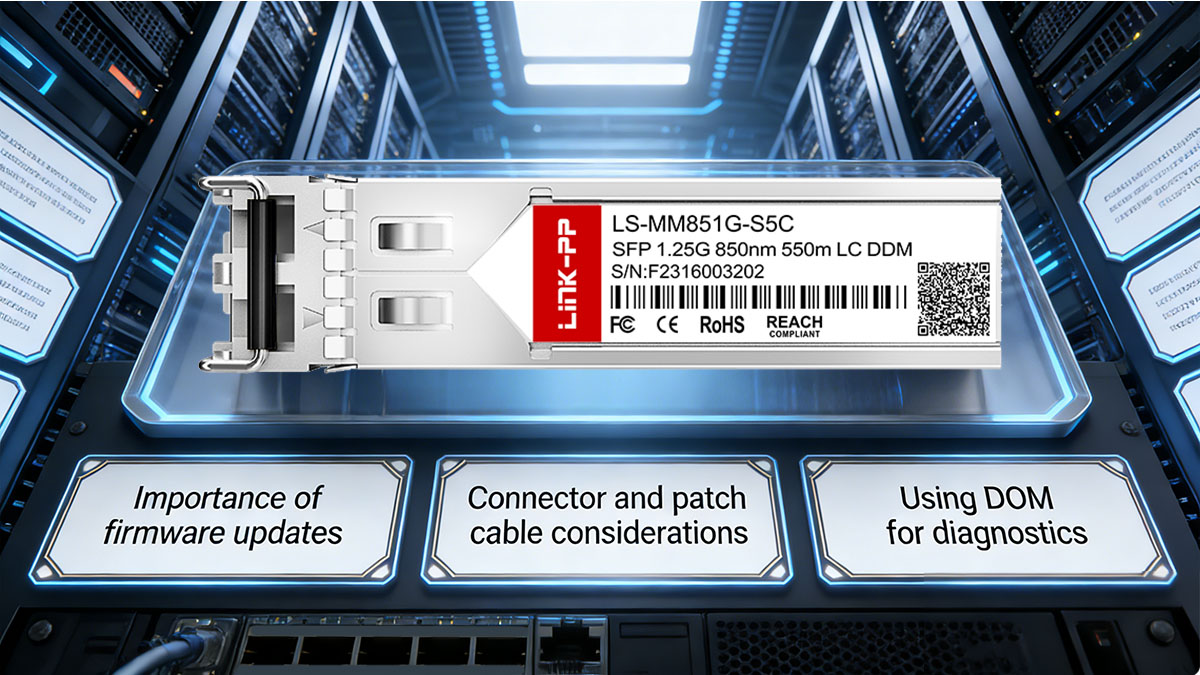
Ensuring Seamless Integration
Integration challenges can arise when replacing SFP modules in a mixed-vendor environment. To minimize risk:
- Verify switch compatibility: Cross-reference the alternative module with the manufacturer’s tested SFP list or MSA compliance documentation
- Update firmware: Ensure that switches are running firmware versions that support MSA-compliant third-party or OEM-compatible modules
- Perform initial link tests: Confirm that the module is recognized and that link speeds are stable before full deployment
Proper integration ensures plug-and-play operation and avoids common recognition errors, link flaps, or port shutdowns.
Fiber Infrastructure Compatibility
The performance of any fiber optic SFP module depends on the underlying fiber infrastructure. When deploying alternatives:
- Match fiber type: Ensure OM2, OM3, or OM4 multimode fiber is compatible with the module’s wavelength and distance specifications
- Check connector and patch cable quality: LC connectors should be clean and properly seated to minimize insertion loss
- Maintain proper fiber management: Avoid tight bends or excessive stress on the fiber to prevent attenuation
By aligning the module with the existing fiber infrastructure, operators can maintain optimal signal strength and network reliability.
Monitoring and Troubleshooting
Continuous monitoring and proactive troubleshooting reduce the risk of link degradation and network downtime. Key practices include:
- Utilize DOM to track real-time optical power, temperature, and voltage levels
- Conduct periodic inspections of fiber connections and patch panels
- Establish baseline performance metrics to detect anomalies early
These measures allow network administrators to quickly identify and resolve issues such as signal drops, misaligned connectors, or mismatched modules, ensuring stable operation across the network.
? Common Challenges and How to Avoid Them
Even with high-quality alternatives, deploying SFP modules in real-world networks can present challenges. Anticipating these issues and applying preventative measures ensures that network performance remains stable and predictable.
Compatibility Errors
One of the most frequent challenges is module recognition failure, particularly in mixed-vendor networks. Common causes include vendor-specific EEPROM coding and unsupported firmware. To avoid these issues:
- Use MSA-compliant modules for broad multi-vendor compatibility
- Verify compatibility with the target switch’s tested SFP list before installation
- Update switch firmware to the latest stable version that supports third-party modules
These steps reduce the likelihood of ports being disabled or operating at reduced speed due to recognition errors.
Performance Degradation
Even recognized modules can suffer from degraded optical performance if environmental or installation factors are neglected. Common contributing factors include:
- Poor-quality or dirty LC connectors causing high insertion loss
- Mismatched fiber type or improper patching
- Modules exceeding recommended operating temperature
To prevent degradation:
- Clean fiber connectors before installation
- Confirm that fiber type matches the module’s specifications
- Deploy modules within their specified temperature range and monitor via DOM
Following these precautions ensures signal integrity and maintains consistent network throughput.
Vendor Lock-In Risks
Organizations that rely solely on vendor-specific modules may face long-term flexibility and cost challenges. To mitigate vendor lock-in:
- Prioritize MSA-compliant or OEM-compatible modules that work across multiple switch brands
- Diversify module suppliers to avoid dependency on a single manufacturer
- Consider refurbished or re-coded modules as temporary solutions without sacrificing interoperability
By implementing these strategies, network teams can maintain control over procurement decisions and avoid limitations imposed by proprietary components.
? Future Trends in 1G Optical Connectivity
Despite the ongoing transition to higher-speed networks such as 10G and 25G, 1G optical connectivity continues to play a significant role in enterprise, campus, and edge deployments. Understanding emerging trends helps network engineers make informed decisions regarding upgrades, compatibility, and monitoring strategies.

Continued Relevance of Gigabit SFP
Gigabit SFP modules like the Mikrotik S-85DLC05D remain relevant due to cost-effectiveness and broad deployment scenarios. Key trends include:
- Sustained use in legacy networks and edge connections where 10G upgrades are not yet justified
- Integration with Power over Fiber (PoF) or low-power applications in industrial or remote networks
- Continued production and support from multiple vendors, ensuring supply stability
Organizations can maintain reliable operations without immediate investment in other high-speed transceivers, while still preparing for future upgrades.
Transition Toward Higher Speeds
While 1G SFP remains widespread, network growth is driving partial adoption of higher-speed solutions. Observed patterns include:
- Migration paths from 1G SFP to 10G SFP+ or 25G SFP28 uplinks in data centers and campus backbones
- Deployment of hybrid environments where 1G SFP modules coexist with 10G modules/25G transceivers, often using media converters or adapters
- Increased focus on modular networks that allow phased upgrades without disrupting existing 1G links
This trend underscores the importance of selecting 1G modules and alternatives that are compatible with multi-speed infrastructures.
Smart Monitoring and Automation
Advances in network monitoring and automation are extending the value of 1G SFP modules:
- Digital Optical Monitoring (DOM) enables predictive maintenance by tracking power levels, temperature, and voltage
- Integration with network management platforms provides real-time diagnostics and alerting
- AI-driven tools may automatically detect early signs of fiber degradation or signal loss, improving reliability and reducing downtime
By leveraging monitoring technologies, 1G links can maintain high stability and provide actionable insights, even in environments increasingly dominated by higher-speed networks.
? Conclusion
The Mikrotik S-85DLC05D remains a reliable option for short-range 1G fiber connectivity, but exploring alternatives can provide greater flexibility, cost efficiency, and multi-vendor compatibility. High-quality MSA-compliant, OEM-compatible, or re-coded modules offer comparable optical performance while supporting diverse deployment scenarios. By carefully evaluating specifications, monitoring capabilities, and integration requirements, network operators can ensure stable and efficient connections across enterprise, campus, and data center environments.
As networks evolve toward higher speeds, maintaining reliable 1G links remains crucial for legacy systems, edge deployments, and cost-conscious upgrades. Leveraging compatible alternatives allows organizations to balance performance, budget, and future scalability without compromising network stability.
For those seeking tested and reliable 1G SFP modules, including MSA-compliant alternatives to the Mikrotik S-85DLC05D, explore the selection available at LINK-PP Official Store, where performance and compatibility are verified across multiple network environments.