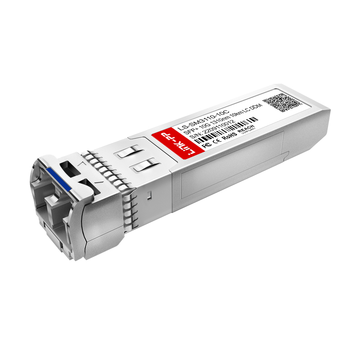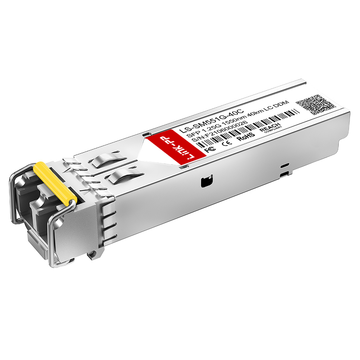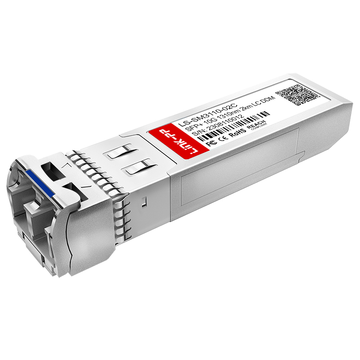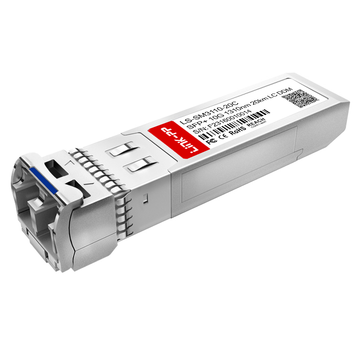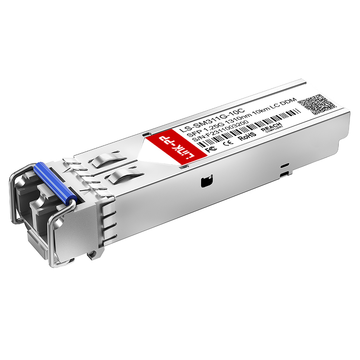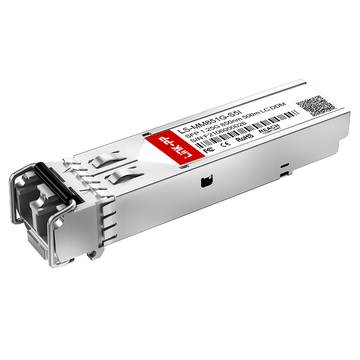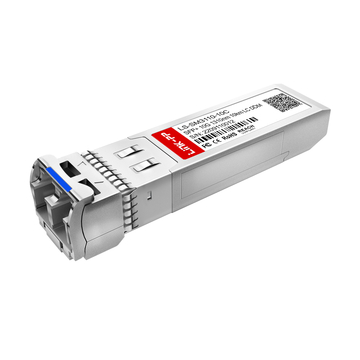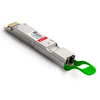






























SFP Huawei optical transceiver modules are widely deployed in modern enterprise networks, telecom infrastructure, and data center environments where stable high-speed connectivity is essential. As bandwidth demands continue to grow and network architectures become more distributed, organizations are increasingly focused on how to balance performance requirements with procurement efficiency. This makes optical module selection not only a technical decision but also a financial planning consideration.
Against this background, SFP Huawei pricing has become a key topic for IT procurement teams and network architects. The cost differences between original modules and compatible alternatives can be significant, especially in large-scale deployments involving hundreds or thousands of ports. At the same time, factors such as transmission distance, data rate, and compatibility requirements further complicate purchasing decisions, making cost optimization an important strategic concern.
This article provides a structured analysis of SFP Huawei Pricing and Compatible Cost Optimization, covering market pricing drivers, technical compatibility considerations, and practical strategies for reducing total deployment costs. It is designed to help decision-makers understand how to evaluate optical modules more effectively and build a more cost-efficient networking infrastructure without compromising operational stability.
🚩 Overview of SFP Huawei Optical Modules Market
The SFP Huawei optical modules market is built around high-demand networking components that enable scalable, high-speed fiber connectivity across enterprise, telecom, and data center environments. In general, this market is driven by continuous bandwidth upgrades, increasing cloud adoption, and the need for reliable optical interconnect solutions that can support both short-range and long-distance transmission requirements. Understanding the core module types, use cases, and pricing structure is essential for evaluating procurement strategies and cost efficiency.
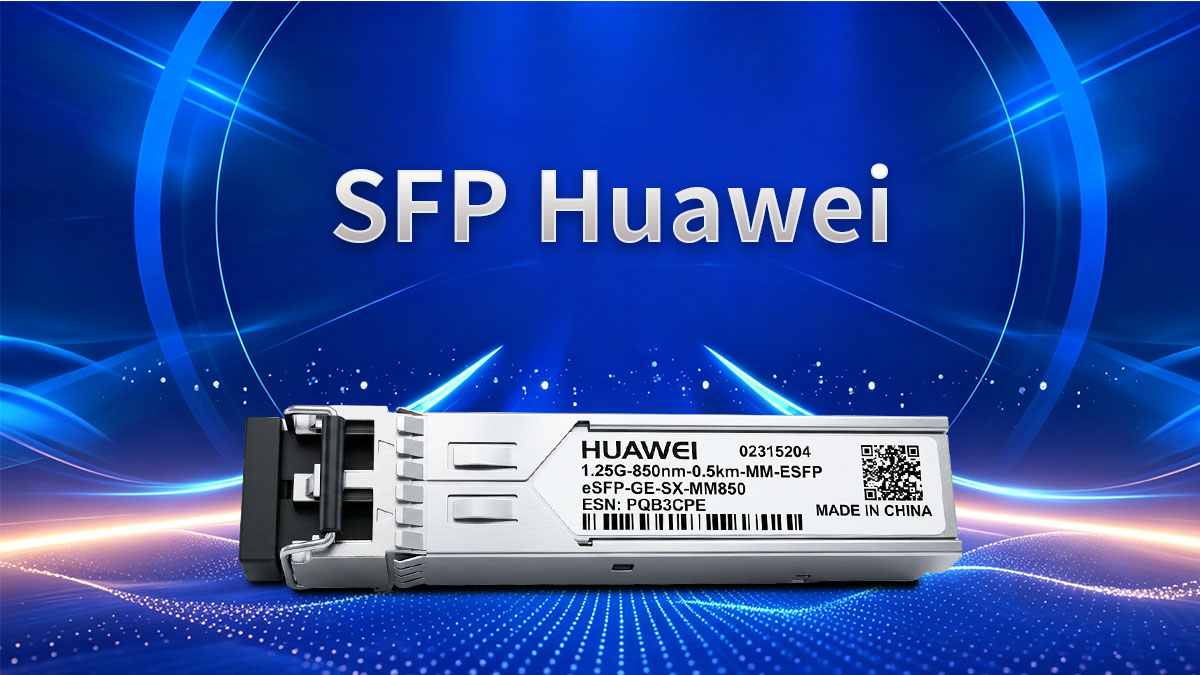
What Are Huawei SFP Modules
SFP Huawei modules are compact optical transceivers designed to convert electrical signals into optical signals for high-speed data transmission in network equipment. They are primarily used in switches, routers, and optical transport systems to enable flexible and scalable connectivity across fiber networks.
These modules typically support multiple transmission standards and are widely adopted in structured networking environments due to their interoperability and performance stability. Common Huawei-compatible modules include HW eSFP-GE-SX-MM850 for 1G connectivity, and HW 0231A0A8 for 10G network deployments.
Key characteristics include:
- Support for multiple data rates such as 1G, 10G, and higher-speed variants
- Compatibility with both single-mode and multi-mode fiber infrastructures
- Modular design allowing hot-swappable deployment in network devices
- Application across enterprise and carrier-grade networking systems
In practical deployment, these modules are selected based on distance requirements, bandwidth needs, and network architecture design. Their standardized form factor allows organizations to scale network capacity without replacing core switching hardware.
Key Application Scenarios
SFP Huawei modules are used in a wide range of networking environments where stable optical connectivity is required. Their application scope is broad, covering both enterprise IT systems and large-scale telecom infrastructure.
Typical usage scenarios include:
- Enterprise LAN and campus backbone networks for high-speed internal communication
- Data center interconnect (DCI) systems enabling server and storage connectivity
- Metropolitan area networks (MAN) used by service providers for regional connectivity
- Cloud infrastructure environments requiring low-latency and high-bandwidth links
These scenarios share a common requirement: reliable, scalable optical transmission that can support increasing data loads. As network traffic continues to grow, SFP modules remain a foundational component in ensuring consistent performance across distributed systems.
Market Positioning and Pricing Structure
SFP Huawei modules are generally positioned as premium networking components within the optical transceiver market, primarily due to their integration within the broader ecosystem of Huawei networking equipment and certification standards.
Their pricing structure is influenced by several core factors:
- Performance class (speed level such as 1G, 10G, or higher)
- Optical specification (short-range SR, long-range LR, extended-range ER)
- Certification and ecosystem validation requirements within Huawei-compatible environments
- Manufacturing and supply chain costs associated with optical components and chipsets
In practical terms, higher-specification modules tend to carry significantly higher pricing due to more advanced laser components and stricter signal integrity requirements. Meanwhile, ecosystem validation and branding also contribute to cost differences compared to non-branded alternatives.
🚩 Key Factors Influencing SFP Huawei Pricing
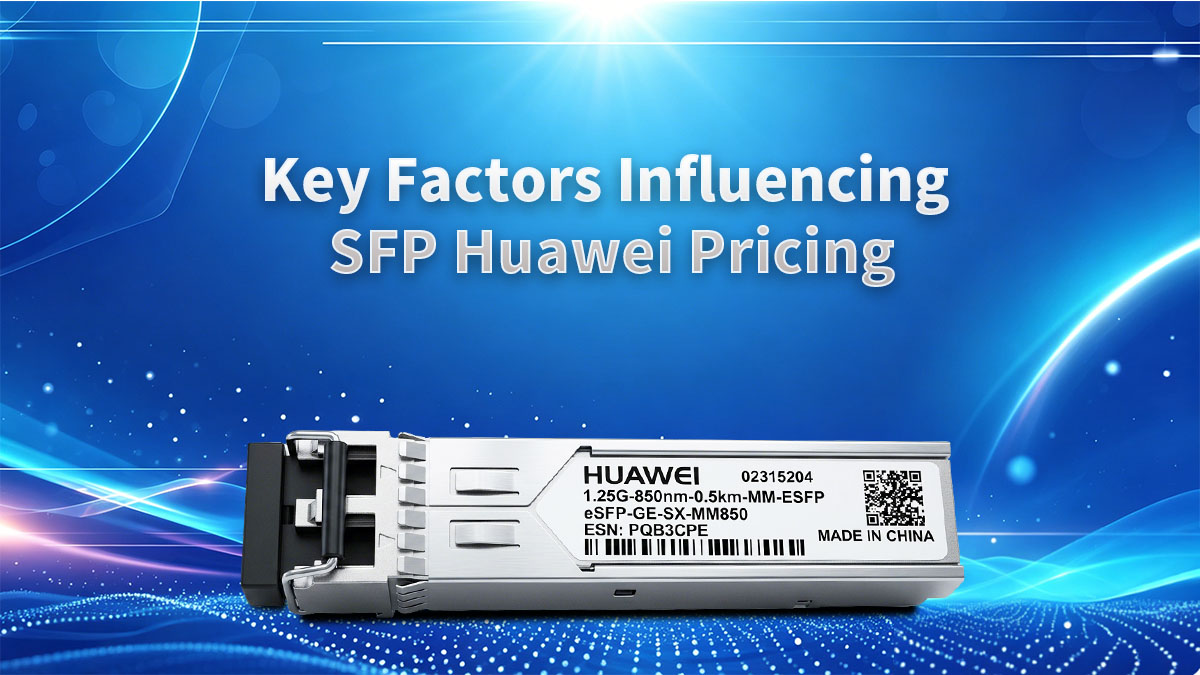
SFP Huawei pricing is determined by a combination of technical specifications, optical performance requirements, and underlying supply chain conditions. In most procurement scenarios, price differences are not arbitrary but directly tied to engineering complexity and deployment requirements. Understanding these drivers helps clarify why certain modules cost significantly more and how cost structures vary across different network environments.
Optical Specifications (1G, 10G, 25G)
The most fundamental factor influencing pricing is the optical transmission rate. Higher-speed SFP Huawei modules require more advanced signal processing components and higher-quality optical hardware, which directly increases manufacturing complexity and cost.
Typical pricing behavior based on speed includes:
- 1G SFP modules: lowest cost segment, widely used in legacy enterprise networks
- 10G modules: mid-range pricing due to higher bandwidth and improved optical components
- 25G transceivers and above: premium segment driven by advanced chipset and tighter signal integrity requirements
To better understand how performance scales with cost, the relationship between speed and optical demand can be summarized below.
| Data Rate | Typical Use Case | Cost Level |
|---|---|---|
| 1G | Enterprise LAN | Low |
| 10G | Data centers | Medium |
| 25G+ | Cloud networks | High |
Higher data rates require more precise modulation and error correction mechanisms, which increases both design complexity and production cost. As a result, speed is one of the strongest pricing indicators in SFP Huawei modules.
Wavelength and Distance Impact (SR, LR, ER)
Another major pricing factor is the optical reach capability, which is defined by wavelength and transmission distance. Different optical classes require different laser types and optical components, directly affecting module cost.
Common categories include:
- SR (Short Range): designed for short-distance transmission over multimode fiber
- LR (Long Range): optimized for longer distances using single-mode fiber
- ER (Extended Range): used for very long-distance transmission scenarios
As transmission distance increases, the required optical precision and component quality also increase, leading to higher pricing tiers. For example, LR and ER modules typically require more stable laser sources and stricter signal control compared to SR modules.
Original vs Compatible Manufacturing Cost Differences
Pricing differences between original and non-original modules are largely driven by manufacturing structure, certification costs, and ecosystem integration requirements within Huawei environments.
Key cost contributors include:
- Original modules: higher cost due to branding, certification, and ecosystem validation
- Compatible modules: reduced cost structure by focusing on hardware equivalence and simplified branding overhead
- Testing and compliance processes that vary significantly between OEM and third-party production models
Original modules typically undergo stricter validation processes to ensure full integration with Huawei networking systems, which increases overall cost. In contrast, compatible modules aim to replicate functional performance while optimizing production efficiency and reducing non-essential overhead.
Supply Chain and Chipset Influence
Beyond technical specifications, SFP Huawei pricing is also heavily influenced by global supply chain dynamics and semiconductor availability. Optical modules depend on specialized components such as laser diodes, photodetectors, and signal processing chips, all of which are subject to market fluctuations.
Key influencing factors include:
- Semiconductor supply cycles affecting chipset availability
- Raw material pricing for optical components
- Manufacturing capacity constraints during high-demand periods
- Logistics and global distribution costs
When supply chain pressure increases, pricing tends to rise across both original and compatible modules. Conversely, stable semiconductor supply and optimized production scaling can help stabilize or reduce market prices.
Overall, supply chain dynamics introduce a macro-level pricing variable that affects the entire SFP Huawei ecosystem, independent of individual module specifications.
🚩 Compatible SFP Huawei Alternatives and Cost Optimization
Compatible SFP Huawei alternatives play a significant role in modern network procurement strategies, especially when organizations aim to balance performance requirements with overall infrastructure spending. In many deployment scenarios, these alternatives provide functionally equivalent optical performance while enabling more flexible cost structures. As a result, they have become an important consideration in large-scale enterprise and telecom network planning.
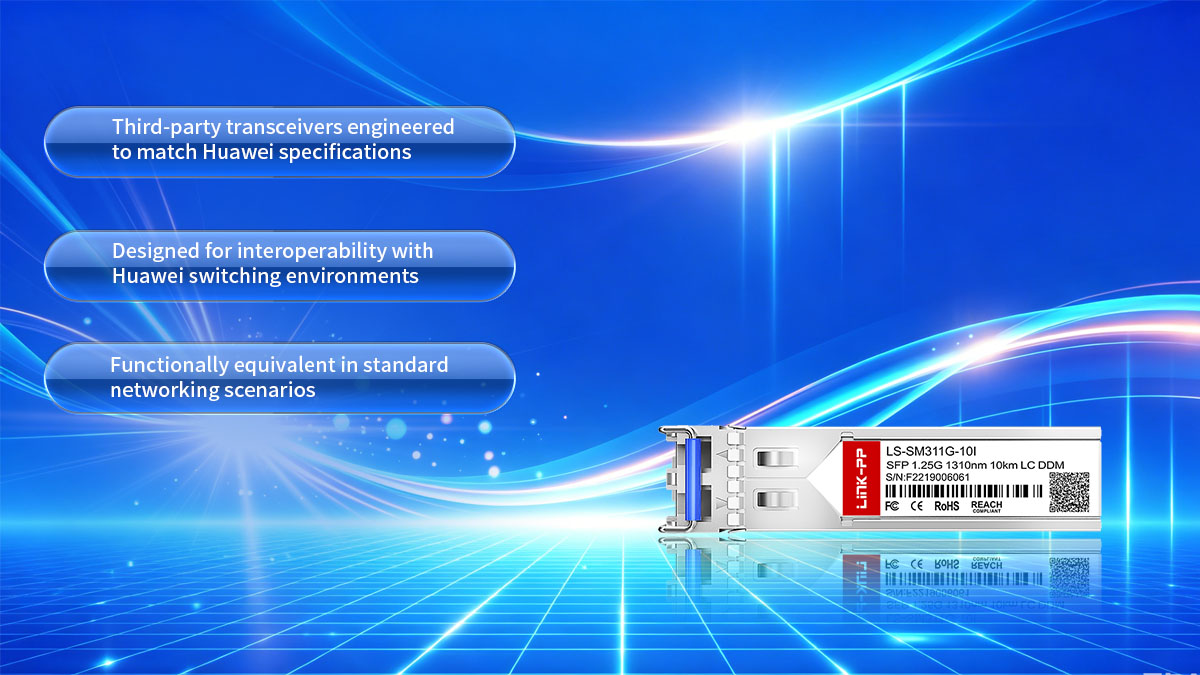
Definition of Compatible Optical Modules
Compatible SFP Huawei alternatives refer to third-party optical transceivers designed to operate within Huawei networking environments while matching the required optical and electrical specifications. These modules are engineered to replicate the functional behavior of original equipment while maintaining interoperability with standard Huawei switch and router platforms.
In practical terms, compatible modules are widely used because they offer a cost-efficient alternative without fundamentally changing network architecture. Their primary value lies in providing equivalent connectivity performance under standard operating conditions.
Key characteristics of compatible modules include:
- Compliance with standard SFP/SFP+ optical specifications
- Functional interoperability with Huawei network devices
- Support for common transmission rates such as 1G and 10G
- Availability across multiple distance and wavelength configurations
These characteristics allow organizations to maintain consistent network design while introducing flexibility in procurement planning.
Performance Comparison: Original vs Compatible
When comparing original SFP modules with compatible alternatives, the most important observation is that core transmission performance is often similar when specifications are properly matched. Both types are designed to meet standardized optical communication requirements, meaning they can deliver equivalent data transmission quality in correctly configured environments.
From a functional perspective, the comparison can be summarized as follows:
- Optical performance: generally comparable under standard operating conditions
- Data transmission stability: dependent more on manufacturing quality than branding
- Device recognition behavior: may vary depending on firmware validation mechanisms
- Deployment suitability: both can be used in enterprise and data center networks with proper validation
The key difference is not in basic transmission capability but in ecosystem integration and validation level. Original modules typically undergo stricter system-level certification, while compatible modules rely on adherence to standardized specifications.
Cost Reduction Strategies in Procurement Lifecycle
Cost optimization using compatible SFP Huawei alternatives is most effective when applied as part of a structured procurement and network design strategy. Instead of focusing solely on unit price differences, organizations typically evaluate total deployment efficiency across the full lifecycle.
Common cost optimization approaches include:
- Standardizing optical module types across multiple network layers
- Segmenting usage between critical and non-critical network paths
- Aligning procurement planning with long-term infrastructure scaling needs
- Reducing unnecessary SKU complexity in inventory management
Each of these approaches helps reduce hidden operational costs beyond initial deployment expenditure. For example, standardization reduces maintenance complexity, while segmentation ensures high-reliability components are reserved for mission-critical links.
When applied together, these strategies allow organizations to achieve a more balanced cost structure without compromising overall network performance or scalability.
Risk Considerations and Interoperability
While compatible modules provide clear cost advantages, their deployment must be evaluated carefully in terms of system interoperability and operational stability. In most environments, risks are not related to optical performance itself but rather to system-level recognition and validation behavior within Huawei networking ecosystems.
Key considerations include:
- Firmware-level compatibility checks that may affect module recognition
- Variations in EEPROM coding that influence device identification
- Differences in long-term validation across network hardware versions
- Requirement for pre-deployment testing in controlled environments
In enterprise and carrier-grade networks, it is common practice to validate compatible modules before large-scale rollout. This ensures that interoperability is maintained across different switch models and software versions within Huawei infrastructures.
Overall, risk management is primarily about ensuring consistency and predictability rather than addressing fundamental performance limitations.
🚩 Technical Compatibility Considerations in Huawei Networks
Technical compatibility is a critical factor when deploying SFP Huawei optical modules in real-world network environments. Even when optical specifications match, successful operation depends on how well the module interacts with switch firmware, coding mechanisms, and environmental conditions. In most enterprise and carrier networks, compatibility planning is essential to ensure stable performance and predictable long-term operation.
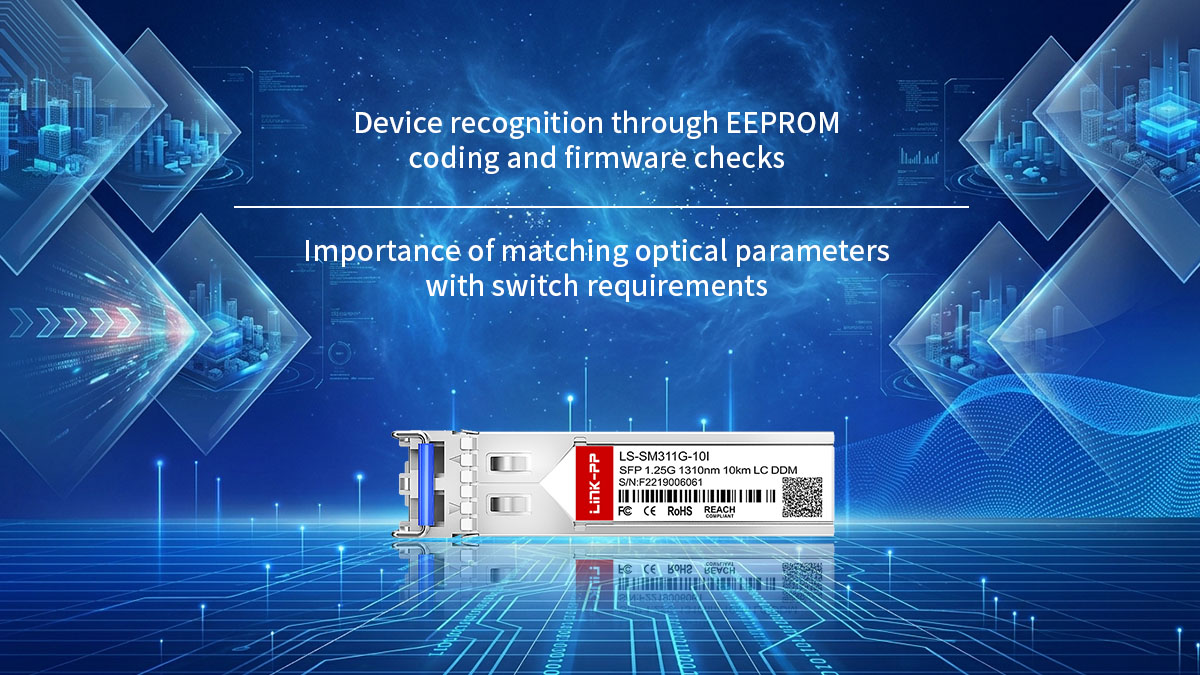
Switch Compatibility and Coding
Compatibility between SFP modules and network switches is primarily determined by how the device recognizes and validates the transceiver. In Huawei networking systems, optical modules are identified through EEPROM coding, which stores key parameters such as vendor ID, wavelength, and transmission specifications.
In practice, this means that even if two modules share identical optical performance, they may behave differently depending on how they are encoded and recognized by the system.
Key points include:
- EEPROM coding defines module identification and compatibility status
- Switches read module parameters during insertion to validate operation
- Mismatched coding may lead to warning messages or limited functionality
- Proper alignment of optical specifications ensures stable communication
Within Huawei network environments, switch compatibility is often the first layer of validation before optical performance is even considered. This makes coding consistency a key factor in deployment planning.
Firmware Restrictions and Vendor Lock-In
Firmware behavior plays a significant role in determining whether an SFP transceiver will function correctly in a given Huawei system. Some network devices are configured with strict validation rules that check module authenticity and compatibility before enabling full functionality.
This can result in different operational outcomes depending on module type:
- Fully validated modules operate without restrictions
- Partially recognized modules may trigger system warnings
- Non-recognized modules may be blocked or limited in functionality
From a procurement perspective, these firmware-level controls can create a form of ecosystem dependency, where network operators must carefully evaluate module selection to avoid operational disruptions.
In many cases, firmware restrictions are not related to optical capability but are instead tied to ecosystem integrity policies designed to maintain network stability and standardization across deployments.
Temperature and Industrial Environment Factors
Environmental conditions are another important factor affecting compatibility and long-term stability of SFP Huawei optical modules. Temperature variations, humidity levels, and industrial exposure can all influence module performance, particularly in large-scale or outdoor deployments.
Typical environmental considerations include:
- Standard commercial-grade modules designed for controlled indoor environments
- Industrial-grade modules built for extended temperature ranges
- Thermal stress impact on laser stability and signal integrity
- Long-term reliability under continuous high-load operation
In telecom and industrial scenarios, selecting the appropriate environmental rating is essential to prevent performance degradation. Even when optical specifications are met, insufficient thermal tolerance can lead to reduced module lifespan or intermittent connectivity issues.
Testing and Validation Methods
Before large-scale deployment, compatibility validation is a standard practice in Huawei-based network environments. Testing ensures that optical modules perform consistently across different devices, software versions, and operating conditions.
Common validation methods include:
- Interoperability testing across multiple switch models
- Load testing under sustained high-bandwidth traffic conditions
- Cross-environment testing between data center and access layers
- Firmware version compatibility verification
Within Huawei ecosystems, structured testing is particularly important due to the diversity of hardware platforms and firmware configurations. Proper validation reduces the risk of deployment failures and ensures predictable network behavior.
Overall, a controlled testing process helps bridge the gap between theoretical compatibility and real-world operational stability.
🚩 Enterprise Cost Optimization Strategies
Enterprise cost optimization for SFP Huawei optical modules is not limited to reducing unit prices. In large-scale network environments, the real financial impact comes from how modules are selected, standardized, managed, and scaled over time. A structured optimization strategy helps organizations control total infrastructure spending while maintaining consistent performance and network reliability.
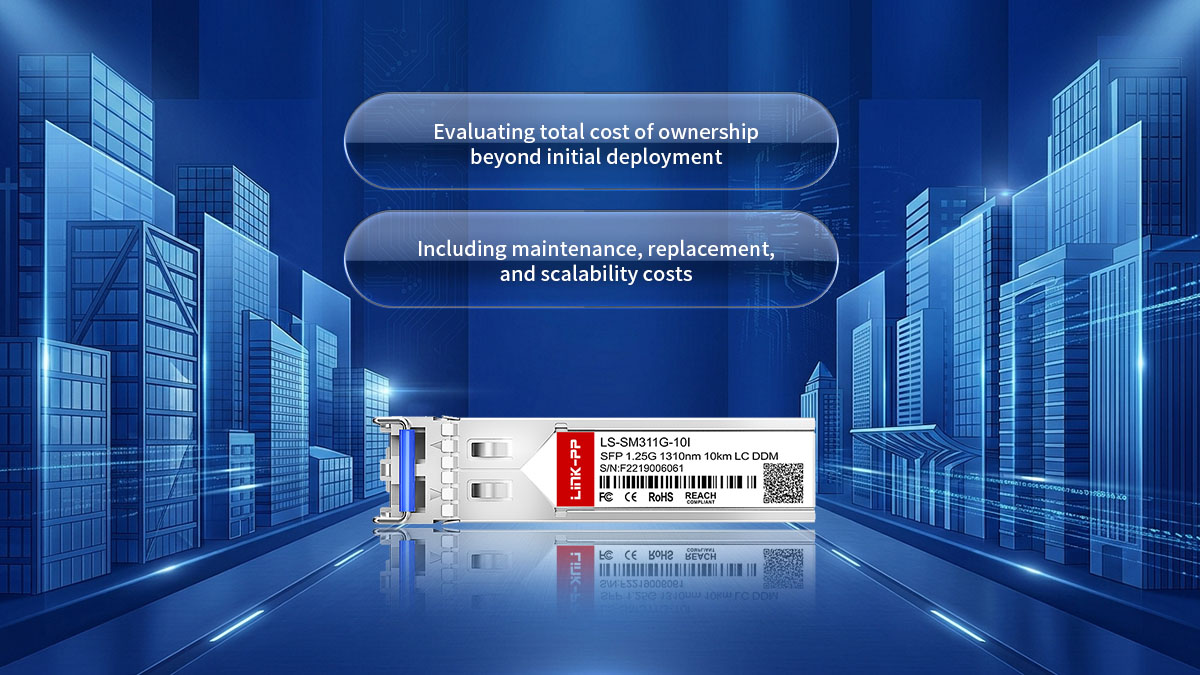
Lifecycle Cost Analysis (TCO)
Total cost of ownership (TCO) is a key framework for evaluating SFP Huawei procurement decisions beyond initial purchase cost. In enterprise networks, optical modules often operate across multiple years and multiple upgrade cycles, making lifecycle costs more important than upfront pricing alone.
A comprehensive TCO evaluation typically includes:
- Initial acquisition cost of optical modules
- Maintenance and replacement frequency over time
- Downtime cost caused by module failure or incompatibility
- Network expansion and scalability-related expenses
From a practical standpoint, focusing only on unit pricing can lead to underestimating long-term operational costs. A more balanced approach considers reliability, compatibility stability, and expected lifecycle duration across different deployment layers within Huawei network environments.
Standardization of Optical Modules
Standardization is one of the most effective ways to reduce complexity and control costs in large network infrastructures. By limiting the variety of SFP Huawei modules used across an organization, enterprises can simplify procurement, deployment, and maintenance processes.
Key advantages of standardization include:
- Reduced inventory complexity and SKU fragmentation
- Simplified troubleshooting and technical support processes
- Lower training requirements for network operations teams
- Improved interchangeability of spare components
When optical module types are standardized across access, aggregation, and core layers, organizations can achieve more predictable network behavior and reduce hidden operational inefficiencies.
Inventory and Spare Management
Effective inventory management ensures that optical modules are available when needed without excessive capital being tied up in unused stock. In enterprise environments, balancing spare availability and cost efficiency is a critical operational requirement.
Common inventory optimization practices include:
- Maintaining a controlled buffer stock for critical network components
- Tracking failure rates to adjust spare allocation levels
- Categorizing modules based on criticality of network usage
- Aligning inventory levels with deployment forecasts and upgrade cycles
A well-structured spare management system helps reduce downtime risk while avoiding overstocking, which can increase unnecessary capital expenditure. This balance is particularly important in distributed infrastructures with multiple data centers and branch locations.
Scaling Network Deployments Efficiently
As networks expand, inefficient optical module planning can lead to exponential cost growth. Scalable deployment strategies focus on aligning SFP Huawei selection with long-term infrastructure architecture rather than short-term project requirements.
Effective scaling strategies include:
- Designing modular network architectures that support incremental expansion
- Selecting optical modules that are compatible across multiple deployment stages
- Planning capacity upgrades in alignment with traffic growth trends
- Avoiding frequent technology fragmentation across network layers
Within Huawei based environments, scalable planning is especially important because optical infrastructure often spans multiple generations of hardware. A consistent approach ensures that future expansions do not require complete redesigns or costly replacements.
🚩 Future Trends in SFP Huawei Ecosystem
The SFP Huawei ecosystem is evolving in response to rising bandwidth demands, cloud-native infrastructure expansion, and increasing network virtualization. As enterprise and telecom networks shift toward higher-speed architectures and more automated management models, optical transceivers are also undergoing continuous transformation. These trends directly influence future pricing structures, deployment strategies, and compatibility requirements.
Evolution Toward 25G/100G Modules
The transition from 1G and 10G optical modules toward 25G and 100G solutions is one of the most significant trends shaping the SFP Huawei ecosystem. This shift is driven by exponential traffic growth in data centers, cloud platforms, and AI workloads that require much higher throughput and lower latency.
Key developments include:
- Gradual replacement of 10G links with 25G in data center access layers
- Expansion of 100G transceivers in core switching and aggregation networks
- Increased adoption of high-density optical interfaces for space efficiency
- Greater demand for energy-efficient high-speed optical designs
As transmission speeds increase, optical module design becomes more complex, requiring advanced signal processing, improved thermal management, and higher-quality photonic components. Within Huawei ecosystems, this evolution is also closely aligned with broader network hardware upgrades and next-generation switching platforms.
Cloud and SDN-Driven Optical Networking
Cloud computing and software-defined networking (SDN) are reshaping how optical networks are designed, managed, and optimized. Instead of static configurations, modern networks increasingly rely on dynamic provisioning and centralized control systems that can adjust optical resources in real time.
Key trends include:
- Centralized orchestration of optical transport layers
- Automated provisioning of fiber optic SFP module resources based on traffic demand
- Integration of optical networks into cloud-native infrastructure platforms
- Real-time performance monitoring and predictive maintenance
This shift improves operational efficiency by reducing manual configuration efforts and enabling more flexible bandwidth allocation. It also increases the importance of standardized optical modules that can operate reliably under dynamic network conditions.
Market Competition Between OEM and Compatible Vendors
The optical module market is becoming increasingly competitive as third-party manufacturers continue to improve compatibility, performance consistency, and production efficiency. This has created a more balanced ecosystem between original equipment manufacturers and compatible vendors.
Key market dynamics include:
- Continued growth of compatible module providers offering cost-efficient alternatives
- Increasing quality parity between original and third-party optical products
- Stronger focus on certification, testing, and interoperability validation
- Pricing pressure encouraging more efficient manufacturing and supply models
As competition intensifies, procurement strategies are shifting toward hybrid models where organizations selectively combine original and compatible modules based on network criticality and performance requirements. This approach allows enterprises to optimize costs while maintaining reliability across key infrastructure layers.
Energy Efficiency and Green Networking Trends
Energy efficiency is becoming a central consideration in optical network design, especially in large-scale data centers and telecom infrastructures. As sustainability goals gain importance, SFP Huawei modules are also being optimized for lower power consumption and higher energy efficiency per bit.
Key directions include:
- Development of low-power optical transceiver designs
- Improved heat dissipation for high-density deployments
- Reduction of energy consumption per transmitted gigabit
- Integration of eco-friendly materials and manufacturing processes
These improvements not only reduce operational costs but also support broader environmental objectives within enterprise IT strategies. As networks scale, energy-efficient optical design becomes a key factor in long-term infrastructure planning.
🚩 Conclusion
SFP Huawei pricing and compatible cost optimization is ultimately shaped by a combination of technical specifications, deployment environments, and long-term infrastructure planning. Across enterprise, telecom, and data center networks, the key takeaway is that cost efficiency is not determined by a single factor, but by how well organizations balance performance requirements, compatibility constraints, and lifecycle management strategies. When properly evaluated, both original and compatible optical modules can play a role in building scalable and cost-effective network architectures within Huawei ecosystems.
To summarize the essential insights from this analysis, the following points capture the most important findings:
- SFP Huawei pricing is primarily driven by optical speed, transmission distance, and supply chain dynamics
- Compatible optical modules provide a viable approach for reducing infrastructure costs in large-scale deployments
- Technical compatibility, especially firmware and coding validation, remains critical for stable network performance
- Lifecycle-based planning (TCO) is more effective than focusing on unit price alone
- Future network evolution toward higher speeds and SDN integration will further reshape optical module strategies
These points highlight that effective optical module selection requires both technical understanding and structured procurement planning.
For organizations looking to optimize optical infrastructure investment, the key is to adopt a balanced sourcing strategy that considers both original and compatible options based on application criticality. This ensures that high-priority network layers maintain maximum reliability while lower-risk segments benefit from improved cost efficiency.
For enterprises seeking reliable optical module solutions and structured procurement support, the LINK-PP Official Store provides a comprehensive portfolio of SFP-compatible optical transceivers designed for scalable network deployments, helping organizations build cost-efficient and performance-stable infrastructure foundations.