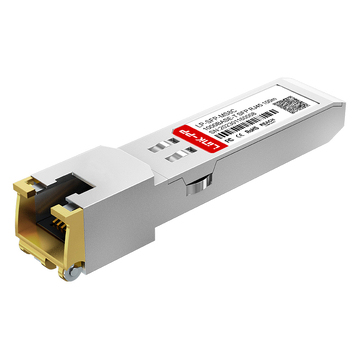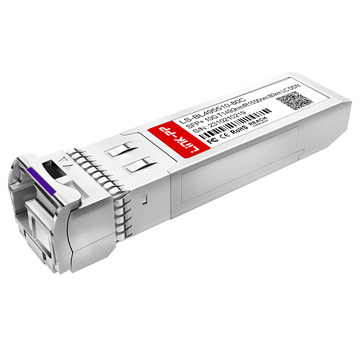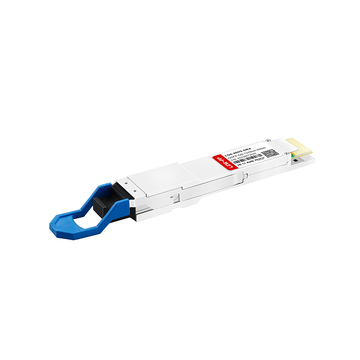

























In modern 10Gb Ethernet networks, copper-based SFP+ modules have become a practical choice for short-distance, high bandwidth connectivity. Among them, the Wiitek SFP 10G T module is widely used for enabling 10GBASE-T connections over standard twisted-pair Ethernet cabling such as Cat6a and Cat7. Its appeal comes from combining high-speed performance with the flexibility of RJ45 infrastructure, allowing enterprises to upgrade network capacity without fully replacing existing copper cabling systems.
As network environments become more diverse, compatibility has become one of the most critical considerations when deploying SFP+ modules. Many switch vendors such as Cisco, Juniper, Arista, and HPE implement proprietary restrictions that may affect whether third-party transceivers can operate smoothly. This makes the Wiitek SFP 10G T not only a hardware choice but also a compatibility strategy within multi-vendor networks.
At the same time, organizations are increasingly evaluating third-party alternatives to OEM transceivers. The motivation is not only cost efficiency but also deployment flexibility in heterogeneous environments. However, differences in coding, firmware validation, and thermal behavior can influence real-world performance and stability.
This article explores the Wiitek SFP 10G T from a technical and practical perspective, focusing on how it behaves in multi-vendor environments, what compatibility challenges may arise, and how third-party alternatives compare in real deployment scenarios.
✅ What Is Wiitek SFP 10G T and Why It Matters
The Wiitek SFP 10G T is a 10GBASE-T SFP+ copper transceiver that enables 10 Gigabit Ethernet connectivity over standard RJ45 Ethernet cabling. It is designed to convert SFP+ optical or electrical port signals into copper-based transmission, allowing high-speed networking over Cat6a or Cat7 cables without requiring fiber infrastructure.
In practical deployment, it is widely used in enterprise networks and data centers where short-range, high-bandwidth connections are needed between switches, servers, and storage devices. Its main value lies in enabling 10Gbps performance while leveraging existing copper cabling systems.

Definition and Core Functionality
The Wiitek SFP 10G T operates as a compact SFP+ form-factor transceiver that supports electrical signal conversion for 10GBASE-T communication. Instead of transmitting data through optical fiber, it uses twisted-pair copper cabling and integrates a PHY chip to handle signal encoding, equalization, and error correction.
This design allows the module to function as a bridge between SFP+ switch ports and standard Ethernet RJ45 interfaces, making it suitable for environments where copper infrastructure is already deployed.
Its core functionality can be summarized as enabling high-speed 10Gbps communication over short-distance copper links while maintaining compatibility with SFP+ network equipment.
Key Technical Specifications
The Wiitek SFP 10G T is defined by a set of technical parameters that determine its performance and deployment limits. These specifications are critical for evaluating compatibility and network design suitability.
| Specification | Typical Value | Network Impact |
|---|---|---|
| Data Rate | 10Gbps | Supports high-bandwidth applications |
| Interface Type | SFP+ to RJ45 | Enables copper Ethernet connectivity |
| Cable Type | Cat6a / Cat7 | Works with existing structured cabling |
| Transmission Distance | Up to 30m | Suitable for short-reach connections |
These specifications highlight its role as a short-distance, high-performance networking module optimized for intra-rack or adjacent-rack connectivity scenarios.
Typical Deployment Scenarios
The Wiitek SFP 10G T is commonly deployed in network environments where copper-based 10GbE connectivity is required without transitioning to fiber optics. Its usage is particularly relevant in infrastructure upgrades and hybrid network architectures.
Common application scenarios include:
- Data center top-of-rack (ToR) switching connections
- Server-to-switch uplinks within the same rack
- Enterprise aggregation layer connectivity
- Storage area network (SAN) short-distance links
- Mixed media environments combining copper and fiber infrastructure
In these scenarios, the module provides a cost-effective way to extend 10Gbps connectivity using existing cabling, reducing both installation complexity and infrastructure overhaul requirements.
Overall, the Wiitek SFP 10G T plays an important role in modern network design by enabling flexible 10GbE deployment over copper infrastructure, bridging the gap between high-speed performance demands and practical cabling constraints.
✅ Compatibility Challenges of Wiitek SFP 10G T
Although the Wiitek SFP 10G T offers flexible 10GbE connectivity over copper, compatibility remains one of the most important factors affecting real-world deployment success. In many cases, performance issues are not related to the module itself, but rather to how different switch vendors enforce transceiver validation, power limits, and firmware restrictions.

Understanding these compatibility challenges is essential for ensuring stable operation in multi-vendor network environments.
Vendor Lock-In and EEPROM Coding
One of the primary compatibility barriers comes from vendor-specific validation mechanisms. Many switch manufacturers implement firmware-level restrictions that check the EEPROM information of installed transceivers before enabling the port.
The Wiitek SFP 10G T may need to be coded or programmed to match the expected vendor profile of the switch in order to function correctly.
Typical vendor enforcement behaviors include:
- Blocking unsupported third-party modules at initialization
- Displaying "unsupported transceiver" warnings in system logs
- Disabling port functionality when validation fails
- Limiting operational features such as DOM monitoring
These restrictions are not related to electrical incompatibility but are instead driven by firmware policies designed to encourage OEM module usage.
Cross-Brand Compatibility Issues
In multi-vendor environments, interoperability challenges often arise when deploying SFP+ 10GBASE-T modules across different hardware platforms such as Cisco, Juniper, Arista, and HPE.
The Wiitek SFP 10G T may operate differently depending on the switch vendor due to variations in firmware interpretation and compatibility rules.
| Vendor Category | Compatibility Behavior | Common Outcome |
|---|---|---|
| Strict OEM systems | Requires coded module | May reject unapproved transceivers |
| Semi-open systems | Partial compatibility | Works with warnings or limited monitoring |
| Open systems (MSA compliant) | Full interoperability | Stable plug-and-play operation |
These differences mean that identical hardware may behave inconsistently depending on the switch platform, making pre-deployment testing essential.
Thermal and Power Constraints
Another key challenge is related to power consumption and heat generation. Compared to fiber-based SFP+ modules, the Wiitek SFP 10G T requires significantly more power due to its built-in PHY chip that handles copper signal processing.
This higher power demand can introduce constraints in dense switching environments.
Key considerations include:
- Higher power draw per port compared to optical transceiver
- Increased heat output affecting switch airflow design
- Potential port power budget limitations in high-density deployments
- Risk of thermal throttling in poorly ventilated racks
In some cases, switches may restrict the number of 10GBASE-T modules that can operate simultaneously due to aggregate power and thermal limits.
✅ How Wiitek SFP 10G T Handles Multi-Vendor Compatibility
In real-world deployments, the Wiitek SFP 10G T is often selected not only for its 10GbE copper capability, but also for its ability to operate across different networking platforms. Multi-vendor compatibility is achieved through a combination of hardware design, coding flexibility, and adherence to industry standards, allowing the module to function in heterogeneous switch environments with varying levels of restriction.

Coding and Vendor-Specific Programming
A key mechanism that enables compatibility is EEPROM coding, which defines how the transceiver identifies itself to a switch. The Wiitek SFP 10G T is typically available in multiple coded versions or programmable formats, allowing it to match different vendor requirements.
In practice, this coding layer helps the module "appear" as an approved transceiver to the host device, reducing the likelihood of rejection by strict switch firmware.
Common coding strategies include:
- Pre-coded versions for major vendors such as Cisco, Juniper, and HPE
- Reprogrammable EEPROM options for flexible deployment environments
- MSA-compliant baseline identity for open systems
- Batch-level customization for large-scale network rollouts
These mechanisms allow the same physical hardware design to be adapted for different ecosystems, improving deployment flexibility without changing the underlying transceiver architecture.
Plug-and-Play Performance Across Platforms
Once properly coded or validated, the Wiitek SFP 10G T can operate in a plug-and-play manner across a wide range of SFP+ switches. Its compatibility is largely dependent on how strictly the host system enforces transceiver verification rather than on signal-level differences.
In many mixed environments, it can support stable operation across multiple speed negotiation scenarios.
| Deployment Scenario | Compatibility Behavior | Practical Result |
|---|---|---|
| Same-vendor switch environment | Fully recognized | Stable 10Gbps link |
| Mixed-vendor environment | Depends on coding | Usually operational with correct EEPROM profile |
| Legacy + modern switches | Auto-negotiation required | May fall back to lower speeds |
This flexibility makes it particularly useful in network upgrades where not all infrastructure components are replaced at the same time.
Firmware Adaptability and Updates
Beyond hardware and coding, firmware behavior on both the transceiver and switch side plays a critical role in compatibility. The Wiitek SFP 10G T must remain aligned with evolving switch firmware policies to maintain long-term stability.
In practical deployments, adaptability is influenced by several factors:
- Switch firmware updates that may tighten transceiver validation rules
- Ongoing compatibility updates from third-party module vendors
- Ability to retain correct identification after system upgrades
- Monitoring support such as DOM/DDM telemetry compatibility
A well-managed compatibility strategy ensures that the module continues to function even as network operating systems evolve. This is particularly important in enterprise environments where firmware updates are frequent and multi-vendor equipment is standard.
✅ Third-Party Alternatives to Wiitek SFP 10G T
In modern network deployments, the Wiitek SFP 10G T is often evaluated alongside other third-party 10GBASE-T SFP+ transceivers. These alternatives are widely used because many organizations aim to reduce infrastructure costs while maintaining compatibility across multi-vendor switching environments. Understanding what qualifies as a reliable alternative is essential for ensuring stable performance and long-term scalability.

What Defines a Reliable Third-Party Transceiver
A high-quality third-party alternative (like LINK-PP) to the Wiitek SFP 10G T is not simply defined by price, but by its adherence to technical and interoperability standards. The most important factor is compliance with the SFP+ Multi-Source Agreement (MSA), which ensures baseline electrical and mechanical compatibility across vendors.
Reliable alternatives typically share the following characteristics:
- Full compliance with SFP+ MSA standards
- Stable EEPROM identification for switch recognition
- Tested compatibility across major switch platforms
- Consistent signal integrity under sustained 10Gbps load
- Support for DOM/DDM diagnostics in supported systems
These attributes determine whether a module can operate reliably in production environments rather than just establishing a link.
Key Advantages of Third-Party Alternatives
Third-party SFP+ 10GBASE-T modules, including those comparable to Wiitek SFP 10G T, are widely adopted due to their operational flexibility and cost efficiency in large-scale deployments.
Their main advantages can be summarized as follows:
- Lower total deployment cost compared to OEM transceivers
- Broader vendor compatibility when properly coded
- Flexibility in mixed hardware environments
- Availability in bulk for large network rollouts
- Comparable performance for short-reach copper links
To better understand the positioning of third-party modules, the following comparison highlights key operational differences:
| Category | Third-Party SFP 10G T | OEM Transceivers |
|---|---|---|
| Cost Efficiency | Generally lower | Higher due to branding |
| Compatibility Flexibility | High (varies by coding) | Strict vendor lock-in |
| Deployment Scope | Multi-vendor environments | Single-vendor optimized |
| Customization Options | High (coding/programming) | Limited or none |
This comparison shows why third-party alternatives are often selected in heterogeneous network architectures where flexibility is prioritized.
Potential Risks and How to Mitigate Them
Despite their advantages, third-party alternatives also introduce certain risks that must be carefully managed during deployment. These risks are not necessarily related to hardware quality but are often tied to compatibility validation and environmental conditions.
Key risks include:
- Switch firmware rejecting unsupported EEPROM profiles
- Inconsistent behavior across different vendor platforms
- Limited visibility in monitoring tools if DOM is not supported
- Thermal instability in high-density copper deployments
To mitigate these issues, network engineers typically follow several best practices:
- Verify switch compatibility lists before deployment
- Use pre-tested and vendor-coded modules for target platforms
- Conduct small-scale validation before full rollout
- Monitor port temperature and power consumption under load
- Ensure consistent firmware versions across switch clusters
When properly selected and validated, third-party alternatives can deliver performance comparable to OEM modules while maintaining significantly greater deployment flexibility.
✅ Wiitek vs Third-Party SFP 10G T: A Detailed Comparison
When evaluating Wiitek SFP 10G T against other third-party 10GBASE-T SFP+ transceivers, the key decision factors are not only raw performance, but also compatibility stability, coding flexibility, and long-term operational reliability. In most real-world networks, both options can achieve similar 10Gbps throughput, but differences emerge in deployment behavior across multi-vendor environments.

Performance and Stability
From a pure data transmission perspective, Wiitek SFP 10G T and comparable third-party modules generally deliver similar 10Gbps full-duplex performance, since both rely on standardized 10GBASE-T PHY chipsets and adhere to IEEE Ethernet signaling requirements.
However, stability differences can appear under sustained load conditions or in high-density switch environments.
| Evaluation Factor | Wiitek SFP 10G T | Generic Third-Party SFP 10G T |
|---|---|---|
| Throughput Stability | High under standard loads | Varies by manufacturer quality |
| Link Consistency | Generally stable after coding | Depends on validation quality |
| Error Rate (BER) | Low in certified batches | May vary across vendors |
| Heat Under Load | Moderate to high | Varies significantly |
In practice, both can perform well, but Wiitek-branded modules tend to offer more consistent quality control across production batches.
Cost Efficiency Analysis
Cost is one of the most influential factors in choosing between Wiitek and other third-party SFP 10G T modules, especially in large-scale deployments.
While OEM modules often come at a premium, third-party solutions aim to reduce total infrastructure costs without compromising essential functionality.
Typical cost-related considerations include:
- Unit price differences across vendors
- Bulk deployment savings in data center environments
- Maintenance and replacement cost over time
- Total cost of ownership (TCO) in long-term operation
A simplified comparison of cost structure is shown below:
| Cost Element | Wiitek SFP 10G T | Other Third-Party Options |
|---|---|---|
| Initial Unit Cost | Moderate | Low to moderate |
| Bulk Purchase Savings | Available | Often higher discounts |
| Replacement Cost | Predictable | Varies by supplier |
| Long-Term TCO | Balanced | Potentially lower but less consistent |
Wiitek typically positions itself in the mid-range of third-party solutions, balancing affordability with more controlled manufacturing consistency.
Compatibility Flexibility
Compatibility behavior is one of the most critical differentiators between Wiitek SFP 10G T and other third-party alternatives, especially in multi-vendor switch environments.
Wiitek modules often provide more predictable compatibility due to standardized coding practices and better alignment with major switch vendors.
Key differences include:
- Wiitek modules often offer pre-tested compatibility profiles for major vendors
- Generic third-party modules may require manual EEPROM reprogramming
- Wiitek tends to provide more consistent behavior after switch firmware upgrades
- Lower-tier third-party modules may experience inconsistent detection or warning logs
From a deployment perspective, Wiitek is generally favored in environments where operational stability is prioritized over lowest possible cost.
✅ Best Practices for Ensuring Compatibility
Ensuring stable operation of the Wiitek SFP 10G T in multi-vendor environments requires more than simply inserting the module into an SFP+ port. Compatibility depends on switch firmware behavior, transceiver coding, power budgets, and deployment conditions. A structured validation approach can significantly reduce the risk of link failures, warning messages, or unstable performance.

Verify Switch Compatibility Lists
Before deployment, the most important step is confirming whether the target switch platform supports 10GBASE-T SFP+ modules. Different vendors apply different validation rules, and even firmware versions can change compatibility behavior.
A practical verification process typically includes:
- Checking the official transceiver compatibility matrix from the switch vendor
- Identifying supported SFP+ copper module types (10GBASE-T support is not universal)
- Reviewing firmware release notes for transceiver policy changes
- Confirming whether third-party modules are explicitly allowed or restricted
In many cases, compatibility issues are not hardware-related but are caused by strict firmware enforcement policies that block unapproved module identifiers.
Choose Tested and Certified Modules
Using tested and certified transceivers significantly improves deployment success rates, especially in mixed hardware environments. For Wiitek SFP 10G T and similar third-party modules, certification and testing ensure predictable behavior under real network conditions.
Key selection criteria include:
- Compliance with SFP+ MSA electrical and mechanical standards
- Verified interoperability with major switch vendors
- Quality-controlled production batches with consistent EEPROM coding
- Certification markers such as CE, FCC, or RoHS compliance
- Documented test results for 10Gbps sustained operation
These factors reduce the risk of unexpected port shutdowns or degraded performance when modules are deployed at scale.
Monitor Performance After Deployment
Even when initial compatibility checks are successful, ongoing monitoring is essential to ensure long-term stability. Copper-based 10GBASE-T modules generate more heat and consume more power than optical transceiver modules, making post-deployment observation especially important.
A structured monitoring approach may include:
- Using DOM/DDM telemetry to track temperature, voltage, and signal levels
- Monitoring switch logs for transceiver warnings or compatibility alerts
- Checking port error counters (CRC errors, frame drops) under load
- Observing thermal conditions in high-density switch environments
In practice, early detection of anomalies helps prevent performance degradation and avoids unexpected link instability in production networks.
✅ Future Trends in SFP 10G T Compatibility and Alternatives
As enterprise networks continue to evolve toward higher bandwidth density and more flexible architectures, the role of 10GBASE-T SFP+ modules such as Wiitek SFP 10G T is also shifting. While 10GbE copper connectivity remains widely deployed, future trends are increasingly shaped by power efficiency demands, open networking adoption, and gradual migration toward higher-speed standards.

Increasing Demand for Vendor-Neutral Solutions
One of the strongest industry trends is the continued move toward vendor-neutral networking environments. Organizations are increasingly operating mixed infrastructures that include switches from Cisco, Juniper, Arista, and other vendors within the same topology.
This shift directly impacts how SFP+ modules are selected and deployed:
- Reduced reliance on OEM-only transceivers
- Greater acceptance of third-party coded modules
- Increased demand for MSA-compliant interoperability
- Expansion of standardized validation practices across platforms
In this context, modules like Wiitek SFP 10G T are positioned as practical solutions for bridging compatibility gaps in heterogeneous environments, especially where vendor lock-in is being actively minimized.
Advancements in Power Efficiency
Power consumption has become a critical constraint for 10GBASE-T modules due to their integrated PHY processing requirements. Compared to optical modules, copper transceivers typically consume significantly more power per port, which directly affects switch thermal design and port density limits.
Future development trends are focused on improving efficiency through:
- Lower-power PHY chip architectures
- Optimized signal processing algorithms for copper transmission
- Improved thermal packaging and heat dissipation designs
- Smarter power scaling under variable traffic loads
These improvements aim to reduce the operational gap between copper and fiber solutions, making 10GBASE-T modules more viable in dense data center deployments.
Evolution Toward Higher-Speed Copper Modules
While 10GbE remains a widely used standard, the industry is gradually transitioning toward higher-speed Ethernet technologies such as 25GbE with SFP28 modules and 40GbE with QSFP+ modules. This evolution influences the long-term relevance of SFP 10G T modules in network planning.
Key transition patterns include:
- Migration from 10GbE uplinks to 25GbE in modern data centers
- Continued use of 10GBASE-T in edge and access layers
- Hybrid environments combining multiple speed tiers
- Gradual replacement of copper 10G links with higher-speed fiber links in core networks
Despite this transition, 10GBASE-T modules remain important due to their cost-effective use of existing copper infrastructure, especially in enterprise access networks.
✅ Conclusion
The Wiitek SFP 10G T is a practical 10GBASE-T SFP+ copper transceiver that enables high-speed Ethernet connectivity over standard twisted-pair cabling, while its real-world value is strongly defined by compatibility performance across different switch vendors and the availability of reliable third-party alternatives. In multi-vendor network environments, its effectiveness depends not only on raw 10Gbps capability, but also on EEPROM coding, firmware validation rules, and proper alignment with switch compatibility requirements.
To better understand its role in modern network deployments, the most important insights can be summarized as follows:
- Wiitek SFP 10G T enables 10Gbps over copper cabling, reducing reliance on fiber in short-range scenarios
- Compatibility is influenced by vendor firmware policies, not just hardware standards
- Third-party SFP+ 10GBASE-T modules offer cost and deployment flexibility in mixed environments
- Proper coding, testing, and monitoring are essential for stable cross-vendor operation
- Power consumption and thermal behavior are key constraints in high-density deployments
For organizations building scalable and cost-efficient 10GbE infrastructures, selecting the right transceiver strategy is as important as choosing the switch hardware itself. A well-validated Wiitek SFP 10G T deployment, combined with properly tested third-party alternatives, can significantly improve network flexibility while maintaining operational stability across heterogeneous systems.
For users evaluating compatible optical and copper transceiver solutions, exploring a trusted sourcing platform such as LINK-PP Official Store can help ensure broader compatibility options, consistent product quality, and better alignment with real-world multi-vendor networking requirements.