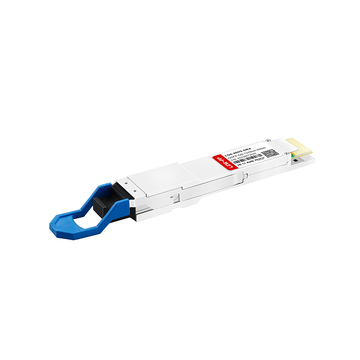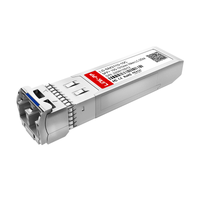






























Enterprise networks are undergoing a structural shift driven by cloud adoption, SaaS application growth, and distributed workforce models. Traditional WAN architectures are increasingly unable to meet the demands of real-time traffic, high-bandwidth applications, and geographically dispersed connectivity requirements. In Viptela SD-WAN environments, the quality of the underlying transport network has become a critical factor in ensuring application performance, routing efficiency, and overall service reliability.
Within this context, VIP SFP+ 10G LR optical transceivers emerge as a key component for building stable and high-performance 10GbE long-distance links. These modules are widely used in SD-WAN WAN Edge devices and aggregation layers to support single-mode fiber connections over extended distances. Their role is particularly important in Viptela SD-WAN deployments, where consistent underlay performance directly impacts overlay tunnel stability, SLA compliance, and application-aware routing behavior.
This article provides a structured analysis of VIP SFP+ 10GE LR in Viptela SD-WAN environments, covering its technical characteristics, deployment scenarios, compatibility considerations, fiber infrastructure requirements, and operational best practices. It aims to help network engineers and architects better understand how 10GBASE-LR optics contribute to building scalable, resilient, and performance-driven SD-WAN infrastructures.
🔔 Understanding VIP SFP+ 10GE LR Technology
VIP SFP+ 10GE LR is a long-reach 10 Gigabit Ethernet optical transceiver designed to deliver stable high-speed transmission over single-mode fiber. In practical terms, it provides a standardized way to extend 10GbE connectivity up to long-distance enterprise and metro-scale environments, making it a foundational component in modern WAN and SD-WAN underlay networks such as Viptela architectures.
What Is VIP SFP+ 10GE LR?
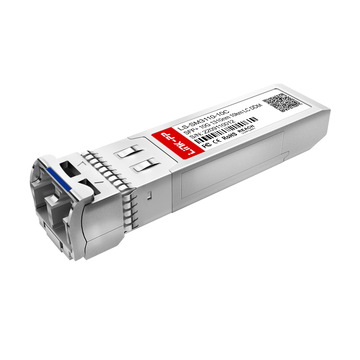
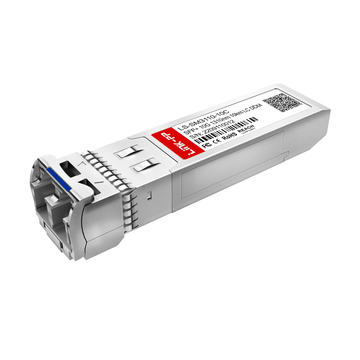
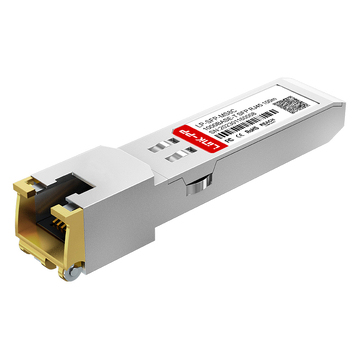
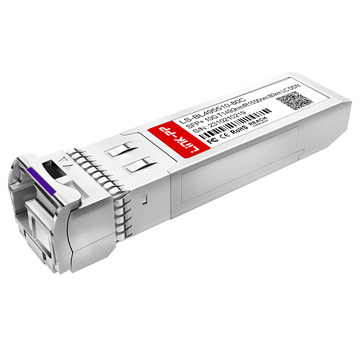
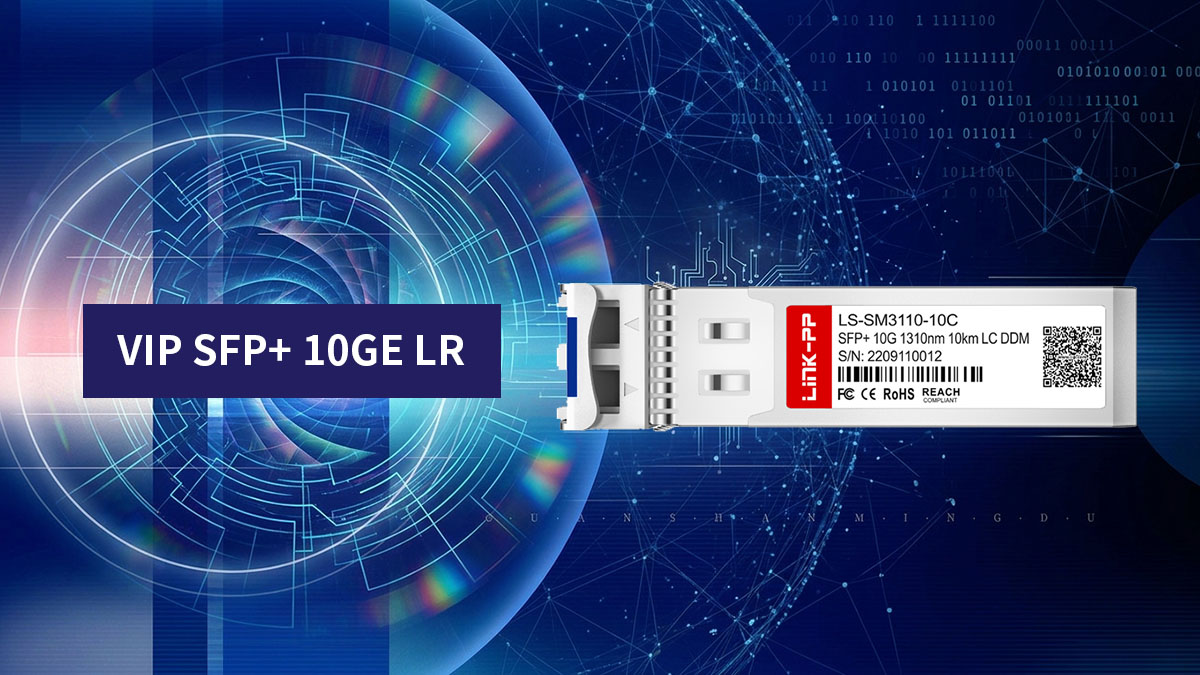
VIP SFP+ 10GE LR refers to a 10GBASE-LR optical module in SFP+ form factor that supports long-range data transmission over single-mode fiber. It is typically used in enterprise switching and routing platforms to establish reliable 10Gbps links between network nodes across extended distances.
This module type is defined by several core characteristics:
- Operates at a 1310nm wavelength for single-mode fiber transmission
- Supports full-duplex 10Gbps Ethernet connectivity
- Utilizes LC duplex optical connectors for standardized deployment
- Designed for distances up to approximately 10km depending on fiber quality and link conditions
These properties make it suitable for interconnecting SD-WAN edge devices, aggregation switches, and data center uplinks where stable long-distance performance is required.
Core Technical Specifications
VIP 10GE LR SFP+ modules follow standardized 10GBASE-LR optical specifications to ensure interoperability and predictable performance across supported networking platforms. These specifications define both physical layer behavior and operational reliability.
Key technical parameters include:
| Parameter | Specification |
|---|---|
| Data Rate | 10Gbps Ethernet |
| Wavelength | 1310nm |
| Transmission Distance | Up to 10km over single-mode fiber |
| Connector Type | LC Duplex |
In addition to these core parameters, most modules also support Digital Diagnostic Monitoring (DDM), enabling real-time tracking of optical power levels, temperature, voltage, and laser bias current. This monitoring capability is essential for maintaining long-term stability in SD-WAN underlay environments.
Why Long-Range 10G Connectivity Matters in SD-WAN
In Viptela SD-WAN architectures, the performance of the underlay network directly influences overlay efficiency and application experience. VIP SFP+ 10GE LR plays an important role by ensuring that high-speed, long-distance links remain stable and predictable under real-world traffic conditions.
The importance of long-range 10G connectivity can be summarized as follows:
- Supports high-throughput enterprise applications such as cloud workloads and unified communications
- Reduces latency variation across geographically distributed sites
- Enables consistent performance for SD-WAN policy enforcement and SLA tracking
- Provides reliable transport for control and data plane synchronization
By delivering stable optical connectivity across extended distances, SFP 10G LR modules help maintain the integrity of SD-WAN tunnels and ensure that application-aware routing decisions are based on consistent network conditions rather than fluctuating underlay instability.
🔔 The Role of VIP SFP+ 10GE LR in Viptela SD-WAN Architectures
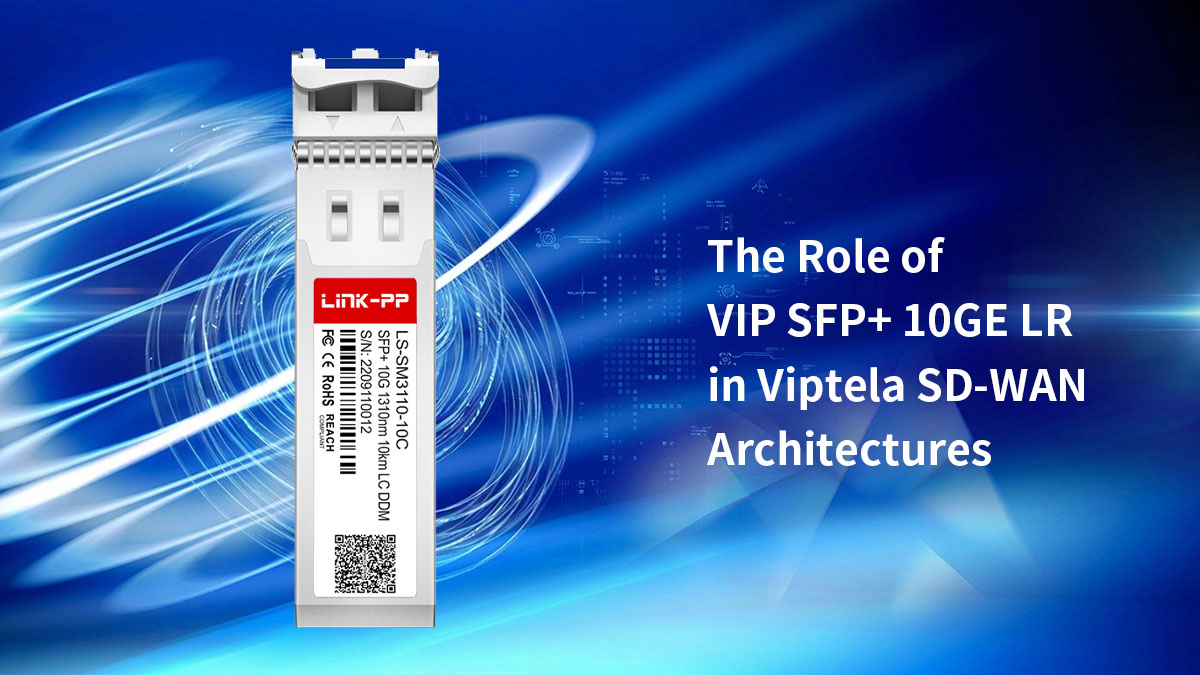
VIP SFP+ 10GE LR plays a foundational role in Viptela SD-WAN architectures by providing stable, high-bandwidth optical connectivity for WAN Edge, aggregation, and data center interconnection layers. In SD-WAN deployments, the physical transport layer directly influences overlay performance, making long-range 10GbE optics a critical component for maintaining predictable application delivery and network resilience.
Overview of Viptela SD-WAN Infrastructure
Viptela SD-WAN is built around a centralized control and management architecture that separates control, data, and management planes. VIP SFP+ 10GE LR modules support the physical connectivity required for these components to communicate efficiently across distributed environments.
In a typical architecture, the main components include:
- WAN Edge devices deployed at branch offices and data centers
- vManage for centralized orchestration and monitoring
- vSmart controllers for policy and routing decisions
- vBond orchestrator for secure onboarding and authentication
These components rely on stable underlay connectivity to maintain consistent control connections and overlay tunnel performance. VIP SFP+ 10GE LR helps ensure that the physical transport layer does not become a bottleneck in this distributed control model.
Typical Deployment Scenarios
VIP SFP+ 10GE LR is commonly deployed in environments where long-distance 10GbE connectivity is required between SD-WAN nodes or supporting infrastructure layers. These scenarios are typically found in enterprise-scale or geographically distributed networks.
Common deployment use cases include:
- Connecting WAN Edge routers to aggregation switches in campus environments
- Linking branch aggregation points to regional data centers
- Supporting metro-area interconnections between enterprise facilities
- Enabling high-speed uplinks for SD-WAN hubs in hybrid cloud architectures
These deployment patterns rely on consistent optical performance to ensure that SD-WAN policies, routing decisions, and application steering mechanisms operate without disruption caused by underlay instability.
Supporting High-Availability SD-WAN Designs
High availability is a core requirement in Viptela SD-WAN architectures, where multiple transport paths are used to ensure continuous service delivery. VIP SFP+ 10GE LR contributes to this design by enabling reliable optical links that can be paired in redundant configurations.
Key aspects of high-availability design include:
- Dual-homed WAN Edge connectivity to separate upstream devices
- Active-active link utilization for load balancing and resilience
- Fast failover mechanisms triggered by link degradation or failure
- Geographic redundancy between data centers or regional hubs
By ensuring stable long-distance 10GbE transport, VIP SFP+ 10GE LR supports rapid convergence and minimizes service disruption when failover events occur. This improves both application continuity and overall SD-WAN SLA compliance across distributed enterprise environments.
🔔 Compatibility Considerations for VIP SFP+ 10GE LR
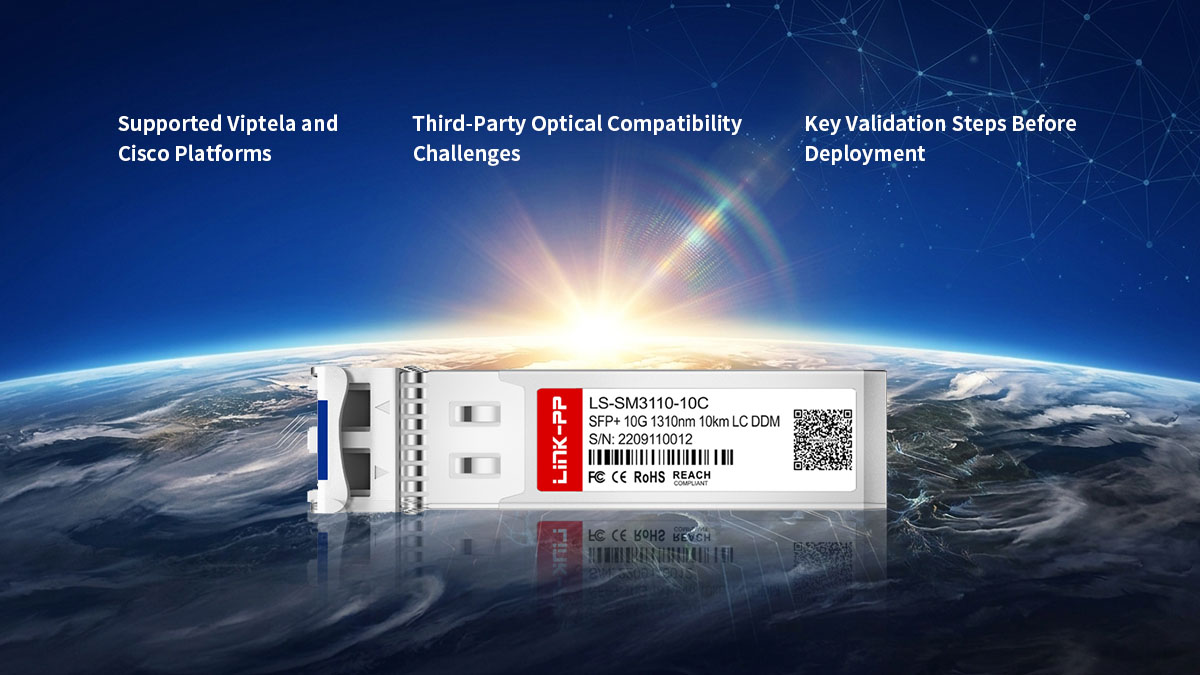
VIP SFP+ 10GE LR compatibility is a critical factor in Viptela SD-WAN deployments because optical modules must align with both hardware platform requirements and network operating conditions. Even when the optical specifications match, differences in vendor coding, platform support, and firmware behavior can impact link stability and monitoring accuracy.
Supported Viptela and Cisco Platforms
VIP SFP+ 10GE LR modules are commonly deployed on Cisco-based SD-WAN WAN Edge platforms and compatible switching infrastructure. However, compatibility is not only determined by physical interface support but also by how the platform recognizes and manages optical transceivers.
In practical deployments, compatibility typically depends on:
- WAN Edge router models with SFP+ 10G interfaces
- Cisco Catalyst SD-WAN-capable switching platforms
- Data center aggregation switches supporting 10G SFP+ optics
- Software version alignment with optical module support lists
A key requirement is ensuring that the module is properly recognized by the device operating system so that interface status, diagnostics, and alarms function correctly within SD-WAN monitoring tools.
Third-Party Optical Compatibility Challenges
In many enterprise environments, third-party or compatible optical modules are used to optimize supply flexibility and cost structure. However, this introduces several technical considerations that must be carefully evaluated to maintain SD-WAN stability.
Common compatibility challenges include:
- Vendor EEPROM coding mismatches causing "unsupported transceiver" warnings
- Limited or inaccurate Digital Diagnostic Monitoring (DDM) data reporting
- Firmware restrictions that block or degrade optical module recognition
- Inconsistent behavior under high traffic or temperature conditions
These issues do not always prevent basic link establishment, but they can affect long-term operational visibility and troubleshooting efficiency in SD-WAN environments where telemetry is essential for SLA validation and performance assurance.
Key Validation Steps Before Deployment
Before deploying VIP SFP+ 10GE LR modules in a Viptela SD-WAN environment, validation is essential to ensure stable operation across both physical and control layers. This process reduces the risk of link instability and integration issues after deployment.
Key validation steps include:
- Confirming hardware compatibility with the specific WAN Edge or switch platform
- Verifying supported optical module lists provided by the vendor
- Testing link establishment under real fiber conditions before production rollout
- Checking optical power levels and budget alignment with fiber infrastructure
- Validating DDM telemetry visibility within network monitoring systems
These steps ensure that the optical layer integrates cleanly into the SD-WAN architecture, supporting consistent performance for overlay tunnels, control connectivity, and application-aware routing functions.
🔔 Fiber Infrastructure Requirements for 10GE LR Deployments
VIP SFP+ 10GE LR performance is highly dependent on the quality and design of the underlying fiber infrastructure. In Viptela SD-WAN environments, even properly configured WAN Edge devices can experience instability if the optical layer is not engineered according to single-mode fiber standards and optical budget requirements.
Single-Mode Fiber Standards
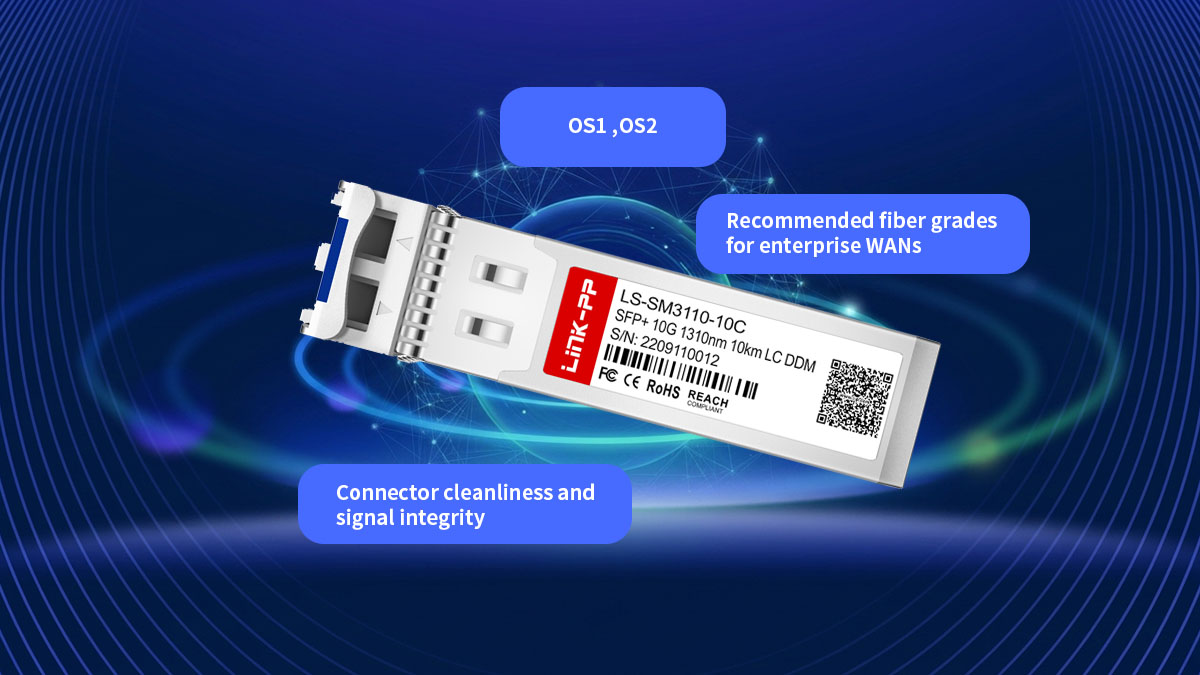
10GBASE-LR optical modules are designed specifically for single-mode fiber transmission, which enables long-distance signal propagation with low attenuation. Proper fiber selection is essential to ensure that the optical link can reliably support SD-WAN traffic loads across distributed sites.
In typical enterprise deployments, key fiber considerations include:
- Use of OS1 or OS2 single-mode fiber for 10km-class transmission
- LC duplex connectors to maintain standardized interface compatibility
- Low-loss patch panels to minimize insertion loss across distribution points
- Proper fiber polarity alignment to avoid transmit/receive mismatches
OS2 fiber is generally preferred in modern enterprise and metro deployments due to its improved attenuation performance and better suitability for long-distance, high-bandwidth transport.
Distance and Optical Budget Planning
Reliable operation of VIP SFP+ 10GE LR links requires careful optical budget planning to ensure that signal strength remains within acceptable thresholds from end to end. This becomes especially important in SD-WAN environments where link stability directly impacts overlay performance.
A well-designed optical budget typically accounts for:
- Fiber attenuation over distance (measured per kilometer)
- Connector and splice losses across the path
- Patch panel and cross-connect insertion loss
- Environmental factors affecting signal degradation
When these variables are not properly balanced, the result can be intermittent link flapping, increased error rates, or degraded SD-WAN tunnel stability. Maintaining sufficient optical margin ensures consistent performance even under varying environmental conditions.
Common Cabling Mistakes to Avoid
Even when using compliant VIP SFP+ 10GE LR modules, cabling errors can significantly reduce network reliability and introduce hard-to-diagnose performance issues in SD-WAN environments.
Common mistakes include:
- Incorrect fiber polarity between transmit and receive pairs
- Excessive bending of fiber cables beyond recommended bend radius
- Contamination of LC connectors due to improper handling
- Mixing single-mode and multimode fiber types in the same link
- Poor cable management leading to physical stress on optical connections
Avoiding these issues is essential for maintaining stable 10GbE long-range connectivity, especially in distributed SD-WAN architectures where physical troubleshooting can be complex and costly.
🔔 Performance Benefits of VIP SFP+ 10GE LR in SD-WAN Networks
VIP SFP+ 10GE LR delivers measurable performance advantages in SD-WAN environments by ensuring stable high-bandwidth transport over long distances. In Viptela-based architectures, these benefits directly translate into improved application experience, more reliable overlay tunnels, and better overall WAN efficiency.
Improved Bandwidth Efficiency
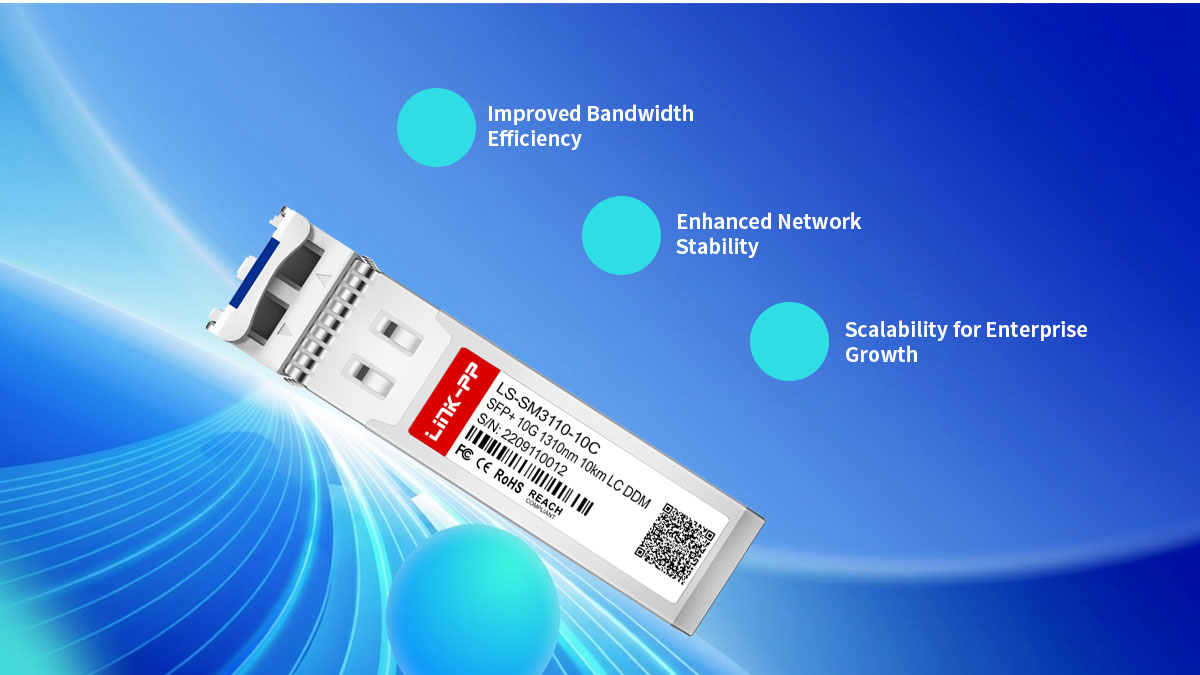
VIP SFP+ 10GE LR enables consistent 10Gbps throughput across WAN and data center links, which is essential for modern enterprise workloads. In SD-WAN networks where multiple applications compete for bandwidth, this level of capacity helps prevent congestion and performance degradation.
Key efficiency improvements include:
- Supports simultaneous transmission of cloud, voice, and video traffic
- Reduces bottlenecks at WAN Edge and aggregation layers
- Improves throughput consistency during peak utilization periods
- Enhances performance for large-scale data replication and backup tasks
By maintaining stable high-speed links, 10GE LR optics help SD-WAN policies operate more effectively without being constrained by physical transport limitations.
Enhanced Network Stability
Network stability is a core requirement in SD-WAN environments, where even minor fluctuations in the underlay can impact overlay tunnels and application performance. VIP SFP+ 10GE LR improves stability by providing reliable optical transmission over single-mode fiber with low signal degradation.
Stability benefits include:
- Reduced electromagnetic interference compared to copper-based connections
- Lower packet loss rates over long-distance links
- More consistent latency characteristics across WAN paths
- Improved link reliability under sustained high traffic loads
These characteristics help ensure that SD-WAN overlay tunnels remain stable and that application-aware routing decisions are based on consistent network conditions.
Scalability for Enterprise Growth
As enterprise networks expand across multiple sites, regions, and cloud environments, scalability becomes a key requirement. VIP SFP+ 10GE LR supports this growth by providing a standardized high-speed transport layer that can be deployed consistently across different network segments.
Scalability advantages include:
- Smooth migration from SFP 1G to SFP+ 10G WAN infrastructure
- Support for expanding branch and regional site connectivity
- Simplified integration into hybrid and multi-cloud architectures
- Consistent optical performance across distributed deployments
By enabling scalable 10GbE connectivity, VIP SFP+ 10GE LR helps SD-WAN architectures evolve alongside increasing business and application demands without requiring frequent redesign of the underlying transport layer.
🔔 Deployment Best Practices for VIP SFP+ 10GE LR
VIP SFP+ 10GE LR deployment success in Viptela SD-WAN environments depends not only on optical compatibility but also on disciplined planning, installation accuracy, and post-deployment validation. Since the optical layer directly supports SD-WAN control and data traffic, small configuration or handling issues can translate into significant performance instability.
Pre-Deployment Planning
Before deploying VIP SFP+ 10GE LR modules, proper planning ensures that both the optical and SD-WAN layers operate within expected performance boundaries. This phase focuses on validating topology design and physical feasibility.
Key planning considerations include:
- Mapping WAN Edge and aggregation connectivity requirements
- Verifying fiber route distance against 10km LR limitations
- Ensuring optical power budget alignment across all endpoints
- Identifying redundancy paths for high-availability SD-WAN design
A well-prepared deployment plan reduces the risk of post-installation link instability and ensures that SD-WAN policy enforcement operates over a stable transport foundation.
Installation Recommendations
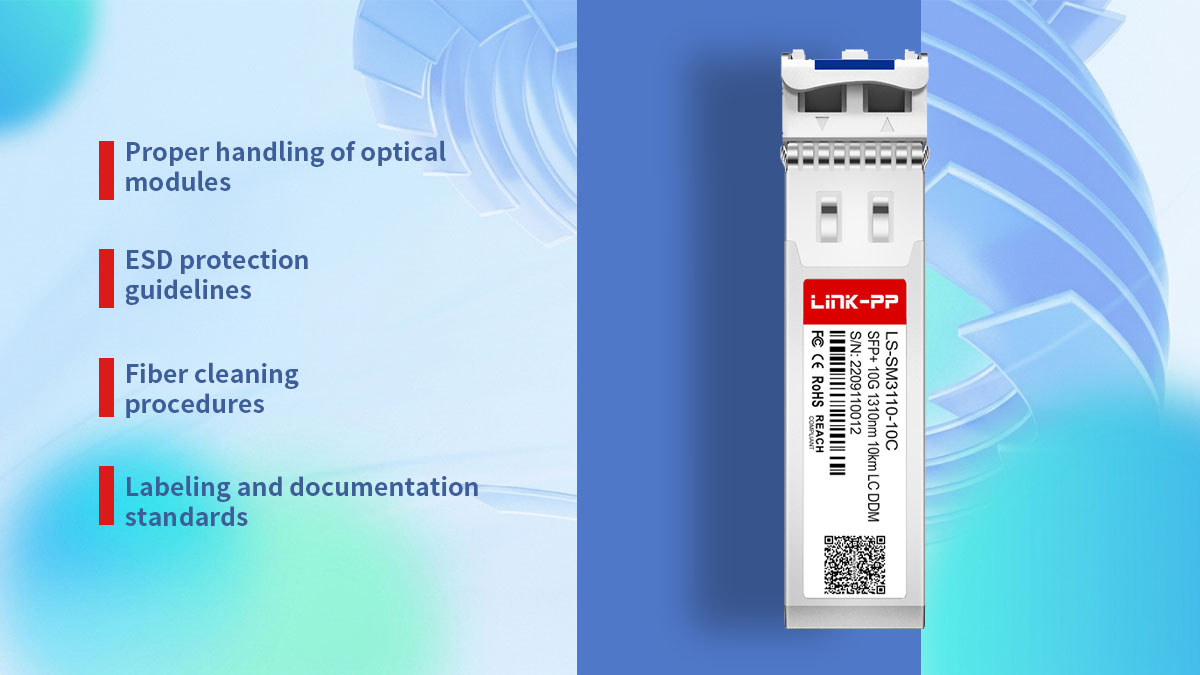
Correct installation practices are essential for maintaining signal integrity and preventing avoidable optical degradation. Even when using fully compatible VIP SFP+ 10GE LR modules, improper handling can lead to link flapping or degraded performance.
Recommended installation practices include:
- Handling optical modules with proper ESD protection
- Ensuring LC connectors are clean before insertion
- Avoiding excessive force when inserting or removing transceivers
- Maintaining proper fiber bend radius during cable routing
These steps help preserve optical performance and ensure that the physical layer remains stable enough to support SD-WAN overlay functions without interruption.
Post-Deployment Verification
After deployment, validation ensures that VIP SFP+ 10GE LR links operate within expected optical and performance parameters. This stage is critical for confirming SD-WAN stability and long-term reliability.
Key verification steps include:
- Monitoring Digital Diagnostic Monitoring (DDM) values for power and temperature
- Checking interface status and error counters on WAN Edge devices
- Performing throughput and latency validation tests across SD-WAN paths
- Reviewing application performance metrics under real traffic conditions
Continuous monitoring after deployment also helps identify early signs of fiber degradation or optical imbalance, allowing proactive maintenance before SD-WAN service quality is impacted.
🔔 Troubleshooting Common VIP SFP+ 10GE LR Issues
VIP SFP+ 10GE LR issues in Viptela SD-WAN environments are typically rooted in physical layer conditions, compatibility mismatches, or optical budget imbalances. Because SD-WAN performance depends heavily on underlay stability, diagnosing these problems requires a structured approach that connects optical behavior with overlay symptoms.
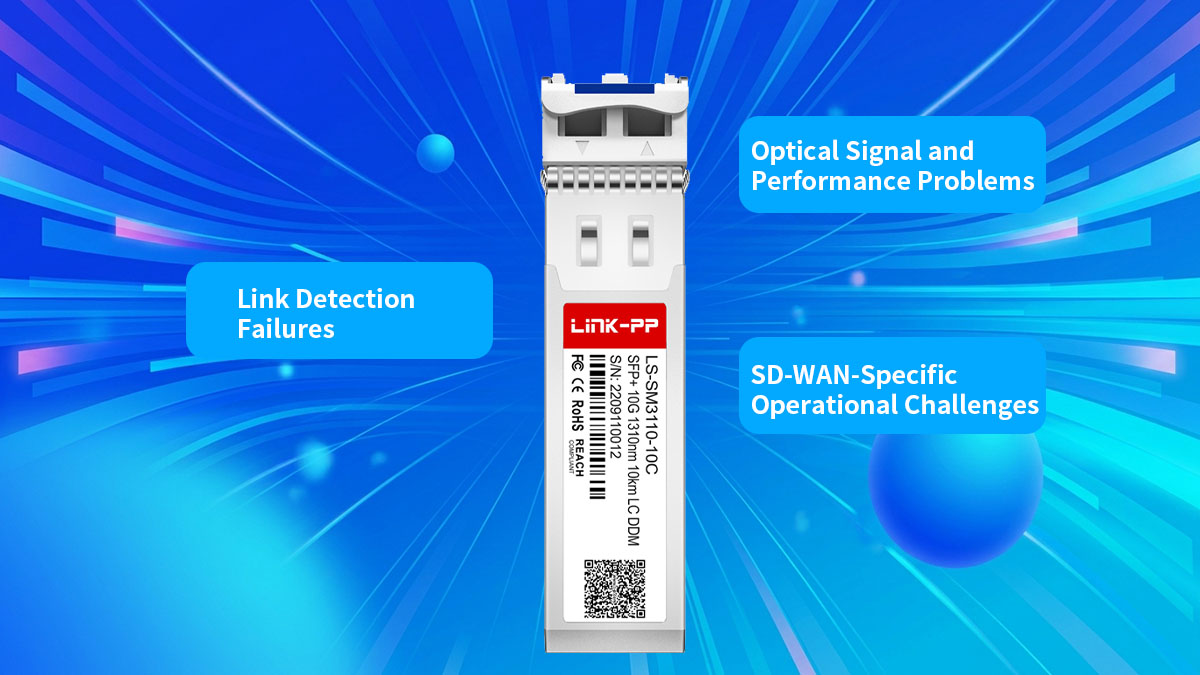
Link Detection Failures
Link detection failures are among the most common issues when deploying VIP SFP+ 10GE LR modules. These failures usually prevent the interface from coming up or cause it to remain in a down state even when hardware appears correctly installed.
Typical causes include:
- Incorrect fiber polarity between transmit and receive pairs
- Unclean or damaged LC connectors affecting optical signal transmission
- Insertion of unsupported or improperly coded transceiver modules
- Administrative shutdown or misconfiguration on WAN Edge interfaces
Resolution steps generally focus on verifying physical connectivity first, followed by checking module recognition on the device and ensuring correct interface configuration within the SD-WAN platform.
Optical Signal and Performance Problems
Even when a link is operational, degraded optical performance can still impact SD-WAN stability and application delivery. These issues are often more difficult to detect because they may not immediately cause link failure.
Common symptoms include:
- High attenuation leading to weak receive power levels
- Intermittent packet loss or increased CRC errors
- Unstable latency affecting SD-WAN SLA measurements
- Fluctuating Digital Diagnostic Monitoring (DDM) readings
Troubleshooting typically involves inspecting fiber quality, measuring optical power levels, and verifying that the total link loss remains within the acceptable optical budget for 10GBASE-LR transmission.
SD-WAN-Specific Operational Challenges
In Viptela SD-WAN environments, optical issues at the underlay layer often manifest as higher-level control or application disruptions. This makes it important to correlate physical metrics with SD-WAN behavior.
Typical operational challenges include:
- Control connections dropping between WAN Edge and controllers
- Overlay tunnel instability caused by underlay link flapping
- SLA violations triggered by latency or loss variation
- Uneven application performance across redundant paths
Effective troubleshooting requires correlating SD-WAN telemetry with interface statistics and optical diagnostics to isolate whether the root cause lies in the fiber layer, transceiver behavior, or upstream network design.
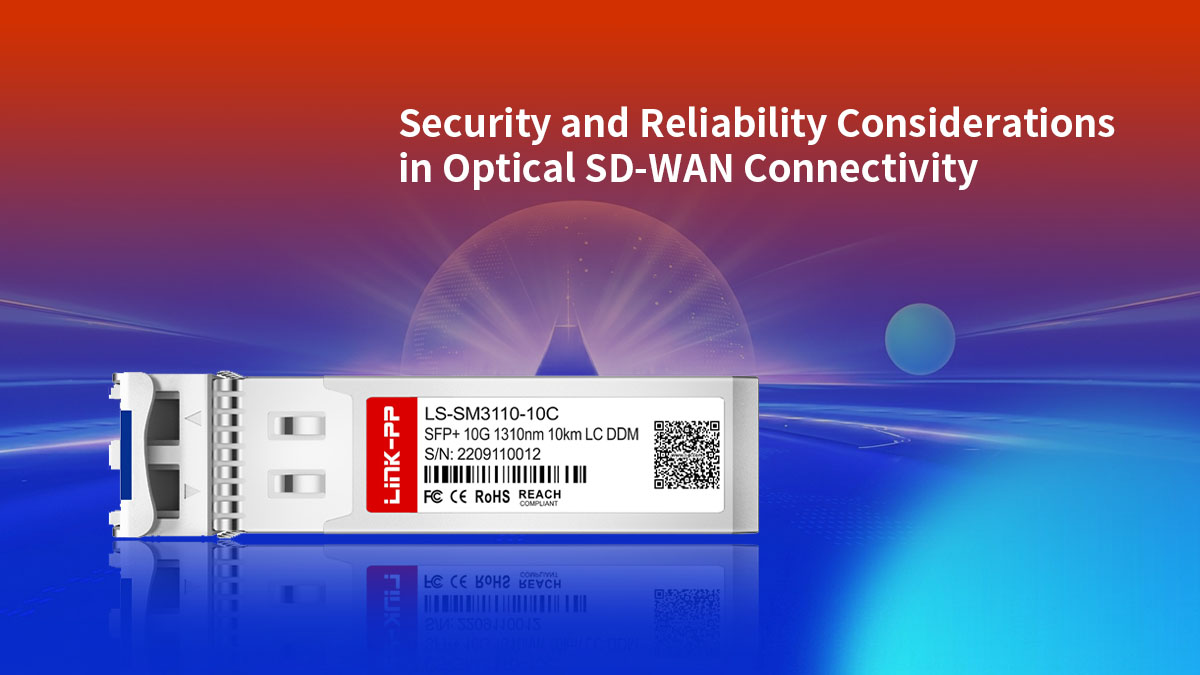
🔔 Security and Reliability Considerations in Optical SD-WAN Connectivity
VIP SFP+ 10GE LR plays an important role not only in performance delivery but also in ensuring secure and reliable SD-WAN operations. In Viptela architectures, the optical underlay must consistently support encrypted overlay tunnels, control plane stability, and application-aware routing without introducing physical-layer instability or failure risks.
Physical Layer Reliability Strategies
Reliability in SD-WAN begins at the physical layer, where VIP SFP+ 10GE LR provides stable long-distance connectivity over single-mode fiber. A well-designed optical layer reduces the probability of service disruption and supports continuous SD-WAN operation.
Key reliability strategies include:
- Designing redundant fiber paths between critical network nodes
- Using high-quality single-mode fiber to minimize long-term signal degradation
- Ensuring proper environmental protection for fiber routes in exposed areas
- Implementing scheduled inspection and maintenance for optical links
These measures help reduce unplanned downtime and ensure that SD-WAN overlay tunnels remain consistently available even under hardware or path failure conditions.
Supporting Secure SD-WAN Operations
In Viptela SD-WAN, security is primarily handled at the overlay layer through encryption and policy enforcement. However, the stability of these secure tunnels depends heavily on the underlying optical transport provided by VIP SFP+ 10GE LR links.
The relationship between optical transport and security includes:
- Stable underlay links reduce rekeying and tunnel re-establishment events
- Consistent latency supports reliable encrypted traffic forwarding
- Lower packet loss improves integrity of secure application sessions
- Reduced jitter enhances performance of encrypted real-time services
While the optical module itself does not provide encryption, it ensures that the encrypted SD-WAN overlay operates over a predictable and resilient physical foundation.
Monitoring and Predictive Maintenance
Proactive monitoring is essential for maintaining both reliability and operational visibility in optical SD-WAN environments. VIP SFP+ 10GE LR modules typically support diagnostic capabilities that help identify early signs of degradation.
Key monitoring and maintenance practices include:
- Tracking Digital Diagnostic Monitoring (DDM) values for power, temperature, and bias current
- Monitoring interface error counters for early detection of signal degradation
- Analyzing long-term trends in optical performance metrics
- Integrating telemetry into centralized SD-WAN monitoring systems
By leveraging predictive insights from optical diagnostics, network operators can address potential issues before they impact SD-WAN overlay performance, improving both uptime and service consistency.
🔔 Future Trends in 10G Optical Connectivity for SD-WAN
VIP SFP+ 10GE LR continues to play a stable role in current SD-WAN deployments, but its position is also evolving as enterprise networks transition toward higher bandwidth, more distributed architectures, and greater automation. In Viptela SD-WAN environments, 10G optical connectivity remains a critical baseline while preparing for future scalability requirements.
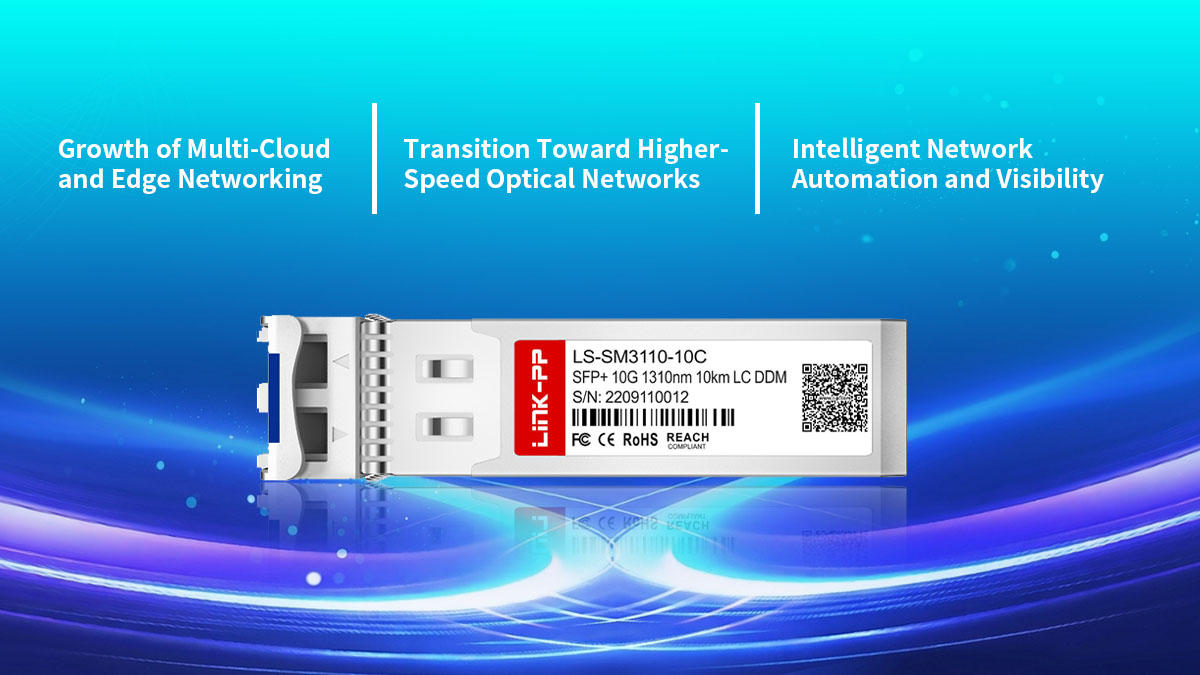
Growth of Multi-Cloud and Edge Networking
As enterprises expand across multiple cloud providers and edge locations, the demand for consistent high-speed transport between distributed sites continues to increase. VIP SFP+ 10GE LR supports this evolution by providing reliable long-distance connectivity that can interconnect regional hubs, data centers, and cloud on-ramps.
Key trends shaping this direction include:
- Increased reliance on hybrid and multi-cloud architectures
- Expansion of edge computing nodes closer to end users
- Higher east-west traffic between distributed application layers
- Growing need for predictable inter-site latency performance
These developments reinforce the importance of stable 10GbE optical links as a foundational transport layer for SD-WAN overlays.
Transition Toward Higher-Speed Optical Networks
While 10GBASE-LR remains widely deployed, enterprise networks are gradually moving toward higher-speed optical standards to support increasing application bandwidth demands. However, this transition is typically incremental rather than immediate, ensuring coexistence between generations.
Key aspects of this transition include:
- Gradual migration from 10G SFP+ to 25G SFP28 and 100G QSFP28 uplinks in core layers
- Continued use of 10G LR optics in branch and aggregation roles
- Coexistence of multiple optical speeds within hybrid SD-WAN architectures
- Long-term planning for scalable fiber infrastructure upgrades
This layered evolution allows organizations to extend the lifecycle of existing 10G deployments while preparing for future capacity expansion.
Intelligent Network Automation and Visibility
Future SD-WAN environments are increasingly driven by automation, telemetry, and predictive analytics. Optical transport, including VIP SFP+ 10GE LR, is becoming more tightly integrated into these intelligent management systems.
Emerging trends include:
- AI-assisted monitoring of optical link health and performance
- Automated detection of degradation in fiber or transceiver conditions
- Integration of optical telemetry into SD-WAN analytics platforms
- Predictive maintenance based on historical DDM trends and anomalies
As visibility improves across both physical and overlay layers, network operators gain deeper insight into how optical performance impacts application behavior, enabling faster troubleshooting and more proactive infrastructure management.
🔔 Conclusion
VIP SFP+ 10GE LR remains a foundational optical component in Viptela SD-WAN environments, providing the long-distance, high-bandwidth connectivity required to sustain modern enterprise traffic demands. Across WAN Edge deployments, aggregation layers, and data center interconnects, its role is directly tied to the stability, performance, and scalability of the SD-WAN underlay and overlay architecture.
A clear understanding of VIP SFP+ 10GE LR highlights its importance beyond basic optical transmission. It functions as a critical enabler of consistent SD-WAN performance when properly deployed and managed.
Key points to summarize include:
- Provides stable 10Gbps long-distance connectivity over single-mode fiber
- Supports reliable Viptela SD-WAN control and data plane operations
- Enhances application performance through low-latency and low-loss transport
- Requires careful attention to fiber design, optical budget, and compatibility
These factors collectively determine how effectively SD-WAN policies and routing mechanisms perform in real-world enterprise environments.
As enterprise networks continue evolving toward multi-cloud, edge-centric, and highly automated architectures, 10G optical connectivity will remain a key part of the transitional infrastructure layer. While other high-speed transceivers will expand in core environments, VIP SFP+ 10GE LR will continue to serve critical roles in aggregation and access layers where reliability and distance coverage are essential.
For organizations planning SD-WAN deployments or optimizing existing infrastructures, selecting high-quality optical components is a strategic decision that directly impacts long-term network stability. The LINK-PP Official Store provides access to enterprise-grade optical transceivers designed for compatibility, performance consistency, and deployment reliability across diverse networking environments, supporting the operational needs of modern SD-WAN architectures.