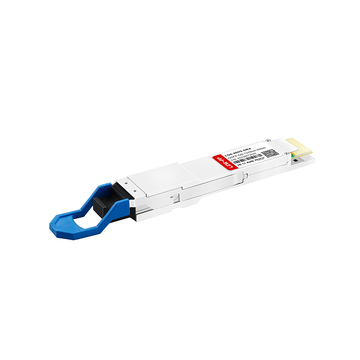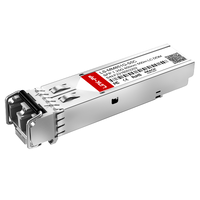


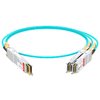
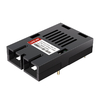
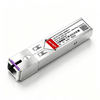
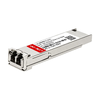
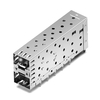
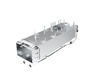
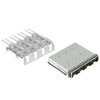

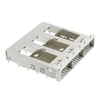





Ubiquiti UACC-OM-MM-1G-D is widely used in Gigabit multimode fiber networks, but many network operators actively look for compatible alternatives to improve cost efficiency, supply flexibility, and multi-vendor interoperability. Choosing the right alternative is not just about matching specifications, but also ensuring stable performance across real-world deployments.
In modern enterprise and SMB environments, optical transceivers are critical components that directly impact network reliability and scalability. As infrastructure expands, organizations often reassess original modules to balance procurement cost, availability risks, and long-term maintenance strategies. This makes alternative selection a practical and strategic decision rather than a simple replacement task.
This article provides a structured guide on how to evaluate and choose suitable alternatives for Ubiquiti UACC-OM-MM-1G-D. It focuses on technical compatibility, performance expectations, sourcing considerations, and deployment risks to help ensure stable and predictable network operations.
🧭 Understanding Ubiquiti UACC-OM-MM-1G-D Basics
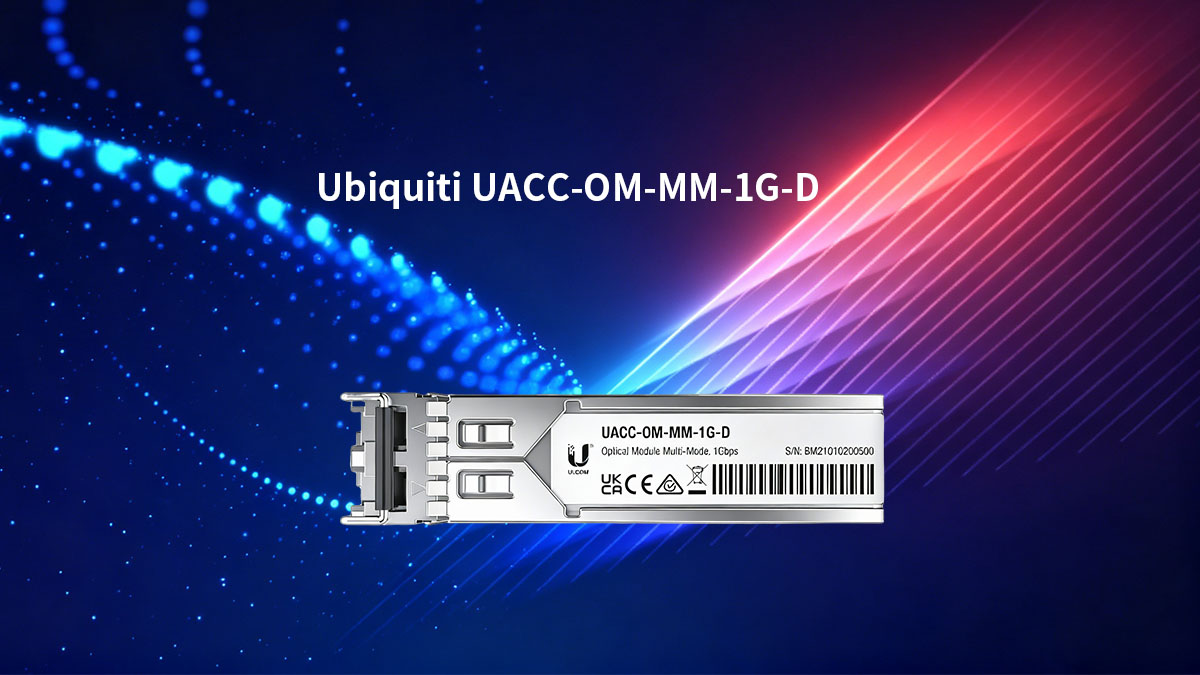
Ubiquiti UACC-OM-MM-1G-D is a 1Gbps multimode SFP transceiver used for short-distance fiber connections, mainly in enterprise and SMB networks. It is designed to provide stable Gigabit Ethernet performance over multimode fiber and is commonly deployed in access and campus networking environments.
What Is UACC-OM-MM-1G-D?
Ubiquiti UACC-OM-MM-1G-D is a standard 1Gbps fiber optic SFP module used for multimode fiber links in Ethernet networks. It is primarily designed for short-range connectivity between switches, routers, and other network devices.
This module is typically selected when:
- Gigabit optical connectivity is required
- Multimode fiber infrastructure is already in place
- Simple plug-and-play deployment is preferred
It plays a role in extending network connections beyond copper Ethernet limitations while maintaining stable signal performance over short distances.
Core Technical Specifications
The performance of UACC-OM-MM-1G-D is defined by a fixed set of optical and physical parameters that determine where and how it can be deployed. These specifications are essential when comparing it with alternative modules.
Key specifications include:
| Parameter | Specification | Function in Deployment |
|---|---|---|
| Data Rate | 1Gbps | Supports standard Gigabit Ethernet traffic |
| Wavelength | 850nm | Optimized for multimode fiber transmission |
| Fiber Type | Multimode (OM2/OM3/OM4) | Determines supported transmission medium |
| Transmission Distance | Up to ~550m (OM4) | Limits deployment range |
| Connector Type | LC Duplex | Standard fiber interface |
These parameters ensure compatibility with most short-range multimode fiber infrastructures but also define strict boundaries for substitution and alternative selection.
Common Deployment Environments
UACC-OM-MM-1G-D is mainly used in controlled network environments where short-range fiber links are required for stable and interference-free connectivity.
Typical deployment scenarios include:
- Enterprise access switching layers
- Campus network fiber interconnections
- IP surveillance and security systems
- Data center short-distance uplinks
In these environments, the module is preferred because it:
- Reduces reliance on copper cabling
- Minimizes electromagnetic interference risks
- Supports scalable fiber-based network expansion
Its usage is most effective in structured environments where fiber distances and infrastructure design are predictable and standardized.
🧭 Why Organizations Consider Alternatives
Organizations consider alternatives to Ubiquiti UACC-OM-MM-1G-D mainly to reduce procurement constraints, improve supply flexibility, and optimize network deployment costs. In many real-world networks, the original module may not always be the most practical long-term choice when scaling or standardizing multi-vendor infrastructure.
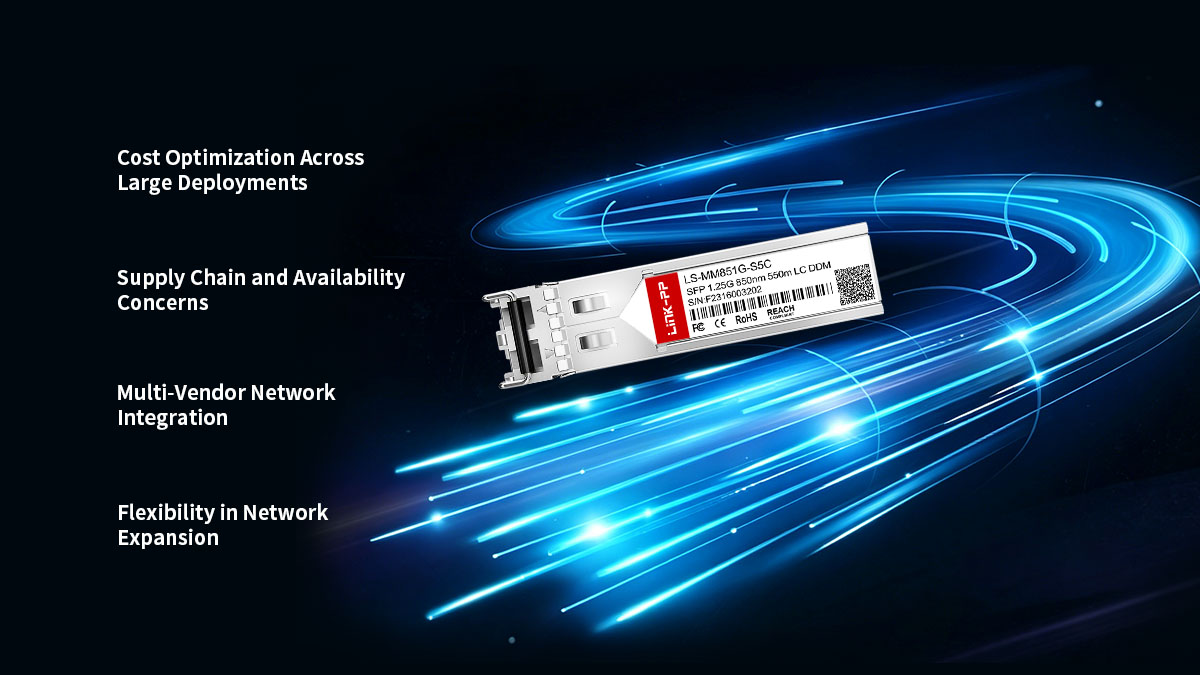
Cost Optimization Across Large Deployments
In large-scale networks, optical transceiver cost becomes a significant portion of the overall hardware budget. Even small per-unit differences can accumulate into substantial operational expenses when hundreds or thousands of links are deployed.
Common cost-driven considerations include:
- Reducing per-port optical module expenditure in bulk deployments
- Balancing budget between switching hardware and transceivers
- Improving ROI in campus, enterprise, or ISP environments
- Avoiding vendor premium pricing in closed ecosystems
Cost optimization does not only focus on initial purchase price but also on long-term replacement cycles and maintenance overhead. In scaled environments, alternative modules are often evaluated as a way to maintain performance while improving financial efficiency.
Supply Chain and Availability Concerns
Optical module availability can fluctuate due to manufacturing cycles, regional distribution limits, or product lifecycle changes. This makes supply continuity a key reason organizations evaluate alternatives.
Typical supply-related challenges include:
- Long lead times for original branded modules
- Regional stock shortages during high demand periods
- Discontinued or end-of-life product transitions
- Dependence on single-vendor inventory pipelines
To reduce operational risk, many organizations prefer having qualified alternative sources to ensure network expansion or maintenance is not delayed by procurement bottlenecks. This becomes especially important in time-sensitive deployments such as enterprise rollouts or infrastructure upgrades.
Multi-Vendor Network Integration
Modern networks are rarely built on a single vendor ecosystem. As infrastructure expands, interoperability between different hardware brands becomes a practical requirement, making alternative optical modules more relevant.
Key drivers include:
- Integration of switches from different manufacturers
- Standardization of fiber infrastructure across sites
- Avoiding vendor lock-in in optical components
- Simplifying cross-platform inventory management
Alternative modules allow network architects to maintain consistent optical performance while using a unified transceiver strategy across heterogeneous environments. This improves operational flexibility and simplifies long-term network planning.
Flexibility in Network Expansion
Network growth often requires rapid scalability, and reliance on a single optical module model can limit deployment speed. Alternatives provide more flexibility in procurement and design choices.
Benefits of increased flexibility include:
- Faster expansion of fiber links across sites
- Easier adaptation to new hardware platforms
- Reduced dependency on specific product availability cycles
- Simplified stock management for IT teams
By using validated alternatives, organizations can maintain deployment agility while ensuring that optical performance remains consistent across expanding network segments.
🧭 Key Factors When Choosing an Alternative
Choosing an alternative to Ubiquiti UACC-OM-MM-1G-D requires careful validation of compatibility, optical performance, and long-term operational stability. The goal is not only to match specifications but to ensure reliable behavior across different switches, firmware versions, and network conditions.

Compatibility Verification
A compatible optical module must first be verified against the target network devices to ensure it is properly recognized and operates without errors. Compatibility issues are one of the most common causes of deployment failures.
Key considerations include:
- Switch and router compatibility lists provided by vendors
- EEPROM coding alignment with device expectations
- Firmware version sensitivity and recognition behavior
- Cross-brand interoperability testing results
Proper verification helps prevent issues such as “unsupported transceiver” warnings, link instability, or disabled ports. In practice, compatibility validation is the first and most critical step before large-scale deployment.
Optical Performance Standards
Beyond compatibility, alternative modules must maintain stable optical performance under continuous network load. Even small deviations in signal quality can affect long-term link reliability.
Important performance indicators include:
- Optical transmit (TX) and receive (RX) power balance
- Bit error rate (BER) stability under sustained traffic
- Signal integrity over supported distance ranges
- Temperature-related performance consistency
These parameters ensure that the alternative module behaves predictably under real network conditions, especially in high-density switching environments where optical stability is essential.
Fiber and Connector Compatibility
Alternative modules must align with the existing fiber infrastructure to avoid signal degradation or deployment limitations. Mismatched fiber types or connectors can lead to reduced performance or complete link failure.
Key compatibility points include:
- Support for OM2, OM3, or OM4 multimode fiber types
- LC duplex connector standard alignment
- Maximum distance capability based on fiber grade
- Insertion loss tolerance within acceptable range
Ensuring physical and optical alignment with existing cabling infrastructure is essential for maintaining stable Gigabit performance across all links.
Compliance and Industry Certifications
Reliable alternatives should follow recognized industry standards to ensure interoperability and safety in enterprise environments. Certification compliance is often a strong indicator of manufacturing quality.
Important compliance aspects include:
- IEEE 802.3 Gigabit Ethernet standards
- MSA (Multi-Source Agreement) compliance
- RoHS environmental compliance requirements
- Quality control and production testing standards
Modules that meet these standards are more likely to perform consistently across different hardware platforms and operating conditions.
Thermal and Environmental Reliability
Optical modules operate in dense and often thermally constrained environments, making environmental stability a key selection factor. Poor thermal design can lead to degraded performance or premature failure.
Critical environmental factors include:
- Operating temperature range under continuous load
- Heat dissipation efficiency in high-density switch cages
- Performance stability under variable ambient conditions
- Long-term durability in 24/7 operation scenarios
In real deployments, thermally stable modules reduce the risk of intermittent link failures and improve overall network reliability, especially in enterprise and data center environments.
🧭 How to Evaluate Third-Party Compatible Modules
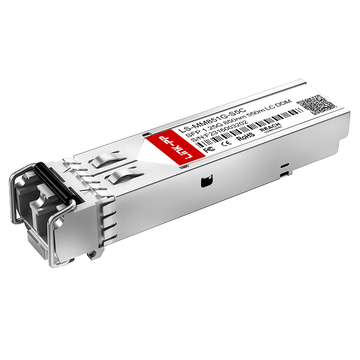
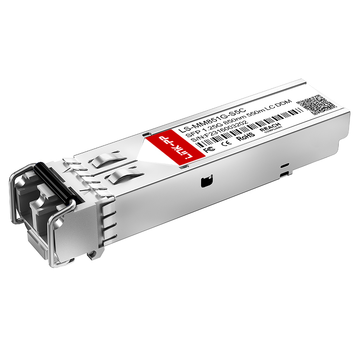
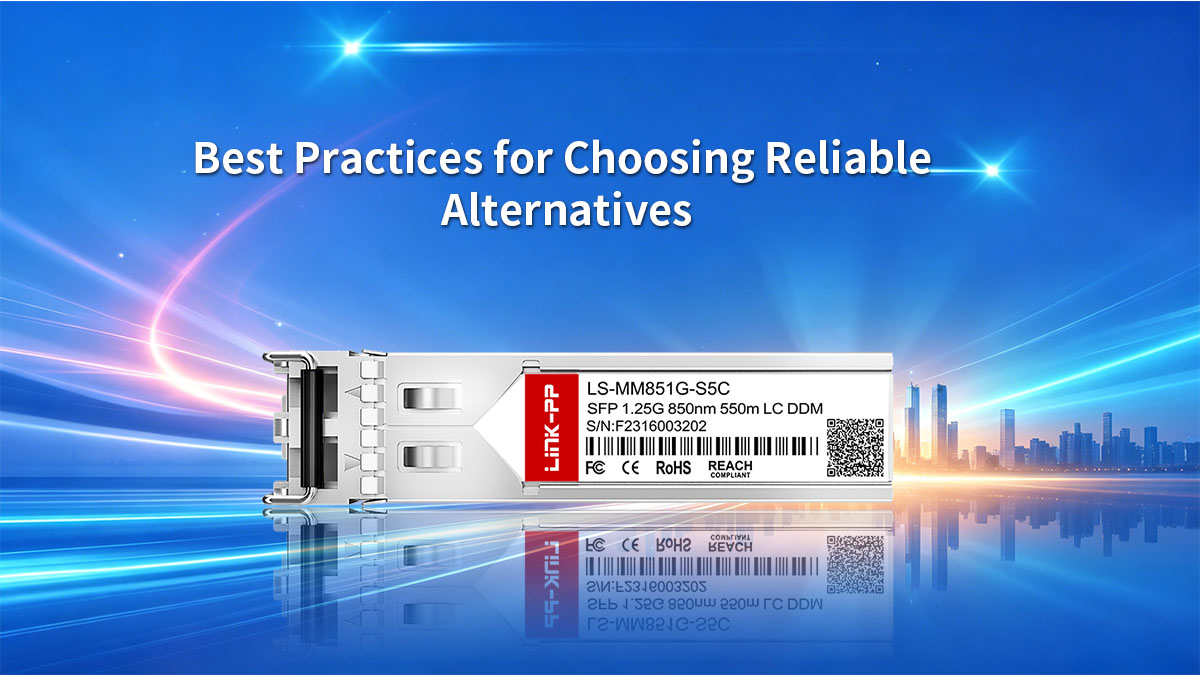
Third-party compatible modules (such as LINK-PP LS-MM851G-S5C) can be a practical alternative to Ubiquiti UACC-OM-MM-1G-D, but they must be evaluated carefully to ensure stable performance and long-term reliability. The evaluation process should focus on technical validation, manufacturing quality, and real-world deployment behavior.

Reviewing Compatibility Documentation
A reliable alternative must be backed by clear and verifiable compatibility documentation to ensure it will function correctly in the target network environment.
Before selection, it is important to verify:
- Official compatibility lists for specific switch models
- Supported firmware versions and hardware revisions
- EEPROM coding alignment with target platforms
- Documented interoperability test results
These documents help confirm whether the module can be recognized correctly by network devices and avoid common issues such as port disablement or “unsupported transceiver” alerts. In practice, strong documentation is often the first indicator of a mature and stable product.
Assessing Manufacturing Quality
The internal build quality of a third-party optical module directly affects signal stability, lifespan, and thermal behavior. Poor manufacturing control often leads to inconsistent network performance.
Key quality indicators include:
- Use of high-grade optical components (laser, receiver, chipset)
- Factory calibration and signal tuning processes
- Burn-in testing under load conditions
- Consistency across production batches
Well-manufactured modules tend to maintain stable optical output and lower failure rates, especially in environments with continuous traffic loads. Evaluating production standards is therefore essential before large-scale deployment.
Comparing Warranty and Technical Support
Support quality is a critical factor when selecting third-party alternatives, especially in enterprise environments where downtime can be costly.
Important support considerations include:
- Warranty duration and coverage scope
- Availability of replacement or RMA services
- Responsiveness of technical support teams
- Access to pre-sales compatibility assistance
Strong after-sales support reduces operational risk and ensures faster recovery in case of module failure or compatibility issues. This is particularly important for distributed network deployments.
Understanding Real-World Performance Validation
Lab specifications alone are not sufficient to confirm reliability; real-world performance testing is essential to validate long-term stability.
Effective validation practices include:
- Pilot deployment in a controlled network segment
- Continuous monitoring of link stability and error rates
- Stress testing under peak traffic conditions
- Cross-platform testing across different switch models
These tests help identify hidden issues such as intermittent link drops, thermal instability, or firmware-related incompatibilities. Only modules that perform consistently under real operational conditions should be considered for broader deployment.
🧭 Comparing Original vs Alternative Optical Modules
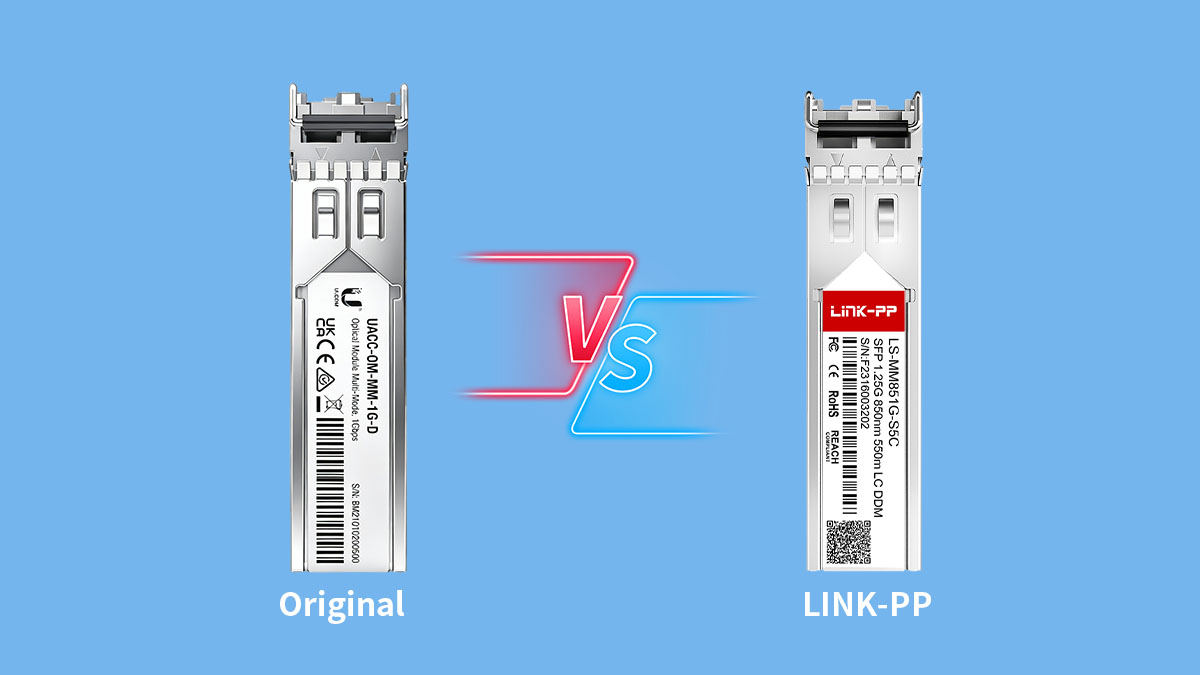
Selecting between original and third-party compatible optical modules for Ubiquiti UACC-OM-MM-1G-D is mainly about balancing performance consistency, cost efficiency, and deployment flexibility. Both options can perform well, but they differ in operational strategy and long-term scalability.
Performance Comparison
Original and alternative optical modules are both designed to meet Gigabit Ethernet requirements, but their consistency and tolerance under varied conditions can differ. The key focus is not peak performance, but stability over time.
Key performance differences include:
- Signal consistency under continuous traffic load
- Compatibility stability across firmware updates
- Thermal behavior in high-density switch environments
- Error rate variation under long-distance operation
Original modules typically offer predictable behavior within their native ecosystem, while well-tested alternatives can achieve comparable performance if properly validated. In real deployments, stability matters more than theoretical maximum specifications.
Cost-Efficiency Analysis
Cost structure is one of the most significant differences between original and alternative optical modules, especially in large-scale network deployments where hundreds of links may be involved.
Key cost-related considerations include:
- Lower per-unit cost in alternative modules
- Reduced total cost of ownership in bulk deployments
- Budget flexibility for scaling infrastructure
- Potential savings in long-term expansion projects
While original modules often carry a premium due to brand positioning, alternatives can provide substantial cost advantages without compromising essential Gigabit performance when properly selected and tested.
Deployment Flexibility
Deployment flexibility refers to how easily a module can be integrated into different network environments and hardware platforms. This is often a decisive factor in multi-vendor infrastructures.
Important flexibility factors include:
- Compatibility across multiple switch vendors
- Easier standardization in mixed hardware environments
- Simplified inventory management for IT teams
- Reduced dependency on a single supplier ecosystem
Alternative modules generally offer broader adaptability, making them more suitable for organizations with evolving or heterogeneous network architectures.
Potential Trade-Offs to Consider
Despite their advantages, alternative modules may introduce certain trade-offs that must be carefully evaluated before deployment.
Common considerations include:
- Possible firmware recognition inconsistencies on some devices
- Variation in quality between different manufacturers
- Differences in technical support responsiveness
- Risk of uneven performance across production batches
These trade-offs do not necessarily indicate poor quality but highlight the importance of proper supplier evaluation and pre-deployment testing. Organizations must ensure that selected alternatives meet both technical and operational requirements before large-scale rollout.
🧭 Common Risks When Selecting Alternatives
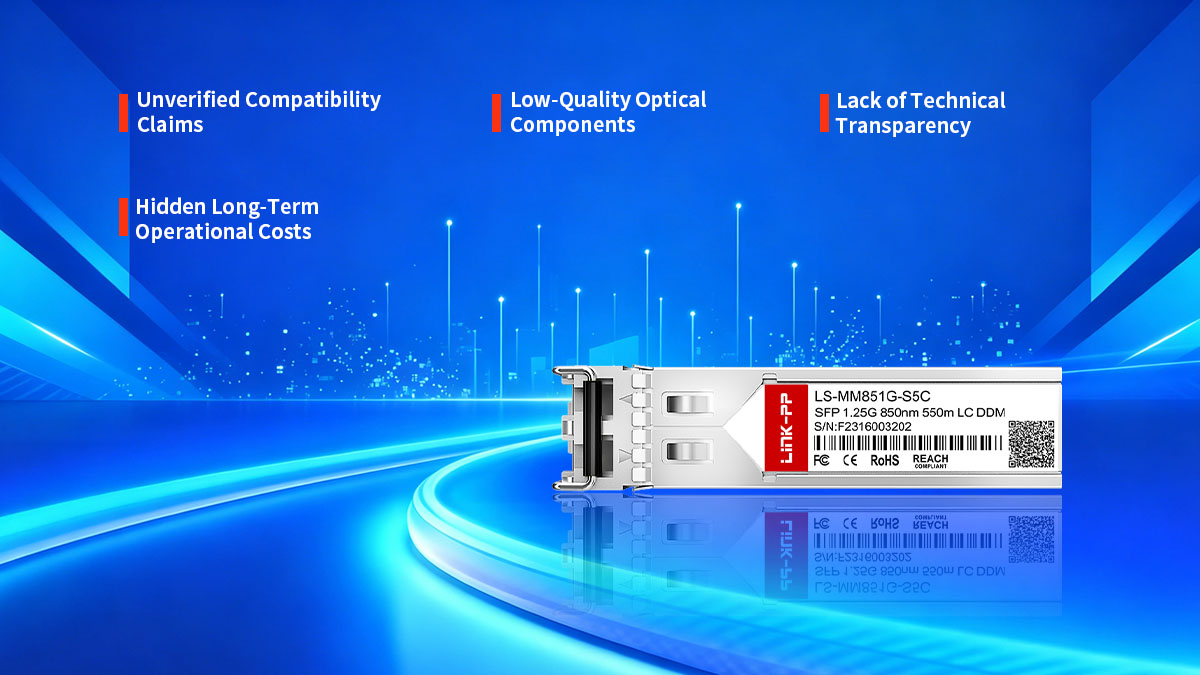
Selecting alternatives to Ubiquiti UACC-OM-MM-1G-D can introduce operational risks if compatibility, quality control, or vendor transparency is not properly evaluated. These risks mainly affect link stability, long-term maintenance cost, and deployment reliability.
Unverified Compatibility Claims
Compatibility claims without proper validation are one of the most frequent risks when choosing third-party optical modules. A module may appear technically compatible on paper but still fail in real device environments.
Key issues include:
- Inaccurate or incomplete compatibility lists
- EEPROM coding mismatches causing device rejection
- Firmware updates disabling previously working modules
- Hidden platform-specific limitations not disclosed by suppliers
These problems can result in link failures, port shutdowns, or unstable connections. In practice, unverified compatibility often leads to higher troubleshooting effort than expected savings.
Low-Quality Optical Components
The internal component quality of optical modules directly affects signal stability and service life. Lower-grade materials or insufficient testing can lead to performance degradation over time.
Common risks include:
- Weak or inconsistent laser output power
- Higher bit error rates under sustained traffic
- Shortened operational lifespan under continuous use
- Thermal instability in dense switch environments
Such issues may not appear during initial deployment but can surface under long-term load conditions, especially in enterprise or data center networks.
Lack of Technical Transparency
Limited or unclear technical documentation makes it difficult to properly evaluate whether an alternative module meets network requirements. This lack of transparency increases deployment uncertainty.
Typical concerns include:
- Missing optical test reports or certification data
- Undefined production testing standards
- Lack of detailed compatibility verification records
- Vague or incomplete specification sheets
Without transparent technical data, network engineers may face difficulties in predicting real-world performance, increasing the risk of unexpected failures.
Hidden Long-Term Operational Costs
While alternative modules may offer lower upfront costs, hidden operational expenses can accumulate over time if quality or compatibility is inconsistent.
Potential long-term cost drivers include:
- Increased maintenance and troubleshooting workload
- Higher replacement frequency due to premature failures
- Network downtime caused by unstable links
- Additional time spent on compatibility validation
These factors can reduce the initial cost advantage and impact overall network efficiency. Therefore, total lifecycle cost should always be considered, not just initial procurement price.
🧭 Best Practices for Choosing Reliable Alternatives
Selecting reliable alternatives to Ubiquiti UACC-OM-MM-1G-D requires a structured evaluation approach that prioritizes compatibility, stability, and long-term operational consistency. The goal is to minimize deployment risk while maintaining predictable network performance across different environments.
Prioritize Suppliers With Extensive Compatibility Testing
Reliable alternatives should come from suppliers that perform systematic compatibility validation across multiple platforms and firmware versions. This reduces the risk of unexpected recognition or performance issues.
Key indicators of strong compatibility practices include:
- Documented testing on multiple switch models and vendors
- Verified EEPROM coding alignment with target systems
- Cross-firmware validation across different software versions
- Proven deployment history in enterprise environments
A supplier with deep compatibility testing capability is more likely to deliver stable modules that function consistently in mixed network infrastructures.
Request Technical Documentation Before Deployment
Comprehensive technical documentation is essential for validating whether a module meets required optical and operational standards before deployment.
Important documentation should include:
- Optical power and signal test reports
- Temperature and stress testing results
- Compliance certifications (IEEE, MSA, RoHS)
- Detailed specification sheets with fiber and distance support
These documents help network engineers verify whether the module is suitable for the intended environment and reduce uncertainty during procurement decisions.
Conduct Pilot Testing Before Large Rollouts
Before deploying alternatives at scale, small-scale pilot testing is essential to validate real-world performance under actual network conditions.
Effective pilot testing practices include:
- Deploying modules in a controlled segment of the network
- Monitoring link stability under continuous traffic load
- Checking error rates and retransmission behavior
- Testing compatibility across different switch ports and firmware versions
Pilot testing helps identify hidden issues early, such as intermittent link drops or thermal sensitivity, before they impact broader infrastructure.
Standardize Optics Across Network Projects
Standardization of optical modules across the network simplifies management, reduces complexity, and improves operational efficiency over time.
Key benefits of standardization include:
- Easier inventory tracking and replacement processes
- Reduced troubleshooting complexity in mixed environments
- Consistent performance across all network segments
- Simplified procurement and lifecycle management
By adopting a standardized alternative strategy, organizations can maintain stable network behavior while improving scalability and reducing operational overhead.
🧭 Future Trends in 1G Optical Module Alternatives
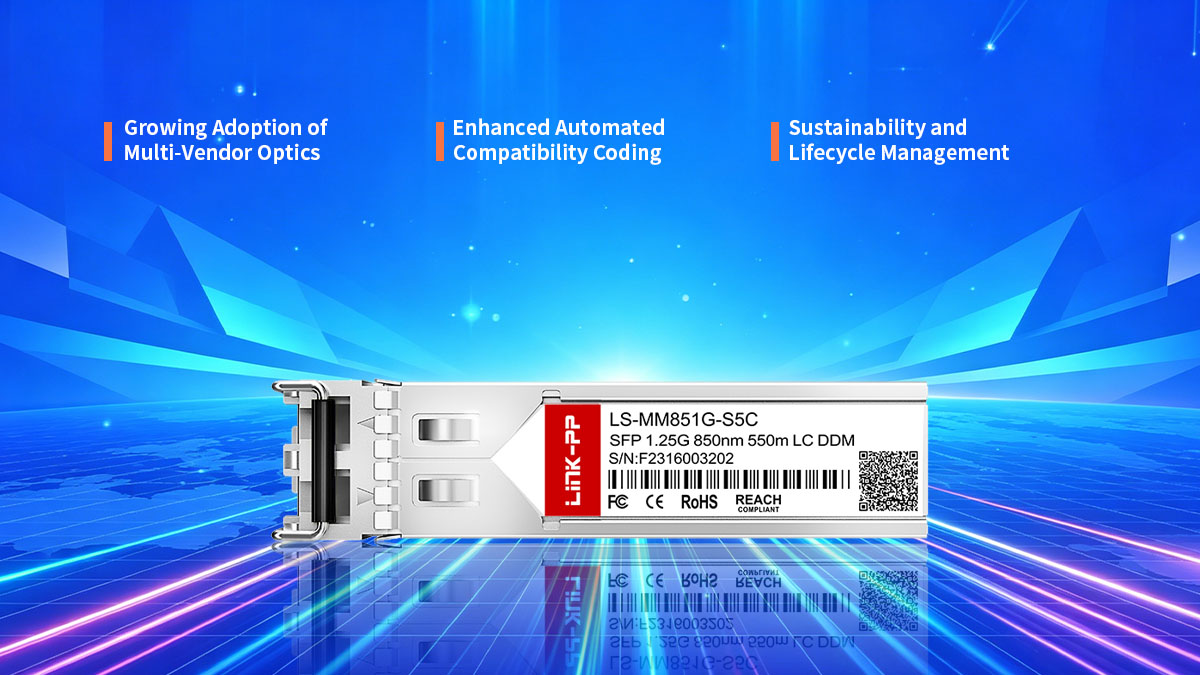
The market for 1G SFP optical module alternatives, including replacements for Ubiquiti UACC-OM-MM-1G-D, is gradually evolving toward higher interoperability, smarter compatibility systems, and more efficient lifecycle management. These trends are shaping how organizations plan procurement and manage long-term network infrastructure.
Growing Adoption of Multi-Vendor Optics
Network infrastructures are increasingly shifting toward multi-vendor environments, which is accelerating the adoption of compatible optical modules beyond original vendor ecosystems.
Key developments include:
- Wider acceptance of third-party transceivers in enterprise networks
- Standardization of SFP-based optical interfaces across vendors
- Increased focus on interoperability rather than brand dependency
- Expansion of certified compatibility ecosystems
This trend allows organizations to design more flexible networks, reducing reliance on single-source procurement and improving scalability across distributed environments.
Enhanced Automated Compatibility Coding
One of the most significant technical trends is the improvement of compatibility coding systems that allow optical modules to better adapt to different hardware platforms.
Key advancements include:
- Smarter EEPROM programming for multi-platform recognition
- Automated detection and adaptation to switch firmware
- Reduced dependency on manual configuration or coding tools
- Improved plug-and-play behavior across mixed environments
These enhancements simplify deployment processes and reduce the likelihood of compatibility-related failures, especially in large-scale or heterogeneous networks.
Sustainability and Lifecycle Management
Sustainability is becoming an increasingly important factor in optical module selection, influencing both procurement strategies and long-term infrastructure planning.
Key sustainability-driven trends include:
- Extended product lifecycle expectations to reduce electronic waste
- Increased use of refurbishment and reuse programs
- Focus on energy-efficient optical component design
- Optimization of supply chains to reduce environmental impact
These changes are encouraging organizations to consider not only performance and cost, but also environmental impact and lifecycle efficiency when selecting optical modules.
🧭 Conclusion
Selecting an alternative to Ubiquiti UACC-OM-MM-1G-D is ultimately about balancing compatibility, stability, and total deployment cost while maintaining reliable 1Gbps multimode fiber performance. In most real-world networks, well-validated compatible optical modules can provide equivalent functionality when properly matched with switch platforms, fiber infrastructure, and operational requirements.
To simplify decision-making when evaluating UACC-OM-MM-1G-D alternatives, focus on the most critical evaluation dimensions:
- Compatibility verification with target switches and firmware versions
- Optical performance stability under continuous network load
- Multimode fiber support aligned with OM2/OM3/OM4 infrastructure
- Manufacturing quality and consistency across production batches
- Total cost efficiency across scaling and long-term deployment
These factors collectively determine whether an alternative can operate reliably in enterprise, campus, or data center environments without introducing operational risk.
Choosing the right optical module is not just a hardware decision but part of long-term network planning. Organizations that adopt structured validation and standardized alternative strategies can significantly improve scalability and reduce procurement constraints.
For teams looking to streamline sourcing while maintaining deployment confidence, LINK-PP Official Store offers compatibility-focused optical transceiver solutions designed for stable performance in multi-vendor and enterprise-grade networks.