



































Modern enterprise and campus networks continue to rely on stable, cost-efficient optical connectivity, especially at the access and aggregation layers. While higher-speed technologies such as 10G SFP+ and 25G SFP28 are becoming more common, 1G fiber links remain widely deployed due to their balance of performance, affordability, and compatibility with existing infrastructure. In this context, small form-factor pluggable (SFP) transceivers play a critical role in enabling flexible and scalable network design.
Among these solutions, the Ubiquiti UF-MM-1G is a commonly used multimode fiber optic SFP module designed for short-range optical communication. It is frequently deployed in UniFi-based environments as well as mixed-vendor networks where reliable 1Gbps links are required. However, many users overlook the importance of fully understanding the datasheet details, which can directly impact compatibility, transmission performance, and long-term network stability.
This article provides in-depth analysis of the UF-MM-1G datasheet, covering its key specifications, compatibility considerations, real-world performance characteristics, and deployment best practices. By breaking down both technical parameters and practical use cases, the content aims to help network engineers and IT decision-makers make informed choices and optimize their 1G fiber deployments.
❄️ Overview of Ubiquiti UF-MM-1G
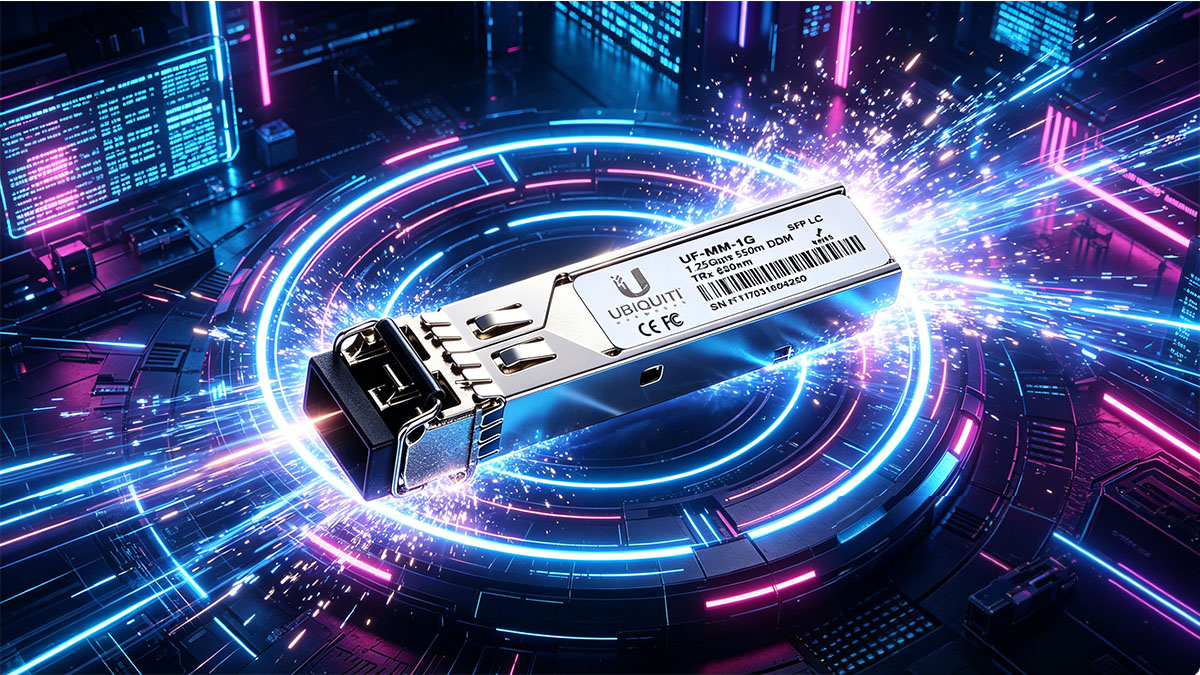
The Ubiquiti UF-MM-1G is a 1G multimode SFP transceiver designed for short-distance fiber connectivity, offering a balance of simplicity, compatibility, and stable performance in typical enterprise and campus environments. It is primarily used to establish reliable optical links over multimode fiber, especially in scenarios where distances are within a few hundred meters and cost efficiency is important.
Product Positioning and Use Cases
The UF-MM-1G is best suited for short-range optical communication over multimode fiber, making it a practical choice for access-layer and intra-building connections. It is commonly deployed in environments where fiber runs are relatively short but require consistent throughput and low latency.
Typical use cases include:
- Enterprise campus networks connecting wiring closets across floors or buildings
- SMB environments upgrading from copper to fiber for improved stability
- Data center short-reach interconnections between switches
- Surveillance and wireless backhaul links within limited distances
These scenarios share a common requirement: dependable 1Gbps performance without the complexity or cost associated with long-range single mode transceivers. The UF-MM-1G addresses this by focusing on efficient short-distance transmission.
In practical deployments, this module is often used to replace copper-based links when electromagnetic interference (EMI) or distance limitations become concerns. It also serves as a foundational component in hybrid networks where both fiber and copper coexist.
Key Features at a Glance
The UF-MM-1G provides a standard set of features expected from a modern 1G multimode fiber SFP module, with emphasis on interoperability and ease of use. These features directly support stable operation in a wide range of network devices.
| Parameter | Specification | Practical Impact |
|---|---|---|
| Data Rate | 1.25Gbps | Supports Gigabit Ethernet applications |
| Wavelength | 850nm | Optimized for multimode fiber |
| Connector Type | Duplex LC | Standardized and widely compatible |
| Max Distance | Up to 550m | Suitable for short-range deployments |
These specifications indicate that the UF-MM-1G is engineered for predictable and standardized performance rather than specialized or extended-range use cases. Its adherence to common optical standards ensures compatibility across a broad range of networking equipment.
Beyond these core parameters, the module also supports hot-pluggable operation, allowing installation or replacement without interrupting system power. This is particularly valuable in production environments where minimizing downtime is critical. Additionally, its compact SFP form factor enables high port density, making it suitable for modern switch designs that require efficient space utilization.
❄️ UF-MM-1G Datasheet Breakdown
The UF-MM-1G datasheet provides the essential technical parameters needed to evaluate compatibility, performance, and deployment suitability. By understanding its specifications in detail, users can determine whether this module meets the requirements of their specific network environment and avoid common mismatches in fiber type, distance, or device support.
Core Technical Specifications
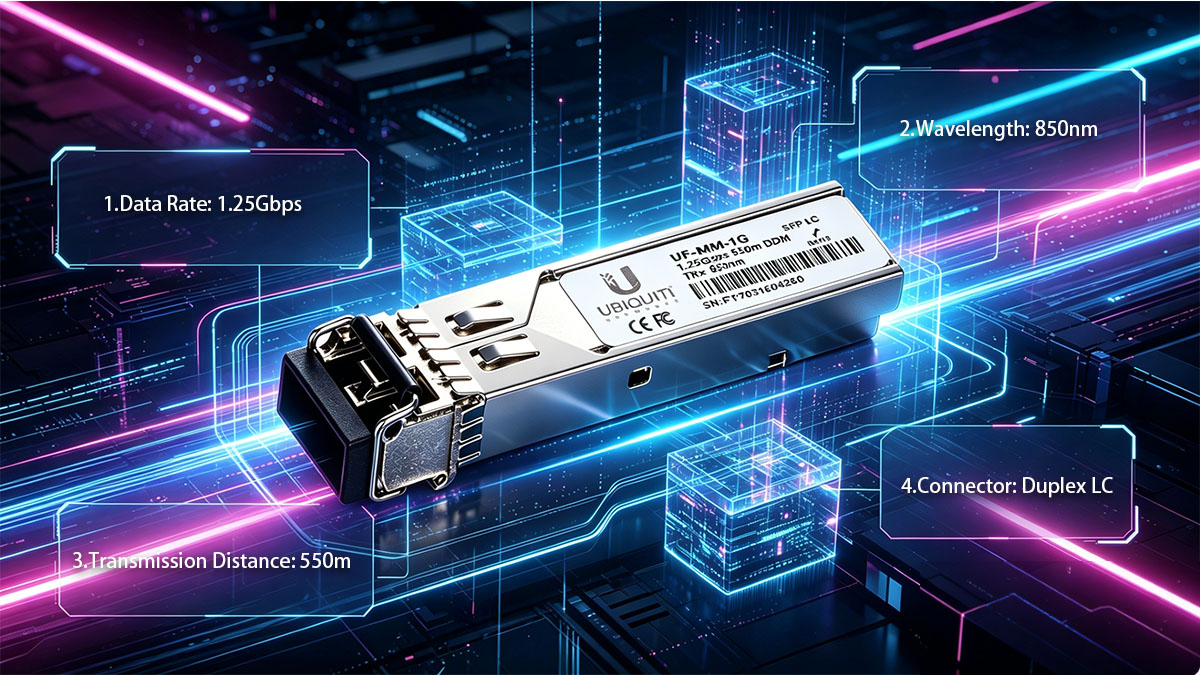
The UF-MM-1G is designed to meet standard Gigabit Ethernet optical requirements, with specifications optimized for short-range multimode transmission. Its core parameters define the fundamental operating boundaries of the module.
| Parameter | Value | Description |
|---|---|---|
| Data Rate | 1.25Gbps | Supports Gigabit Ethernet signaling |
| Wavelength | 850nm | Multimode optical transmission window |
| Max Distance | Up to 550m | Depends on OM2/OM3/OM4 fiber types |
| Connector | Duplex LC | Standard fiber interface |
These values confirm that the module is intended for short-distance links within buildings or campuses rather than long-haul transmission. The 850nm wavelength is specifically optimized for multimode fiber, enabling cost-effective deployments without the need for single-mode infrastructure.
In real-world usage, the maximum distance is influenced by fiber quality, patch panel losses, and environmental conditions. For example, OM3 and OM4 fibers typically achieve the full 550m range, while OM2 may result in shorter effective distances.
Optical and Electrical Parameters
Beyond basic specifications, the datasheet includes optical and electrical characteristics that directly affect signal quality and link reliability. These parameters are critical when troubleshooting or validating link performance.
| Parameter | Typical Range | Operational Impact |
|---|---|---|
| Transmit Power | -9.5 to -3dBm | Determines signal strength over fiber |
| Receiver Sensitivity | ≤ -17dBm | Defines minimum detectable signal level |
| Power Consumption | < 1W | Impacts switch thermal and energy profile |
These values illustrate the balance between transmit strength and receiver sensitivity required to maintain a stable optical link. If total link loss exceeds the allowable budget (derived from these values), connectivity issues may occur.
Additionally, the UF-MM-1G typically supports digital diagnostics monitoring (DDM), which enables real-time visibility into parameters such as:
- Optical transmit and receive power
- Module temperature
- Supply voltage
- Laser bias current
This diagnostic capability allows network operators to proactively detect degradation, such as fiber attenuation increases or connector contamination, before it leads to link failure.
Environmental and Physical Characteristics
The datasheet also defines the environmental tolerances and physical attributes of the module, which are essential for ensuring reliable operation across different deployment conditions.
| Parameter | Specification | Significance |
|---|---|---|
| Operating Temperature | 0°C to 70°C | Suitable for standard indoor environments |
| Storage Temperature | -40°C to 85°C | Safe handling and storage range |
| Form Factor | SFP (hot-pluggable) | Enables flexible installation |
These specifications indicate that the UF-MM-1G is intended for controlled indoor environments such as data centers, wiring closets, and office networks. It is not designed for harsh outdoor or industrial conditions without additional protection.
The hot-pluggable SFP design allows for easy insertion and removal without powering down the host device, which simplifies maintenance and scaling. Combined with its compact size, this makes it well-suited for high-density switch deployments.
❄️ Compatibility and Interoperability Considerations
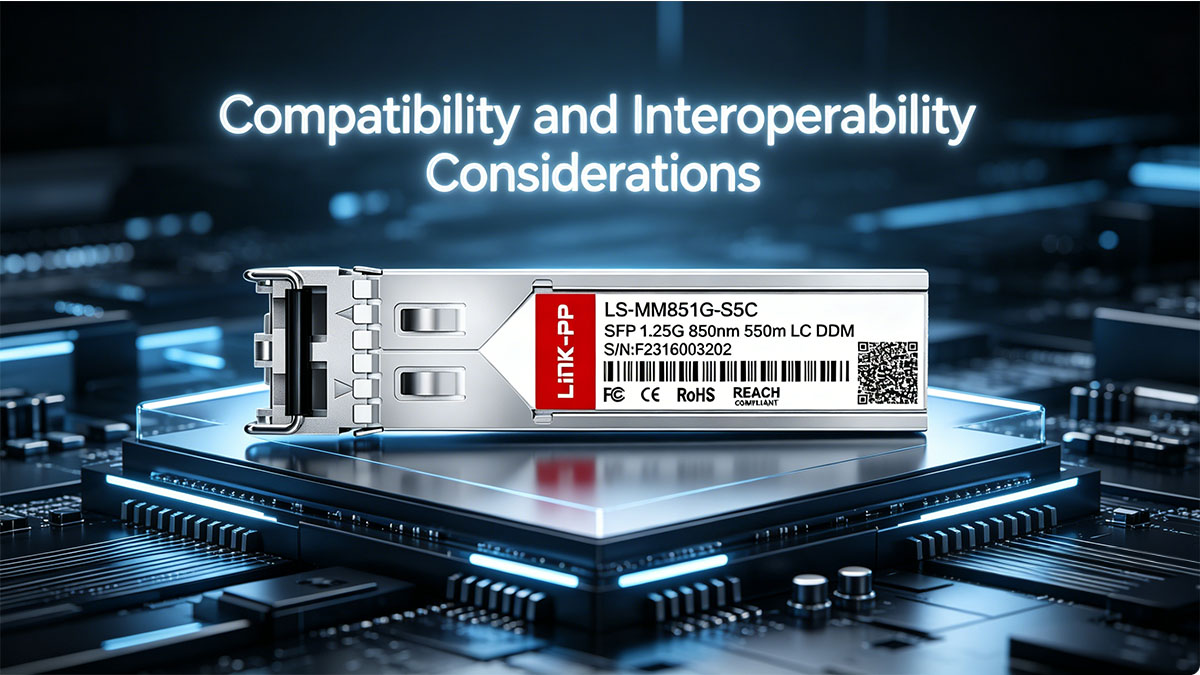
The UF-MM-1G is generally compatible with a wide range of networking devices, but successful deployment depends on matching device support, proper fiber selection, and awareness of vendor-specific restrictions. Understanding interoperability at both hardware and infrastructure levels helps prevent link failures and ensures stable long-term operation.
Supported Ubiquiti Devices
The UF-MM-1G is designed to work seamlessly within Ubiquiti’s ecosystem, offering plug-and-play functionality with minimal configuration required. In most cases, devices automatically recognize the module and establish a link without manual intervention.
Typical compatible device categories include:
- UniFi Switch series for enterprise and SMB deployments
- EdgeSwitch platforms used in ISP and advanced routing scenarios
- Ubiquiti routers and media converters with SFP ports
This native compatibility reduces the need for firmware adjustments or manual validation. As a result, deployment time is minimized, and operational risks are lower compared to mixed-vendor environments.
In addition, firmware updates within the Ubiquiti ecosystem are generally aligned with their transceiver modules, which further enhances long-term stability and predictable behavior.
Third-Party Compatibility
The UF-MM-1G can often operate in non-Ubiquiti devices, but compatibility is not always guaranteed due to vendor-specific coding and hardware validation mechanisms. Some manufacturers enforce strict transceiver checks, which may prevent unsupported modules from functioning.
Key considerations when using third-party hardware:
- Vendor lock-in policies may block unrecognized SFP modules
- Firmware versions can impact module detection and performance
- Re-coded or compatible optical transceivers may be required for certain brands
A simplified comparison highlights the differences between native and third-party environments:
| Scenario | Compatibility Level | Risk Factors |
|---|---|---|
| Ubiquiti to Ubiquiti | High | Minimal |
| Ubiquiti to open systems | Moderate | Firmware dependency |
| Ubiquiti to locked vendors | Low to variable | Module rejection or link failure |
In mixed environments, it is advisable to validate compatibility through testing or consult device documentation before large-scale deployment. This reduces the risk of unexpected downtime or performance inconsistencies.
Fiber Cable Pairing Requirements
Correct fiber pairing is essential for achieving the expected performance of the UF-MM-1G. Even when the transceiver itself is fully compatible, improper fiber selection can lead to degraded signal quality or complete link failure.
Key factors influencing fiber compatibility:
- Fiber type: OM2, OM3, or OM4 multimode fiber
- Core size and bandwidth capabilities
- Connector type (LC duplex required)
- Cable length relative to supported distance
The following table summarizes common multimode fiber characteristics:
| Fiber Type | Core Size | Typical Max Distance | Recommended Use Case |
|---|---|---|---|
| OM2 | 50/125µm | Up to ~300m | Legacy installations |
| OM3 | 50/125µm | Up to 550m | Standard enterprise networks |
| OM4 | 50/125µm | Up to 550m+ | High-performance environments |
Using OM3 or OM4 fiber is generally recommended to achieve optimal distance and signal quality. While OM2 may still function, it often introduces higher attenuation, reducing the effective link range.
Beyond fiber type, physical factors such as connector cleanliness, proper insertion, and avoiding excessive bending also play a critical role. Contaminated or damaged connectors can significantly increase insertion loss, leading to unstable links even when all other parameters appear correct.
❄️ Performance Characteristics in Real-World Deployments
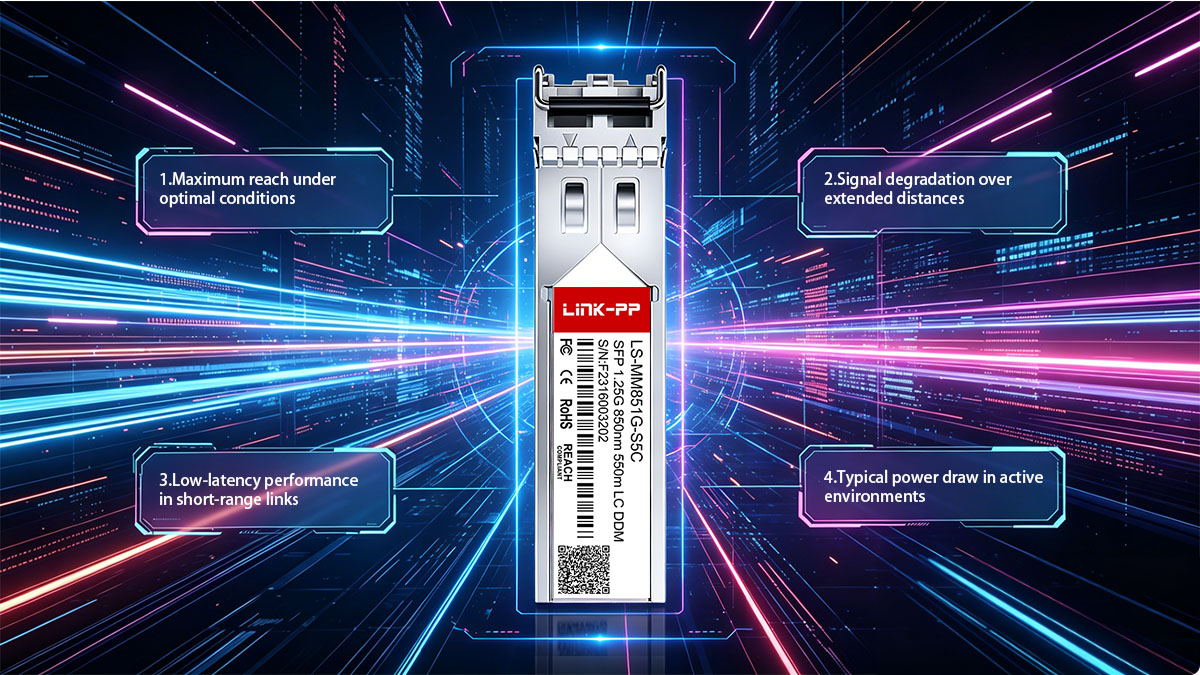
In real-world environments, the UF-MM-1G delivers stable 1Gbps performance for short-range links, but actual results depend on fiber quality, link design, and environmental conditions. While the datasheet defines theoretical limits, practical performance is influenced by multiple variables that must be considered during deployment and operation.
Distance vs Bandwidth Trade-offs
The UF-MM-1G is optimized for maintaining full Gigabit bandwidth over relatively short distances, but link quality gradually degrades as distance increases or infrastructure complexity grows. Understanding this relationship helps avoid overextending the module beyond its effective range.
| Fiber Type | Nominal Distance | Expected Performance Trend |
|---|---|---|
| OM2 | Up to ~300m | Stable at short range, degrades earlier |
| OM3 | Up to 550m | Consistent Gigabit throughput |
| OM4 | Up to 550m+ | Improved margin and signal stability |
These values assume ideal conditions with minimal insertion loss. In practice, factors such as patch panels, connectors, and splices introduce attenuation, reducing the usable distance.
When designing links close to the maximum supported range, it is important to account for:
- Additional loss from intermediate connections
- Variations in fiber quality across installations
- Aging infrastructure that may increase attenuation over time
A conservative design approach, such as operating below the maximum distance threshold, can significantly improve long-term reliability.
Latency and Signal Stability
The UF-MM-1G provides low-latency optical transmission suitable for most enterprise and campus applications. Because it operates over fiber rather than copper, it is less susceptible to electromagnetic interference, resulting in more stable signal behavior.
Key performance characteristics include:
- Near line-rate throughput with minimal transmission delay
- Low bit error rate (BER) under proper link conditions
- Consistent packet delivery across short-distance links
However, signal stability can be affected by several real-world factors:
- Dirty or misaligned connectors causing intermittent loss
- Excessive bending of fiber cables leading to signal attenuation
- Poor-quality patch cords introducing reflections or dispersion
In environments with frequent link fluctuations, these physical-layer issues are often the root cause rather than limitations of the transceiver itself.
Power Efficiency and Thermal Behavior
The UF-MM-1G is designed for low power consumption, making it suitable for high-density switch deployments where multiple transceivers operate simultaneously. Efficient power usage contributes to both reduced operational costs and improved thermal management.
| Parameter | Typical Value | Operational Impact |
|---|---|---|
| Power Consumption | < 1W | Minimal energy footprint |
| Heat Generation | Low | Suitable for dense port environments |
| Cooling Requirement | Passive | No additional cooling needed |
These characteristics allow the module to function reliably in standard networking equipment without requiring specialized cooling solutions. However, in high-density environments such as data centers, cumulative heat from multiple optical modules can still impact overall system temperature.
To maintain optimal performance, consider the following practices:
- Ensure adequate airflow within switch enclosures
- Avoid overloading adjacent ports with high-power modules
- Monitor module temperature via DDM when available
Thermal stability is particularly important for maintaining consistent optical output and receiver sensitivity. Elevated temperatures over extended periods may gradually affect module performance, especially in poorly ventilated environments.
❄️ Deployment Best Practices for UF-MM-1G
Proper deployment of the UF-MM-1G is essential to ensure reliable 1Gbps optical links and minimize troubleshooting in both enterprise and SMB environments. Following best practices during installation, network design, and maintenance helps maintain performance and extends module longevity.
Installation Guidelines
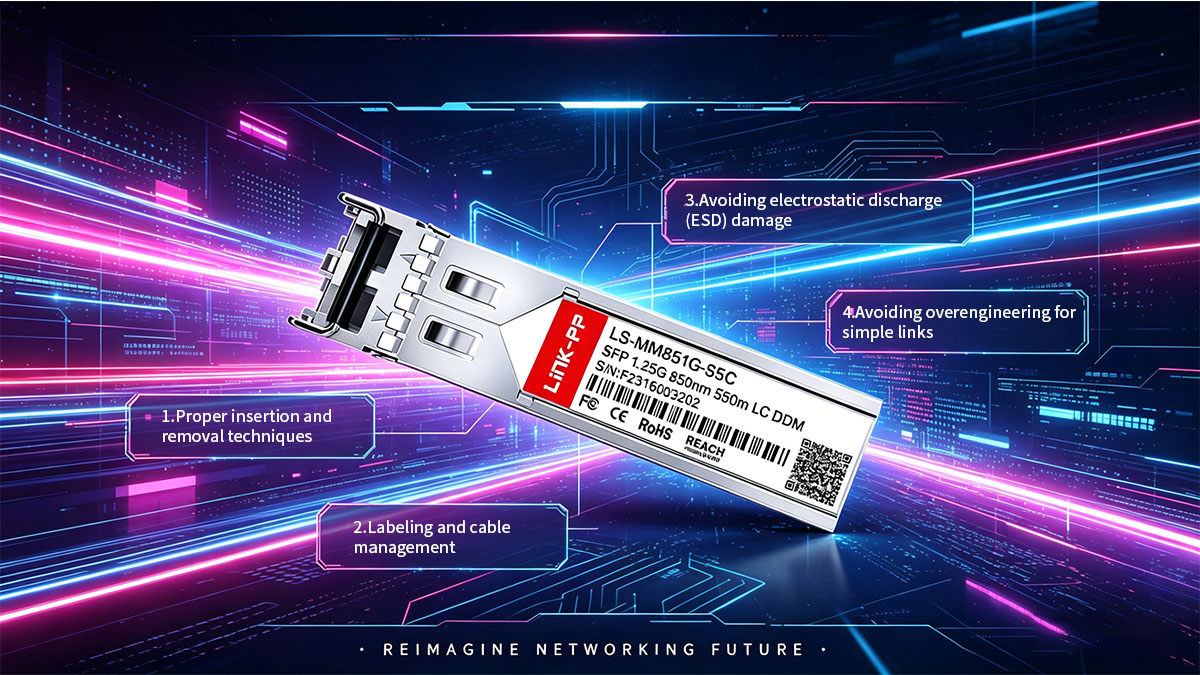
The UF-MM-1G is hot-pluggable, but correct handling is crucial to prevent damage and ensure consistent link operation.
Key installation considerations include:
- Insert and remove the module carefully to avoid damaging the SFP cage or the transceiver itself
- Avoid touching optical interfaces with bare hands; clean connectors before installation to prevent contamination
- Ensure the module clicks securely into place, confirming a proper connection
- Protect the module from electrostatic discharge (ESD) during handling by using grounding precautions
Proper handling reduces the risk of mechanical damage and optical signal loss caused by dust or scratches, which are common sources of link degradation.
Network Design Recommendations
Efficient network design maximizes the performance potential of the UF-MM-1G while keeping deployment costs reasonable.
Consider the following design principles:
- Plan fiber runs within the supported distance for the specific fiber type (OM2, OM3, or OM4)
- Minimize intermediate connections such as patch panels or splices that add insertion loss
- Include redundancy where feasible to prevent single-point failures in critical links
- Avoid over-provisioning; 1Gbps links are typically sufficient for access-layer connections, while higher-speed uplinks handle aggregation
By aligning network design with the module’s specifications, operators can prevent overextension, ensure predictable throughput, and maintain low latency.
Monitoring and Maintenance
Ongoing monitoring and maintenance help preserve optimal module performance over time. Leveraging available diagnostics and routine care reduces unexpected downtime.
Best practices include:
- Utilize Digital Diagnostics Monitoring (DDM) to track transmit and receive power, temperature, and voltage
- Inspect and clean fiber connectors periodically to prevent dust accumulation
- Replace aging or damaged modules and patch cords promptly to maintain link integrity
- Document deployment locations, fiber types, and distances for future troubleshooting and upgrades
Routine monitoring allows network engineers to detect early signs of degradation, such as increased optical loss or temperature fluctuations, and take corrective action before they impact network performance.
❄️ Common Issues and Troubleshooting
Even with standardized modules like the UF-MM-1G, network engineers may encounter operational challenges during deployment or ongoing use. Understanding common issues and their root causes enables faster diagnosis and resolution, ensuring consistent 1Gbps connectivity.

Link Failure and Connectivity Problems
Link failures are among the most common issues with SFP modules and typically stem from physical layer incompatibilities or improper installation.
Primary causes include:
- Incompatible transceivers or vendor lock-in restrictions
- Dirty or damaged LC connectors
- Mismatched fiber types or exceeding maximum supported distance
- Poor insertion or loose seating of the SFP module
Troubleshooting steps generally involve:
- Verify that the UF-MM-1G is supported by the connected device and recognized by its firmware
- Inspect and clean all fiber connectors using approved cleaning tools
- Confirm fiber type matches module specifications (OM2/OM3/OM4)
- Ensure the module is fully seated in the SFP cage and the link status LED is active
Following these steps often resolves connectivity problems without further intervention.
Performance Degradation
Even when a link establishes successfully, degraded performance can occur over time due to optical loss or environmental factors.
Common indicators include:
- Intermittent packet drops or increased latency
- Reduced throughput compared to expected 1Gbps performance
- Fluctuating optical power readings via DDM
Typical causes involve:
- Excessive insertion loss from multiple patch panels or splices
- Fiber bends exceeding the minimum bend radius
- Aging cables with higher attenuation
- Accumulation of dust or debris on connectors
Corrective actions usually include cleaning or replacing affected fiber segments, checking for sharp bends, and verifying link budgets against module specifications.
Compatibility Errors
Compatibility errors can occur in mixed-vendor networks, particularly when connecting UF-MM-1G modules to non-Ubiquiti devices. These issues often appear as unrecognized SFPs or inactive ports.
Key considerations:
- Some switches reject unrecognized third-party transceivers due to firmware restrictions
- Firmware mismatches may prevent proper detection or link establishment
- Re-coding or using vendor-certified modules may be required in strict environments
Mitigation strategies involve pre-testing modules in the intended hardware, ensuring firmware is up to date, and documenting compatibility limitations to prevent deployment surprises.
By proactively addressing these common issues through proper installation, fiber management, and compatibility validation, network operators can maintain stable performance and reduce downtime, ensuring that UF-MM-1G modules deliver reliable 1Gbps connectivity across short-range multimode fiber links.
❄️ UF-MM-1G vs Alternative 1G SFP Modules
When planning a 1G optical network, it is useful to compare the UF-MM-1G with other 1G SFP modules to understand performance trade-offs, compatibility differences, and deployment suitability. While UF-MM-1G is optimized for Ubiquiti environments, other modules may offer extended reach, different fiber type support, or cost advantages.
Comparison with LX (Single-Mode) Modules
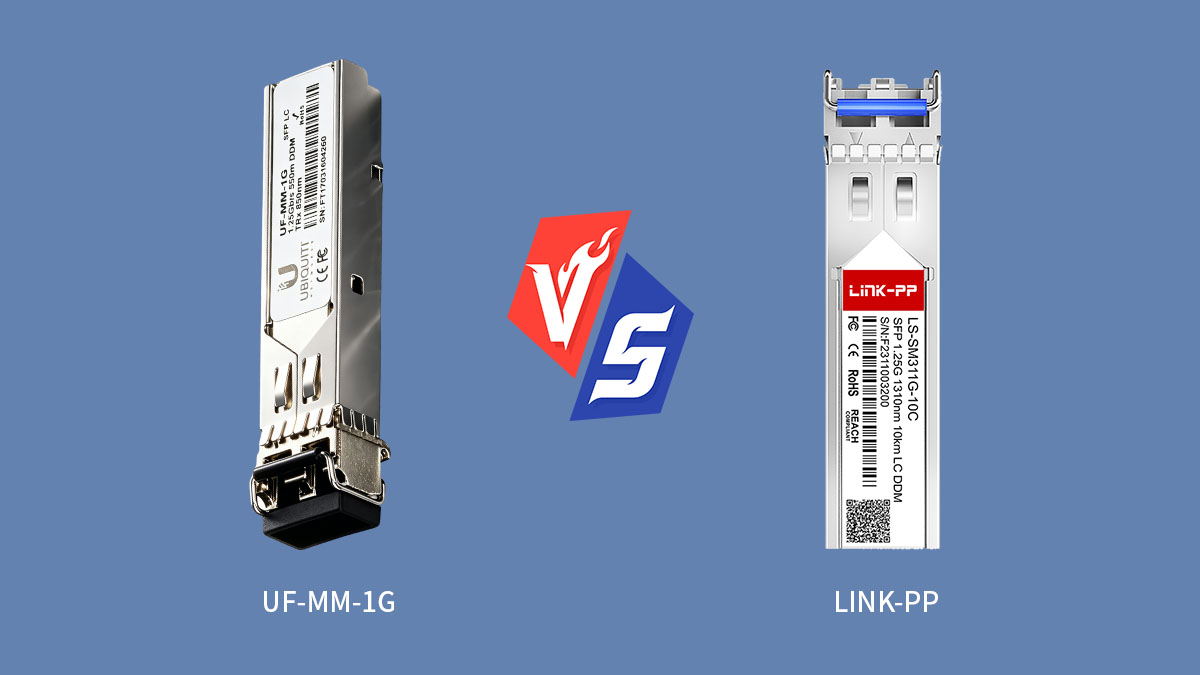
UF-MM-1G uses multimode fiber and is limited to short-range links, whereas LX single-mode SFPs are designed for longer distances, often exceeding several kilometers. The choice depends on network requirements rather than outright superiority.
Key differences include:
- Fiber Type: UF-MM-1G requires multimode fiber (OM2/OM3/OM4), LX modules use single-mode fiber (SMF)
- Maximum Distance: UF-MM-1G up to 550m, LX modules can reach 10km or more
- Cost: Multimode SFPs like UF-MM-1G are generally lower in price for short-range links
- Use Case: UF-MM-1G is ideal for intra-building connections; LX modules suit campus or inter-building links
This comparison highlights that multimode and single-mode SFPs are complementary rather than interchangeable. Deploying the correct module according to distance and fiber type is crucial for reliable operation.
OEM vs Third-Party Modules
Organizations often evaluate OEM modules versus third-party alternatives (like LINK-PP). The UF-MM-1G, as an OEM Ubiquiti module, guarantees full compatibility with Ubiquiti switches, whereas third-party modules may offer cost savings but carry certain risks.
| Feature | UF-MM-1G (OEM) | Third-Party Module |
|---|---|---|
| Compatibility | Guaranteed with Ubiquiti | Variable, may require testing |
| Price | Moderate | Often lower |
| Warranty / Support | Official Ubiquiti support | Vendor-dependent |
| Risk of Link Failure | Minimal | Higher if firmware mismatch |
Using OEM modules ensures predictable performance and simplifies troubleshooting. Third-party alternatives can work effectively in many environments but require validation, especially in locked or firmware-sensitive devices.
When to Choose UF-MM-1G
UF-MM-1G is particularly advantageous when:
- Short-distance multimode links are needed within Ubiquiti or mixed networks
- Reliability and predictable performance outweigh minimal cost savings
- Hot-swappable and standardized deployment is preferred for rapid installation
- Integration with existing Ubiquiti monitoring and DDM features is desired
In summary, UF-MM-1G provides a reliable solution for typical short-range 1G applications, whereas alternatives should be selected based on distance, fiber type, vendor compatibility, and operational priorities. Understanding these distinctions ensures that the deployed modules match the network’s performance and reliability requirements.
❄️ Future Trends in 1G Optical Connectivity
Although higher-speed technologies such as 10G, 25G, and beyond are increasingly prevalent, 1G optical links continue to play a critical role in many networks. Understanding future trends helps IT planners optimize current deployments while preparing for gradual network evolution.
Continued Relevance of 1G in Modern Networks
1G connectivity remains widely used in access-layer and edge deployments where bandwidth requirements are moderate. Many legacy networks still rely on 1G links due to their reliability, cost-effectiveness, and compatibility with existing fiber infrastructure.
Key points supporting its continued relevance:
- Many campus and office buildings are designed with multimode fiber supporting 1G links
- 1G transceivers like UF-MM-1G offer predictable latency and low operational complexity
- Migration to higher speeds often occurs in uplinks or aggregation layers rather than replacing all access-layer links
By maintaining these links strategically, organizations can maximize the value of existing cabling while meeting operational needs.
Transition Toward Higher Speeds
While 1G links remain important, network evolution trends toward 10G/25G and beyond are clear, especially in data centers and high-bandwidth environments. The transition involves integrating 1G links with faster uplinks or hybrid network architectures.
Considerations for future-proofing include:
- Designing networks to accommodate both 1G access and higher-speed aggregation
- Ensuring fiber quality and connector standards support potential upgrades
- Maintaining modularity so 1G modules can coexist with 10G/25G SFP+ or QSFP links
This gradual approach allows networks to evolve without disruptive overhauls, preserving investments in existing fiber infrastructure.
Sustainability and Cost Optimization
Sustainable network design is an emerging trend, with energy efficiency and fiber utilization becoming more important. 1G multimode transceivers like UF-MM-1G contribute to this trend by offering low power consumption and compatibility with existing fiber, reducing waste and deployment costs.
Key aspects include:
- Minimizing energy usage in high-density deployments
- Extending the lifecycle of existing multimode fiber installations
- Reducing the need for large-scale rewiring during incremental upgrades
By considering these factors, organizations can maintain 1G connectivity where it is sufficient, while gradually adopting higher-speed technologies as needed.
Overall, the future of 1G optical connectivity is one of coexistence, integration, and optimization. Modules like the UF-MM-1G continue to provide value in access-layer networks, and understanding these trends enables network planners to balance performance, cost, and sustainability effectively.
❄️ Conclusion
The Ubiquiti UF-MM-1G remains a practical and reliable choice for short-range 1G multimode fiber links. Its standardized specifications, seamless integration with Ubiquiti devices, and support for digital diagnostics make it well-suited for enterprise, SMB, and campus environments where predictable performance and ease of deployment are essential. By understanding its datasheet, compatibility requirements, performance characteristics, and best practices, network operators can design and maintain efficient, stable 1Gbps optical connections.
For those looking to streamline their network deployments and ensure compatibility with existing Ubiquiti infrastructure, the UF-MM-1G offers a proven solution. Explore the full specifications and availability at the LINK-PP Official Store to optimize your fiber network deployments.







