Modern networks are increasingly pressured to deliver higher bandwidth while keeping fiber infrastructure costs manageable. Organizations face challenges such as limited fiber availability, growing data traffic, and the need for efficient point-to-point connections. In this context, maximizing the utilization of existing optical fiber is critical for both enterprise and metro networks.
Single-fiber bidirectional (BiDi) optics, such as the Cisco GLC-BX-D optical transceiver, address these challenges by enabling simultaneous upstream and downstream transmission over a single fiber strand. Using distinct wavelengths—1490nm for transmit and 1310nm for receive—these transceiver modules leverage wavelength division multiplexing (WDM) to simplify network design, reduce cabling complexity, and minimize deployment costs.
This article provides a detailed exploration of the 1490nm/1310nm WDM principles that underpin the Cisco GLC-BX-D. It covers the module's key specifications, compatibility considerations, working mechanisms, deployment best practices, and troubleshooting insights. you will gain a clear understanding of how to implement BiDi optics effectively and optimize single-fiber network links for performance and reliability.
? Overview of Cisco GLC-BX-D Optical Transceiver
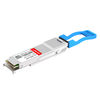
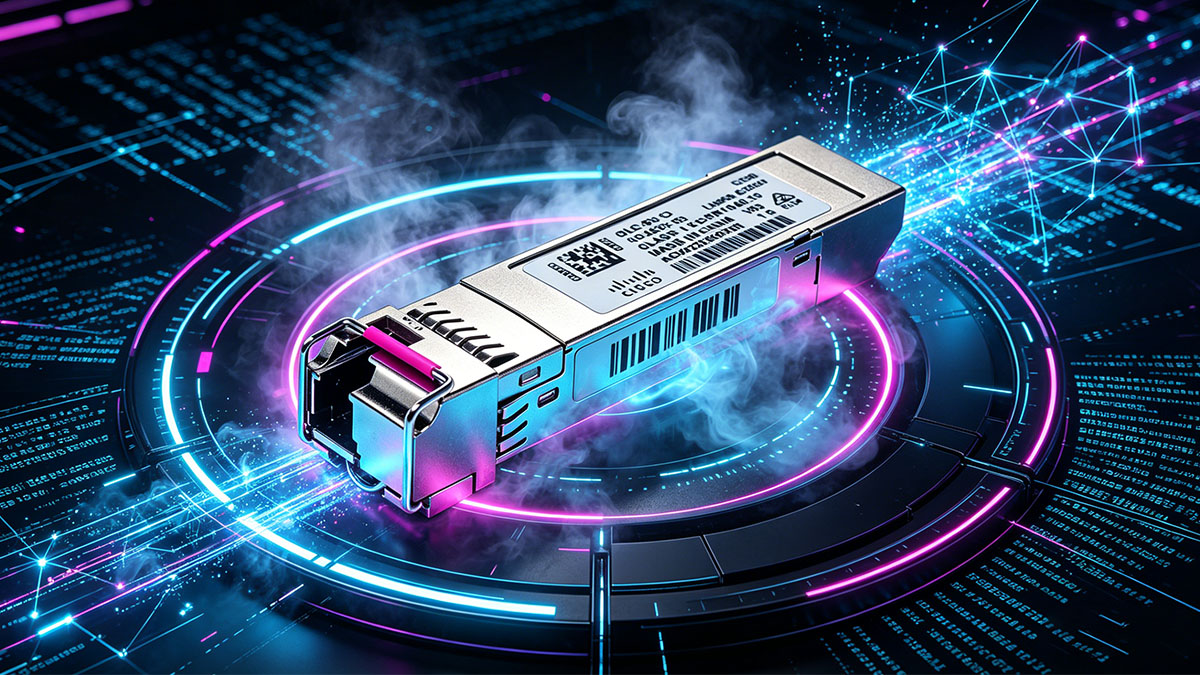
The Cisco GLC-BX-D SFP transceiver is designed to provide efficient single-fiber bidirectional transmission while ensuring reliable network performance. It is widely used in environments where fiber resources are limited, and high-performance connectivity is required.
Key Specifications and Features
The GLC-BX-D offers a compact and efficient optical solution for single-mode fiber links. Its primary characteristics include support for 1Gbps transmission over distances up to 10 kilometers and a small form-factor LC connector. The module also supports Digital Optical Monitoring (DOM), which allows administrators to monitor real-time performance metrics such as transmit/receive power and temperature.
The following table summarizes the core specifications of the GLC-BX-D:
| Specification |
Details |
| Transmission Type |
Single-fiber bidirectional (BiDi) |
| Wavelength |
1490nm transmit / 1310nm receive |
| Data Rate |
1 Gbps |
| Maximum Distance |
10 km over single-mode fiber (SMF) |
| Connector Type |
LC simplex |
| Monitoring |
DOM/DDM support |
These features make the GLC-BX-D a practical choice for networks that need to optimize fiber usage without compromising reliability.
Typical Use Cases
The GLC-BX-D is best suited for scenarios where fiber availability is limited or network expansion is required without extensive cabling. Common deployment scenarios include:
- Campus network connections between buildings
- Metro access networks linking central offices to customer premises
- Fiber-constrained environments where adding additional strands is cost-prohibitive
Using GLC-BX-D SFP modules in these contexts allows organizations to reduce infrastructure complexity while maintaining full-duplex communication over a single fiber.
Compatibility Considerations
Proper module pairing is crucial to ensure seamless operation. The GLC-BX-D is designed to operate in tandem with the GLC-BX-U module, which complements the BiDi link by transmitting at 1310nm and receiving at 1490nm. Other considerations include:
- Ensuring compatibility with Cisco switches and routers supporting DOM/DDM
- Verifying that third-party optical modules meet standard specifications to avoid link instability
- Accounting for fiber type and quality to maintain the desired transmission distance and signal integrity
By carefully considering these compatibility factors, network engineers can prevent common link issues and maintain consistent performance.
? Fundamentals of WDM Technology
Wavelength Division Multiplexing (WDM) forms the foundation of single-fiber bidirectional transmission. Understanding its principles is essential to effectively deploy Cisco GLC-BX-D modules and maximize fiber utilization.
What is Wavelength Division Multiplexing (WDM)?
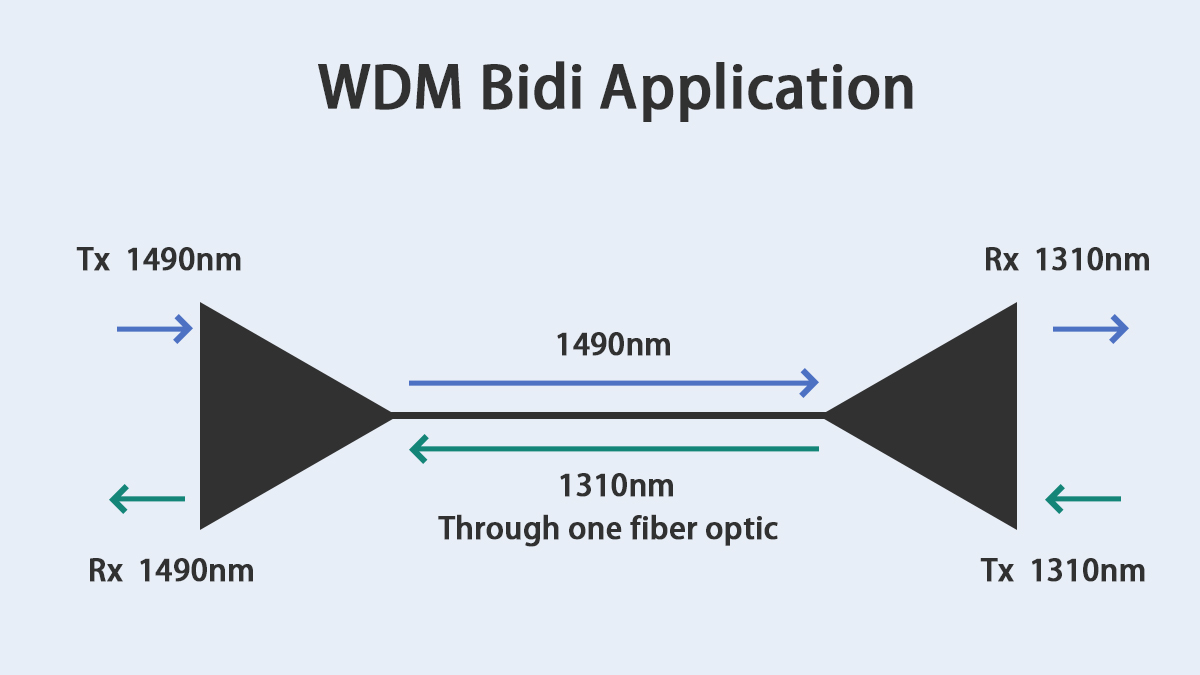
WDM is a technology that allows multiple optical signals to share a single fiber by using different wavelengths. This separation ensures that each signal can travel independently without interference. By leveraging WDM, networks can increase capacity without laying additional fibers.
There are different WDM types, each serving specific use cases:
- Coarse WDM (CWDM): Commonly implemented through CWDM transceivers, using wider wavelength spacing, cost-effective for shorter links.
- Dense WDM (DWDM): Typically deployed with DWDM transceivers, using narrow wavelength spacing for high-capacity, long-distance networks.
- BiDi WDM: Enables bidirectional transmission over a single fiber using paired wavelengths, such as 1490nm and 1310nm in the GLC-BX-D.
WDM not only optimizes fiber use but also allows network operators to scale bandwidth efficiently as traffic grows.
How WDM Enables Bidirectional Transmission
Bidirectional WDM works by assigning distinct wavelengths for transmitting and receiving signals on the same fiber. In the case of the GLC-BX-D:
- 1490nm is used for transmission from one end of the link.
- 1310nm is used for reception at the same end, while the opposite module reverses the wavelengths.
Optical filters and internal multiplexers separate these wavelengths, ensuring that signals do not interfere with each other.
The main advantages of this approach include:
- Eliminating the need for dual-fiber cabling
- Reducing physical infrastructure costs
- Simplifying network deployment and cable management
By using different wavelengths for each direction, BiDi WDM enables a full-duplex link over a single fiber, which is particularly useful in fiber-constrained environments.
Benefits of WDM in Modern Networks
WDM provides several operational and strategic benefits for contemporary networks. These benefits make it a preferred technology for enterprises and service providers:
- Optimized fiber infrastructure reduces the need for laying additional cables.
- Scalable network design allows easier future upgrades.
- Simplified cabling management improves maintenance efficiency.
- Supports advanced monitoring via DOM/DDM to ensure signal integrity.
Implementing WDM, particularly BiDi WDM with modules like GLC-BX-D, allows organizations to meet growing bandwidth demands while keeping deployment and operational costs manageable.
? 1490nm/1310nm WDM Working Principles
Understanding how 1490nm/1310nm wavelengths operate within bidirectional WDM links is critical for deploying Cisco GLC-BX-D modules effectively. Proper knowledge ensures signal integrity, stable links, and optimized network performance.
Optical Signal Transmission Mechanism
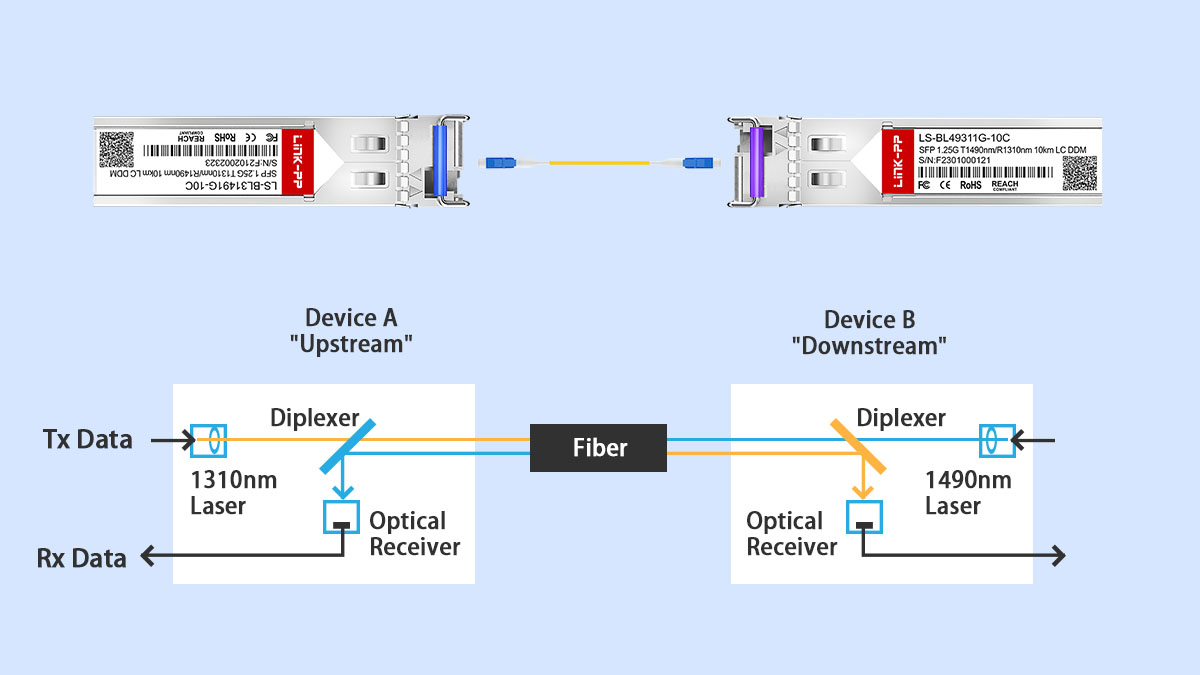
The core principle of 1490nm/1310nm WDM transmission is the separation of upstream and downstream signals by wavelength over a single fiber. Each fiber optic SFP module uses one wavelength for transmission and the complementary wavelength for reception.
Key points of the transmission mechanism include:
- 1490nm wavelength is typically used for downstream transmission from central devices.
- 1310nm wavelength is used for upstream reception at the same end, while the opposite SFP module reverses this configuration.
- Optical signals propagate through single-mode fiber (SMF) with minimal attenuation in these wavelength windows.
- Wavelength separation ensures that upstream and downstream signals do not interfere, enabling simultaneous bidirectional communication.
This mechanism allows a full-duplex connection using just one fiber strand, which is especially valuable in networks where fiber is limited.
Role of Internal Optical Components
The GLC-BX-D relies on specialized internal components to implement WDM effectively. These components ensure that signals remain separated and maintain integrity over the link.
Key components include:
- WDM filters (thin-film or dielectric filters) that isolate transmit and receive wavelengths.
- Laser diodes that generate precise wavelengths (1490nm or 1310nm) for transmission.
- Photodetectors that accurately detect incoming signals at the complementary wavelength.
- Optical isolators that prevent back-reflection and maintain stable signal levels.
These components work together to maintain reliable signal transmission over the full distance of the module's rated link.
Why 1490nm and 1310nm Are Chosen
The choice of 1490nm and 1310nm wavelengths is based on optical fiber characteristics and industry standards. Using these wavelengths provides optimal performance and compatibility across various network environments.
The main reasons include:
- Low attenuation windows in single-mode fiber, which minimizes signal loss over typical link distances.
- Reduced chromatic dispersion at 1310nm, maintaining signal integrity in upstream transmission.
- Compatibility with existing fiber infrastructure, allowing seamless integration without upgrading cabling.
- Regulatory and industry standards that define these wavelengths for BiDi SFP, ensuring interoperability between devices.
By selecting these wavelengths, Cisco ensures that GLC-BX-D modules deliver reliable performance while fully leveraging single-fiber WDM technology.
? Pairing Logic: GLC-BX-D and GLC-BX-U
Correct fiber SFP module pairing is essential for the proper functioning of BiDi links. The Cisco GLC-BX-D is designed to work with its complementary module, the GLC-BX-U, to ensure stable bidirectional communication over a single fiber strand.
Complementary Wavelength Design
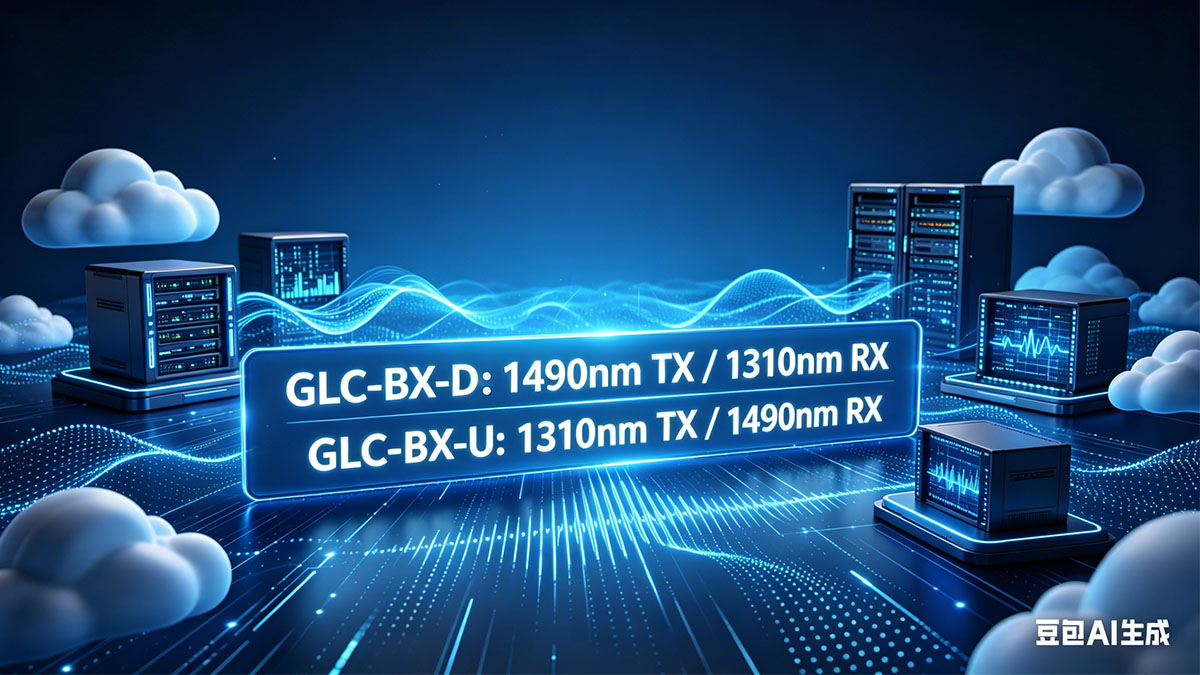
The GLC-BX-D and GLC-BX-U modules use complementary wavelengths to achieve full-duplex transmission:
- The GLC-BX-D transmits at 1490nm and receives at 1310nm.
- The GLC-BX-U transmits at 1310nm and receives at 1490nm.
This complementary design ensures that signals sent from one module are received correctly at the other end without interference. Using non-matching modules or incorrectly pairing wavelengths will result in no link or unstable connectivity.
The table below illustrates the wavelength pairing logic:
| Module |
Transmit Wavelength |
Receive Wavelength |
| GLC-BX-D |
1490nm |
1310nm |
| GLC-BX-U |
1310nm |
1490nm |
This simple pairing principle is crucial for network engineers to maintain consistent performance in single-fiber BiDi deployments.
Deployment Topology Examples
Proper pairing supports various point-to-point network topologies. Common deployment scenarios include:
- Direct connections between two buildings in a campus environment.
- Access network links from central offices to customer premises.
- Fiber-constrained metro network segments where adding additional strands is impractical.
By ensuring that each module is paired correctly, organizations can fully utilize existing fiber and simplify link management without additional cabling.
Common Pairing Mistakes to Avoid
Several pairing errors can compromise link performance. Network engineers should be aware of these common pitfalls:
- Using two GLC-BX-D modules or two GLC-BX-U modules on the same link.
- Swapping transmit and receive fibers incorrectly during installation.
- Ignoring firmware or compatibility restrictions on Cisco devices.
Avoiding these mistakes helps prevent connectivity failures and reduces troubleshooting time, ensuring that BiDi links deliver reliable and predictable performance.
? Performance Characteristics and Limitations
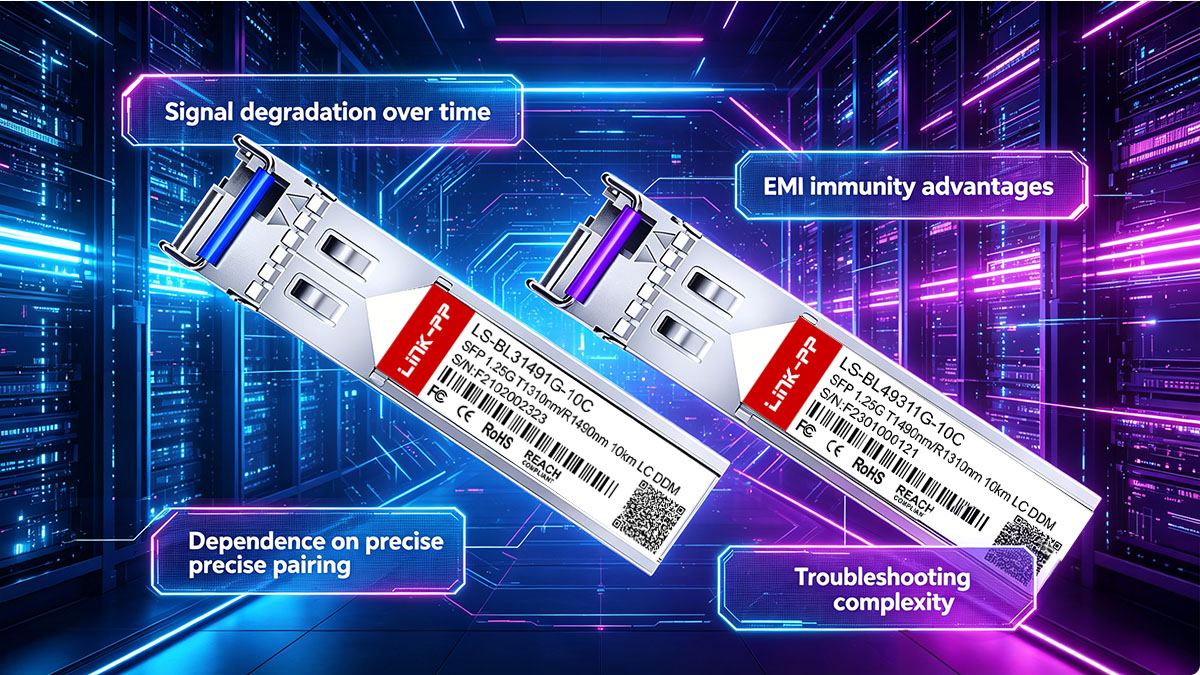
The Cisco GLC-BX-D module delivers reliable 1Gbps bidirectional transmission over a single-mode fiber, but its performance is influenced by several optical and environmental factors. Understanding these characteristics is essential for network engineers to optimize link stability and troubleshoot potential issues.
Optical Budget and Link Distance
The effective reach of the GLC-BX-D module depends on the optical power budget, which accounts for signal loss due to fiber attenuation, connector insertion loss, and splice loss. The module is rated for distances up to 10 kilometers over standard single-mode fiber.
Typical considerations for optical budget include:
- Transmit power range: ensures the signal can travel the intended distance without falling below receiver sensitivity.
- Fiber attenuation: SMF typically has low loss in the 1310nm and 1490nm windows, but older or lower-quality fiber can reduce effective distance.
- Connector and splice loss: every connection contributes to signal degradation, and proper cleaning and inspection are crucial.
A simplified table of typical link parameters illustrates these points:
| Parameter |
Value / Range |
| Transmit Power |
-5 to -1 dBm |
| Receiver Sensitivity |
-20 dBm |
| Maximum Distance |
10 km |
| Fiber Type |
Single-mode fiber (SMF) |
Understanding these parameters allows engineers to design links that maintain reliable performance within the module's operational limits.
Environmental and Operational Factors
Beyond optical specifications, environmental conditions affect the module's performance:
- Temperature range: modules operate reliably within standard industrial temperatures, but extreme heat or cold can impact signal stability.
- Electromagnetic interference: the GLC-BX-D is largely immune to EMI, but proximity to high-power electrical lines should be avoided.
- Aging effects: over time, laser diodes and photodetectors can degrade, slightly reducing effective power and link margin.
Monitoring tools such as DOM/DDM provide real-time feedback on transmit and receive power, temperature, and voltage, enabling proactive maintenance and preventing unexpected link degradation.
Limitations of BiDi Optics
While BiDi modules like the GLC-BX-D offer fiber efficiency, there are inherent limitations:
- Dependency on correct module pairing: mismatched wavelengths lead to no link or intermittent connectivity.
- Troubleshooting complexity: signal issues may be harder to diagnose compared to traditional duplex links, as both directions share a single fiber.
- Limited upgrade flexibility: scaling beyond 1Gbps or transitioning to longer distances may require fiber upgrades or switching to alternative duplex modules.
By understanding these limitations, network planners can deploy GLC-BX-D modules effectively, ensuring that single-fiber links provide reliable, high-performance connections while avoiding common pitfalls.
? Deployment Best Practices for GLC-BX-D
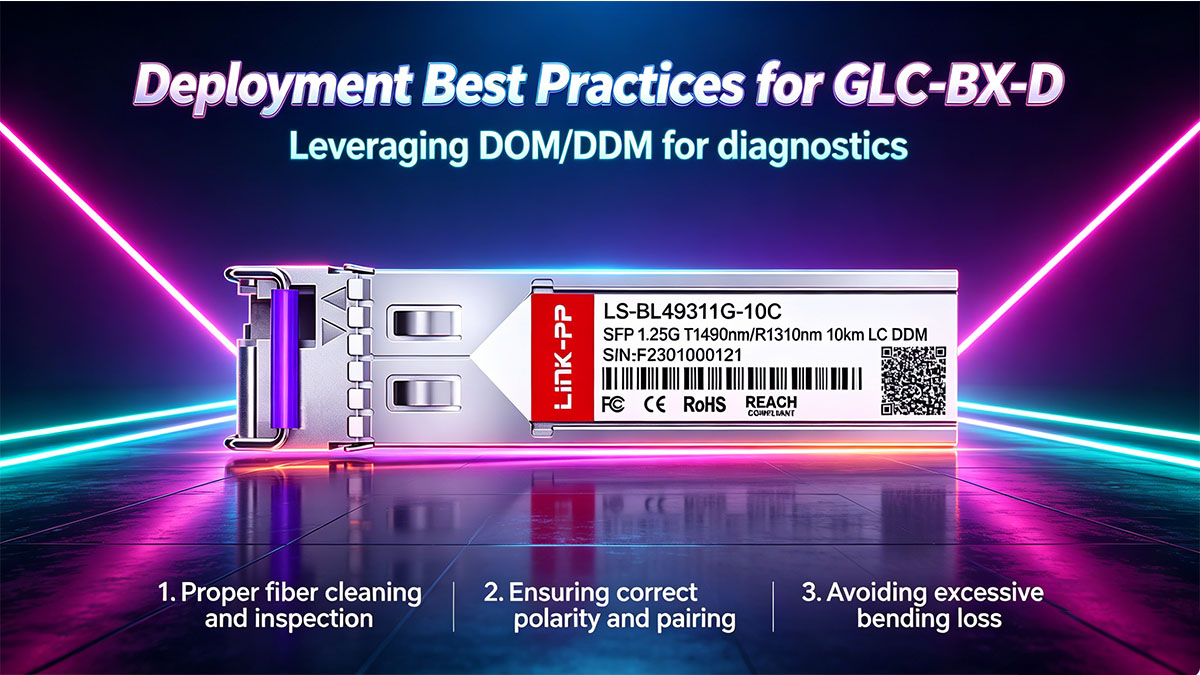
Successful deployment of Cisco GLC-BX-D modules requires careful planning and attention to fiber infrastructure, module pairing, and ongoing monitoring. Following best practices ensures stable performance, reduces downtime, and maximizes the benefits of single-fiber bidirectional transmission.
Installation Guidelines
Proper installation is critical for maintaining signal quality and module longevity. Key practices include:
- Inspect and clean all fiber connectors before insertion to prevent dust or debris from causing signal loss.
- Ensure correct polarity and module pairing: GLC-BX-D must always be paired with GLC-BX-U to maintain bidirectional communication.
- Avoid excessive bending of the fiber, as tight bends can introduce attenuation and increase insertion loss.
- Insert modules fully and ensure they are seated correctly in the switch or router SFP slot to avoid intermittent link issues.
Following these installation steps reduces the risk of link failure and helps maintain the optical budget within recommended limits.
Network Design Considerations
Proper network planning enhances the performance and reliability of BiDi links. Recommendations include:
- Plan wavelength allocation carefully: ensure GLC-BX-D and GLC-BX-U modules are paired correctly across the network.
- Validate device compatibility: check that switches and routers support the desired DOM/DDM features for real-time monitoring.
- Factor in fiber length and quality: consider connector losses, splices, and potential future network expansion.
- Design redundancy and failover paths to maintain uptime in case of fiber issues or module failure.
By considering these factors during network design, engineers can prevent common deployment challenges and ensure scalable, maintainable links.
Monitoring and Maintenance
Ongoing monitoring and proactive maintenance are essential for long-term link reliability. Key practices include:
- Utilize DOM/DDM features to track transmit and receive power, temperature, and voltage in real time.
- Perform periodic inspections of fiber connectors and patch panels to prevent contamination or wear from causing signal degradation.
- Monitor trends in optical power levels to identify early signs of component aging or potential link issues.
- Maintain proper documentation of module locations, pairings, and fiber routes to facilitate troubleshooting and network audits.
Implementing these monitoring and maintenance strategies helps maintain link performance over time, minimizes unplanned downtime, and supports efficient network operations.
? Common Issues and Troubleshooting
Even with proper deployment, GLC-BX-D modules can encounter issues that affect link performance. Understanding common problems and their solutions is essential to maintain stable and reliable single-fiber bidirectional connections.
No Link or Intermittent Connectivity
The most frequent issue in BiDi links is the absence of a link or intermittent connectivity. This is typically caused by pairing or installation errors.
Key troubleshooting steps include:
- Verify that the GLC-BX-D is paired with a GLC-BX-U module. Using two modules of the same type on one link will prevent communication.
- Check fiber polarity to ensure the transmit port of one module connects to the receive port of the other.
- Inspect connectors and patch cables for contamination or damage. Even small dust particles can significantly affect signal quality.
- Confirm that the SFP slot is functioning properly and the module is fully seated.
By systematically checking these factors, network engineers can quickly restore connectivity without extensive downtime.
Signal Loss and Performance Degradation
Performance degradation may occur due to optical attenuation or aging of components. Common contributing factors include:
- Excessive fiber attenuation due to long cable runs, poor-quality fiber, or splices.
- Connector insertion loss from worn or dirty LC connectors.
- Gradual decrease in laser diode efficiency or photodetector sensitivity over time.
Monitoring transmit and receive power levels through DOM/DDM helps identify these issues early. Cleaning connectors, checking fiber routes, and replacing aging modules are effective mitigation strategies.
Compatibility and Recognition Problems
Occasionally, GLC-BX-D modules may not be recognized by network devices or show compatibility warnings. Causes and solutions include:
- Firmware restrictions: ensure the switch or router supports the module's DOM/DDM features and BiDi operation.
- Vendor lock-in limitations: some devices may reject third-party compatible modules unless they adhere strictly to industry standards.
- EEPROM or coding mismatches: verify that the module's identification and coding information match the requirements of the host device.
Addressing these compatibility issues ensures that all BiDi links function correctly and reduces unexpected link failures in operational networks.
? Future Outlook of BiDi and WDM Technologies
Bidirectional optics and Wavelength Division Multiplexing (WDM) technologies are poised to play an increasingly critical role in modern network design. Their future development is driven by the need for higher bandwidth, efficient fiber utilization, and smarter network management.

Evolution Toward Higher Speeds
BiDi and WDM technologies are gradually transitioning from 1Gbps to 10Gbps and beyond. Network demand for higher data rates is pushing vendors to develop modules that maintain single-fiber efficiency while supporting faster transmission.
Key trends include:
These advancements will allow organizations to scale bandwidth without extensive fiber upgrades, preserving infrastructure investment.
Integration with Intelligent Monitoring
The future of BiDi and WDM deployment includes smarter, AI-driven monitoring tools. These systems leverage real-time optical data to detect potential issues before they impact performance.
Key developments:
- AI-driven diagnostics analyzing DOM/DDM metrics to predict component degradation.
- Real-time performance alerts to preempt link instability.
- Enhanced analytics for proactive maintenance planning, reducing operational costs and downtime.
Such intelligent monitoring ensures that BiDi links remain reliable even as network complexity increases.
Sustainable Fiber Utilization Trends
Maximizing existing fiber infrastructure will remain a core benefit of BiDi and WDM technologies. As networks grow, operators are increasingly focused on cost-effective and sustainable solutions.
Key points include:
- Single-fiber BiDi links reduce the need for additional cabling, lowering material usage.
- Optimized wavelength planning allows multiple services to coexist on existing fibers.
- Energy-efficient laser diodes and reduced hardware footprint contribute to greener network operations.
By combining high-speed capabilities with intelligent monitoring and sustainable deployment practices, BiDi and WDM technologies will continue to support efficient, scalable, and environmentally responsible networks in the coming years.
? FAQs
Q1: Can GLC-BX-D and GLC-BX-U be used interchangeably on the same link?
No. GLC-BX-D and GLC-BX-U are complementary modules. Using two of the same type will prevent link establishment.
Q2: What is the maximum recommended distance for GLC-BX-D modules?
The GLC-BX-D module supports distances up to 10 kilometers over standard single-mode fiber.
Q3: Does GLC-BX-D support real-time monitoring?
Yes, it supports Digital Optical Monitoring (DOM/DDM), which provides transmit/receive power, temperature, and voltage readings.
Q4: Can GLC-BX-D work with older Cisco switches?
Compatibility depends on the switch model and firmware. It is recommended to verify DOM/DDM support and BiDi operation before deployment.
Q5: What fiber type is required for optimal performance?
Single-mode fiber (SMF) is required. Multi-mode fiber is not suitable for 1490nm/1310nm BiDi links.
Q6: How can signal degradation be minimized?
Regularly inspect and clean connectors, avoid excessive fiber bending, and monitor optical power via DOM/DDM to detect early signs of attenuation.
Q7: Are third-party BiDi modules fully compatible with Cisco GLC-BX-D?
Third-party modules may work if they adhere to standard specifications, but device firmware or coding differences can cause recognition or performance issues.
Q8: Why are 1490nm and 1310nm wavelengths specifically used?
These wavelengths optimize transmission over single-mode fiber, balancing low attenuation and minimal chromatic dispersion while ensuring interoperability with existing infrastructure.
? Conclusion
The Cisco GLC-BX-D, in combination with the GLC-BX-U, offers a highly efficient solution for single-fiber bidirectional transmission, leveraging 1490nm/1310nm WDM technology. By understanding the module's specifications, pairing logic, and optical principles, network engineers can maximize fiber utilization, simplify deployment, and maintain reliable high-performance links. Awareness of common issues, environmental factors, and best practices ensures long-term stability and minimizes operational disruptions.
As network demands continue to grow, BiDi and WDM technologies remain critical tools for scalable, cost-effective, and sustainable connectivity. For organizations looking to deploy or expand single-fiber BiDi links, choosing reliable, compatible modules is key to achieving predictable performance.
For detailed specifications, compatibility guidance, and a wide selection of certified modules, visit the LINK-PP Official Store to explore solutions that support efficient and dependable BiDi deployments.