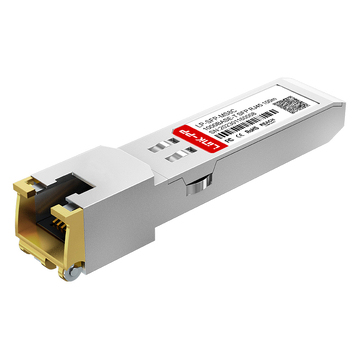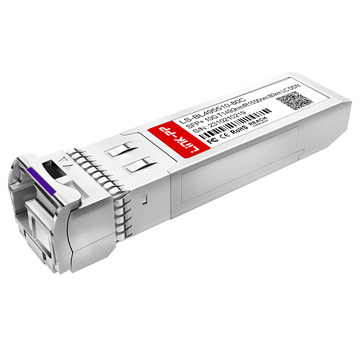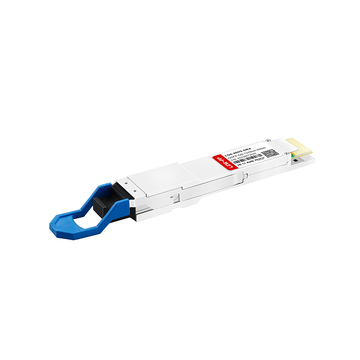






























GLC-SX-MM-RGD is a ruggedized 1G multimode SFP module designed specifically for industrial environments where standard optical transceiver modules may fail. Its combination of extended temperature tolerance, enhanced mechanical durability, and compliance with industrial standards makes it suitable for sectors such as manufacturing automation, transportation, and energy utilities.
Industrial networks face challenges that go beyond typical office or data center deployments, including exposure to extreme temperatures, vibration, electromagnetic interference, and dust. In such conditions, conventional SFP modules can experience signal degradation, reduced lifespan, or even complete failure. GLC-SX-MM-RGD addresses these issues by offering a reliable, durable solution that maintains consistent performance under harsh operating conditions.
This article explores the specifications, ruggedization features, deployment considerations, and potential Cisco-compatible alternatives to GLC-SX-MM-RGD. Network engineers and IT professionals will gain insights into selecting transceivers that balance performance, durability, and compatibility while supporting the growing demands of industrial optical networks.
? What is GLC-SX-MM-RGD?
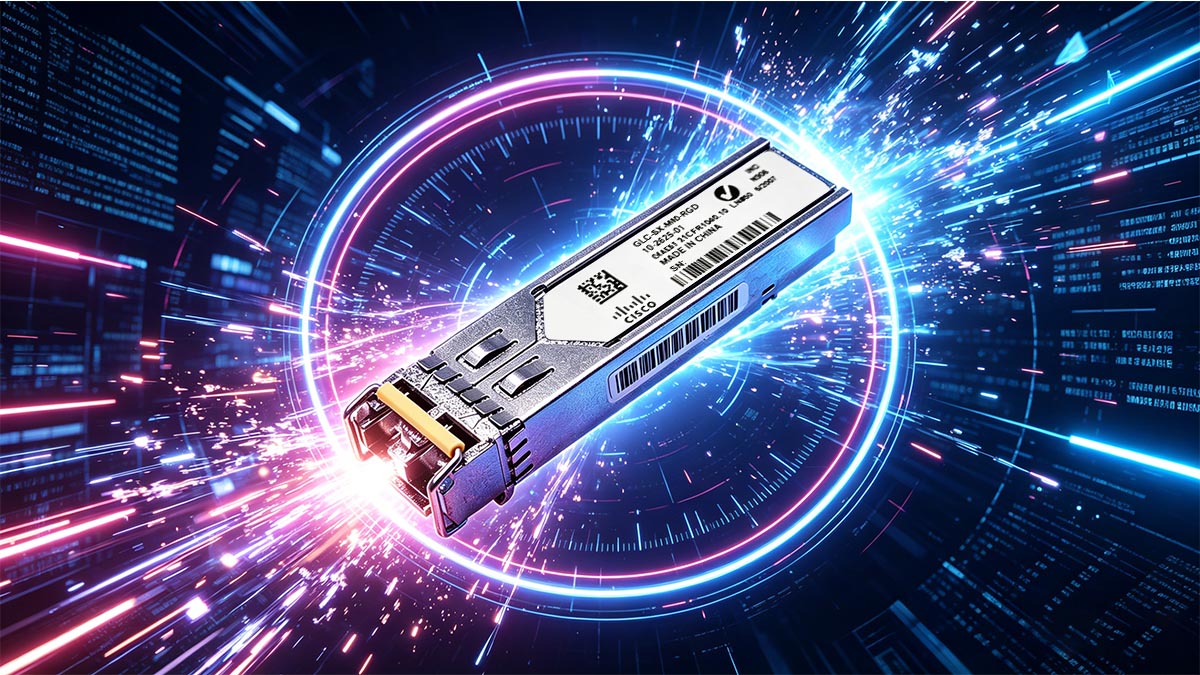
GLC-SX-MM-RGD is a 1G multimode small form-factor pluggable (SFP) transceiver designed for industrial applications. Unlike standard fiber SFP modules used in office or data center environments, this module is engineered to withstand extreme operating conditions while maintaining reliable optical performance.
Core Specifications and Features
GLC-SX-MM-RGD provides essential capabilities for short-range multimode fiber networks. Its core features include:
| Parameter | Specification |
|---|---|
| Data Rate | 1 Gbps |
| Wavelength | 850 nm |
| Transmission Distance | Up to 550 meters on OM2/OM3 fiber |
| Connector Type | LC duplex |
| Hot-Swappable | Yes |
These specifications make it suitable for high-density industrial networking environments, where reliability and uninterrupted communication are critical. The module supports Digital Optical Monitoring (DOM), allowing real-time tracking of parameters such as optical power, temperature, and voltage. This capability helps network engineers proactively manage and maintain industrial networks.
Industrial Use Case Positioning
GLC-SX-MM-RGD is particularly targeted at industrial scenarios where standard commercial SFPs may not perform reliably. Typical deployment areas include:
- Factory automation systems where machinery generates vibrations and temperature fluctuations.
- Transportation infrastructure, including rail networks and traffic management systems, where outdoor conditions can be harsh.
- Energy and utility sectors, such as substations and power grid communication networks, which require resilience against electromagnetic interference.
By offering a combination of Cisco compatibility, ruggedized design, and DOM support, GLC-SX-MM-RGD ensures that industrial networks remain operational even under demanding environmental conditions.
This module bridges the gap between standard SFPs and specialized industrial networking requirements, providing a robust solution for organizations that cannot compromise on uptime or signal integrity.
? Understanding Industrial Ruggedization in SFP Modules
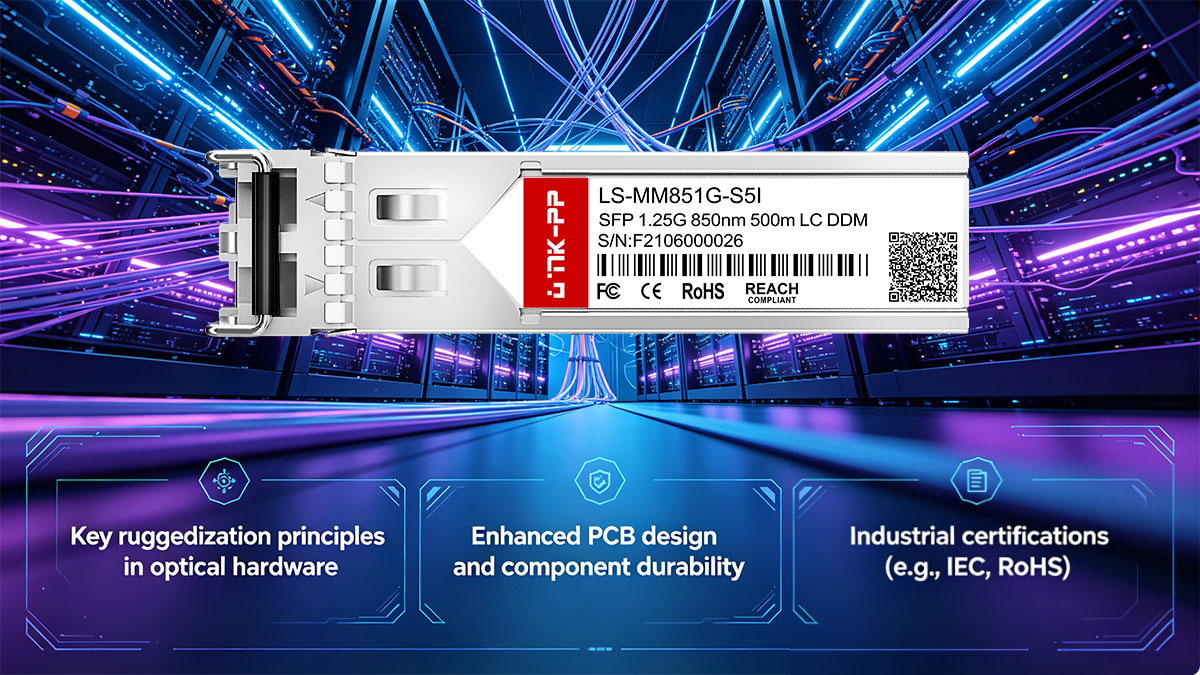
Industrial ruggedization refers to the design and engineering enhancements that allow SFP transceivers to operate reliably in harsh environments. Unlike commercial-grade transceivers, industrial-grade modules are built to withstand extreme conditions, ensuring continuous network performance in sectors such as manufacturing, transportation, and energy.
Definition of Ruggedized Optics
Ruggedized optical modules differ from standard SFPs in several key aspects:
- Extended operational temperature ranges to function in both freezing and high-heat conditions.
- Reinforced mechanical structures to resist shock, vibration, and physical stress.
- Enhanced electronic components designed for stability under electromagnetic interference (EMI) and power fluctuations.
These features collectively increase the lifespan of the transceiver and reduce the risk of network downtime in critical applications.
Key Environmental Enhancements
Industrial SFP modules like GLC-SX-MM-RGD include several design improvements to survive challenging conditions:
- Extended operating temperature range, often from -40°C to 85°C, to cover both outdoor and industrial indoor environments.
- Shock and vibration resistance, which protects internal components against mechanical stress from heavy machinery or transportation systems.
- Electromagnetic interference shielding to maintain signal integrity in electrically noisy environments.
- Robust PCB and connector design to prevent failures caused by repeated insertion, removal, or mechanical strain.
These enhancements make the modules suitable for deployment in scenarios that would typically degrade the performance of commercial-grade SFPs.
Compliance and Certification Standards
Industrial-grade SFPs are usually certified to meet specific industry standards, ensuring reliability and safety:
- IEC (International Electrotechnical Commission) standards for environmental testing, including vibration, temperature cycling, and humidity.
- RoHS compliance to ensure hazardous materials are minimized in manufacturing.
- Extended lifecycle and reliability testing to guarantee consistent performance over thousands of operating hours.
By meeting these standards, ruggedized SFP modules provide both predictable performance and regulatory assurance, which is critical for mission-critical industrial networks.
Understanding these ruggedization principles allows network engineers to select modules that not only meet optical performance requirements but also endure the environmental challenges unique to industrial applications.
? Why Consider a GLC-SX-MM-RGD Cisco Alternative?
Choosing a GLC-SX-MM-RGD alternative can provide similar performance and industrial-grade reliability while offering additional flexibility and cost benefits. Organizations often evaluate alternatives to maintain network resilience without being limited to a single vendor ecosystem.
Cost Efficiency Without Compromising Reliability
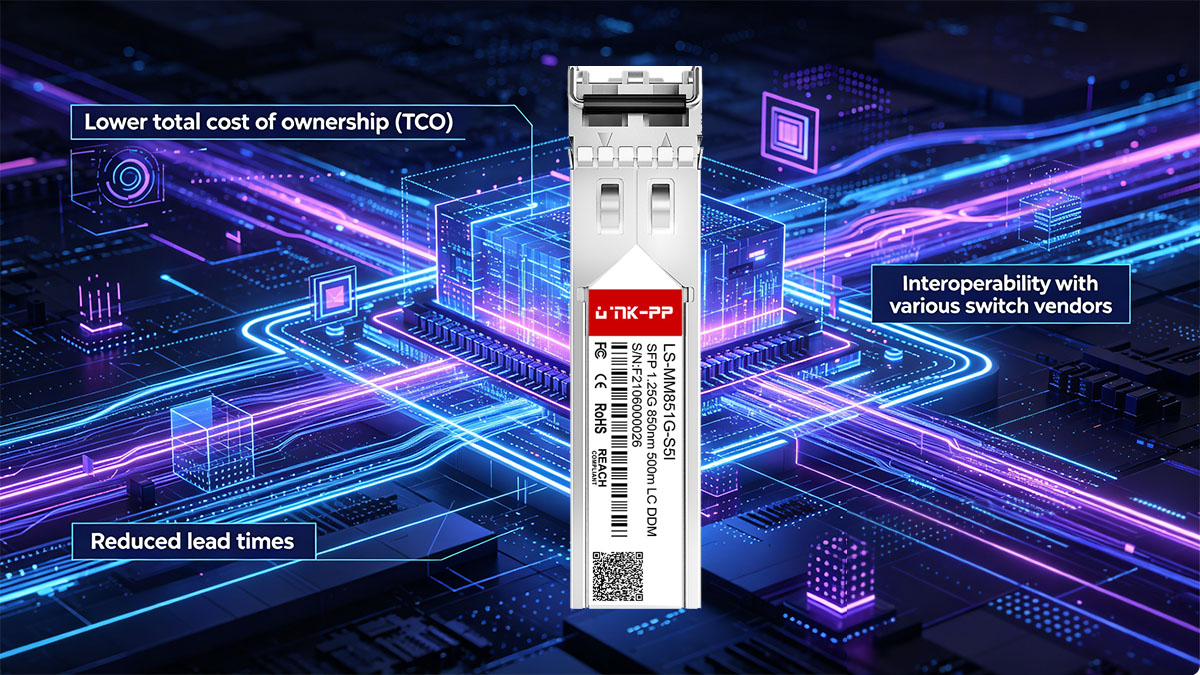
Industrial-grade Cisco alternatives typically provide the same core specifications—such as 1G multimode support, LC duplex connectors, and extended temperature operation—at a lower total cost of ownership. By opting for a certified alternative, enterprises can:
- Reduce procurement costs for large-scale deployments.
- Avoid paying premium prices for brand-specific modules while still ensuring reliability.
- Maintain comparable signal integrity and operational lifespan under harsh conditions.
This cost efficiency is particularly significant for industrial networks where hundreds of SFP modules may be deployed across multiple sites.
Vendor Flexibility and Multi-Platform Compatibility
Cisco-specific modules may face limitations when integrated with non-Cisco hardware. Using a GLC-SX-MM-RGD compatible alternative enables:
- Seamless interoperability with switches and routers from different vendors.
- Avoidance of vendor lock-in, allowing organizations to design networks based on performance and cost rather than brand restrictions.
- Easier integration into heterogeneous industrial networks, which often combine legacy and modern equipment.
This flexibility ensures that network expansions or hardware replacements do not disrupt ongoing operations or require costly full-system upgrades.
Availability and Supply Chain Advantages
Industrial deployments often require timely access to replacement modules to avoid downtime. Alternatives to GLC-SX-MM-RGD offer advantages such as:
- Shorter lead times and more consistent stock availability compared to brand-specific Cisco modules.
- Scalability for expanding networks without waiting for long procurement cycles.
- Reduced risk of production delays caused by supply shortages in a single vendor ecosystem.
By considering these factors, organizations can maintain resilient industrial networks while achieving cost and operational efficiencies. GLC-SX-MM-RGD alternatives strike a balance between durability, compatibility, and availability, making them a practical choice for industrial networking projects.
? Key Features to Evaluate in Alternatives
When considering a GLC-SX-MM-RGD Cisco alternative, it is essential to evaluate both optical performance and industrial durability to ensure the module meets operational requirements. Selecting an alternative that aligns with the network's environmental and technical demands can prevent downtime and maintain reliable communication.

Optical Performance Metrics
The optical performance of an fiber optic SFP module determines signal quality, network stability, and overall data transmission reliability. Key metrics to evaluate include:
| Parameter | Importance | Typical Values |
|---|---|---|
| Insertion Loss | Low loss ensures signal integrity over multimode fiber | ≤ 2.0 dB |
| Optical Output Power | Ensures signal reaches target distance without degradation | -9.5 to -3 dBm |
| Receiver Sensitivity | Ability to detect weak signals for reliable transmission | ≤ -17 dBm |
| DOM Accuracy | Provides real-time monitoring of power, temperature, and voltage | ±3% |
Ensuring these metrics meet or exceed industrial requirements is crucial for stable operation in high-demand environments.
Industrial Durability Factors
Durability features define how well an SFP module withstands harsh conditions. Important factors include:
- Extended operating temperature range (typically -40°C to 85°C).
- Shock and vibration tolerance to withstand machinery movement or transport environments.
- Electromagnetic interference (EMI) shielding to prevent signal disruption.
- Reinforced PCB and connector construction to avoid damage during repeated handling.
Evaluating these factors ensures that the module can survive in industrial environments where mechanical stress or extreme temperatures are common.
Compatibility and Coding
Cisco alternatives must also be compatible with existing hardware to guarantee plug-and-play functionality:
- EEPROM coding should match Cisco module specifications to avoid detection errors.
- Firmware interoperability ensures that switches and routers recognize the module without additional configuration.
- Testing in mixed vendor networks helps verify stable operation under real-world conditions.
By carefully assessing these features, organizations can select a GLC-SX-MM-RGD alternative that maintains optical performance, meets industrial durability requirements, and integrates seamlessly into existing network infrastructure.
? Deployment Scenarios for Rugged SFP Modules
Rugged SFP modules, such as GLC-SX-MM-RGD and its compatible alternatives, are specifically designed to operate reliably in industrial environments. Selecting the right deployment scenario ensures the module's durability and performance are fully utilized while maintaining network stability.

Industrial Automation Networks
In factory automation, real-time communication between programmable logic controllers (PLCs), SCADA systems, and industrial Ethernet switches is critical. Rugged SFP modules support:
- Consistent data transmission despite temperature fluctuations from machinery and equipment.
- Resistance to vibration caused by motors, conveyors, or heavy machinery.
- Real-time monitoring through Digital Optical Monitoring (DOM) for proactive network maintenance.
These features make rugged SFPs ideal for automated production lines, robotic operations, and smart manufacturing environments.
Transportation and Smart Infrastructure
Transportation systems demand network reliability under outdoor and mobile conditions. Rugged SFP modules are suitable for:
- Rail networks and signaling systems that experience vibration, shock, and wide temperature ranges.
- Traffic management and roadside communication units exposed to dust, moisture, and extreme weather.
- High-reliability data links for real-time control and monitoring of autonomous vehicles or smart traffic systems.
These applications require modules that combine optical performance with environmental resilience to prevent service interruptions.
Energy and Utility Applications
Energy distribution networks and utility infrastructures present unique environmental challenges. Rugged SFP deployment in these scenarios provides:
- Stable communication links in substations, power grids, and renewable energy sites.
- Resistance to electromagnetic interference from high-voltage equipment.
- Longevity and reduced maintenance frequency in remote or difficult-to-access locations.
By deploying rugged SFP modules in energy and utility networks, operators can ensure uninterrupted monitoring and control, which is essential for both safety and operational efficiency.
In all these scenarios, the combination of extended temperature tolerance, mechanical durability, and Cisco compatibility ensures that rugged SFP modules provide reliable, high-performance connectivity in industrial-grade environments.
? Best Practices for Deploying GLC-SX-MM-RGD Alternatives
Deploying GLC-SX-MM-RGD alternatives in industrial networks requires careful planning and attention to both technical and environmental factors. These best practices ensure that ruggedized modules maintain consistent performance, extend network lifespan, and minimize downtime even in harsh conditions.
Pre-Deployment Validation
Before installation, thorough validation is critical to confirm compatibility and operational reliability:
- Hardware and Firmware Compatibility: Test the alternative module with switches, routers, and industrial Ethernet devices to confirm recognition, DOM functionality, and proper firmware integration. Some non-Cisco modules may require firmware updates to avoid detection errors.
- Environmental Assessment: Evaluate the intended deployment location for temperature extremes, vibration, EMI, and dust exposure. Ensure that the module's specifications, including operating temperature range and mechanical durability, are adequate for the site conditions.
- Performance Benchmarking: Measure insertion loss, optical output, and receiver sensitivity in a controlled test environment to verify that the module meets or exceeds the required network performance thresholds.
Pre-deployment validation minimizes the risk of unexpected failures and ensures a smoother rollout across multiple sites.
Installation and Handling Guidelines
Proper installation techniques directly affect module longevity and optical performance:
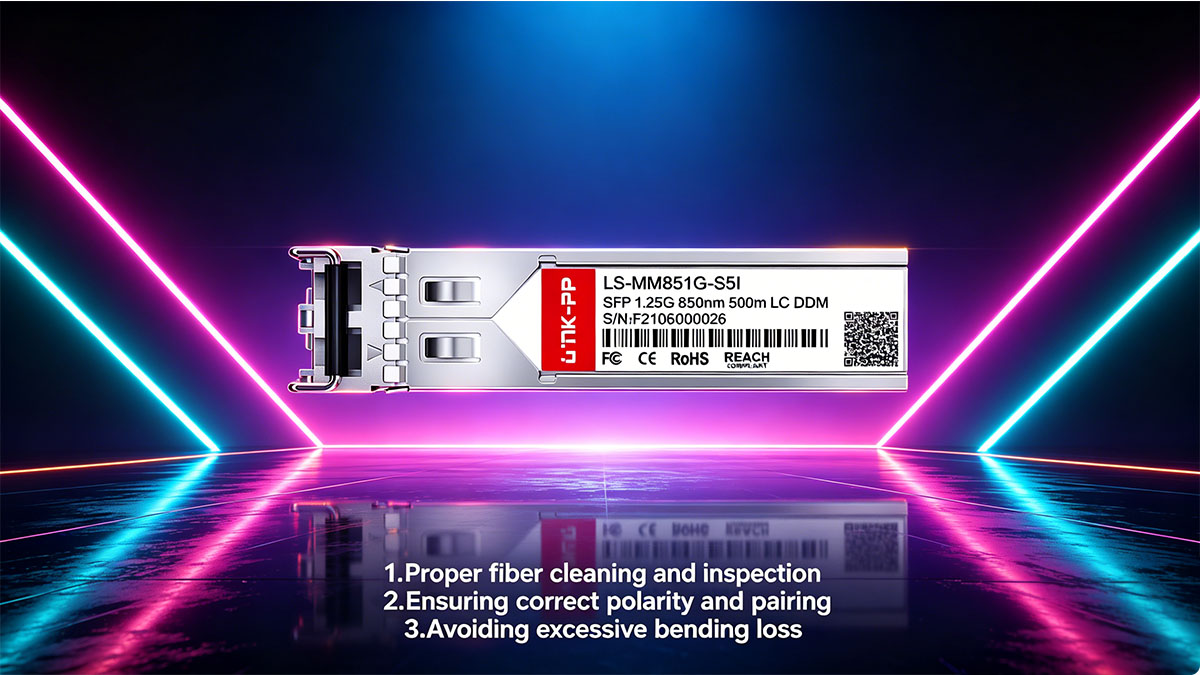
- Fiber Preparation: Clean all fiber connectors and inspect for scratches or contamination to reduce insertion loss and maintain signal integrity.
- ESD Protection: Use anti-static wristbands or mats during installation to prevent damage to sensitive transceiver components.
- Insertion Practices: Insert modules gently into the SFP cage, confirming a secure fit without forcing the connector. Avoid repeated insertion/removal cycles, which can degrade mechanical contacts over time.
- Environmental Controls: Where possible, deploy modules in enclosures that provide shock absorption, dust filtration, and thermal regulation to maintain stable operating conditions.
Attention to these details ensures that the ruggedized design of the module is fully leveraged, providing maximum resilience in industrial applications.
Monitoring and Maintenance
Ongoing monitoring and proactive maintenance are essential for long-term network reliability:
- Digital Optical Monitoring (DOM): Continuously track optical power, voltage, and temperature. DOM alerts allow engineers to identify early signs of performance degradation before failures occur.
- Periodic Inspection: Regularly check connectors and fiber links for dust, corrosion, or mechanical stress. Even minor contamination can reduce signal quality over time.
- Predictive Replacement: Replace modules that consistently report abnormal DOM readings, optical loss, or intermittent connectivity. Proactive replacement prevents network disruptions in mission-critical systems.
- Documentation and Logging: Maintain detailed records of module deployment, environmental conditions, and performance metrics to inform future network upgrades or troubleshooting.
By combining rigorous pre-deployment testing, careful installation, and proactive monitoring, organizations can maximize the operational lifespan of GLC-SX-MM-RGD alternatives. These practices not only reduce maintenance costs but also enhance network stability in complex industrial environments.
This approach ensures that rugged SFP deployments deliver the reliability and performance expected from industrial-grade optical networks, even under the most challenging conditions.
? Common Challenges and Troubleshooting
Even ruggedized SFP modules like GLC-SX-MM-RGD alternatives can encounter operational issues if deployment, environment, or compatibility factors are not fully addressed. Understanding common challenges and their solutions helps maintain network stability and prevents unnecessary downtime.
Compatibility Issues
One of the most frequent challenges is module recognition by switches or routers, especially in mixed-vendor networks. Common causes include firmware restrictions, incorrect EEPROM coding, or mismatched module profiles.
To address these issues:
- Verify that the alternative module is certified for Cisco compatibility, including proper EEPROM data.
- Update switch firmware to the latest stable version to ensure module recognition.
- Test the module in a controlled environment before full-scale deployment to confirm plug-and-play functionality.
Ensuring compatibility reduces network errors and prevents unnecessary troubleshooting in live industrial systems.
Environmental Failures
Industrial conditions can challenge even ruggedized modules. Overheating, vibration, dust, or moisture exposure may lead to intermittent signal loss or permanent module failure.
Mitigation strategies include:
- Confirm that the operating environment falls within the module's specified temperature range.
- Install modules in enclosures that provide vibration damping and dust protection.
- Avoid placing sensitive networking equipment near high EMI sources or unshielded electrical machinery.
Proactive environmental management helps prevent premature degradation of optical performance.
Performance Degradation
Signal quality may degrade over time due to fiber wear, connector contamination, or accumulated stress on the transceiver. Indicators include increased bit error rates or reduced DOM accuracy.
To troubleshoot performance issues:
- Inspect and clean fiber connectors regularly to remove dust or residue.
- Test optical power and insertion loss to identify weak links in the network.
- Replace modules that consistently report DOM deviations or fail to maintain expected optical metrics.
By addressing these common challenges through careful deployment, monitoring, and maintenance, industrial networks can maintain high reliability and consistent performance using GLC-SX-MM-RGD alternatives.
? Future Trends in Industrial Optical Connectivity
Industrial optical networks are evolving rapidly, driven by increasing automation, higher bandwidth requirements, and the need for more resilient infrastructure. Understanding these trends helps organizations plan for future deployments and ensure their networks remain reliable and scalable.

Evolution Toward Higher Speeds
As industrial applications generate more data, there is a shift from 1G multimode SFPs to higher-speed solutions such as 10G SFP+, 25G SFP28, 100G QSFP28, and even 200G QSFP-DD industrial transceivers. Key points include:
- Increased demand for real-time data in manufacturing automation and transportation systems.
- Transition to other high-speed transceivers while maintaining ruggedized features like extended temperature tolerance and vibration resistance.
- Adoption of multi-rate optical modules that allow backward compatibility with 1G networks.
This evolution ensures that industrial networks can handle growing data loads without compromising reliability.
Integration with Smart Monitoring Systems
The integration of advanced monitoring and diagnostic tools is becoming standard in industrial networks:
- AI-driven analytics enable predictive maintenance by analyzing trends in optical power, temperature, and voltage.
- Digital Optical Monitoring (DOM) data can be combined with network management systems for proactive alerts and automated responses.
- Smart monitoring reduces unplanned downtime and optimizes network performance in environments with variable operating conditions.
These capabilities make industrial networks not only more resilient but also easier to manage at scale.
Sustainability and Network Efficiency
Energy efficiency and environmental considerations are increasingly important in industrial deployments:
- New optical transceiver designs consume less power while delivering equivalent or higher performance.
- Consolidation of fiber infrastructure using BiDi optics technology reduces cabling complexity and resource usage.
- Long-life, ruggedized modules decrease replacement frequency, lowering e-waste and maintenance costs.
By adopting sustainable, high-performance optical solutions, organizations can support greener operations while future-proofing their networks.
Overall, the future of industrial optical connectivity combines higher-speed capabilities, intelligent monitoring, and sustainable design, ensuring networks can meet both current and emerging industrial demands.
? FAQs
Q1: Can GLC-SX-MM-RGD alternatives operate in outdoor environments?
Yes, industrial-grade alternatives are designed for extended temperature ranges and can withstand outdoor conditions when installed in suitable enclosures.
Q2: Are third-party GLC-SX-MM-RGD modules fully compatible with Cisco switches?
Most certified alternatives with correct EEPROM coding are plug-and-play, though it is recommended to test compatibility before large-scale deployment.
Q3: How often should rugged SFP modules be inspected or maintained?
Periodic inspections every 6–12 months are typically sufficient, focusing on connector cleanliness, DOM readings, and optical signal performance.
Q4: Can these modules handle high vibration environments?
Yes, ruggedized SFP modules are designed to resist shock and vibration common in industrial automation, transportation, and energy sectors.
Q5: What is the typical lifespan of a GLC-SX-MM-RGD compatible module?
With proper deployment and environmental conditions, rugged SFP modules can operate reliably for 5–7 years or longer, depending on network usage and maintenance.
Q6: Is Digital Optical Monitoring (DOM) supported in all alternative modules?
Most high-quality alternatives include DOM, allowing real-time monitoring of optical power, voltage, and temperature for proactive maintenance.
Q7: Can one module type be used across multiple industrial applications?
Yes, a ruggedized 1G multimode SFP can serve in automation, transportation, and energy networks, provided environmental and optical specifications are met.
Q8: How can performance degradation be prevented in industrial deployments?
Regular cleaning of connectors, monitoring DOM data, and replacing modules showing consistent deviations help maintain optimal performance.
Q9: Are these modules energy-efficient compared to standard SFPs?
Industrial alternatives are designed to balance ruggedization with low power consumption, contributing to overall network efficiency and sustainability.
Q10: Do rugged SFPs require special installation procedures?
No special tools are needed, but careful handling, ESD protection, and proper fiber cleaning are essential to maintain module durability and performance.
? Conclusion
GLC-SX-MM-RGD and its Cisco-compatible alternatives provide a reliable solution for industrial networks that demand both performance and durability. By offering extended temperature tolerance, resistance to shock and vibration, and real-time monitoring through DOM, these rugged SFP modules ensure stable connectivity in manufacturing, transportation, and energy applications. Evaluating alternatives allows organizations to achieve cost efficiency, vendor flexibility, and faster supply availability without compromising operational reliability.
Choosing the right ruggedized module and following proper deployment practices ensures long-term network stability and reduces maintenance challenges. For high-quality industrial-grade SFP modules and compatible alternatives, explore the full selection at LINK-PP Official Store.