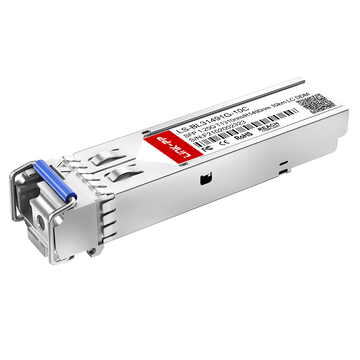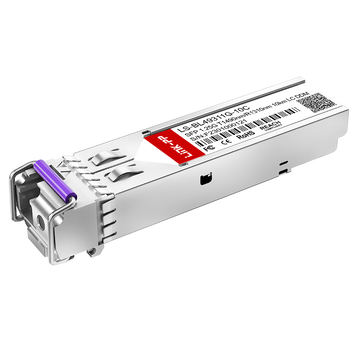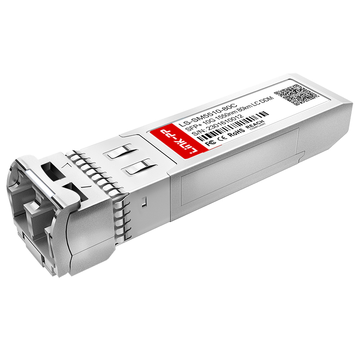
In modern telecom networks, SFP/XFP modules are the tiny but powerful connectors that plug into switches and routers. They act as a bridge, converting electrical signals into light so data can travel fast and far through fiber optic cables. Because they are hot-swappable, engineers can easily upgrade network speeds or change fiber types without powering down the entire system.
Whether you are setting up 5G cell towers, connecting business offices, or running long-distance fiber links, choosing the right SFP or XFP module is key to keeping your network fast and reliable. This article will walk you through the basics of these modules, how to choose the best ones for your budget, and simple ways to troubleshoot them when things go wrong.
📡 The Basics of SFP/XFP Modules in Telecom Networks
Building a reliable fiber optic network starts with understanding the core hardware that connects your switches to the optical fiber. SFP/XFP modules are hot-swappable optical transceivers designed to handle this critical conversion of electrical signals to light waves. By mastering the technical fundamentals of these modules, network engineers can design systems that are both highly efficient and easily scalable.
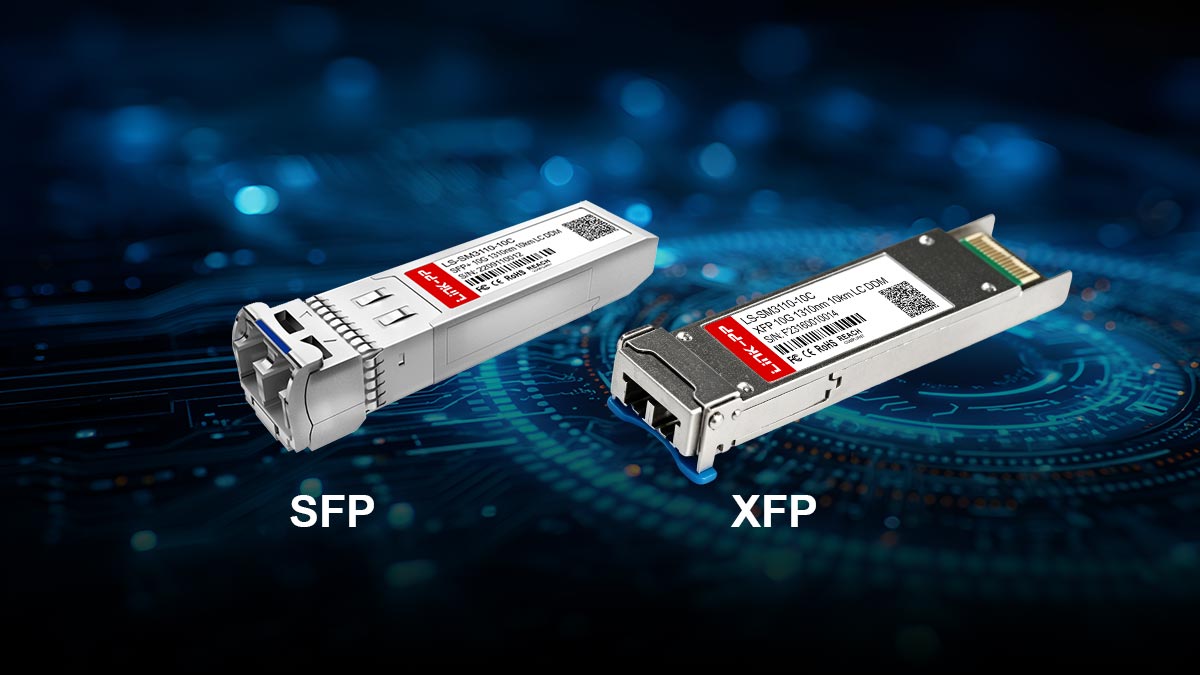
What Are SFP and XFP Modules
SFP and XFP modules are hot-swappable transceivers that convert host device electrical signals into optical signals using internal semiconductor lasers (such as VCSEL, DFB, or EML) and photodetectors (PIN or APD). Operating across specific wavelengths like 850nm, 1310nm or 1550nm, they transmit digital data streams through single-mode or multi-mode fiber optic cables.
These transceivers interface with network hardware via standardized electrical connectors — such as the 20-pin connector for SFP and the 30-pin connector for XFP — while typically providing standard LC duplex optical interfaces for fiber termination. This allows network operators to change physical-layer reach and optical specifications on a port-by-port basis without altering the host switch architecture.
Key Differences Between SFP, SFP+, and XFP
While SFP, SFP+, and XFP modules all perform optical-to-electrical conversion, they differ significantly in their physical dimensions, data rate capabilities, and internal architectures.
The following comparison table highlights the precise technical specifications that distinguish these three common transceiver types:
| Feature | SFP | SFP+ | XFP |
| Standard Data Rate | 1Gbps (Gigabit Ethernet) | 10Gbps (10G Ethernet) | 10Gbps (10G Ethernet) |
| Physical Dimensions | Compact | Compact (Identical to SFP) | Larger |
| Signal Processing (CDR) | Not applicable at 1G | Moved to the Host Board (minimizes module size) | Integrated inside the module |
| Power Consumption | Very Low (< 1W) | Low to Medium (~1W to 1.5W) | High (~1.5W to 3.5W+) |
| Common Use Cases | 1G Ethernet, FTTH, legacy enterprise links | High-density 10G enterprise & telecom switches | Early 10G networks, OTN, and core telecom routers |
| Port Compatibility | Standard SFP slot | Can often accept 1G SFPs (at 1G speed) | Dedicated XFP slot only (not cross-compatible) |
How to Choose the Right Size and Speed for Your Switch
Selecting the correct transceiver requires aligning the physical port type of your host switch with your bandwidth and distance requirements. Because SFP and SFP+ share the exact same physical housing dimensions, SFP+ ports on modern switches can frequently accept standard 1G SFP modules for backward compatibility (operating at 1G speeds). However, XFP modules use a physically larger slot, meaning they are completely incompatible with SFP/SFP+ ports and must only be plugged into dedicated XFP ports.
Once physical compatibility is verified, match the transceiver speed to your network traffic demands. For legacy control planes, management links, or standard 1G connections, the SFP remains the cost-effective choice. For high-capacity 10G backbone links and modern telecom transport, SFP+ has largely replaced XFP due to its smaller footprint and higher port density, though XFP is still widely found in older core routers and optical transport network (OTN) equipment.
Understanding Power and Heat in Your Network Closet
Power consumption and thermal management are critical factors when deploying high-density transceivers in a network closet. Every active optical module generates heat, but 10G modules — particularly older XFP transceivers — draw significantly more power than 1G SFPs due to their integrated Clock and Data Recovery (CDR) chips. If a switch chassis is fully populated with high-power modules without adequate airflow, the resulting heat buildup can degrade laser performance and cause premature hardware failures.
To mitigate thermal risks, engineers must pay close attention to the thermal dissipation specifications of their chosen modules and the cooling capacity of the rack. SFP+ modules are thermally superior to XFP because they offload heavy signal-processing tasks to the host switch, running much cooler as a result. Maintaining clean cable pathways to avoid blocking switch exhaust fans and monitoring ambient room temperatures are essential best practices for preserving transceiver longevity.
📡 Common Use Cases for SFP/XFP in Fiber-to-the-Home and Business Links
In modern broadband architectures, optical transceivers serve as the critical bridge connecting service provider central offices to end-users. Deploying the right SFP/XFP modules ensures that residential Fiber-to-the-Home (FTTH) and high-capacity enterprise links deliver consistent, high-speed performance. Understanding how these transceivers operate in real-world scenarios allows operators to maximize fiber efficiency and guarantee network uptime.
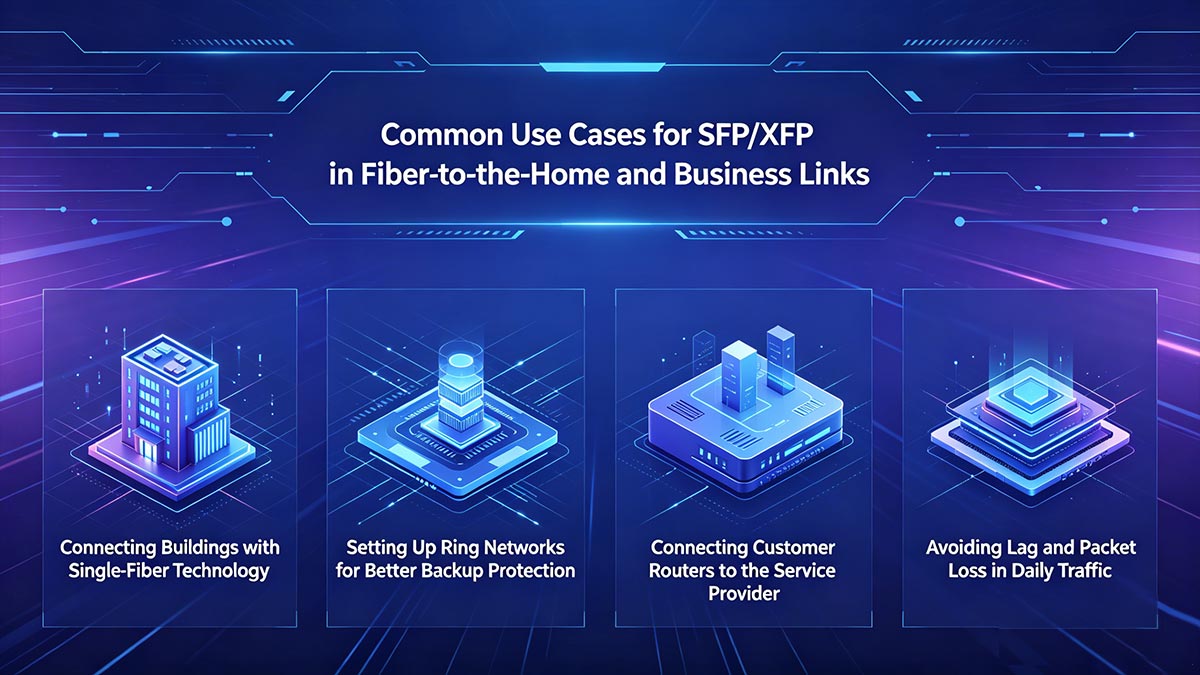
Connecting Buildings with Single-Fiber (BiDi) Technology
Bi-Directional (BiDi) technology allows data to be transmitted and received over a single strand of fiber by utilizing two different wavelengths (such as 1310nm and 1490nm, the typical modules are Cisco GLC-BX-U and GLC-BX-D). This effectively doubles the capacity of existing fiber infrastructure without laying new cables.
For standard gigabit residential connections, BiDi SFP modules are widely deployed in optical line terminals (OLTs) to feed individual households. For high-bandwidth corporate connections, BiDi SFP+ and legacy BiDi XFP modules are utilized to deliver dedicated 10Gbps point-to-point links directly to enterprise buildings.
Setting Up Ring Networks for Better Backup Protection
Ring network topologies (like ERPS or resilient packet rings) prevent service outages by providing redundant paths for data travel. If a physical fiber cable is cut, traffic is automatically rerouted in milliseconds in the opposite direction around the loop.
At the access level where local distribution occurs, SFP transceivers establish cost-effective 1G rings to connect smaller municipal nodes and residential hubs. Meanwhile, SFP+ and XFP modules serve as the high-speed 10G interfaces required for backbone ring networks, carrying heavy aggregated corporate and FTTH traffic between major regional switching offices.
Connecting Customer Routers to the Service Provider
The "last mile" link connects the customer premises equipment (CPE) to the telecom provider's edge router, requiring highly specific optical configurations based on the customer’s service plan.
For small businesses and standard broadband customers, a 1G SFP is plugged directly into the customer’s media converter or router to terminate the provider's fiber. For enterprise customers demanding high-throughput cloud access and private lines, providers use 10G SFP+ or XFP transceivers to connect the customer’s core router directly to the carrier's metro-ethernet switch.
Avoiding Lag and Packet Loss in Daily Traffic
Network congestion during peak hours can cause latency spikes and packet dropouts if optical interfaces are poorly matched to traffic volume. Choosing transceivers with proper optical power budgets and low signal latency is critical to maintaining a smooth user experience.
Using high-quality SFP modules for gigabit distribution prevents packet loss at the edge by ensuring clean signal transmission to residential gateways. In central aggregation points where thousands of users merge, upgrading legacy XFP links to high-density SFP+ ports helps eliminate bottleneck-induced lag, keeping video streaming and business-critical cloud applications lag-free.
📡 How SFP/XFP Modules Power 5G and Mobile Networks
Mobile networks demand massive bandwidth and ultra-low latency to connect millions of cellular devices to the core network. High-performance SFP/XFP transceivers serve as the critical optical interfaces linking base stations to local cell towers and centralized processing units. By deploying specialized mobile-optimized modules, telecom operators can scale their wireless infrastructure to meet the rigorous demands of modern 5G services.
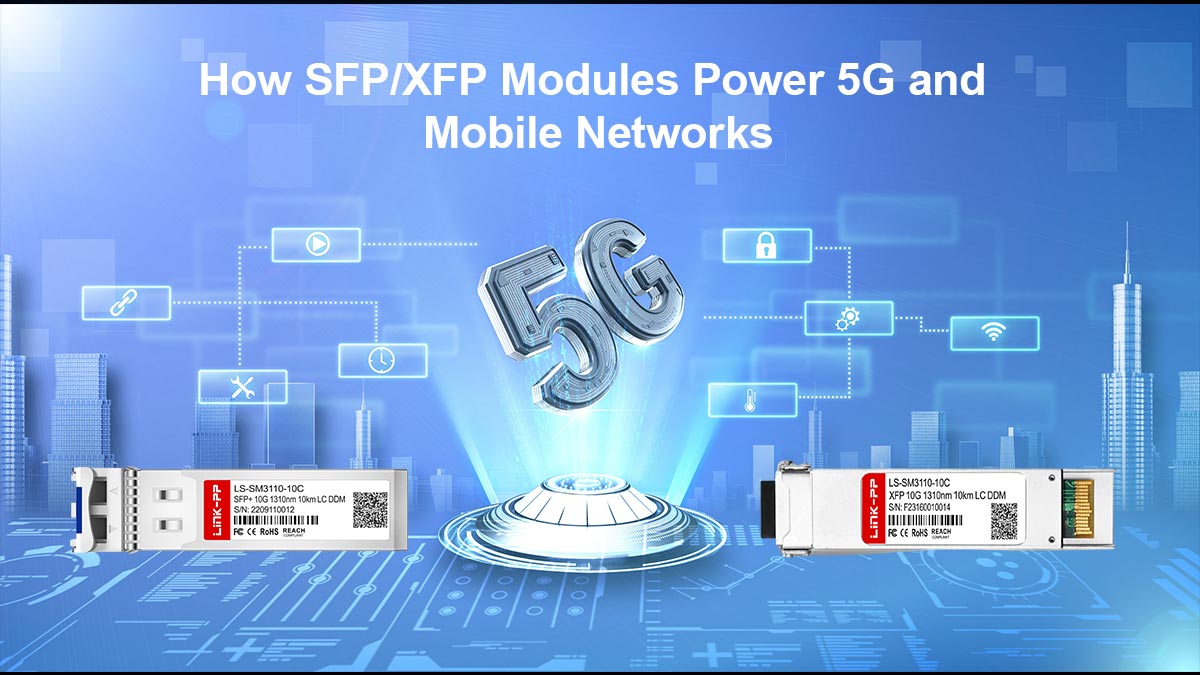
Why Mobile Base Stations Need High-Speed Connections
Modern mobile base stations handle immense volumes of data from smartphones, IoT devices, and wireless broadband users. To prevent bottlenecks between the cell tower antenna and the core network, high-speed optical links are required to carry digitized radio signals over the fronthaul and backhaul networks.
For legacy 3G and 4G base stations, standard 1G/2.5G SFP modules are widely deployed to handle basic voice and mobile data traffic. In contrast, 5G base stations require massive data throughput, relying on high-density 10G SFP+ modules (and occasionally legacy 10G XFP modules in older macro cell site routers) to support Common Public Radio Interface (CPRI) and eCPRI protocols.
Choosing Industrial-Grade Modules for Outdoor Weather
Unlike climate-controlled data centers, mobile base stations and remote radio heads (RRHs) are often mounted on outdoor utility poles or exposed cell towers. These environments subject optical transceivers to extreme temperature swings, humidity, and harsh weather.
Standard SFPs and XFPs designed for commercial use (0°C to 70°C) will quickly fail in these rugged setups. Telecom operators must deploy industrial-grade SFP and SFP+ modules, which are specially hardened to operate reliably in extreme outdoor temperatures ranging from -40°C to 85°C. While older industrial-grade XFP modules exist for legacy outdoor cabinets, modern deployments heavily favor the smaller, more thermally efficient industrial SFP+ modules to save space and reduce heat generation.
Saving Fiber Cables by Using Wave Division
Laying new physical fiber cables to every single cell tower is incredibly expensive and slow. To maximize existing infrastructure, mobile operators use Wavelength Division Multiplexing (WDM) to send multiple data streams over a single fiber pair by using different colors (wavelengths) of light.
For lower-capacity or legacy cell sites, CWDM transceivers are deployed to multiplex up to 18 channels over short distances. For high-capacity 5G networks, operators utilize SFP+ DWDM transceivers — and sometimes legacy DWDM XFP transceivers in older aggregation equipment — to pack up to 80+ channels onto a single fiber run, dramatically multiplying network capacity without laying new cables.
Keeping Cell Towers in Perfect Time Sync
For mobile networks to function without dropping calls during handovers, neighboring cell towers must be synchronized down to the microsecond. To achieve this, modern 10G SFP+ modules are deployed to support Synchronous Ethernet (SyncE) and IEEE 1588v2 Precision Time Protocol (PTP), which transmit highly accurate frequency and phase synchronization data directly over the optical link.
While legacy network equipment occasionally uses XFP modules to carry basic sync signals across older core routing hubs, modern 5G architectures rely almost exclusively on specialized SFP+ transceivers. These advanced modules feature low-latency internal architectures and deterministic jitter performance, ensuring that time-critical synchronization packets reach remote radio units without degradation.
📡 Long-Distance Solutions Using SFP/XFP Over Many Miles
When carrying optical signals across regional networks or between distant cities, light naturally degrades due to fiber loss and dispersion. Overcoming these long-haul challenges requires specialized, high-performance transceivers designed specifically for extended reach. By leveraging advanced optical engineering, SFP/XFP modules can transmit clean, high-speed data over dozens of miles without losing signal integrity.

Tunable vs. Fixed-Color Transceivers for Long Runs
In long-distance dense wavelength division multiplexing (DWDM) networks, operators must assign a unique wavelength (or "color") of light to each data channel. Historically, this meant stocking dozens of different fixed-wavelength modules to cover the entire optical grid.
For modern 10G deployments, tunable SFP+ modules allow engineers to configure the transceiver to any of the standard DWDM channels on-site via software, drastically reducing spare-part inventory. While tunable XFP modules were also widely developed to provide this same frequency-shifting flexibility for older core telecommunication routers, they are physically larger and run warmer than their compact SFP+ counterparts.
How to Boost Signals for 80km+ Distances
As optical signals travel beyond 80km, glass fibers absorb the light, causing the signal to grow too faint for standard photodetectors to read. To bridge these massive gaps at 10G speeds, networks require high-output transmitter lasers and highly sensitive optical receivers.
For these extended distances, operators deploy specialized SFP 10G ZR or 10G ZR XFP modules. These transceivers are equipped with high-power Distributed Feedback (DFB) or Electro-absorption Modulated (EML) lasers on the transmit side, and highly sensitive Avalanche Photodiodes (APD) on the receive side, allowing them to detect and decode incredibly weak incoming light signals.
Solving Signal Stretch (Dispersion) on Long Fiber Paths
As light pulses travel down miles of fiber, different wavelengths of light arrive at slightly different times — a physical phenomenon known as chromatic dispersion. Over long distances, this causes the digital optical pulses to stretch and overlap, resulting in severe data corruption.
To combat this at 10G speeds, legacy XFP modules often integrated electronic dispersion compensation (EDC) directly inside the transceiver housing to clean up the distorted incoming signal. In contrast, modern SFP+ deployments typically rely on host-board signal processing or external dispersion compensation modules (DCMs) along the fiber line to keep the high-speed data streams perfectly readable.
Using Error Correction to Keep Data Clean and Clear
Even with high-quality lasers, long-distance optical links can still suffer from minor signal degradation that introduces transmission errors. To maintain a clean connection, carriers use Forward Error Correction (FEC), a technology that adds redundant helper data to the transmission so the receiving end can fix errors on the fly.
Standard SFPs operating at 1G speeds do not natively support advanced error correction, relying instead on the host network layer to manage errors. However, at 10G speeds, many XFP modules feature built-in G.709 Optical Transport Network (OTN) FEC chips directly inside the module to clean up long-distance signals. Modern SFP+ setups achieve this same error-free performance by offloading the FEC processing directly to the host switch's high-speed ASIC chips.
📡 Avoiding Lock-In with Compatible SFP/XFP Modules
Many major hardware manufacturers design their switches and routers to recognize only their own branded transceivers, forcing operators into expensive ecosystem lock-ins. Fortunately, choosing high-quality, third-party compatible SFP/XFP modules allows network operators to break free from these vendor restrictions. Understanding how compatibility standards work enables you to build a highly reliable, flexible network at a fraction of the cost.
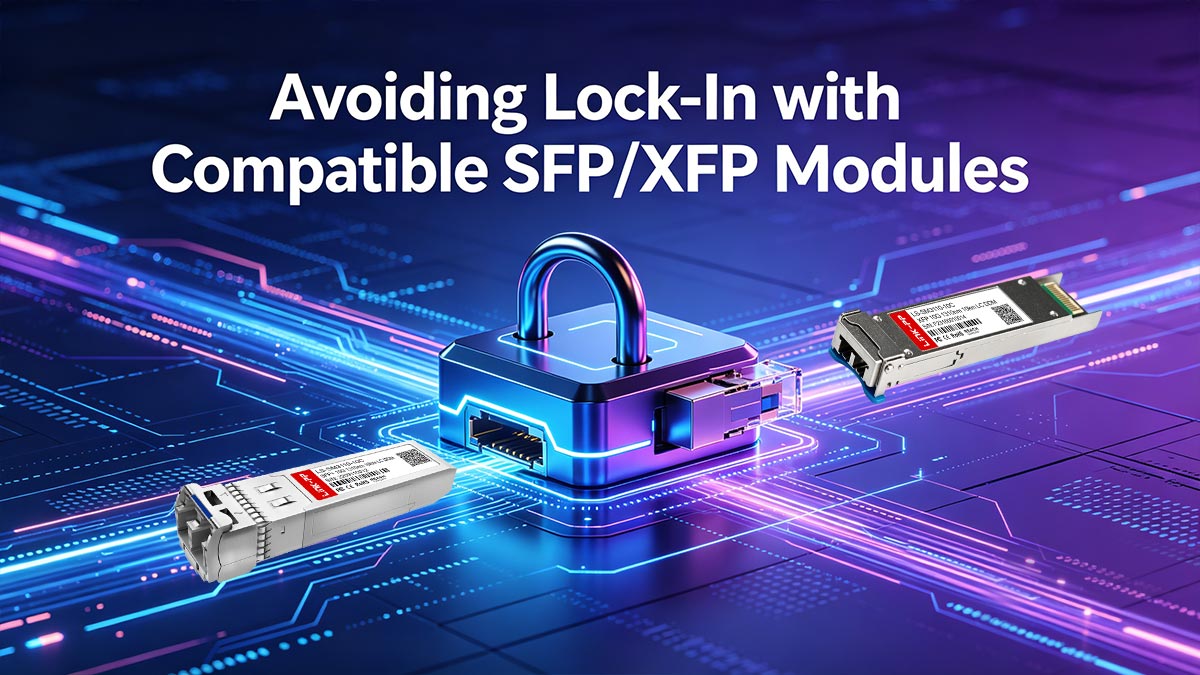
What is MSA and Why Does It Matter for Compatibility
The Multi-Source Agreement (MSA) is an industry-wide collaboration between competing manufacturers to define the physical dimensions, electrical interfaces, and optical characteristics of transceivers. Because SFP and XFP designs are governed by these strict, open standards rather than a single company's patent, any transceiver built to MSA guidelines will physically fit and electrically connect with any MSA-compliant host switch.
How Third-Party Modules Work Just Like Brand Names
While MSA standards handle the physical and electrical connections, host switches use software-level handshakes to identify plugged-in transceivers. Brand-name vendors program a unique signature onto an EEPROM chip inside their modules, which the switch reads upon installation; if the signature is missing, the switch may reject the module. Reputable third-party manufacturers write this exact vendor code onto the EEPROM of their own compatible SFP and XFP modules, allowing them to bypass software locks and function identically to official, brand-name alternatives.
Testing Modules to Make Sure They Work in Your Hardware
To ensure seamless integration, compatible transceivers must undergo rigorous verification inside actual host switches, routers, and servers from various vendors like Cisco, Juniper, and Huawei. Quality third-party suppliers run comprehensive compatibility loopback tests, traffic simulations, and temperature stress tests to confirm that the EEPROM coding, laser output, and digital diagnostics (DDM) report correctly to the host OS. This level of testing ensures the modules plug in and perform reliably under real-world data loads without triggering software warnings or port shutdowns.
Deciding Between Brand-Name and Alternative Brands
When planning your network budget, the choice between OEM transceivers and high-quality alternative brands comes down to cost versus convenience. OEM modules offer guaranteed support directly from the system vendor but come with massive price markups that can strain capital budgets. Opting for reliable, MSA-compliant third-party SFP and XFP compatible modules can reduce transceiver acquisition costs by up to 40% to 60%, allowing operators to allocate saved funds toward higher-tier active routing hardware or spare-part inventory.
📡 Troubleshooting Network Problems with SFP/XFP Diagnostics
When a fiber optic link experiences issues, identifying the root cause quickly is essential to minimizing network downtime. Modern SFP/XFP transceivers feature built-in diagnostic tools that allow engineers to monitor real-time operating conditions directly from the switch console. By leveraging these internal metrics, you can easily pinpoint whether a failure is caused by a faulty transceiver, a dirty fiber patch cable, or an issue with the host switch.
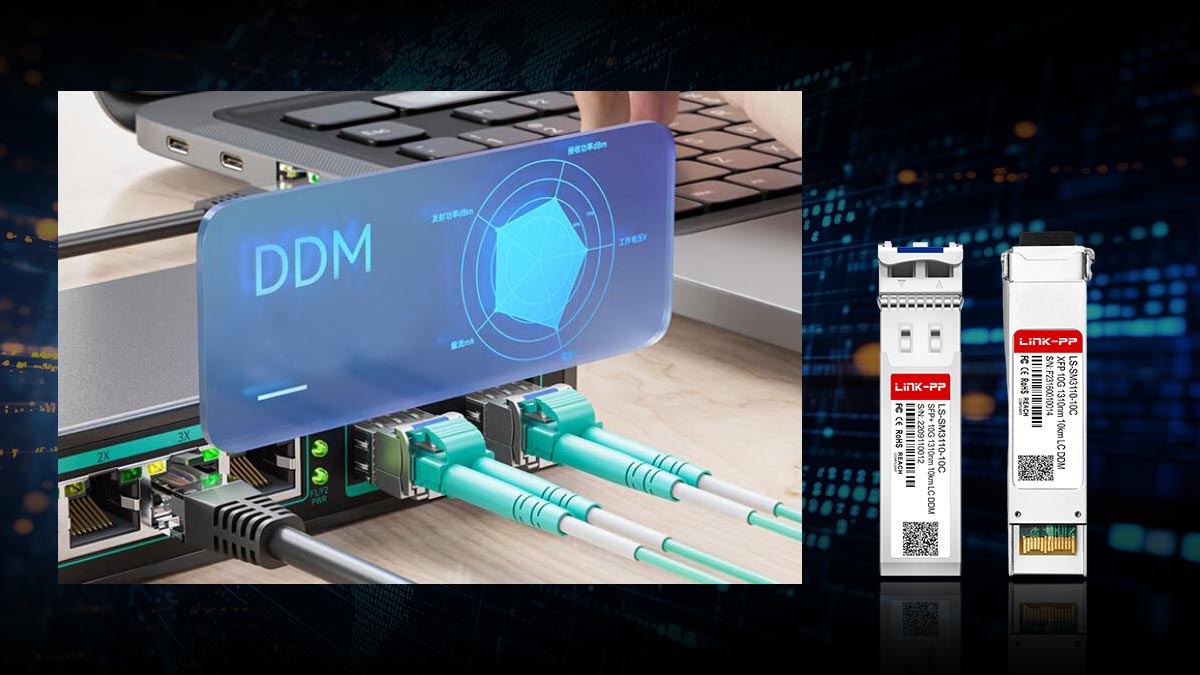
What is DDM and How Does It Help You?
Digital Diagnostics Monitoring (DDM) — also known as Digital Optical Monitoring (DOM) — is a standardized feature built into modern SFP and XFP transceivers. It acts as an internal telemetry system, giving network administrators a clear window into the physical operating health of the optical link.
Rather than sending technicians out with expensive external test equipment, DDM allows you to poll the module remotely to monitor five critical real-time parameters:
- Optical Transmit (Tx) Power: Measures the strength of the light signal being sent out by the transceiver's laser.
- Optical Receive (Rx) Power: Tracks the strength of the incoming light signal received from the far end of the fiber.
- Transceiver Temperature: Monitors the internal operating temperature of the module to prevent overheating.
- Laser Bias Current: Measures the electrical current driving the transmitter laser, which helps assess laser degradation over time.
- Supply Voltage: Tracks the electrical voltage being supplied to the module by the host switch.
Checking Laser Power and Signal Health
Checking the balance between transmitter and receiver power levels is the quickest way to diagnose physical layer issues along a fiber run. By comparing the outgoing Tx power of the local module with the incoming Rx power of the remote module, you can immediately identify where a signal is losing strength.
When analyzing these power levels, engineers typically look for two common fault states:
- High Optical Loss: If the transmitter power (Tx) is within normal ranges but the receiving power (Rx) is critically low, it indicates excessive signal loss along the physical fiber path. This is usually caused by dirty fiber connectors, tight micro-bends in the cable, or damaged patch panels.
- Transceiver Degradation: If the transmitter power (Tx) is unusually low while the input voltage is correct, the module's laser diode is likely nearing the end of its operational lifespan and needs to be proactively replaced before it fails completely.
Reading Alarms Before a Fiber Link Goes Down
Waiting for a link to drop entirely before taking action leads to costly network downtime. DDM-enabled SFP/XFP modules solve this by featuring predefined threshold parameters stored in their EEPROM, which generate system alerts when operating conditions begin to deteriorate.
These thresholds are structured into two distinct levels of urgency to help engineers prioritize maintenance:
- Warning Thresholds: These are triggered when a metric — such as internal temperature or Rx power — drifts slightly outside its optimal operating range. A warning alert indicates that the link is still functioning but requires scheduled maintenance to prevent future issues.
- Alarm Thresholds: These are triggered when a parameter reaches critical limits that threaten hardware safety or data integrity. An alarm indicates that the transceiver is on the verge of failure, experiencing severe packet loss, or shutting down to prevent thermal damage, requiring immediate emergency intervention.
📡 Smart Procurement Advice for Buying SFP/XFP in Bulk
Sourcing SFP/XFP transceivers in large quantities requires a strategic balance between saving money and keeping your network reliable. By planning your purchases carefully, you can cut hardware costs significantly while maintaining excellent network performance.

How to Cut Costs Without Losing Network Quality
The easiest way to save money is to buy high-quality, third-party compatible modules instead of expensive brand-name ones. These compatible SFP/XFP modules use the same internal lasers and chips as major brands but cost up to 60%. Just make sure the supplier uses premium components and offers certifications like CE and FCC to guarantee the modules perform safely and reliably.
Buying in Bulk vs. Keeping Spare Parts in Stock
Buying in bulk gets you the best price per unit, but you should only bulk-buy the common modules you use every day, like standard 10G SFP+ links. For expensive or older modules, like ZR long-range transceivers or legacy XFP modules, keep a smaller "safety stock" of about 10% to 15% of your active ports. This keeps your upfront costs low while ensuring you always have spare parts ready for quick emergency replacements.
How to Spot Quality Suppliers of Compatible Modules
To find a reliable supplier, look for those who operate a dedicated, in-house testing lab equipped with a wide variety of original network hardware. A good vendor like LINK-PP will perform real-port compatibility checks, packet-loss simulations, and temperature stress tests on every single SFP/XFP module before shipping. Finally, only buy from suppliers who back their rigorous testing processes with a solid long-term warranty and fast replacement shipping for any failed units.
📡 How to Install and Handle SFP/XFP Modules Safely
SFP/XFP transceivers are highly sensitive optoelectronic devices that require careful handling during installation and maintenance. Following proper physical handling procedures prevents costly equipment damage and ensures your fiber optic connections remain clean and reliable.
Protecting Your Equipment from Static Electricity
Electrostatic discharge (ESD) can instantly destroy the delicate internal circuitry of SFP and XFP transceivers. Always wear an ESD-preventive wrist strap connected to the chassis ground when handling these modules. If a wrist strap is unavailable, ground yourself by touching a bare metal surface on the equipment rack before removing the transceiver from its protective, anti-static packaging.
Quick and Clean Tips for Fiber Connectors
Microscopic dust on a fiber connector is the leading cause of optical signal loss and permanent laser damage. Always keep the protective dust plugs on your SFP/XFP modules and fiber patch cords until the exact moment you are ready to connect them. Before plugging a fiber cable into a transceiver, clean the optical connector tip using a dedicated fiber click-cleaner or lint-free optical wipes dampened with specialized fiber-cleaning solvent.
Preventing Fiber Bend Damage and Cable Pulls
Fiber optic cables are made of glass and will experience high signal loss or break entirely if bent too sharply or pulled with excessive force. Maintain a safe bend radius — typically no less than 10 times the outer diameter of the cable — when routing your fiber patch cords inside the rack. Use loose hook-and-loop (Velcro) straps rather than tight plastic zip-ties to secure the cabling, ensuring there is no direct tension pulling on the installed SFP or XFP modules.
How to Plug and Unplug Modules Without Breaking Ports
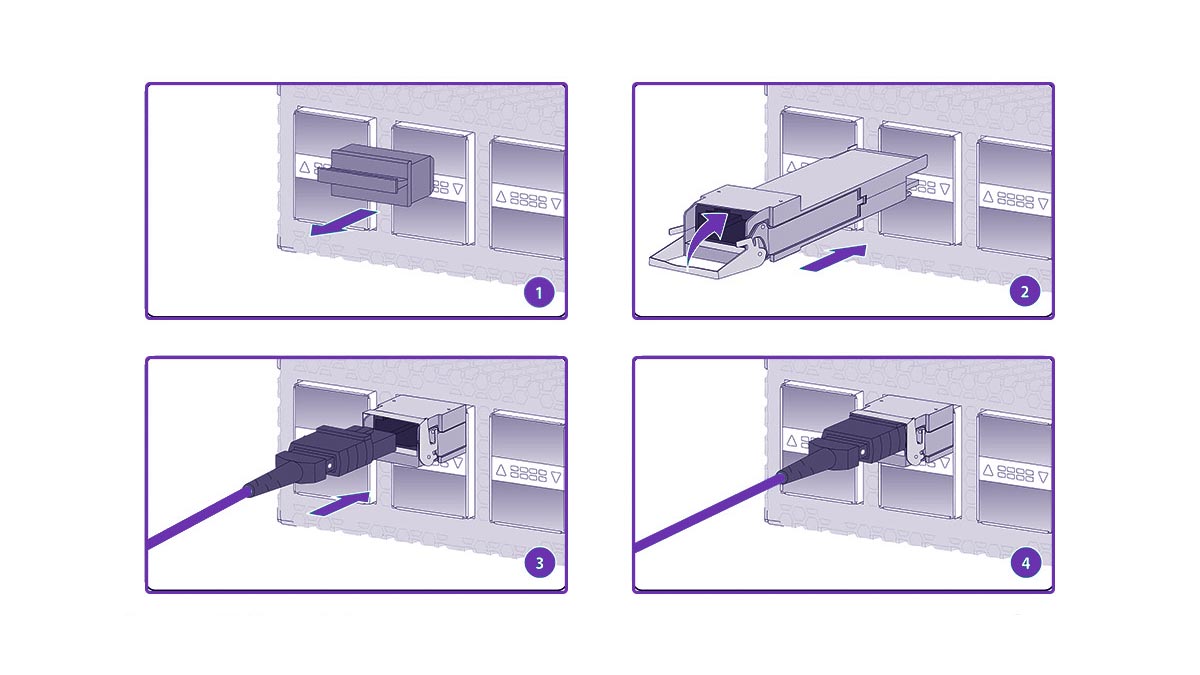
Forcing an SFP or XFP module into a port can bend the internal pins and permanently damage your expensive switch or router. To install a module safely, align it with the port, slide it straight in, and apply gentle pressure until you hear or feel it click securely into place. When removing a module, always release its physical latching mechanism first (such as folding down the bale-clasp wire handle or pulling the release tab) before sliding the transceiver smoothly out of the slot.
📡 Future-Proofing Your Telecom Network with the Right SFP/XFP Solutions

As next-generation technologies like 5G, IoT, and ultra-broadband continue to expand, the demands on optical infrastructure will only grow. Future-proofing your telecom network requires a strategic selection of flexible, high-performance SFP/XFP transceivers that comply with MSA standards and support advanced diagnostics. By prioritizing quality components, correct thermal management, and reliable compatible options today, you ensure your network remains scalable and ready for tomorrow’s bandwidth needs.
Ready to optimize your fiber infrastructure with reliable, high-quality optical transceivers? Explore a comprehensive selection of fully compatible SFP/XFP modules engineered for seamless integration by visiting the LINK-PP Official Store. Equip your network with cost-effective, rigorously tested solutions that deliver maximum uptime and peak performance.