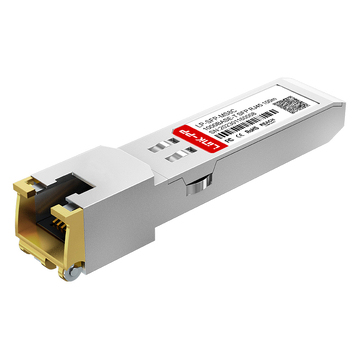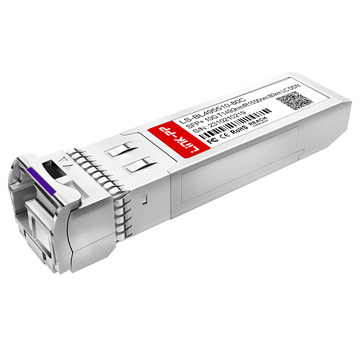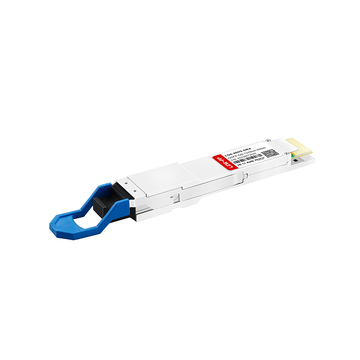






























Modern enterprise networks are experiencing continuous growth in bandwidth demand driven by cloud applications, virtualization, AI workloads, video collaboration, and east-west traffic inside data centers. As organizations upgrade their core switching infrastructure, SFP uplinks have become a critical component for achieving scalable, high-speed, and flexible network connectivity. From 1Gbps fiber uplinks to 100Gbps aggregation links, SFP uplink technologies now play a central role in maintaining network performance while supporting future expansion.
At the same time, the cost of deploying and maintaining core switch uplinks has become a major concern for IT teams and network architects. Optical transceivers, fiber cabling, DAC assemblies, power consumption, and long-term maintenance can significantly impact overall infrastructure budgets. In many environments, inefficient uplink planning leads to unnecessary overspending, underutilized bandwidth, compatibility challenges, and higher operational complexity. As a result, organizations are increasingly focused on balancing performance requirements with cost-efficient SFP uplink strategies.
Choosing the right SFP uplink solution is no longer limited to selecting a compatible SFP transceiver speed. Network planners must evaluate transmission distance, switch compatibility, cabling architecture, scalability requirements, energy efficiency, and long-term operational costs. This guide explores the most important technical and financial considerations for SFP uplinks in core switches, helping enterprises optimize deployment costs while maintaining reliable and scalable network performance.
⏩ Understanding SFP Uplinks in Core Switch Architectures
SFP uplinks are a foundational element in core switch design, directly influencing how traffic is aggregated, forwarded, and scaled across enterprise and data center networks. In modern architectures, they provide the flexible high-speed connectivity layer that keeps multi-tier networks efficient, modular, and upgradeable.
What Are SFP Uplinks?
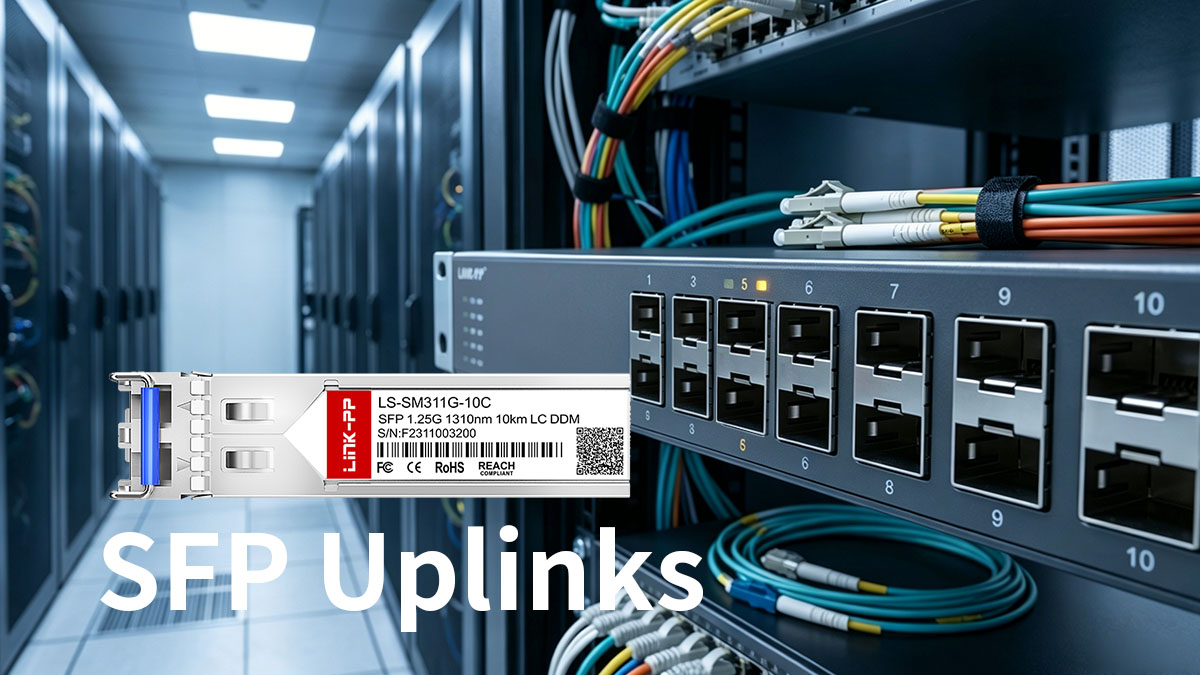
SFP uplinks are modular high-speed interfaces on network switches that use Small Form-factor Pluggable transceivers to connect switches to other network devices over fiber or copper media. Their primary purpose is traffic aggregation and high-speed inter-switch communication.
Key characteristics of SFP uplinks in core switch environments include:
- Modular interface design using pluggable optical or copper transceivers
- Support for multiple transmission media types, including fiber and DAC cables
- Flexible speed options depending on switch generation (1Gbps to 100Gbps)
- Ability to extend network distance from short-reach to long-range links
- Designed specifically for uplink and backbone traffic aggregation
SFP uplinks are widely used because they decouple switch hardware from physical transmission media, allowing networks to adapt without replacing core infrastructure.
Core technical categories commonly deployed include:
- 1G SFP for legacy and access-layer aggregation
- 10G SFP+ for standard enterprise core switching
- 25G SFP28 for high-density modern architectures
- QSFP-based breakout uplinks for higher-speed aggregation scenarios
These categories enable gradual network scaling aligned with traffic growth patterns.
Why Core Switches Depend on SFP Uplinks
Core switches rely on SFP uplinks because they form the high-capacity transport layer that connects distributed network segments into a unified backbone. Without them, traffic aggregation and redundancy would be severely limited.
Their importance in core switching design can be summarized as:
- Aggregating traffic from access and distribution switches into the core layer
- Supporting high-volume east-west traffic in modern distributed applications
- Enabling scalable bandwidth upgrades without replacing switch hardware
- Providing redundancy paths for high availability network design
- Supporting mixed-speed environments during infrastructure transitions
In operational environments, SFP uplinks also play a critical role in load distribution:
- Traffic balancing through link aggregation (LACP) configurations
- Failover support to maintain connectivity during link failure events
- Dynamic routing efficiency across multiple uplink paths
- Reduced congestion at the core switching layer
From a scalability perspective, SFP uplinks support phased infrastructure evolution:
- Initial deployment with lower-speed uplinks for cost efficiency
- Incremental upgrades to higher-speed modules as demand increases
- Extension of network lifespan without full hardware replacement
- Flexible integration with future switch generations
Common Deployment Environments
SFP uplinks are deployed across multiple network environments, each with distinct performance and scalability requirements. Their versatility makes them a standard choice for both enterprise and service provider networks.
Typical deployment scenarios include:
- Enterprise campus networks
- Connecting floor or building access switches to core switches
- Supporting centralized IT infrastructure and user traffic aggregation
- Data center environments
- Enabling spine-leaf architecture connectivity
- Supporting server-to-server east-west traffic
- High-density 10Gbps and 25Gbps uplink deployments
- Telecom and ISP aggregation networks
- Connecting edge nodes to regional backbone infrastructure
- Supporting long-distance optical transmission requirements
- Industrial and surveillance networks
- Linking distributed devices across large physical environments
- Ensuring stable connectivity in electrically noisy conditions
- SMB network infrastructure upgrades
- Transitioning from copper-based networks to fiber uplinks
- Enabling future scalability without major redesign
Across all environments, the consistent role of SFP uplinks is to provide:
- Scalable interconnection between network layers
- Flexible physical media selection
- Efficient bandwidth aggregation
- Long-term upgrade compatibility without structural redesign
⏩ Major Cost Factors in SFP Uplink Deployments
SFP uplink deployments in core switch environments are influenced by multiple cost layers beyond the transceiver itself. In real-world network planning, the total expenditure is determined by a combination of optical modules, cabling infrastructure, energy consumption, and long-term operational overhead. Understanding these cost drivers is essential for building a predictable and scalable networking budget.
Optical Module Pricing Variables
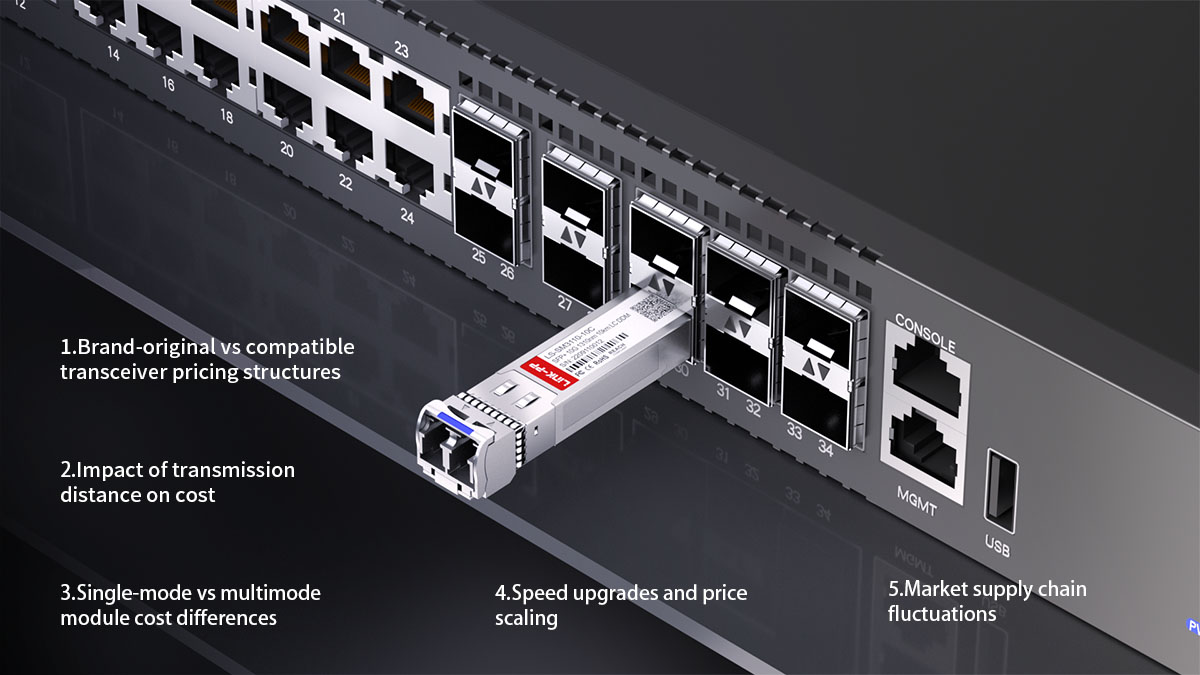
SFP uplink module pricing is one of the most visible cost components in network deployments, but it varies significantly based on technical specifications and sourcing strategies. The cost difference between modules is often driven by performance class, compatibility requirements, and production standards.
Key pricing factors influencing optical transceivers include:
- Data rate requirements (1G, 10G, 25G, 100G uplinks)
- Transmission distance (short-range optics vs long-range transceivers)
- Fiber type compatibility (single-mode vs multimode)
- Vendor ecosystem restrictions and compatibility coding
- Manufacturing and certification standards
To better understand how these factors impact cost structure, the following comparison highlights common optical module categories used in SFP uplinks:
| Module Type | Typical Use Case | Cost Level Influence | Deployment Flexibility |
|---|---|---|---|
| 1G SFP | Legacy aggregation | Low | High |
| 10G SFP+ | Enterprise core uplinks | Medium | High |
| 25G SFP28 | High-density data centers | High | Medium |
| 100G QSFP28 | Backbone aggregation | Very High | Medium |
These differences show that higher-speed uplinks generally introduce a nonlinear increase in cost, especially when combined with long-distance transmission requirements.
Cabling and Infrastructure Expenses
Cabling infrastructure represents a substantial hidden cost in SFP uplink deployments. While often underestimated, fiber selection, cable type, and physical layout design can significantly affect both installation cost and long-term operational efficiency.
Core cost drivers in cabling infrastructure include:
- Fiber type selection (OM3, OM4, OS2)
- DAC (Direct Attach Copper) vs AOC (Active Optical Cable) vs fiber patching
- Structured cabling design complexity
- Distance between network racks and switching layers
- Installation labor and physical routing requirements
Each of these factors influences total deployment cost differently. For example, short-reach DAC solutions reduce both hardware and installation expenses, while long-distance fiber links increase both material and labor costs.
A comparative view of common connectivity options highlights key differences:
| Connectivity Type | Typical Distance | Relative Cost | Installation Complexity |
|---|---|---|---|
| DAC | 1–7m | Low | Low |
| AOC | Up to 100m | Medium | Low |
| Fiber Optics | 100m–10km+ | High | High |
This comparison shows that cabling decisions must align with actual physical topology requirements. Overengineering distance capabilities often leads to unnecessary cost escalation without performance benefit.
Power Consumption and Operational Costs
Operational costs are a critical but often overlooked component of SFP uplink deployment economics. Optical modules and high-density switches contribute to ongoing energy consumption, cooling requirements, and infrastructure sustainability costs.
Key operational cost drivers include:
- Power consumption per SFP module type
- Heat output in high-density switch environments
- Data center cooling system requirements
- Port utilization efficiency and idle power draw
- Long-term energy pricing trends
Higher-speed uplinks generally consume more power, especially in dense deployments where multiple transceivers operate simultaneously. This directly affects total cost of ownership (TCO), particularly in large-scale data centers.
Maintenance and Lifecycle Costs
Beyond initial deployment and energy usage, long-term maintenance and lifecycle management significantly influence total SFP uplink cost structures. These costs accumulate over time and often exceed initial procurement differences if not properly managed.
Key lifecycle cost factors include:
- Module failure rates and replacement frequency
- Firmware and compatibility management across switch platforms
- Spare inventory planning and stocking strategies
- Network downtime risk and recovery procedures
- Technical support and troubleshooting requirements
In large-scale environments, even small differences in failure rates can lead to significant operational cost variations. This makes reliability and consistency important selection criteria alongside price.
Lifecycle efficiency is often improved through:
- Standardizing optical module types across deployments
- Maintaining controlled inventory of spare uplink modules
- Ensuring compatibility validation before deployment
- Implementing proactive monitoring and diagnostics systems
These measures help reduce unexpected downtime costs and improve long-term network stability, making lifecycle planning a critical part of SFP uplink cost optimization strategies.
⏩ Comparing SFP Uplink Connectivity Options
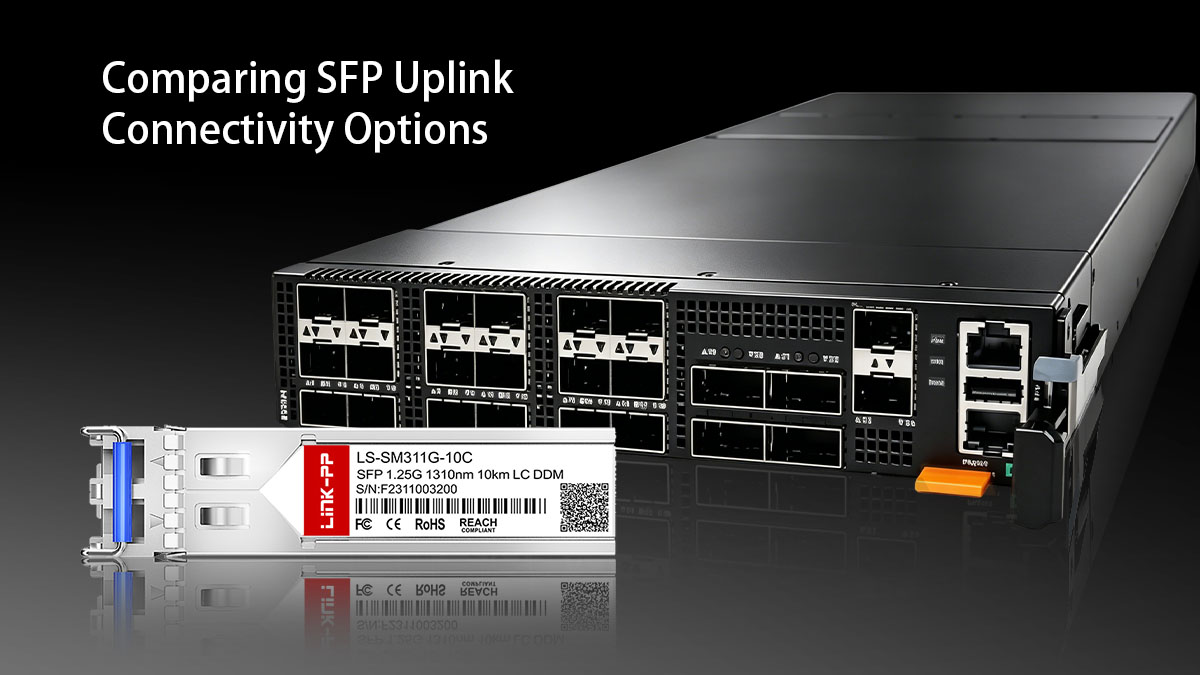
SFP uplink connectivity in core switch architectures is not limited to a single transmission method. In real deployments, network designers must choose between DAC, AOC, and optical transceivers with fiber, each offering different trade-offs in cost, distance, flexibility, and scalability. Selecting the right option directly affects both initial deployment efficiency and long-term operational performance.
DAC vs AOC vs Optical Transceivers
SFP uplink connectivity options generally fall into three categories: Direct Attach Copper (DAC), Active Optical Cable (AOC), and pluggable optical transceivers paired with fiber cabling. Each option is designed for specific distance ranges and cost-performance requirements.
These connectivity types differ primarily in physical transmission method, deployment flexibility, and infrastructure complexity. Understanding their core behavior helps align technology selection with real-world network topology needs.
To clearly illustrate their technical differences, the following comparison highlights key deployment parameters:
| Connectivity Type | Transmission Medium | Typical Distance Range | Deployment Flexibility | Cost Efficiency |
|---|---|---|---|---|
| DAC | Copper twinax cable | 1–7m | Low | High |
| AOC | Integrated fiber optics | 1–100m | Medium | Medium |
| Optical Transceivers + Fiber | Modular fiber system | 100m–10km+ | High | Variable |
This comparison shows that DAC is typically the most cost-efficient for short rack-level connections, while optical transceivers provide the highest scalability for distributed network architectures.
Single-Mode vs Multimode Fiber Economics
When optical transceivers are used in SFP uplinks, fiber type selection becomes a key cost and performance factor. The two primary options—single-mode fiber (SMF) and multimode fiber (MMF)—offer different trade-offs in distance capability, infrastructure cost, and scalability.
The choice between these fiber types is typically driven by network scale, transmission distance, and long-term expansion requirements.
A practical comparison of fiber characteristics is shown below:
| Fiber Type | Typical Distance | Infrastructure Cost | Signal Quality | Use Case Focus |
|---|---|---|---|---|
| Multimode (OM3/OM4) | Up to ~400–550m | Lower | Moderate | Data center short-range links |
| Single-mode (OS2) | 10km+ | Higher | High | Campus, metro, long-distance links |
This comparison highlights that multimode fiber is generally more cost-efficient for short-range deployments, while single-mode fiber provides superior scalability for long-distance networking.
Original Vendor Modules vs Compatible Alternatives
Optical transceivers used in SFP uplinks are available from original equipment manufacturers (OEMs) as well as third-party compatible suppliers. The choice between these options significantly affects procurement cost, operational flexibility, and lifecycle scalability.
Both categories provide similar functional performance when properly validated, but differ in pricing structure, ecosystem restrictions, and procurement strategy.
Key differences between OEM and compatible SFP modules include:
- OEM modules are typically designed and branded by switch manufacturers
- Compatible modules are engineered to meet equivalent technical specifications across platforms
- OEM solutions often include tighter ecosystem integration and vendor support alignment
- Compatible solutions focus on cost efficiency and multi-vendor flexibility
⏩ Cost Optimization Strategies for Core Switch SFP Uplinks
Optimizing SFP uplink costs in core switch environments is not only about reducing module prices, but about improving the overall efficiency of network design, bandwidth utilization, and lifecycle management. In real deployments, the most effective cost reduction strategies come from aligning technical requirements with actual traffic demand and avoiding overengineering across the entire uplink architecture.
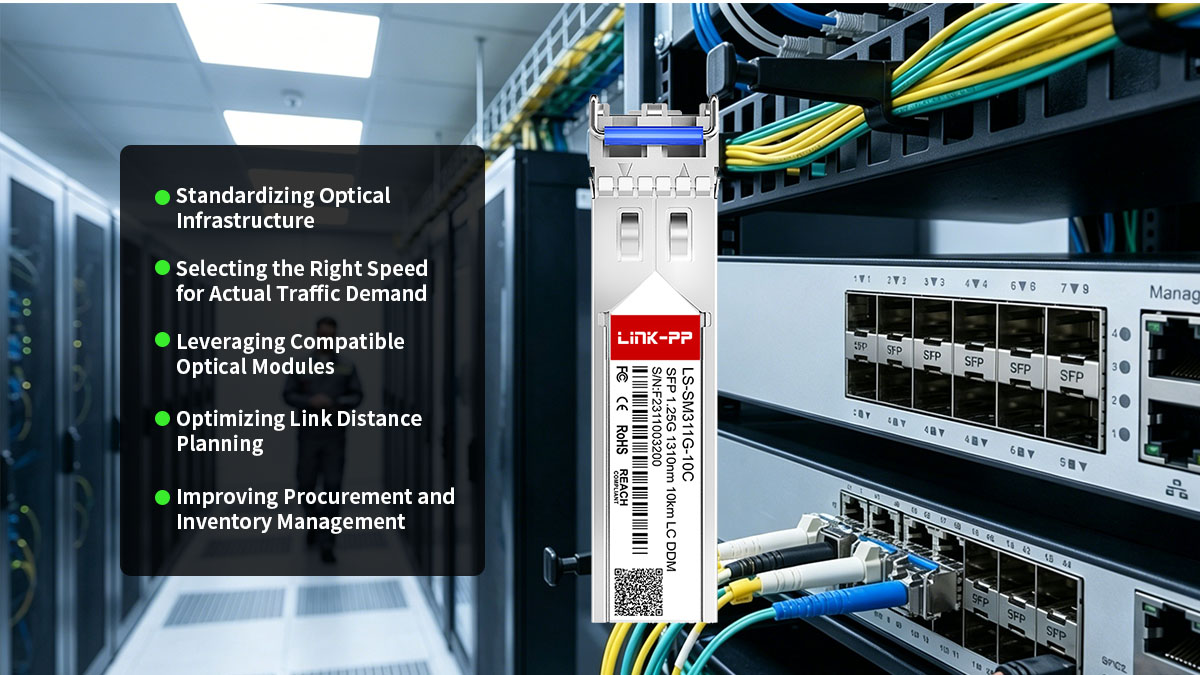
Standardizing Optical Infrastructure
Standardization of SFP uplink components is one of the most effective ways to reduce both procurement complexity and long-term maintenance costs. When networks use a consistent set of optical modules and cabling types, operational efficiency improves significantly across the entire infrastructure lifecycle.
A standardized uplink environment typically focuses on reducing variation in:
- Optical transceiver types across core and distribution layers
- Supported speeds (e.g., limiting unnecessary mixed-speed environments)
- Fiber types used across similar deployment zones
- Switch compatibility profiles across vendor platforms
This approach reduces hidden operational costs in several ways:
- Simplifies spare part inventory management
- Reduces troubleshooting complexity during failures
- Minimizes compatibility validation effort during expansion
- Improves procurement forecasting accuracy
In practice, standardization does not mean limiting flexibility, but rather aligning design choices with repeatable deployment patterns. This allows network teams to scale infrastructure without repeatedly redesigning uplink configurations.
Selecting the Right Speed for Actual Traffic Demand
One of the most common causes of unnecessary SFP uplink cost is over-provisioning bandwidth far beyond real application requirements. While higher-speed uplinks provide future readiness, they also introduce higher capital, power, and cooling costs.
A demand-based speed selection approach focuses on matching uplink capacity to real traffic patterns rather than theoretical peak loads.
Key considerations for right-sizing uplink speed include:
- Current average and peak traffic utilization across core switches
- Application type distribution (web, storage, video, cloud workloads)
- Growth rate of network traffic over time
- Aggregation ratio between access and core layers
A practical evaluation framework can be summarized as:
- Use 1Gbps or 10Gbps uplinks for stable, low-growth environments
- Deploy 10Gbps or 25Gbps uplinks for medium-growth enterprise cores
- Adopt 25Gbps and above only when traffic density justifies sustained utilization
This approach ensures that investment is aligned with actual network behavior rather than projected maximum capacity, reducing underutilized infrastructure costs.
Leveraging Compatible Optical Modules
Compatible optical modules play a significant role in reducing SFP uplink deployment costs, especially in large-scale core switching environments. When properly validated, they provide equivalent functional performance while offering more flexible procurement and cost structures.
The cost optimization value of compatible modules is driven by several factors:
- Lower unit pricing compared to vendor-branded optics
- Broader sourcing flexibility across suppliers
- Reduced dependency on single-vendor ecosystems
- Improved availability for large-scale deployments
To ensure stable deployment outcomes, compatibility-focused strategies typically include:
- Pre-deployment validation against switch firmware versions
- Standardized coding and EEPROM configuration checks
- Environmental and stress testing for mission-critical links
- Gradual rollout in non-critical network segments first
When implemented correctly, compatible optics allow organizations to scale uplink deployments more efficiently while maintaining operational stability in core switch environments.
Optimizing Link Distance Planning
Distance planning is a critical but often overlooked factor in SFP uplink cost optimization. Selecting optical modules with unnecessarily long transmission ranges can significantly increase both capital and operational costs without providing functional benefits.
Effective distance optimization focuses on matching optical specifications to real physical layouts.
Key principles include:
- Avoid using long-reach optics for short rack-level connections
- Match fiber type and module reach to actual switch-to-switch distance
- Design rack layouts to minimize interconnect distances where possible
- Group core and aggregation switches to reduce uplink span requirements
This approach reduces unnecessary cost escalation in several areas:
- Lower optical transceiver pricing for short-reach models
- Reduced power consumption per uplink port
- Simplified cabling infrastructure requirements
- Lower signal loss and improved link stability
By aligning physical network design with realistic distance requirements, organizations can significantly reduce both upfront and long-term uplink costs.
Improving Procurement and Inventory Management
Efficient procurement and inventory management directly impact the total cost of SFP uplink deployments, especially in environments with frequent expansion or high port turnover. Poor planning often leads to emergency purchases, excess inventory, or mismatched module stock.
A cost-optimized procurement strategy typically focuses on:
- Centralized procurement of standardized SFP uplink modules
- Forecast-based purchasing aligned with network expansion cycles
- Maintaining controlled spare inventories for critical link types
- Avoiding fragmented sourcing across incompatible module variants
Key operational benefits of this approach include:
- Reduced per-unit cost through bulk procurement strategies
- Lower risk of project delays due to component shortages
- Improved consistency in deployed optical infrastructure
- Simplified lifecycle tracking of optical assets
In addition, maintaining a well-structured inventory system helps reduce downtime costs by ensuring rapid replacement capability during uplink failures.
⏩ Technical Considerations Before Deploying SFP Uplinks
SFP uplink deployment in core switch environments requires more than selecting a compatible optical module. In real-world networking, performance stability, compatibility validation, thermal behavior, and redundancy design all directly impact whether the uplink layer can sustain long-term enterprise workloads. Careful technical evaluation before deployment helps prevent instability, downtime, and unnecessary upgrade costs.
Switch Compatibility Verification
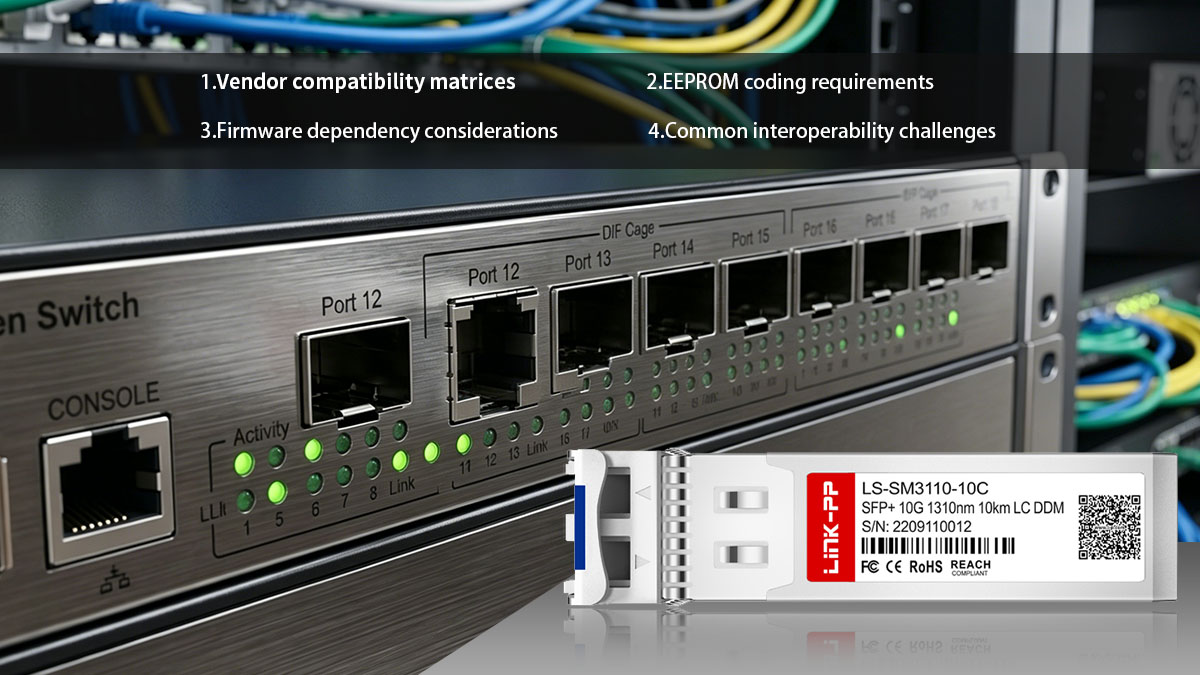
Switch compatibility is one of the most critical technical requirements in SFP uplink deployment. Even when optical modules match the correct speed and form factor, incompatibility at firmware or coding level can lead to link failure or unstable performance.
A structured compatibility check typically focuses on the following areas:
- Switch vendor support matrix for optical modules
- EEPROM coding format alignment with switch identification rules
- Firmware version compatibility across switch models
- Support for third-party or compatible transceiver usage
- Cross-platform interoperability in multi-vendor environments
These factors determine whether an SFP uplink module will function correctly after installation or require additional configuration.
Thermal Management and Port Density
High-density core switches using SFP uplinks generate significant heat, especially when multiple high-speed optical transceivers operate simultaneously. Thermal performance directly affects system stability, port longevity, and overall network reliability.
Key thermal considerations in SFP uplink environments include:
- Heat output per optical transceiver type (1G, 10G, 25G, etc.)
- Cumulative thermal load in high-density switch chassis
- Airflow direction and cooling system efficiency
- Rack-level heat concentration in core network zones
- Power-to-heat ratio in fully populated uplink switches
To maintain stable performance under high port density conditions, network designs typically incorporate:
- Front-to-back or back-to-front airflow alignment across devices
- Strategic spacing between high-density switches
- Monitoring of internal switch temperature thresholds
- Load balancing of active uplinks to distribute heat generation
Effective thermal management ensures that SFP uplinks operate within safe temperature ranges, preventing performance degradation and extending hardware lifespan in intensive networking environments.
Network Reliability and Redundancy
SFP uplinks form the backbone of core network connectivity, making reliability and redundancy essential design requirements. Any failure at the uplink layer can impact large segments of network traffic, especially in centralized or spine-leaf architectures.
Key redundancy strategies for SFP uplinks include:
- Link aggregation (LACP) for bandwidth pooling and failover support
- Dual-homing uplinks between access and core switches
- Redundant fiber paths for physical route diversity
- Multi-switch uplink distribution for load balancing
- Active-active and active-passive failover configurations
These approaches ensure continuous network operation even during partial link failures or maintenance events.
Security and Network Stability
SFP uplink deployment also has implications for network security and long-term operational stability. While optical modules themselves are passive components, their compatibility, firmware behavior, and diagnostic capabilities can influence overall network integrity.
Key security and stability considerations include:
- Risk of unauthorized or unverified optical modules in the network
- Firmware consistency across switches to prevent interoperability issues
- Monitoring capabilities for detecting abnormal link behavior
- Protection against misconfigured or unstable uplink connections
- Ensuring consistent operational baselines across all core switches
To maintain stable and secure uplink environments, organizations often implement:
- Strict approval policies for optical module deployment
- Centralized firmware management across switch infrastructure
- Real-time monitoring of uplink performance metrics
- Standardized configuration templates for all core switch uplinks
These practices ensure that SFP uplinks remain predictable, stable, and secure under continuous enterprise workloads, reducing operational risks and maintaining consistent network performance across all layers.
⏩ Common Mistakes to Avoid in SFP Uplink Cost Planning
SFP uplink cost planning in core switch environments is often more challenging than it appears, because many cost overruns are not caused by equipment prices alone, but by design decisions, forecasting errors, and overlooked operational factors. In practice, avoidable planning mistakes can lead to underutilized infrastructure, unexpected upgrade cycles, and long-term inefficiencies in both capital and operational expenditure.
Overestimating Bandwidth Requirements
One of the most frequent cost planning mistakes is overestimating bandwidth demand and deploying uplink speeds far beyond actual network usage. While this approach may appear future-proof, it often results in significant underutilization of expensive high-speed infrastructure.
This issue typically arises from:
- Designing uplinks based on theoretical peak traffic rather than real usage data
- Applying uniform high-speed upgrades across all network segments
- Lack of granular traffic monitoring and historical analysis
- Overcompensation for uncertain future growth scenarios
The impact of overprovisioning SFP uplinks includes:
- Higher upfront capital expenditure on high-speed optics and switches
- Increased power consumption and cooling requirements
- Lower return on investment due to idle bandwidth capacity
- Reduced flexibility in reallocating network resources
A more balanced approach focuses on aligning uplink capacity with measured traffic patterns and incremental growth trends rather than maximum theoretical demand.
Ignoring Compatibility Validation
Compatibility validation is often underestimated during cost planning, yet it is one of the most critical factors affecting deployment success. Deploying SFP uplink modules without proper validation can lead to link failures, unstable connections, or additional troubleshooting costs.
Common compatibility-related mistakes include:
- Using optical modules without verifying switch firmware support
- Mixing inconsistent coding profiles across network devices
- Assuming cross-vendor interoperability without testing
- Deploying new uplink modules without lab validation
The consequences of poor compatibility planning include:
- Increased network downtime during deployment phases
- Additional costs for replacement or reconfiguration
- Higher engineering effort for troubleshooting issues
- Delays in network expansion or upgrade projects
Proper validation processes significantly reduce these risks and ensure that SFP uplinks operate reliably across all core switching environments.
Focusing Only on Initial Hardware Pricing
Another common mistake in SFP uplink cost planning is focusing exclusively on upfront hardware pricing while ignoring long-term operational and lifecycle costs. Although initial module pricing is important, it represents only a portion of total cost of ownership.
Cost factors often overlooked include:
- Power consumption differences between optical modules
- Cooling requirements in high-density deployments
- Maintenance and replacement frequency over time
- Inventory management and spare part logistics
- Downtime costs associated with link failures
A narrow focus on initial cost can lead to:
- Selection of incompatible or inefficient solutions
- Higher operational expenses over the lifecycle of the network
- Increased maintenance complexity
- Reduced long-term infrastructure flexibility
A more accurate cost model evaluates both capital expenditure and operational expenditure together to reflect the true cost of SFP uplink deployment.
Lack of Scalable Network Design
Scalability is a fundamental requirement in core switch environments, yet many cost planning issues arise from network designs that do not anticipate future growth. A lack of scalability planning often results in costly redesigns or premature infrastructure replacement.
Typical scalability-related mistakes include:
- Designing uplink architecture for current needs only
- Failing to reserve capacity for future traffic growth
- Using rigid topologies that limit expansion flexibility
- Underestimating the impact of new applications and services
The consequences of poor scalability planning include:
- Expensive re-cabling and infrastructure reconfiguration
- Forced replacement of switches or uplink modules
- Increased migration complexity during upgrades
- Operational disruptions during scaling events
To avoid these issues, uplink planning should incorporate modular expansion paths that allow gradual capacity increases without major architectural changes.
⏩ Conclusion
SFP uplinks play a foundational role in core switch architectures, directly influencing network scalability, performance stability, and long-term infrastructure cost efficiency. Across enterprise, data center, and service provider environments, the way uplinks are selected, deployed, and managed has a measurable impact on both capital expenditure and operational expenditure.
When evaluating SFP uplink strategies, the most effective outcomes are achieved by focusing on a balanced combination of technical accuracy and cost-aware planning rather than isolated component-level decisions.
Key takeaways from SFP uplink cost optimization include:
- Proper alignment of uplink speed with real traffic demand helps prevent unnecessary overprovisioning and underutilization
- Connectivity selection (DAC, AOC, or fiber-based optics) should always match physical distance and topology requirements
- Compatibility validation across switches and optical modules is essential for ensuring stable long-term operation
- Standardized optical infrastructure reduces complexity, simplifies inventory management, and improves scalability
- Lifecycle cost considerations are as important as initial procurement pricing in total cost planning
These principles highlight that SFP uplink optimization is not a single procurement decision but an ongoing architectural strategy that evolves with network growth.
In modern network deployments, organizations increasingly adopt flexible sourcing and standardized optical strategies to maintain both performance and cost control. In this context, platforms such as the LINK-PP Official Store provide access to a broad range of compatible optical transceivers and uplink solutions designed to support scalable core switch deployments. By aligning technical requirements with well-structured sourcing strategies, enterprises can build more efficient, resilient, and cost-effective SFP uplink infrastructures that support long-term network evolution.