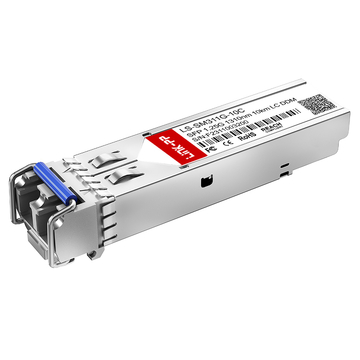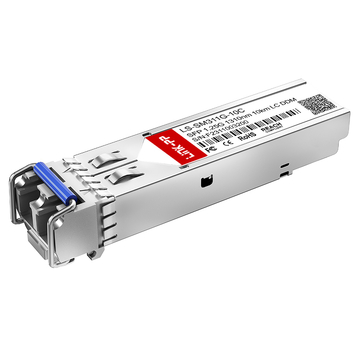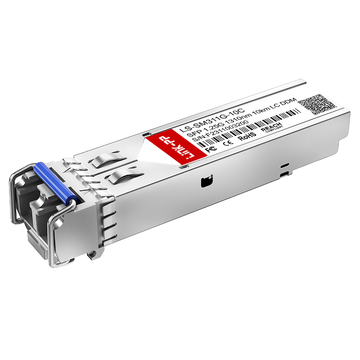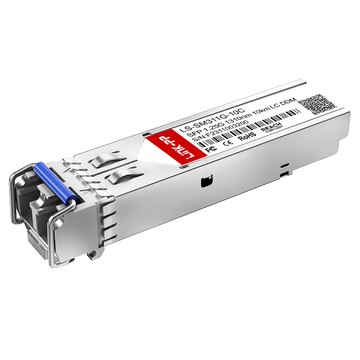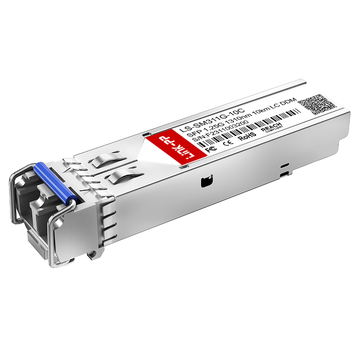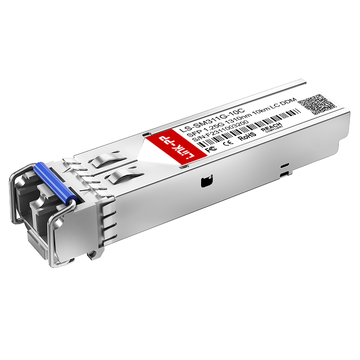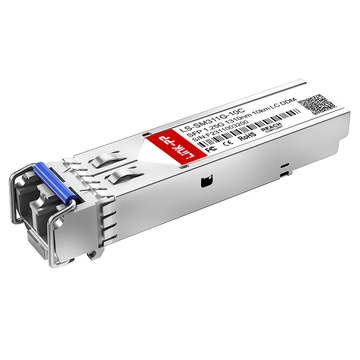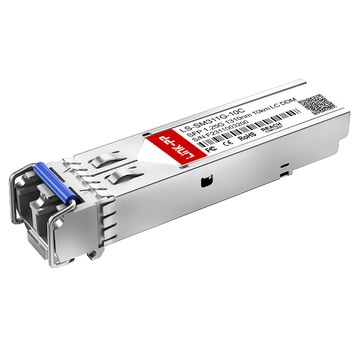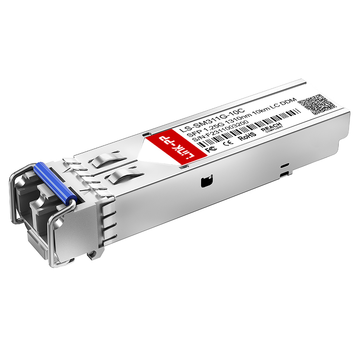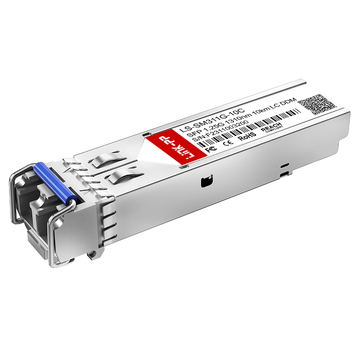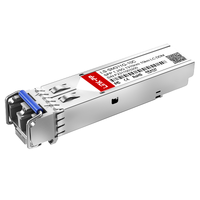
The global networking infrastructure continues to rely heavily on Gigabit Ethernet as a stable and cost-efficient foundation for data transmission. Despite the rapid growth of higher-speed optical technologies such as 10G, 25G, and beyond, 1G optical links remain widely deployed across enterprise campuses, telecom access layers, industrial systems, and surveillance networks. Within this ecosystem, SFP 1G LR transceiver modules (also known as SFP 1G LX) are particularly important due to their ability to support long-distance transmission up to 10km over single-mode fiber at 1310nm wavelength, making them a dependable choice for medium- to long-range connectivity.
In this context, the SFP 1G LR market is no longer defined solely by technical specifications, but increasingly by complex pricing dynamics and supply-side variations. Cost differences are driven by multiple factors, including OEM branding strategies, compatible transceiver competition, semiconductor availability, and cross-platform interoperability requirements across vendors such as Cisco, Juniper, Huawei, and others. As a result, understanding SFP 1G LR pricing trends requires a combined view of technology, supply chain structure, and enterprise procurement behavior rather than isolated product evaluation.
This article provides a structured and in-depth analysis of the SFP 1G LR market, focusing on its pricing mechanisms and commercial drivers. The discussion will cover:
- The technical foundation and core characteristics of SFP 1G LR optical modules
- Global market landscape and regional demand distribution
- Key cost drivers influencing pricing fluctuations
- OEM vs compatible module pricing structure and market positioning
- Enterprise-level strategies for optical network cost optimization
- Future development trends shaping Gigabit optical transceiver pricing
The purpose of this analysis is to help readers understand how SFP 1G LR pricing is formed in real-world deployments and how different market forces interact to shape procurement and network planning decisions.
🔯 Understanding SFP 1G LR Optical Transceivers
SFP 1G LR optical transceivers are long-reach Gigabit Ethernet modules designed for stable data transmission over single-mode fiber. In practical networking deployments, they are primarily used to extend 1Gbps links up to 10km, making them a standard solution for campus interconnects, metro edge networks, and enterprise backbone extensions where copper or short-range optics are insufficient. Their value lies in delivering consistent long-distance performance while maintaining broad interoperability across mainstream switching platforms.
What Is SFP 1G LR?
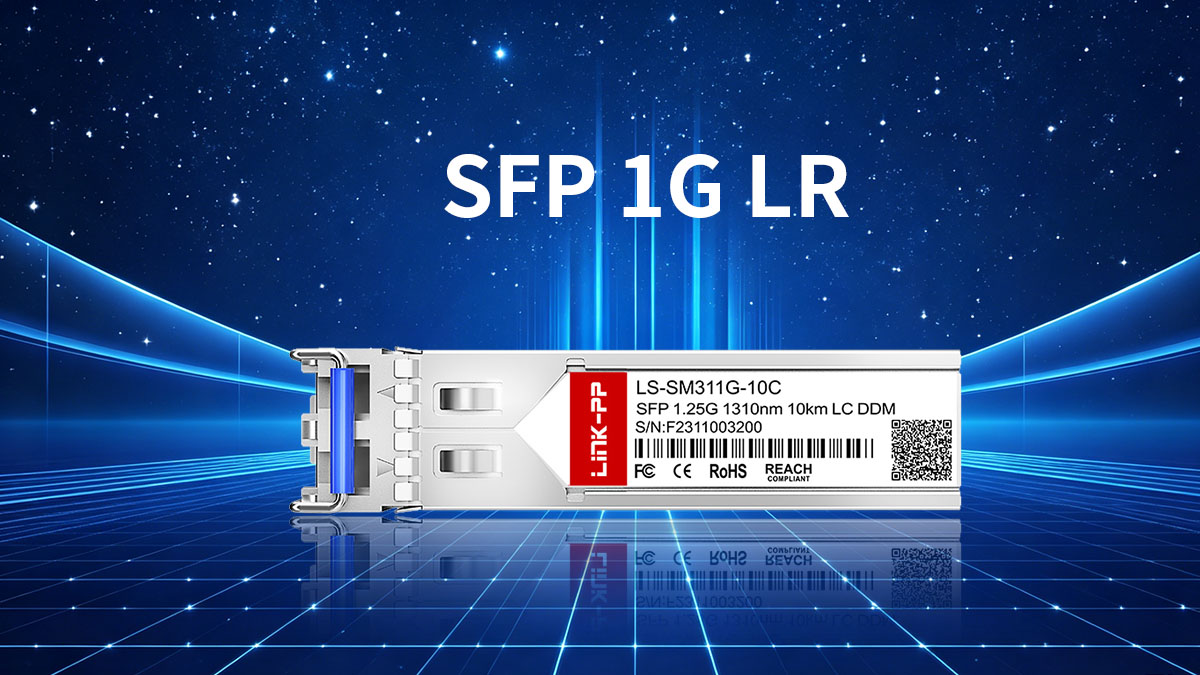
SFP 1G LR is a standardized optical transceiver that follows the 1000BASE-LR specification under Gigabit Ethernet. It is engineered for long-distance communication using single-mode fiber and is widely adopted in enterprise and telecom environments where reliable point-to-point links are required.
From a functional perspective, SFP 1G LR modules are defined by their ability to:
- Support 1.25Gbps data transmission rates for Gigabit Ethernet connectivity
- Operate over single-mode fiber (SMF) infrastructure
- Enable transmission distances up to 10km under standard conditions
- Maintain compatibility with SFP ports across multiple vendor platforms
This combination of distance capability and interoperability is the primary reason SFP 1G LR remains widely deployed despite the increasing adoption of higher-speed optical standards.
Core Technical Specifications
The technical performance of SFP 1G LR modules is defined by a set of standardized optical and electrical parameters. These parameters are critical for ensuring interoperability, stable long-distance transmission, and predictable performance across different vendor ecosystems and network environments. The table below summarizes the core specifications commonly associated with 1000BASE-LR optical transceivers.
Before reviewing the detailed parameters, it is important to understand that these specifications directly determine compatibility, reach, and signal integrity in real-world deployments.
| Parameter | Specification |
|---|---|
| Data Rate | 1.25Gbps |
| Wavelength | 1310nm |
| Transmission Medium | Single-mode fiber (SMF) |
| Maximum Reach | Up to 10km |
| Connector Type | Duplex LC |
| Form Factor | SFP (Small Form-factor Pluggable) |
| Digital Diagnostics (DDM) | Supported in most modern modules |
| Operating Temperature | Commercial or industrial grade variants available |
These specifications form the baseline for SFP 1G LR performance across most networking platforms. In practical deployment scenarios, factors such as fiber quality, link budget, and device-side compatibility can further influence real-world transmission stability and achievable distance.
Common Deployment Scenarios
SFP 1G LR modules are widely used in network environments where stable long-distance Gigabit connectivity is required without upgrading to higher-speed infrastructure. Their deployment is especially common in scenarios where cost efficiency and compatibility are key considerations.
Typical use cases include:
- Enterprise campus backbone connections between buildings
- Metro and regional aggregation network links
- Industrial Ethernet systems requiring long-reach communication
- Security and surveillance network backhaul connections
- Government and education network interconnects
In these environments, SFP 1G LR provides a practical balance between performance and deployment simplicity, especially when existing fiber infrastructure is already optimized for single-mode transmission.
🔯 Global Market Overview of SFP 1G LR
The global market for SFP 1G LR optical transceivers remains stable and structurally mature, driven by sustained deployment in enterprise networks, telecom access layers, and industrial connectivity systems. Despite the rapid expansion of higher-speed optical standards such as SFP+ 10G, SFP28 25G, and QSFP28 100G, 1G LR modules continue to maintain strong demand due to their compatibility with existing infrastructure and cost-efficient long-distance transmission capabilities.
Current Market Size and Demand Trends
The demand for SFP 1G LR modules is primarily supported by large installed bases of Gigabit Ethernet networks that have not yet migrated to higher-speed architectures. This creates a replacement-driven and maintenance-driven market rather than purely expansion-driven demand.
Key demand trends include:
- Ongoing upgrades of aging enterprise campus networks
- Continued reliance on Gigabit access layers in telecom networks
- Stable demand from surveillance and security infrastructure
- Incremental expansion in industrial Ethernet deployments
Overall, the market is characterized by steady consumption rather than rapid growth, with replacement cycles and network maintenance acting as the primary demand drivers.
Regional Market Distribution
SFP 1G LR adoption varies across regions based on infrastructure maturity, investment cycles, and network modernization pace.
- North America: Strong enterprise and data center edge demand driven by network refresh cycles
- Europe: High usage in industrial automation, telecom modernization, and government networks
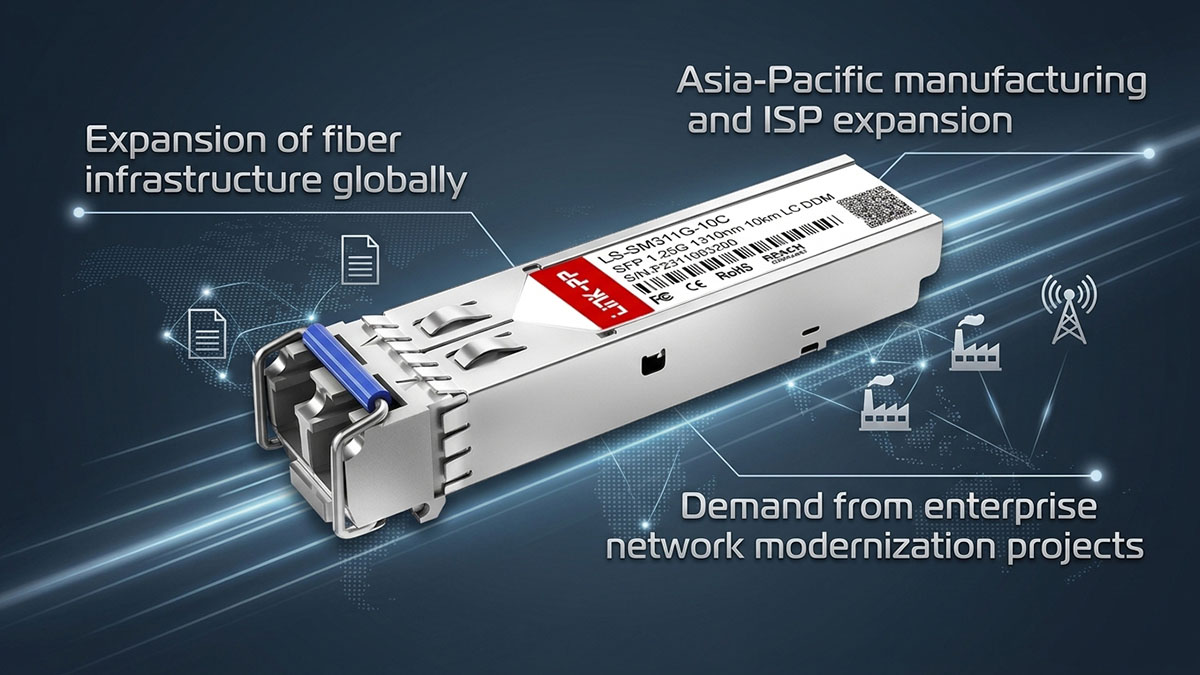
- Asia-Pacific: Significant demand from manufacturing, ISP expansion, and large-scale infrastructure deployment
- Emerging markets: Continued reliance on Gigabit networks due to cost constraints and gradual fiber adoption
Each region reflects different stages of network evolution, which directly influences pricing sensitivity and procurement behavior.
Key Manufacturers and Ecosystem Participants
The SFP 1G LR ecosystem is composed of multiple layers of suppliers and vendors, each contributing to market dynamics and pricing structures.
- OEM vendors: Provide original modules integrated within branded networking ecosystems
- Compatible transceiver manufacturers: Supply multi-vendor coded modules with broader interoperability
- Optical component suppliers: Deliver critical components such as lasers, photodiodes, and IC chipsets
- Distribution channels: Regional distributors and online supply networks supporting global availability
This multi-layered supply structure creates significant variation in pricing, lead times, and product positioning across different procurement channels.
🔯 Key Factors Influencing SFP 1G LR Pricing
The pricing of SFP 1G LR optical transceivers is determined by a combination of technical, supply chain, and ecosystem-related factors rather than a single cost driver. While the product itself is standardized under Gigabit Ethernet specifications, real-world pricing varies significantly across vendors, regions, and deployment scenarios. Understanding these drivers is essential for interpreting market behavior and long-term cost trends.
Optical Component and Chipset Costs
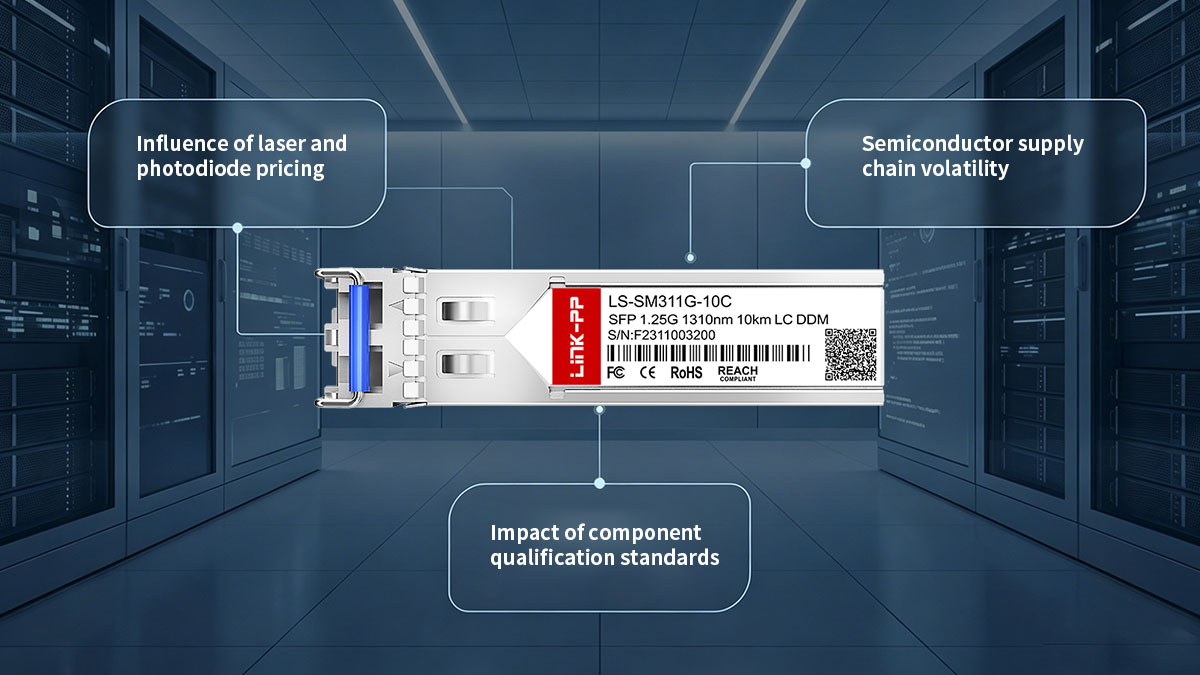
The foundational cost of SFP 1G LR modules is heavily influenced by optical components and semiconductor chipsets. These components define signal quality, transmission stability, and overall module reliability.
Key cost drivers include:
- Laser diode pricing (1310nm DFB laser sources)
- Photodiode sensitivity and receiver component quality
- Driver IC and control chipset availability
- Yield rates in optical component manufacturing
These elements are directly affected by global semiconductor cycles. When supply tightens or raw material costs increase, SFP 1G LR pricing typically adjusts upward even if demand remains stable.
Compatibility Encoding Requirements
Compatibility is one of the most significant non-material cost factors in the SFP 1G LR market. Because modules must function across multiple vendor ecosystems, additional engineering and validation work is required.
Key considerations include:
- Vendor-specific coding requirements for platforms such as Cisco, Juniper, Huawei, and others
- EEPROM programming and firmware customization processes
- Cross-platform interoperability testing and validation
- Ongoing compatibility maintenance as switch firmware evolves
These requirements introduce additional development and testing costs, which are often reflected in final module pricing, especially for multi-vendor compatible solutions.
Manufacturing and Quality Assurance
Quality assurance processes play a major role in determining final pricing, particularly for modules designed for enterprise or telecom-grade reliability. Higher testing standards typically increase production cost but improve long-term stability.
Important factors include:
- Burn-in testing under temperature and stress conditions
- Optical power calibration and signal consistency verification
- Digital Diagnostics Monitoring (DDM) validation
- Long-term reliability screening (MTBF evaluation)
Modules with stricter quality control processes generally command higher pricing due to improved stability and reduced failure rates in deployment environments.
Global Supply Chain and Logistics
The global supply chain significantly impacts SFP 1G LR pricing due to the international nature of optical component manufacturing and distribution.
Key influencing factors include:
- Availability of raw optical materials and semiconductor wafers
- International freight and logistics costs
- Regional tariffs and import regulations
- Inventory holding strategies across distribution networks
Supply chain disruptions or transportation cost increases can lead to short-term pricing volatility, even in a mature and standardized product category like SFP 1G LR.
🔯 Pricing Structure of SFP 1G LR Modules
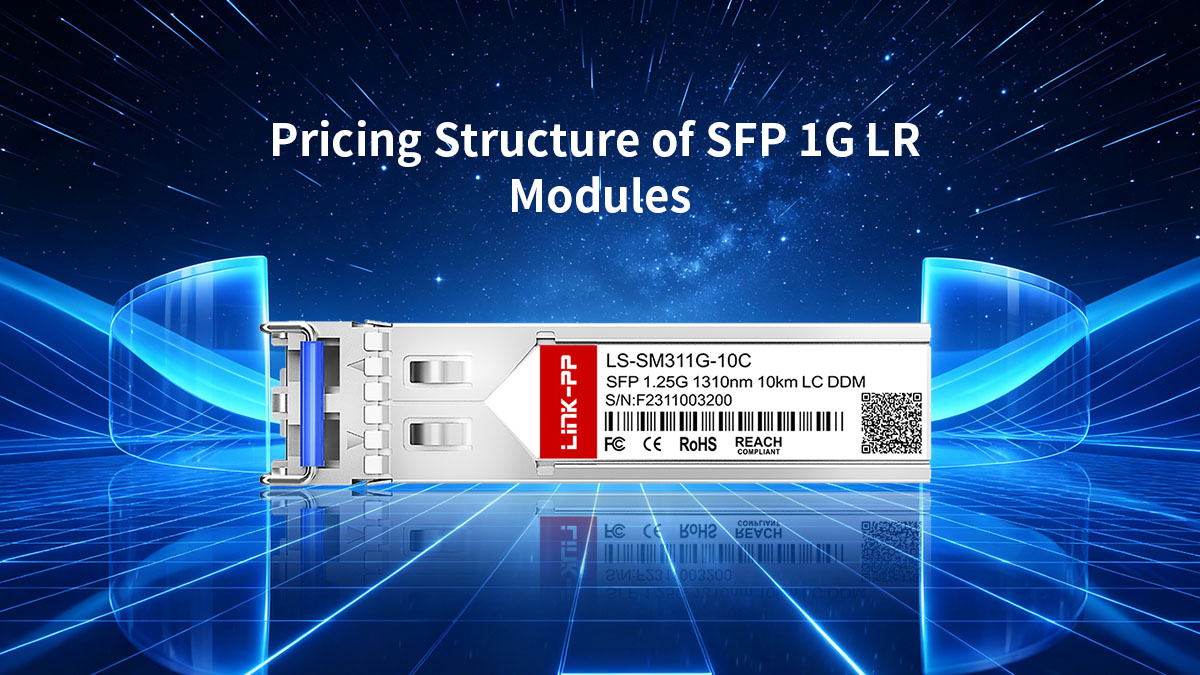
The pricing structure of SFP 1G LR modules is shaped by a layered cost model that reflects differences in branding, compatibility engineering, supply chain positioning, and deployment scale. Although the optical specifications are standardized under Gigabit Ethernet, market prices vary significantly depending on whether the module is OEM-branded or third-party compatible, as well as how it is procured and deployed in enterprise environments.
OEM vs Compatible Module Pricing
Pricing differences between OEM and compatible SFP 1G LR modules are primarily driven by brand positioning, ecosystem control, and certification requirements. OEM modules are typically integrated into proprietary networking ecosystems, while compatible modules are designed for broader interoperability across multiple vendors.
| Comparison Factor | OEM SFP 1G LR | Compatible SFP 1G LR |
|---|---|---|
| Pricing Level | Higher due to brand and certification | More cost-efficient due to independent production |
| Compatibility Scope | Optimized for specific vendor ecosystems | Multi-vendor compatibility support |
| Engineering Cost | Embedded within vendor ecosystem | Additional coding and validation required |
| Procurement Flexibility | Limited to authorized channels | Broader sourcing options |
| Lifecycle Management | Vendor-controlled updates | Independent lifecycle support |
From a market perspective, OEM modules tend to carry premium pricing due to ecosystem integration and official support, while compatible modules achieve competitive pricing through scale manufacturing and multi-platform adaptability.
Price Segmentation by Application
SFP 1G LR pricing also varies depending on the deployment scenario, as different industries prioritize cost, reliability, or scalability differently.
Typical segmentation includes:
- Enterprise networking: Focus on balanced cost and reliability for campus and office backbone links
- Telecom infrastructure: Higher emphasis on stability and long-term performance assurance
- Industrial systems: Requirement for extended temperature tolerance and robustness
- Public sector deployments: Budget-driven procurement with long lifecycle expectations
Each application segment influences the acceptable price range based on operational criticality and maintenance requirements.
Bulk Procurement and Project-Based Pricing
Volume and procurement structure play a significant role in determining final pricing levels for SFP 1G LR modules. Larger deployments often benefit from more optimized cost structures due to economies of scale.
Key pricing factors include:
- Volume-based pricing tiers that reduce unit cost at scale
- Long-term supply agreements for enterprise or carrier projects
- Regional distribution channel differences affecting final cost
- Project scheduling, which can influence availability and pricing stability
In many enterprise deployments, structured procurement planning can significantly reduce total optical infrastructure costs, especially in large-scale fiber rollouts or network refresh projects.
🔯 Market Competition and Industry Trends
The SFP 1G LR market is characterized by intense competition and long-term structural maturity, where pricing pressure and interoperability requirements drive continuous optimization across manufacturers. While the technology itself is standardized and stable, market behavior is shaped by evolving supply chains, increasing acceptance of compatible optics, and the gradual transition toward higher-speed networking architectures.
Growth of Compatible Optical Transceiver Vendors
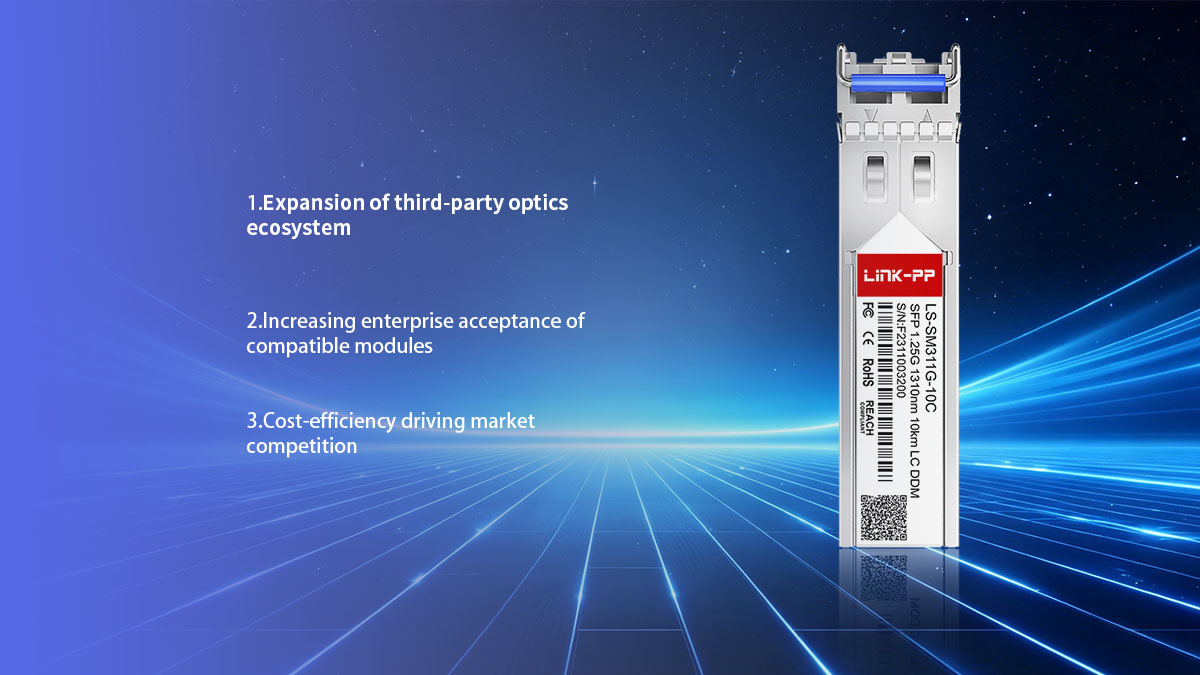
The competitive landscape of SFP 1G LR modules has been significantly reshaped by the expansion of compatible optical transceiver manufacturers. These vendors have introduced alternative sourcing options that challenge traditional OEM pricing models while maintaining functional equivalence in most deployment scenarios.
Key competitive developments include:
- Expansion of third-party optical module manufacturing capabilities
- Increasing enterprise acceptance of multi-vendor compatible optics
- Improvements in coding, testing, and interoperability validation processes
- Stronger focus on cost optimization in large-scale deployments
As a result, the market has become more price-sensitive, with compatible solutions gaining broader adoption in non-critical and cost-controlled environments, while OEM modules remain relevant in tightly controlled ecosystems.
Technological Evolution in Gigabit Optical Networking
Although SFP 1G LR is a mature technology, incremental improvements in manufacturing and component design continue to influence market competitiveness. These enhancements focus primarily on efficiency, reliability, and operational visibility rather than fundamental performance changes.
Key evolution trends include:
- Improved power efficiency in optical transmission components
- Enhanced stability under varying temperature and environmental conditions
- Wider adoption of Digital Diagnostics Monitoring (DDM) functionality
- Better cross-platform interoperability and firmware adaptability
These refinements help extend the lifecycle of Gigabit optical networks, ensuring that SFP 1G LR modules remain viable in modern infrastructure despite the growth of higher-speed standards.
Impact of Higher-Speed Network Migration
The adoption of 10G, 25G, and higher-speed optical technologies is gradually reshaping demand patterns for SFP 1G LR modules, although it has not eliminated their relevance. Instead, a hybrid network structure has emerged where multiple speed tiers coexist.
Key market impacts include:
- Migration of core and aggregation layers to other high-speed transceivers
- Continued reliance on 1G links at access and edge layers
- Gradual reduction in greenfield 1G-only deployments
- Increased reuse of existing fiber infrastructure in cost-sensitive environments
This transition creates a dual-market environment where SFP 1G LR remains essential for legacy and edge connectivity while higher-speed modules dominate new backbone deployments.
🔯 Compatibility and Deployment Considerations
SFP 1G LR deployment is not determined by optical specifications alone; compatibility and real-world integration conditions are equally critical. In multi-vendor environments, even standardized modules can behave differently depending on switch firmware, optical budgets, and fiber infrastructure quality. As a result, deployment planning must consider both interoperability and physical network conditions to ensure stable long-distance performance.
Multi-Vendor Network Compatibility
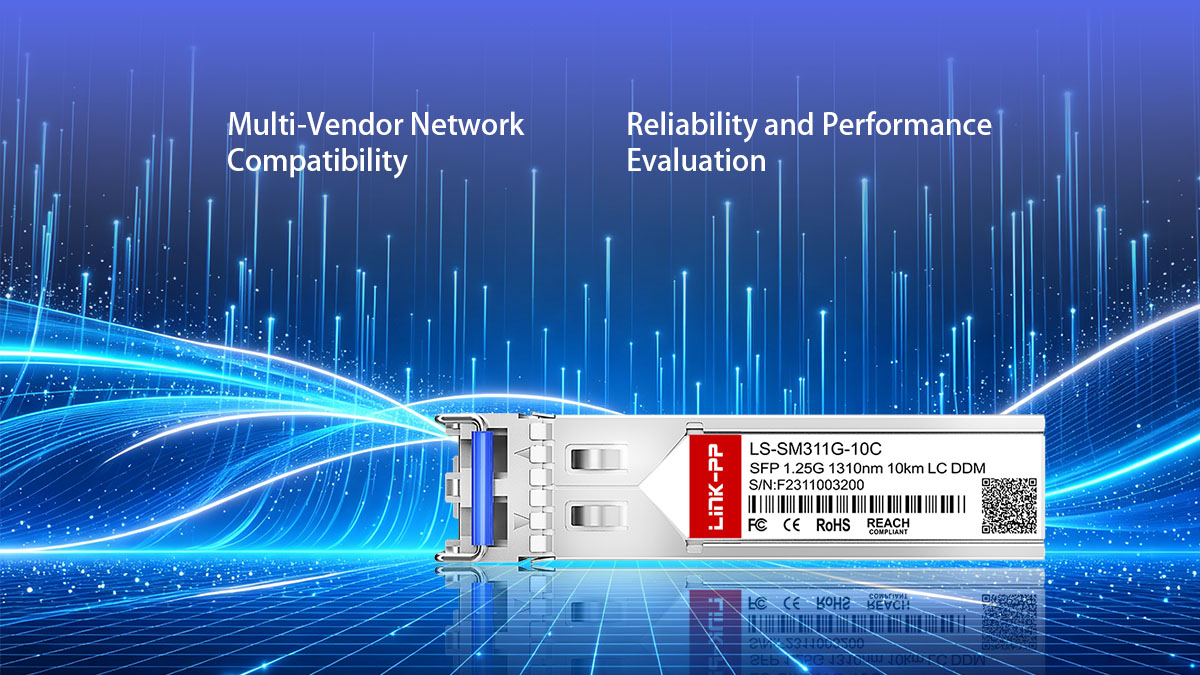
SFP 1G LR modules are widely used across heterogeneous networking environments, where equipment from different vendors must interconnect seamlessly. However, compatibility is often influenced by vendor-specific validation and system-level restrictions.
Key considerations include:
- Cisco, Juniper, Huawei, MikroTik, and Ubiquiti platform coding requirements
- EEPROM programming and vendor identification enforcement mechanisms
- Firmware version sensitivity affecting module recognition
- Cross-platform interoperability testing requirements before deployment
These factors mean that even technically identical modules may behave differently depending on system-level acceptance rules. In large-scale deployments, compatibility validation is often treated as a prerequisite rather than an optional step.
Reliability and Performance Evaluation
Beyond basic compatibility, long-term reliability and optical stability are essential for ensuring uninterrupted Gigabit connectivity. Performance evaluation typically focuses on both physical layer behavior and diagnostic feedback.
| Evaluation Area | Key Considerations |
|---|---|
| Optical Stability | Signal consistency over long-distance transmission |
| Thermal Performance | Operation under varying environmental conditions |
| DDM Monitoring | Real-time optical power, voltage, and temperature tracking |
| Compatibility Testing | Cross-platform recognition and interoperability |
| Long-Term Reliability | Expected lifecycle performance under continuous operation |
These evaluation criteria help determine whether a module is suitable for mission-critical or cost-sensitive environments, particularly in networks with minimal tolerance for downtime.
Common Deployment Challenges
Even when using standardized SFP 1G LR modules, deployment issues can arise from physical fiber conditions, configuration mismatches, or operational oversight. These challenges often affect link stability more than the transceiver itself.
Common issues include:
- Excessive fiber loss due to poor connector quality or contamination
- Incorrect selection between single-mode and multimode fiber infrastructure
- Firmware mismatch leading to module recognition failures
- Link instability caused by improper optical budget calculations
Addressing these challenges typically requires a combination of proper installation practices, accurate optical planning, and ongoing monitoring to ensure consistent link performance across the network.
🔯 Enterprise Cost Optimization Strategies
Cost optimization for SFP 1G LR deployments is not only about reducing unit price, but also about improving total network efficiency across procurement, lifecycle management, and operational stability. In enterprise environments, where large volumes of optical transceivers are deployed, small pricing differences can scale into significant infrastructure cost variations. Therefore, optimization strategies must balance performance reliability with long-term financial efficiency.
Evaluating Total Cost of Ownership (TCO)
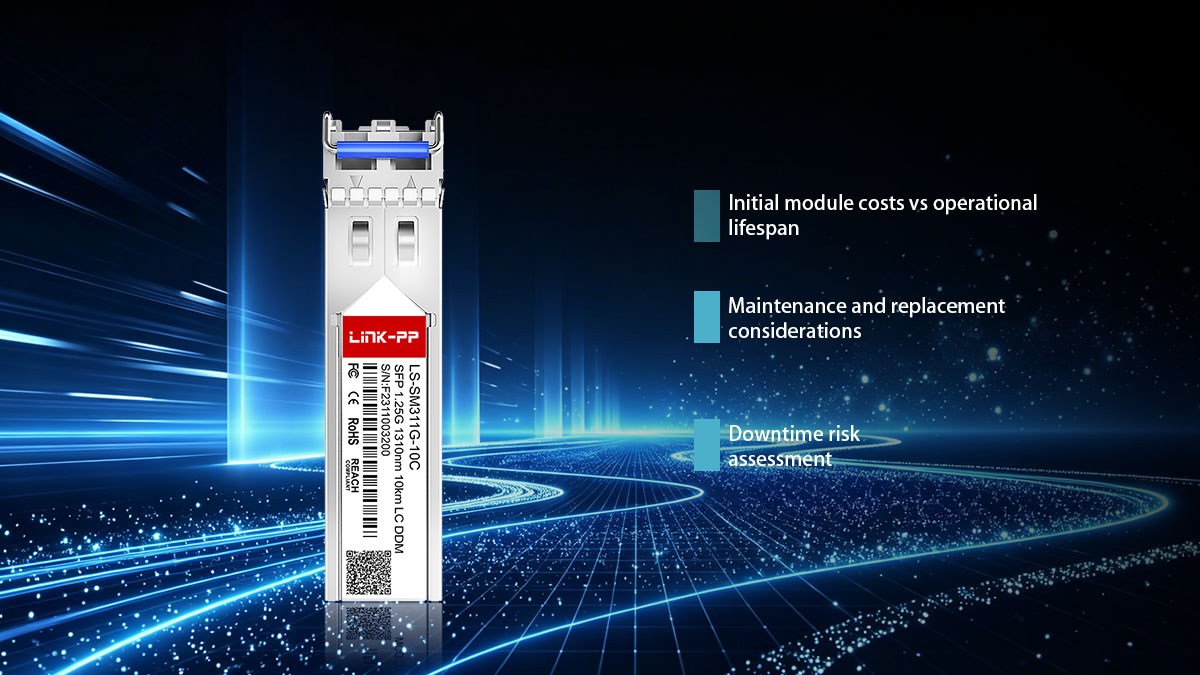
A comprehensive cost evaluation for SFP 1G LR modules should extend beyond initial acquisition cost and include long-term operational impact. TCO-based assessment helps enterprises avoid short-term savings that lead to higher maintenance or replacement costs later.
Key evaluation dimensions include:
- Initial module acquisition cost
- Expected operational lifespan under continuous use
- Maintenance frequency and replacement cycles
- Downtime risk and associated operational losses
In many deployments, modules with slightly higher upfront cost but better stability can reduce long-term expenses by minimizing network interruptions and maintenance overhead.
Standardizing Optical Infrastructure
Standardization is a critical strategy for reducing complexity and controlling costs in large-scale optical networks. By limiting the variety of deployed modules, enterprises can simplify procurement and maintenance processes.
Common standardization practices include:
- Reducing the number of transceiver models in active use
- Aligning module specifications across multiple network layers
- Consolidating inventory to improve spare part efficiency
- Establishing unified compatibility requirements for new deployments
This approach helps reduce operational complexity while improving supply predictability and reducing emergency procurement scenarios.
Selecting Reliable Compatible Alternatives
Compatible SFP 1G LR modules have become an important component in enterprise cost optimization strategies, particularly in environments where multi-vendor interoperability is required. However, selection should be based on technical validation rather than price alone.
Key evaluation factors include:
- Compatibility testing across target switch platforms
- Quality assurance processes such as burn-in and optical calibration
- Digital Diagnostics Monitoring (DDM) functionality support
- Warranty terms and technical support responsiveness
A well-validated compatible module can provide comparable performance to OEM solutions while significantly improving cost efficiency in large-scale deployments.
Strategic Inventory Planning
Effective inventory management plays a direct role in controlling both cost and operational risk in optical network deployments. Poor planning can lead to excess stock or emergency procurement at higher prices.
Key strategies include:
- Forecasting demand based on network expansion and lifecycle trends
- Maintaining balanced safety stock levels to avoid shortages
- Aligning procurement cycles with deployment schedules
- Leveraging regional warehousing to reduce logistics delays and costs
Through structured inventory planning, enterprises can reduce procurement volatility and ensure stable pricing conditions across long-term network operations.
🔯 Future Outlook of the SFP 1G LR Market
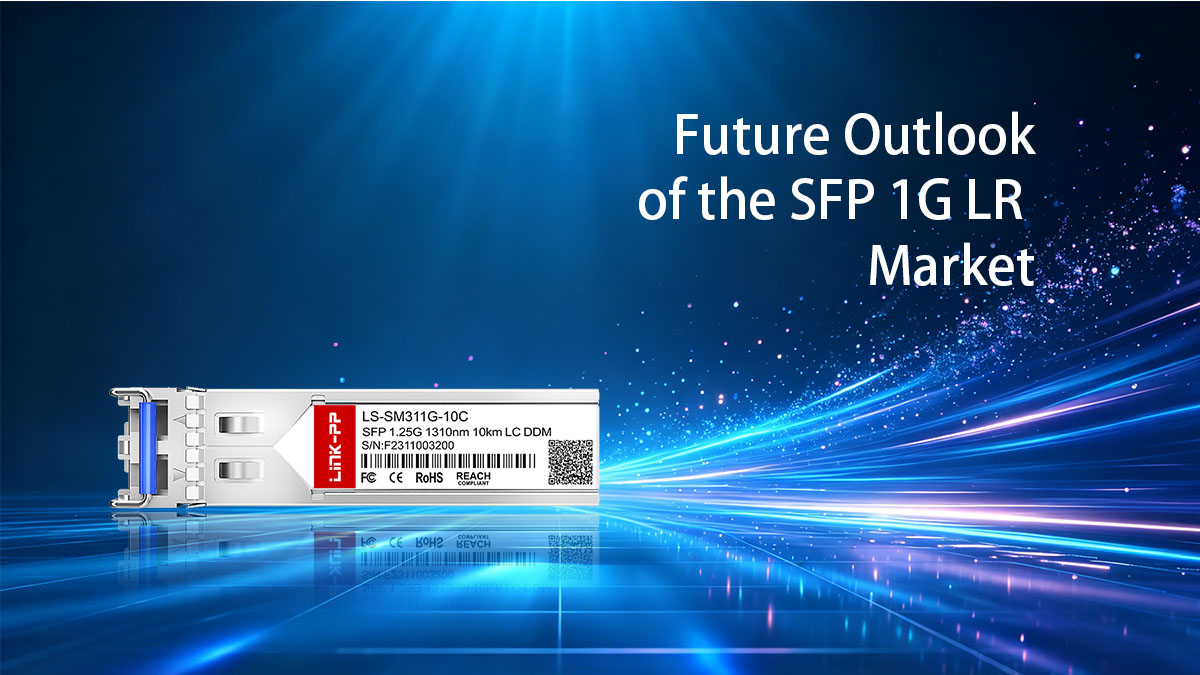
The SFP 1G LR market is entering a long-term maturity phase, where demand stability rather than rapid growth defines its trajectory. While higher-speed optical technologies continue to expand in core and aggregation layers, 1G LR modules maintain a strong presence in access networks, edge infrastructure, and cost-sensitive deployments. As a result, the market is expected to evolve through optimization and consolidation rather than disruption.
Long-Term Role of Gigabit Optical Connectivity
Despite the industry shift toward 10G and above, Gigabit optical connectivity remains deeply embedded in global network infrastructure. The continued relevance of SFP 1G LR is primarily driven by the large installed base and the economic efficiency of maintaining existing architectures.
Key factors supporting long-term usage include:
- Extensive legacy deployments in enterprise and campus networks
- Cost-effective maintenance of existing single-mode fiber infrastructure
- Stable performance requirements for access-layer connectivity
- Continued demand in surveillance, industrial, and government networks
This ensures that SFP 1G LR will remain a foundational component in many network environments, particularly where performance requirements do not justify higher-speed upgrades.
Emerging Industry Trends
The SFP 1G LR ecosystem is also being influenced by broader industry shifts that impact both production and procurement strategies. These trends are shaping how manufacturers and enterprises approach optical transceiver deployment.
Key emerging trends include:
- Increasing focus on energy-efficient networking equipment and optical components
- Gradual localization of supply chains to reduce geopolitical and logistics risks
- Higher levels of automation in optical module manufacturing and testing processes
- Stronger emphasis on interoperability validation across multi-vendor environments
These developments are contributing to more stable product availability and more predictable pricing behavior across the global market.
Future Pricing Expectations
Pricing dynamics for SFP 1G LR modules are expected to remain relatively stable in the long term, with moderate fluctuations driven mainly by supply chain conditions rather than demand shocks. However, competitive pressure from compatible manufacturers will continue to influence overall market pricing structures.
Expected pricing trends include:
- Gradual stabilization of average module pricing due to mature supply chains
- Continued price differentiation between OEM and compatible solutions
- Occasional short-term volatility caused by semiconductor supply cycles
- Increased pricing transparency driven by global distribution channels
Overall, the market is likely to shift toward a more balanced and predictable pricing environment, where cost optimization is achieved through competition and supply chain efficiency rather than major technological changes.
🔯 Conclusion
The SFP 1G LR market demonstrates a stable yet highly structured ecosystem where technology maturity, supply chain dynamics, and multi-vendor compatibility collectively shape pricing and adoption patterns. Although higher-speed optical technologies continue to expand across modern networks, 1G LR modules remain widely deployed due to their proven reliability, long-distance capability, and cost efficiency in enterprise, telecom, and industrial environments.
From a pricing perspective, the market is primarily influenced by a combination of key factors:
- Semiconductor and optical component cost fluctuations
- OEM vs compatible product positioning and ecosystem control
- Compatibility engineering and multi-platform validation requirements
- Global supply chain conditions and logistics variability
These elements create a layered pricing structure where identical technical specifications can still result in significantly different market prices depending on sourcing strategy and deployment requirements.
At the same time, enterprises are increasingly prioritizing long-term cost optimization rather than short-term procurement savings. Strategies such as infrastructure standardization, total cost of ownership (TCO) evaluation, and structured inventory planning have become essential in managing large-scale optical deployments. In this context, compatible optical solutions have gained wider acceptance, provided they meet rigorous quality and interoperability standards.
For organizations seeking stable supply, validated compatibility, and cost-efficient optical networking solutions, the LINK-PP Official Store serves as a reliable reference point within the global optical transceiver ecosystem. By focusing on consistent quality control, multi-vendor compatibility support, and scalable production capabilities, it aligns well with the evolving needs of modern Gigabit infrastructure deployments.