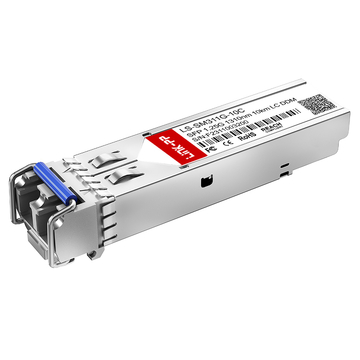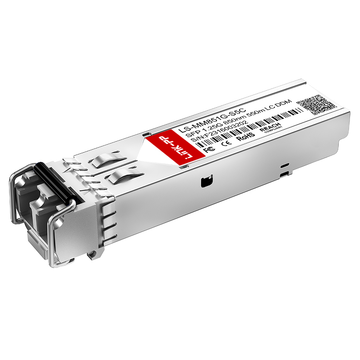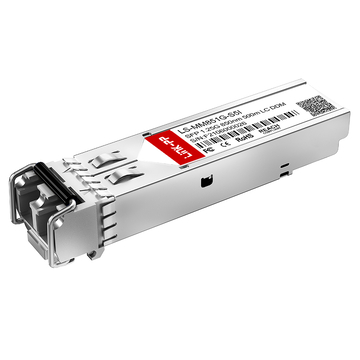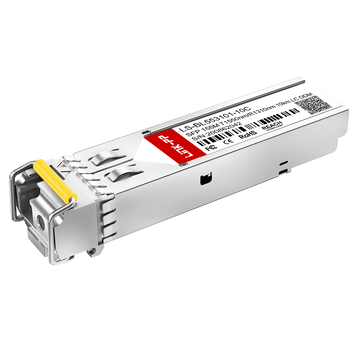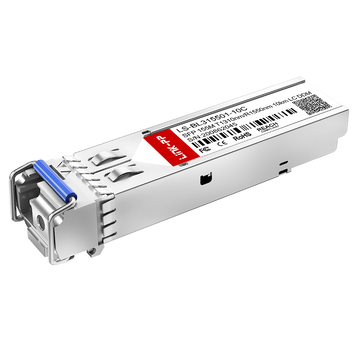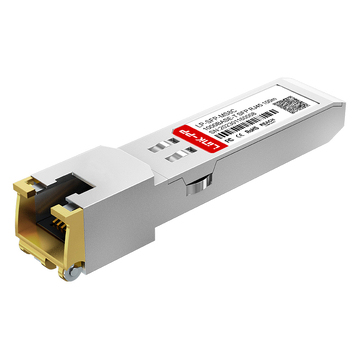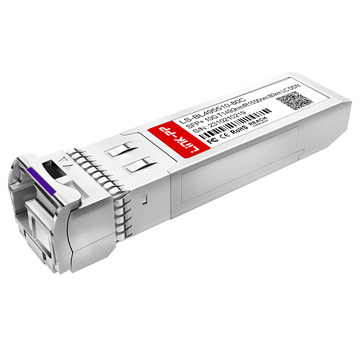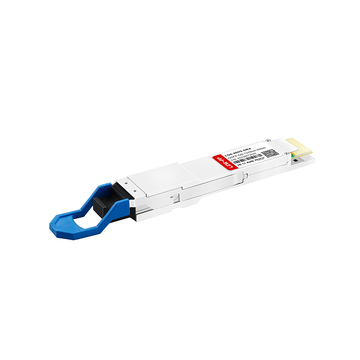
In today’s data-driven landscape, SFP optical transceivers serve as the foundational building blocks of high-performance network design. These compact, hot-swappable modules provide a critical interface between hardware and fiber optic cabling, enabling seamless conversion between electrical and optical signals. By offering a modular approach to connectivity, they allow engineers to precisely tailor throughput, reach, and media types to meet rigorous performance benchmarks.
Designing an efficient architecture hinges on selecting the optimal SFP optical solutions to enhance both topology and signal integrity. From navigating fiber modes to leveraging Digital Optical Monitoring (DOM) for predictive maintenance, every module choice impacts long-term system reliability. This article explores strategic ways to maximize bandwidth density, enhance redundancy, and optimize power efficiency to ensure your fiber optic links remain resilient and scalable.
🌠 Core Principles of High-Performance Network Design with SFP Optical Transceiver
The foundation of a robust network lies in the strategic integration of SFP optical transceivers, which provide the necessary flexibility to meet evolving data demands. High-performance design is not merely about maximum speed, but about harmonizing hardware capabilities with specific architectural goals to ensure long-term stability. By adhering to core engineering principles, administrators can build frameworks that are both agile and resilient.
Defining Network Throughput and Latency Benchmarks
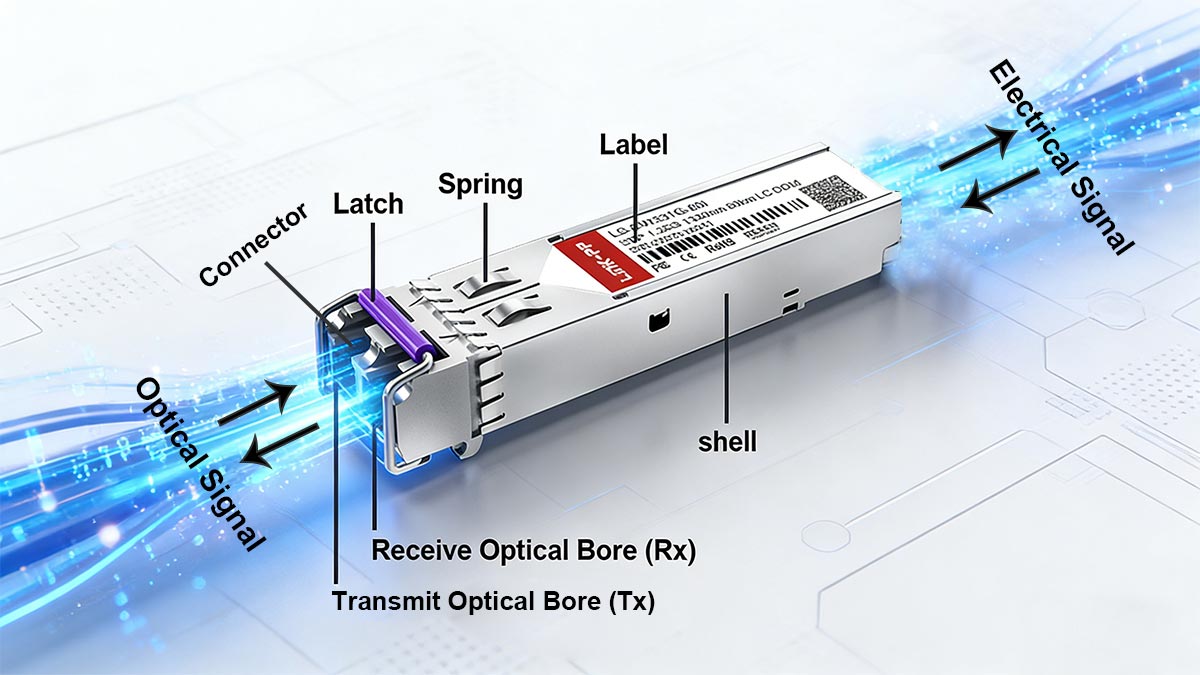
Establishing clear performance baselines is the first step in any high-performance design. Throughput and latency requirements dictate the specific grade of SFP optical hardware needed, as different modules offer varying levels of processing speed and signal propagation delay. To maintain these benchmarks, designers must focus on:
- Packet Processing Speed: Ensuring the SFP transceiver can handle peak data loads without buffering.
- Signal Propagation Delay: Selecting low-latency SFP modules for time-sensitive applications, such as financial trading or real-time industrial automation.
- Sustained Data Rates: Verifying that the link can maintain advertised speeds under heavy, continuous traffic loads rather than just theoretical bursts.
The Importance of Modular Hardware in Scalable Architectures
One of the primary advantages of utilizing SFP optical transceivers is the inherent modularity they bring to networking equipment like switches and routers. This "pay-as-you-grow" approach allows organizations to populate ports only as needed, facilitating a scalable architecture that adapts to changing business requirements without requiring a complete hardware overhaul.
Unlike fixed-port hardware, modular SFP slots enable a single switch to support a diverse mix of copper, short-range fiber, and long-range fiber connections simultaneously. This versatility ensures that as a network expands from a local office setup to a high-speed backbone, the underlying hardware remains functional and relevant simply by swapping out the transceiver modules to match the new media requirements.
Balancing Bandwidth Capacity with Hardware Investment
Effective network design requires a careful evaluation of current data demands against the total cost of equipment. By strategically deploying SFP optical transceivers, organizations can match their specific bandwidth requirements to the appropriate hardware without over-investing in unnecessary capacity. This targeted approach ensures that the network performs optimally for its intended use case while maintaining a manageable budget.
Rather than replacing entire systems to achieve higher speeds, administrators can often upgrade individual links by selecting more advanced SFP optical solutions. This allows for a gradual transition to higher performance levels, such as moving from 1Gbps to 10Gbps, by utilizing the existing infrastructure and only investing in new 10G SFP+ optical components when higher throughput becomes essential.
Key Performance Indicators (KPIs) for Fiber Optic Links
To ensure a high-performance network remains healthy, designers must define and monitor specific KPIs at the optical layer. These metrics provide a quantifiable look at link health and help identify bottlenecks before they impact the end-user experience. Essential KPIs for SFP optical links include:
- Bit Error Rate (BER): A critical measure of signal integrity; a high BER often indicates physical layer issues or electromagnetic interference.
- Optical Receive Power: Monitoring the strength of the incoming light signal to ensure it falls within the transceiver’s sensitive operating range.
- Link Availability: Tracking the percentage of time the fiber link is operational and passing traffic without flapping or intermittent drops.
🌠 Selecting SFP Optical Transceiver Types for Optimal Design Topology
Choosing the right fiber SFP solution is a pivotal decision that determines the physical reach and efficiency of a network's layout. By matching specific module types to the intended distance and cabling infrastructure, designers can minimize signal degradation and maximize data throughput. A strategic selection process ensures that the network topology remains robust, cost-effective, and capable of supporting high-speed traffic across various environments.

Comparing Short-Range and Long-Range Modules for Distance Optimization
The physical distance between network nodes is the primary factor when selecting an SFP optical module. Short-range optics, such as the SFP-1G-SX modules, are engineered for localized connectivity within a single data center or server room. These modules typically use cost-effective LED or VCSEL light sources to transmit data over multimode fiber, making them the standard choice for high-speed links that don't need to travel more than a few hundred meters.
In contrast, long-range transceivers like the SFP-1G-LX modules are designed to bridge the gap between geographically dispersed locations, such as connecting different buildings on a large campus. These transceivers utilize more powerful laser technology and operate over single-mode fiber, allowing them to maintain signal integrity over distances of up to 10km or more. By categorizing links based on these specific reach requirements, administrators can deploy the most efficient and reliable hardware for each unique segment of their network.
Single-Mode vs. Multimode Fiber Transceivers for High-Speed Backbones
The choice between single-mode and multimode SFP optical solutions is often dictated by the existing cable plant and the required bandwidth for backbone connectivity. Multimode transceivers (such as GLC-SX-MMD) use a larger core to carry multiple light rays, making them ideal for high-bandwidth applications over shorter distances. In contrast, single-mode transceivers (such as GLC-LH-SM) utilize a much narrower core to transmit a single light path, allowing for significantly higher speeds and longer distances with minimal signal dispersion.
The following table provides a clear comparison of the technical characteristics and typical use cases for these two primary fiber transceiver types:
| Feature | Multimode SFP Optical Transceiver | Single-Mode SFP Optical Transceiver |
| Fiber Core Diameter | 50 or 62.5µm | 9µm |
| Light Source | VCSEL / LED | FP / DFB |
| Transmission Distance | Short (up to 550m typically) | Long (10km - 80km+) |
| Standard Wavelength | 850nm | 1310nm or 1550nm |
| Cost Profile | Lower module cost | Higher module cost |
| Primary Use Case | Data centers & LANs | Campus backbones & MANs |
Understanding the Impact of SFP Module Wavelengths on Signal Integrity
Wavelength selection is a critical technical detail that directly affects how light travels through the fiber and how much data it can carry. Common wavelengths like 850nm are standard for short-reach multimode links, while 1310nm and 1550nm are reserved for long-range single-mode transmissions due to their lower attenuation rates. Choosing the correct wavelength ensures that the light pulse maintains its shape and strength over the entire length of the cable.
Inaccurate wavelength matching or ignoring the impact of chromatic dispersion can lead to high bit-error rates and intermittent link failures. By prioritizing signal integrity through precise wavelength management, network engineers can prevent data loss and ensure that high-performance SFP optical links remain stable under heavy workloads.
🌠 Maximizing Bandwidth Density Using SFP Optical Transceiver Solutions
To meet the surging demand for data, modern enterprises must maximize the capacity of their physical space and existing fiber infrastructure. Utilizing high-density SFP optical solutions allows network architects to pack more throughput into every rack unit without expanding the physical footprint of the data center. This strategic approach focuses on efficiency, leveraging advanced transceiver technologies to squeeze every bit of performance out of the hardware.
High-Density Port Mapping for Enterprise Switch Gear
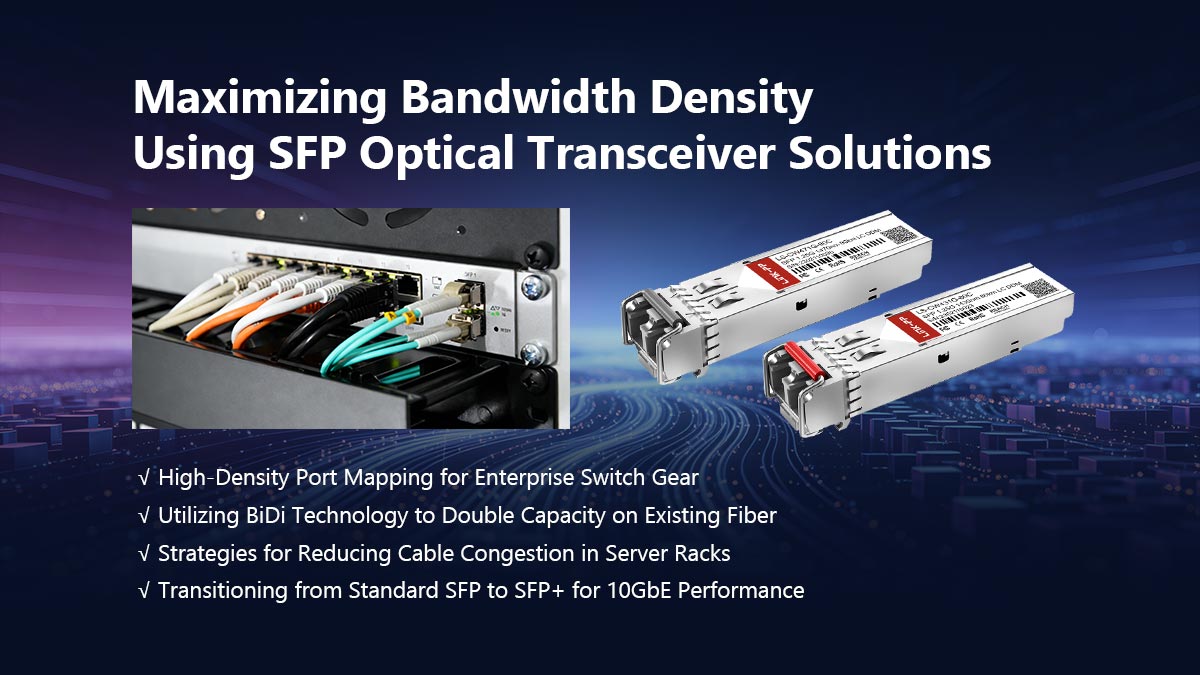
High-density port mapping is a design strategy that focuses on utilizing every available SFP slot on enterprise-grade switches to achieve maximum aggregate throughput. By populating high-count line cards with small-form-factor SFP optical modules, organizations can support hundreds of individual fiber connections within a single chassis, significantly increasing the bandwidth available to the core network.
This density requires meticulous planning of port assignments to prevent logical bottlenecks and physical interference. Effective mapping ensures that high-priority traffic is distributed across different switching fabrics, maintaining high performance even as the number of active SFP optical links increases within a confined space.
Utilizing BiDi Technology to Double Capacity on Existing Fiber
Bidirectional (BiDi) SFP optical technology is a game-changer for environments where laying new fiber is physically impossible or cost-prohibitive. Unlike traditional transceivers that require two fiber strands — one to transmit (TX) and one to receive (RX) — BiDi SFP modules use Wavelength Division Multiplexing (WDM) to send and receive data over a single strand of fiber. By deploying these solutions, network administrators can instantly double their bandwidth capacity using the fiber infrastructure they already have in place.
To function correctly, BiDi SFP optical modules must be used in matched pairs that operate at complementary wavelengths. For example, if the module at "Side A" transmits at 1310nm and receives at 1550nm, the module at "Side B" must transmit at 1550nm and receive at 1310nm (such as the GLC-FE-100BX-U and GLC-FE-100BX-D). This "upstream/downstream" pairing ensures that the light signals do not interfere with each other, maintaining high-speed, full-duplex communication over a single glass core.
Strategies for Reducing Cable Congestion in Server Racks
Managing physical cable volume is essential for maintaining the airflow and cooling efficiency required for high-density SFP optical deployments. By utilizing small-form-factor fiber optics instead of thick copper cabling, administrators can significantly reduce the physical bulk within cable managers. This transition allows for a higher concentration of active links per rack unit, ensuring that increased bandwidth density does not lead to thermal bottlenecks or restricted hardware access.
Strategic implementation of Top-of-Rack (ToR) switching architectures further minimizes congestion by keeping high-speed SFP optical connections localized. By aggregating server traffic into a single switch at the top of the rack and using short-reach SFP modules, the need for massive cable bundles running across the data center floor is eliminated. This streamlined approach preserves signal integrity and provides a clean, organized environment capable of supporting rapid scaling and simplified maintenance.
Transitioning from Standard SFP to SFP+ for 10GbE Performance
Transitioning from standard 1G SFP to 10G SFP+ modules is the most effective way to boost bandwidth density for modern high-performance backbones. SFP+ modules maintain the same physical dimensions as the original SFP optical form factor but are engineered to handle much higher data rates, allowing for a 10-fold increase in speed without requiring more rack space.
This transition allows enterprises to upgrade their network throughput simply by replacing the transceiver modules and upgrading the connected switch ports. Because SFP+ is backwards compatible with many SFP slots, it offers a flexible migration path that enables a gradual, cost-managed increase in total network capacity.
🌠 Improving Network Reliability Through SFP Optical Transceiver Redundancy
Network reliability is the cornerstone of high-performance design, ensuring that connectivity remains uninterrupted even during hardware failures. By implementing redundant SFP optical configurations, engineers can create a resilient architecture that automatically compensates for link drops or module malfunctions. This proactive approach minimizes downtime and maintains the continuous flow of data across mission-critical systems.
Designing Failover Paths with Dual-SFP Configurations
Designing effective failover paths involves deploying dual SFP optical modules across separate physical routes or hardware interfaces. In this configuration, one link serves as the primary data path while the second remains in a standby or active-redundant state. If the primary transceiver fails or the fiber cable is damaged, the network protocol automatically redirects traffic to the secondary link, ensuring zero or minimal service disruption.
This setup is particularly vital for connecting core switches to distribution layers, where a single point of failure could isolate entire segments of the network. By utilizing diverse SFP optical paths, administrators can safeguard against localized hardware issues and physical layer interruptions, significantly boosting the overall uptime of the enterprise environment.
Link Aggregation (LAG) and its Role in High-Availability Designs
Link Aggregation (LAG) allows multiple SFP optical links to be combined into a single logical channel, providing both increased bandwidth and inherent redundancy. By grouping several transceivers together, the network can distribute traffic across all active modules. If one fiber optic SFP module in the group fails, the remaining links continue to carry the load, preventing a total connection loss while only slightly reducing the total available throughput.
Beyond failover, LAG improves high-availability by balancing the data load across multiple SFP optical interfaces, which prevents any single module from becoming a performance bottleneck. This technique is a standard practice for high-speed backbones, as it offers a seamless way to scale capacity while simultaneously protecting the network against individual component failures.
Minimizing Points of Failure in Mission-Critical Fiber Links
Minimizing points of failure requires a holistic view of the SFP optical path, from the transceiver hardware to the physical fiber termination. High-performance designs prioritize the use of high-quality, matched modules and avoid unnecessary adapters or patch points that can introduce signal loss. Ensuring that each SFP optical link is as direct as possible reduces the statistical probability of a failure occurring along the transmission line.
Furthermore, critical links should be monitored for physical stability and environmental factors that might lead to degradation. By selecting industrial-grade SFP optical modules and implementing secure cable management, organizations can eliminate common vulnerabilities like loose connections or overheating. This disciplined approach ensures that the most vital parts of the network infrastructure remain stable and reliable under any conditions.
🌠 Enhancing Signal Quality with SFP Optical Transceiver DOM Features
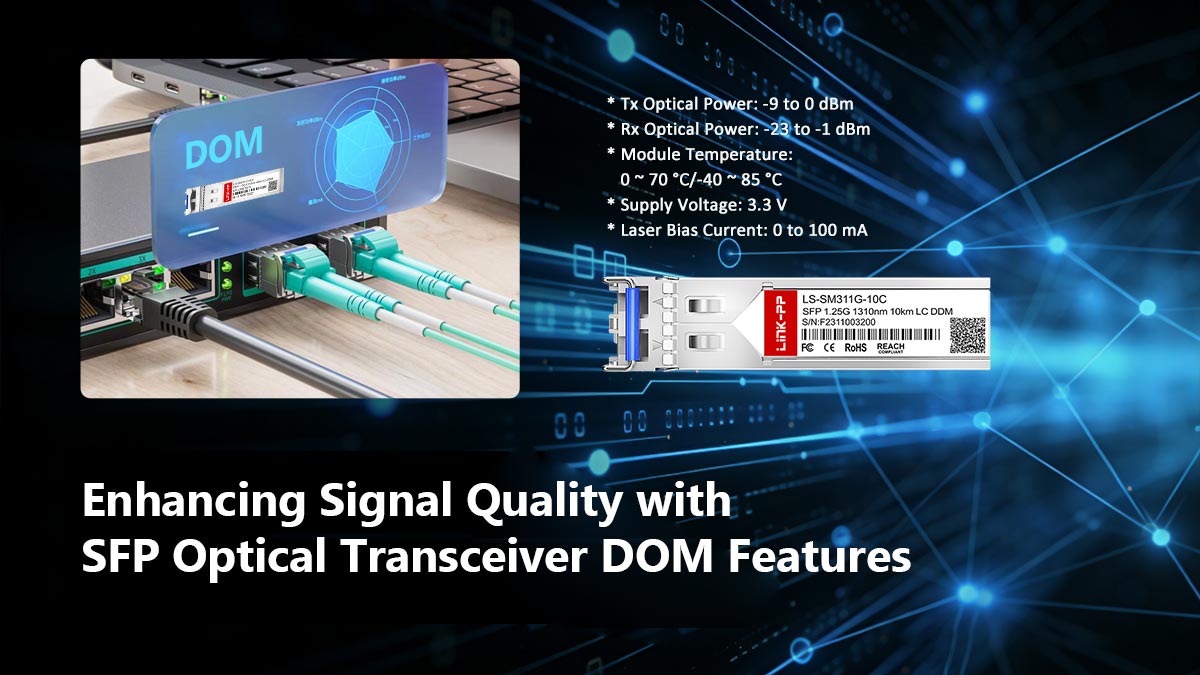
Digital Optical Monitoring (DOM) is a critical diagnostic capability integrated into modern SFP optical transceivers that allows for real-time tracking of internal operating parameters. By providing visibility into the physical layer of the fiber link, DOM enables network administrators to maintain peak signal quality and address potential hardware issues before they escalate. This telemetry data is essential for ensuring that high-performance networks remain stable and efficient over their entire lifecycle.
Monitoring Laser Power and Temperature in Real-Time
The health of an SFP optical link is directly tied to the stability of its internal laser and the thermal environment of the switch. DOM features provide continuous readouts of both transmit (TX) and receive (RX) optical power levels, as well as the internal temperature of the module. Maintaining these metrics within the manufacturer's specified range is vital because:
- Laser Stability: Consistent TX power ensures the signal is strong enough to reach the remote end without causing distortion.
- Thermal Regulation: Monitoring temperature helps identify cooling failures or airflow blockages in high-density racks before the heat causes the transceiver to malfunction or undergo permanent damage.
Identifying Signal Attenuation Before Link Failure
Signal attenuation refers to the gradual loss of light intensity as it travels through a fiber optic cable. Using DOM features, administrators can monitor the receive (RX) power levels of an SFP optical module to detect if the light signal is becoming too weak. This early warning system allows technicians to spot issues like dirty connectors or damaged cables long before they cause a total network blackout.
By catching these subtle drops in signal strength early, the network team can take corrective action, such as cleaning the fiber ends or replacing a kinked patch cord, during scheduled maintenance. This proactive approach ensures that the data connection remains fast and stable, preventing the high bit-error rates and "flapping" links that typically occur when signal quality is ignored.
Predictive Maintenance Strategies for High-Performance Upkeep
Leveraging the data provided by SFP optical DOM features allows for a shift from reactive repairs to a more sophisticated predictive maintenance model. Instead of fixing hardware only after it breaks, network teams can set software thresholds that trigger alerts when specific parameters begin to drift toward critical limits.
- Trend Analysis: By analyzing historical DOM data, engineers can predict the remaining lifespan of a transceiver based on its laser bias current or power fluctuations.
- Scheduled Intervention: Maintenance can be performed during planned downtime windows specifically on links showing signs of weakness, reducing the risk of unexpected outages in mission-critical environments.
Troubleshooting Voltage Fluctuations via Digital Diagnostics
The performance of an SFP optical module is heavily dependent on receiving a stable supply voltage from the host switch or router. Digital Optical Monitoring (DOM) allows for the real-time tracking of internal supply voltage, which is essential for diagnosing electrical issues that might otherwise remain hidden. By monitoring these levels, administrators can ensure the transceiver operates within its optimal electrical parameters.
Monitoring voltage via digital diagnostics is particularly effective for the following:
- Detecting Power Inconsistencies: Fluctuations in voltage can lead to "flapping" links or erratic data transmission. Accessing these values via the diagnostic console helps isolate whether a problem is caused by the fiber link itself or a failure in the host hardware's power delivery system.
- Preventing Data Corruption: Operating a module under unstable voltage conditions can lead to internal logic errors. Digital diagnostics can immediately flag an out-of-spec voltage condition, allowing the network team to swap ports or hardware before the instability leads to corrupted data packets or permanent module damage.
🌠 Customizing SFP Optical Transceiver Integration for Specialized Solutions
Standard networking often requires tailored SFP optical configurations to meet the unique demands of specific industries and environments. By selecting specialized modules, organizations can optimize their infrastructure for extreme speed, environmental resilience, or vast geographic reach. This customization ensures that the optical layer aligns perfectly with the operational goals of the most demanding use cases.
Implementing Low-Latency SFP Links for High-Frequency Trading (HFT)
In the world of High-Frequency Trading, every nanosecond saved translates into a competitive advantage. Low-latency SFP optical integration focuses on minimizing signal serialization delays and utilizing optimized physical paths to ensure the fastest possible data execution. By selecting optical transceivers with high-speed internal processing and pairing them with short-run, high-quality fiber, firms can achieve the near-instantaneous communication required for algorithmic market success.
Deploying Industrial-Grade SFP Modules for Harsh Environmental Conditions
Standard transceivers are often prone to failure in non-climate-controlled settings, making industrial-grade SFP optical modules essential for outdoor or factory deployments. These ruggedized versions are designed with hardened components to withstand extreme temperature fluctuations (ranging from -40°C to 85°C), high humidity, and heavy vibration. Utilizing these specialized modules ensures consistent network availability for mission-critical infrastructure, such as smart grids, transportation systems, and industrial automation.
Optimizing Long-Haul SFP Connectivity for Metropolitan Area Networks (MAN)
Connecting disparate sites across a city requires SFP optical solutions capable of maintaining signal integrity over dozens of kilometers. Metropolitan Area Networks leverage long-reach transceivers, such as ER or ZR SFP modules, which use specialized lasers to overcome the high attenuation of long fiber spans. These long-haul optimizations allow organizations to consolidate their regional data centers into a single, cohesive network fabric without the need for frequent and costly signal regeneration.
🌠 Optimizing Power Efficiency in SFP Optical Transceiver Network Deployments
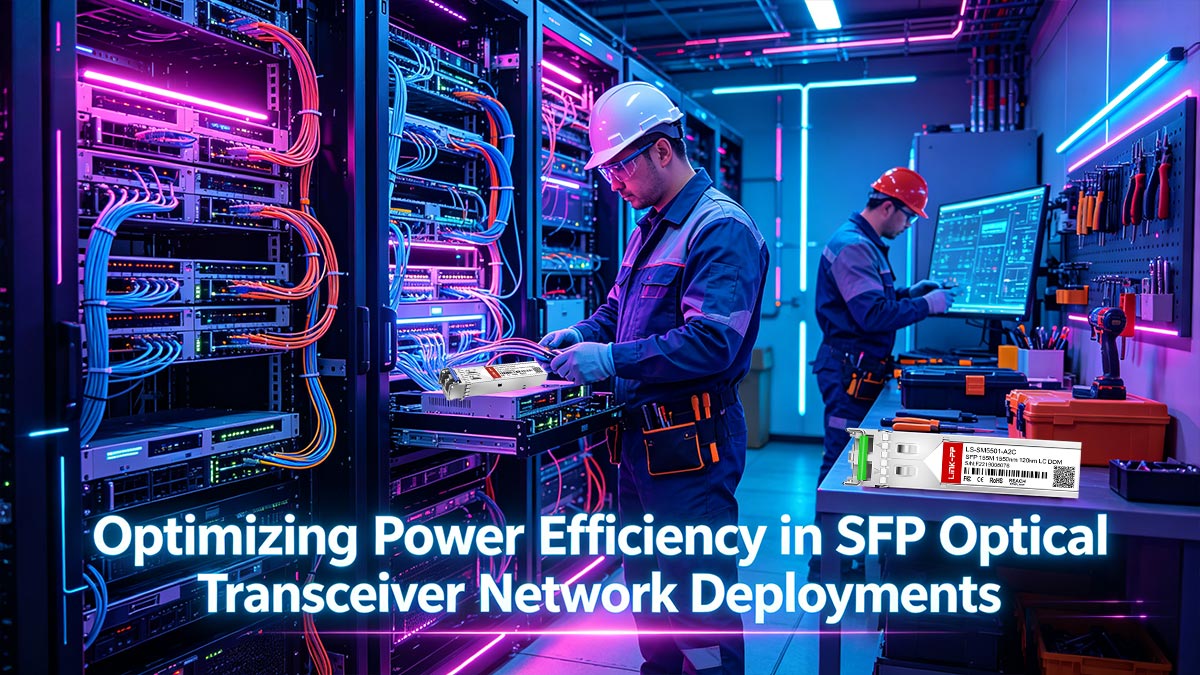
Energy efficiency is a vital metric in modern network engineering, impacting both operational costs and hardware longevity. By strategically managing the power consumption of SFP optical modules, organizations can reduce thermal output and improve the sustainability of their data infrastructure. The following outlines how to balance high-performance connectivity with optimized energy usage.
Analyzing Power Consumption Scales Across Different SFP Form Factors
Power requirements vary significantly across SFP optical generations, with higher-speed modules like SFP28 or SFP56 generally drawing more wattage than standard 1G SFP modules. Understanding these consumption scales allows designers to calculate the total energy footprint of a fully populated switch and ensure the facility's power delivery can support the load. Selecting energy-efficient modules within each form factor helps maintain high throughput while keeping the overall power budget under control.
Reducing Thermal Load in High-Density Data Center Rack Designs
High-density deployments generate concentrated heat, which can lead to transceiver failure or switch throttling if not managed. Using low-power SFP optical transceivers reduces the heat dissipated into the rack, lowering the demand on cooling systems and preventing "hot spots." This thermal optimization extends the lifespan of the optical components and ensures consistent performance across all ports, even in tightly packed enterprise environments.
Implementing Energy-Efficient Ethernet (EEE) via Optical Interfaces
Energy-Efficient Ethernet (EEE) standards allow SFP optical interfaces to enter a low-power state during periods of low data activity. By implementing these protocols, the network can dynamically scale its power consumption based on real-time traffic demands without dropping the link. This intelligent power management significantly reduces wasted energy in environments with fluctuating workloads, such as office networks or campus backbones.
Balancing Power Budgets for PoE-Enabled Industrial Switches
In industrial settings, switches often provide Power over Ethernet (PoE) to cameras or sensors while simultaneously running several SFP optical links for backhaul. Because the switch has a limited total power budget, selecting low-draw SFP modules is essential to ensure there is enough remaining wattage to drive connected PoE devices. Proper balancing prevents power overloads that could cause the switch to reboot or disconnect critical industrial equipment.
🌠 Final Thoughts on Designing High-Performance Networks with SFP Optical Transceivers
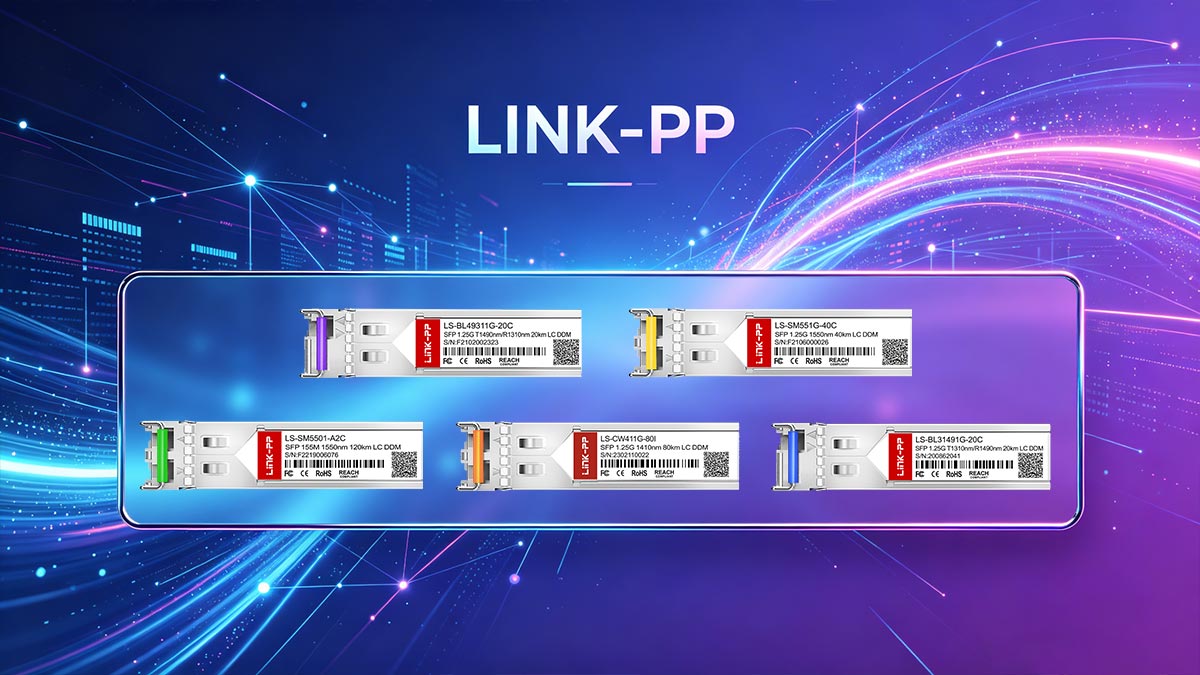
Building a high-performance network is an evolving process that relies on the strategic integration of SFP optical technology. From the initial selection of fiber modes to the implementation of real-time diagnostic monitoring, every decision impacts the speed, reliability, and scalability of your infrastructure. As data demands continue to surge, staying ahead requires a commitment to quality components and forward-thinking design principles.
To summarize the path toward an optimized network:
- Prioritize Compatibility: Ensure your transceivers are perfectly matched to your fiber plant and hardware specifications to maintain signal integrity.
- Embrace Intelligence: Utilize DOM features to move from reactive troubleshooting to a proactive, predictive maintenance model.
- Plan for Growth: Leverage modular SFP designs and high-density solutions like BiDi technology to scale bandwidth without expanding your physical footprint.
- Focus on Efficiency: Select low-power, industrial-grade modules where necessary to reduce thermal load and ensure long-term hardware health.
Selecting the right partner for your optical hardware is just as important as the network design itself. For reliable, industry-standard transceivers that ensure your infrastructure meets peak performance benchmarks, we recommend exploring the extensive catalog at the LINK-PP Official Store. Whether you are upgrading to 10GbE or deploying specialized industrial links, choosing high-quality SFP optical solutions is the surest way to guarantee a resilient and future-proof network.