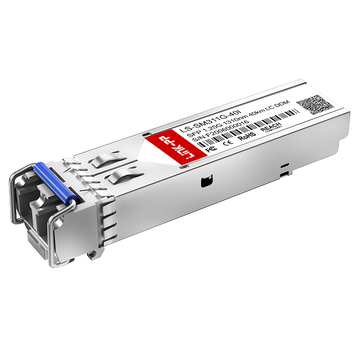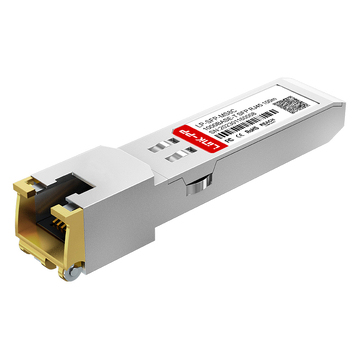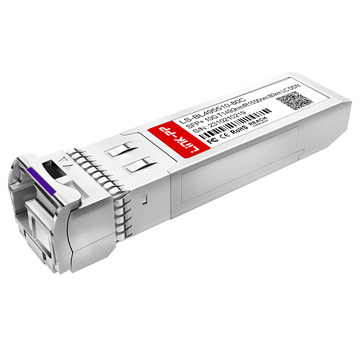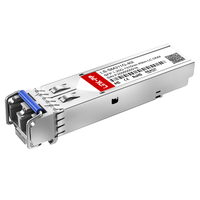






























Modern power substations demand absolute network reliability to keep the electrical grid running safely and smoothly. In these high-voltage, extreme-temperature environments, the SFP-1GLHLC-T 1G SFP transceiver serves as a critical communication link, keeping automation systems connected under the toughest industrial conditions.
However, supply chain challenges and budget constraints often force network engineers to look for alternative solutions. Finding a reliable, fully compatible replacement for this specific Moxa module is essential to maintain seamless data flow without risking downtime or compromising strict utility standards.
📓 Understanding the Role of SFP-1GLHLC-T in Modern Power Substations
The SFP-1GLHLC-T transceiver serves as a foundational component in modern electrical grids, bridging the gap between physical substation hardware and high-speed fiber optic networks. Operating in environments defined by extreme temperatures and intense electrical noise, this module ensures that critical data transmits instantly and without interruption. Ultimately, its primary role is to guarantee continuous, real-time communication across the entire power distribution infrastructure.

Critical Networking Requirements for IEC 61850-3 Compliance
Power utility networks must adhere to the strict IEC 61850-3 standard, which defines the hardware design and communication requirements for equipment used in substation environments. To maintain compliance, network components must withstand severe environmental challenges that would easily destroy commercial-grade hardware:
- Severe Climatic Adaptation: Compliance dictates that devices must operate reliably across extreme temperature fluctuations and high humidity levels without performance degradation.
- Physical Protection: Hardware must feature robust housing and internal design capable of resisting heavy physical vibrations and mechanical shocks common in industrial utility zones.
- Immunity to Voltage Surges: Network interfaces must survive sudden voltage spikes, static discharges, and electrical surges without dropping active communication links.
Why the "T" Suffix Matters: Extended Temperature Ranges in Utility Racks
In the Moxa optical transceiver module, the "T" suffix explicitly designates hardware built for wide-temperature industrial applications, separating it from standard commercial equipment. While commercial transceivers fail when temperatures stray outside a narrow window, industrial units are engineered to survive the harshest environments:
- Extreme Thermal Resilience: The SFP-1GLHLC-T is rated to operate continuously from -40°C to 85°C, allowing it to function reliably in both sub-zero winter conditions and the intense heat of unconditioned outdoor enclosures.
- Protection Against Thermal Runaway: Outdoor utility cabinets often lack active air conditioning, leading to rapid heat buildup in high-density switch racks. Industrial-grade components prevent laser degradation and signal drift caused by these extreme internal rack temperatures.
Typical Use Cases for Gigabit Ethernet in Substation Automation Systems (SAS)
Modern Substation Automation Systems (SAS) rely heavily on Gigabit Ethernet to handle the massive volume of diagnostic and control data moving across the grid. The SFP-1GLHLC-T provides the high-bandwidth fiber optic links required for several core applications:
- Inter-Bay Communication: It connects Intelligent Electronic Devices (IEDs), protection relays, and merging units across different bays, allowing them to share telemetry data instantly.
- Real-Time Protection and Control: The module provides the low-latency bandwidth needed to transmit critical Generic Object Oriented Substation Events (GOOSE) and Sampled Values (SV), enabling automated systems to isolate grid faults within milliseconds.
- Long-Distance Telemetry Backhaul: Gigabit fiber links carry monitoring data from remote substation yards back to central control rooms located kilometers away, ensuring operator visibility over the entire network.
Signal Integrity and Electromagnetic Interference (EMI) Challenges
Substations are highly hostile environments for data transmission due to the constant presence of high-voltage equipment, power lines, and switching transients. Traditional copper cabling acts as an antenna for electromagnetic interference (EMI) and radio frequency interference (RFI), which can corrupt data packets and disrupt critical communications.
Using the SFP-1GLHLC-T fiber optic module solves this issue completely. Because optical fiber transmits data using light rather than electrical currents, it is entirely immune to EMI, RFI, and high-voltage surges. This guarantees flawless signal integrity, preventing corrupted data frames and dropped packets even when fiber lines run directly alongside high-voltage transformers and power lines.
📓 Key Specifications of the Original Moxa SFP-1GLHLC-T
The original Moxa SFP-1GLHLC-T transceiver is engineered specifically to meet the demanding physical and operational requirements of industrial networking. By combining long-range optical transmission with ruggedized hardware design, this module delivers stable performance where commercial alternatives fail. Understanding these core manufacturer specifications is essential for evaluating and selecting an equivalent, highly reliable third-party compatible alternative.
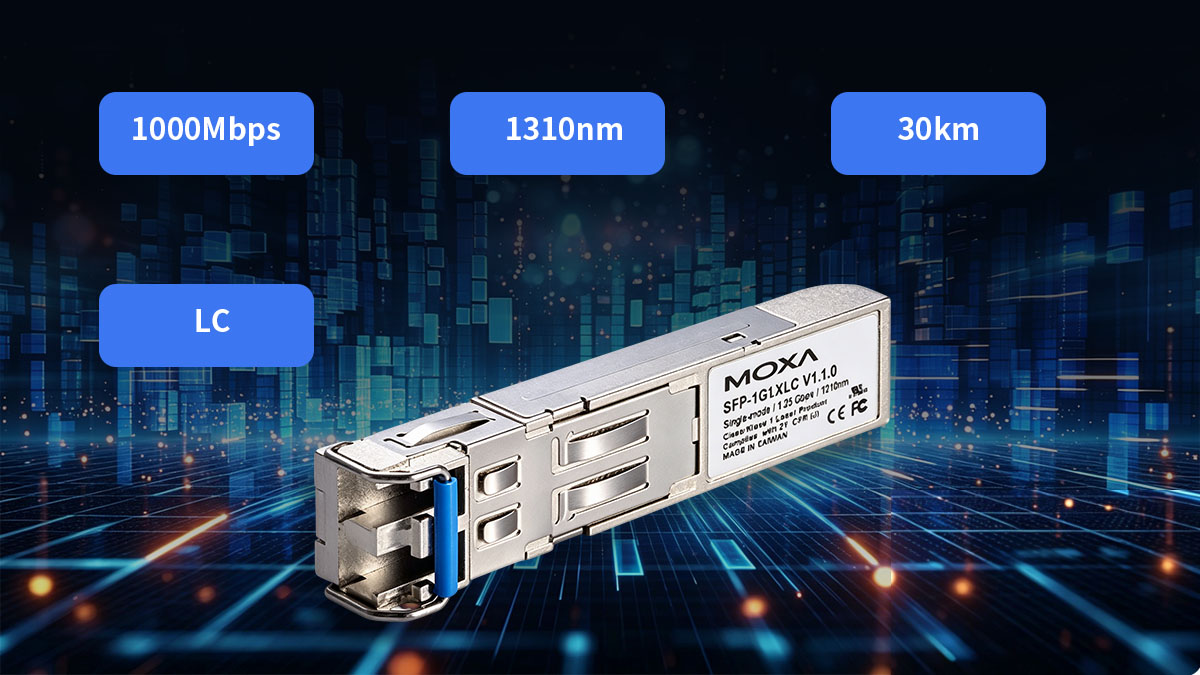
Optical Performance: 1310nm Wavelength and 30km Reach
The optical engine of the SFP-1GLHLC-T utilizes a 1310nm single-mode transmitter designed to strike an ideal balance between signal attenuation and fiber cost. Operating at this wavelength allows the infrared light to travel through single-mode fiber (SMF) with minimal dispersion, ensuring clear, high-integrity data transmission over long distances.
With an engineered optical power budget that supports a maximum reach of 30km, this module is perfectly suited for spanning the vast physical footprints of modern utility grids. It easily connects remote distribution centers, wind farms, and regional substations back to the main control center, providing a direct, reliable link across long fiber runs.
Data Rate Consistency: 1000Mbps Fiber Connectivity
The SFP-1GLHLC-T delivers a dedicated, full-duplex 1000Mbps (1Gbps) Ethernet line rate, fully compliant with the IEEE 802.3z standard for Gigabit fiber transmission. Utilizing a high-performance differential LVPECL interface for internal inputs and outputs, the module guarantees clean, high-speed data path transitions while keeping overall power consumption under a highly efficient 1W maximum.
This consistent, unthrottled throughput is vital for maintaining the deterministic performance required in power utility automation. By eliminating packet jitter and minimizing latency, the transceiver ensures that critical real-time protection protocols — such as GOOSE and Sampled Values — are transmitted instantly and reliably across the network.
Industrial Durability: Operating from -40°C to 85°C
Standard commercial-grade transceivers are prone to laser frequency drift, fast aging, and sudden failure when exposed to extreme environments. The SFP-1GLHLC-T addresses this vulnerability by incorporating specialized, wide-temperature laser diodes and heavy-duty internal circuitry designed to operate continuously within a wide temperature range of -40°C to 85°C.
This extreme durability makes the module ideal for deployment in unconditioned outdoor cabinets, remote trackside enclosures, and high-density switch racks that accumulate intense heat. By resisting thermal shock and preventing heat-induced optical degradation, this industrial-grade transceiver ensures uninterrupted link uptime in virtually any climate.
Mechanical Interface: LC Duplex Connector Standards
For physical connectivity, the module utilizes the highly standardized small-form-factor LC duplex mechanical interface. The LC connector's push-pull latching mechanism provides a secure, vibration-proof physical lock that prevents accidental disconnections in high-vibration substation environments.
By adhering to international mechanical standards, the LC duplex interface ensures universal compatibility with existing patch cords and high-density fiber patch panels. The dual-fiber design dedicates one channel for transmission (TX) and one for reception (RX), simplifying fiber routing and allowing for straightforward troubleshooting during deployment.
📓 Performance Benefits of Upgrading to SFP-1GLHLC-T
Upgrading to industrial-grade SFP-1GLHLC-T modules significantly enhances substation network efficiency, range, and physical resilience. These advanced transceivers provide superior optical power budgets, robust electrical protection, and optimized thermal management. By deploying these modules, utility operators secure stable long-distance data transmission while cutting overall operational risks.
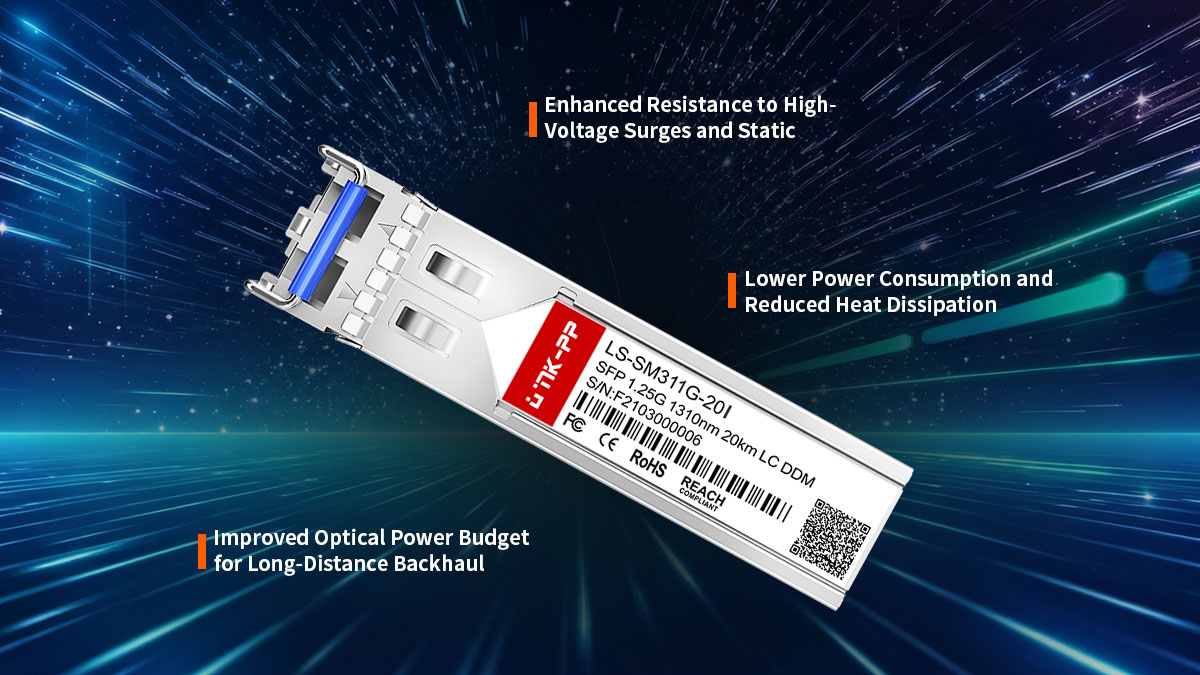
Improved Optical Power Budget for Long-Distance Backhaul
The SFP-1GLHLC-T features a highly optimized transmitter and receiver design that delivers a superior optical power budget. This increased budget provides a critical safety margin over the standard 30km transmission span, easily overcoming signal loss caused by aging fiber lines, patch panels, and multiple splices.
By maintaining high optical launch power and receiver sensitivity, this module prevents packet loss and signal attenuation over long backhaul runs. The result is a highly stable, error-free link that guarantees consistent data delivery between remote field sites and central substation switchboards.
Enhanced Resistance to High-Voltage Surges and Static
Substation environments are constantly subjected to severe electromagnetic transients, lightning strikes, and static discharges. Upgrading to high-grade SFP-1GLHLC-T modules provides robust protection against these electrical anomalies, shielding delicate internal switch circuitry from damage.
The table below outlines the specific electrical resilience standards and protection metrics met by these industrial transceivers:
| Protection Category | Standard / Specification | Operational Benefit in Substations |
| Electrostatic Discharge (ESD) | IEC 61000-4-2 (4kV Contact, 8kV Air) |
Prevents damage to internal circuitry from static buildup during manual handling or maintenance. |
| Electrical Fast Transients (EFT) | IEC 61000-4-4 (Power: 1kV(AC), 0.5kV(DC); Signal: 0.5kV) |
Protects the communication link from high-frequency electrical noise caused by heavy relay switching. |
| Surge Immunity | IEC 61000-4-5 (Power: 1kV / 2kV(AC), 0.5kV(DC); Signal: 1kV) |
Shields the host switch from transient high-voltage surges induced by lightning strikes or grid faults. |
| Galvanic Isolation | Fiber-optic media inherently non-conductive | Eliminates ground loop currents entirely, protecting connected hardware from potential differences. |
Lower Power Consumption and Reduced Heat Dissipation
With an optimized internal circuit design, the SFP-1GLHLC-T operates on less than 1W of power. This low power consumption drastically reduces the heat dissipated by individual modules, which is a critical advantage in high-density switch configurations.
By keeping thermal output to a minimum, the module prevents localized heat buildup within closed utility cabinets. This cooler operation extends the operational lifespan of both the transceiver and the host switch, boosting overall hardware reliability.
📓 Why Engineers Seek an SFP-1GLHLC-T Replacement Strategy
Network engineers are actively adopting third-party compatible replacement strategies for the Moxa SFP-1GLHLC-T to bypass procurement barriers and optimize budgets. Sourcing alternative transceivers ensures grid maintenance is not stalled by single-vendor limitations. A proactive replacement plan secures supply chain continuity while maintaining identical performance and industrial compliance.
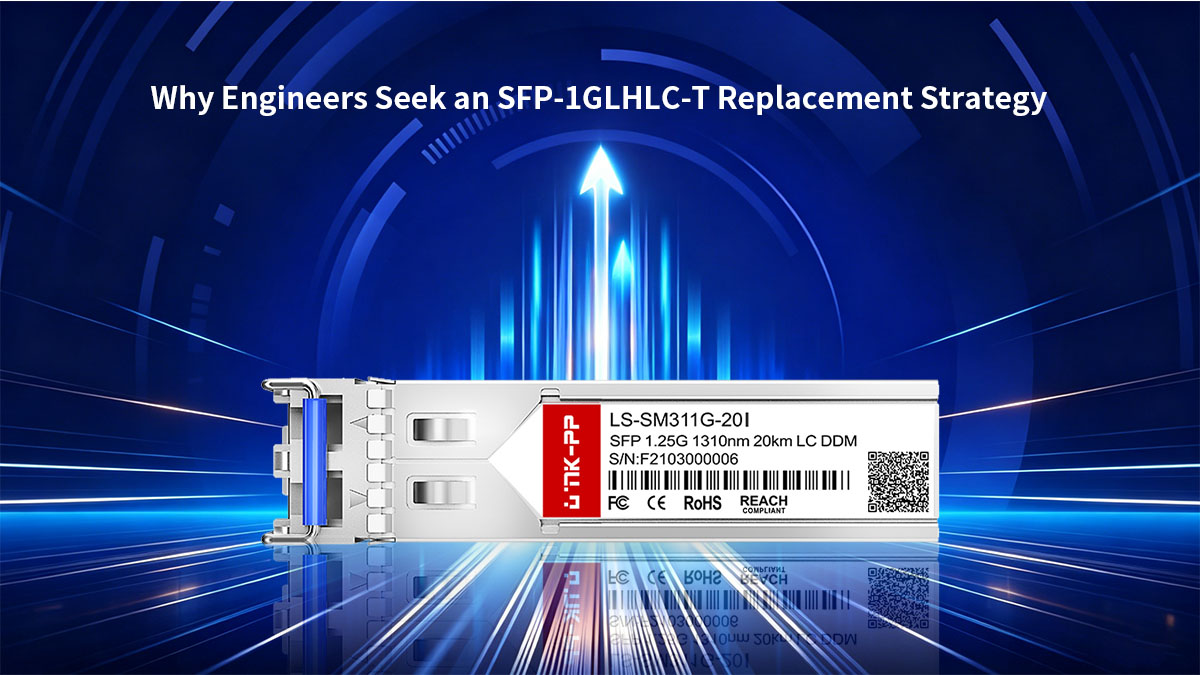
Mitigating Long Lead Times and Global Supply Chain Bottlenecks
Industrial projects frequently face severe delays due to long OEM lead times and supply chain constraints. Relying solely on original manufacturers for critical network components can stall urgent substation upgrades or emergency maintenance.
A third-party compatible replacement strategy mitigates these risks by diversifying the supply chain. Approved alternative vendors typically maintain larger inventory reserves, enabling rapid dispatch of compatible modules to prevent network downtime.
Reducing OpEx by Minimizing the "Brand Premium" Cost
OEM transceivers carry a high markup simply for the brand label, which inflates network operational expenditures (OpEx). For large-scale grid deployments requiring hundreds of fiber links, this "brand premium" significantly strains utility budgets.
Equivalent third-party SFP-1GLHLC-T compatible modules deliver identical optical and physical performance at a fraction of the cost. Reallocating these savings allows operators to fund other critical substation infrastructure upgrades.
Enhancing Multi-Vendor Interoperability Across Grid Infrastructure
Modern utility grids are rarely built on a single hardware brand, often mixing switches, routers, and legacy devices from various manufacturers. Relying on strict OEM modules limits deployment flexibility, as proprietary transceivers are typically locked to their respective brands and fail to operate in neighboring devices.
Adopting a high-grade, compatible SFP-1GLHLC-T replacement strategy eliminates these artificial vendor barriers. This approach allows engineers to deploy identical, high-performance optical links across a diverse hardware landscape, streamlining multi-generation grid integration and facilitating seamless communication across different vendor platforms.
📓 Compatibility Criteria for a Reliable Third-Party SFP-1GLHLC-T Alternative
Selecting a third-party SFP-1GLHLC-T module requires evaluating specific compatibility criteria to ensure the alternative performs identically to the original Moxa transceiver. Beyond basic optical specifications, a reliable replacement must integrate seamlessly with the host switch's internal operating system and mechanical environment. Ensuring strict adherence to these technical criteria is the only way to prevent connection drops, hardware rejection, and data latency in active substation networks.
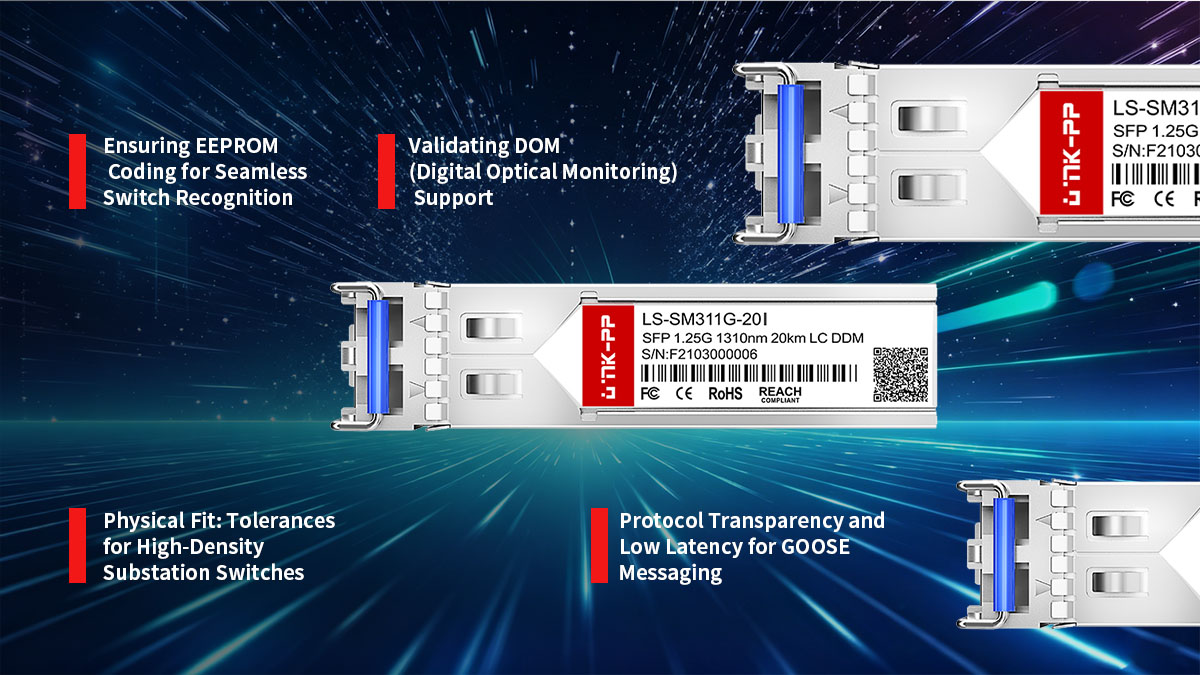
Ensuring EEPROM Coding for Seamless Switch Recognition
Managed industrial switches utilize security and compatibility checks that read the transceiver’s internal EEPROM chip upon insertion. If the EEPROM data does not match the switch’s expected parameters, the port will be disabled, or the system will trigger a compatibility error. To ensure instant plug-and-play recognition, a high-quality alternative must feature precise programming:
- Authentic Vendor ID Mapping: The EEPROM must be coded with the correct vendor-specific identifier codes, matching the original Moxa signature to bypass strict port-security blocklists.
- Synchronized Part Number and Serial Data: The serial number, part number, and revision codes stored within the EEPROM must align with the exact formatting conventions recognized by the host switch operating system.
- Accurate Checksum Verification: The internal write-protection and checksum values must be calculated flawlessly to prevent the switch from flagging the module as corrupted or unauthorized.
Validating DOM (Digital Optical Monitoring) Support
Digital optical monitoring (DOM) is a critical diagnostic function that allows network administrators to monitor real-time parameters of the SFP transceiver. When selecting a third-party SFP-1GLHLC-T replacement, validating robust DOM support is highly recommended to maintain proactive network health assessments:
- Real-Time Tx and Rx Power Tracking: The module must accurately report transmitted and received optical power levels, allowing engineers to spot early signs of fiber attenuation or laser degradation before a link fails entirely.
- Temperature and Voltage Sensors: Integrated internal sensors must monitor the operating temperature and supply voltage of the module, raising immediate alerts if environmental conditions exceed safe thresholds.
- Standardized SFF-8472 Compliance: The transceiver's internal microcontroller must map all diagnostic data to the industry-standard SFF-8472 register layout, ensuring the host switch can correctly interpret and display the telemetry.
Physical Fit: Tolerances for High-Density Substation Switches
Substation switches are frequently deployed in cramped enclosures where every millimeter of rack space is utilized. A third-party SFP-1GLHLC-T alternative must adhere to strict physical tolerances to avoid mechanical interference with surrounding hardware:
- Strict MSA Dimension Compliance: The outer metal casing must precisely match the Multi-Source Agreement (MSA) standards, preventing the transceiver from getting stuck in the switch port or failing to lock in place.
- Robust Latch and Bale Design: The locking mechanism must engage securely with the port receptacle, yet release smoothly during maintenance without putting structural stress on the switch's internal SFP cage.
- Low-Profile Connector Clearance: The LC duplex receptacle must be molded to precise tolerances, ensuring patch cables click securely into place and maintain physical alignment even under cable tension.
Protocol Transparency and Low Latency for GOOSE Messaging
Substation networks rely on high-speed, deterministic protocols like GOOSE (Generic Object Oriented Substation Events) and Sampled Values to isolate electrical faults. Because these safety-critical messages demand near-instantaneous transmission, the optical transceiver must introduce virtually zero delay:
- Pure Physical Layer Transparency: The alternative SFP modules must operate as a transparent physical-layer medium, transmitting data packets exactly as they are received without packet inspection or internal buffering.
- Ultra-Low Signal Propagation Delay: High-quality internal laser drivers and photodiode receivers must process optical-to-electrical conversions in nanoseconds, preserving the precise timing required for protective relay synchronization.
📓 How to Install and Test Your SFP-1GLHLC-T Moxa Replacement
Successfully deploying a third-party SFP-1GLHLC-T compatible transceiver requires adhering to proper physical installation and testing workflows to prevent network downtime. While industrial-grade switches support hot-swapping, field engineers must follow precise static-safe procedures and verify link performance systematically. Implementing these standardized steps guarantees a smooth transition and ensures the new optical link performs reliably from the moment it is plugged in.
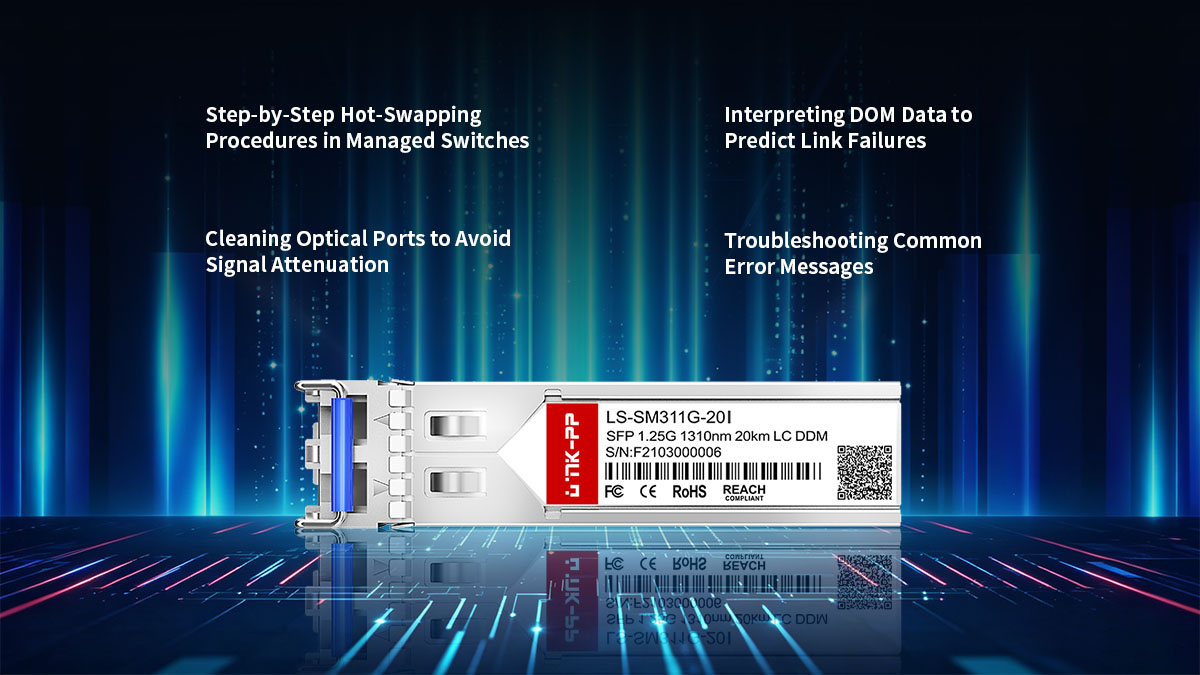
Step-by-Step Hot-Swapping Procedures in Managed Switches
The SFP-1GLHLC-T is designed for hot-swapping, allowing engineers to replace modules without powering down the host switch. However, to protect delicate internal electronics and maintain network safety, the physical swap must follow a structured installation sequence:
- Equip Anti-Static Protection: Before handling the replacement transceiver, always wear an ESD-preventive wrist strap connected to the switch chassis ground to prevent static damage to the sensitive optical components.
- Remove the Existing Module: Disconnect the LC duplex fiber patch cables, unlock the module by gently pulling down its integrated wire bale clasp, and slide the old transceiver smoothly out of the switch port cage.
- Insert the Replacement Transceiver: Align the new SFP-1GLHLC-T compatible module with the port opening, ensure the bail is closed, and slide the transceiver firmly into the slot until you hear a clean mechanical click confirming it is locked in place.
- Reconnect and Verify Physical Link: Remove the protective dust plugs, plug the LC duplex fiber connector back into the new module, and observe the switch port's physical LED indicator to confirm a stable link is established.
Interpreting DOM Data to Predict Link Failures
Once the replacement transceiver is installed, engineers should immediately access the switch's command-line interface (CLI) or graphical interface to read the digital optical monitoring metrics. Analyzing these real-time values is key to verifying link quality and predicting potential optical issues before they cause network downtime:
- Analyze Receiver Sensitivity (Rx Power): Inspect the received optical power level; a critically low Rx power value indicates excessive signal attenuation along the fiber run, which could lead to packet loss.
- Monitor Transmitter Output (Tx Power): Check the transmitter launch power to ensure the laser is operating within its designed specification, confirming that the transceiver is emitting a strong, stable signal.
- Track Operating Temperature and Voltage: Check the transceiver's internal temperature and operating voltage to confirm they are well within safe operating limits, ensuring long-term stability inside the switch rack.
Cleaning Optical Ports to Avoid Signal Attenuation
Microscopic contaminants on fiber end-faces act as physical barriers that block light, causing severe signal loss and link instability. Rather than relying on trial-and-error troubleshooting, implementing a strict "inspect, clean, inspect" protocol during installation is the most effective way to guarantee optical path integrity:
- Pre-Connection Inspection: Use a fiber inspection probe to examine both the LC patch cord connectors and the transceiver's internal optical bore. Never connect fiber cables blindly, as even invisible dust particles can permanently scratch the delicate glass interfaces under mating pressure.
- Proactive Contamination Control: Clean contaminated mating surfaces using a specialized 1.25mm dry-cartridge clicker tool or lint-free solvent wipes. Once cleaned, re-inspect the components to verify a flawless, pristine end-face before final insertion into the SFP-1GLHLC-T port.
Troubleshooting Common Error Messages
When a newly installed SFP-1GLHLC-T module fails to establish a link, the host switch's command-line interface or system log serves as the primary diagnostic tool. Rather than guessing the cause of a link failure, network engineers can decode these system messages to isolate whether the issue is logical, physical, or optical:
- Addressing Software-Level Port Locking: If the switch interface remains in an "err-disabled" state or displays an "unsupported transceiver" log, the switch OS has rejected the EEPROM signature. To resolve this, verify if the vendor-specific compatibility keys are correctly mapped, or execute the platform-specific CLI commands required to bypass third-party transceiver restrictions.
- Diagnosing Physical Layer and Optical Budget Faults: Messages warning of "Rx Power Loss" or "Signal Degraded" point directly to physical transmission issues. When these alerts trigger, check the fiber run for physical micro-bends, verify the patch panel connections, and cross-reference the optical modules' Tx output against the Rx input at the far end to ensure the signal is within the allowed operating window.
📓 Environmental Standards for SFP-1GLHLC-T Alternative Module in Utility Grids
Deploying a third-party SFP-1GLHLC-T module in power grids requires strict adherence to international environmental and physical standards. Because utility hardware operates in uncontrolled, high-stress environments, a replacement transceiver must match the original's ruggedized design.
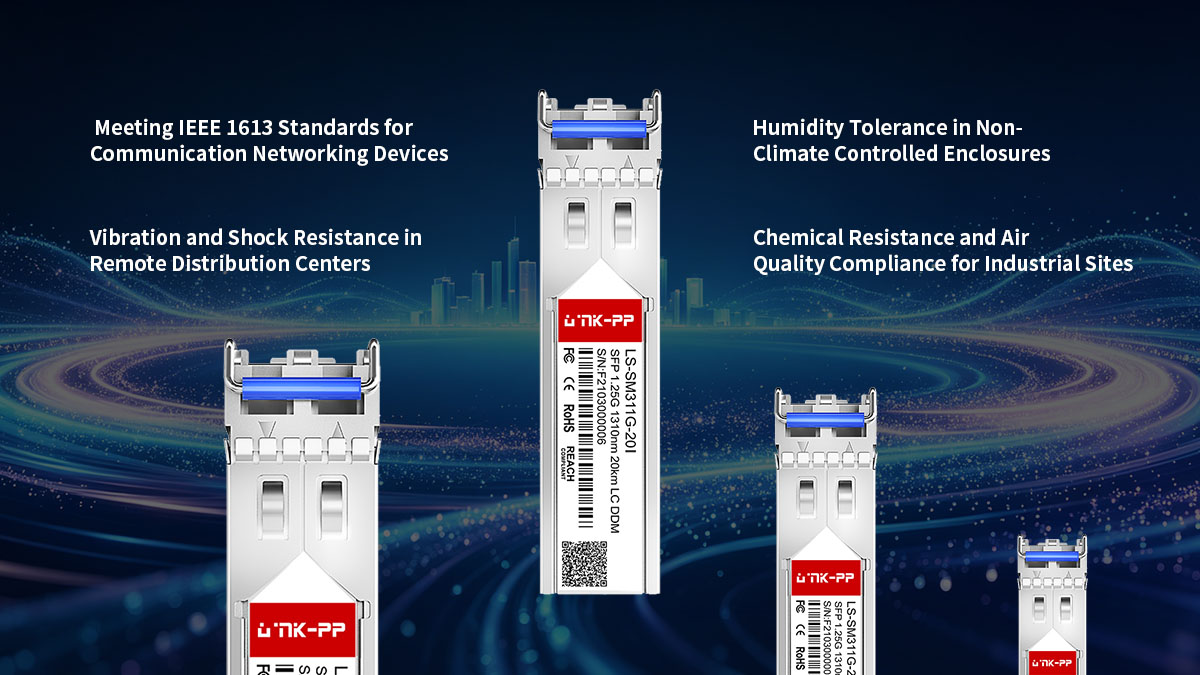
Meeting IEEE 1613 Standards for Communication Networking Devices
To guarantee reliable operation in electrical substations, any SFP-1GLHLC-T alternative must comply with IEEE 1613 environmental and testing requirements. This standard specifies strict limits for electromagnetic interference (EMI) immunity, rapid temperature fluctuations, and high-voltage transient tolerance, ensuring the transceiver maintains packet integrity under severe electrical stress.
Vibration and Shock Resistance in Remote Distribution Centers
Substation switches are frequently exposed to continuous physical vibrations from heavy machinery, cooling fans, and nearby high-voltage transformers. A reliable replacement module must feature a rugged structural housing and a secure latching mechanism that successfully resists mechanical shock, preventing physical displacement or momentary optical misalignments that cause link loss.
Humidity Tolerance in Non-Climate Controlled Enclosures
Remote utility racks and outdoor cabinets are prone to extreme moisture levels and rapid condensation cycles. A high-grade SFP-1GLHLC-T replacement must feature sealed, corrosion-resistant internal components and pass rigorous damp-heat testing, allowing it to operate reliably in non-condensing relative humidity levels reaching up to 95%.
Chemical Resistance and Air Quality Compliance for Industrial Sites
Industrial environments often subject networking hardware to corrosive airborne pollutants, airborne dust, and chemical vapors. The replacement transceiver's metal housing and optical interfaces must be engineered to resist chemical corrosion and prevent dust accumulation, preserving physical connector integrity and ensuring long-term signal clarity in harsh industrial air.
📓 Final Verdict: Selecting the Best SFP-1GLHLC-T Replacement Module

Choosing the right SFP-1GLHLC-T replacement is a balance of strict industrial compliance, physical durability, and seamless software compatibility. A successful transition ensures your substation network maintains uninterrupted data flow and remains fully protected against high-voltage surges, extreme temperatures, and electromagnetic interference. By focusing on certified third-party modules that meet IEEE and IEC standards, you can confidently eliminate supply chain delays and reduce operational costs without compromising grid safety.
If you are ready to upgrade your network with highly reliable, fully compatible optical solutions, LINK-PP offers premium-grade industrial transceivers engineered for the most demanding environments. Every module undergoes rigorous physical and diagnostic testing to guarantee plug-and-play performance with your existing switch infrastructure. Head over to the LINK-PP Official Store today to find the perfect SFP-1GLHLC-T alternative and secure your power grid's communication backbone.