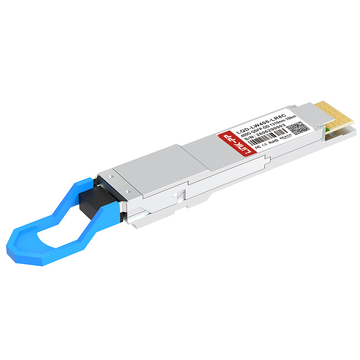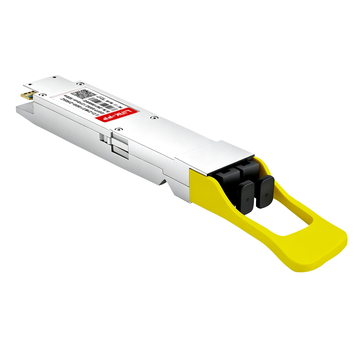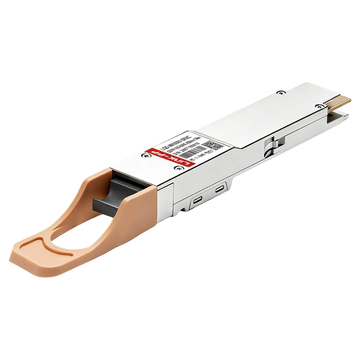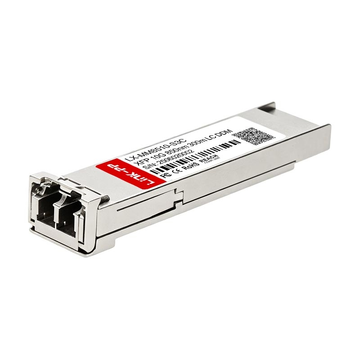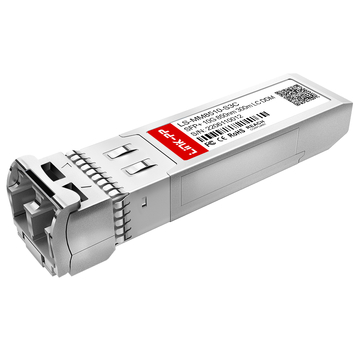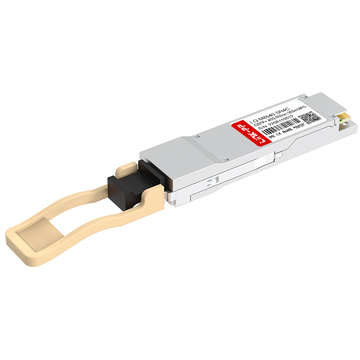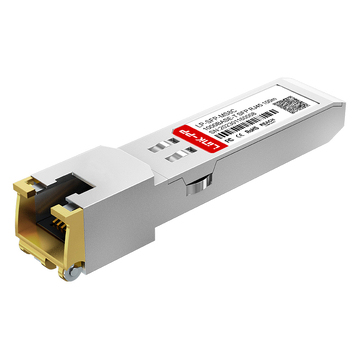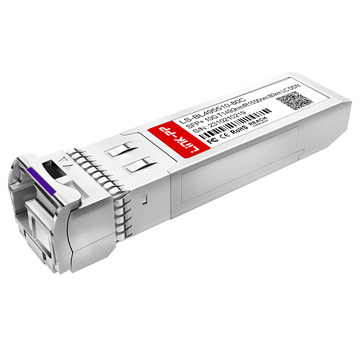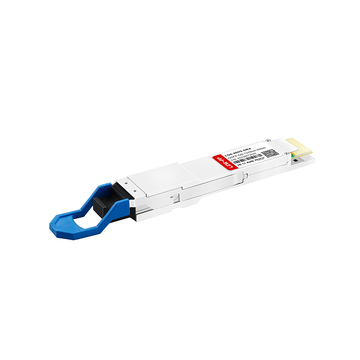
In modern enterprise and data center networks, optical connectivity has become a foundational foundation for sustaining high-speed, low-latency, and scalable infrastructure. As workloads driven by cloud computing, virtualization, and AI continue to expand, network operators increasingly depend on Juniper transceivers to maintain stable and efficient fiber connections across distributed environments. This shift makes optical module selection a critical part of overall network design rather than a simple hardware choice.
At the same time, third-party compatible transceivers are increasingly being adopted as a flexible alternative in optical deployments. While Juniper-branded modules are designed for native system integration and validated performance within Junos OS environments, third-party options are often evaluated for their cost efficiency, cross-platform adaptability, and feature parity. In this context, feature support and Digital Optical Monitoring (DOM) capabilities become key evaluation points, as they directly influence visibility, diagnostics, and long-term operational reliability.
This article provides a structured breakdown of Juniper transceivers vs third-party alternatives, focusing on the technical, operational, and monitoring aspects that matter most in real-world deployments. The goal is to help readers build a clear, practical understanding of how both options compare and where each may be more suitable:
- Core definitions and architectural differences between Juniper transceivers and third-party compatible optics
- Feature-level comparison covering hardware design, firmware recognition, and Junos OS integration
- Detailed analysis of Digital Optical Monitoring (DOM) capabilities and real-time diagnostic visibility
- Compatibility considerations across Juniper platforms and multi-vendor network environments
- Performance, reliability, and validation factors in production-grade deployments
- Practical evaluation guidelines for selecting optical modules based on operational requirements
Together, these aspects establish a complete framework for understanding how Juniper transceivers and third-party alternatives behave in modern networks, especially when monitoring accuracy, compatibility assurance, and long-term stability are all taken into account.
📗 Understanding Juniper Transceivers and Third-Party Alternatives
Juniper transceivers and third-party compatible optics both enable high-speed optical connectivity in Juniper networks, but they differ mainly in system integration depth, validation level, and diagnostic visibility. In practice, Juniper modules prioritize native compatibility and consistent monitoring behavior, while third-party options focus on broader flexibility and multi-vendor adaptability under industry standards.
What Are Juniper Transceivers?
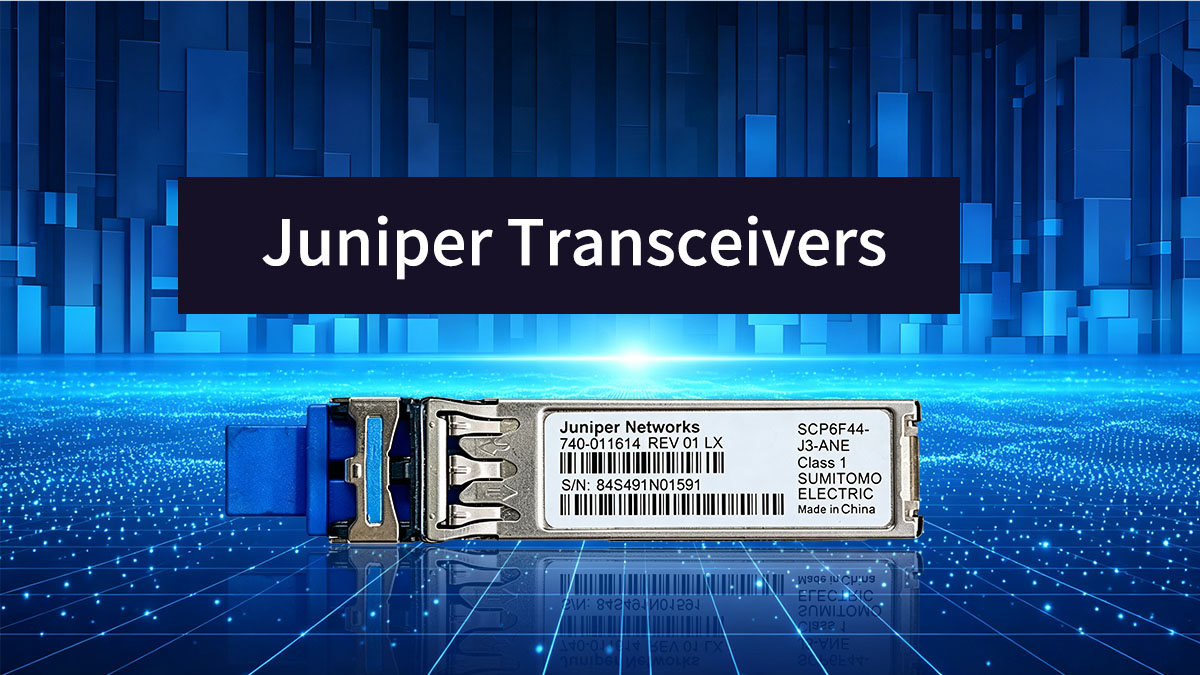
Juniper transceivers are vendor-validated optical modules designed to operate seamlessly within Juniper networking hardware and Junos OS environments, ensuring consistent performance and full feature integration. They are primarily used in deployments where predictable behavior and native system recognition are required.
To understand their functional scope, their key characteristics can be summarized as follows:
- Designed and validated specifically for Juniper platforms
- Fully integrated with Junos OS for automatic recognition
- Available in standard form factors such as SFP, SFP+, SFP28, QSFP+, QSFP28, QSFP56, and QSFP-DD
- Provide consistent EEPROM identification and firmware compatibility
- Support complete Digital Optical Monitoring (DOM) visibility including power, temperature, and voltage metrics
These modules are typically deployed in production environments where operational stability is critical. Because they are fully validated within Juniper ecosystems, they tend to provide predictable performance and consistent telemetry output across supported hardware platforms.
What Are Third-Party Compatible Transceivers?
Third-party compatible transceivers are independently manufactured optical modules designed according to industry MSA standards and coded to function within Juniper networking equipment. They are widely used as an alternative option in environments that require greater sourcing flexibility and cost optimization.
Their core functional profile can be described as follows:
- Built according to Multi-Source Agreement (MSA) optical standards
- Programmed for compatibility with Juniper devices and Junos OS recognition
- Available across multiple speeds and optical reach options similar to OEM modules
- Designed for deployment in multi-vendor network infrastructures
- Offer varying levels of DOM support depending on vendor implementation
These modules are commonly adopted in enterprise and service provider networks where scalability and supply chain flexibility are important. When properly qualified, they can deliver optical performance comparable to vendor-branded modules in terms of transmission distance, speed, and signal integrity.
Why This Distinction Matters in Real Deployments
The distinction between Juniper transceivers and third-party alternatives is most significant in environments where monitoring accuracy, system integration, and long-term stability are operational priorities. While both types of modules can support basic connectivity, their differences become more visible during diagnostics, troubleshooting, and performance monitoring.
From an operational perspective, several factors define why this comparison is important:
- System integration depth affects how reliably modules are recognized in Junos OS
- DOM consistency influences the accuracy of optical performance monitoring
- Deployment flexibility impacts how easily modules can be used across different network layers
- Operational predictability determines how stable behavior remains under load or over time
These factors directly influence how network teams design optical infrastructures and manage ongoing operations. In highly monitored environments, even small differences in DOM behavior or system recognition can affect troubleshooting efficiency and network visibility.
📗 Feature Comparison Between Juniper and Third-Party Transceivers
Juniper transceivers and third-party compatible modules both aim to deliver standardized optical connectivity, but they differ in how deeply they integrate with Juniper systems and how consistently advanced features are exposed. In practical deployments, the most important differences appear in firmware recognition behavior, monitoring consistency, and system-level integration rather than raw optical transmission capability.
Hardware Design and Optical Specifications
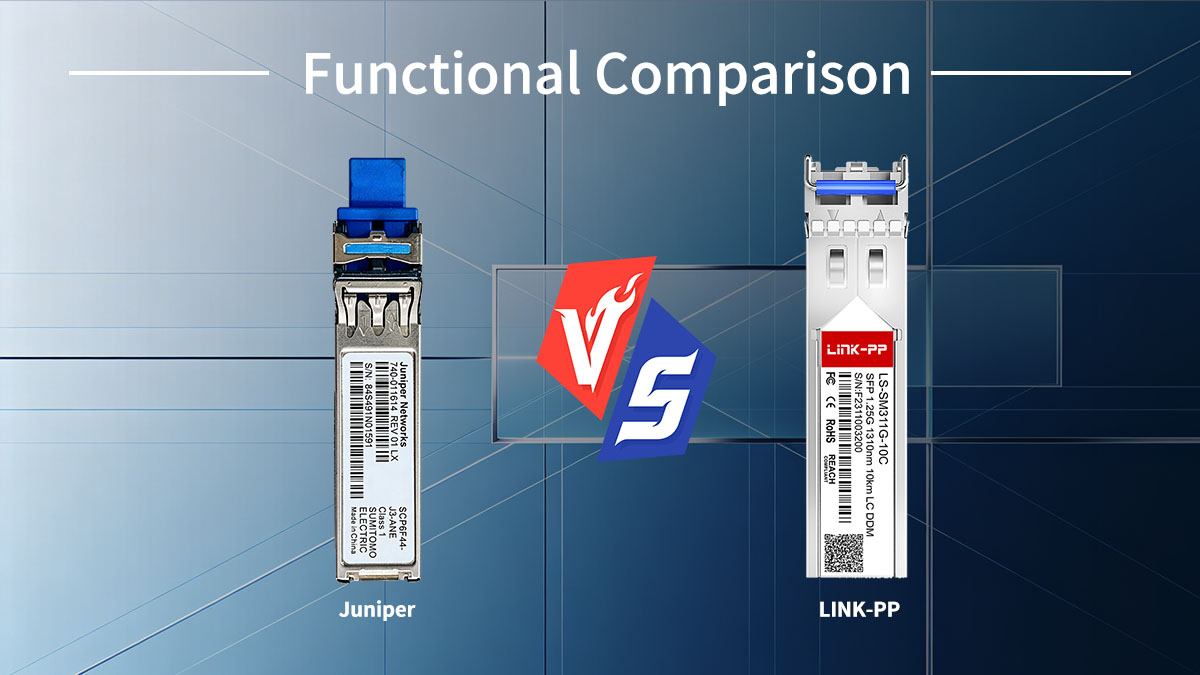
Juniper and third-party transceivers generally follow the same underlying optical standards, meaning their physical transmission capabilities are often comparable when properly matched to the same use case. The key differences are usually found in validation scope and consistency of performance assurance across platforms.
To better understand the hardware-level similarities and differences, the following aspects are commonly evaluated:
- Compliance with IEEE and MSA optical standards ensures baseline interoperability across both types
- Supported wavelengths such as 850nm, 1310nm, and DWDM bands define application range
- Transmission distances vary from short-reach (SR) to long-reach (LR and ER) configurations
- Connector types (LC, MPO) and fiber modes (MMF/SMF) determine physical deployment compatibility
These factors define whether a transceiver can physically operate within a given network topology. In most cases, both Juniper and qualified third-party optics can meet identical optical specifications when properly selected.
Firmware Recognition and Device Identification
Firmware recognition is a key differentiator between Juniper transceivers and third-party modules because it directly affects how the device is identified and managed by Junos OS. In most cases, Juniper modules are automatically recognized with full native descriptors, while third-party modules depend on vendor coding to ensure compatibility.
To understand how this impacts network operation, key identification behaviors include:
- EEPROM data structure defines how the module reports identity to the system
- Vendor coding determines whether Junos OS classifies the module as native or third-party
- Platform recognition influences whether full feature visibility is enabled
- Interface initialization behavior can vary depending on compatibility level
These mechanisms determine how smoothly a transceiver is integrated into the system at boot time. Juniper modules typically provide fully aligned firmware signatures, resulting in seamless recognition without additional configuration.
Third-party modules, on the other hand, rely on compatibility coding to match Junos OS expectations. When properly implemented, they can achieve full recognition; however, inconsistencies in coding quality may lead to limited identification or reduced telemetry visibility in some scenarios.
Network Operating System Integration
Integration with Junos OS is another critical area where Juniper and third-party transceivers may behave differently, particularly in terms of monitoring, alarms, and operational telemetry.
From a system integration perspective, the following behaviors are commonly observed:
- Interface status reporting is consistently aligned with Junos OS for Juniper modules
- Alarm generation (link down, optical degradation) is tightly integrated with native optics
- CLI-based diagnostics provide full visibility into module parameters
- Third-party modules may exhibit varying levels of telemetry completeness depending on implementation
These differences do not typically affect basic link functionality but become important in environments where real-time monitoring and automated alerting are used for operational decision-making.
Feature Comparison Summary
A structured comparison helps highlight how both transceiver types align across key functional dimensions in real-world deployments, especially when evaluating feature parity and operational behavior.
To clearly illustrate these differences, the following comparison focuses on system integration and monitoring-related features:
| Feature Category | Juniper Transceivers | Third-Party Transceivers |
|---|---|---|
| Hardware standard compliance | Fully validated for Juniper platforms | Based on MSA standards |
| Firmware identification | Native recognition in Junos OS | Depends on vendor coding |
| Interface initialization | Fully automated and consistent | Generally compatible with variation |
| DOM support | Fully integrated and consistent | Available but vendor-dependent |
| Alarm and telemetry integration | Deep OS-level integration | May vary by implementation |
| Multi-platform flexibility | Limited to Juniper ecosystem | High flexibility across vendors |
This comparison highlights that both categories can deliver similar optical connectivity performance, but they differ in how consistently they integrate into system-level operations and monitoring frameworks.
📗 Understanding Digital Optical Monitoring (DOM)
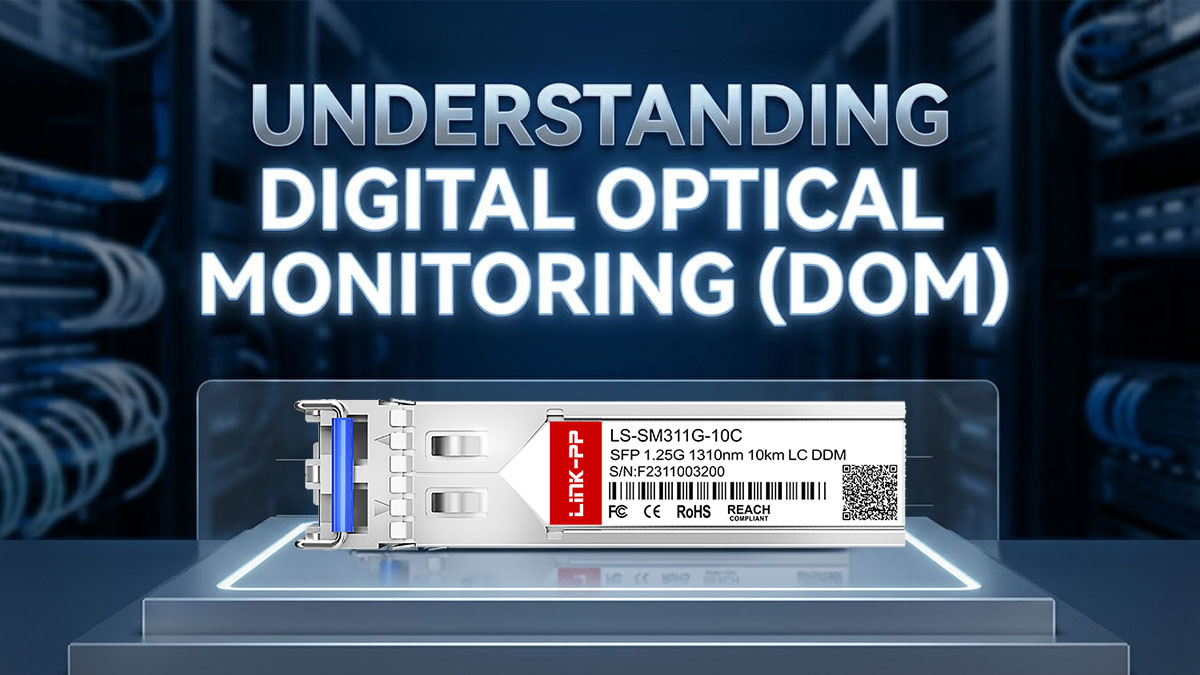
Digital Optical Monitoring (DOM) is a key diagnostic feature in optical transceivers that provides real-time visibility into the physical and electrical conditions of a fiber link. In Juniper-based networks, DOM plays a critical role in ensuring link health, enabling proactive troubleshooting, and improving long-term operational stability. Both Juniper and third-party transceivers may support DOM, but the depth and consistency of the data can vary depending on implementation quality.
What Is DOM?
Digital Optical Monitoring (DOM) is a built-in diagnostic function that reports real-time operating parameters of a transceiver, helping operators assess link quality and module health without physical inspection. It is widely used in modern optical networks to improve visibility and reduce downtime.
To understand its operational role, DOM typically focuses on several core functions:
- Continuous measurement of optical signal and electrical conditions
- Reporting of real-time module performance data to the network device
- Support for threshold-based alarms and warnings
- Integration with system monitoring tools such as Junos OS CLI and network management platforms
These functions make DOM an essential component for maintaining stable optical links. Instead of relying on external testing equipment, engineers can directly access module-level diagnostics through the network device itself.
Key Parameters Measured by DOM
DOM provides a standardized set of operational metrics that reflect the physical and electrical state of an optical transceiver. These parameters are essential for diagnosing performance issues and ensuring signal integrity across fiber links.
To better understand its scope, DOM commonly monitors the following values:
- Module temperature for thermal stability assessment
- Supply voltage to ensure electrical consistency
- Laser bias current indicating transmitter health
- Transmit optical power for outbound signal strength
- Receive optical power for inbound signal quality
These measurements allow engineers to evaluate both the environmental and signal-level conditions of a transceiver in real time. When values drift outside expected ranges, they can indicate issues such as fiber degradation, connector contamination, or failing optical components.
How DOM Supports Network Operations
DOM significantly enhances network operations by transforming optical modules into actively monitored components rather than passive connectivity devices. This visibility improves both troubleshooting efficiency and long-term network reliability.
In real-world deployments, DOM contributes to several key operational benefits:
- Faster fault isolation by identifying whether issues originate from the fiber, module, or device
- Proactive maintenance through early detection of signal degradation trends
- Improved capacity planning based on observed optical performance margins
- Reduced downtime by enabling pre-failure detection of failing transceivers
- Enhanced operational visibility across large-scale optical infrastructures
These advantages make DOM particularly valuable in environments with dense fiber deployments, such as data centers and service provider backbones. When combined with network automation and monitoring systems, DOM data can also support alerting workflows and predictive analytics models.
📗 DOM Support Comparison: Juniper vs Third-Party Optics
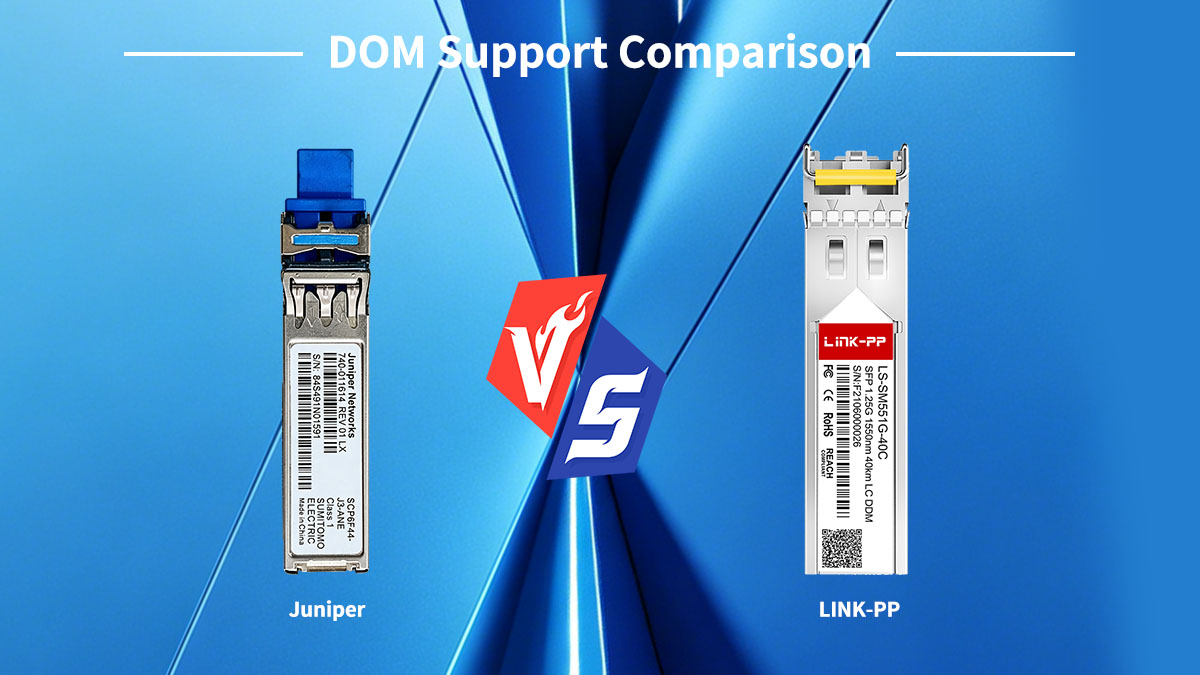
DOM support is one of the most important differentiators when comparing Juniper transceivers with third-party compatible optics because it directly affects how accurately optical health is monitored and interpreted in Junos-based environments. While both types of modules may expose DOM data, the consistency, granularity, and reliability of that data can vary depending on validation depth and implementation quality.
Native DOM Capabilities in Juniper Modules
Juniper transceivers provide fully integrated and tightly validated DOM functionality designed specifically for Junos OS environments, ensuring consistent telemetry and predictable monitoring behavior across supported platforms. This native integration allows optical parameters to be accurately captured and interpreted without compatibility ambiguity.
To understand how this works in practice, Juniper modules typically provide:
- Fully standardized DOM parameter reporting aligned with Junos OS expectations
- Consistent sensor calibration for temperature, voltage, and optical power readings
- Reliable threshold definitions for alarms and warnings
- Stable telemetry output across different Juniper hardware platforms
- Seamless integration with CLI-based monitoring and system logs
These characteristics ensure that DOM data remains consistent regardless of deployment scale or device type. Because Juniper modules are validated against specific platform matrices, their DOM behavior is highly predictable, which is especially valuable in environments where precise monitoring and automated alerting systems are used.
DOM Support in Modern Third-Party Transceivers
Third-party compatible transceivers can also provide DOM functionality, but their implementation depends heavily on vendor design, coding quality, and validation processes. When properly engineered, they can deliver a similar level of visibility to Juniper-native modules, but variations may exist in reporting accuracy and consistency.
In typical deployments, third-party DOM capabilities may include:
- Standard optical power monitoring for transmit and receive signals
- Temperature and voltage tracking for module health assessment
- Bias current reporting for laser performance monitoring
- Basic alarm and warning threshold support depending on vendor configuration
- Compatibility with Junos OS DOM readout commands in supported cases
These features make third-party optics suitable for many environments where DOM visibility is required but strict vendor-level consistency is not mandatory. However, differences in firmware implementation may affect how frequently data is refreshed or how precisely thresholds are interpreted.
Common DOM Differences Observed in Deployments
In real-world network environments, the differences between Juniper and third-party DOM implementations are most noticeable in how consistently and accurately optical data is reported under varying conditions. These differences become more important in large-scale or highly monitored infrastructures.
To better understand these variations, the most commonly observed differences include:
- Data accuracy variations in optical power readings under high utilization
- Differences in temperature calibration across module manufacturers
- Inconsistent alarm threshold triggering behavior in some third-party optics
- Variation in telemetry refresh rates affecting real-time monitoring responsiveness
- Differences in how borderline signal conditions are reported or categorized
These variations do not necessarily indicate incompatibility, but they can affect operational confidence when diagnosing marginal optical conditions. In environments where precision monitoring is critical, even small inconsistencies in DOM reporting can influence troubleshooting decisions.
DOM Feature Comparison Summary
A structured comparison helps clarify how DOM capabilities differ between Juniper transceivers and third-party compatible optics, especially in terms of consistency, integration depth, and operational reliability.
To highlight these differences clearly, the following comparison focuses on key DOM functions used in real network monitoring environments:
| DOM Capability | Juniper Transceivers | Third-Party Optics |
|---|---|---|
| Temperature monitoring | Fully calibrated and consistent | Supported, may vary by vendor |
| Voltage monitoring | Stable and standardized | Generally supported |
| TX optical power | Highly consistent readings | Supported with possible variance |
| RX optical power | Fully integrated telemetry | Supported, accuracy may vary |
| Bias current monitoring | Fully supported | Available in most models |
| Alarm threshold behavior | Predictable and validated | Vendor-dependent implementation |
| Telemetry consistency | High across platforms | Variable depending on coding |
This comparison shows that both transceiver types support core DOM functionality, but they differ in the consistency and predictability of the data they produce under operational conditions.
📗 Compatibility Considerations Beyond Feature Support
Compatibility in Juniper optical environments is not determined only by whether a transceiver "works" or supports basic features like DOM. In real deployments, compatibility also depends on how consistently the module is recognized by Junos OS, how it behaves across software versions, and whether it maintains stable operation under different hardware and network conditions. These factors are often more important than raw feature parity when evaluating Juniper transceivers versus third-party optics.

Platform Compatibility Validation
Platform compatibility validation ensures that a transceiver operates correctly across specific Juniper hardware families and software versions. This process is critical because optical modules interact directly with both physical interfaces and system-level drivers in Junos OS.
To understand how compatibility is structured, key validation dimensions typically include:
- Supported Juniper platforms such as EX, QFX, MX, and SRX series
- Junos OS version alignment with transceiver firmware expectations
- Hardware-specific optical interface behavior and power budgets
- Pre-tested interoperability across switching, routing, and data center devices
These factors determine whether a module is fully recognized and operates with complete feature support. Juniper transceivers benefit from strict internal validation, ensuring predictable behavior across supported environments.
Third-party optics, in contrast, rely on vendor-driven compatibility testing and MSA compliance. While many modules are tested against major Juniper platforms, coverage may vary depending on vendor maturity and product certification scope. As a result, performance consistency can differ across device families or software versions.
Interoperability in Multi-Vendor Networks
Interoperability refers to how well transceivers function in environments where Juniper devices coexist with equipment from other vendors. In such scenarios, optical compatibility becomes a cross-platform requirement rather than a single-vendor optimization problem.
To better understand interoperability behavior, common deployment scenarios include:
- Data center networks with mixed switching vendors
- Carrier-grade backbones integrating multiple routing platforms
- Enterprise networks using different hardware generations
- Cloud interconnect environments with standardized optical links
In these environments, third-party transceivers are often selected due to their ability to operate across multiple vendor ecosystems using standardized MSA specifications. This flexibility can simplify inventory management and reduce complexity in heterogeneous infrastructures.
Risks Associated with Unqualified Optics
Using unqualified or insufficiently validated optical modules can introduce operational risks that are not always visible during initial deployment. While the link may appear functional, subtle inconsistencies can affect long-term stability and monitoring accuracy.
To clearly understand these risks, the most common issues include:
- Incomplete or inaccurate DOM reporting under certain workloads
- Intermittent recognition issues during device reboot or upgrade cycles
- Inconsistent alarm triggering behavior in Junos OS monitoring systems
- Reduced diagnostic visibility during fault isolation processes
- Variability in performance under temperature or distance stress conditions
These issues do not always cause immediate link failure, but they can significantly increase troubleshooting complexity and reduce confidence in monitoring data. Over time, this may lead to slower fault resolution and less accurate capacity planning.
In contrast, fully validated modules—especially those tested against specific Juniper platforms—tend to provide more predictable behavior, reducing uncertainty in operational environments.
📗 Performance and Reliability Evaluation
Performance and reliability are critical evaluation dimensions when comparing Juniper transceivers and third-party compatible optics, especially in production networks where link stability directly impacts service availability. While both categories are designed to meet industry-standard optical specifications, their long-term behavior can differ based on manufacturing validation, system integration, and environmental tolerance.
Optical Performance Metrics
Optical performance metrics define the measurable quality of signal transmission between network devices, and they are essential for assessing whether a transceiver can maintain stable connectivity under operational conditions.
To understand how performance is evaluated in practice, key metrics typically include:
- Bit Error Rate (BER) for measuring transmission accuracy
- Optical signal power levels for both transmit (TX) and receive (RX) paths
- Link stability over time under sustained traffic loads
- Insertion loss tolerance across fiber connections
- Signal-to-noise margin in long-distance deployments
These metrics collectively determine whether a transceiver can maintain error-free communication in real-world conditions. Juniper transceivers are typically validated against strict platform-specific thresholds, ensuring consistent optical performance across supported hardware.
Environmental Reliability Factors
Environmental reliability refers to how well a transceiver maintains stable operation under varying physical conditions such as temperature, airflow, and rack density. This factor becomes increasingly important in high-density data centers and carrier-grade environments.
To evaluate environmental reliability, the following conditions are commonly considered:
- Operating temperature range under continuous load
- Thermal stability in high-density switch environments
- Resistance to performance degradation over time
- Power consumption consistency under varying workloads
- Mechanical and connector durability in repeated handling scenarios
These factors influence how long a transceiver can operate reliably without performance drift or failure. Juniper transceivers are typically tested within controlled environmental parameters aligned with specific platform requirements, ensuring predictable behavior across deployment scenarios.
Testing and Qualification Procedures
Testing and qualification procedures determine whether a transceiver meets both optical performance and operational reliability standards before deployment. These processes are essential for reducing failure risk and ensuring predictable behavior in production networks.
To better understand how qualification is typically performed, common testing stages include:
- Burn-in testing to identify early-life hardware failures
- Optical signal validation across supported wavelengths and distances
- Compatibility testing with specific Juniper platforms and Junos versions
- DOM accuracy verification under controlled environmental conditions
- Stress testing under sustained traffic and temperature variation
These procedures ensure that the transceiver performs consistently not only in ideal conditions but also under operational stress. Juniper transceivers follow tightly controlled qualification pipelines aligned with internal platform validation standards.
📗 How to Evaluate Third-Party Juniper-Compatible Transceivers
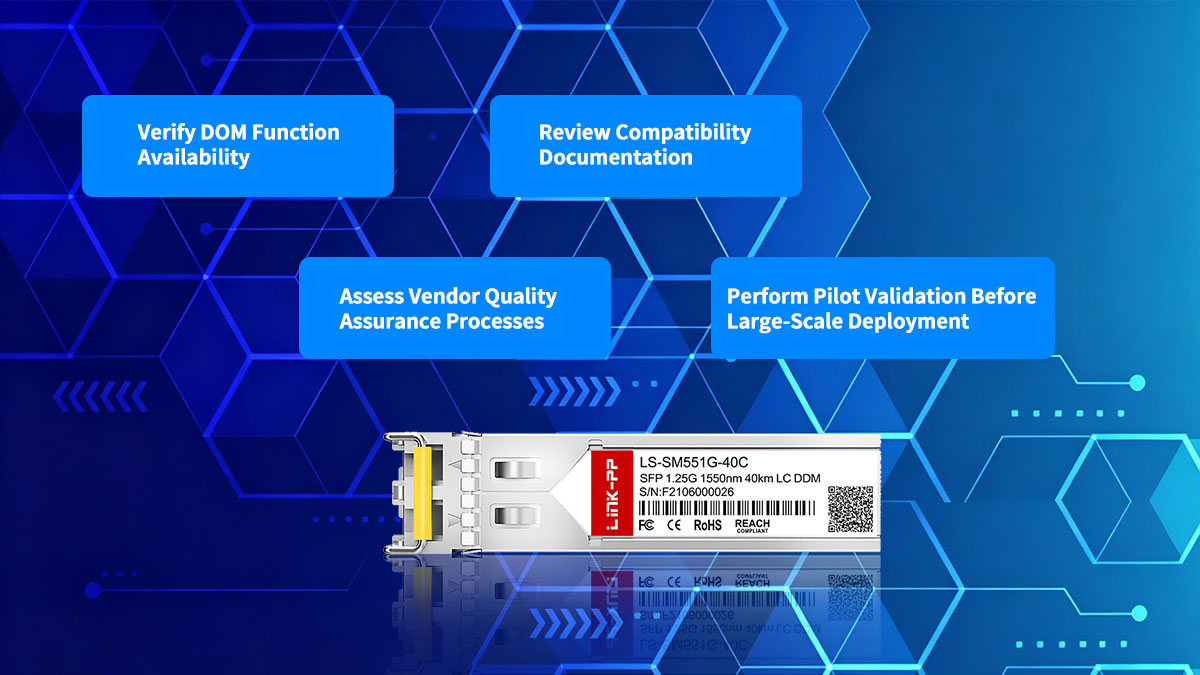
Evaluating third-party Juniper-compatible transceivers requires more than confirming basic link connectivity. In real deployments, the focus should be on compatibility depth, DOM reliability, and long-term operational consistency within Junos OS environments. While many third-party optics can function correctly at a basic level, only properly validated modules can deliver predictable performance and stable monitoring behavior over time.
Verify DOM Function Availability
DOM functionality is one of the most important evaluation criteria because it directly affects how optical health is monitored and diagnosed. Even if a transceiver supports basic connectivity, incomplete or inconsistent DOM reporting can limit visibility into network performance.
To properly evaluate DOM support, key checks include:
- Confirmation that TX/RX optical power values are accurately reported
- Verification of temperature and voltage monitoring availability
- Validation of laser bias current reporting consistency
- Check for alarm and warning threshold behavior in Junos OS
- Assessment of real-time data refresh stability under load
These checks ensure that the module provides meaningful operational visibility rather than only basic status reporting. In Juniper environments, consistent DOM output is especially important for troubleshooting fiber degradation and identifying early-stage performance issues.
Review Compatibility Documentation
Compatibility documentation provides essential insight into whether a third-party transceiver has been tested and validated for use in specific Juniper platforms and software versions. This step helps prevent unexpected behavior after deployment.
To evaluate compatibility documentation effectively, attention should be given to:
- Supported Juniper hardware models such as EX, QFX, MX, and SRX series
- Verified Junos OS versions listed in compatibility matrices
- Optical specifications including wavelength, reach, and form factor
- Known limitations or exceptions for certain platform combinations
- Firmware coding details used for device recognition
This information helps determine whether the module is truly platform-ready or only generally MSA-compliant. In well-documented products, compatibility matrices are clearly defined and regularly updated to reflect new Junos releases and hardware revisions.
Assess Vendor Quality Assurance Processes
The quality assurance (QA) process behind a transceiver is a strong indicator of its long-term reliability and consistency. Even when two modules appear identical in specifications, differences in manufacturing and testing procedures can lead to significantly different operational outcomes.
To evaluate vendor QA processes, key factors include:
- Multi-stage optical testing during manufacturing
- Burn-in procedures for early failure detection
- Calibration processes for DOM sensor accuracy
- Traceability systems for component sourcing and batch control
- Environmental stress testing for temperature and load conditions
These processes directly influence whether a transceiver can maintain stable performance under real-world operating conditions. Vendors with mature QA systems typically deliver more consistent DOM reporting and fewer interoperability issues across Juniper platforms.
Perform Pilot Validation Before Large-Scale Deployment
Pilot validation is a critical step before introducing third-party transceivers into a production Juniper network. It allows engineers to observe real-world behavior under controlled conditions and identify potential compatibility or performance issues early.
A structured pilot validation process typically includes:
- Deployment in a controlled lab or non-critical network segment
- Verification of link stability under normal and peak traffic conditions
- Continuous monitoring of DOM metrics for consistency and accuracy
- Testing across different Junos OS versions if applicable
- Observation of reboot, failover, and recovery behavior
This approach ensures that the transceiver behaves predictably before it is scaled across a broader infrastructure. It also helps identify subtle issues such as inconsistent telemetry reporting or marginal optical performance that may not appear in initial testing.
📗 Conclusion
Juniper transceivers and third-party compatible optics ultimately serve the same fundamental purpose—delivering stable optical connectivity in Juniper-based networks—but they differ meaningfully in system integration depth, DOM consistency, and long-term operational predictability. In most environments, both options can establish reliable links, yet the differences become more visible when networks scale or when monitoring accuracy and troubleshooting efficiency are critical.
From a technical perspective, Juniper transceivers typically provide stronger native integration with Junos OS, more consistent DOM reporting, and tighter platform-level validation. Third-party compatible transceivers, on the other hand, offer greater flexibility across deployments and can perform effectively when properly coded, validated, and tested against specific Juniper platforms. The key takeaway is that performance parity at the optical level does not always translate into identical operational behavior at the system and monitoring level.
To summarize the most important decision factors:
- Juniper transceivers provide higher consistency in DOM telemetry and system recognition
- Third-party optics offer broader deployment flexibility across multi-vendor environments
- Compatibility validation and QA processes strongly influence long-term stability
- DOM accuracy plays a central role in troubleshooting and predictive maintenance
- Pilot testing remains essential before large-scale deployment in production networks
In practical network planning, the most effective approach is to align transceiver selection with operational priorities such as monitoring precision, infrastructure scale, and environment complexity. Networks that rely heavily on automation and real-time diagnostics often prioritize maximum consistency in DOM behavior, while more flexible environments may prioritize deployment agility and supply chain diversity.
For organizations evaluating Juniper-compatible optical solutions, sourcing from a reliable and technically validated supplier is a key part of ensuring deployment stability. Platforms such as the LINK-PP Official Store provide a range of compatible transceiver options designed to meet standardized optical requirements while supporting structured compatibility validation for Juniper environments.