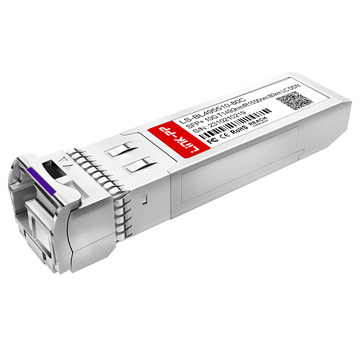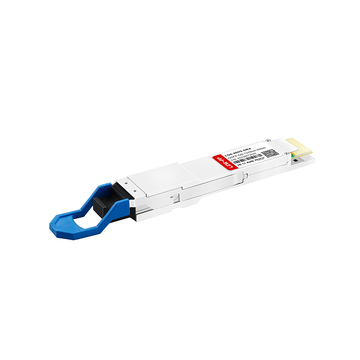
SC APC SFP modules are increasingly used in optical networks where signal precision, low reflection, and long-distance stability are critical. Unlike standard SFP transceivers with UPC connectors, these optical modules integrate angled physical contact (APC) interfaces to significantly reduce back reflection, making them particularly suitable for high-performance single-mode fiber deployments.
For network engineers and procurement professionals, selecting the right SC APC SFP module is not only about matching speed and distance specifications. It also involves understanding connector compatibility, optical performance parameters, and application-specific requirements such as PON, FTTH, or long-haul transmission. Misalignment in any of these areas can lead to signal degradation, increased error rates, or even physical damage to fiber interfaces.
This guide provides a structured approach to evaluating SC APC SFP modules from a procurement perspective. It covers key specifications, compatibility considerations, common deployment challenges, and practical selection criteria to help ensure reliable and optical network performance.
❇️ What Is an SC APC SFP Module?
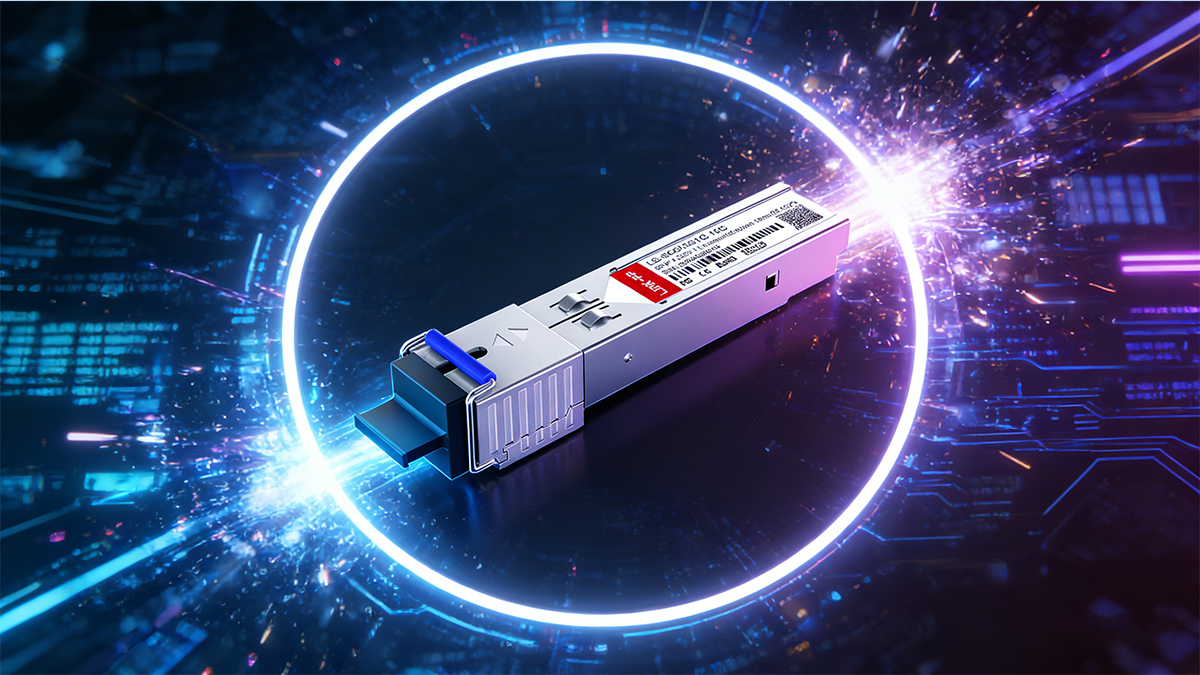
An SC APC SFP module is a pluggable optical transceiver that integrates a standard fiber SFP form factor with an SC APC fiber connector, designed to minimize optical reflection and ensure signal transmission over single-mode fiber. It is commonly used in scenarios where return loss and signal stability are critical, such as PON, FTTH, and RF-based optical systems.
Definition and Core Components
An SC APC SFP module combines two essential elements: the SFP transceiver itself and the SC APC optical interface. The SFP portion handles optical-to-electrical signal conversion, while the SC APC connector provides a physical interface optimized for low back reflection.
Key components include:
- Optical transmitter (typically a laser diode such as DFB)
- Optical receiver (photodiode for signal detection)
- SC APC receptacle (8° angled polish connector)
- Digital diagnostics monitoring (DDM) interface for real-time performance data
- Internal control circuitry for signal processing and stability
This integration allows the module to deliver both standard SFP functionality and enhanced optical performance through improved connector design.
Key Optical Characteristics
SC APC SFP modules are specifically engineered to reduce return loss and improve signal integrity in optical links. The angled polish of the APC connector plays a central role in achieving this.
A key conclusion is that SC APC connectors provide significantly better reflection performance than flat-polish alternatives, which directly enhances transmission quality.
| Parameter | SC APC Connector | SC UPC Connector |
|---|---|---|
| End-face polish | 8° angled | Flat |
| Return loss | ≥60dB | ~50dB |
| Back reflection | Very low | Moderate |
This improved return loss minimizes reflected light re-entering the transmitter, which is especially important in high-speed or long-distance single-mode systems where even small reflections can degrade performance.
Typical Standards and Variants
SC APC SFP modules are available across multiple performance levels and optical specifications, allowing them to fit a wide range of deployment scenarios.
The main takeaway is that these modules follow standard SFP/SFP+ specifications while offering flexible combinations of wavelength and distance.
Common variants include:
- Data rates:
- 1.25Gbps (Gigabit Ethernet)
- 10Gbps (SFP+ for higher bandwidth applications)
- Wavelength options:
- 1310nm (short to medium distance)
- 1490nm (commonly used in PON downstream)
- 1550nm (long-distance transmission)
- Transmission distances:
- 10km (standard access networks)
- 20km–40km (metro and aggregation layers)
- 80km+ (long-haul or specialized deployments)
These variants make SC APC SFP modules adaptable to both access and backbone network environments, particularly where optical precision and connector performance are essential.
❇️ Why Choose SC APC SFP Modules for Optical Networks
SC APC SFP modules are preferred in optical networks because they significantly reduce back reflection, improve signal integrity, and enhance transmission stability over long distances. Their design directly addresses performance limitations found in standard UPC-based connections, making them a reliable choice for sensitive and high-bandwidth environments.

Advantages Over UPC Connectors
SC APC connectors outperform UPC connectors primarily due to their angled end-face design, which minimizes reflected optical signals that can interfere with transmission.
A clear conclusion is that APC connectors provide better optical performance in environments where even minimal reflection can impact system stability.
| Feature | SC APC Connector | SC UPC Connector |
|---|---|---|
| End-face geometry | 8° angled | Flat |
| Return loss | ≥60dB | ~50dB |
| Reflection direction | Deflected into cladding | Reflected back to source |
| Signal stability | High | Moderate |
Because APC connectors redirect reflected light into the fiber cladding instead of back toward the transmitter, they effectively reduce interference, which is critical for optical systems.
Use Cases Requiring High Precision
SC APC SFP modules are typically deployed in scenarios where signal quality, stability, and low reflection are non-negotiable requirements.
The key takeaway is that these modules are essential in systems sensitive to optical noise and reflection.
Common application scenarios include:
- Passive Optical Networks (PON)
- Fiber-to-the-Home (FTTH)
- Ensures consistent signal delivery across long access loops with minimal degradation
- CATV and RF overlay systems
- Analog optical signals are highly sensitive to reflection, making APC connectors critical for maintaining signal quality
- Long-distance single-mode transmission
- Reduces cumulative reflection effects across extended fiber spans
These use cases highlight the importance of APC connectors in maintaining performance across both digital and analog optical systems.
Impact on Network Performance
The use of SC APC SFP modules directly improves several key network performance metrics, especially in high-demand environments.
A practical conclusion is that lower reflection leads to measurable improvements in reliability and transmission accuracy.
Key performance impacts include:
- Reduced bit error rate (BER)
- Cleaner signal transmission minimizes errors at the receiver
- Improved optical signal-to-noise ratio (OSNR)
- Less reflected light results in clearer signal separation
- Enhanced link stability
- Particularly important in long-haul and high-speed links
- Lower risk of transmitter interference
- Prevents reflected light from destabilizing laser sources
In optical networks, these improvements translate into fewer transmission errors, more consistent throughput, and reduced maintenance requirements over time.
❇️ Key Specifications to Evaluate Before Procurement
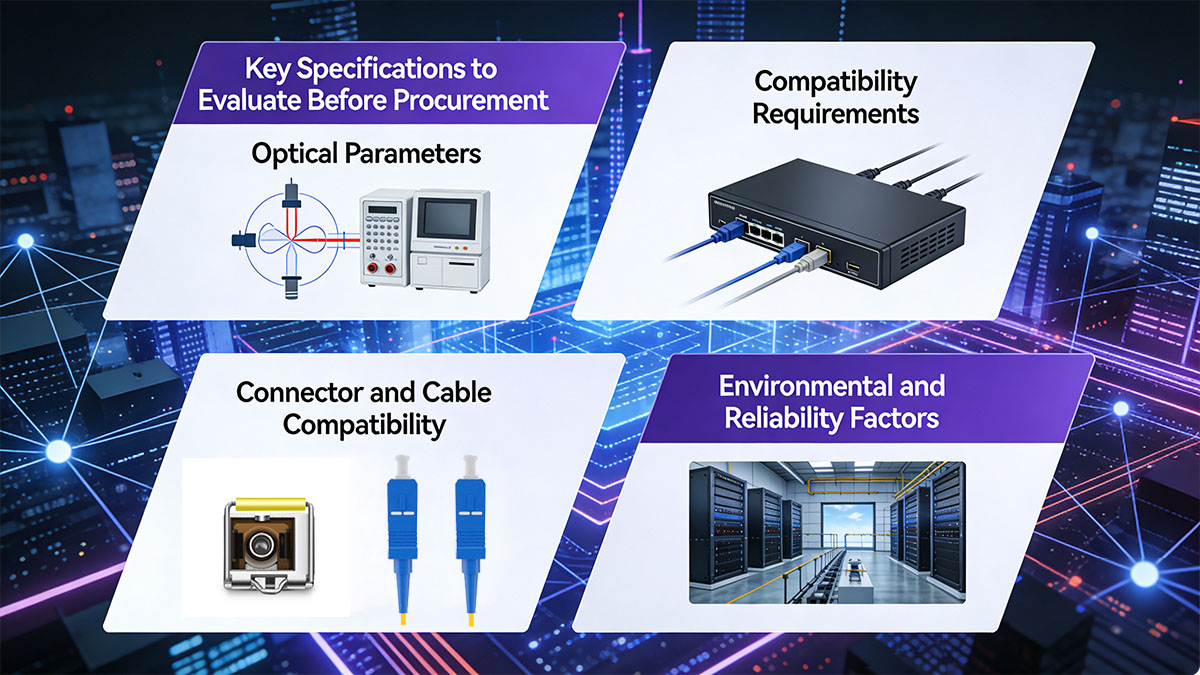
Selecting an SC APC SFP module requires evaluating optical performance, compatibility, connector alignment, and environmental reliability. Overlooking any of these factors can lead to link instability, interoperability issues, or degraded signal quality in real deployments.
Optical Parameters
The most critical step is ensuring that the module’s optical specifications match the link requirements, particularly in terms of power levels and transmission distance.
A practical conclusion is that proper optical parameter matching determines whether a link will function reliably under real-world conditions.
| Parameter | Typical Range (1G/10G SMF) | Impact on Link Performance |
|---|---|---|
| Tx output power | -9dBm to +3dBm | Determines signal launch strength |
| Rx sensitivity | -20dBm to -8dBm | Defines minimum detectable signal |
| Optical budget | 10dB–30dB+ | Governs maximum transmission distance |
To ensure proper operation:
- Match optical budget with total link loss (fiber + connectors + splices)
- Avoid overpowered links that may saturate the receiver
- Ensure receiver sensitivity aligns with expected signal attenuation
Accurate power budgeting is especially important in long-distance or multi-connector environments.
Compatibility Requirements
Compatibility is a key procurement factor, as not all SFP modules operate seamlessly across different vendors’ equipment.
The main takeaway is that vendor compatibility and coding directly affect whether the module will be recognized and function correctly.
| Factor | Description | Risk if Ignored |
|---|---|---|
| Vendor coding | EEPROM data matching device firmware | Port rejection or alarms |
| MSA compliance | Industry standard interoperability | Limited cross-vendor use |
| Platform validation | Tested with specific switches/routers | Unstable or unsupported links |
Important considerations include:
- Ensure modules are coded for target platforms (e.g., Cisco, Huawei, Juniper)
- Verify MSA compliance for broader interoperability
- Check supplier-provided compatibility matrices
Failure in compatibility often results in ports being disabled or operating with limited functionality.
Connector and Cable Compatibility
Connector alignment is critical when working with SC APC interfaces, as improper matching can cause both performance degradation and physical damage.
A key conclusion is that SC APC connectors must only be used with matching APC interfaces to maintain optical integrity.
| Aspect | SC APC Requirement | Risk of Mismatch |
|---|---|---|
| Connector type | SC APC (angled) | Severe reflection loss |
| Fiber type | OS2 single-mode | Signal attenuation issues |
| Patch cord quality | Low insertion loss | Reduced link performance |
Best practices include:
- Never connect SC APC to SC UPC interfaces
- Use high-quality OS2 single-mode patch cords
- Inspect and clean connector end-faces before installation
Even minor contamination or mismatch can significantly impact return loss and overall link quality.
Environmental and Reliability Factors
Environmental conditions and hardware durability play a crucial role in long-term network stability, especially in industrial or outdoor deployments.
The main takeaway is that selecting modules with appropriate environmental ratings ensures consistent performance over time.
| Parameter | Typical Values | Deployment Impact |
|---|---|---|
| Operating temperature | 0°C to 70°C (commercial) | Standard indoor environments |
| -40°C to 85°C (industrial) | Harsh outdoor conditions | |
| MTBF | >1,000,000 hours | Long-term reliability |
| Compliance | RoHS, CE, FCC | Regulatory and safety assurance |
To improve reliability:
- Choose industrial-grade modules for extreme environments
- Verify compliance with regional standards
- Consider MTBF for large-scale deployments
These factors help reduce failure rates and maintenance costs, particularly in mission-critical networks.
❇️ SC APC SFP Module Types and Application Scenarios
SC APC SFP modules are available in multiple module types designed for different network architectures, transmission distances, and fiber deployment models. Selecting the appropriate type depends on bandwidth requirements, fiber availability, and application-specific performance demands.
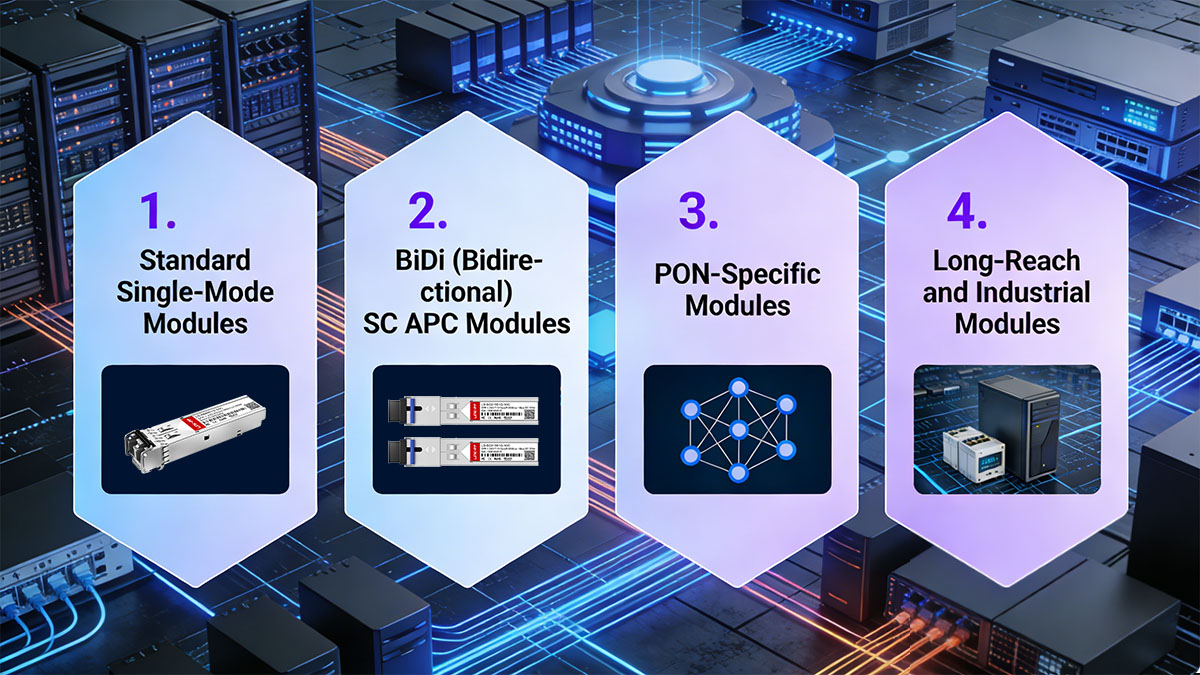
Standard Single-Mode Modules
Standard SC APC SFP modules are the most commonly used type, designed for duplex single-mode fiber connections in typical access and aggregation networks.
A key takeaway is that these modules provide a balanced solution for general-purpose optical transmission with stable performance and moderate reach.
| Parameter | 1G LX Transceiver | 10G LR Transceiver |
|---|---|---|
| Data rate | 1.25Gbps | 10Gbps |
| Wavelength | 1310nm | 1310nm |
| Typical distance | 10km | 10km |
These modules are widely used in:
- Enterprise campus networks
- Metro access and aggregation layers
- Standard point-to-point fiber links
They are suitable when fiber resources are sufficient and duplex transmission is not a constraint.
BiDi (Bidirectional) SC APC Modules
BiDi SC APC SFP modules enable bidirectional communication over a single fiber strand by using different wavelengths for transmission and reception.
The main conclusion is that BiDi modules maximize fiber utilization while maintaining reliable performance.
| Feature | BiDi SC APC Module | Standard Duplex Module |
|---|---|---|
| Fiber usage | Single fiber | Dual fiber |
| Wavelength pairing | Tx/Rx different (e.g., 1310/1550nm) | Same wavelength both directions |
| Deployment cost | Lower fiber cost | Higher fiber usage |
Typical scenarios include:
- Fiber-constrained environments
- FTTH access networks
- Network upgrades where adding new fiber is not feasible
BiDi modules are particularly valuable in reducing infrastructure costs without sacrificing link performance.
PON-Specific Modules
SC APC SFP modules are widely used in Passive Optical Network (PON) systems, where low reflection and precise optical performance are essential.
A clear conclusion is that APC connectors are critical in PON environments due to their ability to maintain signal integrity across shared optical infrastructure.
| Parameter | GPON Module | EPON Module |
|---|---|---|
| Downstream λ | 1490nm | 1490nm |
| Upstream λ | 1310nm | 1310nm |
| Connector type | SC APC | SC APC |
Common deployment scenarios:
- OLT (Optical Line Terminal) interfaces in central offices
- ONU/ONT devices at the user end
- FTTH and FTTx infrastructure
Because PON networks rely on optical splitters and shared fiber paths, minimizing reflection is essential to prevent signal interference.
Long-Reach and Industrial Modules
Long-reach and industrial-grade SC APC SFP modules are designed for extended transmission distances and harsh operating environments.
The key takeaway is that these modules are optimized for durability and high optical power to support demanding deployments.
| Parameter | Long-Reach Module | Industrial Module |
|---|---|---|
| Transmission distance | 40km–120km+ | 10km–80km |
| Temperature range | Standard | -40°C to 85°C |
| Application focus | Backbone/long-haul | Outdoor/industrial |
Typical use cases include:
- Long-distance backbone links
- Rural broadband deployment
- Industrial automation networks
- Utility and transportation systems
These modules ensure consistent performance even under challenging environmental and physical conditions, making them suitable for mission-critical applications.
❇️ Common Compatibility and Deployment Challenges
SC APC SFP modules can deliver performance, but only when compatibility and deployment conditions are properly managed. In practice, most issues arise from vendor restrictions, connector mismatches, incorrect power planning, or improper handling during installation.
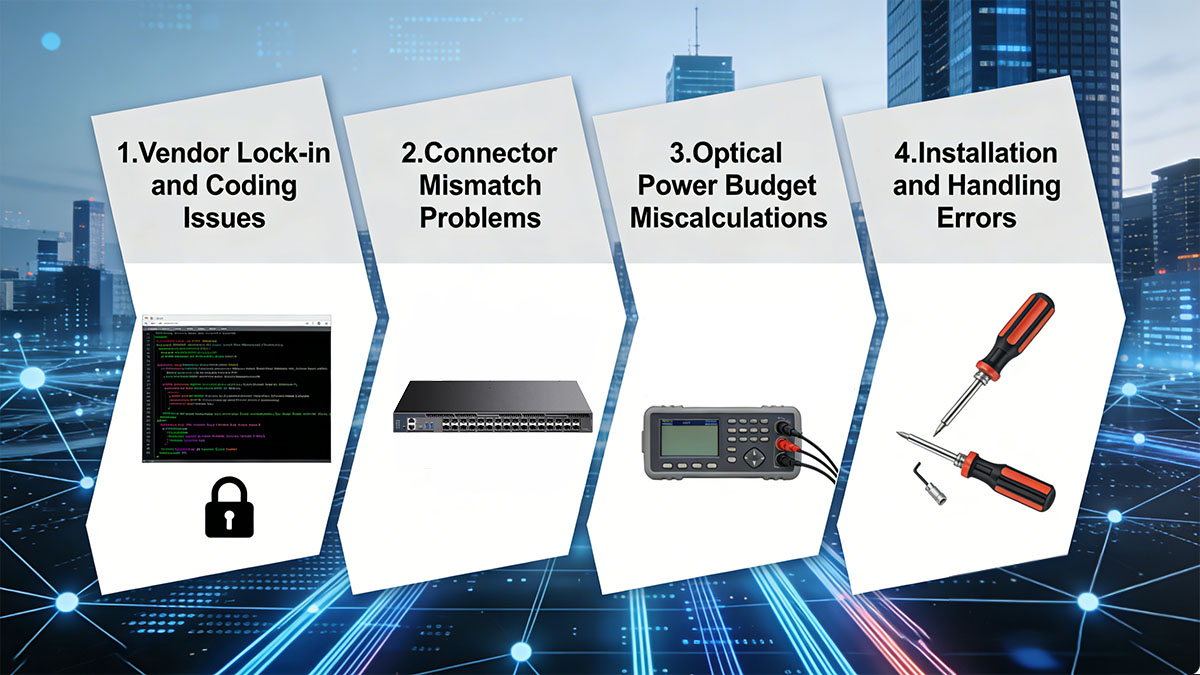
Vendor Lock-in and Coding Issues
A key conclusion is that vendor-specific coding is one of the most common reasons SFP modules fail to operate, even when hardware specifications appear compatible.
| Factor | Description | Typical Issue |
|---|---|---|
| Vendor firmware | Enforces module authentication | Port rejection or shutdown |
| EEPROM coding | Identifies module type and vendor | Compatibility errors |
| MSA compliance | Industry interoperability standard | Partial functionality |
In real deployments:
- Some network devices only accept vendor-approved modules
- Incorrect EEPROM coding can trigger alarms or disable ports
- Even MSA-compliant modules may require specific firmware alignment
To mitigate these risks, it is essential to verify compatibility with target platforms and use modules that have been tested for those environments.
Connector Mismatch Problems
SC APC connectors must be matched precisely with other APC interfaces. Any mismatch, especially with UPC connectors, can significantly degrade performance.
The main takeaway is that APC-to-UPC connections should always be avoided due to both optical and physical risks.
| Connection Type | Result | Impact |
|---|---|---|
| APC to APC | Proper alignment | Optimal performance |
| APC to UPC | Air gap + angle mismatch | High reflection, signal loss |
| UPC to UPC | Flat contact | Standard performance |
Common issues include:
- Increased insertion loss and return loss
- Reflected signals interfering with transmission
- Potential scratching or permanent damage to connector end-faces
Strict connector type verification during deployment is critical to maintaining link quality.
Optical Power Budget Miscalculations
Incorrect optical power planning can lead to unstable links, even when all hardware components are functioning correctly.
A clear conclusion is that both insufficient and excessive optical power can negatively affect link performance.
| Condition | Cause | Result |
|---|---|---|
| Underpowered link | Excessive attenuation | Link failure or instability |
| Overpowered link | Short distance + high Tx power | Receiver saturation |
| Unbalanced link | Mismatched Tx/Rx specs | Intermittent errors |
To avoid these issues:
- Calculate total link loss including fiber, connectors, and splices
- Match module optical budget with actual deployment conditions
- Use attenuators if necessary to prevent receiver overload
Proper power budgeting ensures stable and predictable network behavior.
Installation and Handling Errors
Physical handling and installation practices have a direct impact on the performance of SC APC SFP modules.
The key takeaway is that contamination and improper handling are among the most overlooked yet critical factors affecting optical links.
Common deployment mistakes include:
- Dirty or contaminated connector end-faces
- Excessive fiber bending beyond minimum bend radius
- Improper insertion of SFP modules into ports
- Lack of inspection before connection
Best practices to prevent these issues:
- Always clean connectors using appropriate fiber cleaning tools
- Inspect end-faces with a fiber microscope when possible
- Follow proper cable management to avoid stress and bending
- Ensure modules are securely and correctly inserted
Even high-quality modules can underperform if installation practices are not carefully controlled, making proper handling essential for maintaining optical performance.
❇️ Best Practices for Selecting a Reliable Supplier
Choosing the right supplier for SC APC SFP modules is as important as selecting the module itself. A reliable supplier ensures product quality, proper compatibility, and long-term support, reducing the risk of network failures and costly replacements.

Quality Assurance and Testing Standards
A key conclusion is that modules tested against industry standards provide predictable performance and reduce the risk of defects in the field.
| Quality Aspect | Recommended Practice | Benefit |
|---|---|---|
| Factory testing | Optical power, DDM, BER tests | Verifies real-world performance |
| Certification | RoHS, CE, FCC compliance | Regulatory and safety assurance |
| Burn-in procedures | Extended stress testing | Ensures reliability under load |
Ensuring that suppliers follow rigorous testing protocols helps maintain consistent signal quality and reduces failure rates, especially in high-speed or long-distance networks.
Compatibility Testing Capabilities
The main takeaway is that supplier-provided compatibility verification is crucial for ensuring modules operate smoothly across multiple vendor devices.
Key considerations include:
- Multi-vendor interoperability testing
- Validation with targeted switches and routers
- Providing official compatibility lists or datasheets
Suppliers with robust testing programs reduce deployment risk and save time during integration, particularly in mixed-vendor environments.
Supply Chain Stability
Reliable delivery and consistent availability are essential to avoid project delays or unexpected downtime.
Important aspects:
- Maintain adequate stock levels for standard modules
- Provide transparent lead times for custom or high-demand modules
- Ensure logistics reliability for time-sensitive deployments
A supplier with a stable supply chain reduces the risk of operational disruption and allows for predictable network expansion or maintenance schedules.
Technical Support and Documentation
A practical conclusion is that comprehensive documentation and responsive support are critical for smooth deployment and long-term maintenance.
Best practices include:
- Providing detailed datasheets, optical specifications, and compatibility charts
- Offering technical guidance on installation, troubleshooting, and testing
- Ensuring responsive post-sales support for problem resolution
Having access to accurate documentation and professional support improves deployment success rates and helps maintain high network reliability.
❇️ Cost vs Performance: How to Evaluate Value
When procuring SC APC SFP modules, evaluating both cost and performance is essential. Cheaper modules may appear attractive upfront but can compromise signal stability, interoperability, or long-term reliability, leading to higher operational expenses.

Price Factors
A key conclusion is that module price is influenced by component quality, manufacturing standards, and the inclusion of features like DDM and extended temperature ratings.
| Price Factor | Impact on Module Quality | Example |
|---|---|---|
| Laser type | Determines transmission stability | DFB vs FP lasers |
| Chipset quality | Affects error rates and longevity | High-performance ICs |
| Manufacturing standards | Controls consistency and defects | ISO-certified production |
Selecting modules solely on low cost can result in inconsistent performance, requiring frequent replacements or troubleshooting.
Performance Trade-offs
It is important to balance cost savings with performance needs. A clear conclusion is that modules with higher optical precision, lower return loss, and reliable temperature tolerance often justify their price through improved network stability.
Performance considerations include:
- Return loss and back reflection metrics
- Operating temperature range and industrial-grade options
- Long-term reliability and mean time between failures (MTBF)
Investing in higher-quality modules reduces the risk of link failures, especially in high-speed or long-distance networks.
Total Cost of Ownership (TCO)
Evaluating TCO allows for a holistic view of module value beyond initial purchase price. The main takeaway is that modules offering higher reliability and vendor support often reduce operational costs over time.
Factors affecting TCO:
- Maintenance and replacement frequency
- Downtime caused by link failures or compatibility issues
- Support and documentation availability
By considering both upfront cost and operational implications, network planners can make informed decisions that balance performance, reliability, and budget constraints.
❇️ Future Trends in SC APC SFP Module Applications
The adoption of SC APC SFP modules is expected to grow as optical networks continue to demand higher precision, lower reflection, and longer reach. Emerging technologies and evolving network architectures are driving innovation in both module design and deployment scenarios.

Growth in Fiber Access Networks
A clear conclusion is that increasing broadband demand and fiber expansion will drive more widespread use of SC APC modules in access networks.
Key trends include:
- Expansion of FTTH and FTTx infrastructure to meet residential and commercial broadband demand
- Replacement of older UPC-based links with APC modules for improved signal integrity
- Greater adoption in metro networks to reduce reflection-related transmission errors
As fiber deployments expand, SC APC modules will become the standard for maintaining stable and high-quality links in dense access networks.
Integration with Next-Generation Technologies
SC APC SFP modules are adapting to support evolving bandwidth requirements and newer optical technologies.
Main takeaways:
- Support for higher-speed PON standards (10G PON, 25G PON)
- Compatibility with next-generation SFP+ and SFP28 modules for aggregation and backbone links
- Use in converged networks carrying data, voice, and RF signals simultaneously
These trends indicate that SC APC modules will continue to play a critical role in both access and core networks as bandwidth demands increase.
Advancements in Optical Component Design
Technological improvements in lasers, photodiodes, and connector engineering will further enhance SC APC module performance.
Key developments:
- More efficient and thermally stable lasers to extend operational temperature ranges
- Lower insertion loss and higher return loss through improved connector polishing techniques
- Enhanced monitoring and diagnostic capabilities via integrated DDM and real-time analytics
The conclusion is that ongoing advancements will allow SC APC SFP modules to handle more demanding applications, provide higher reliability, and simplify network maintenance, making them a long-term investment for precision optical networks.
❇️ Conclusion
SC APC SFP modules are a critical component for optical networks, offering lower back reflection, improved signal stability, and reliable performance across both access and long-haul deployments. By carefully evaluating optical specifications, compatibility requirements, connector alignment, and environmental factors, network planners can ensure that these modules deliver consistent and high-quality transmission. Selecting the right type—whether standard single-mode, BiDi, PON-specific, or industrial-grade—further aligns network performance with operational demands.
For organizations looking to optimize optical links with dependable SC APC SFP modules, sourcing from a trusted supplier with verified quality, compatibility testing, and technical support is essential. Explore a wide range of SC APC SFP modules at the LINK-PP Official Store to ensure reliable and future-proof optical network deployments.