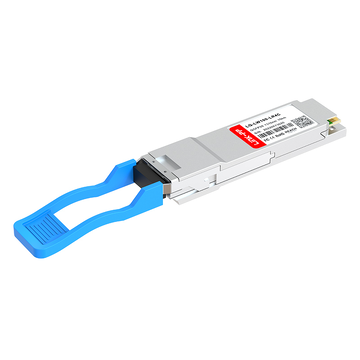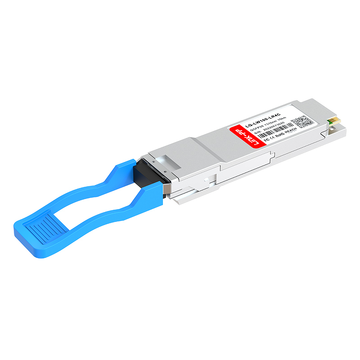
Are you struggling to balance the skyrocketing data demands of your campus network with an increasingly tight IT budget? As data centers scale, finding a single-mode optical transceiver that delivers high performance without an astronomical price tag can feel nearly impossible. This is exactly where the QSFP28-BLR4-100G steps in as a game-changing, cost-optimized solution for modern high-density environments.
But how does this specialized module manage to bridge the gap between financial efficiency and reliable 10km reach? Moreover, how does its total cost of ownership truly stack up against regular 100GBASE-LR4 transceivers or single-lambda 100G-FR1 modules? By diving into the structural costs and market pricing of this transceiver module, network managers can unlock substantial savings without sacrificing network integrity.
✳️ What Is the QSFP28-BLR4-100G Optical Transceiver
The rapid evolution of data center architectures demands high-speed connectivity solutions that successfully balance operational performance with cost efficiency. The QSFP28-BLR4-100G optical transceiver represents a significant milestone in this evolution, offering an optimized approach to 100G data transmission over single-mode fiber. Understanding its underlying technology, physical standards, and performance specifications is essential for network engineers looking to optimize their optical infrastructure.
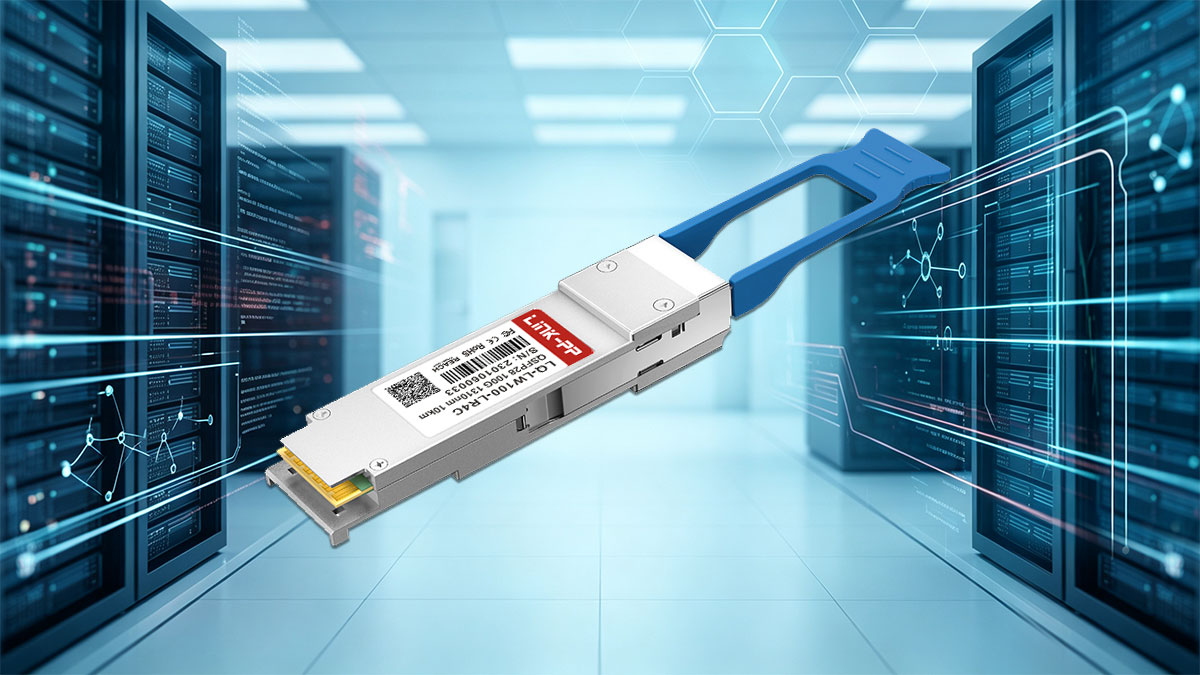
Technical Overview and Form Factor Standards
The QSFP28-BLR4-100G module is engineered based on the highly successful Quad Small Form-factor Pluggable 28 (QSFP28) standard, which is the industry norm for high-density 100G networking. By utilizing four independent transmit and receive channels, this transceiver delivers an aggregated 100Gbps data rate within a highly compact, hot-pluggable footprint.
Furthermore, compliance with MSA (Multi-Source Agreement) standards ensures that the QSFP28-BLR4-100G optics maintain seamless interoperability across diverse networking hardware. This strict adherence to standardized form factors allows network operators to easily upgrade their existing switches and routers without expensive hardware overhauls.
Core Specifications: Wavelength, Reach, and Fiber Type
Evaluating the QSFP28-BLR4-100G for enterprise deployment requires a deep dive into its physical layer performance and optical transmission characteristics. This specific transceiver operates over standard single-mode fiber (SMF) via a duplex LC connector, utilizing a 4-channel LAN-WDM wavelength grid to maintain high signal integrity over extended spans. By multiplexing four precise optical carriers inside a single module, it achieves a robust 100Gbps data throughput while effectively overcoming the dispersion limitations typically found in longer-distance fiber runs.
The following matrix outlines the foundational technical specifications that define the operational capabilities of the QSFP28-BLR4-100G transceiver:
| Parameter | Specification |
| Form Factor | QSFP28 |
| Modulation Format | NRZ |
| Data Rate | 100Gbps (4 x 25Gbps) |
| Wavelength | LAN-WDM (1295.56nm, 1300.05nm, 1304.58nm, 1309.14nm) |
| Max Reach | Up to 10km |
| Fiber Type | Single-Mode Fiber (SMF) |
| Optical Connector | Duplex LC |
The Evolution from Regular LR4 to Cost-Optimized BLR4
The QSFP28-BLR4-100G module was specifically developed as a budget-friendly alternative to regular 100GBASE-LR4 optics transceivers. While these modules utilize the same form factor and achieve a 10km link distance over single-mode fiber, the BLR4 employs an optimized internal architecture designed to reduce manufacturing complexities.
A critical operational advantage of this evolution lies in the thermal and power efficiency gains achieved by the new design. While a regular LR4 module typically demands a power consumption of 4W, the cost-optimized QSFP28-BLR4-100G lowers this requirement to just 3.5W. This power reduction significantly lowers overall data center thermal loads and operational electricity costs over large-scale deployments.
Primary Use Cases in Modern High-Density Data Centers
Modern hyperscale data centers and enterprise campus networks find ideal application scenarios for the QSFP28-BLR4-100G optical module. It is frequently deployed to handle long-distance interconnects between distributed switch tiers, server racks, and core routing layers.
The following points highlight the specific deployment environments where these transceivers offer the greatest operational value:
- Data Center Interconnects (DCI): Bridges links between geographically separated data center facilities.
- Core Switch Links: Connects high-density spine switches to core routers.
- Campus Backhaul: Provides reliable 10km networking across large corporate campuses.
- Metro Networks: Serves as a cost-effective solution for metropolitan area distribution layers.
✳️ Market Price Trends for the QSFP28-BLR4-100G Module
Navigating the financial landscape of optical hardware procurement requires a deep understanding of historical and current market shifts. The pricing structure of the QSFP28-BLR4-100G transceiver fluctuates based on manufacturing maturity, global supply chains, and evolving deployment demands. Analyzing these market trends allows network operators to time their volume purchases perfectly and optimize hardware investments.
Historical Price Shifts in 100G Single-Mode Optics
When 100G single-mode optical technology first hit the market, implementation costs were exceptionally high due to complex manufacturing and low production yields. Early configurations relied heavily on premium components, which kept enterprise budget requirements elevated for long-reach architectures. Over time, manufacturing processes matured, allowing production facilities to achieve higher yields and lower the entry cost for high-bandwidth optics.
The introduction of the cost-optimized QSFP28-BLR4-100G module accelerated this downward price trajectory across the industry. By redesigning internal optical components and reducing structural complexity, manufacturers managed to offer a highly competitive alternative to legacy solutions. This historical shift successfully lowered the price ceiling, enabling broader enterprise adoption of single-mode 10km technology.
Current Market Rates and Price Volatility Drivers
Today, the market price for the QSFP28-BLR4-100G optical module has stabilized significantly compared to its initial launch period. However, prices still experience routine fluctuations driven by shifting global demand patterns and evolving enterprise buying cycles. When massive cloud providers upgrade their infrastructure simultaneously, localized raw component shortages can trigger temporary price spikes for standard optics.
Several key variables actively drive this ongoing market volatility and affect procurement forecasting:
- Hyperscale Demand Spikes: Large-scale cloud upgrades rapidly consume available market inventory.
- Macroeconomic Factors: Fluctuations in international currency values impact global hardware pricing.
- Trade and Tariff Shifts: Changes in regional import policies create sudden cost variances.
Supply Chain Factors Influencing Transceiver Costs
The underlying cost structure of the QSFP28-BLR4-100G transceiver is tightly linked to the efficiency and stability of the global semiconductor supply chain. Raw material availability, particularly for advanced laser diodes and high-speed photodetectors, heavily dictates final factory assembly expenses. When fabrication plants operate at maximum capacity, module costs naturally drop due to manufacturing economies of scale.
The final cost of these transceivers is heavily influenced by specific logistical and manufacturing variables:
- Laser Component Availability: Scarcity of specialized DFB or EML lasers delays production.
- Wafer Production Yields: Better semiconductor manufacturing yields directly lower component costs.
- Logistics and Shipping Fees: Fluctuations in global air and ocean freight rates alter landed pricing.
- Assembly Location Costs: Regional labor rates and factory localization impact total assembly overhead.
✳️ OEM vs. Third-Party Pricing for QSFP28-BLR4-100G Optics
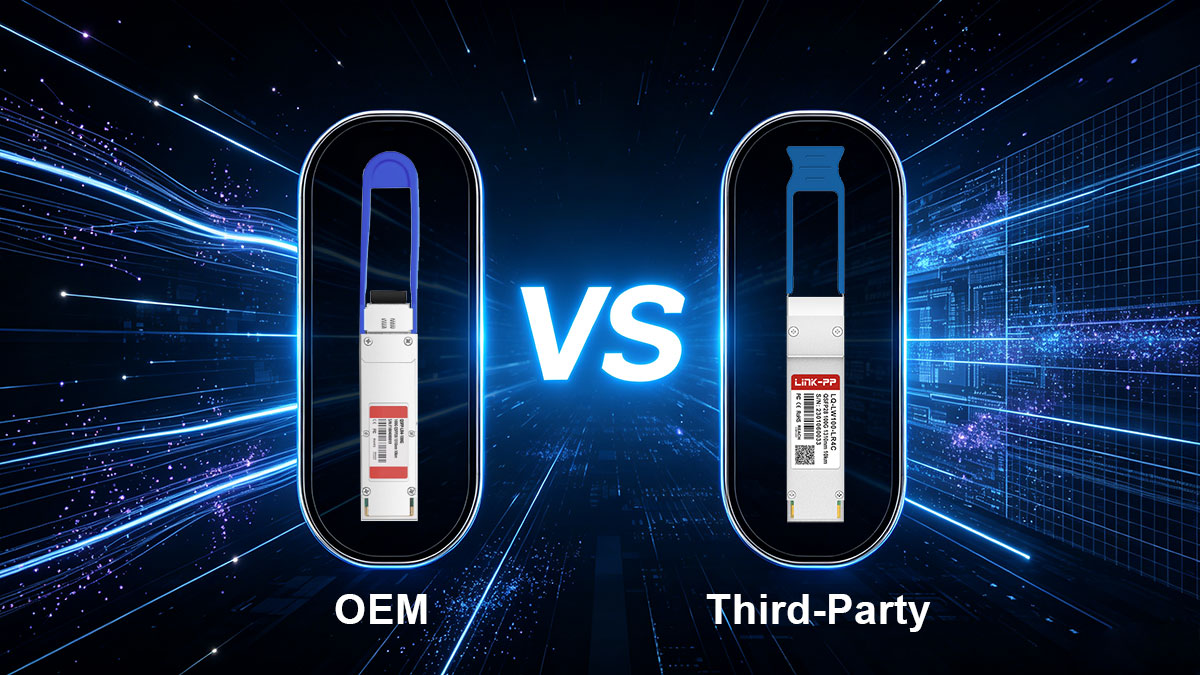
Choosing between Original Equipment Manufacturer (OEM) branded hardware and compatible optical solutions is one of the most critical financial decisions in network engineering. While both options deliver high-speed connectivity over single-mode fiber infrastructure, their price points diverge drastically due to brand positioning and markup strategies. Evaluating this pricing gap reveals major opportunities for network operators to optimize their procurement budgets without compromising network reliability.
Deciphering the Premium Pricing Matrix of Network OEM Modules
Major network hardware OEMs apply a substantial price premium to their branded optical modules. This inflated cost is rarely a reflection of superior manufacturing, as most OEMs outsource transceiver production to the exact same optical factories utilized by independent suppliers. Instead, the steep markup covers corporate marketing overhead, aggressive brand positioning, and bundled technical support ecosystems.
Purchasing branded QSFP28-BLR4-100G optics directly from an OEM guarantees out-of-the-box software compatibility with their specific switches and routers. However, this convenience locks enterprises into a restrictive pricing matrix that inflates infrastructure costs exponentially as the network expands. For high-density data centers deploying thousands of ports, these brand-related premiums can quickly consume a disproportionate share of the available capital budget.
Capital Savings and Margin Optimization via Compatible Modules
Third-party compatible optical modules offer a direct path to substantial capital savings by completely bypassing OEM brand markups. Independent manufacturers build these transceivers to identical MSA standards, ensuring that internal performance matches or exceeds original hardware specifications. By shifting to premium compatible optics, network engineers can easily free up valuable budget space for other critical hardware upgrades.
A premier example of a high-efficiency alternative is the LINK-PP LQ-LW100-LR4C 100G QSFP28 module. This compatible transceiver delivers the exact same 10km single-mode reach and reliability as branded equivalents but at a fraction of the cost. Utilizing trusted compatible solutions like the LINK-PP LQ-LW100-LR4C allows enterprises to optimize their profit margins and significantly lower the initial deployment barriers of 100G architectures.
Mitigating Warranty Risks and Assessing Total Cost of Ownership
To mitigate operational risks, reputable compatible providers perform rigorous, real-world interoperability testing inside identical host switches and routers. This extensive validation ensures that third-party QSFP28-BLR4-100G modules demonstrate flawless software integration and zero packet loss from day one. Choosing vendors with proven testing methodologies allows enterprises to enjoy a plug-and-play experience that mirrors branded alternatives.
Calculating the true total cost of ownership (TCO) over a multi-year deployment lifecycle reveals the immense financial benefits of compatible optics. Beyond the massive initial procurement savings, compatible modules lower ongoing maintenance expenses by offering cost-effective, rapid-replacement options. Ultimately, deploying trusted solutions like the LINK-PP LQ-LW100-LR4C module creates a highly efficient, low-risk infrastructure that maximizes long-term network ROI.
✳️ CapEx and OpEx Impact of Deploying QSFP28-BLR4-100G
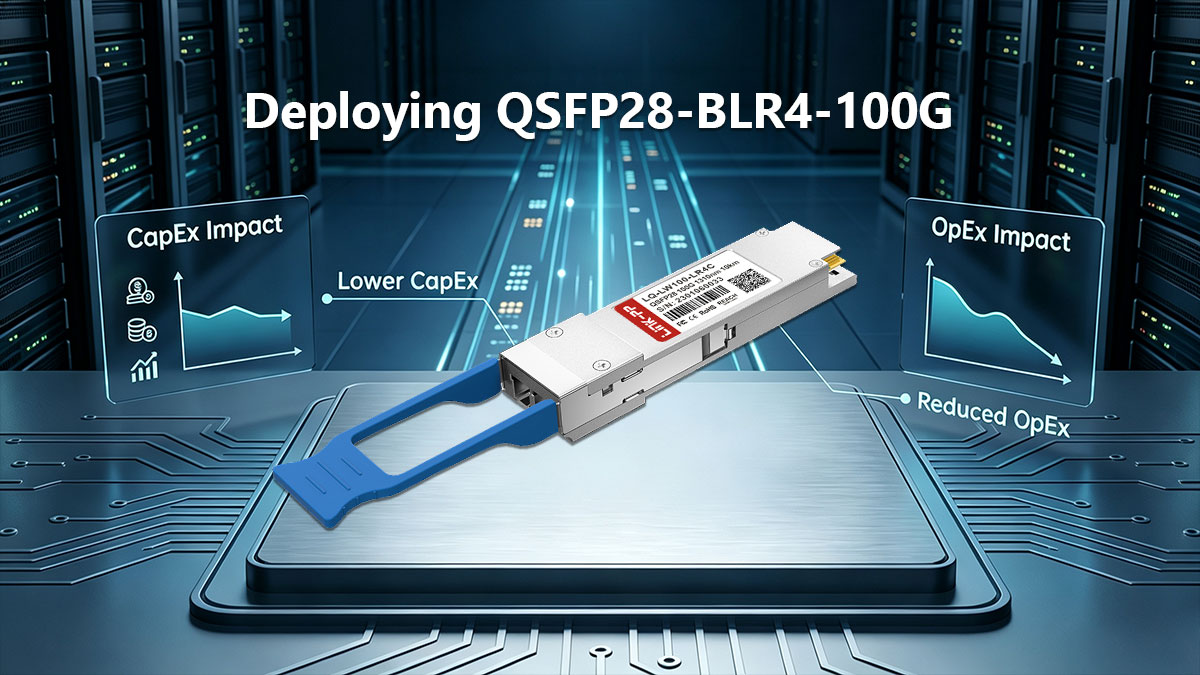
Deploying new networking hardware requires a thorough financial evaluation of both upfront Capital Expenditures (CapEx) and long-term Operational Expenditures (OpEx). The QSFP28-BLR4-100G transceiver provides a uniquely balanced financial profile that helps organizations optimize their immediate infrastructure investments while minimizing ongoing utility costs. Examining these distinct cost centers reveals how this module directly strengthens the overall financial health of modern data center networks.
Initial Hardware Procurement Costs vs. Legacy Optics
Upgrading to 100G single-mode connectivity has traditionally forced network operators to allocate a massive share of their CapEx budget to expensive optical hardware. Standard 100G long-reach optical transceivers carry heavy design premiums that become financially restrictive when purchasing modules for thousands of high-density switch ports. By contrast, the optimized internal architecture of the QSFP28-BLR4-100G drastically lowers these initial hardware barriers.
Choosing the BLR4 variant allows engineering teams to acquire reliable 10km single-mode reach at a much lower unit price compared to legacy optics. This immediate cost reduction yields significant CapEx savings, freeing up vital corporate capital for other critical network infrastructure demands. Over a large-scale enterprise deployment, the compressed upfront acquisition cost accelerates project timelines and dramatically shortens the time-to-ROI.
Power Consumption and Thermal Management Efficiency Ratings
Operational budgets inside modern data centers are highly sensitive to the continuous power consumption of high-density networking line cards. Legacy 100G-LR4 optics typically require a baseline power consumption of 4W per module, which generates substantial heat when hundreds of ports run simultaneously. The QSFP28-BLR4-100G tackles this operational challenge head-on by reducing power consumption down to just 3.5W.
This seemingly modest 0.5W power reduction yields immense OpEx advantages when multiplied across thousands of active connections in a hyperscale facility. Lower power consumption directly translates to reduced heat dissipation, which significantly eases the strain on data center HVAC and cooling systems. Consequently, enterprises can achieve a much more sustainable carbon footprint while simultaneously slashing their monthly facility electricity bills.
Maintenance, Testing, and Replacement Cost Allocations
Long-term network reliability relies on strategic OpEx allocations for routine component testing, technical maintenance, and hardware replacement cycles. Because the QSFP28-BLR4-100G transceiver adheres to strict industry MSA standards, it integrates seamlessly into existing diagnostic workflows and automated monitoring tools. This universal compatibility minimizes the need for specialized engineering training or complex testing equipment, keeping operational overhead low.
Furthermore, the highly mature manufacturing process of the BLR4 module ensures exceptional field reliability and a very low annualized failure rate. When replacement modules are eventually required, their highly competitive market price prevents routine hardware failures from draining the maintenance budget. By stabilizing these ongoing allocation costs, enterprises can maintain continuous network uptime without encountering unpredictable financial surprises.
How PAM4 and NRZ Modulation Impact Operational Budgets
The underlying digital modulation scheme used within a 100G transceiver fundamentally shapes both its hardware architecture and its long-term operational budget. While newer single-lambda solutions rely on complex, power-hungry Digital Signal Processors (DSPs) to run PAM4 modulation, the BLR4 module utilizes trusted Non-Return-to-Zero (NRZ) technology across four parallel wavelengths. This architectural difference has a direct, measurable impact on the overall power, complexity, and longevity expenses of the hardware.
The following matrix provides a clear breakdown of how these different modulation structures influence key data center operational and capital cost drivers:
| Financial & Technical Metric | NRZ Modulation | PAM4 Modulation |
| Component Complexity | Low (No DSP chip required) | High (Requires advanced DSP) |
| Module Latency | Ultra-Low (No DSP processing delay) | Higher (Introduced by DSP encoding) |
| Power Overhead | Optimized and stable | Higher variable power demands |
| Initial CapEx Contribution | Budget-friendly component sourcing | Premium pricing for DSP silicon |
| Long-Term OpEx Profile | Highly predictable cooling requirements | Elevated thermal management costs |
✳️ Cost Comparison: QSFP28-BLR4-100G vs. QSFP28-100G-FR1
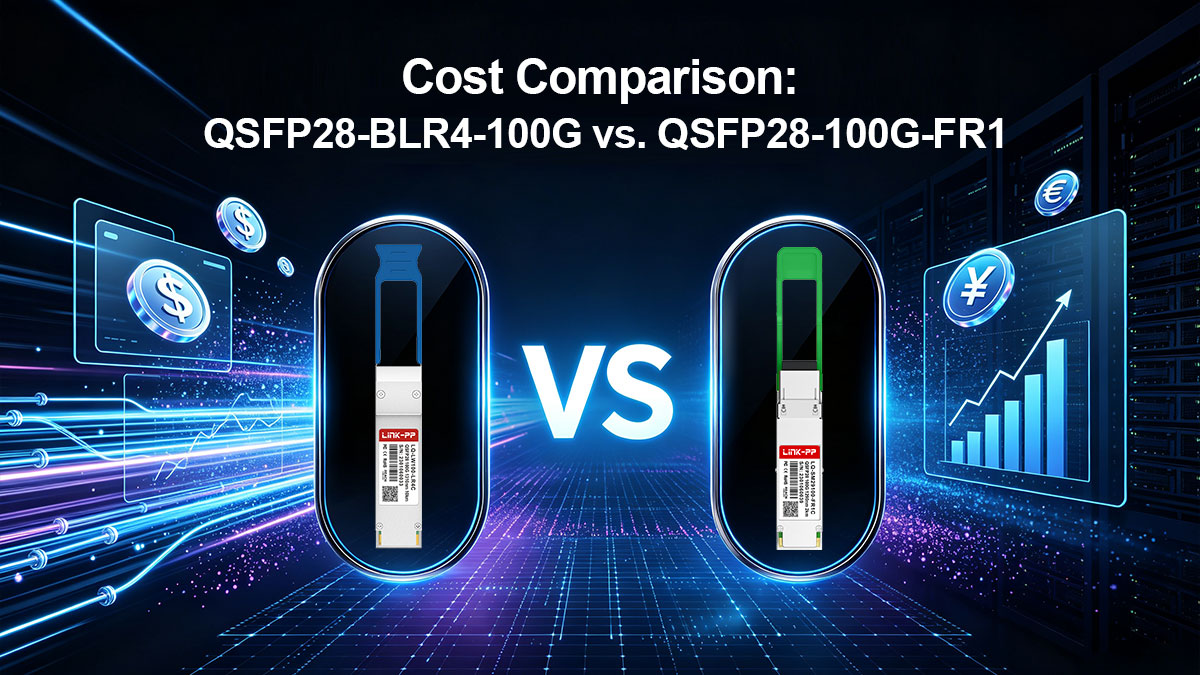
Selecting the right single-mode 100G technology requires a careful side-by-side financial and technical comparison. The industry presents two compelling pathways for modern networks: the multi-wavelength QSFP28-BLR4-100G and the single-lambda QSFP28-100G-FR1 module. Analyzing how these two distinct architectures impact your budget ensures you select the most efficient solution for your specific layout.
4-Wavelength WDM vs. Single-Lambda PAM4 Cost Structures
The QSFP28-BLR4-100G transceiver achieves its speed by multiplexing four separate 25Gbps optical signals across a precise LAN-WDM grid. This traditional 4-wavelength Wavelength Division Multiplexing (WDM) design relies on highly mature manufacturing processes that keep baseline component fabrication costs predictable.
In contrast, the 100G-FR1 module takes a single-lambda approach, compressing the entire 100Gbps payload onto one optical wavelength. This single-lambda structure depends heavily on complex PAM4 signaling, which alters the pricing and sourcing dynamics of the internal optical sub-assemblies.
While the FR1 module reduces the physical laser count from four down to one, the sophisticated silicon needed to encode the PAM4 signal introduces a unique layer of component expense. As a result, network buyers must weigh the multi-laser structure of the BLR4 against the complex single-carrier architecture of FR1 when mapping out long-term procurement budgets.
Balancing 2km Limitation of FR1 Against the 10km Reach of BLR4
From a physical infrastructure perspective, a major differentiator between these two transceivers is their maximum certified transmission distance. The 100G-FR1 module is strictly engineered for short-to-medium spans, carrying a hard technical limitation of just 2km over single-mode fiber.
The QSFP28-BLR4-100G optical module provides a massive reach advantage, reliably driving high-speed data signals up to 10km. This extended 10km range makes the BLR4 module versatile enough to handle both localized data center halls and sweeping campus-wide backhaul networks.
Choosing the 2km FR1 module solely based on the immediate unit price can backfire if your network topology expands and requires longer fiber runs. Investing in the QSFP28-BLR4-100G ensures your optical layer is completely future-proofed against unexpected link-distance upgrades across your facilities.
DFB/EML Lasers in BLR4 vs. DSP Chips in FR1 Modules
The internal hardware component breakdown reveals the true root of the cost differences between these two competitive single-mode optics. The QSFP28-BLR4-100G relies on standard, reliable Distributed Feedback (DFB) or Electro-absorption Modulated Lasers (EML) to transmit data across its four optical channels without needing complex signal processing.
Conversely, the single-lambda FR1 module requires an advanced, power-sensitive Digital Signal Processor (DSP) chip to handle the complex PAM4 mathematics. This specialized DSP chip adds significant silicon licensing costs and engineering complexity to the final bill of materials.
Because the QSFP28-BLR4-100G completely bypasses the need for an expensive, heat-generating DSP chip, it maintains a highly stable and optimized operational profile. For network operators, opting for the laser-driven BLR4 architecture instead of DSP-reliant alternatives often results in superior long-term hardware reliability.
✳️ Bulk Procurement Strategies for QSFP28-BLR4-100G Modules
Executing a well-planned bulk purchasing strategy is key to maximizing the cost efficiency of large-scale infrastructure upgrades. When buying optical transceivers in large quantities, commercial negotiation tactics become just as critical as the hardware's technical specifications. Implementing structured procurement frameworks allows organizations to secure deep discounts and shield their budgets from market volatility.
Maximizing Volume Discounts and Tiered Pricing Frameworks
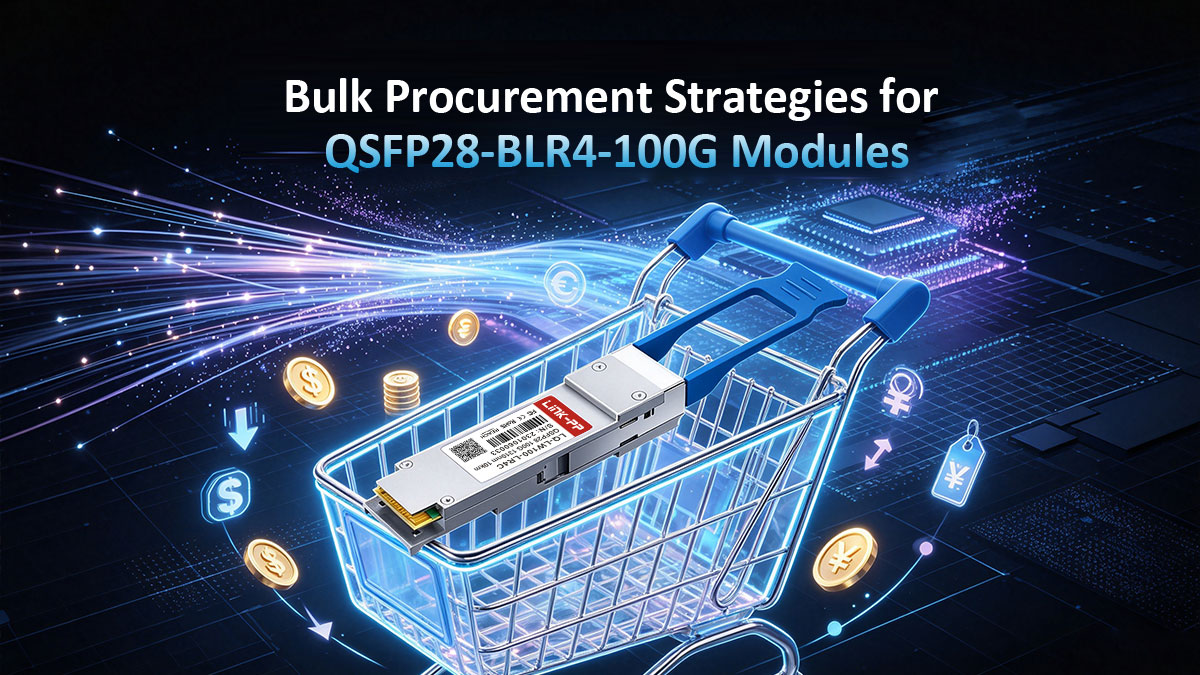
Optical hardware manufacturers and third-party suppliers structure their sales operations around tiered pricing models that heavily reward bulk buyers. When purchasing the QSFP28-BLR4-100G transceiver, crossing specific quantity thresholds unlocks sharp drops in per-unit costs. Network sourcing teams should aggregate demands across different facility locations to hit higher purchasing tiers and maximize their commercial leverage.
Securing these deep volume discounts directly slashes initial capital spending and optimizes the overall hardware acquisition budget. Negotiating aggressive pricing tiers also establishes a highly favorable cost baseline for future networking projects and expansion phases. Ultimately, clear visibility into your long-term port requirements turns volume purchasing into a powerful tool for major cost savings.
Structuring Long-Term Blanket Purchase Orders for Price Stability
Market conditions can shift quickly, but enterprises can protect their budgets by utilizing long-term blanket purchase orders with trusted suppliers. A blanket order allows an enterprise to commit to a set quantity of QSFP28-BLR4-100G modules over a fixed period while scheduling multiple delivery dates. This approach locks in a highly competitive, stable price per module from day one, insulating the business from sudden spikes in market demand.
In addition to ensuring long-term price stability, this procurement strategy significantly improves corporate cash flow management. Organizations avoid making massive, single upfront payments while still enjoying the financial perks of a bulk purchasing tier. This predictable spending pattern makes it much easier for financial managers to plan annual operational and infrastructure budgets.
Navigating Lead Times and Supply Chain Risk in Large-Scale Orders
Large-scale infrastructure rollouts are highly vulnerable to unexpected supply chain disruptions and extended factory lead times. Sourcing crucial optics like the QSFP28-BLR4-100G module requires close coordination with manufacturing partners to guarantee timely deliveries. Sourcing teams can mitigate these risks by establishing rolling inventory forecasts and maintaining a diverse mix of qualified alternative vendors.
Building a buffer into your delivery schedules prevents costly deployment delays if raw material shortages strike global fabrication plants. Proactively managing your supplier pipeline ensures a steady stream of high-performance transceivers right when your field technicians need them. By pairing smart forecasting with strategic risk management, enterprises can scale their network capacity smoothly and cost-effectively.
✳️ Final Verdict: Balancing Cost and Performance in QSFP28-BLR4-100G Procurement
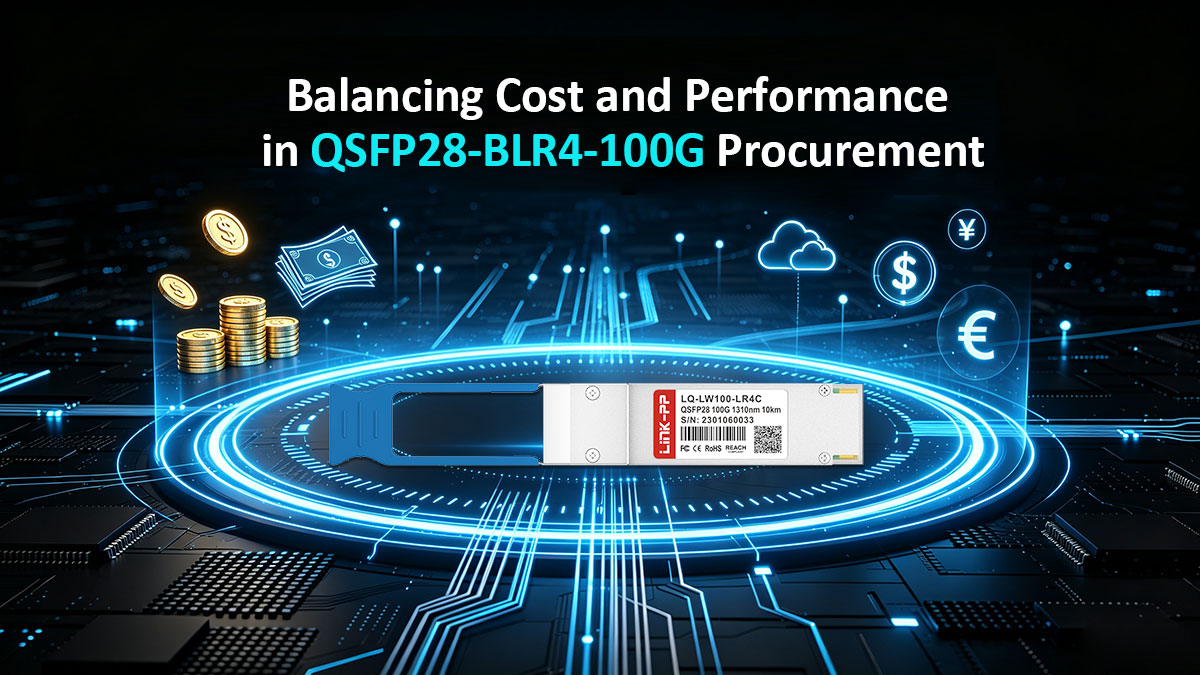
Choosing the QSFP28-BLR4-100G transceiver represents a highly strategic victory for modern network operators who refuse to compromise on either performance or fiscal responsibility. By delivering a robust 10km reach over single-mode fiber with a reduced power footprint of just 3.5W, this module effectively bridges the gap between technical reliability and modern cost-optimization. When compared to more complex or distance-limited alternatives, it stands out as a highly practical hardware choice for maximizing both CapEx and OpEx efficiency.
Successfully unlocking these long-term financial benefits simply requires partnering with a trusted optical supplier that emphasizes rigorous testing and component interoperability. If you are ready to optimize your high-density network architecture and slash hardware procurement overhead, explore the premium, cost-effective solutions available at the LINK-PP Official Store. Our top-tier selection of compatible transceivers ensures your infrastructure remains fast, reliable, and perfectly aligned with your budget.