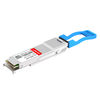
In modern firewall deployments, network performance and reliability depend heavily on the quality of underlying connectivity components. The PAN-SFP-LX transceiver plays a critical role in Palo Alto Networks firewalls by enabling stable, long-distance fiber connections. As organizations scale their infrastructure and demand higher uptime, understanding how PAN-SFP-LX modules function — and why they matter — becomes essential for maintaining efficient and secure network operations.
However, beyond technical performance, cost considerations are increasingly shaping IT decision-making. From initial procurement to long-term maintenance, the total cost associated with PAN-SFP-LX modules can vary significantly depending on sourcing strategies and compatibility choices. This guide explores pricing, replacement options, and total cost of ownership (TCO), helping IT teams make informed decisions that balance performance, reliability, and budget efficiency.
? What is PAN-SFP-LX and Why It Matters in Firewall Deployments
PAN-SFP-LX is a 1G SFP transceiver module commonly used in Palo Alto Networks firewalls to enable long-distance data transmission over single-mode fiber. It plays a critical role in ensuring stable, high-speed connectivity between network devices, especially in enterprise and data center environments.
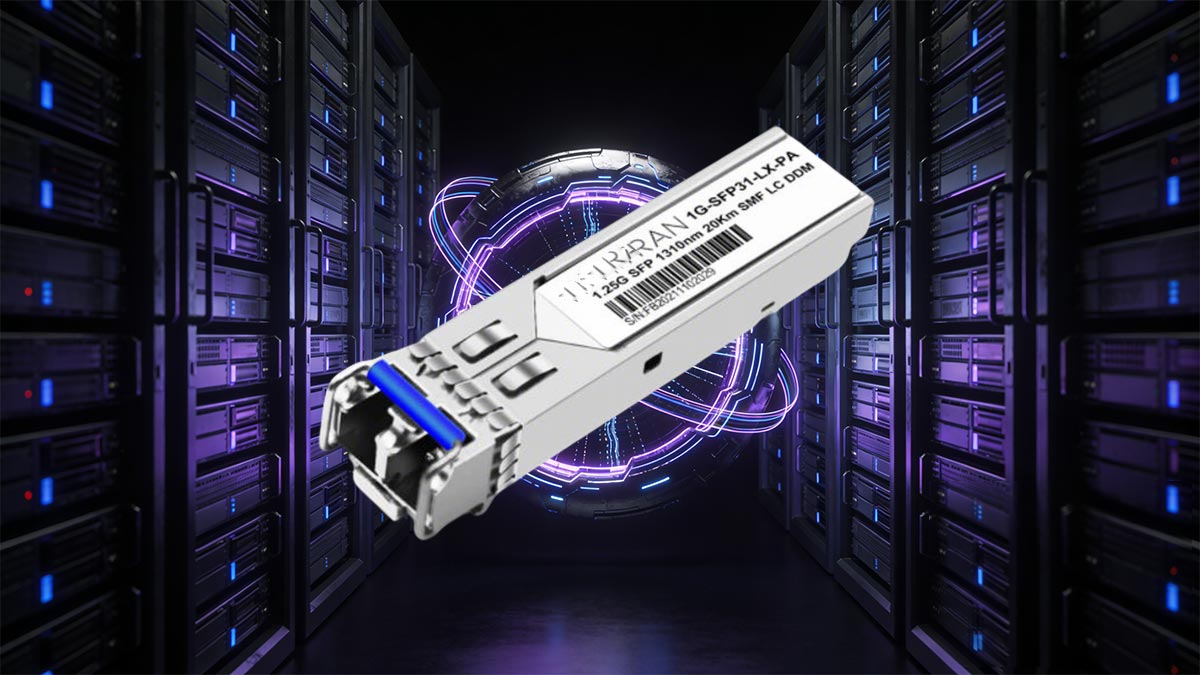
Overview of PAN-SFP-LX Transceiver Specifications
The PAN-SFP-LX is designed as a 1000BASE-LX SFP transceiver that typically operates at a wavelength of 1310nm and supports transmission distances of up to 10km over single-mode fiber (SMF). It complies with IEEE 802.3z standards and is hot-swappable, allowing installation or replacement without interrupting system operations. Key specifications include:
- Data Rate: 1Gbps
- Connector Type: LC duplex
- Fiber Type: Single-mode (SMF)
- Maximum Distance: up to 10km
- Compliance: IEEE 802.3z, SFF-8472, SFP MSA
These specifications make it suitable for campus networks, inter-building links, and metro access scenarios where reliability and distance are critical.
Role of PAN-SFP-LX in Palo Alto Firewalls
In Palo Alto firewall deployments, the PAN-SFP-LX module serves as the physical interface that connects the firewall to upstream and downstream network infrastructure, such as switches, routers, and aggregation layers. Its role is particularly important in scenarios requiring fiber connectivity rather than copper, such as long-distance links or environments with high electromagnetic interference.
By enabling fiber-based connections, PAN-SFP-LX modules help ensure:
- Stable and low-latency data transmission for security inspection processes.
- Scalability for expanding network architectures.
- Physical layer reliability in mission-critical environments.
Additionally, since firewalls are central to traffic inspection and security enforcement, the performance and compatibility of transceivers like PAN-SFP-LX directly impact overall network uptime and security posture.
? PAN-SFP-LX Pricing Breakdown and Market Overview
Understanding the pricing structure of PAN-SFP-LX modules is essential for optimizing network investment and avoiding unnecessary costs. Prices can vary widely depending on sourcing channels, brand type, and purchase volume. A clear view of the market helps IT teams balance performance requirements with budget constraints.
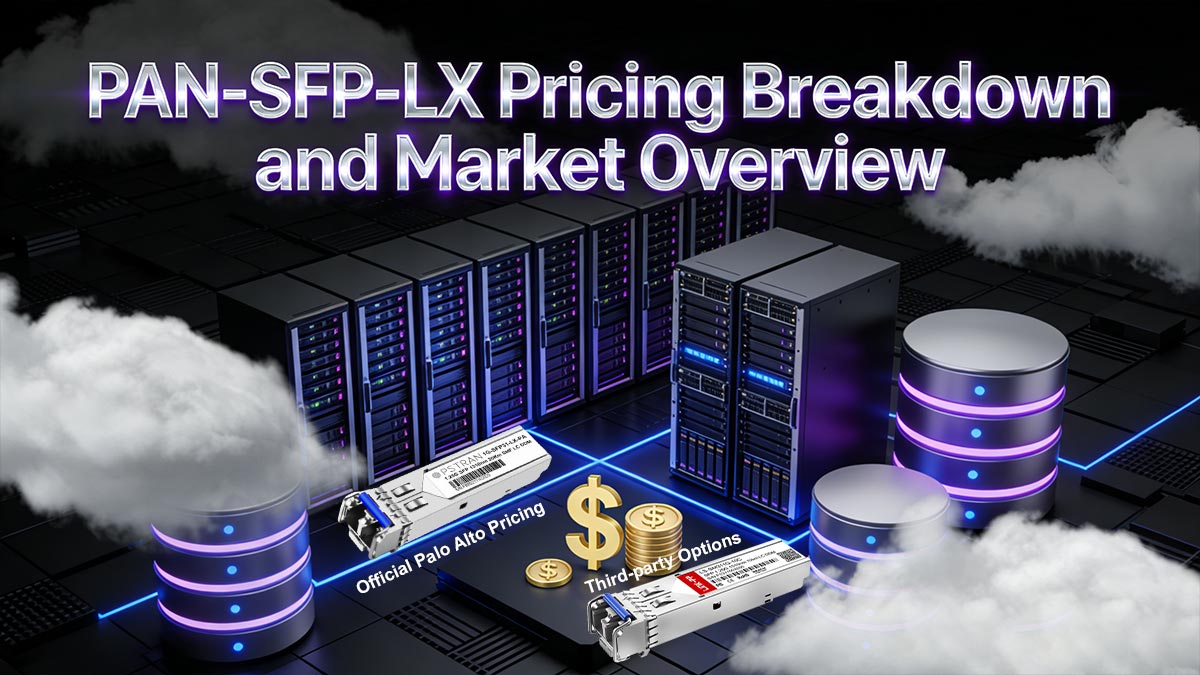
Official Palo Alto Pricing vs Third-party Options
Official Palo Alto Networks PAN-SFP-LX modules (OEM) are typically priced at a premium due to brand assurance, certified compatibility, and bundled support services. These modules are often the default choice for enterprises prioritizing vendor-backed reliability and warranty coverage.
In contrast, third-party compatible transceivers (such as LINK-PP LS-SM311G-10C 1G-SFP-LX) offer a significantly lower-cost alternative while maintaining comparable performance in many scenarios. Reputable vendors manufacture these 1000BASE-LX modules to meet industry standards and ensure interoperability with Palo Alto firewalls, making them an attractive option for cost-conscious organizations.
Factors Affecting PAN-SFP-LX Cost
The cost of PAN-SFP-LX modules is influenced by multiple variables, including brand type, supply chain conditions, and technical specifications. Market demand, component availability, and vendor reputation also play a role in price fluctuations.
To better understand these cost drivers, the following table summarizes key factors and their impact:
| Factor |
Description |
Impact on Price |
| Brand Type (OEM vs Third-party) |
OEM modules are vendor-certified; Third-party modules are compatible alternatives. |
High |
| Purchase Volume |
Larger orders often qualify for discounts. |
Medium to High |
| Supplier Reputation |
Established vendors may charge more for quality assurance. |
Medium |
| Warranty & Support |
Extended warranties and support services increase cost. |
Medium |
| Market Supply & Demand |
Shortages or high demand can drive prices up. |
Variable |
| Technical Specifications |
Variations in performance or build quality may affect pricing. |
Low to Medium |
Bulk Purchasing and Discount Opportunities
Bulk purchasing is one of the most effective ways to reduce the per-unit cost of PAN-SFP-LX modules. Many suppliers offer tiered pricing, where larger quantities unlock higher discounts. This approach is especially beneficial for enterprises managing large-scale deployments or planning long-term infrastructure upgrades.
Additionally, organizations can negotiate better pricing through long-term contracts or partnerships with trusted vendors. Strategic sourcing not only lowers upfront costs but also ensures consistent supply and predictable budgeting over time.
? PAN-SFP-LX Replacement Options: OEM vs Compatible Modules
When replacing PAN-SFP-LX transceivers, organizations typically choose between original equipment manufacturer (OEM) modules and third-party compatible alternatives. Each option offers distinct advantages in terms of cost, support, and flexibility. Grasping these differences enables IT teams to select the most suitable solution based on operational needs and budget priorities.
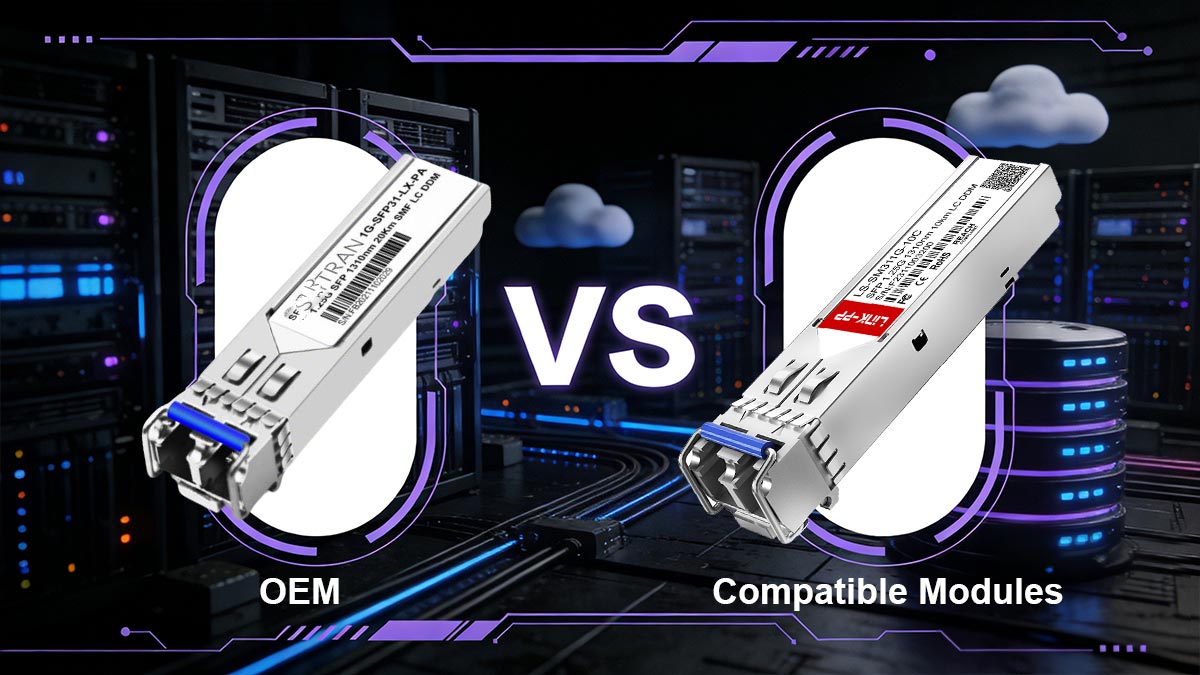
Differences between OEM and Third-party Transceivers
OEM PAN-SFP-LX modules are developed and certified by Palo Alto Networks, ensuring full compatibility with their firewall platforms. They are often preferred in environments where official vendor support, warranty coverage, and strict compliance requirements are critical.
Third-party compatible transceivers are designed to match the same technical specifications and standards as OEM modules. Many reputable vendors provide products that are pre-tested for interoperability, offering flexibility in sourcing and deployment. This allows organizations to diversify their supply chain while maintaining consistent network performance.
Performance Comparison and Reliability Concerns
From a performance standpoint, both OEM and high-quality compatible PAN-SFP-LX modules can deliver similar results in typical use cases. Parameters such as transmission distance, wavelength, and data rate are standardized, meaning that well-manufactured modules should function equivalently under normal operating conditions.
Reliability depends more on quality control and testing practices than on branding alone. Trusted third-party vendors often conduct compatibility testing, aging tests, and environmental validation to ensure stability. Selecting optical transceiver modules from trusted manufacturers — such as LINK-PP LS-SM311G-10C — can help ensure dependable operation without compromising network integrity.
Cost Savings Analysis
Cost differences between OEM and third-party PAN-SFP-LX compatible modules can be significant, especially in large-scale deployments. OEM options typically include a price premium associated with brand assurance and official support services, which can increase overall infrastructure costs.
Compatible SFP modules offer a more cost-efficient alternative, often delivering substantial savings while meeting the same functional requirements. This enables organizations to optimize their budgets, particularly when deploying multiple firewall ports or planning future network expansion. By carefully evaluating supplier quality and support, IT teams can achieve both cost efficiency and reliable performance.
? PAN-SFP-LX Total Cost of Ownership (TCO) Explained
When evaluating PAN-SFP-LX modules, focusing solely on upfront pricing can be misleading. Total cost of ownership (TCO) provides a more comprehensive view by considering acquisition, operation, maintenance, and long-term lifecycle costs. A well-informed TCO analysis helps organizations make sustainable and cost-effective network investment decisions.
Initial Acquisition Costs
The initial acquisition cost of PAN-SFP-LX modules includes the purchase price, shipping, and any associated procurement fees. OEM modules generally come at a higher price point due to brand assurance and bundled support, while third-party compatible alternatives offer a lower entry cost.
Beyond unit pricing, organizations should also consider:
- Deployment Scale: Large rollouts can significantly impact total upfront investment.
- Vendor Pricing Models: Discounts, bundles, or promotions may affect cost.
- Spare Inventory Planning: Purchasing backup modules increases initial expenses but improves readiness.
A strategic approach to procurement can help balance upfront costs with long-term value.
Maintenance and Replacement Cycles
Over time, PAN-SFP-LX modules may require replacement due to wear, environmental conditions, or network upgrades. While these components are generally reliable, factors such as temperature fluctuations and continuous operation can influence their lifespan.
Key considerations include:
- Mean Time Between Failures (MTBF): Higher-quality modules typically offer longer service life.
- Warranty Coverage: OEM and some third-party vendors provide varying warranty terms.
- Replacement Frequency: Planned vs unplanned replacements impact operational stability.
Proactive lifecycle management and selecting durable PAN-SFP-LX transceiver modules can reduce unexpected replacement costs.
Operational and Downtime Costs
Operational costs extend beyond hardware and include the impact of network performance and potential downtime. A failed or incompatible PAN-SFP-LX module can disrupt connectivity, affecting business operations and productivity.
These costs may include:
- Troubleshooting and Labor: Time spent diagnosing and replacing faulty modules.
- Network Downtime: Revenue loss or service disruption during outages.
- Performance Inefficiencies: Suboptimal modules may degrade network throughput.
Ensuring proper compatibility and using well-tested optical modules can help minimize these risks and maintain consistent network performance.
Long-term Budgeting Considerations
Long-term budgeting for PAN-SFP-LX modules requires aligning hardware investments with network growth and upgrade cycles. Organizations should anticipate future expansion needs and factor in potential technology changes.
Important aspects to consider:
- Scalability Planning: Future port requirements and infrastructure expansion.
- Vendor Strategy: Balancing OEM reliance with compatible alternatives.
- Cost Predictability: Locking in pricing through contracts or bulk purchasing.
By taking a holistic view of TCO, IT teams can optimize spending while ensuring reliable and scalable network operations over time.
? PAN-SFP-LX Compatibility and Interoperability Guide
Ensuring compatibility is a critical step when deploying or replacing PAN-SFP-LX modules in firewall environments. Even when modules meet the same technical standards, differences in hardware platforms and software behavior can affect performance. A clear understanding of compatibility and interoperability helps prevent deployment issues and ensures stable network operations.
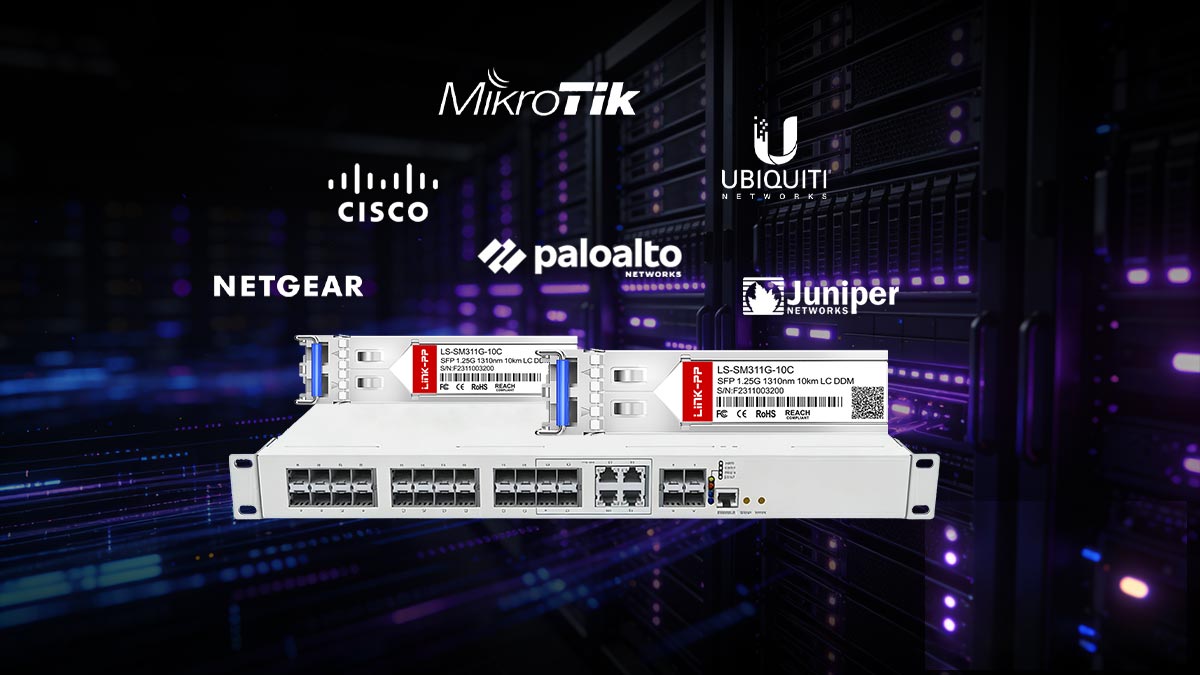
Supported Palo Alto Firewall Models
PAN-SFP-LX modules are commonly used across a wide range of Palo Alto Networks firewall models, particularly those equipped with SFP-based interfaces. These include mid-range and high-end firewalls designed for enterprise and data center environments, where fiber connectivity is required for longer-distance transmission.
When selecting modules, IT teams should:
- Verify compatibility with specific firewall series (e.g., PA-3000, PA-5000, PA-7000 series).
- Check interface types (1G SFP ports vs higher-speed variants).
- Confirm vendor documentation or compatibility matrices.
It is also important to note that hardware revisions within the same model may have slight differences. Reviewing official documentation or validated compatibility lists ensures that the selected PAN-SFP-LX module will function correctly within the intended device.
Multi-vendor Compatibility Scenarios
In many enterprise networks, firewalls operate alongside switches, routers, and other devices from multiple vendors. This creates a need for PAN-SFP-LX modules that can interoperate seamlessly across different platforms while maintaining consistent performance.
Key considerations in multi-vendor environments include:
- Standards Compliance: Modules should adhere to IEEE and MSA standards.
- Encoding Compatibility: Proper EEPROM coding ensures device recognition.
- Interoperability Testing: Verifying performance between different vendor equipment.
In practice, many compatible transceivers are designed with cross-vendor functionality in mind. This allows organizations to deploy the same module type across different devices, simplifying inventory management and reducing operational complexity. However, validation testing in real network conditions is still recommended to ensure smooth interoperability.
Firmware and Software Considerations
Firmware and operating system versions can influence how PAN-SFP-LX modules are recognized and managed by firewall devices. Some systems include validation mechanisms that check module identity, which may affect whether a module is fully supported or generates system alerts.
To ensure smooth operation, organizations should consider:
- Firewall OS version compatibility: Certain updates may introduce stricter validation.
- Vendor coding requirements: Modules may need proper firmware coding for recognition.
- System logs and alerts: Monitoring for warnings related to unsupported transceivers.
Keeping firmware and software up to date is essential for both security and compatibility. At the same time, testing new modules in a controlled environment before full deployment can help identify any potential issues. By aligning hardware selection with software requirements, IT teams can minimize risks and maintain stable, efficient network performance.
? PAN-SFP-LX Replacement Best Practices for IT Teams
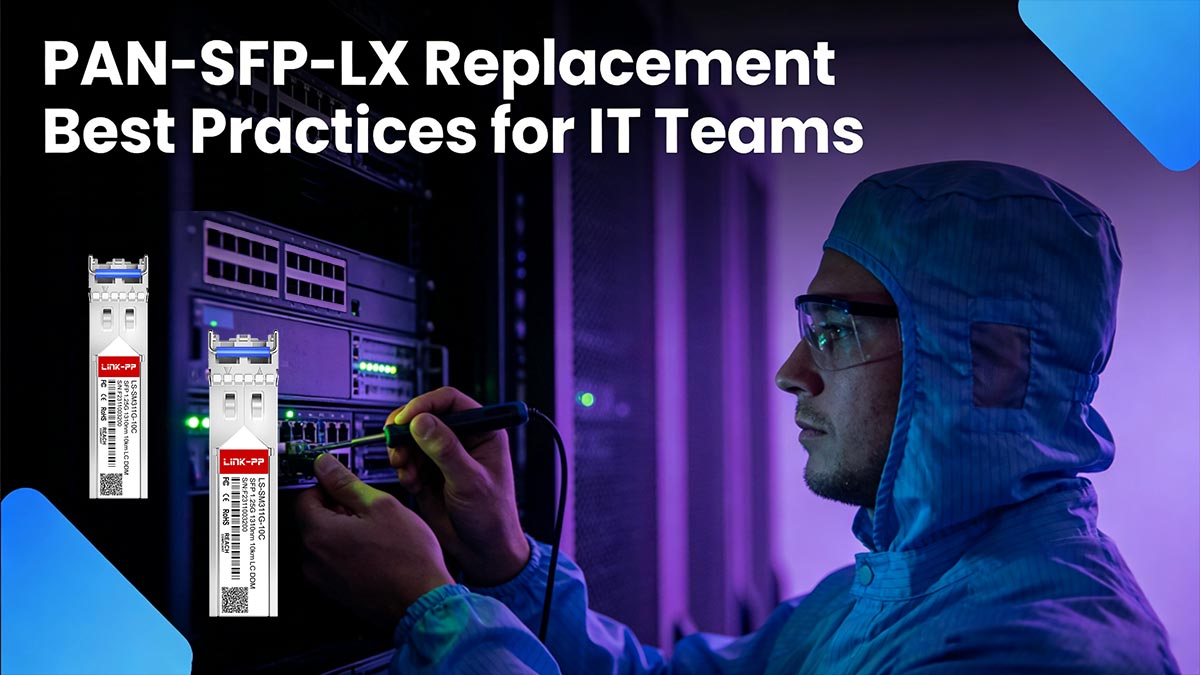
Replacing PAN-SFP-LX modules requires more than simply swapping hardware — it involves careful planning, validation, and execution to ensure network stability. Following best practices helps IT teams minimize risks, avoid compatibility issues, and maintain optimal performance. A structured approach can significantly improve deployment efficiency and long-term reliability.
How to Select the Right Replacement Module
Selecting the right PAN-SFP-LX replacement module starts with a clear understanding of network requirements and device specifications. IT teams should evaluate both technical compatibility and operational needs before making a decision.
Key selection criteria include:
- Compatibility with Firewall Models: Ensure the module is supported by the specific Palo Alto device.
- Transmission Requirements: Confirm wavelength (1310nm), distance (typically up to 10km), and fiber type (single-mode).
- Vendor Reliability: Choose reputable suppliers with proven quality assurance processes.
- Warranty and Support: Consider available technical support and replacement policies.
In addition, organizations should align module selection with broader IT strategies. For example, choosing standardized modules across multiple devices can simplify inventory management and reduce operational complexity. Balancing cost, performance, and supplier credibility is essential for making a well-informed decision.
Testing and Validation Procedures
Before full deployment, testing and validation are critical to ensure that PAN-SFP-LX modules function correctly within the network environment. Even when modules meet specifications, real-world conditions may reveal compatibility or performance issues.
Recommended validation steps include:
- Lab Testing: Install the module in a controlled environment to verify link establishment.
- Interoperability Checks: Test connectivity with switches, routers, or other endpoints.
- Performance Monitoring: Measure signal strength, error rates, and throughput.
- System Log Review: Check for warnings or compatibility alerts.
After initial validation, a phased rollout approach can further reduce risk. Deploying modules in non-critical segments first allows teams to monitor behavior and address any issues before wider implementation. This step-by-step process ensures smoother integration into production environments.
Deployment and Installation Tips
Proper installation practices are essential to ensure the reliable operation of PAN-SFP-LX modules. Even minor handling errors can affect performance or lead to hardware damage.
Best practices during deployment include:
- Handle with Care: Avoid touching optical connectors and protect them from dust.
- Verify Fiber Connections: Ensure correct polarity and secure connections.
- Label and Document: Clearly label ports and maintain accurate records of installations.
- Follow Vendor Guidelines: Adhere to recommended installation procedures.
In addition, coordinating deployment with scheduled maintenance windows can minimize operational disruption. IT teams should also prepare backup modules in advance to quickly address any unexpected issues during installation. A well-organized deployment process reduces downtime and ensures consistent performance.
Avoiding Common Compatibility Issues
Compatibility issues are one of the most common challenges when replacing PAN-SFP-LX modules. These problems can arise from mismatched specifications, improper coding, or software limitations.
To avoid such issues, IT teams should:
- Verify Module Coding: Ensure the transceiver is properly encoded for Palo Alto devices.
- Check Firmware Compatibility: Confirm that the firewall OS supports the module.
- Avoid Mixing Incompatible Standards: Ensure alignment in speed, wavelength, and fiber type.
- Use Validated Suppliers: Choose vendors that provide tested and certified compatible modules.
Proactive planning and thorough verification can significantly reduce the likelihood of deployment failures. By combining proper module selection, rigorous testing, and adherence to best practices, organizations can ensure a smooth and reliable PAN-SFP-LX replacement process while maintaining network integrity.
? PAN-SFP-LX Procurement Strategies for Cost Optimization
Procurement of PAN-SFP-LX modules represents a significant portion of an organization’s network infrastructure investment. However, by using strategic procurement practices, companies can optimize costs while ensuring performance reliability. Identifying reliable suppliers, carefully evaluating key factors, and leveraging discounts can greatly improve cost-efficiency over time.
How to Identify Reliable PAN-SFP-LX Suppliers
Finding a reliable supplier for PAN-SFP-LX modules is crucial to ensure both cost optimization and product quality. Suppliers must be able to consistently meet product specifications, provide timely deliveries, and offer dependable customer support.
To identify reliable suppliers, IT teams should:
- Research Industry Reputation: Look for suppliers with a proven track record and positive customer reviews. Established companies typically offer better post-sales support and warranty options.
- Certifications and Compliance: Ensure that the supplier follows industry standards such as ISO or MSA (Multi-Source Agreement), which signifies adherence to quality control measures and product reliability.
- Supply Chain Reliability: Choose suppliers who have a well-established and transparent supply chain, ensuring the availability of modules even in fluctuating market conditions.
Additionally, opting for suppliers that provide detailed product documentation and clear return or replacement policies is important to mitigate risks associated with faulty or incompatible modules. A good supplier will support any necessary troubleshooting, ensuring smooth network operation and minimizing downtime.
Key Factors to Evaluate Before Purchasing Transceivers
When procuring PAN-SFP-LX modules, it’s important to evaluate several key factors beyond just price. This holistic approach ensures that the modules meet performance expectations and work seamlessly within the network environment.
The main evaluation factors include:
- Module Compatibility: Confirm that the modules are fully compatible with the firewall model, network topology, and other connected devices. Some third-party suppliers offer modules that are compatible with Palo Alto Networks equipment but may require specific firmware versions for optimal performance.
- Warranty and Support: Ensure the supplier provides a robust warranty and technical support services. Warranty length, response time for support queries, and the availability of expedited replacement services are all critical in case of module failure.
- Performance Specifications: Verify the technical specifications of the module, including transmission speed, distance, and error rates, to ensure it will support the required network capacity.
By taking a comprehensive approach to purchasing decisions, IT teams can avoid costly mistakes such as incompatible modules or hidden performance issues that may arise later.
Leveraging Volume Discounts and Long-Term Contracts
One of the most effective ways to optimize procurement costs for PAN-SFP-LX modules is through volume discounts and long-term contracts. By purchasing in bulk or committing to longer-term supply agreements, organizations can secure substantial savings and ensure consistent supply.
To leverage these opportunities, consider the following strategies:
- Bulk Purchasing: Large-scale purchases often come with significant discounts, as suppliers typically offer better rates for bulk orders. Organizations planning network expansions or replacements can take advantage of this by consolidating procurement over a few large orders rather than multiple smaller ones.
- Long-term Contracts: Signing long-term contracts with trusted suppliers can lock in favorable pricing for a set period, protecting organizations from price fluctuations and securing a steady supply of modules.
These strategies can help ensure the procurement process aligns with budget constraints while securing the necessary modules for reliable network operations. Combining volume purchasing with long-term planning creates an effective cost-saving approach that benefits both procurement and IT teams.
? Final Thoughts on PAN-SFP-LX Replacement and Cost Optimization
Optimizing PAN-SFP-LX replacement is not just about choosing the right module — it requires a comprehensive approach that balances compatibility, performance, and total cost of ownership. By understanding pricing structures, evaluating OEM versus compatible options, and following best practices in deployment and procurement, IT teams can significantly reduce costs while maintaining reliable network operations.
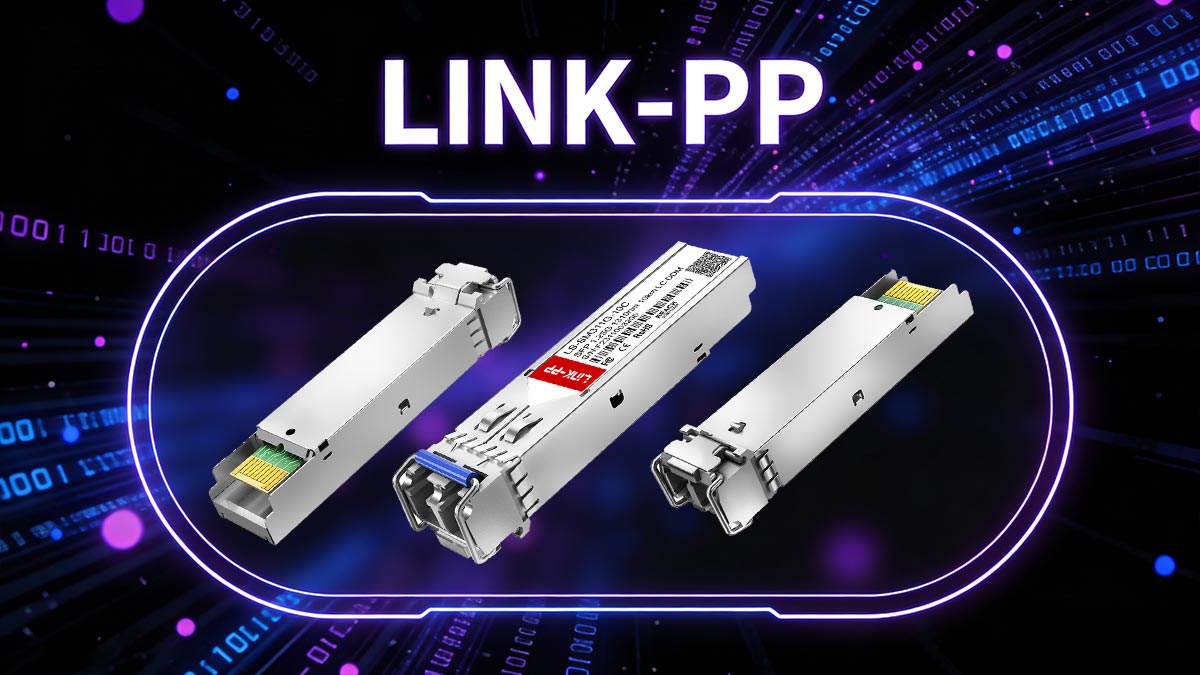
As organizations continue to scale their infrastructure, making informed sourcing decisions becomes increasingly important. Partnering with trusted suppliers and leveraging cost-efficient alternatives can deliver long-term value without compromising quality. To explore reliable and cost-effective transceiver solutions, consider sourcing your SFP modules from the LINK-PP Official Store, where quality, compatibility, and competitive pricing come together to support your network needs.