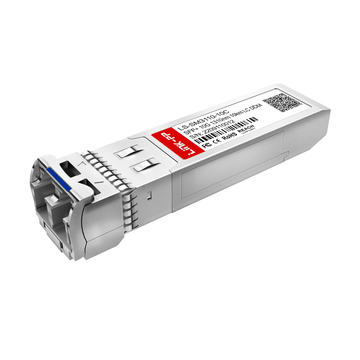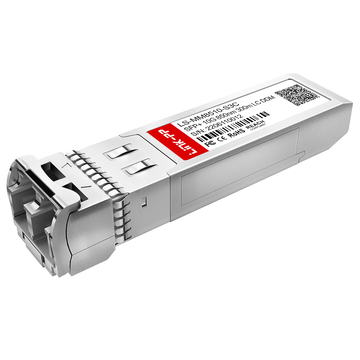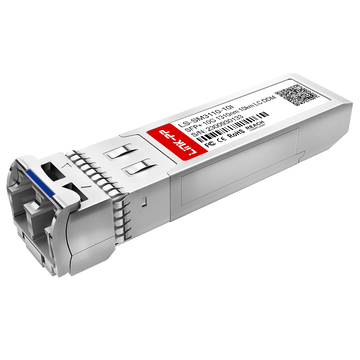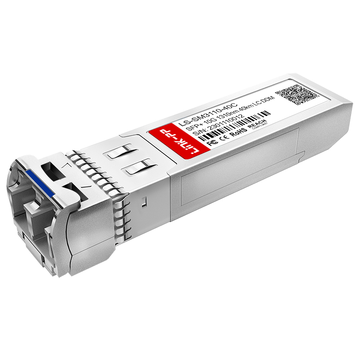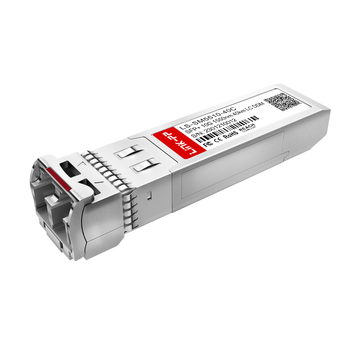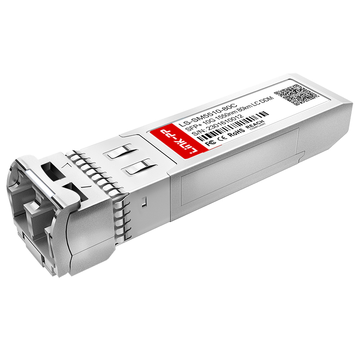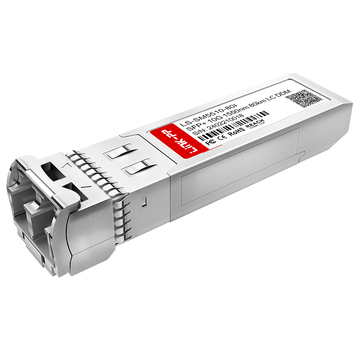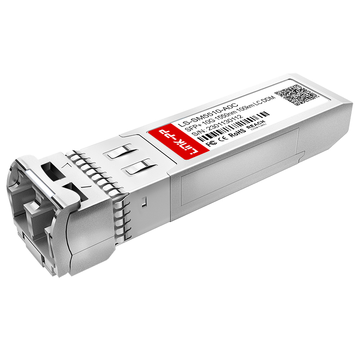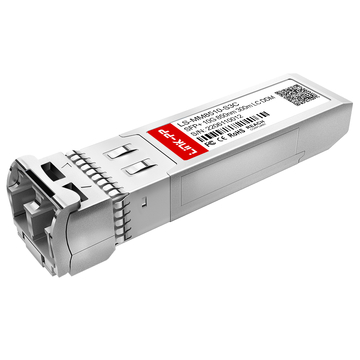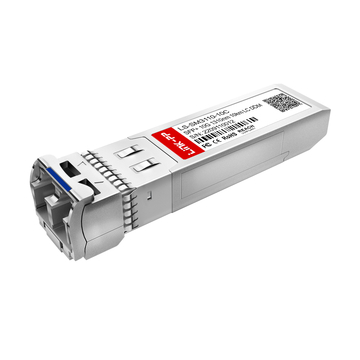
As enterprise networks continue to evolve toward higher bandwidth and lower latency architectures, 10GbE connectivity remains a critical foundation for data centers, campus networks, cloud environments, and enterprise backbone infrastructures. Although newer technologies such as SFP28 25G and QSFP28 100G are expanding rapidly, Cisco 10G GBIC modules still play an essential role in large-scale networking deployments due to their mature ecosystem, stable performance, and widespread compatibility. At the same time, increasing infrastructure costs and global supply chain fluctuations are pushing organizations to reevaluate how they source and deploy optical transceivers.
Against this background, compatible Cisco 10G GBIC alternatives have become an important topic for IT managers, system integrators, distributors, and enterprise procurement teams. Many organizations are no longer focusing only on branded optics pricing, but also on long-term operational efficiency, interoperability, deployment flexibility, and inventory scalability. As a result, the market for Cisco-compatible 10G optical modules has expanded significantly, creating more options across SR, LR, ER, DAC, and AOC connectivity scenarios. However, selecting the right alternative still requires careful evaluation of compatibility coding, transmission requirements, hardware reliability, and supplier capabilities.
This article explores the key factors influencing Cisco 10G GBIC selection, pricing, and deployment strategies in modern enterprise networks. The following topics will be covered:
- The main types of Cisco 10G GBIC modules and their deployment scenarios
- Core factors affecting 10G optical module pricing
- Differences between original Cisco optics and compatible alternatives
- Compatibility considerations for Cisco switches and routers
- Technical specifications and supplier evaluation criteria
- Enterprise cost optimization strategies for large-scale deployments
- Future trends shaping the Cisco 10G optics ecosystem
By understanding these areas, enterprises can better evaluate optical networking options while improving infrastructure scalability, compatibility management, and long-term deployment efficiency.
🏳️🌈 Understanding Cisco 10G GBIC Modules
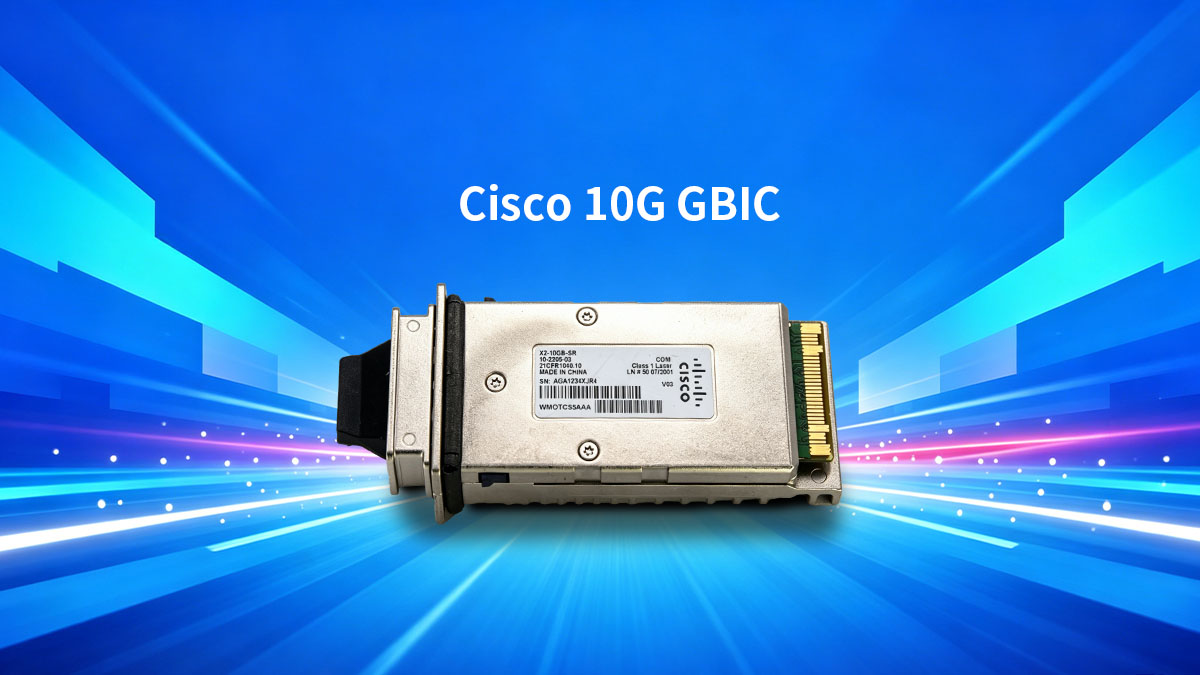
Cisco 10G GBIC modules are widely used optical transceivers designed to support 10GbE network connectivity across enterprise, campus, and data center environments. Although the term “GBIC” is often used generically in the market, most modern Cisco 10G optical modules are actually based on the SFP+ form factor. These modules provide flexible deployment options for different transmission distances, fiber types, and infrastructure architectures while maintaining compatibility with a broad range of Cisco networking equipment.
What Cisco 10G GBIC Means in Modern Networks
Cisco 10G GBIC modules serve as the physical interface layer that enables 10Gbps optical or direct-attach connectivity between switches, routers, servers, and storage systems. In modern enterprise networks, they are commonly deployed in aggregation layers, core switching environments, and data center interconnections.
Several important characteristics define modern Cisco 10G GBIC solutions:
- Most current deployments use SFP+ technology instead of legacy GBIC form factors
- Modules are designed for hot-swappable installation and simplified maintenance
- Different optics support varying transmission distances and fiber standards
- Cisco-compatible modules are commonly used in mixed-vendor enterprise environments
- Optical transceivers remain critical for scalable 10GbE infrastructure expansion
The transition from traditional GBIC modules to compact SFP+ transceivers also improved network density and power efficiency. Compared with older transceiver generations, modern Cisco 10G modules offer:
| Feature | Legacy GBIC | Modern Cisco 10G SFP+ |
|---|---|---|
| Typical Speed | 1Gbps | 10Gbps |
| Module Size | Larger | Compact |
| Power Consumption | Higher | Lower |
| Port Density | Limited | Higher-density deployments |
| Deployment Flexibility | Moderate | More scalable |
Because of these advantages, Cisco 10G SFP+ modules continue to remain highly relevant in enterprise networking even as higher-speed technologies gradually expand into newer infrastructure environments.
Major Cisco 10G GBIC Types
Different Cisco 10G GBIC module types are optimized for different transmission distances, cabling environments, and deployment requirements. Selecting the correct optic depends largely on fiber infrastructure, reach requirements, and operational scalability goals.
The most commonly deployed Cisco 10G optics include:
- 10G SR modules for short-range multimode fiber connectivity
- 10G LR modules for long-distance single-mode fiber transmission
- 10G ER modules for extended enterprise and metro connectivity
- DAC cables for low-cost short-distance rack interconnects
- AOC cables for lightweight high-speed short-range optical connections
The technical differences between these module categories directly influence deployment costs and infrastructure planning.
| Module Type | Fiber Type | Typical Wavelength | Transmission Distance | Common Deployment |
|---|---|---|---|---|
| 10G SR | Multimode Fiber | 850nm | Up to 300m | Data centers |
| 10G LR | Single-Mode Fiber | 1310nm | Up to 10km | Campus backbone |
| 10G ER | Single-Mode Fiber | 1550nm | Up to 40km | Metro networks |
| 10G DAC | Twinax Cable | N/A | Up to 7m | Rack interconnect |
| 10G AOC | Optical Cable | Various | Up to 100m+ | High-density cabling |
Among these options, SR and LR optics remain the most widely used in enterprise networks due to their balance between deployment flexibility and infrastructure cost efficiency.
Typical Enterprise Deployment Scenarios
Cisco 10G GBIC modules are commonly used across multiple enterprise networking layers where stable high-speed connectivity is required. Different deployment environments often require different optical specifications based on transmission distance, density requirements, and cabling architecture.
Common deployment scenarios include:
- Data center spine-leaf connectivity
- Enterprise core-to-aggregation switching
- Campus backbone interconnection
- Storage area network (SAN) environments
- Hybrid cloud infrastructure connectivity
- High-performance virtualization clusters
In modern data centers, 10G SR optics are frequently deployed for short-range switch-to-switch connections within the same rack row. In contrast, 10G LR modules are more commonly used for cross-building or campus-level fiber links where longer transmission distances are necessary.
🏳️🌈 Key Factors Affecting Cisco 10G GBIC Pricing
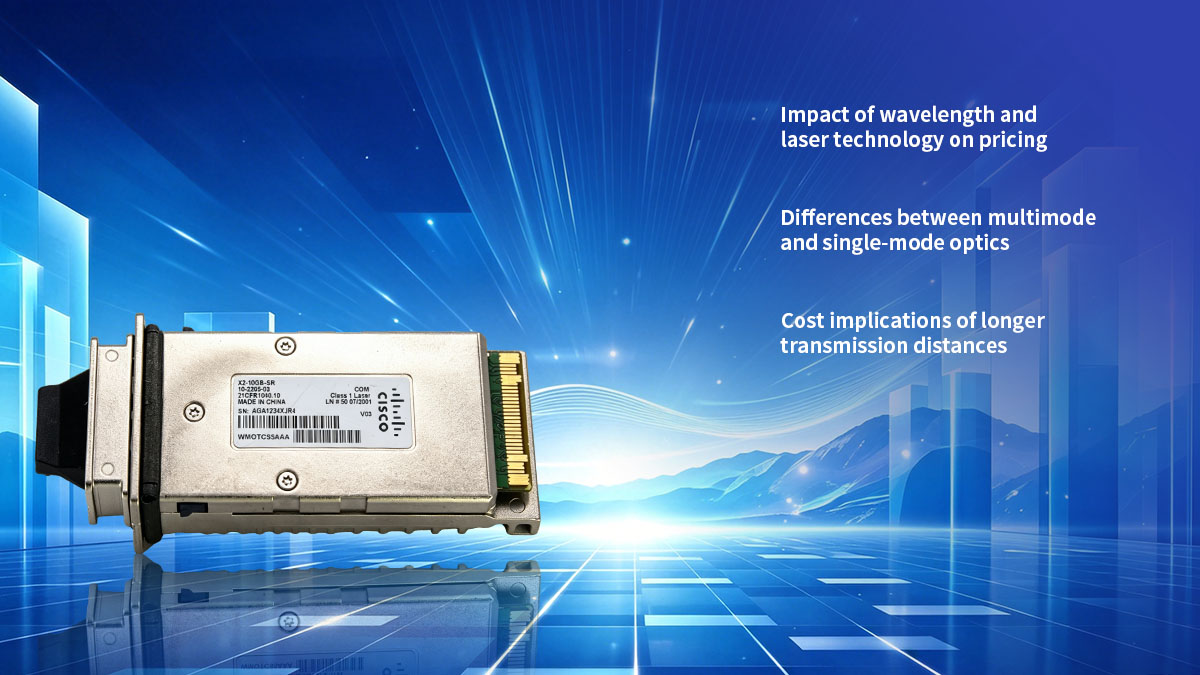
Cisco 10G GBIC pricing is influenced by multiple technical, manufacturing, and market-related factors rather than a single cost variable. Even modules with similar transmission speeds can show significant price differences depending on transmission distance, optical technology, compatibility engineering, and supplier ecosystem maturity. Understanding these pricing drivers helps enterprises evaluate optical networking costs more accurately while avoiding unnecessary overspending in large-scale deployments.
Optical Technology and Transmission Distance
The optical components used inside Cisco 10G GBIC modules directly influence manufacturing complexity and final pricing. In general, modules designed for longer transmission distances require more advanced laser technologies, tighter optical tolerances, and more sophisticated signal processing capabilities.
Several technical variables commonly affect optical module costs:
- Wavelength technology requirements
- Fiber transmission characteristics
- Laser component precision
- Signal stability performance
- Thermal management complexity
- Transmission reach capability
Among all deployment categories, short-range multimode optics are typically more cost-efficient than long-distance single-mode solutions because they rely on less complex optical architectures.
The following comparison highlights how transmission specifications influence pricing differences across major Cisco 10G optics categories:
| Module Type | Wavelength | Fiber Type | Typical Reach |
|---|---|---|---|
| 10G SR | 850nm | Multimode Fiber | Up to 300m |
| 10G LR | 1310nm | Single-Mode Fiber | Up to 10km |
| 10G ER | 1550nm | Single-Mode Fiber | Up to 40km |
| 10G ZR | 1550nm | Single-Mode Fiber | Up to 80km |
As transmission distance increases, module pricing generally rises due to higher optical component costs and stricter engineering requirements. This is especially noticeable in metro networking and long-distance enterprise backbone deployments.
Original vs Compatible Manufacturing Ecosystems
Pricing differences between original Cisco optics and compatible alternatives are heavily influenced by branding structures, supply chain models, and testing ecosystems. Original vendor optics generally include higher pricing associated with brand positioning, official distribution channels, and proprietary validation processes.
Compatible Cisco 10G GBIC suppliers often focus on cost efficiency through:
- High-volume manufacturing models
- Multi-vendor compatibility engineering
- Flexible sourcing strategies
- Streamlined distribution networks
- Shared manufacturing ecosystems
The pricing structure between original and compatible optics can vary significantly depending on deployment scale.
| Pricing Factor | Original Cisco Optics | Compatible Alternatives |
|---|---|---|
| Brand Premium | High | Minimal |
| Distribution Structure | Vendor-controlled | Flexible global channels |
| Compatibility Scope | Cisco-specific | Multi-vendor support |
| Manufacturing Scale | Controlled ecosystem | Larger ODM/OEM networks |
| Infrastructure Cost Efficiency | Lower | Higher |
For many enterprises, compatible optics are increasingly viewed as a practical option for reducing operational expenses while maintaining network interoperability across large deployments.
Certification and Compliance Requirements
Compliance standards and certification requirements also contribute to Cisco 10G GBIC pricing. Enterprise-grade optical modules are typically required to meet multiple industry standards to ensure reliability, safety, and interoperability.
Important compliance considerations include:
- MSA (Multi-Source Agreement) compatibility
- RoHS environmental compliance
- CE certification requirements
- FCC electromagnetic standards
- Quality assurance and environmental testing
Manufacturers that maintain stricter testing procedures often incur additional production costs through:
- Thermal stress testing
- Signal integrity validation
- EEPROM compatibility programming
- Batch-level quality inspection
- Long-duration operational testing
Although low-cost optics may appear attractive initially, insufficient validation or inconsistent manufacturing processes can create long-term operational risks in enterprise environments.
Market Supply and Global Demand Trends
Global market conditions and supply chain dynamics also play an important role in Cisco 10G GBIC pricing fluctuations. Optical transceiver markets are heavily influenced by semiconductor availability, cloud infrastructure growth, and enterprise network expansion cycles.
Several market trends currently affecting pricing include:
- Continued expansion of cloud and AI infrastructure
- Strong demand for high-density data center connectivity
- Semiconductor supply fluctuations
- Regional manufacturing concentration in Asia-Pacific markets
- Ongoing enterprise reliance on 10GbE infrastructure
In recent years, many organizations have continued operating large-scale 10G environments despite the growth of 25G and 100G technologies. This sustained demand helps maintain an active global market for Cisco 10G optical modules.
Additional factors influencing market pricing include:
- Raw material availability
- Logistics and international shipping costs
- Currency exchange fluctuations
- Inventory management cycles
- Regional distribution channel structures
Because the global 10G optics ecosystem is now relatively mature, pricing for standard modules such as 10G SR and 10G LR has gradually become more competitive. However, premium long-distance optics and specialized enterprise-grade modules can still experience noticeable price volatility depending on market supply conditions and infrastructure demand cycles.
🏳️🌈 Comparing Original Cisco Optics and Compatible Alternatives
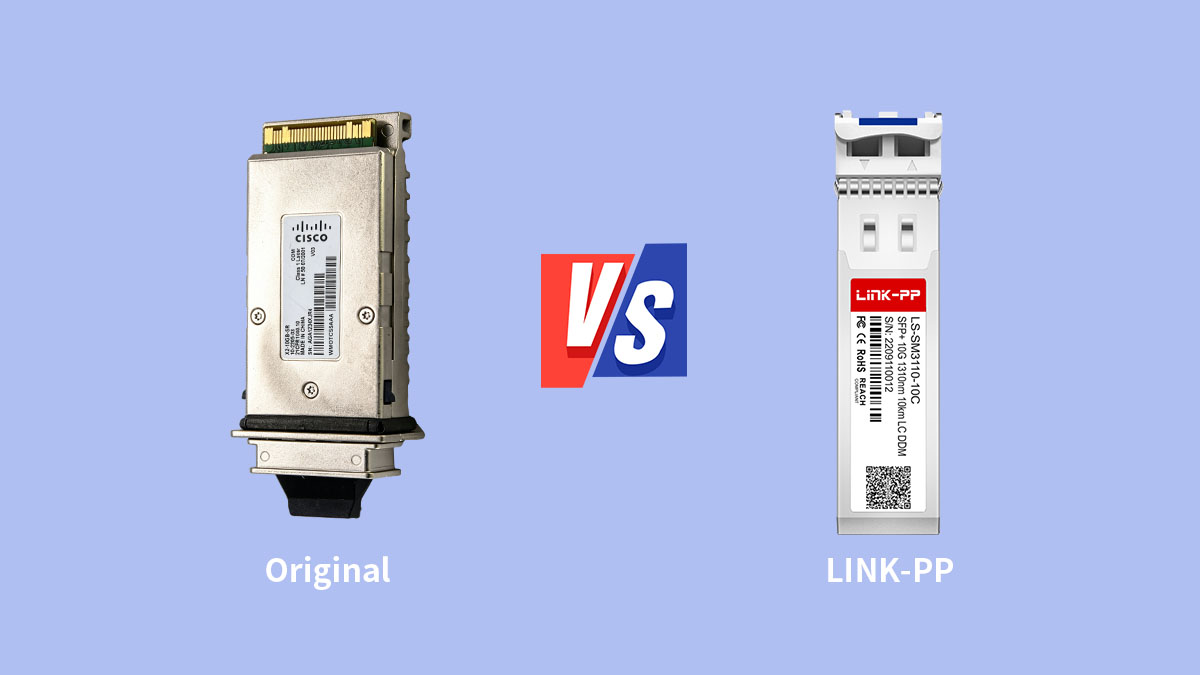
Original Cisco optics and compatible alternatives are both widely deployed in enterprise 10GbE networks, but they differ in pricing structure, ecosystem control, sourcing flexibility, and validation processes. For many organizations, the decision is no longer based only on branding. Instead, enterprises increasingly focus on balancing compatibility, operational stability, and long-term infrastructure costs.
Core Differences Between Original and Compatible Modules
Original Cisco optics are typically distributed through authorized vendor channels and validated within Cisco’s own ecosystem. Compatible Cisco 10G GBIC modules are developed by third-party manufacturers that engineer optics to support interoperability across Cisco platforms and, in many cases, multiple network vendors.
Several key differences commonly influence enterprise evaluation:
- Original optics generally carry higher brand-related pricing
- Compatible modules prioritize cost efficiency and flexible sourcing
- Cisco-branded optics follow vendor-controlled distribution models
- Third-party suppliers often support broader multi-vendor environments
- EEPROM coding and compatibility testing vary by manufacturer
Despite these differences, many compatible optics are designed to match the same transmission specifications as original modules, including wavelength, fiber type, connector format, and transmission distance.
Price Comparison Analysis
Pricing is one of the largest factors driving interest in compatible Cisco optics. In high-density data centers and campus networks, optical transceiver expenses can scale rapidly across hundreds of switch ports.
The pricing gap between original and compatible modules is usually affected by:
- Brand premium structures
- Supply chain models
- Manufacturing scale
- Distribution channel complexity
- Compatibility engineering costs
The following comparison outlines the general differences between both categories:
| Factor | Original Cisco Optics | Compatible Alternatives |
|---|---|---|
| Pricing Level | Higher | More cost-efficient |
| Distribution Model | Authorized channels | Flexible global sourcing |
| Compatibility Scope | Cisco ecosystem | Multi-vendor support |
| Supply Flexibility | More limited | Broader availability |
For enterprises managing large-scale infrastructure deployments, reducing per-port optical costs can significantly improve overall network budget efficiency.
Reliability and Performance Evaluation
Reliability remains a critical consideration when evaluating Cisco 10G GBIC alternatives. In enterprise environments, optical module stability directly affects network uptime and operational continuity.
Enterprise-grade compatible optics are often tested for:
- Signal integrity stability
- Thermal performance
- EEPROM compatibility
- Fiber transmission consistency
- Long-duration operational reliability
High-quality compatible modules can perform similarly to original optics when sourced from experienced suppliers with strong validation procedures. However, lower-quality products may introduce compatibility inconsistencies or higher failure risks.
Common Misconceptions About Compatible Optics
Many organizations still assume that all compatible optics are low-quality alternatives, but the modern compatible transceiver market has matured considerably.
Several misconceptions commonly appear in enterprise procurement discussions:
- Compatible optics cannot support stable Cisco interoperability
- Third-party modules lack monitoring functionality
- Compatible optics always trigger firmware warnings
- Original modules use completely unique hardware architectures
In practice, deployment quality depends more on supplier testing standards and compatibility engineering than branding alone. As a result, many enterprises now include compatible Cisco 10G GBIC modules as part of their long-term optical networking strategies.
🏳️🌈 Compatibility Considerations for Cisco 10G GBIC Alternatives
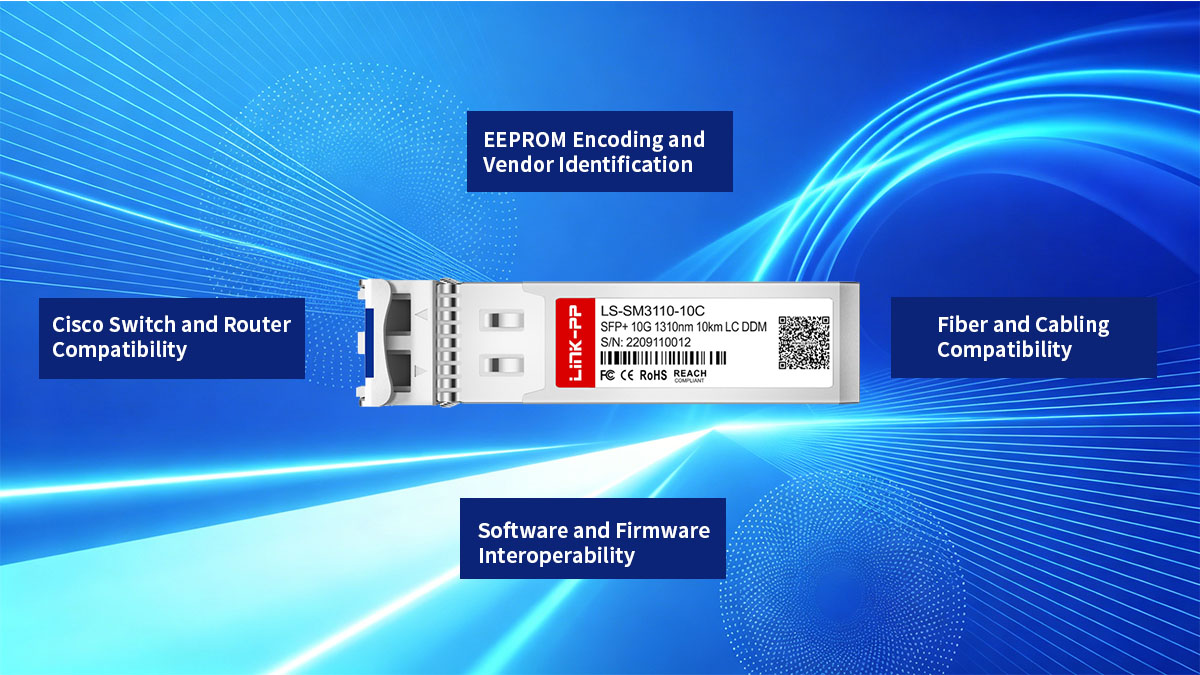
Compatibility is one of the most important factors when evaluating Cisco 10G GBIC alternatives. Even when optical modules share the same transmission speed and form factor, interoperability issues can still occur due to firmware recognition, EEPROM coding, software behavior, or fiber infrastructure mismatches. For enterprise deployments, proper compatibility validation helps ensure stable network operation, reduces troubleshooting complexity, and improves long-term infrastructure reliability.
Cisco Switch and Router Compatibility
Cisco 10G optics are commonly deployed across multiple networking platforms, including Catalyst switches, Nexus data center switches, and enterprise routers. Different hardware generations may have varying compatibility behaviors depending on firmware requirements and optical validation policies.
Several areas should be reviewed before deployment:
- Supported switch and router models
- IOS or NX-OS software versions
- Port type compatibility
- Vendor-recognition behavior
- Hardware generation differences
Compatible Cisco 10G GBIC modules are often engineered to support broad interoperability across multiple Cisco platforms. However, compatibility consistency may vary between suppliers, especially in environments using mixed hardware generations.
EEPROM Encoding and Vendor Identification
EEPROM programming plays a major role in optical compatibility within Cisco environments. Cisco switches and routers use EEPROM data to identify module information such as vendor name, transmission type, wavelength, and supported operational parameters.
Properly engineered compatible optics usually include Cisco-compatible EEPROM coding to support stable module recognition.
Important EEPROM-related considerations include:
- Vendor identification programming
- Digital Optical Monitoring (DOM/DDM) support
- Port initialization behavior
- Firmware recognition consistency
- Compatibility with platform diagnostics
Poorly programmed modules may trigger compatibility warnings, inconsistent detection behavior, or monitoring limitations. Because of this, enterprises often prioritize suppliers with extensive interoperability validation and compatibility engineering experience.
Fiber and Cabling Compatibility
Optical compatibility is not limited to switch recognition alone. Fiber type, connector standards, and transmission distance also directly affect deployment stability.
Several infrastructure factors should always be verified:
- Multimode versus single-mode fiber compatibility
- Connector type matching
- Transmission distance requirements
- Fiber quality and signal loss conditions
- Patch panel and cabling consistency
The following comparison highlights common deployment differences between major Cisco 10G optics categories:
| Module Type | Fiber Type | Connector | Typical Distance |
|---|---|---|---|
| 10G SR | Multimode Fiber | LC | Up to 300m |
| 10G LR | Single-Mode Fiber | LC | Up to 10km |
| 10G ER | Single-Mode Fiber | LC | Up to 40km |
Incorrect fiber matching can reduce signal stability or prevent successful link establishment even when the optical module itself is functioning properly.
Software and Firmware Interoperability
Software behavior can also influence optical module compatibility. Different Cisco operating systems may apply varying validation mechanisms for third-party optics depending on platform generation and firmware policies.
Key software-related considerations include:
- IOS and NX-OS compatibility behavior
- Firmware upgrade impacts
- Optical diagnostic visibility
- System log warning behavior
- Feature support consistency
Many enterprise-grade compatible optics are specifically tested against multiple Cisco firmware environments to minimize interoperability issues during deployment.
For long-term operational stability, enterprises often conduct pilot validation testing before large-scale rollouts. This approach helps identify potential compatibility inconsistencies early while improving deployment reliability across production networks.
🏳️🌈 How to Evaluate Cisco 10G GBIC Compatible Alternatives
Evaluating Cisco 10G GBIC compatible alternatives requires a structured assessment across technical performance, manufacturing quality, compatibility validation, and supply reliability. In enterprise environments, the goal is not only to ensure basic link-up functionality, but also to confirm long-term stability under continuous traffic loads, diverse hardware platforms, and evolving network conditions. A well-evaluated optical module strategy helps reduce operational risks while maintaining scalable infrastructure performance.
Because compatible optics vary significantly between manufacturers, a systematic evaluation process is essential before deployment in production networks.
Technical Specifications to Review
A Cisco 10G GBIC compatible module must first be evaluated based on its core optical and electrical specifications. These parameters determine whether the module can meet the physical and performance requirements of the intended network environment.
Key technical attributes to assess include:
- Transmission distance and supported reach
- Wavelength alignment with network design
- Power consumption under operating load
- Operating temperature range in real environments
- DOM/DDM monitoring capability for diagnostics
- Optical sensitivity and signal stability
These specifications define the baseline suitability of a module for enterprise use. Even small deviations in optical performance can lead to link instability, increased error rates, or reduced transmission efficiency in high-density deployments.
Supplier Qualification Criteria
Beyond technical specifications, supplier capability plays a critical role in ensuring consistent quality across large-scale deployments. A reliable compatible optics supplier should demonstrate both engineering maturity and manufacturing consistency.
Important supplier evaluation dimensions include:
- Engineering validation capabilities across Cisco platforms
- Consistency of production batches for large deployments
- Availability of in-house testing and calibration systems
- Responsiveness in technical support scenarios
- Experience with enterprise and carrier-grade environments
A strong supplier typically invests in structured compatibility testing processes, including multi-platform interoperability verification and long-duration operational testing. This reduces deployment risks and ensures predictable performance across network environments.
Lifecycle Support and Deployment Stability
Long-term lifecycle stability is another important factor when evaluating compatible optics. Enterprise networks typically operate over multiple hardware refresh cycles, making consistent module availability and support essential.
Key considerations include:
- Product lifecycle consistency for long-term projects
- Availability of replacement units for future expansion
- Firmware stability across updates and upgrades
- Consistent optical performance across batches
- Long-term supply continuity for global deployments
Without lifecycle stability, enterprises may face challenges in maintaining uniform infrastructure standards across distributed sites.
Red Flags in Compatible Optics Selection
While many compatible Cisco 10G GBIC modules perform reliably, certain indicators may suggest higher deployment risk. Identifying these early can help avoid operational disruptions.
Common warning signs include:
- Lack of detailed technical documentation
- Inconsistent or unusually low pricing structures
- Absence of interoperability testing evidence
- Limited transparency in manufacturing processes
- No clear warranty or support framework
Modules exhibiting these characteristics may introduce risks such as unstable recognition, inconsistent optical output, or reduced lifecycle reliability.
🏳️🌈 Cost Optimization Strategies for Enterprise Deployments
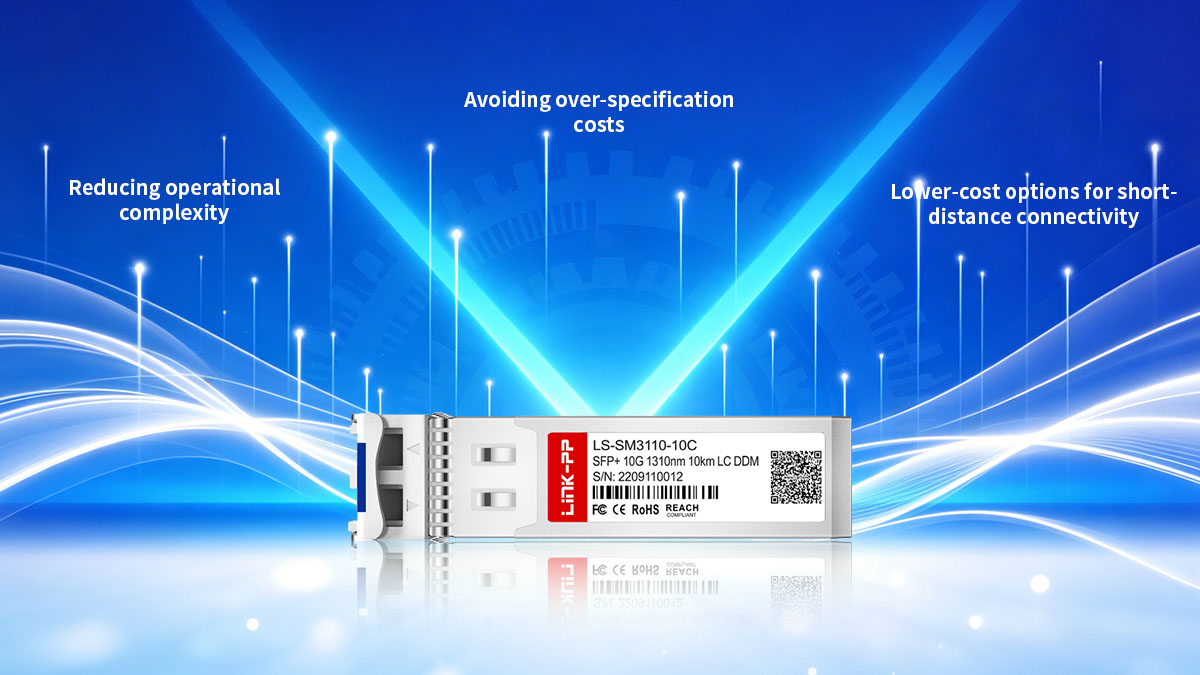
Cost optimization in enterprise optical networks is no longer limited to selecting lower-priced components. For Cisco 10G GBIC-based infrastructures, optimization requires a balance between compatibility, scalability, lifecycle planning, and operational efficiency. As organizations expand data center and campus networks, optical transceiver costs can scale rapidly, making structured optimization strategies essential for sustainable infrastructure investment.
Standardizing Optical Module Types
Standardization is one of the most effective ways to reduce both procurement complexity and long-term operational cost. When enterprises deploy multiple optical types without consistent planning, inventory fragmentation and maintenance overhead increase significantly.
Key benefits of standardization include:
- Reduced spare part inventory complexity
- Simplified troubleshooting and maintenance processes
- Improved procurement efficiency across regions
- Lower training and operational overhead for IT teams
- Greater consistency in network performance behavior
In many enterprise environments, limiting deployments to a few key Cisco 10G GBIC categories (such as SR and LR) helps maintain predictable performance while reducing unnecessary variation in optical components.
Matching Optical Specifications to Real Network Needs
Over-specifying optical modules is a common source of unnecessary cost in enterprise deployments. Selecting a higher-grade optic than required for a given link can significantly increase infrastructure expenses without providing additional operational value.
To avoid this, organizations typically evaluate:
- Actual transmission distance requirements
- Rack-to-rack versus cross-building connectivity
- Fiber type already deployed in infrastructure
- Future scalability expectations
- Environmental conditions such as temperature and density
For example, short-reach links inside a data center do not require long-distance optics. Aligning specifications precisely with real network needs ensures efficient resource utilization while avoiding unnecessary premium components.
Evaluating DAC and AOC Alternatives
Direct Attach Cable (DAC) and Active Optical Cable (AOC) solutions provide additional cost optimization opportunities for short-distance connections. These alternatives are often used in high-density environments where traditional optical transceivers may not be necessary.
Typical advantages include:
- Lower cost compared to separate transceiver + fiber setups
- Reduced power consumption per link
- Simplified installation and cable management
- Lower latency for intra-rack connections
- Fewer components per connection point
DAC cables are typically used for very short distances within racks, while AOC solutions extend flexibility for slightly longer interconnect scenarios. Selecting the correct medium based on distance requirements can significantly reduce overall Cisco 10G infrastructure cost.
Multi-Vendor Procurement Strategy
Relying on a single procurement source can limit pricing flexibility and supply chain resilience. Many enterprises adopt multi-vendor sourcing strategies for Cisco 10G GBIC-compatible modules to improve availability and reduce cost pressure.
Common advantages include:
- Greater price competitiveness across suppliers
- Reduced dependency on a single supply chain
- Improved inventory availability during demand spikes
- Enhanced negotiation leverage with vendors
- Better geographic sourcing flexibility
However, multi-vendor strategies require strong internal validation processes to ensure consistent compatibility and performance across different module suppliers.
🏳️🌈 Conclusion
Cisco 10G GBIC modules continue to play a stable and important role in enterprise networking, even as higher-speed technologies expand across modern data centers. Their maturity, wide compatibility, and flexible deployment options make them a practical choice for organizations that still rely heavily on 10GbE infrastructure. However, as deployment scale increases, pricing differences, compatibility requirements, and supply chain considerations become key factors that directly impact long-term network costs and operational efficiency.
Across the topics discussed in this article, several core conclusions stand out:
- Optical module pricing is strongly influenced by transmission distance, optical complexity, and manufacturing ecosystem structure
- Compatible alternatives have become a mainstream option for many enterprises seeking more flexible sourcing strategies
- Compatibility validation remains essential to ensure stable performance across Cisco switching and routing platforms
- Deployment efficiency depends not only on module selection, but also on fiber infrastructure alignment and lifecycle planning
- Cost optimization is most effective when combining standardization, correct specification matching, and diversified procurement strategies
In practical enterprise environments, the most effective optical strategy is rarely based on a single purchasing approach. Instead, it typically combines original Cisco optics for critical or highly sensitive environments with carefully validated compatible Cisco 10G GBIC alternatives for large-scale deployments where cost efficiency and scalability are priorities.
At the same time, enterprises benefit from working with suppliers that can provide consistent quality control, interoperability testing, and long-term supply stability. Platforms such as the LINK-PP Official Store are often referenced in the industry for providing a broad range of compatible optical transceiver solutions that align with different network requirements, helping organizations maintain balance between performance expectations and infrastructure cost control.