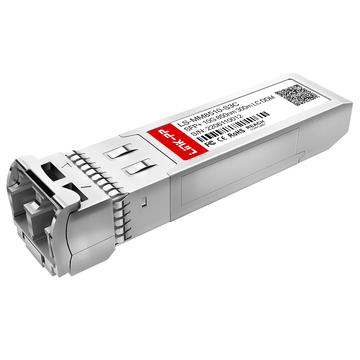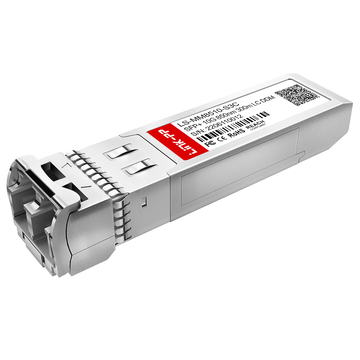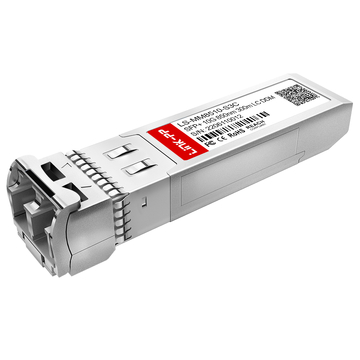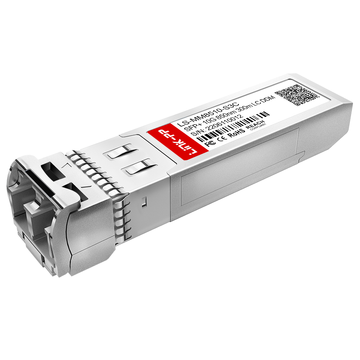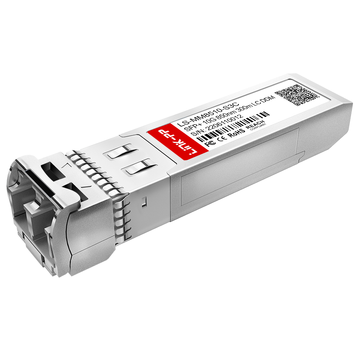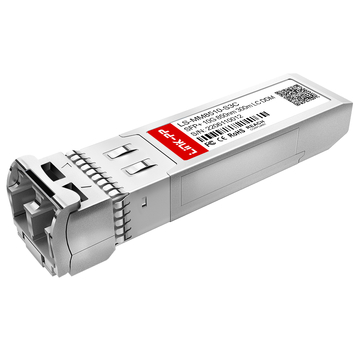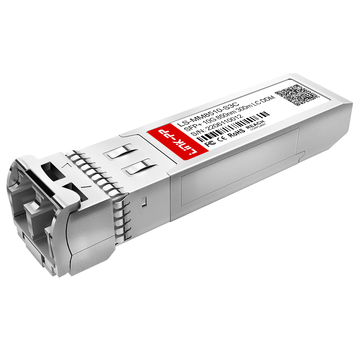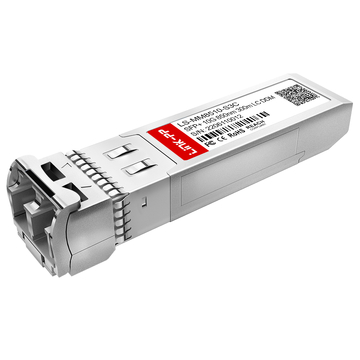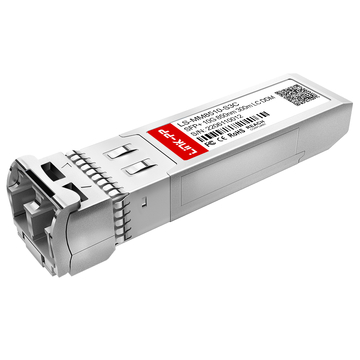
The 10GB SR SFP+ transceiver has become a foundational component in modern enterprise and data center networking environments. As organizations continue expanding cloud infrastructure, virtualization platforms, and high-density switching architectures, demand for reliable 10G optical connectivity remains consistently strong. At the same time, the market has become increasingly competitive, with pricing differences emerging across OEM vendors, compatible transceiver suppliers, manufacturing regions, and distribution channels.
Despite the standardized technical specifications of 10GB SR SFP+ modules, pricing structures can vary significantly depending on several commercial and technical variables. These differences are no longer limited to hardware branding alone. Factors such as firmware compatibility, supply chain volatility, testing standards, component sourcing, and lifecycle support now play a major role in determining overall transceiver cost. For enterprises managing large-scale optical deployments, understanding these pricing dynamics is essential for balancing infrastructure performance with long-term operational efficiency.
This article explores the key pricing and market factors influencing the 10GB SR SFP+ ecosystem and explains how organizations can evaluate cost-performance trade-offs more effectively. The discussion will cover several important areas, including:
- The overall 10GB SR SFP+ market landscape
- Core cost drivers affecting module pricing
- Differences between OEM and compatible transceivers
- Supply chain and manufacturing influences
- Enterprise cost optimization strategies
- Long-term pricing and market trend analysis
By understanding these areas, network planners and infrastructure teams can make more informed decisions when evaluating 10G optical connectivity solutions for scalable and cost-conscious network environments.
🔯 Overview of the 10GB SR SFP+ Market Landscape
The 10GB SR SFP+ market is a mature but still highly active segment of the optical transceiver industry, driven primarily by enterprise networking, data center expansion, and cloud infrastructure upgrades. At its core, this market is shaped by standardized short-reach multimode fiber technology, which enables cost-efficient 10Gbps connectivity over typical intra-data-center distances. Because the technical specification is widely standardized, market competition is influenced more by supply chain structure, vendor positioning, and compatibility ecosystems than by performance differentiation.
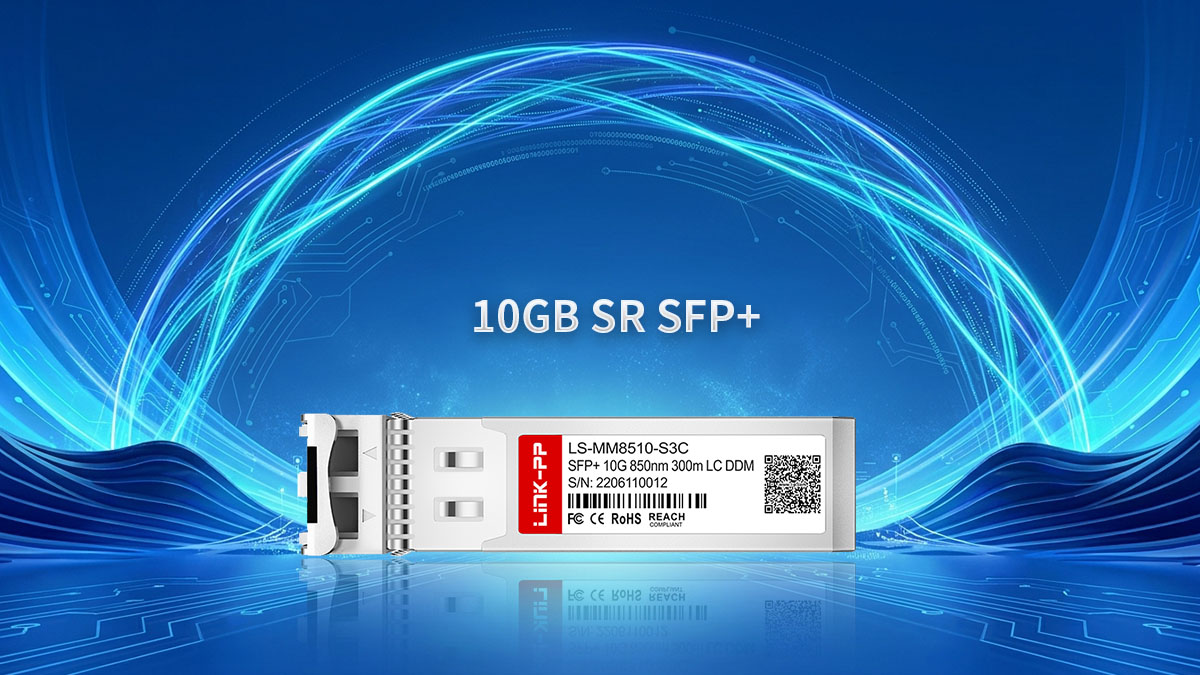
What Defines a 10GB SR SFP+ Module
A 10GB SR SFP+ module is defined by a fixed set of optical and electrical characteristics that ensure interoperability across compliant networking equipment. The key conclusion is that its value lies in standardized short-reach performance rather than feature variation, which directly contributes to its commoditized pricing behavior in the market.
To better understand its technical profile, the most relevant specifications are summarized below.
| Parameter | Specification |
|---|---|
| Data Rate | 10Gbps |
| Wavelength | 850nm |
| Transmission Distance | Up to 300m (OM3 fiber) |
These parameters establish the 10GB SR SFP+ as a short-distance, high-density interconnect solution optimized for data center switching fabrics. Because these specifications are fixed under IEEE standards, manufacturers compete primarily on production efficiency, reliability consistency, and cost control rather than functional differentiation.
After reviewing these technical fundamentals, it becomes clear that the standardized nature of SR optics is a key reason why pricing is highly sensitive to manufacturing scale and supply chain efficiency.
Market Demand and Deployment Scenarios
The demand for 10GB SR SFP+ optical modules is primarily driven by environments where high-speed, short-distance optical connectivity is required at scale. The core insight is that this module type remains essential in both legacy 10G infrastructures and ongoing incremental upgrades within modern hybrid networks.
Common deployment scenarios include:
- Data center leaf-spine architectures requiring high-density 10G links
- Enterprise campus backbone interconnections between switching layers
- Storage area network (SAN) environments supporting low-latency traffic
- Cloud infrastructure zones maintaining mixed-generation hardware compatibility
These use cases demonstrate that demand is not driven by new adoption alone, but also by replacement cycles, network expansion, and infrastructure lifecycle management. As a result, the market remains stable even as higher-speed standards such as SFP28 25G and QSFP28 100G continue to grow.
Vendor Ecosystem Structure
The 10GB SR SFP+ ecosystem is structured around multiple layers of vendors, each contributing differently to pricing, availability, and product differentiation. The key conclusion is that pricing variation is largely determined by ecosystem position rather than changes in underlying optical performance.
The ecosystem typically includes:
- Original equipment manufacturers (OEMs) providing fully certified transceivers aligned with specific switch platforms
- Third-party compatible manufacturers producing interoperable modules under standardized specifications
- Contract manufacturing facilities focusing on high-volume production efficiency
- Global distributors and resellers managing inventory allocation and regional supply flow
Each layer introduces its own cost structure. OEM-branded modules typically carry higher pricing due to certification requirements, ecosystem validation, and bundled support services. In contrast, compatible module providers often focus on cost optimization through scale manufacturing and broader cross-vendor compatibility strategies.
🔯 Key Factors Influencing 10GB SR SFP+ Pricing
The pricing of 10GB SR SFP+ modules is primarily determined by a combination of hardware manufacturing costs, compatibility requirements, and upstream supply chain conditions. Although the module itself follows a standardized specification, its final market price is shaped by several layered cost structures that extend beyond basic optical performance. Understanding these factors is essential for interpreting why identical-looking transceivers can vary significantly in cost across different suppliers.
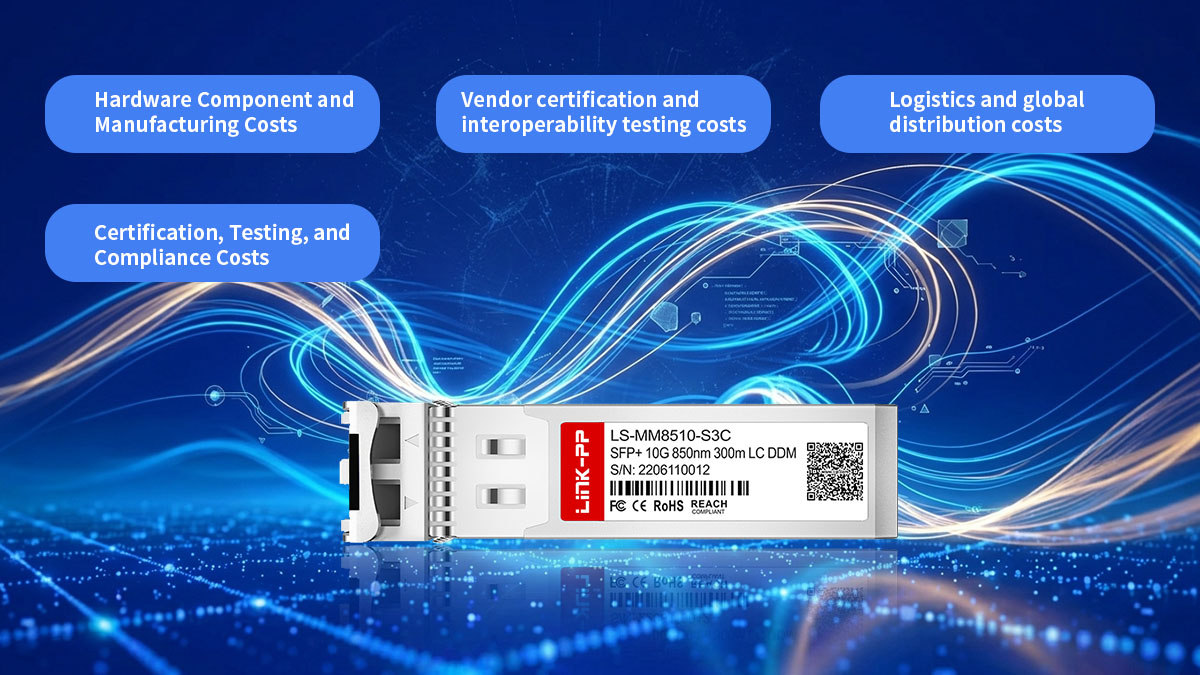
Hardware Component and Manufacturing Costs
The core conclusion is that the intrinsic cost of building a 10GB SR SFP+ module is driven mainly by optical component quality and manufacturing precision, with laser and packaging elements representing the most significant cost contributors.
These modules rely on tightly controlled optical components that must meet strict performance thresholds to ensure signal stability and low error rates in high-speed environments. Because production tolerances are narrow, even small variations in component sourcing or assembly processes can influence final cost structures.
The main cost drivers in hardware manufacturing include:
- VCSEL laser diode sourcing and yield rates
- Photodiode sensitivity and receiver module quality
- DSP or controller IC integration complexity
- Thermal design and signal integrity optimization
- Assembly precision and automated calibration processes
These elements collectively define the baseline production cost of each module. After considering these factors, it becomes clear that pricing differences at scale often reflect manufacturing efficiency rather than functional capability differences between compliant products.
Compatibility and Vendor Locking Mechanisms
The key insight is that compatibility constraints imposed by networking equipment vendors significantly influence pricing, often creating segmentation between OEM-certified and third-party compatible modules.
Even though the optical interface is standardized, many switch vendors implement firmware-level validation that restricts or identifies transceiver usage. This introduces additional costs related to coding, testing, and certification to ensure seamless interoperability.
Key compatibility-related pricing factors include:
- EEPROM coding and vendor-specific identification requirements
- Certification testing for switch platform compatibility
- Firmware validation and interoperability assurance
- Vendor ecosystem compliance and licensing overhead
- Engineering resources required for multi-platform support
These requirements increase cost particularly for OEM-branded modules, which must pass formal validation processes. After reviewing these elements, it is evident that compatibility enforcement acts as a structural pricing divider within the 10GB SR SFP+ market.
Supply Chain and Raw Material Volatility
The main conclusion is that global supply chain fluctuations directly impact 10GB SR SFP+ pricing by affecting component availability, lead times, and procurement costs across the optical manufacturing ecosystem.
Because these modules rely on semiconductor-based components and precision optical materials, they are sensitive to broader electronics supply chain cycles. Disruptions or imbalances in upstream industries can quickly translate into cost variation at the transceiver level.
The most influential supply chain factors include:
- Semiconductor wafer supply availability and pricing cycles
- Optical-grade glass and fiber material sourcing stability
- Logistics cost fluctuations in global shipping networks
- Regional manufacturing concentration risks
- Inventory buffer strategies among distributors
These factors collectively introduce variability into production planning and distribution pricing. After evaluating these dynamics, it becomes clear that pricing stability in this market is closely tied to broader semiconductor and electronics supply chain health rather than demand alone.
Certification, Testing, and Compliance Costs
The key conclusion is that compliance and reliability validation requirements add a significant and often underestimated layer of cost to 10GB SR SFP+ modules, particularly in enterprise-grade deployments.
To ensure operational stability in high-density environments, modules must undergo multiple rounds of testing and certification. These processes are essential for minimizing failure rates but also increase production overhead.
Key compliance-related cost components include:
- IEEE 802.3ae standard compliance verification
- Environmental and safety certifications such as RoHS compliance
- Stress testing under temperature and load variations
- Bit error rate (BER) and signal integrity validation
- Long-duration reliability and lifecycle testing procedures
These processes are especially rigorous for OEM and enterprise-certified modules, where failure risk tolerance is extremely low. After analyzing these requirements, it is clear that compliance investment plays a critical role in differentiating pricing tiers, even when underlying hardware designs are similar.
🔯 Price Segmentation in the 10GB SR SFP+ Market
The pricing structure of the 10GB SR SFP+ market is not uniform but divided into clear segments based on branding, certification depth, and production economics. The key conclusion is that price differences are primarily driven by ecosystem positioning rather than differences in optical performance, since most modules comply with the same IEEE 10G SR standard.
This segmentation allows enterprises to choose between cost efficiency and ecosystem assurance depending on deployment criticality, support expectations, and compatibility requirements.
OEM-Branded Pricing Tier
The main conclusion is that OEM-branded 10GB SR SFP+ modules represent the highest pricing tier due to strict certification requirements and ecosystem integration costs.
These modules are typically designed, validated, and distributed directly by networking equipment vendors. As a result, they carry additional cost layers that extend beyond hardware manufacturing.
Key characteristics of this pricing tier include:
- Full certification for specific switch platforms and firmware versions
- Integrated support within vendor maintenance ecosystems
- Extensive interoperability testing across hardware generations
- Bundled warranty and enterprise support agreements
- Controlled distribution channels with limited pricing flexibility
After reviewing these factors, it becomes clear that OEM pricing reflects not only product cost but also assurance of compatibility and support continuity. This makes it the preferred option in environments where operational risk must be minimized, despite higher expenditure levels.
Third-Party Compatible Modules
The key insight is that third-party compatible 10GB SR SFP+ modules form the mid-to-lower pricing tier by focusing on standardized performance delivery while reducing certification overhead costs.
These modules are designed to meet the same optical specifications as OEM products but are produced outside of vendor-controlled ecosystems. This allows manufacturers to optimize cost structures while maintaining functional compatibility across multiple switch platforms.
Typical characteristics include:
- Standard IEEE-compliant optical performance
- Cross-vendor compatibility targeting multiple switch brands
- Reduced branding and certification overhead
- Flexible firmware coding strategies for interoperability
- High-volume manufacturing to achieve economies of scale
After analyzing this segment, it becomes evident that cost efficiency is achieved through simplified branding and broader compatibility scope, rather than differences in core technical capability.
Bulk Procurement Pricing Structures
The main conclusion is that bulk procurement introduces a distinct pricing layer where volume scale and contractual stability significantly reduce per-unit cost across all 10GB SR SFP+ categories.
In large-scale deployments, pricing is often negotiated based on long-term demand forecasts rather than individual unit transactions. This creates a structured cost advantage for high-volume buyers.
Key elements influencing bulk pricing include:
- Tiered discounts based on order volume thresholds
- Long-term supply agreements with fixed pricing terms
- Consolidated logistics and reduced per-unit shipping costs
- Forecast-driven inventory allocation strategies
- Reduced transactional overhead in procurement cycles
After considering these mechanisms, it becomes clear that procurement scale is one of the most powerful factors influencing final pricing outcomes, often outweighing minor technical or branding differences in large deployments.
🔯 Compatibility vs Cost Trade-Off Analysis
The relationship between compatibility and cost in the SFP 10G SR market is fundamentally a balance between upfront expenditure and operational assurance. The key conclusion is that lower pricing does not automatically translate into higher total efficiency, because compatibility assurance, network stability, and lifecycle behavior can significantly influence long-term costs.
This trade-off becomes especially important in heterogeneous network environments where equipment from multiple vendors coexists, and where transceiver interoperability directly impacts deployment flexibility and maintenance complexity.
Performance Parity in Standard Environments
The core conclusion is that in standard, well-defined 10G SR deployment scenarios, most compliant SFP+ modules deliver near-identical optical performance regardless of branding or pricing tier.
Because the 10GB SR SFP+ standard is strictly defined, performance differences are typically minimal when modules are operating within supported specifications and controlled environments.
Key aspects of performance equivalence include:
- Identical 10Gbps transmission capability under IEEE standards
- Consistent use of 850nm wavelength multimode signaling
- Comparable latency behavior in short-reach data center links
- Similar bit error rate performance under normal operating conditions
- Equivalent physical reach limitations (up to 300m on OM3 fiber)
After reviewing these technical factors, it becomes clear that the primary differentiator is not raw performance, but how reliably each module integrates into specific network ecosystems under real-world operating conditions.
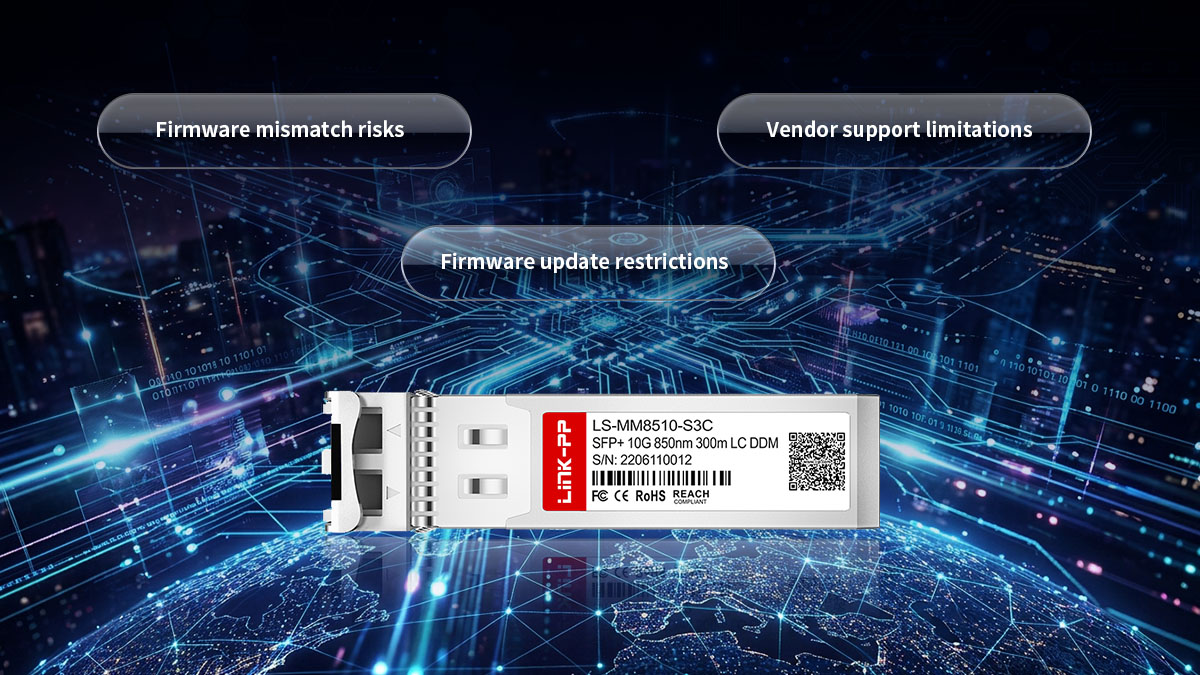
Risk Factors in Lower-Cost Alternatives
The main conclusion is that lower-cost compatible modules may introduce non-performance-related risks that affect operational stability, especially in tightly controlled vendor ecosystems.
While these modules are often functionally compliant, differences in firmware implementation, validation depth, and vendor alignment can create potential operational friction.
Key risk factors include:
- Inconsistent firmware recognition across switch platforms
- Potential incompatibility after network equipment firmware updates
- Limited access to vendor-level technical support
- Variability in production quality control between batches
- Reduced certification depth for mission-critical deployments
After evaluating these risks, it becomes evident that cost savings must be weighed against potential operational disruptions, particularly in environments where uptime requirements are strict and troubleshooting costs are high.
Total Cost of Ownership (TCO) Considerations
The key conclusion is that total cost of ownership provides a more accurate evaluation framework than unit price when assessing 10GB SR SFP+ modules.
While initial procurement cost is an important factor, long-term operational costs such as maintenance, downtime, and replacement cycles often have a greater financial impact over time.
Important TCO components include:
- Module replacement frequency over lifecycle usage
- Network downtime cost associated with compatibility failures
- Engineering time required for troubleshooting and validation
- Spare inventory requirements for mission-critical systems
- Long-term stability across firmware and hardware updates
After analyzing these factors, it becomes clear that the lowest unit price does not always result in the lowest operational cost. Instead, the most cost-efficient choice depends on deployment scale, risk tolerance, and network complexity.
🔯 Market Pricing Trends for 10GB SR SFP+ Modules
The pricing trend of 10GB SR SFP+ modules is characterized by long-term commoditization combined with short-term fluctuations driven by supply chain cycles and demand shifts. The key conclusion is that while the overall market continues to experience downward pricing pressure, stability has increased in recent years as manufacturing efficiency and supply chain normalization improve.
This makes the 10GB SR SFP+ segment a mature pricing environment where changes are gradual rather than volatile, but still influenced by macroeconomic and semiconductor industry dynamics.
Historical Price Decline Patterns
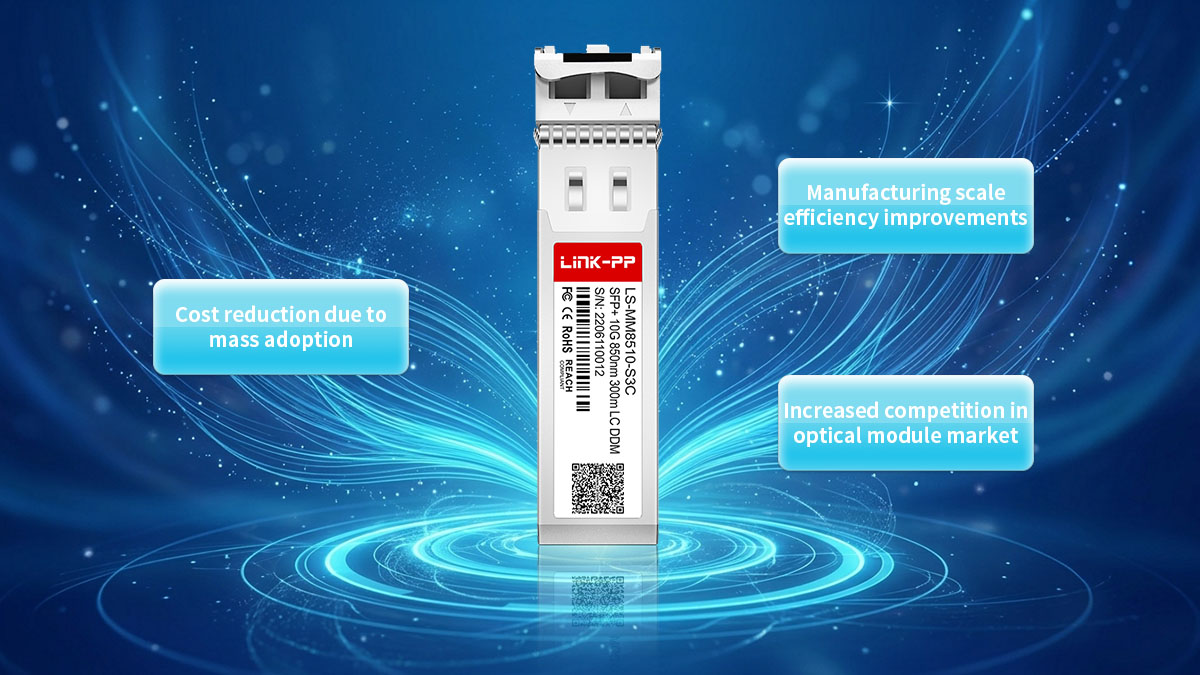
The core conclusion is that 10GB SR SFP+ pricing has followed a long-term downward trend primarily due to scale manufacturing, market maturity, and increasing competition among suppliers.
As adoption of 10G Ethernet expanded across enterprise and data center environments, production volumes increased significantly, enabling cost reductions through economies of scale.
Key drivers behind historical price declines include:
- Large-scale adoption in data center switching architectures
- Continuous improvements in optical component manufacturing yields
- Entry of multiple third-party compatible suppliers into the market
- Standardization of 10G SR specifications reducing R&D overhead
- Increased automation in assembly and calibration processes
After reviewing these factors, it becomes clear that pricing compression has been structural rather than temporary, reflecting the transition of 10GB SR SFP+ from a specialized component to a widely commoditized infrastructure element.
Current Market Stabilization Factors
The main conclusion is that the market has entered a stabilization phase where pricing no longer declines sharply but instead fluctuates within a relatively narrow range.
This stabilization is driven by a balance between sustained demand from installed base networks and matured supply chain efficiency.
Key stabilization factors include:
- Normalization of semiconductor supply chain capacity
- Balanced demand between legacy 10G systems and newer 25G/100G deployments
- Improved inventory forecasting among distributors
- Reduced component shortage volatility compared to previous cycles
- Consolidation of manufacturing capacity among key suppliers
After analyzing these conditions, it becomes evident that the market is no longer in a rapid decline phase, but instead operating within a mature equilibrium where pricing adjustments are incremental and demand remains predictable.
Future Pricing Direction
The key conclusion is that future 10GB SR SFP+ pricing is expected to remain under gradual downward pressure while maintaining relative stability, driven by continued commoditization and technological transition toward higher-speed networks.
Although 10G remains widely deployed, its role is increasingly positioned as a legacy or transitional technology within broader network evolution strategies.
Key expected pricing trends include:
- Continued gradual price compression due to manufacturing efficiency gains
- Increased differentiation between basic and enhanced monitoring-capable modules
- Reduced pricing elasticity as market demand stabilizes
- Gradual shift of innovation investment toward 25G and 100G optics
- Persistent low-cost competition among compatible module suppliers
After considering these trends, it becomes clear that while pricing will not decline sharply, it will continue to slowly adjust downward as production efficiency improves and market demand transitions toward higher-speed optical standards.
🔯 Cost Optimization Strategies for Enterprises
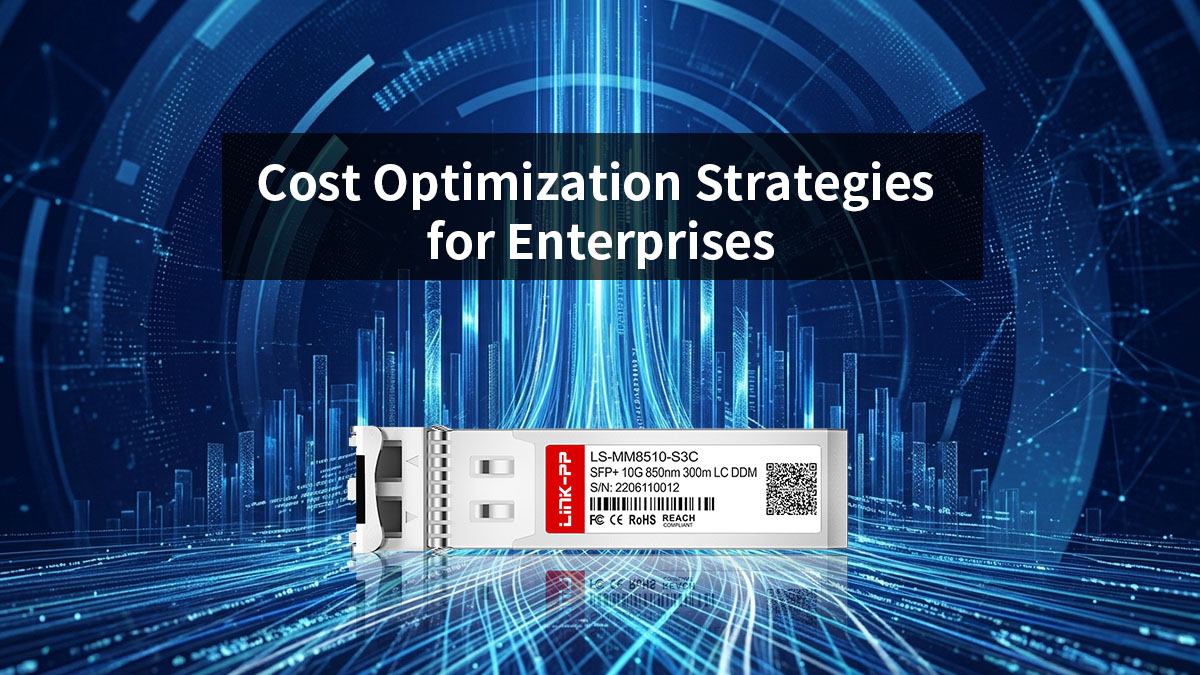
The optimization of 10GB SR SFP+ costs in enterprise environments is not achieved through unit price reduction alone, but through structured procurement, standardization, and lifecycle planning. The key conclusion is that sustainable cost efficiency comes from controlling network complexity and improving purchasing predictability rather than relying solely on the lowest-priced module options.
In large-scale optical deployments, even small improvements in procurement strategy can lead to significant reductions in total infrastructure expenditure over time.
Standardization Across Network Infrastructure
The main conclusion is that standardizing 10GB SR SFP+ modules across the network reduces hidden operational costs and simplifies long-term infrastructure management.
When enterprises use multiple module variants across different vendors or deployment zones, complexity increases in inventory control, troubleshooting, and compatibility management. Standardization helps eliminate these inefficiencies.
Key standardization strategies include:
- Unifying transceiver specifications across switching platforms
- Reducing the number of approved vendor SKUs
- Aligning optical module types with long-term network architecture plans
- Establishing consistent procurement guidelines for IT teams
- Simplifying spare parts inventory across data centers
After evaluating these practices, it becomes clear that standardization reduces not only procurement cost variance but also operational overhead, improving both financial and engineering efficiency over time.
Strategic Vendor Diversification
The key conclusion is that maintaining multiple qualified suppliers improves pricing stability and reduces dependency risks without compromising network consistency.
Relying on a single vendor can increase exposure to price fluctuations, supply shortages, or extended lead times. Diversification introduces competitive pressure and enhances procurement flexibility.
Key diversification approaches include:
- Engaging multiple compatible module suppliers for the same specification
- Balancing OEM and compatible sources based on deployment criticality
- Establishing secondary supply channels for emergency sourcing
- Comparing long-term contract terms across vendors
- Monitoring supplier performance consistency over time
After analyzing these approaches, it becomes evident that diversification is not about increasing complexity but about creating controlled redundancy in the supply chain to stabilize long-term pricing and availability.
Lifecycle-Based Procurement Planning
The main conclusion is that aligning procurement decisions with the full lifecycle of network infrastructure significantly reduces unexpected costs and improves budget predictability.
Instead of reacting to immediate hardware needs, enterprises benefit from forecasting demand across upgrade cycles and maintenance windows.
Key lifecycle planning strategies include:
- Forecasting module demand based on network expansion roadmaps
- Aligning procurement cycles with hardware refresh timelines
- Maintaining buffer inventory for critical infrastructure segments
- Scheduling bulk procurement during predictable demand windows
- Evaluating replacement cycles based on historical failure rates
After reviewing these factors, it becomes clear that lifecycle-based planning reduces emergency procurement scenarios, which are often associated with higher costs and limited supplier availability.
🔯 Key Evaluation Criteria Beyond Price
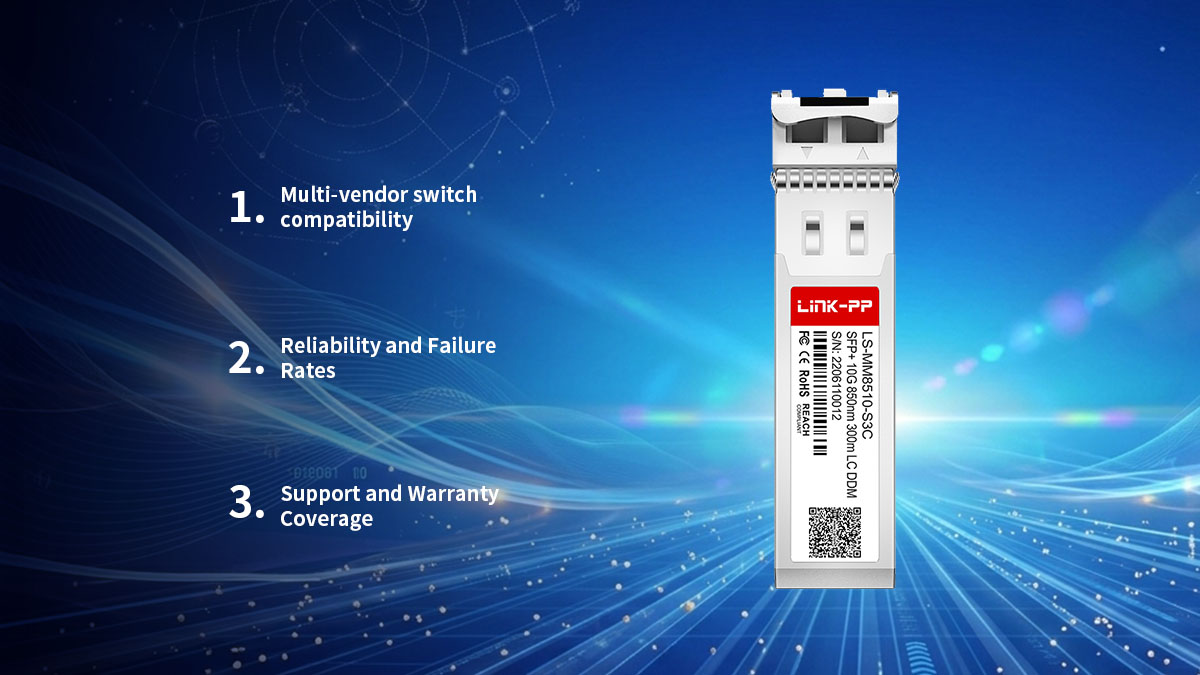
The evaluation of 10GB SR SFP+ modules cannot rely solely on unit pricing, especially in enterprise and data center environments where network reliability and interoperability directly impact operational continuity. The key conclusion is that non-price factors such as compatibility assurance, reliability performance, and vendor support quality often determine the true value of a transceiver over its lifecycle.
Interoperability Assurance
The main conclusion is that interoperability is one of the most critical evaluation criteria, as it determines whether a 10GB SR SFP+ module can function consistently across different network devices and firmware environments.
Even when modules meet identical optical specifications, real-world compatibility can vary depending on switch platforms and vendor validation rules.
Key interoperability considerations include:
- Compatibility across multi-vendor switching environments
- Firmware recognition consistency in different network devices
- Stability after network OS or firmware upgrades
- Validation testing in real deployment scenarios
- EEPROM configuration alignment with vendor requirements
After analyzing these factors, it becomes clear that strong interoperability reduces integration risk and minimizes unexpected deployment issues, which is particularly important in mixed-vendor infrastructures.
Reliability and Failure Rates
The key conclusion is that reliability performance, often measured through failure rates and operational stability, is a decisive factor in evaluating 10GB SR SFP+ modules beyond initial cost considerations.
In high-density environments, even small differences in failure rates can translate into significant operational and maintenance overhead.
Important reliability indicators include:
- Mean time between failure (MTBF) performance
- Stability under temperature and workload variations
- Long-term signal integrity consistency
- Batch-to-batch manufacturing consistency
- Field failure rate in real deployment conditions
After reviewing these indicators, it becomes evident that higher reliability reduces replacement frequency and maintenance disruptions, directly influencing total operational cost over time.
Support and Warranty Coverage
The main conclusion is that support structure and warranty policies significantly influence the long-term value of 10GB SR SFP+ modules, particularly in enterprise environments requiring predictable service continuity.
Beyond hardware performance, the availability of technical support and replacement guarantees plays a critical role in minimizing downtime risk.
Key support-related factors include:
- Warranty duration and replacement terms
- Response time for technical support inquiries
- Availability of cross-shipment or advance replacement services
- Documentation and configuration assistance quality
- Escalation support for deployment issues
After considering these elements, it becomes clear that strong support frameworks reduce operational uncertainty and improve network resilience, especially in mission-critical deployments where downtime costs exceed hardware expenses.
🔯 Conclusion
The 10GB SR SFP+ market has matured into a highly standardized yet commercially segmented ecosystem where pricing is no longer determined by performance differences, but by ecosystem control, supply chain efficiency, and procurement strategy. The key conclusion is that long-term cost efficiency depends on evaluating total deployment value rather than focusing only on unit pricing.
Across enterprise and data center environments, decision-makers are increasingly shifting toward structured procurement models that balance compatibility assurance, operational reliability, and scalable cost control. This makes pricing only one part of a broader evaluation framework that includes lifecycle stability and network risk management.
To summarize the most important insights from a pricing and procurement perspective:
- 10GB SR SFP+ modules are technically standardized, so performance differences are minimal across compliant products
- Pricing variations are mainly driven by ecosystem certification, branding, and supply chain structure
- Compatibility assurance and reliability often have greater long-term financial impact than initial cost differences
- Market pricing is stabilizing, with gradual compression rather than sharp fluctuations
- Procurement efficiency improves significantly through standardization and multi-vendor planning
These points highlight that effective cost control is not about selecting the lowest individual price, but about optimizing the entire procurement and deployment lifecycle.
From a practical sourcing perspective, enterprises often benefit from working with suppliers that can provide consistent quality control, cross-platform compatibility support, and scalable delivery capabilities. In this context, the LINK-PP Official Store serves as a structured sourcing channel for 10GB SR SFP+ modules designed for enterprise networking environments, supporting procurement strategies that require both cost predictability and deployment flexibility.
In conclusion, organizations that combine standardized network design, diversified sourcing strategies, and lifecycle-based procurement planning are better positioned to achieve sustainable cost optimization. As the 10GB SR SFP+ ecosystem continues to mature, the most successful strategies will be those that align technical compatibility with disciplined commercial planning across the entire network infrastructure lifecycle.