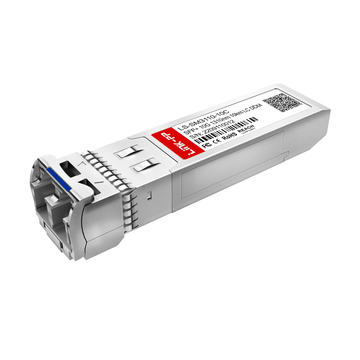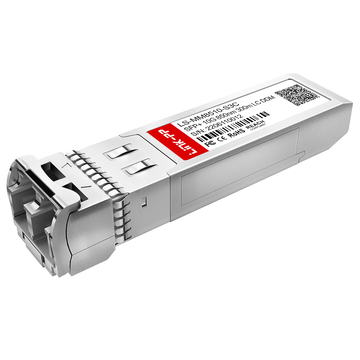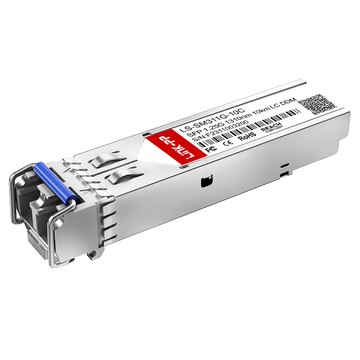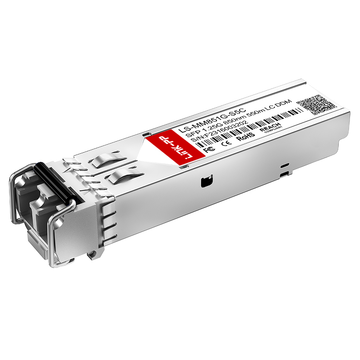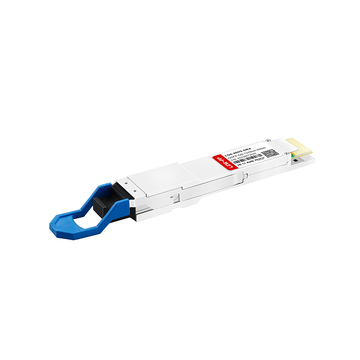
The demand for high-performance optical networking continues to grow as enterprises, ISPs, and data-driven organizations expand their infrastructure. Mikrotik networking equipment has become widely adopted due to its flexibility and cost efficiency, especially in environments requiring scalable fiber connectivity. As network bandwidth requirements increase, optical transceivers such as the Mikrotik SFP transceiver play a critical role in maintaining stable, high-speed communication across distributed systems.
At the same time, procurement teams and network engineers are facing increasing pressure to optimize infrastructure costs without compromising performance or compatibility. This has led to a growing focus on replacement and compatible transceivers rather than relying exclusively on original vendor-branded components. In this context, Mikrotik SFP Module replacement solutions have become a key consideration, especially when balancing pricing variability, supply chain stability, and long-term deployment reliability. Key decision factors typically include:
- Module compatibility with MikroTik routers and switches
- Price differences between original and compatible optics
- Availability across global supply chains
- Technical performance consistency in real-world deployments
This article provides a structured and in-depth guide to Mikrotik SFP Module replacement pricing and supply dynamics. It explains how the ecosystem works, what drives pricing differences, and how organizations can evaluate supply reliability and compatibility risks. Additionally, it explores technical considerations, cost optimization strategies, and market trends that influence procurement decisions. The goal is to help readers build a clearer understanding of both the economic and technical aspects of Mikrotik optical module selection in modern network environments.
🧾 Understanding the Mikrotik SFP Module Ecosystem
Mikrotik SFP Module ecosystem refers to the complete range of optical and copper transceiver solutions used within MikroTik networking devices, enabling high-speed data transmission across fiber and Ethernet infrastructures. In practical terms, it defines how SFP modules, SFP+ modules, and related modules interact with MikroTik routers and switches to deliver scalable and flexible network connectivity. This ecosystem is widely used in ISP backbones, enterprise networks, and data center environments where modular optical interfaces are essential for upgrading bandwidth without replacing core hardware.
What Is a Mikrotik SFP Module
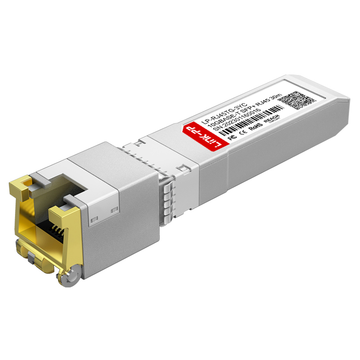
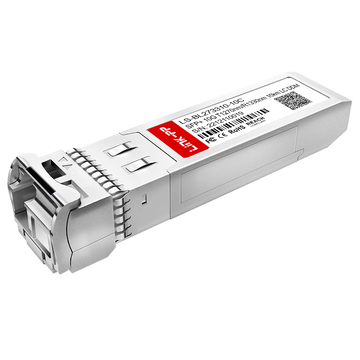
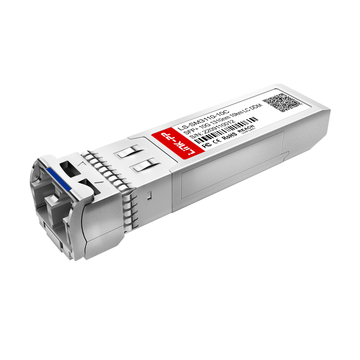
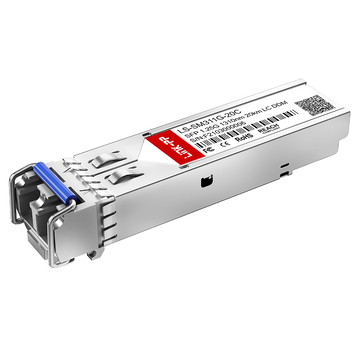
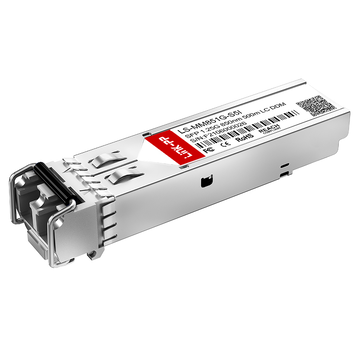
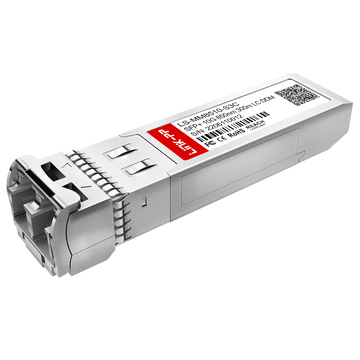
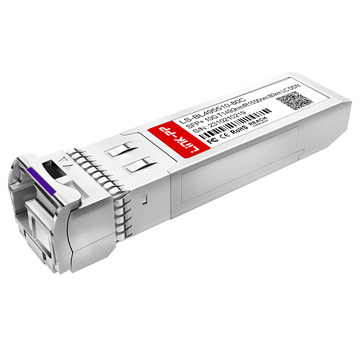
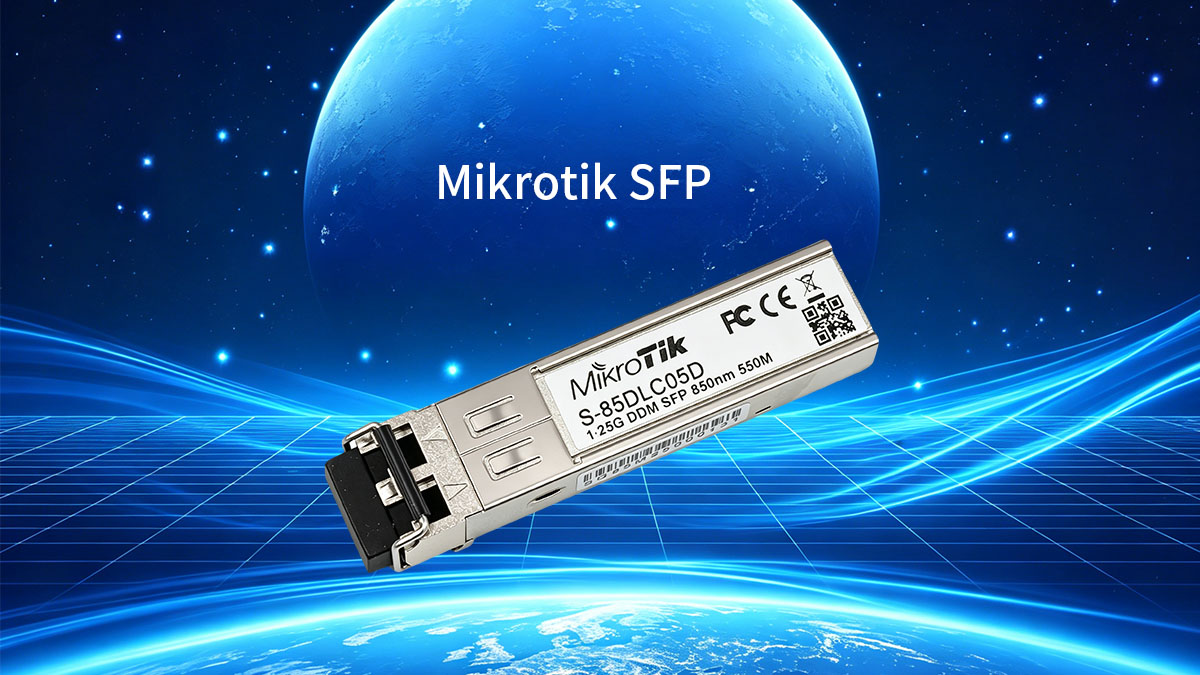
A Mikrotik SFP Module is a small-form-factor pluggable transceiver designed to provide network connectivity over fiber optic or copper media. It serves as an interface between MikroTik devices and the physical transmission medium, supporting different speeds and distances depending on module type.
From a functional perspective, these modules are typically categorized by their transmission standard and use case. Common characteristics include:
- Support for 1G (SFP) and 10G (SFP+) Ethernet speeds
- Compatibility with single-mode and multimode fiber links
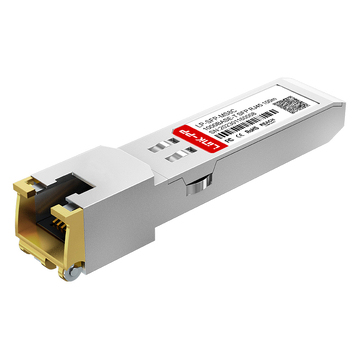
- RJ45 copper-based options for short-distance connectivity
- Hot-swappable design for flexible network maintenance
In real deployments, these modules allow network operators to upgrade or extend infrastructure without changing core routing or switching equipment, making them a foundational component in scalable network design.
Common Mikrotik SFP Module Types
Mikrotik SFP modules are available in multiple variations designed to support different network topologies, transmission distances, and performance requirements. Selecting the correct type is essential for ensuring stable connectivity and cost efficiency.
Before listing specific categories, it is important to understand that module selection directly impacts link stability, compatibility, and long-term maintenance costs. The most commonly deployed types include:
- 1G SFP modules for standard enterprise and ISP access networks
- 10G SFP+ modules for high-throughput aggregation and backbone links
- RJ45 copper SFP modules for short-range, low-cost connectivity
- Single-mode fiber modules for long-distance transmission (up to tens of kilometers)
- Multimode fiber modules for short-range data center interconnects
- BiDi optics and CWDM transceivers for fiber optimization and wavelength multiplexing
Each category serves a specific role in network architecture. After considering the list above, it becomes clear that Mikrotik SFP Module selection is not only a performance decision but also a strategic planning factor for cost control and infrastructure scalability.
Key Industries Using Mikrotik Optical Modules
Mikrotik SFP Modules are widely adopted across multiple industries due to their balance of performance, flexibility, and affordability. Their usage is particularly strong in environments where modular network expansion and cost control are equally important.
In general, the most common industry applications include:
- Internet Service Providers (ISP) building regional or metro fiber networks
- Enterprise campus networks requiring scalable inter-building connectivity
- Data centers supporting high-density switching and aggregation layers
- Surveillance and security systems requiring stable long-distance video transmission
- Industrial networking environments with distributed and remote equipment sites
Across these sectors, Mikrotik SFP Modules are valued for enabling incremental network upgrades without requiring full infrastructure replacement, making them a practical choice for both expansion and maintenance scenarios.
🧾 Global Supply Chain Dynamics of Mikrotik SFP Module Replacements
The global supply chain for Mikrotik SFP Module replacements is a multi-layered ecosystem that connects component manufacturers, optical module assemblers, distributors, and regional integrators. In practical terms, availability and pricing of replacement modules are not only determined by demand but also by upstream semiconductor supply, production capacity, and logistics efficiency. As network deployments continue to expand worldwide, supply chain stability has become a critical factor influencing procurement decisions for both enterprises and service providers.
How the Optical Transceiver Supply Chain Works
The supply chain of Mikrotik SFP Module replacements is structured around several key production and distribution stages that directly affect cost, lead time, and product consistency. Understanding this flow helps explain why pricing and availability can vary significantly across regions.
Before breaking down the stages, it is important to recognize that optical transceivers rely on precision manufacturing and strict quality control. The typical supply chain includes:
- Optical component sourcing (laser diodes, photodiodes, IC chips)
- Module design and PCB assembly by OEM factories
- EEPROM programming and compatibility coding for vendor systems
- Quality testing, including optical power and signal integrity validation
- Global distribution through wholesalers and regional resellers
Each step adds both value and cost to the final Mikrotik SFP Module replacement. After this process, products enter regional markets where pricing is further influenced by local demand and logistics conditions.
Factors Influencing Replacement Module Availability
Availability of Mikrotik SFP Module replacements is highly dynamic and can fluctuate based on both macroeconomic and industry-specific factors. These variations often explain why identical modules may have different lead times or stock levels across regions.
The most common influencing factors include:
- Semiconductor supply constraints affecting optical chipset production
- Global logistics disruptions, including shipping delays and freight capacity limits
- Sudden demand surges from ISP network expansion or data center upgrades
- Inventory allocation strategies by distributors across different markets
- Seasonal procurement cycles in telecom infrastructure projects
After considering these factors, it becomes clear that supply availability is not purely a manufacturing issue but a combined result of global demand patterns and logistical execution efficiency.
Regional Supply Trends in the Global Market
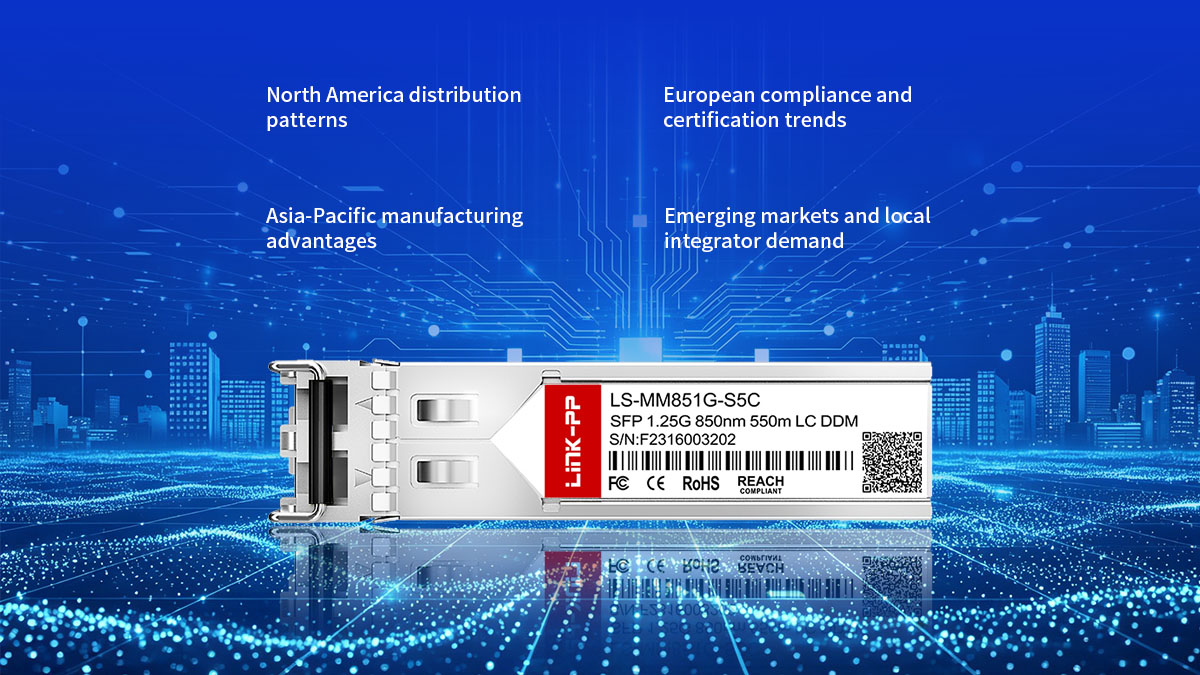
The supply dynamics of Mikrotik SFP Module replacements vary significantly across regions due to differences in manufacturing concentration, regulatory requirements, and market demand intensity. These regional patterns directly influence pricing competitiveness and procurement strategies.
In general, global supply trends can be summarized as follows:
- North America: Strong demand from enterprise and ISP sectors, with emphasis on certified and compliant optical modules
- Europe: Focus on regulatory compliance and energy efficiency standards, with stable but quality-driven procurement patterns
- Asia-Pacific: Major manufacturing hub for optical components and modules, often providing faster production cycles and cost advantages
- Emerging markets: High sensitivity to pricing, with strong reliance on compatible and third-party optical module solutions
Across these regions, Asia-Pacific continues to play a central role in production and supply scalability, while North America and Europe primarily drive specification standards and quality expectations. This global balance shapes both pricing structures and long-term availability of Mikrotik SFP Module replacement solutions.
🧾 Pricing Structure of Compatible Mikrotik SFP Module Solutions
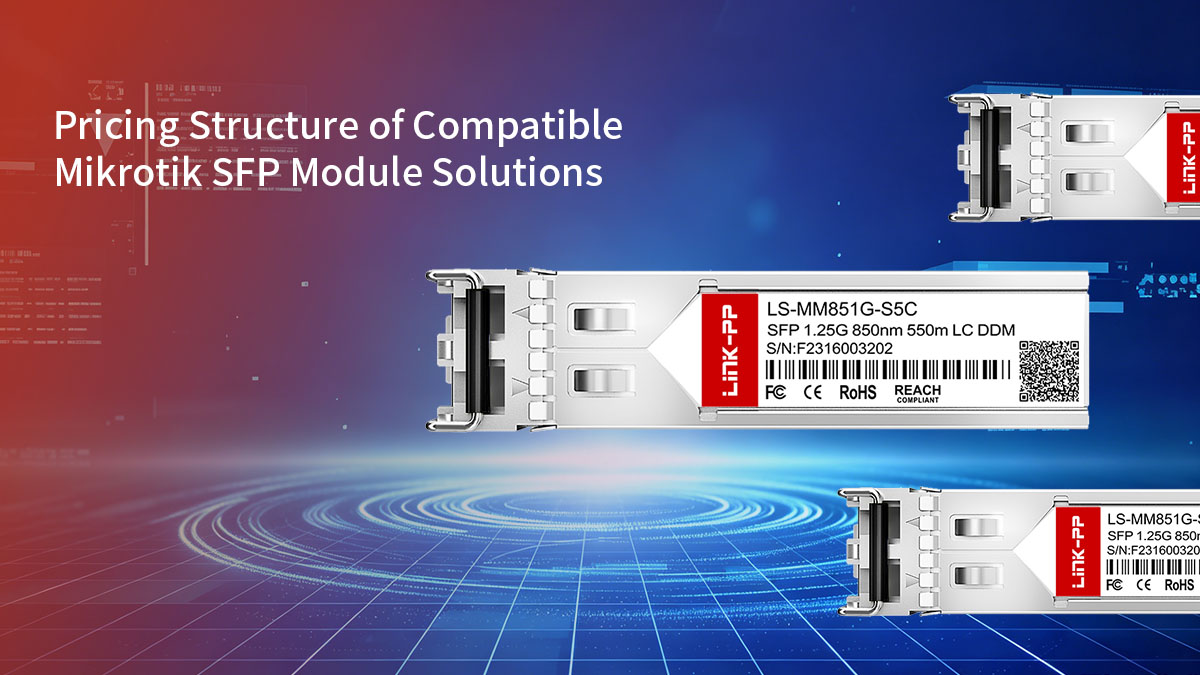
The pricing structure of Mikrotik SFP Module replacement solutions is shaped by a combination of hardware specifications, production costs, testing standards, and global supply conditions. In general, compatible modules are positioned as cost-optimized alternatives to original optics, but their pricing is not uniform. Instead, it varies significantly depending on performance class, transmission requirements, and quality assurance level. Understanding these pricing layers is essential for making informed procurement decisions in both enterprise and ISP environments.
Core Factors Affecting Replacement Module Pricing
The price of a Mikrotik SFP Module replacement is primarily determined by its technical configuration and manufacturing complexity. Higher performance requirements and stricter testing standards directly increase production costs, which are reflected in final pricing.
Before listing specific factors, it is important to note that pricing is not only driven by hardware materials but also by validation and compatibility engineering. The key pricing drivers include:
- Optical components such as laser quality and chipset grade
- Transmission distance requirements (short-range optics vs long-range optics)
- Support for industrial temperature ranges in harsh environments
- EEPROM programming and compatibility tuning for MikroTik systems
- Quality assurance processes, including optical power and stress testing
These factors collectively define the baseline cost of each module. After this foundation is established, market-level variables further influence final pricing.
Price Differences Between Original and Compatible Alternatives
The pricing gap between original Mikrotik SFP modules and compatible alternatives is one of the most important considerations in optical network procurement. While both categories are designed to support similar network functions, their cost structures and value positioning differ significantly due to branding, manufacturing strategy, and supply chain models.
To better understand these differences, the comparison below highlights the key distinctions between original and compatible Mikrotik SFP Module solutions:
| Comparison Factor | Original Mikrotik SFP Modules | Compatible Mikrotik SFP Modules |
|---|---|---|
| Pricing Structure | Higher due to brand positioning and official distribution channels | Lower due to optimized manufacturing and absence of brand premium |
| Performance Level | Stable and fully validated within MikroTik ecosystem | Comparable performance when properly tested and calibrated |
| Compatibility Assurance | Guaranteed native compatibility | Requires EEPROM coding and validation from supplier |
| Supply Availability | Limited to official distribution networks | More flexible global supply channels |
| Use Case Positioning | Preferred in strict vendor-standard environments | Widely used in cost-optimized large-scale deployments |
After reviewing this comparison, it becomes clear that compatible Mikrotik SFP Module solutions primarily compete through cost efficiency while maintaining functional parity under proper quality control.
Pricing Comparison Across Module Categories
Different module types serve different network layers, and each category carries a distinct cost structure. To better understand how pricing varies, the following table summarizes the typical segmentation based on technical specifications.
| Module Type | Typical Speed | Transmission Media | Cost Level | Key Pricing Driver |
|---|---|---|---|---|
| 1Gbps | Multimode fiber | Low | Short-distance optics and simpler design | |
| 1Gbps | Single-mode fiber | Medium | Higher optical precision for long distance | |
| 10Gbps | Multimode fiber | Medium | Higher-speed chipset requirements | |
| 10Gbps | Single-mode fiber | High | Long-range laser and signal stability | |
|
RJ45 Copper SFP |
1Gbps/10Gbps | Copper Ethernet | Medium | PHY chipset and heat management |
|
BiDi / CWDM Modules |
1G–10G | Single-fiber systems | High | Wavelength multiplexing complexity |
After reviewing this structure, it becomes clear that Mikrotik SFP Module pricing increases primarily with transmission distance, speed, and optical complexity rather than form factor alone.
How Market Volatility Impacts Optical Module Pricing
Beyond technical specifications, Mikrotik SFP Module pricing is also influenced by global market volatility. These external factors can cause short-term fluctuations even when product specifications remain unchanged.
The most common external influences include:
- Currency exchange rate fluctuations affecting cross-border procurement
- Freight and logistics cost variations due to global shipping conditions
- Semiconductor supply chain disruptions impacting component availability
- Seasonal demand spikes from telecom and infrastructure expansion cycles
After considering these variables, it is clear that pricing stability is not solely dependent on manufacturing but also on global economic and logistical conditions. This makes long-term procurement planning an important strategy for cost control in optical networking deployments.
🧾 How to Evaluate Reliable Mikrotik SFP Module Replacement Suppliers
Selecting a reliable supplier for Mikrotik SFP Module replacement solutions is a critical step in ensuring network stability, cost efficiency, and long-term operational continuity. In practice, supplier quality directly affects module compatibility, failure rates, and deployment risk. A well-qualified supplier does not only provide optical modules but also ensures consistent performance validation, stable supply capacity, and technical support across different network environments.
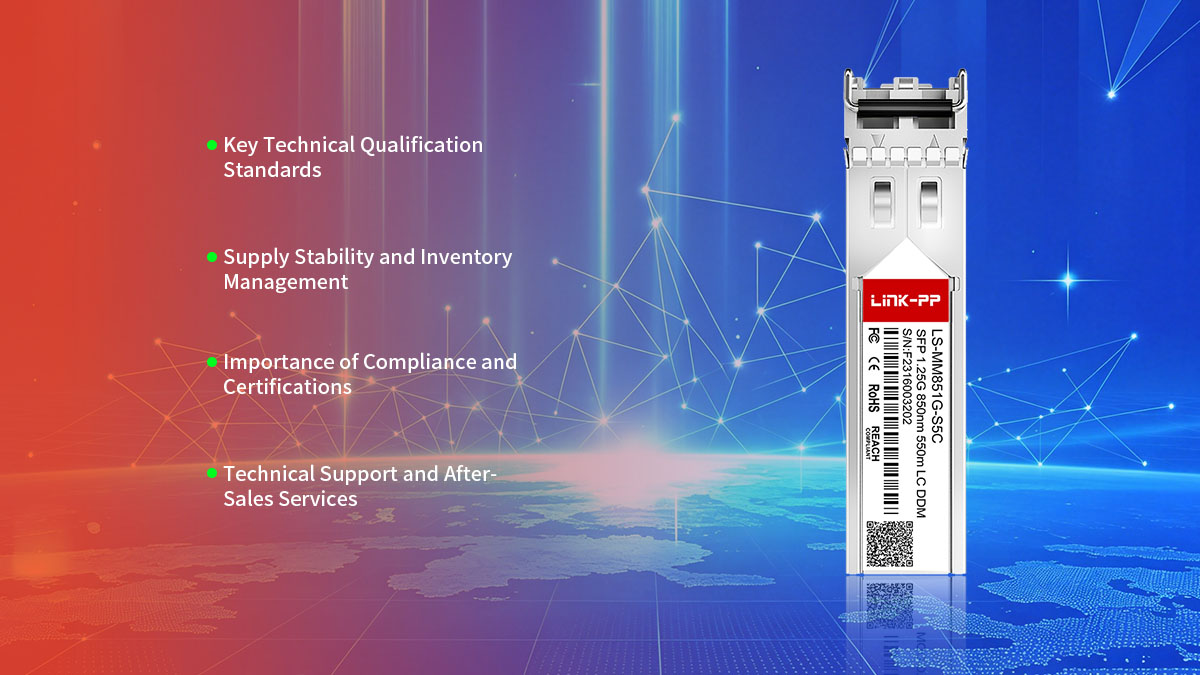
Key Technical Qualification Standards
A reliable Mikrotik SFP Module supplier must demonstrate strong technical qualification capabilities, especially in compatibility engineering and optical performance validation. These standards determine whether modules can operate stably within MikroTik networking environments without link errors or recognition issues.
Before listing specific requirements, it is important to understand that optical transceivers require precise calibration to ensure signal integrity and interoperability. The core technical qualification standards include:
- EEPROM coding accuracy for MikroTik device recognition
- Optical power level calibration for stable transmission performance
- Digital Diagnostics Monitoring (DDM/DOM) support for real-time health tracking
- Bit error rate (BER) testing under different load conditions
- Compatibility validation across multiple MikroTik router and switch models
These technical standards ensure that Mikrotik SFP Module replacements perform consistently under real-world network conditions, not just laboratory testing environments.
Supply Stability and Inventory Management
Beyond technical capability, supply stability is one of the most important indicators of a reliable supplier. In large-scale deployments, inconsistent supply can lead to project delays, increased costs, and operational risks.
Before examining key indicators, it is essential to recognize that optical networking projects often require bulk and repeat procurement. A stable supplier typically demonstrates:
- Consistent production capacity across multiple module types
- Sufficient warehouse inventory for fast order fulfillment
- Predictable lead times for both standard and customized modules
- Ability to support urgent replacement requirements
- Multi-region logistics support for global deployment needs
After considering these factors, it becomes clear that supply reliability is not only about availability but also about execution consistency across time and geography.
Importance of Compliance and Certifications
Compliance and certification standards provide an additional layer of assurance regarding product quality, safety, and manufacturing consistency. For Mikrotik SFP Module replacements, these certifications help reduce procurement risk and ensure compatibility with international deployment standards.
Before listing common certifications, it is important to note that compliance is often a reflection of manufacturing discipline and process control. Key certifications include:
- RoHS compliance for environmental safety standards
- CE certification for European market regulatory approval
- FCC compliance for electromagnetic compatibility requirements
- ISO9001 quality management system certification
- Product-level optical performance testing documentation
These certifications help ensure that Mikrotik SFP Module replacements meet both technical and regulatory expectations in enterprise and telecom environments.
Technical Support and After-Sales Services
Technical support capability is a key differentiator among suppliers, especially in complex network environments where compatibility and deployment issues may arise. Strong support reduces downtime and improves long-term network reliability.
Before listing service elements, it is important to understand that optical module deployment often involves cross-vendor interoperability challenges. Reliable suppliers typically provide:
- Compatibility troubleshooting for MikroTik device integration
- Deployment guidance for different network topologies
- Firmware and EEPROM tuning support when required
- Optical link diagnostics assistance for performance optimization
- Warranty-backed replacement or failure handling processes
After evaluating these services, it becomes clear that supplier value extends beyond hardware delivery and into long-term network performance assurance.
🧾 Technical Compatibility Considerations in MikroTik Networks
Technical compatibility is one of the most critical factors when deploying Mikrotik SFP Module solutions in real-world networks. In practical terms, even if a module is physically identical and meets speed requirements, it may still fail to operate correctly if it is not properly recognized by MikroTik hardware or does not match optical parameters. Ensuring compatibility is therefore essential for maintaining stable links, avoiding downtime, and optimizing long-term network performance.
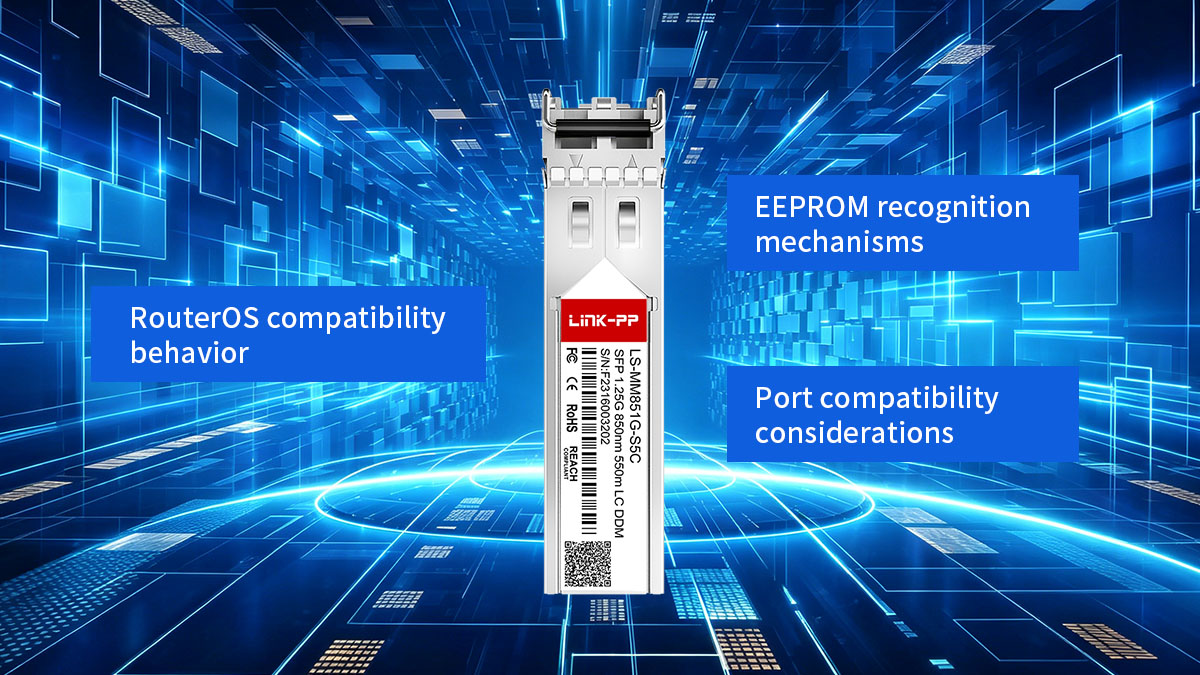
Understanding MikroTik Compatibility Requirements
MikroTik devices rely on specific identification and signaling mechanisms to detect and initialize SFP modules. A Mikrotik SFP Module must not only meet optical standards but also be properly recognized at the firmware level to function correctly within RouterOS environments.
Before listing key requirements, it is important to understand that compatibility is influenced by both hardware and software behavior. The core requirements include:
- Proper EEPROM coding for MikroTik device recognition
- Correct speed negotiation parameters (1G or 10G alignment)
- Matching optical wavelength and interface standards
- Stable link initialization under RouterOS detection logic
- Support for Digital Diagnostic Monitoring (DDM) where applicable
These factors ensure that Mikrotik SFP Module replacements can integrate seamlessly into existing network configurations without requiring manual workaround adjustments.
Common Compatibility Challenges
Even when using correctly specified modules, compatibility issues can still occur due to subtle mismatches in optical behavior, firmware interpretation, or hardware tolerances. These issues often appear during initial deployment or under high-load conditions.
Before listing common problems, it is important to note that most compatibility failures are not physical defects but configuration or signaling mismatches. The most frequent challenges include:
- Module not being detected by MikroTik devices
- Link flapping or unstable connection behavior
- Speed negotiation failures between connected endpoints
- Optical power mismatch causing weak or dropped signals
- Overheating issues in high-density port environments
After reviewing these challenges, it becomes clear that compatibility is not a single-point verification but a combination of electrical, optical, and firmware-level alignment.
Best Practices for Stable Deployment
Ensuring stable operation of Mikrotik SFP Module replacements requires not only correct selection but also proper deployment practices. These practices help minimize failure rates and extend module lifespan in active networks.
Before listing best practices, it is important to recognize that most issues in optical networks arise from handling or configuration rather than hardware defects. Recommended practices include:
- Verifying module specification alignment before installation
- Cleaning fiber connectors to prevent signal degradation
- Avoiding mixed fiber types within the same link
- Monitoring optical diagnostics after deployment
- Ensuring proper airflow in high-density switch environments
After applying these practices, network operators can significantly improve stability and reduce unexpected link failures in MikroTik-based infrastructures.
🧾 Cost Optimization Strategies for Enterprise Network Deployments
Cost optimization in enterprise network deployments is not simply about selecting the lowest-priced components; it is about achieving the best balance between performance, reliability, and lifecycle cost. In the context of Mikrotik SFP Module deployments, organizations must consider not only initial procurement costs but also maintenance frequency, compatibility stability, and scalability requirements. A well-optimized optical infrastructure reduces long-term operational expenses while maintaining consistent network performance across distributed environments.

Balancing Price and Network Reliability
The most effective cost optimization strategy starts with balancing upfront pricing against long-term network reliability. A low-cost Mikrotik SFP Module may appear attractive initially, but if it introduces higher failure rates or compatibility issues, the total cost of ownership can increase significantly due to downtime and replacement cycles.
Before outlining specific considerations, it is important to understand that network stability directly impacts business continuity. Key balancing factors include:
- Module quality consistency versus initial procurement cost
- Failure rate risk in high-density deployment environments
- Maintenance and replacement frequency over time
- Impact of downtime on service-level agreements (SLAs)
- Compatibility reliability with existing MikroTik infrastructure
After evaluating these factors, it becomes clear that cost optimization must prioritize lifecycle value rather than short-term pricing advantages.
Standardizing Optical Module Procurement
Standardization is one of the most effective ways to reduce overall network costs in large-scale deployments. By limiting the number of module types used across an infrastructure, organizations can simplify inventory management, reduce operational complexity, and improve replacement efficiency.
Before listing standardization benefits, it is important to note that mixed optical environments often increase both technical and logistical costs. Common standardization strategies include:
- Using unified Mikrotik SFP Module specifications across multiple sites
- Reducing variation in transmission speeds and fiber types
- Consolidating suppliers to streamline procurement workflows
- Maintaining consistent spare module inventories for rapid replacement
- Aligning module selection with long-term network architecture plans
After applying standardization, organizations typically experience lower inventory overhead and faster fault resolution times in production environments.
Planning Long-Term Optical Infrastructure Budgets
Effective cost optimization requires forward-looking budget planning rather than reactive procurement. Optical networks evolve over time, and unplanned expansion or emergency replacements often result in higher costs and inconsistent module selection.
Before detailing planning methods, it is important to emphasize that structured budgeting reduces procurement volatility. Key planning practices include:
- Forecasting bandwidth growth requirements for 1–3 year cycles
- Aligning Mikrotik SFP Module procurement with infrastructure expansion plans
- Allocating budget for spare modules and emergency replacements
- Considering multi-site deployment scaling requirements
- Evaluating total cost of ownership rather than unit price alone
After implementing long-term planning, enterprises can significantly reduce unplanned expenditures and improve procurement efficiency across network lifecycles.
Advantages of Working with Specialized Compatible Optics Suppliers
Partnering with specialized suppliers of compatible Mikrotik SFP Module solutions can further enhance cost efficiency while maintaining technical reliability. These suppliers often provide optimized production, flexible inventory models, and better pricing consistency compared to fragmented sourcing channels.
Before listing advantages, it is important to understand that supplier specialization often translates into better process control and product consistency. Key advantages include:
- Stable pricing structures across different module categories
- Faster fulfillment through dedicated optical module inventories
- Broader compatibility coverage across MikroTik devices
- Ability to support mixed-scale deployments from SMB to ISP level
- More flexible customization for specific network requirements
After evaluating these advantages, it becomes evident that supplier selection is a strategic cost factor, not just a transactional decision in Mikrotik SFP Module procurement.
🧾 Emerging Trends in the Mikrotik SFP Module Replacement Market
The Mikrotik SFP Module replacement market is evolving rapidly as global networks shift toward higher bandwidth, greater efficiency, and more flexible infrastructure design. In practice, these changes are driven by data consumption growth, cloud adoption, and the expansion of edge computing. As a result, both demand patterns and product design strategies are changing, with compatible optical modules playing an increasingly important role in cost-sensitive and scalable deployments.
Increasing Demand for Higher-Speed Connectivity
The most significant trend shaping the Mikrotik SFP Module market is the accelerating demand for higher-speed networking. Enterprises, ISPs, and data centers are continuously upgrading from 1G to 10G and beyond, driven by traffic-heavy applications such as video streaming, cloud services, and virtualization.
Before listing key demand drivers, it is important to understand that bandwidth expansion is now a structural requirement rather than a periodic upgrade. The main drivers include:
- Rapid growth of cloud-based applications and SaaS platforms
- Expansion of ISP backbone and metro aggregation networks
- Increasing adoption of high-definition video surveillance systems
- Growth of edge computing and distributed data processing
- Enterprise migration toward virtualization and hybrid cloud environments
After considering these factors, it becomes clear that Mikrotik SFP Module replacements must increasingly support higher-speed and more stable transmission standards to meet evolving network demands.
Evolution of Third-Party Compatibility Technologies
Another major trend is the continuous improvement of compatibility engineering in third-party optical modules. Modern Mikrotik SFP Module replacements are no longer simple hardware replicas; they now integrate advanced coding, testing, and calibration techniques to ensure seamless interoperability with MikroTik systems.
Before listing specific improvements, it is important to note that compatibility has shifted from basic recognition to full performance optimization. Key technological advancements include:
- Enhanced EEPROM programming for improved device recognition accuracy
- Advanced firmware tuning for RouterOS compatibility stability
- Improved optical calibration for reduced signal loss and jitter
- Broader support for Digital Diagnostic Monitoring (DDM/DOM)
- Expanded cross-platform compatibility testing across multiple MikroTik models
After reviewing these advancements, it is evident that compatibility technology has become a core competitive factor in the replacement module market.
Sustainability and Green Networking Considerations
Sustainability is becoming an increasingly important consideration in optical networking design, including Mikrotik SFP Module deployments. Enterprises are now prioritizing energy-efficient components and longer lifecycle hardware to reduce both operational costs and environmental impact.
Before outlining key sustainability factors, it is important to understand that network hardware efficiency directly affects large-scale power consumption. The main sustainability trends include:
- Development of low-power optical transceiver designs
- Increased focus on long-life components to reduce replacement cycles
- Optimization of thermal performance for lower cooling requirements
- Reduction of electronic waste through reusable infrastructure components
- Adoption of environmentally compliant manufacturing processes
After considering these trends, it becomes clear that sustainability is now closely linked to both cost efficiency and corporate responsibility in network planning.
Future Supply Chain Outlook
The supply chain for Mikrotik SFP Module replacements is expected to become more diversified and resilient in response to global disruptions experienced in recent years. Manufacturers and suppliers are increasingly adopting strategies that reduce dependency on single-region production and improve delivery stability.
Before listing future developments, it is important to recognize that supply chain resilience directly affects pricing stability and availability. Key future directions include:
- Geographic diversification of optical module manufacturing hubs
- Increased automation in production and testing processes
- Expansion of regional warehouses for faster fulfillment
- Strengthening of multi-sourcing strategies for critical components
- Greater integration of digital supply chain management systems
After evaluating these developments, it is clear that the Mikrotik SFP Module replacement market is moving toward a more distributed, efficient, and resilient global supply structure.
🧾 Conclusion
The Mikrotik SFP Module replacement market is shaped by a combination of technical requirements, pricing structures, and global supply chain dynamics. Across enterprise networks, ISPs, and data center environments, organizations increasingly rely on compatible optical modules to balance performance needs with cost efficiency. When evaluated properly, Mikrotik SFP Module replacements can deliver stable connectivity, scalable deployment options, and significant procurement flexibility without compromising network reliability.
From a broader perspective, several core conclusions emerge from this guide:
- Pricing is primarily driven by optical performance, transmission distance, and manufacturing quality
- Supply stability depends heavily on global production capacity and logistics efficiency
- Compatibility with MikroTik devices is a critical factor that directly impacts deployment success
- Standardization and long-term planning significantly reduce total network ownership costs
- Market trends are shifting toward higher-speed, more energy-efficient, and more resilient optical solutions
These insights highlight that effective Mikrotik SFP Module procurement is not a single-step purchasing decision but a continuous optimization process involving technical evaluation, supplier selection, and lifecycle cost management.
As network infrastructures continue to expand and evolve, working with a reliable optical module supplier becomes increasingly important for maintaining consistent performance and predictable supply. Platforms such as LINK-PP Official Store provide structured access to compatible optical transceiver solutions designed to support diverse networking requirements, helping organizations streamline sourcing while maintaining alignment with modern deployment standards.
Ultimately, success in Mikrotik SFP Module deployment depends on a balanced approach that integrates:
- Technical compatibility assurance across MikroTik environments
- Cost-efficient procurement strategies aligned with long-term scaling
- Stable supply chain partnerships for uninterrupted network operations
- Continuous adaptation to emerging networking and bandwidth trends
By applying these principles, enterprises can build more resilient, scalable, and cost-effective optical network infrastructures that support both current and future connectivity demands.