



































Are you struggling to scale your network infrastructure without blowing through your annual IT budget? As data demands skyrocket, modern data centers are under immense pressure to upgrade to higher speeds while keeping deployment costs under tight control. If you are looking for a cost-effective way to achieve high-performance connectivity, the Mellanox MMA1B00 C100D 100G transceiver might be the exact budget-friendly solution your network needs.
Why do enterprise data centers continue to pay a massive premium for brand-name hardware when reliable alternatives exist? Balancing strict financial limits with the technical demands of 100G SR4 speeds and MPO-12 cabling can feel like a high-stakes guessing game. By understanding the core specifications and smart procurement strategies of this specific module, you can significantly lower your total cost of ownership without sacrificing network reliability.
🔵 Introduction to the Mellanox MMA1B00 C100D and Data Center Budgeting
Navigating the complexities of data center upgrades requires a strategic approach to both hardware selection and financial planning. Choosing the right transceiver ensures optimal network efficiency while preventing unnecessary capital expenditure. Aligning infrastructure needs with cost-effective components is the foundation of building a scalable, budget-conscious network environment.
What is This 100G Module and Why Do Data Centers Use It?
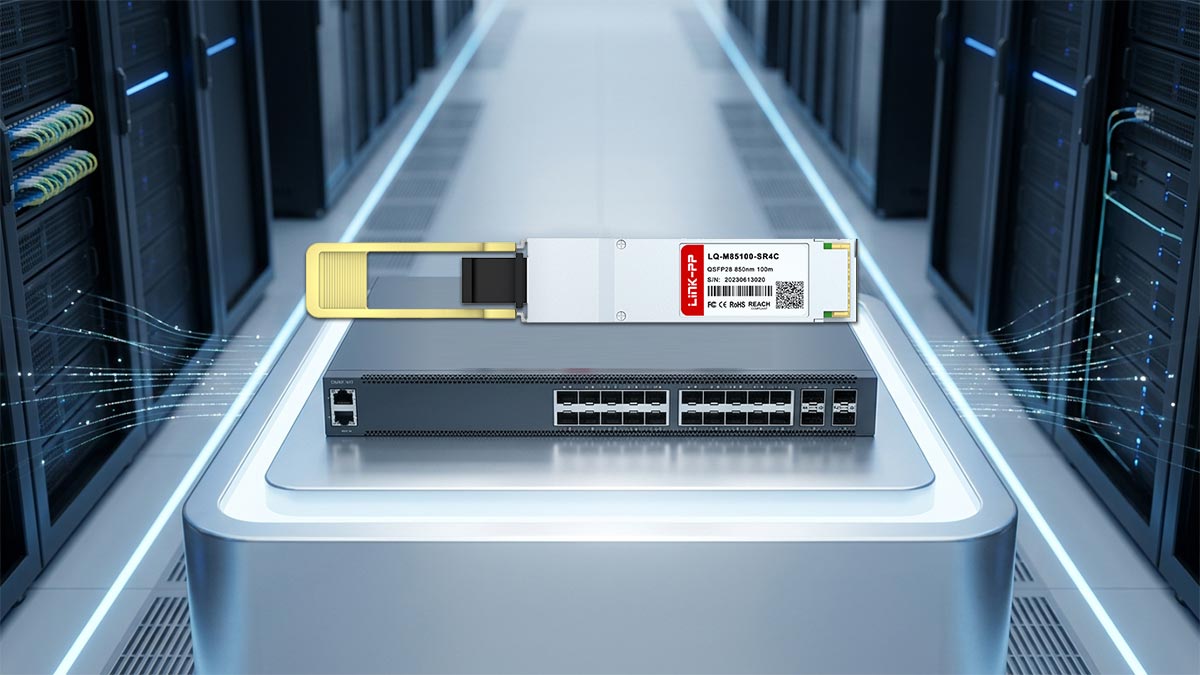
The Mellanox MMA1B00 C100D is an optical transceiver module designed for high-density, high-speed data transmission over short distances. Operating at 100Gbps using short-range (SR4) technology, it relies on multi-mode fiber to connect switches, routers, and servers seamlessly. Data centers widely adopt this QSFP28 100G module because it delivers the perfect blend of rapid data throughput and power efficiency for enterprise environments.
To better understand its role in network architecture, the following table outlines the core specifications and primary deployment use cases for this transceiver:
| Feature / Metric | Specification Details | Data Center Use Case & Benefit |
| Data Rate | 100Gbps (4x 25G channels) | High-bandwidth aggregation and switch-to-switch links |
| Optical Wavelength | 850nm | Standard short-range multi-mode communication |
| Form Factor | QSFP28 | High-density port utilization on modern network switches |
| Max Distance | Up to 100m (OM4) / 70m (OM3) | Ideal for intra-rack and inter-rack connections in standard rows |
| Connector Type | MPO-12 | Supports parallel optics for streamlined, organized cabling |
| Power Consumption | Typically < 2.5W | Lowers the heat load and energy expenses of the facility |
The Growing Need for Affordable 100G Network Upgrades
Modern data centers are facing an unprecedented surge in data traffic driven by cloud computing, AI workloads, and virtualization. As a result, older 10G and 40G architectures are rapidly bottlenecking, forcing operators to transition to 100G speeds to maintain smooth operations.
However, upgrading an entire network infrastructure can become prohibitively expensive if hardware costs are not carefully managed. Finding affordable 100G components is no longer just a luxury, but an operational necessity for businesses that want to stay competitive without draining their capital reserves.
Balancing Network Performance with Strict Budget Limits
Network engineers often face the difficult challenge of delivering top-tier network speed while adhering to rigid corporate financial constraints. It is easy to overspend on high-end, long-range optics when simpler, short-range solutions would get the job done perfectly.
Achieving the right balance involves identifying components that meet precise performance metrics without adding costly, redundant features. By focusing on cost-effective modules tailored for specific distances, data centers can achieve maximum uptime and speed while keeping the procurement budget fully intact.
🔵 Understanding the Core Specs of Mellanox MMA1B00 C100D to Avoid Overspending
A precise analysis of hardware specifications is vital to preventing costly mistakes during network upgrades. Understanding exactly what a transceiver can and cannot do protects organizations from paying for features they will never use. Focusing on these core metrics ensures a precise match between network requirements and hardware procurement.
Decoding the 100G SR4 Speed to Buy Only the Performance You Need
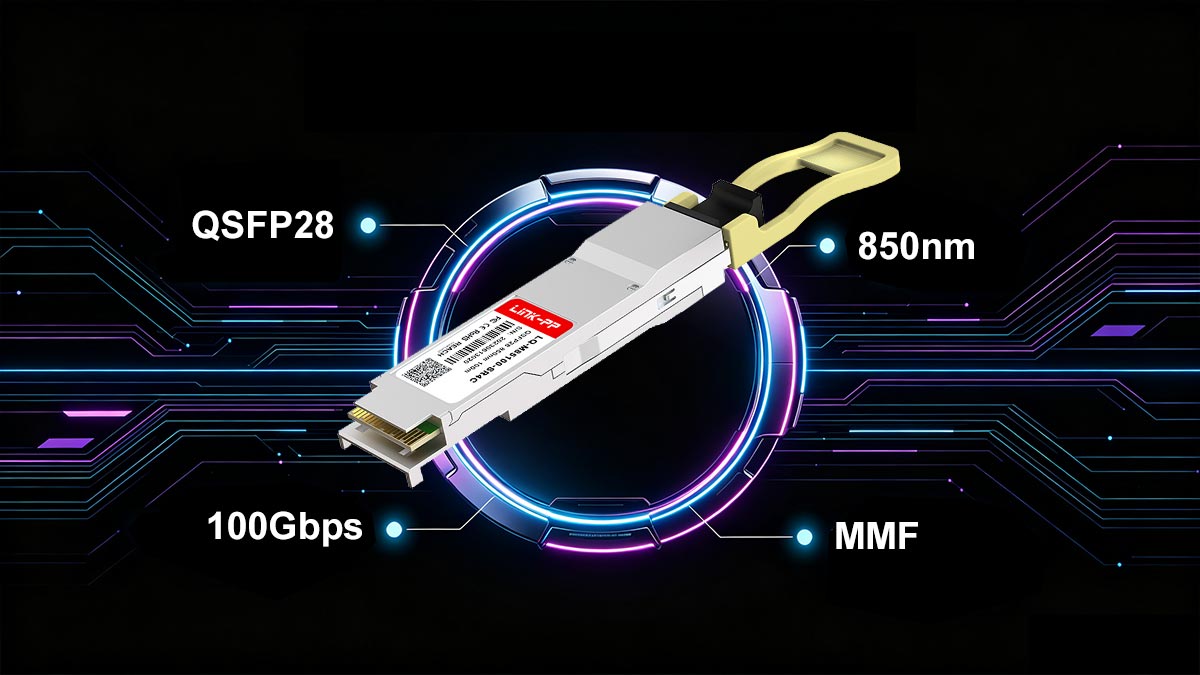
The Mellanox MMA1B00 C100D utilizes "SR4" technology, which stands for Short Range over 4 parallel channels. This means the module splits the 100Gbps total bandwidth into four separate lines of 25Gbps working simultaneously. It is designed specifically for short-distance transmissions within the data center, making it an unnecessary expense if you need long-distance, inter-building connections.
Several key performance factors define this 100G SR4 optical architecture:
- Four independent channels: Transmits data using 4 lanes at 25Gbps each.
- 850nm wavelength: Uses short-wavelength lasers optimized for multi-mode fiber.
- Short-range focus: Avoids the expensive internal lasers found in single-mode optics.
- Intra-rack efficiency: Perfect for connecting adjacent switches and servers.
How Multi-Mode Fiber Distance Limits Protect You from Buying Wrong Cables
Multi-mode fiber optic cables are engineered for short distances and carry a much lower price tag than single-mode alternatives. The Mellanox MMA1B00 C100D works exclusively with multi-mode fiber, meaning it cannot transmit signals down thin, long-range single-mode glass lines. Knowing the exact distance limits of your data center floor prevents you from wasting money on incompatible cabling.
The following distance guidelines apply directly to this specific transceiver:
- OM3 fiber limits: Reaches a maximum reliable distance of 70m.
- OM4 fiber limits: Extends the maximum data transmission up to 100m.
- Strict ceiling: Signal dropoff occurs rapidly if these distances are exceeded.
MPO-12 Connector Requirements and Managing Your Cabling Budget
Unlike standard transceivers that use two-fiber LC connectors, the Mellanox MMA1B00 C100D requires an MPO-12 connector. This specialized connector houses all 12 fibers in a single plug, using 4 fibers to transmit, 4 to receive, and leaving 4 unused. Because MPO cables cost more than standard patch cords, factoring them into your initial budget prevents unexpected setup expenses.
These critical cabling details must be reviewed before buying your physical infrastructure:
- 12-fiber interface: Utilizes a single push-pull connector for 12 parallel fibers.
- Pin polarity matters: Requires Type-B polarity cables for proper switch-to-switch alignment.
- Higher cable density: Reduces cable clutter behind server racks significantly.
- Increased up-front cost: Requires a higher initial investment than traditional LC cords.
Using Built-In Diagnostics to Cut Down on Future Maintenance Costs
The Mellanox MMA1B00 C100D includes digital diagnostic monitoring (DDM), which tracks the real-time health of the transceiver. This built-in feature allows IT teams to view laser temperature, supply voltage, and received optical power without specialized testing tools. Leveraging these diagnostics helps prevent network downtime and drastically lowers your long-term troubleshooting expenses.
The integrated diagnostic system monitors several vital metrics simultaneously:
- Optical power tracking: Measures exact transmit and receive laser power levels.
- Temperature monitoring: Alerts staff if a module is overheating inside the switch.
- Voltage fluctuation alerts: Catches unstable power delivery before a failure occurs.
- Early fault prediction: Isolates bad cables quickly without manual line testing.
🔵 OEM vs. Third-Party Pricing for Mellanox MMA1B00 C100D
Evaluating the financial gap between original equipment manufacturer (OEM) hardware and independent alternatives is a crucial step in data center budgeting. While both options provide the exact same networking speeds, the market price for the Mellanox MMA1B00 C100D can vary drastically depending on the vendor badge. Understanding these pricing dynamics allows procurement managers to make informed, cost-effective decisions without sacrificing network integrity.
The Price Premium of Buying Original NVIDIA Mellanox Hardware
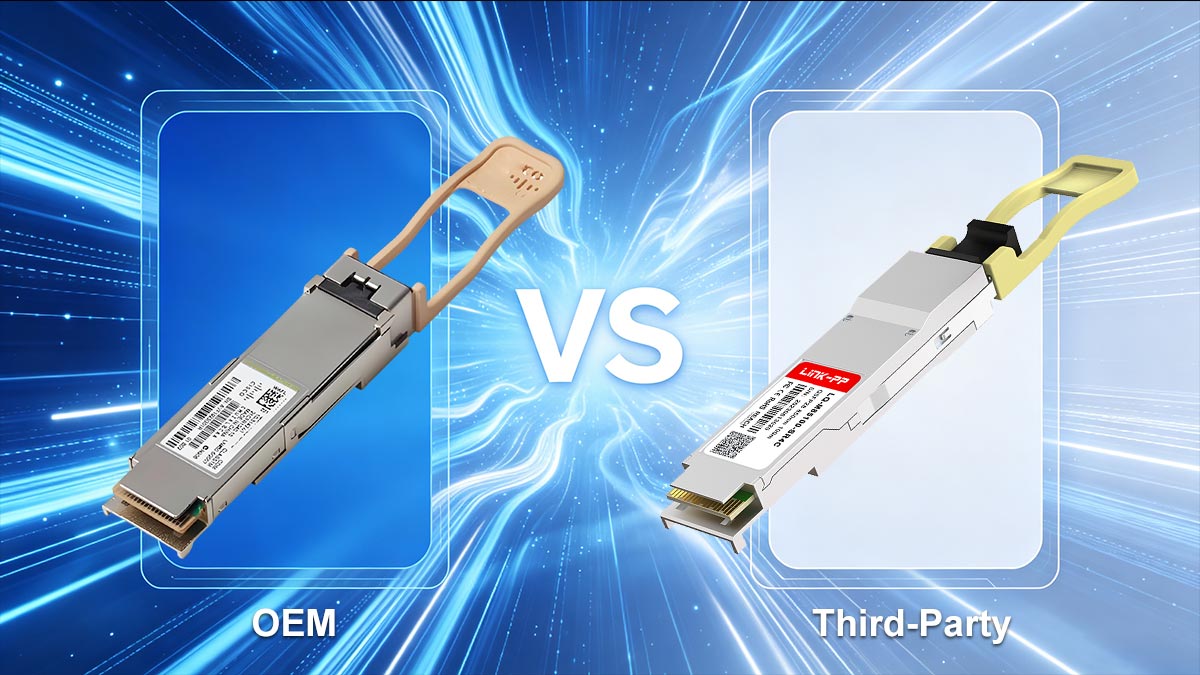
Purchasing official NVIDIA transceivers requires a significant upfront financial investment that can quickly strain an IT project budget. Buying the original Mellanox MMA1B00 C100D module carries a heavy markup simply because it comes in branded packaging and is distributed through exclusive OEM channels.
This premium accumulates rapidly when outfitting dozens of high-density switches across a large enterprise facility. For many organizations, paying this steep price significantly restricts the capital available for other vital infrastructure needs.
Why Brand Names Cost More for the Same 100G Performance
The inflated price of brand-name hardware is primarily driven by corporate marketing and perceived exclusivity rather than superior engineering. Internally, the optical components and silicon chips inside a branded Mellanox MMA1B00 C100D are often identical to those found in quality compatible alternatives.
Customers are essentially paying extra for the security of a mainstream brand logo stamped on the transceiver casing. This artificial price barrier does not translate to faster data transmission speeds or lower latency on your network floor.
Direct Cost Savings from Choosing Reliable Third-Party Modules
Opting for high-quality third-party optics allows data centers to cut hardware acquisition costs by a massive percentage. Instead of the costly OEM version, choosing a reliable compatible alternative like the LINK-PP LQ-M85100-SR4C offers a drop-in replacement for the Mellanox MMA1B00 C100D.
By bypassing the traditional OEM markup, procurement teams can purchase multiple alternative modules for the price of a single branded unit. This dramatic price drop frees up capital while maintaining identical 100G SR4 network performance and reliability.
How Third-Party Pricing Lowers Your Total Cost of Ownership
Integrating cost-effective compatible alternatives like the LINK-PP LQ-M85100-SR4C dramatically reduces the long-term expenses of managing your hardware fleet. Lowering the initial purchase price of each Mellanox MMA1B00 C100D equivalent means less depreciating capital is tied up in physical inventory over time.
Additionally, replacing worn-out optics or keeping spare units on hand becomes far less expensive over the life cycle of the data center. These combined savings lower your overall TCO, allowing for more flexible and frequent network upgrades.
🔵 Smart Procurement Strategies for Mellanox MMA1B00 C100D Transceivers
Implementing intelligent purchasing tactics is essential for maximizing the efficiency of your network hardware budget. Strategic sourcing goes beyond finding the lowest price tag for the Mellanox MMA1B00 C100D to focus on long-term supply stability and hardware reliability. By optimizing your acquisition process, you can secure the necessary components without introducing unnecessary risks to your deployment timeline.
Bulk Purchasing and Volume Discounts Explained
Ordering the Mellanox MMA1B00 C100D transceiver in large quantities is one of the most effective ways to lower the cost per unit. Most hardware vendors offer substantial price breaks when you cross specific volume thresholds, which significantly stretches your procurement budget.
This approach is especially beneficial when planning large-scale top-of-rack switch deployments across a new data center hall. Consolidating your needs into a single bulk order reduces administrative overhead and drives down the total acquisition cost for your optics.
Navigating Lead Times and Supply Chain Availability
Understanding market availability and vendor lead times prevents unexpected delays from stalling your network expansion projects. Brand-name hardware channels for the Mellanox MMA1B00 C100D often suffer from supply chain bottlenecks that can push delivery dates back by weeks or months.
To keep your deployment on schedule, it is wise to map out your infrastructure needs well in advance. Cultivating relationships with alternative suppliers who maintain ready-to-ship inventory ensures a steady flow of modules when you need them most.
How to Verify Vendor Reliability and Compliance
Not all hardware suppliers offer the same level of build quality, making thorough vendor vetting a critical step in procurement. When sourcing alternative solutions for the Mellanox MMA1B00 C100D, you should look for suppliers who adhere to strict industry standards and provide comprehensive testing data.
Verifying that a vendor offers solid warranty coverage and responsive technical support protects your investment against premature hardware failures. Partnering with a compliant, reputable supplier guarantees that your budget-friendly optics perform reliably under heavy network loads.
🔵 Hidden Infrastructure Costs When Deploying Mellanox MMA1B00 C100D
Calculating the price of the optical modules alone does not reveal the true cost of a network expansion. Deploying high-speed hardware often triggers secondary expenses across your physical plant and software ecosystems. Accounting for these hidden infrastructure variables prevents unexpected budget overruns during the installation phase.
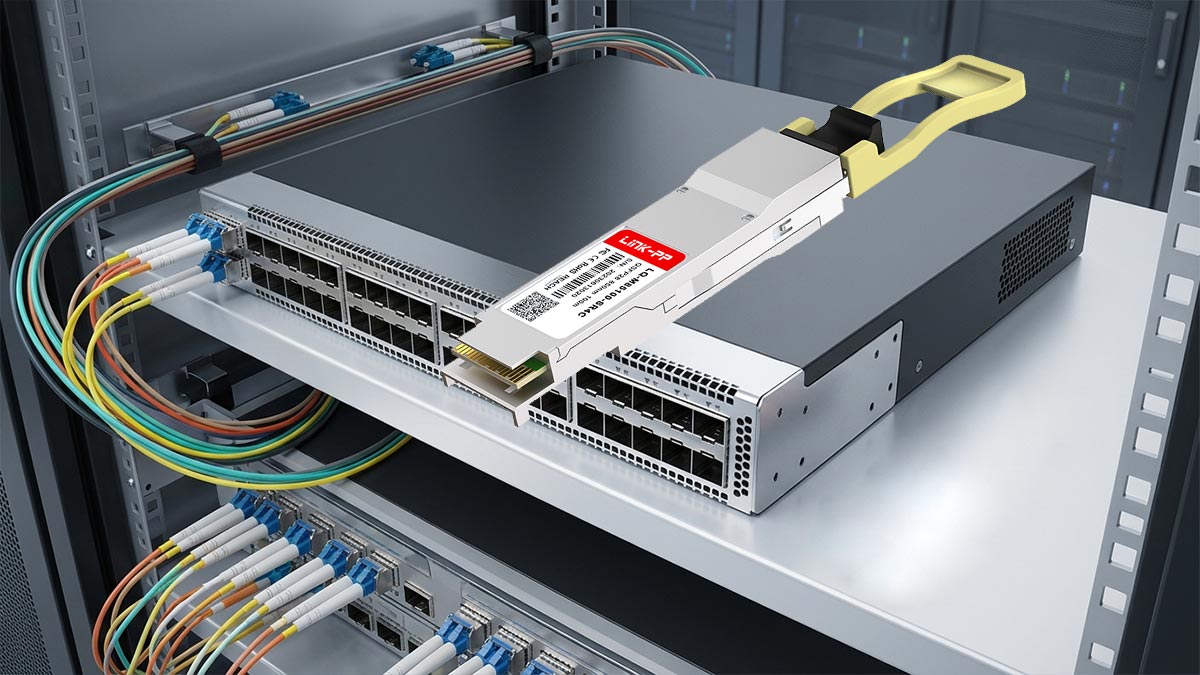
Matching Patch Cable Costs (OM3 vs. OM4 Multi-Mode Fiber)
Deploying the Mellanox MMA1B00 C100D requires careful selection of the underlying multi-mode glass infrastructure. While older OM3 patch cords are highly affordable, they restrict your transmission distance to a strict 70-meter limit.
Upgrading longer runs up to 100m forces the purchase of premium OM4 multi-mode fiber. Failing to budget for these higher-grade patch cables can stall your installation or result in poor signal integrity.
Network Switch Compatibility and Operating System Restrictions
Host switch software can introduce unexpected operational hurdles even when the physical module matches your port form factor. Certain network operating systems use strict security configurations that flag or reject unapproved transceivers.
Ensuring your switches are updated with firmware that seamlessly recognizes the Mellanox MMA1B00 C100D is critical to avoid system reboots. Mismanaging these software checks can lead to unexpected downtime or the need for emergency technical assistance.
Thermal Management and Cooling Budget Impact
High-density deployments of 100G optics generate measurable thermal loads inside dense server cabinets. While a single Mellanox MMA1B00 C100D module consumes low power, filling an entire 48-port switch dramatically increases heat emission.
This concentrated thermal output places a higher demand on your data center's precision cooling systems. Overlooking this cooling impact results in higher utility bills and potential hardware throttling due to trapped heat.
Testing and Deployment Labor Expenses
The physical installation and verification of parallel optics demand skilled technical labor and specialized cleaning tools. Because MPO connectors contain 12 distinct fiber faces, they require meticulous inspection and cleaning to prevent dust-related signal dropouts.
IT teams must also spend valuable hours running loopback diagnostics and compatibility verification scripts across every new link. Factoring in these labor hours and testing equipment costs is essential for an accurate total deployment budget.
🔵 Evaluating Third-Party Compatibility for Mellanox MMA1B00 C100D Alternatives
Thoroughly assessing third-party compatibility is a crucial step in ensuring a smooth network upgrade. Choosing high-quality alternatives allows you to maintain peak performance while significantly reducing overall expenditures. A systematic evaluation process guarantees that independent optical modules function seamlessly within your existing infrastructure.
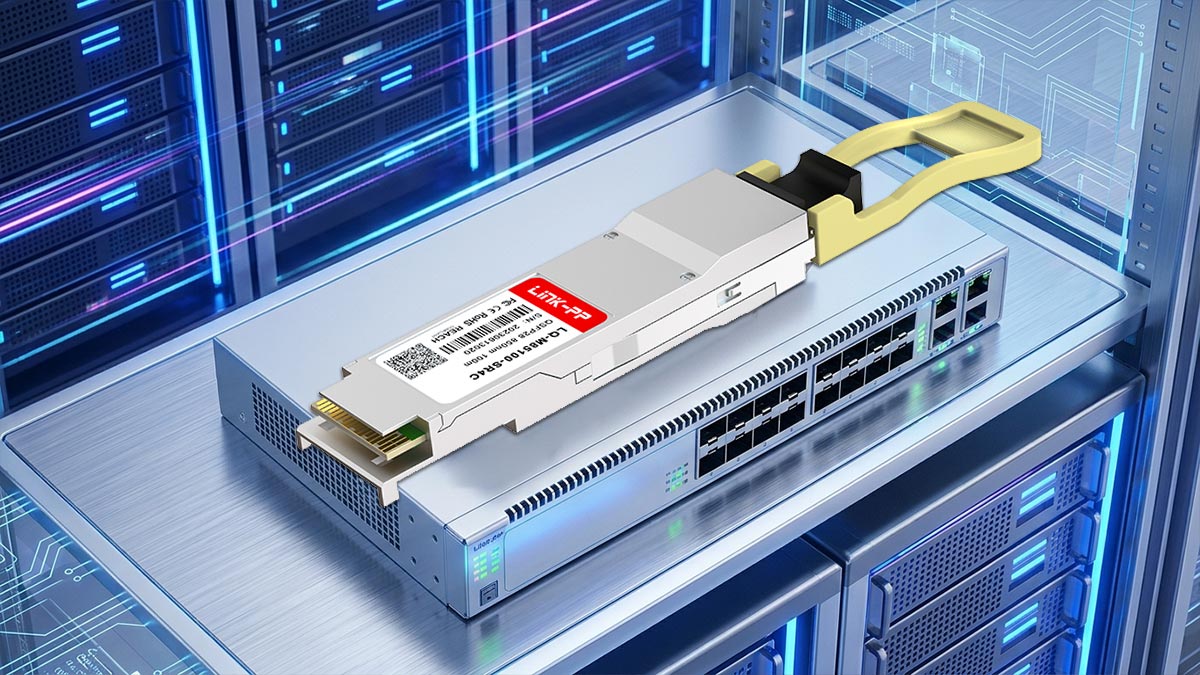
How to Verify If Third-Party Modules Work Seamlessly with NVIDIA Switches
NVIDIA switches use advanced network operating systems that require precise hardware handshake responses from inserted optics. To ensure a third-party module works flawlessly, you must verify that the vendor conducts real-board testing on identical switch models.
You can confirm host switch compatibility by reviewing the following vendor criteria:
- Real-switch validation: Tested on actual NVIDIA hardware, not software simulators.
- Error-free system logs: Generates zero unrecognized port warnings during startup.
- Full DDM telemetry: Provides accurate diagnostic readings directly to the switch OS.
- Hot-swappable design: Supports immediate insertion and removal without system reboots.
The Importance of EEPROM Coding for Hassle-Free Plug-and-Play Setup
The EEPROM chip inside an optical transceiver acts as its digital identity card, storing specific vendor codes, serial numbers, and part signatures. If this data does not perfectly mirror the original Mellanox MMA1B00 C100D configuration, the host switch will immediately disable the port.
High-quality alternative vendors focus on the following critical coding details to guarantee a hassle-free setup:
- Precise signature emulation: Matches the exact vendor name and data structure.
- Firmware synchronization: Aligns perfectly with the latest switch operating system updates.
- Unique serial generation: Prevents network conflicts caused by duplicate chip IDs.
- Plug-and-play validation: Achieves instant data links without requiring manual CLI overrides.
Why High-Quality Third-Party Specs Match OEM Reliability for Less Money
Independent optical manufacturing has matured to the point where top-tier factories utilize the exact same raw components as mainstream brands. Because these manufacturers sell directly to consumers without huge corporate markups, they offer identical 100G performance at a fraction of the cost.
Several manufacturing standards ensure that independent alternatives match original hardware reliability:
- Identical laser components: Uses high-grade 850nm lasers for consistent transmission.
- MSA compliance: Built strictly according to industry multi-source agreement specifications.
- Rigorous quality control: Undergoes comprehensive bit-error-rate testing before shipment.
- Robust warranty terms: Backed by multi-year replacement guarantees from the supplier.
🔵 Avoiding Common Procurement Pitfalls with Mellanox MMA1B00 C100D
Sourcing network transceiver modules requires a careful eye to avoid subtle technical and financial traps that can derail an upgrade. Many organizations suffer from budget inflation due to simple calculation errors or misleading vendor promotions. Recognizing these frequent procurement mistakes helps you protect your capital and ensure a smooth deployment.
Miscalculating Cable Distance Limits and Wasting Your Fiber Budget
A frequent error during deployment is mismatching the optical module with the length of the installed data center fiber runs. Purchasing the Mellanox MMA1B00 C100D for distances beyond 100m will lead to immediate signal dropouts and packet loss.
Conversely, buying expensive single-mode optics for short intra-rack links unnecessarily drains your available infrastructure funds. Accurately mapping your data center floor plan prevents you from wasting money on incompatible cable lengths.
Falling for Unusually Low Prices That Signal Poor Hardware Quality
While saving money is a primary goal, chasing the absolute lowest price on the market often backfires. Extremely cheap third-party modules frequently rely on substandard laser components and lack proper quality control testing.
These cut-rate optics are highly prone to premature failure, which can cause costly network downtime for your business. Balancing cost-efficiency with reputable manufacturing standards protects your network from unreliable hardware.
Overlooking Switch Compatibility Checks Before Making Bulk Purchases
Placing a large bulk order without testing a sample module inside your specific switch environment is a risky procurement gamble. Even minor differences in a switch's operating system firmware can cause it to reject a newly arrived batch of optics.
Discovering a compatibility issue after purchasing hundreds of units leads to painful return logistics and delayed project timelines. Always validate a test sample in your live environment before committing your final hardware budget.
🔵 Final Verdict: Choosing High-Value Alternatives for Mellanox MMA1B00 C100D
Upgrading your data center to 100G speeds does not have to result in budget exhaustion. By analyzing distance requirements, understanding parallel optics, and avoiding brand-name markups, you can build a highly efficient infrastructure. Choosing reliable third-party alternatives allows your business to optimize capital expenditure while maintaining top-tier network uptime.
Investing in high-quality compatible modules offers several distinct operational advantages for your network:
- Massive upfront savings: Cuts hardware acquisition costs by a large percentage.
- Identical data performance: Delivers the exact same 100G SR4 speeds as OEM hardware.
- Seamless switch integration: Features precise EEPROM coding for hassle-free plug-and-play setup.
- Reduced replacement costs: Lowers long-term maintenance expenses and overall TCO.
Ready to optimize your network budget without sacrificing hardware reliability? Check out the high-performance LINK-PP LQ-M85100-SR4C transceiver, a dependable Mellanox MMA1B00 C100D alternative designed to match original specifications perfectly. Visit the LINK-PP Official Store today to secure your volume discount and streamline your 100G network deployment.







