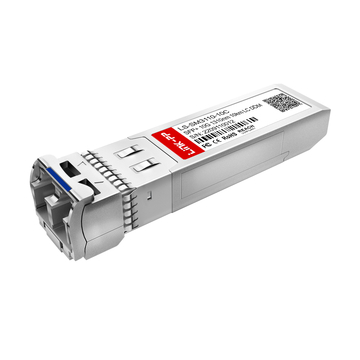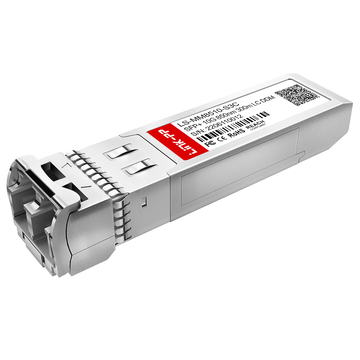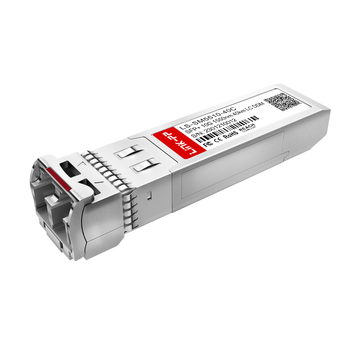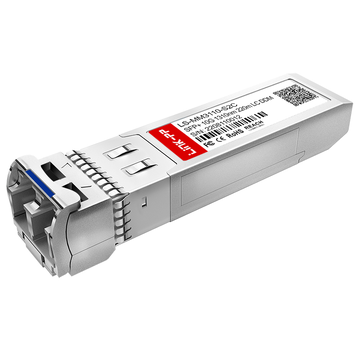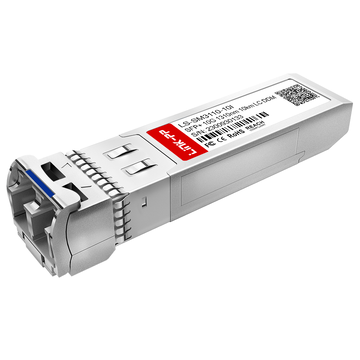
As enterprise networks, cloud infrastructures, and telecom environments continue to demand higher bandwidth and longer transmission distances, 10G optical transceivers remain a critical part of modern fiber connectivity. Long-range 10Gbps transceiver modules are widely used for data center interconnects, campus backbone networks, metro Ethernet deployments, and optical transport systems where stable single-mode fiber communication is essential.
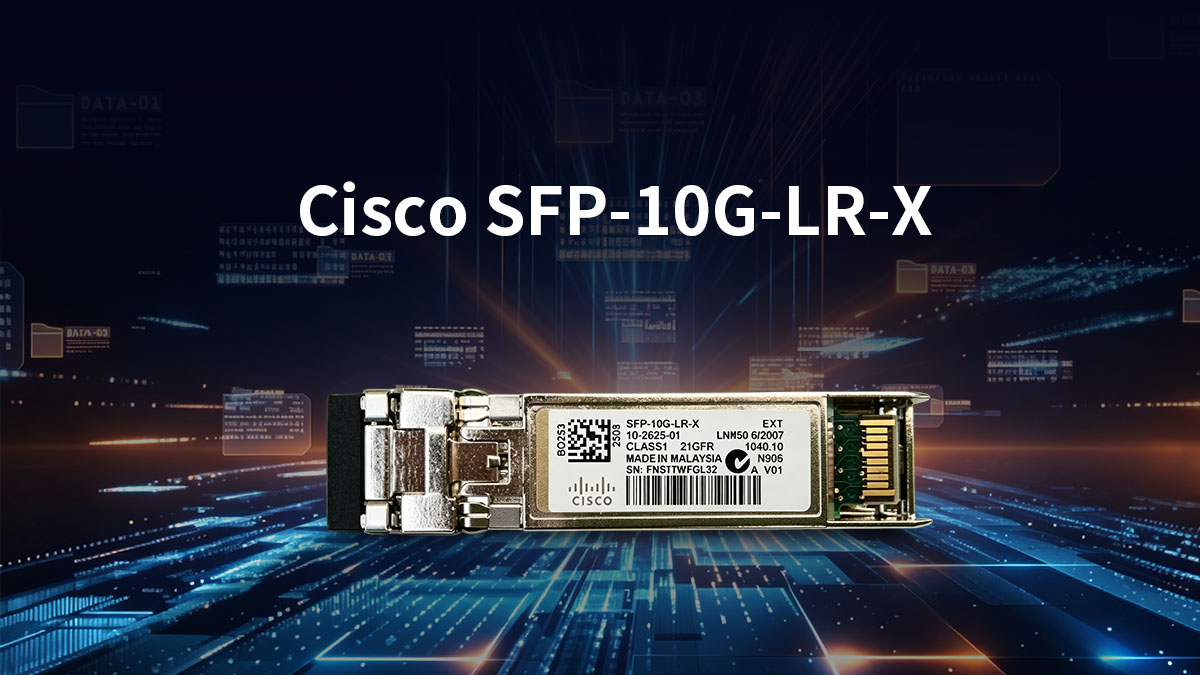
Among these optical solutions, the Cisco SFP-10G-LR-X stands out as a versatile multirate transceiver designed for both Ethernet and transport networking applications. Unlike standard SFP 10G LR optics that focus only on Ethernet connectivity, this module supports 10GBASE-LR, 10GBASE-LW, and OTU2/OTU2e protocols, making it suitable for converged network environments that require flexibility across multiple transmission standards.
The Cisco SFP-10G-LR-X supports transmission distances of up to 10km over standard G.652 single-mode fiber using a 1310nm wavelength. In addition, its extended operating temperature range allows it to perform reliably in enterprise, carrier-grade, and industrial networking environments where thermal stability is important for continuous operation.
This article provides a detailed overview of the Cisco SFP-10G-LR-X, including its technical specifications, multirate capabilities, compatibility considerations, deployment scenarios, and operational advantages. It also explores how this optical module compares with other 10G modules and why it remains relevant in modern long-distance fiber infrastructures.
📝 What Is Cisco SFP-10G-LR-X?
The Cisco SFP-10G-LR-X is a long-range 10G SFP+ optical transceiver designed for high-speed data transmission over single-mode fiber. It supports both Ethernet and optical transport applications, making it suitable for enterprise, data center, and telecom network infrastructures that require reliable 10Gbps connectivity across distances of up to 10km.
Unlike standard short-range optics, the Cisco SFP-10G-LR-X combines multirate protocol support, long-distance transmission capability, and extended operating temperature performance in a compact hot-swappable SFP+ form factor. This flexibility allows network operators to deploy the module across a wider range of networking environments.
Definition of Cisco SFP-10G-LR-X
The Cisco SFP-10G-LR-X is a Cisco-branded SFP+ transceiver module engineered for long-range optical communication over standard G.652 single-mode fiber. It is commonly deployed in 10 Gigabit Ethernet uplinks, metro aggregation environments, and optical transport infrastructures.
Its core functionality includes:
- Supporting 10Gbps optical data transmission
- Enabling long-distance fiber connectivity up to 10km
- Operating over single-mode fiber infrastructure
- Providing interoperability for Ethernet and transport protocols
- Delivering stable performance in demanding network environments
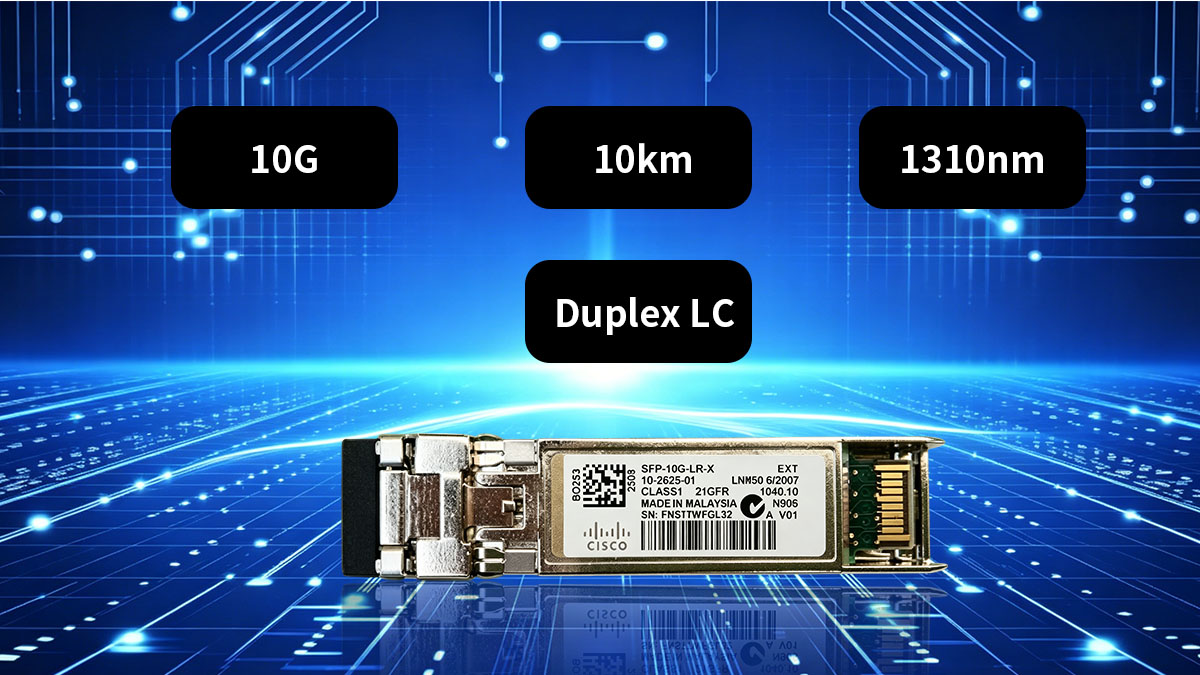
The module uses a duplex LC optical interface and operates at a 1310nm wavelength, which is widely adopted for medium-to-long-distance single-mode fiber communication.
In practical deployments, the Cisco SFP-10G-LR-X is often used for:
- Data center interconnect links
- Enterprise campus backbone connectivity
- Core-to-distribution network uplinks
- Telecom transport applications
- Metro Ethernet infrastructure
Its compact SFP+ design also allows high-density deployment in switches, routers, and transport platforms where port efficiency is important.
Multirate Capability Explained
One of the defining characteristics of the Cisco SFP-10G-LR-X is its multirate capability. The module supports multiple networking standards, allowing it to operate across both Ethernet and optical transport environments without requiring separate transceiver types.
The following table summarizes its supported standards and functions:
| Supported Standard | Primary Function | Typical Deployment Environment |
|---|---|---|
| 10GBASE-LR | 10 Gigabit Ethernet over SMF | Enterprise and data center networks |
| 10GBASE-LW | WAN PHY optical transmission | Carrier and WAN environments |
| OTU2 | Optical Transport Unit networking | Telecom transport systems |
| OTU2e | Enhanced OTU2 transport support | Advanced optical transport networks |
This multirate functionality provides several operational advantages:
- Simplifies inventory management across mixed network environments
- Reduces the need for multiple dedicated optical module types
- Supports converged Ethernet and transport architectures
- Increases deployment flexibility for telecom and enterprise operators
Because many modern infrastructures combine packet-based Ethernet traffic with optical transport services, multirate optics such as the Cisco SFP-10G-LR-X help improve interoperability and network scalability.
Key Physical Characteristics
The Cisco SFP-10G-LR-X uses the industry-standard SFP+ form factor, which enables compact and high-density deployment across a wide range of Cisco networking platforms.
Its physical and operational characteristics include the following:
| Feature | Description |
|---|---|
| Form Factor | SFP+ hot-swappable transceiver |
| Connector Type | Duplex LC |
| Fiber Type | Single-mode fiber (SMF) |
| Operating Wavelength | 1310nm |
| Maximum Reach | 10km |
| Deployment Type | Long-range optical connectivity |
These hardware characteristics provide several practical deployment benefits:
- Hot-swappable capability simplifies maintenance and replacement
- Compact size supports dense switch and router configurations
- LC connectors provide standardized fiber interoperability
- Single-mode support enables efficient long-distance transmission
The module’s extended operating temperature design also improves reliability in environments where temperature conditions may fluctuate significantly, including industrial facilities, remote cabinets, and telecom edge deployments.
📝 Cisco SFP-10G-LR-X Technical Specifications
The Cisco SFP-10G-LR-X is designed to provide stable 10Gbps long-range optical transmission for Ethernet and optical transport applications. Its specifications combine multirate protocol support, 10km single-mode fiber connectivity, and extended environmental reliability, making it suitable for enterprise, telecom, and data center deployments.
Transmission Distance and Fiber Support
The Cisco SFP-10G-LR-X is optimized for long-distance transmission over single-mode fiber. It supports transmission distances of up to 10km using standard G.652 SMF, which is commonly deployed in enterprise backbone and metro fiber infrastructures.
The following table summarizes its transmission and fiber characteristics:
| Specification | Details |
|---|---|
| Maximum Transmission Distance | 10km |
| Fiber Type | Single-Mode Fiber (SMF) |
| Fiber Standard | G.652 |
| Optical Connector | Duplex LC |
| Transmission Medium | Long-range optical fiber |
These specifications provide several deployment advantages:
- Suitable for inter-building and campus backbone connectivity
- Supports medium-distance metro Ethernet applications
- Reduces the need for intermediate signal repeaters
- Enables reliable transmission over existing SMF infrastructure
In practical deployments, fiber quality and connector cleanliness remain important factors. Poor optical connections, excessive attenuation, or damaged fiber cabling can negatively impact signal stability and link reliability.
Optical and Signaling Specifications
The optical characteristics of the Cisco SFP-10G-LR-X are designed to support stable long-range communication while maintaining signal integrity across extended fiber links.
The module operates at a 1310nm wavelength, which is widely used for single-mode 10G optical transmission because it offers a strong balance between reach, signal quality, and infrastructure compatibility.
The following table outlines its primary optical signaling characteristics:
| Optical Parameter | Specification |
|---|---|
| Operating Wavelength | 1310nm |
| Signaling Technology | 10G optical transmission |
| Connector Interface | LC duplex |
| Optical Transmission Type | Long-range single-mode |
| Supported Reach | Up to 10km |
These optical specifications contribute to several operational benefits:
- Stable signal transmission over long fiber distances
- Lower attenuation compared to shorter-wavelength technologies
- Improved compatibility with enterprise SMF deployments
- Reliable optical performance for high-bandwidth traffic
Because the module is intended for carrier-grade and enterprise applications, maintaining correct optical power levels is essential for preventing transmission errors and signal degradation.
Supported Network Standards
One of the most important technical advantages of the Cisco SFP-10G-LR-X is its support for multiple networking and transport standards. This allows the module to operate across both Ethernet and optical transport infrastructures.
The following table summarizes the supported standards:
| Standard | Function | Common Use Case |
|---|---|---|
| 10GBASE-LR | 10 Gigabit Ethernet LAN PHY | Enterprise and data center networking |
| 10GBASE-LW | 10 Gigabit Ethernet WAN PHY | WAN and carrier environments |
| OTU2 | Optical Transport Unit | Telecom transport systems |
| OTU2e | Enhanced optical transport networking | Advanced transport infrastructure |
This multistandard support provides important operational flexibility:
- Simplifies deployment across converged network environments
- Supports integration between packet and optical transport layers
- Reduces transceiver inventory complexity
- Enables broader interoperability across network architectures
For organizations operating mixed Ethernet and transport infrastructures, multirate modules can improve operational efficiency and simplify network expansion planning.
Extended Temperature Operation
The Cisco SFP-10G-LR-X is engineered for an extended operating temperature range, allowing it to maintain stable performance in environments where temperature conditions are more demanding than standard commercial deployments.
The following table highlights the environmental characteristics of the module:
| Environmental Feature | Benefit |
|---|---|
| Extended Operating Temperature Range | Improved stability in harsh environments |
| Enterprise-Grade Reliability | Consistent long-term operation |
| Carrier-Class Design | Support for telecom infrastructure |
| Industrial Deployment Suitability | Better resilience under temperature fluctuations |
Extended temperature support is especially valuable in scenarios such as:
- Outdoor telecom cabinets
- Industrial networking environments
- Remote edge infrastructure
- High-density equipment racks with elevated thermal loads
By supporting more challenging operating conditions, the Cisco SFP-10G-LR-X provides greater deployment flexibility while helping maintain long-term optical link stability.
📝 Core Features of Cisco SFP-10G-LR-X
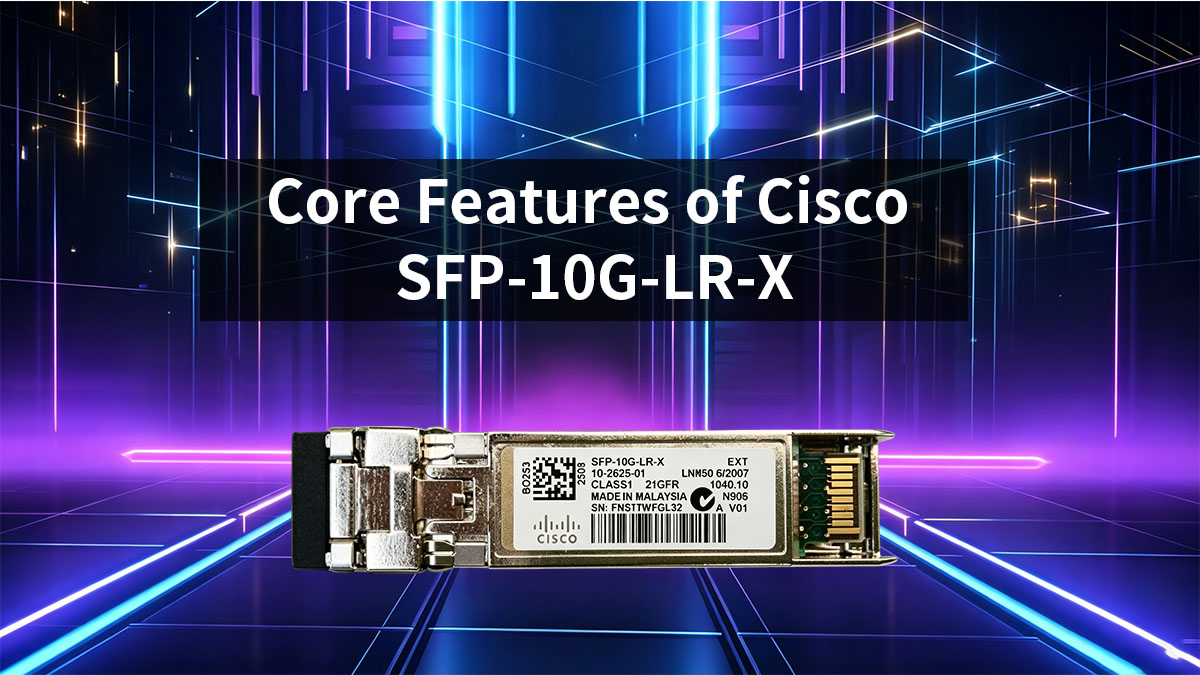
The Cisco SFP-10G-LR-X combines long-range optical transmission, multirate protocol compatibility, and enterprise-grade reliability in a compact SFP+ form factor. Its feature set is designed to support modern Ethernet and optical transport infrastructures where stable 10Gbps connectivity and operational flexibility are essential.
Compared with standard 10G optical modules that focus only on basic Ethernet transmission, the Cisco SFP-10G-LR-X provides broader deployment versatility through its support for multiple protocols, extended environmental tolerance, and monitoring capabilities.
Multiservice Network Support
One of the most important features of the Cisco SFP-10G-LR-X is its ability to support both Ethernet networking and optical transport applications within the same transceiver module.
The module supports several networking standards, including:
- 10GBASE-LR for enterprise and data center Ethernet connectivity
- 10GBASE-LW for WAN PHY transmission environments
- OTU2 for optical transport networking
- OTU2e for enhanced transport infrastructure compatibility
This multiservice capability offers several operational advantages:
- Simplifies deployment across converged network environments
- Reduces the need for multiple transceiver inventories
- Improves interoperability between packet and transport networks
- Supports flexible infrastructure expansion strategies
In large-scale enterprise and telecom deployments, the ability to use a single optical module across multiple network layers can help streamline operations and reduce infrastructure complexity.
Long-Distance Optical Connectivity
The Cisco SFP-10G-LR-X is specifically designed for reliable long-range transmission over single-mode fiber. It supports distances of up to 10km using standard G.652 SMF infrastructure, making it suitable for backbone and interconnect applications.
The following table summarizes its long-range transmission characteristics:
| Feature | Description |
|---|---|
| Maximum Reach | Up to 10km |
| Fiber Type | Single-mode fiber |
| Operating Wavelength | 1310nm |
| Connector Type | Duplex LC |
| Deployment Focus | Long-distance 10G networking |
These characteristics provide several practical deployment benefits:
- Enables stable building-to-building connectivity
- Supports long-distance data center interconnects
- Reduces dependency on intermediate networking hardware
- Improves flexibility for campus and metro deployments
Because many enterprise and telecom infrastructures already rely on single-mode fiber, the module can often integrate into existing optical environments without requiring major cabling changes.
Hot-Swappable Module Design
The Cisco SFP-10G-LR-X uses a hot-swappable SFP+ design, allowing administrators to install or replace the transceiver without shutting down network equipment.
This feature improves operational efficiency in several ways:
- Minimizes network downtime during maintenance
- Simplifies hardware upgrades and replacements
- Accelerates troubleshooting procedures
- Supports scalable high-density network environments
The compact SFP+ form factor also contributes to efficient hardware utilization by enabling:
- Higher port density on switches and routers
- Improved cable management
- Flexible deployment in limited rack space
- Simplified network scaling
In enterprise and carrier environments where continuous network availability is critical, hot-swappable optics help reduce operational disruptions during routine maintenance activities.
Digital Optical Monitoring (DOM) Functionality
The Cisco SFP-10G-LR-X includes Digital Optical Monitoring functionality, commonly referred to as DOM. This feature allows real-time monitoring of important optical and environmental operating parameters.
The following table highlights common DOM monitoring metrics:
| Monitoring Parameter | Purpose |
|---|---|
| Transmit Optical Power | Measures optical output strength |
| Receive Optical Power | Monitors incoming signal levels |
| Module Temperature | Tracks thermal operating conditions |
| Supply Voltage | Verifies stable electrical input |
| Laser Bias Current | Monitors laser operating behavior |
These monitoring capabilities provide several operational advantages:
- Faster identification of fiber-related issues
- Improved visibility into optical link health
- Proactive detection of signal degradation
- Reduced troubleshooting time during outages
DOM functionality is especially valuable in large-scale deployments where maintaining stable optical performance across many fiber links is essential for network reliability.
📝 Cisco SFP-10G-LR-X Deployment Scenarios
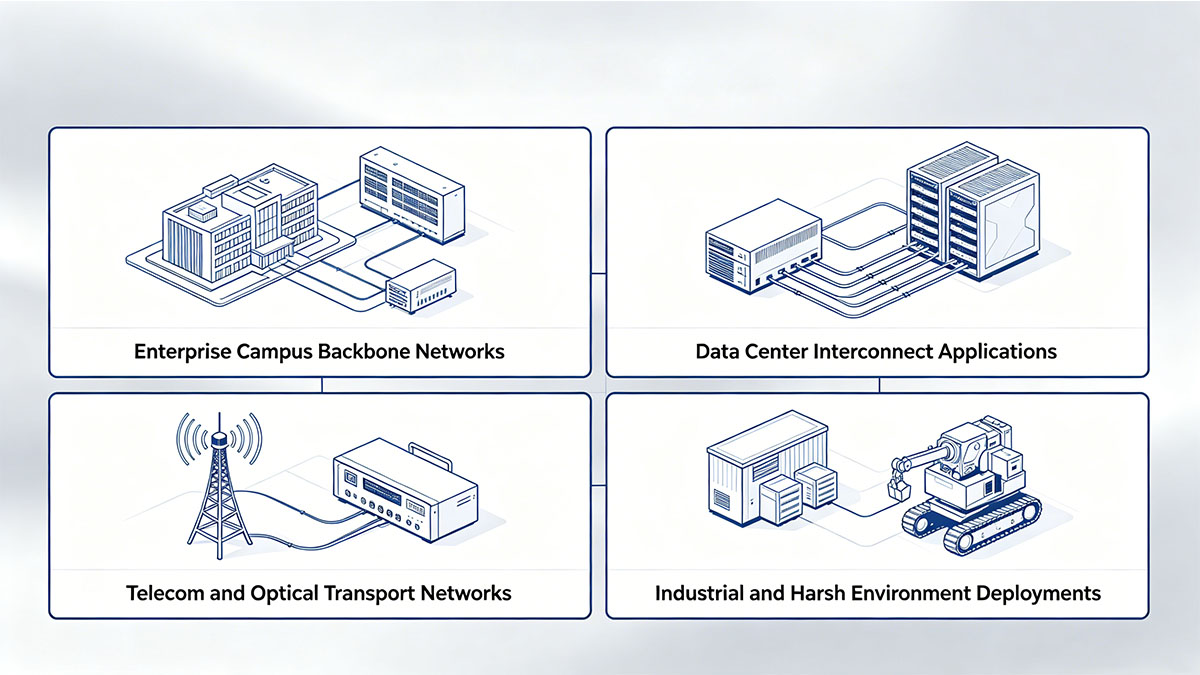
The Cisco SFP-10G-LR-X is widely used in network environments that require reliable 10Gbps long-distance connectivity over single-mode fiber. Its multirate support, 10km reach, and extended operating temperature capability make it suitable for both enterprise and telecom infrastructures where flexibility and stability are essential.
Enterprise Campus Backbone Networks
In enterprise environments, the Cisco SFP-10G-LR-X is commonly used to build high-speed backbone links between buildings or campus locations. These connections form the core layer of enterprise network architectures and require stable, long-distance performance.
Typical usage scenarios include:
- Inter-building connectivity within corporate campuses
- Core-to-distribution layer uplinks in hierarchical networks
- High-speed aggregation between network closets or IDFs
- Connecting remote office buildings within a 10km range
These deployments benefit from the module’s ability to maintain consistent 10Gbps performance over single-mode fiber, reducing the need for additional intermediate networking equipment.
Data Center Interconnect Applications
The Cisco SFP-10G-LR-X is also frequently deployed in data center interconnect (DCI) scenarios where two facilities need to exchange large volumes of traffic over medium distances.
Common deployment cases include:
- Interconnecting separate data center buildings
- Supporting spine-to-spine or leaf-to-leaf long-distance links
- Extending virtualization and storage traffic across sites
- Enabling disaster recovery and backup synchronization links
The module’s 10km reach over single-mode fiber makes it suitable for metro-area data center deployments where facilities are located in different buildings but within the same metropolitan region.
In these environments, maintaining low latency and stable throughput is critical, especially for storage replication and real-time application workloads.
Telecom and Optical Transport Networks
In telecom environments, the Cisco SFP-10G-LR-X is used in optical transport systems where Ethernet and transport technologies converge. Its support for OTU2 and OTU2e makes it particularly suitable for carrier-grade infrastructure.
Typical applications include:
- Metro Ethernet aggregation networks
- Optical transport backbone links
- WAN and carrier interconnection systems
- Integration of packet-based and transport-based services
The multirate capability allows telecom operators to use a single optical module across different layers of their infrastructure, improving operational efficiency and reducing inventory complexity.
Industrial and Harsh Environment Deployments
The Cisco SFP-10G-LR-X includes extended operating temperature support, making it suitable for environments where temperature conditions may be more extreme than standard enterprise data centers.
Typical use cases include:
- Outdoor network cabinets and street-side enclosures
- Industrial automation and manufacturing networks
- Remote edge computing sites
- Utility and energy sector communication systems
These environments often face temperature fluctuations, limited climate control, and physical exposure challenges, requiring more resilient optical components.
The extended temperature capability helps ensure consistent optical performance even under less controlled environmental conditions, improving network reliability in mission-critical industrial deployments.
📝 Compatibility and Platform Support
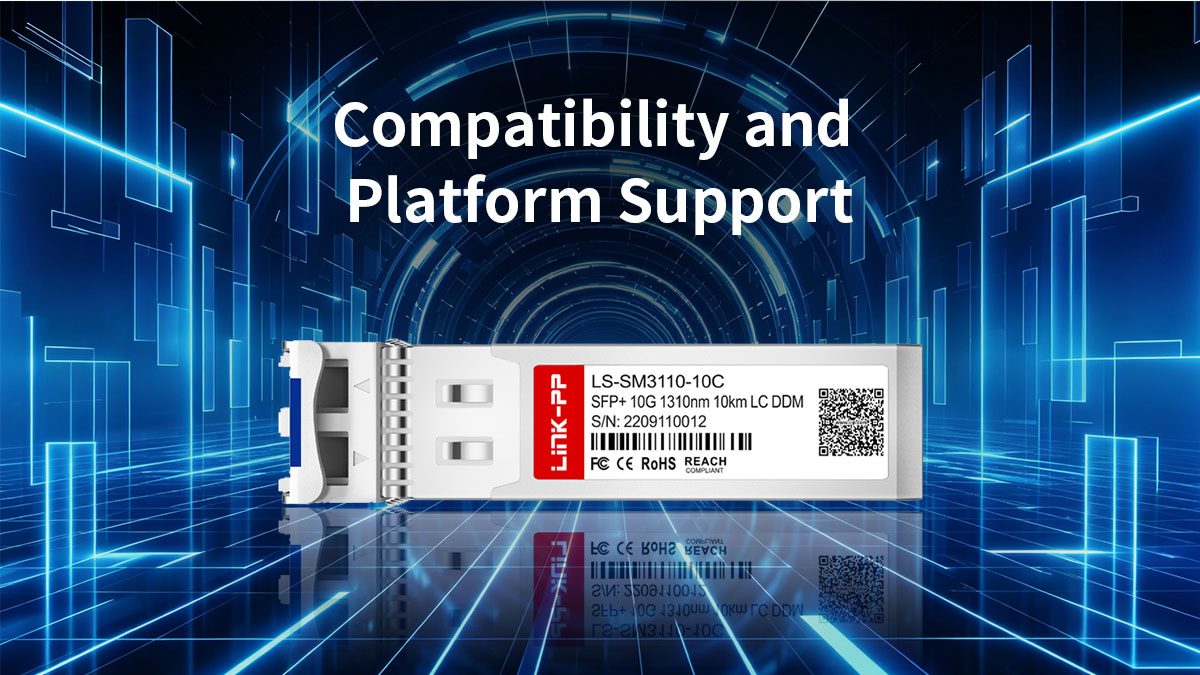
The Cisco SFP-10G-LR-X is designed to integrate seamlessly into Cisco’s switching, routing, and transport platforms, while also supporting interoperability in mixed-vendor network environments when properly configured. Its compatibility characteristics are a key reason it is widely used in enterprise, data center, and telecom infrastructures.
Supported Cisco Networking Platforms
The Cisco SFP-10G-LR-X is compatible with a broad range of Cisco devices that support the SFP+ 10G optical interface. It is commonly deployed across multiple product families depending on the network layer and application.
Typical supported platforms include:
- Cisco Catalyst series switches for enterprise access and aggregation layers
- Cisco Nexus series switches for data center switching environments
- Cisco ASR series routers for aggregation and edge routing
- Cisco ISR platforms in branch and enterprise WAN deployments
- Optical transport and carrier-grade Cisco platforms supporting OTU2/OTU2e
These platforms enable deployment across different network layers, from access and aggregation to core and transport infrastructure.
Ethernet and Transport Network Compatibility
A key advantage of the Cisco SFP-10G-LR-X is its ability to operate in both Ethernet and optical transport environments, making it suitable for converged network architectures.
Its compatibility includes:
- 10 Gigabit Ethernet networks using 10GBASE-LR
- WAN environments using 10GBASE-LW
- Optical transport networks using OTU2 standards
- Enhanced transport systems using OTU2e
This dual-network compatibility enables several deployment benefits:
- Simplified integration across packet and transport domains
- Reduced need for separate Ethernet and transport-specific optics
- Improved flexibility in hybrid network architectures
- Easier migration between network technologies
In practice, this means the same optical module can be used in both enterprise Ethernet links and carrier transport systems, depending on the configuration and platform support.
Software and Firmware Considerations
Beyond physical compatibility, the Cisco SFP-10G-LR-X also depends on software-level recognition within Cisco operating systems such as IOS and NX-OS. Proper firmware support is essential for ensuring the module is fully recognized and operates correctly.
Key software considerations include:
- IOS and NX-OS version compatibility with 10G SFP+ optics
- Device-specific transceiver validation policies
- Firmware recognition of multirate optical modules
- Potential restrictions in strict compatibility mode configurations
In some Cisco platforms, unsupported or unrecognized optics may generate system warnings or be blocked from full operation depending on configuration policies.
To ensure stable operation, network administrators typically:
- Verify platform compatibility matrices before deployment
- Maintain updated firmware versions on networking equipment
- Confirm transceiver identification status after installation
- Use consistent configuration standards across network devices
These steps help avoid operational issues related to optical module recognition or interoperability limitations.
Fiber Infrastructure Requirements
The Cisco SFP-10G-LR-X is designed for use with standard single-mode fiber infrastructure, specifically G.652 compliant fiber, which is widely deployed in enterprise and telecom networks.
Key fiber requirements include:
- Single-mode fiber (SMF) only
- G.652 standard compliance for optimal performance
- Duplex LC connectors for bidirectional transmission
- Proper fiber polarity alignment (Tx/Rx configuration)
To ensure reliable performance, several physical infrastructure factors are important:
- Clean and dust-free fiber connectors to prevent signal loss
- Proper cable management to avoid bending radius violations
- Accurate polarity configuration between transceivers
- Optical power budget validation for long-distance links
Because the module supports up to 10km transmission, fiber quality and installation practices play a critical role in maintaining stable optical performance.
📝 Cisco SFP-10G-LR-X vs Other 10G Optical Modules
The Cisco SFP-10G-LR-X belongs to the long-range 10G optical transceiver family, but it differs from other 10G modules in terms of fiber type, transmission distance, wavelength, and supported network standards. Understanding these differences is essential when designing scalable Ethernet or optical transport networks, especially in environments that combine short-range data center links with long-range campus or metro connectivity.
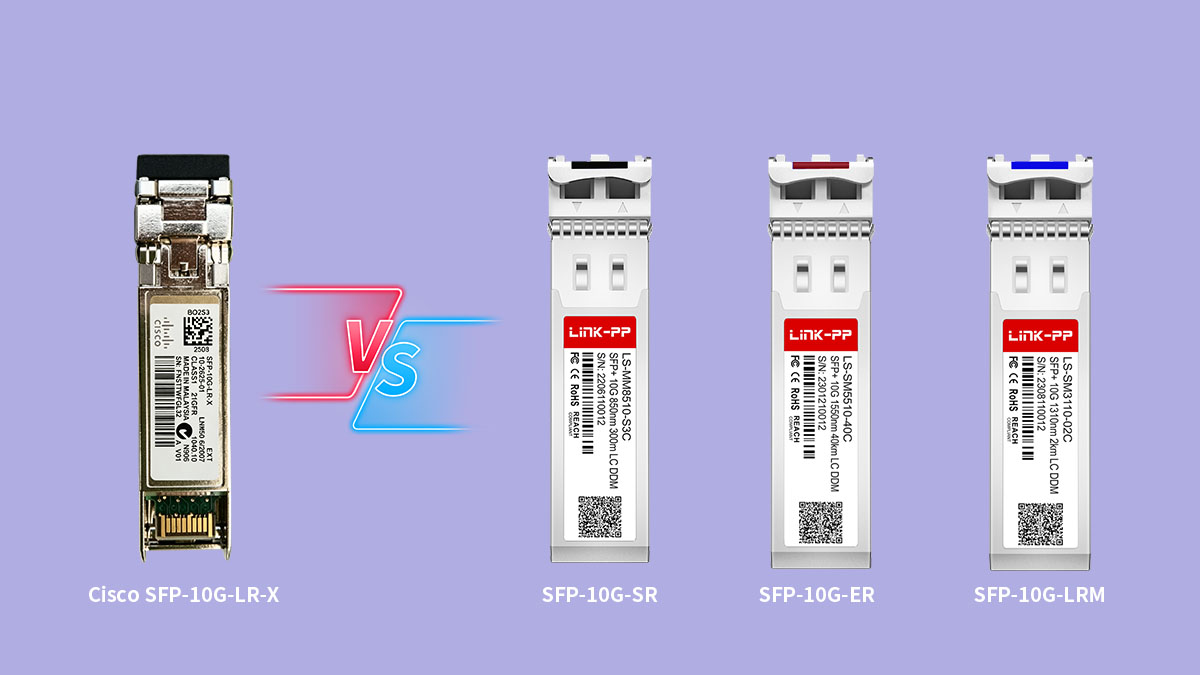
Cisco SFP-10G-LR-X vs SFP-10G-SR
The most common comparison is between LR-type and SR-type optics, as they are widely used in enterprise and data center networks. The key difference lies in fiber type and reach.
SR modules are optimized for short-range multimode fiber, while LR-X is designed for long-range single-mode transmission up to 10km.
| Parameter | Cisco SFP-10G-LR-X | SFP-10G-SR |
|---|---|---|
| Fiber Type | Single-Mode Fiber (SMF) | Multimode Fiber (MMF) |
| Wavelength | 1310nm | 850nm |
| Maximum Distance | Up to 10km | Up to 300–400m |
| Primary Use Case | Campus backbone, inter-building links | Data center, rack-to-rack connections |
This comparison highlights a clear deployment boundary: SR is preferred for short intra-site connectivity, while LR-X is used for long-distance inter-site links over structured single-mode fiber infrastructures.
Cisco SFP-10G-LR-X vs SFP-10G-ER
ER (Extended Reach) modules are designed for even longer distances than LR-class optics. Compared to LR-X, SFP 10G ER modules extend transmission capabilities but also increase cost and power requirements.
The main differences are:
- LR-X supports up to 10km over standard SMF
- ER modules typically support up to 40km over optimized single-mode fiber
- ER uses higher optical power budgets and more sensitive receiver design
Key operational distinctions include:
- LR-X is optimized for enterprise and metro access layers
- ER is targeted at metro backbone and carrier-grade long-haul segments
- LR-X offers a more balanced cost-to-performance ratio for medium-distance links
In many enterprise environments, LR-X is preferred because 10km coverage is sufficient for campus and metro adjacency scenarios, without the complexity of long-haul optical engineering.
Cisco SFP-10G-LR-X vs SFP-10G-LRM
LRM (Long Reach Multimode) modules are often confused with LR optics due to similar naming, but they serve a different purpose.
LRM is designed for multimode fiber environments, while LR-X is strictly for single-mode fiber.
Key differences include:
- LRM uses multimode fiber (OM1/OM2/OM3 depending on conditions)
- LR-X uses single-mode fiber (G.652 standard)
- LRM typically supports shorter distances (around 220m in optimized conditions)
- LR-X supports up to 10km stable transmission
SFP-10G-LRM is generally used in legacy or cost-sensitive multimode infrastructures, while LR-X is preferred in modern scalable fiber deployments where long-distance performance is required.
📝 Installation and Operational Best Practices
Deploying the Cisco SFP-10G-LR-X correctly is essential for maintaining stable 10Gbps performance over long-distance single-mode fiber links. Although the module is designed for plug-and-play operation in supported Cisco platforms, proper installation procedures and operational practices significantly reduce the risk of link instability, signal degradation, and unnecessary troubleshooting.
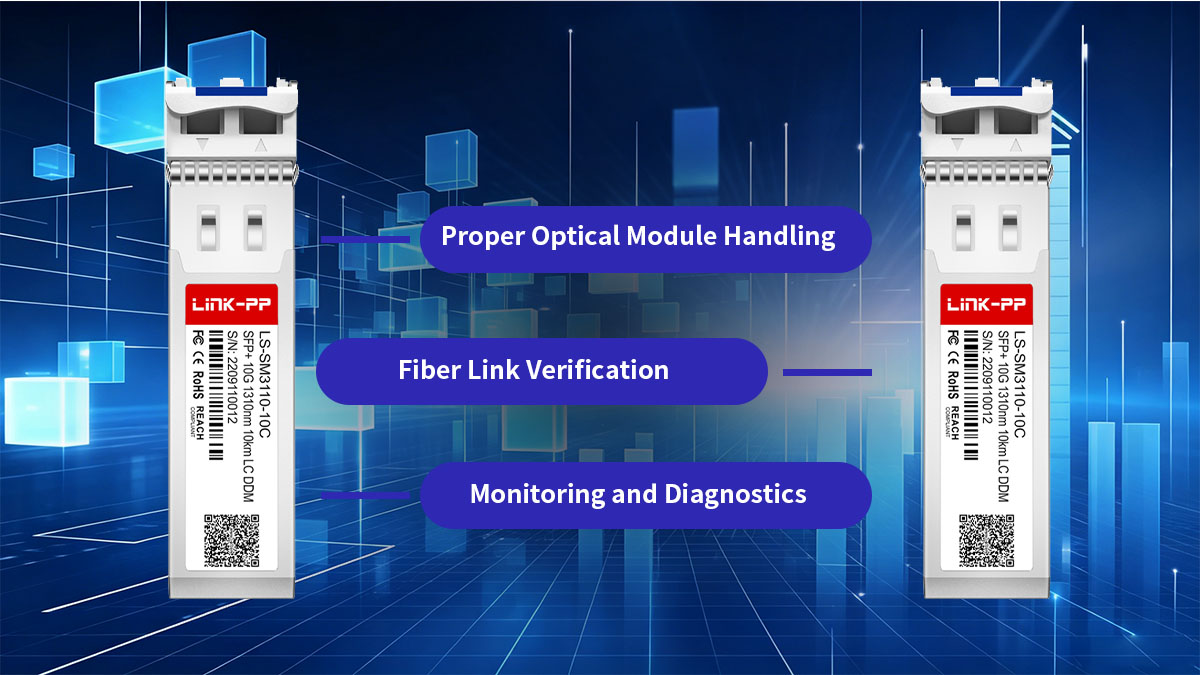
Proper Optical Module Handling
Correct handling of the Cisco SFP-10G-LR-X during installation helps prevent physical damage and electrostatic discharge issues that can affect module performance.
Before installing the module, it is important to follow safe handling practices:
- Always wear appropriate electrostatic discharge (ESD) protection
- Avoid touching the optical connector surface directly
- Keep dust caps installed until the moment of insertion
- Handle the module by its edges, not optical interfaces
A typical safe installation workflow includes:
- Power on the networking device or ensure it is in a stable operating state
- Remove the protective dust caps from both the module and port
- Insert the SFP+ module gently into the slot until it clicks into place
- Connect the duplex LC fiber connector securely without excessive force
These steps help ensure that the optical interface remains clean and mechanically stable, reducing the likelihood of signal loss or intermittent connectivity issues.
Fiber Link Verification
After installation, verifying the optical link is a critical step to ensure the Cisco SFP-10G-LR-X is operating within its expected parameters over single-mode fiber.
The following checks are commonly performed during link validation:
- Confirm that both ends of the fiber link are correctly connected (Tx to Rx alignment)
- Verify that the link status is “up” on both connected devices
- Check optical power levels using DOM readings
- Ensure that fiber attenuation remains within acceptable limits
Key verification metrics include:
- Transmit optical power within specified range
- Receive optical power above minimum sensitivity threshold
- Stable 10Gbps link negotiation without flapping
- No CRC errors or packet loss on interfaces
If any anomalies are detected, common causes include reversed fiber polarity, dirty connectors, or excessive fiber loss due to cable length or bends.
Monitoring and Diagnostics
The Cisco SFP-10G-LR-X supports Digital Optical Monitoring (DOM), which plays a key role in ongoing operational visibility and preventive maintenance.
DOM allows real-time monitoring of key optical parameters such as:
- Transmit and receive optical power
- Module temperature
- Supply voltage
- Laser bias current
Operational best practices for monitoring include:
- Regularly reviewing optical power trends over time
- Setting threshold alerts for degradation detection
- Tracking temperature fluctuations in high-density deployments
- Comparing baseline readings after initial installation
These monitoring capabilities help network operators detect early signs of fiber degradation or module aging before they lead to service disruption.
Common Troubleshooting Considerations
Even in properly designed networks, optical links using the Cisco SFP-10G-LR-X may occasionally experience issues. Most problems can be traced to physical layer conditions rather than the transceiver itself.
Common troubleshooting areas include:
- Fiber polarity mismatches between transmit and receive paths
- Dirty or contaminated LC connectors causing signal attenuation
- Excessive bend radius in fiber cables leading to optical loss
- Incompatible fiber types or incorrect SMF installation
- Optical power levels outside acceptable thresholds
A practical troubleshooting approach includes:
- Cleaning fiber connectors using appropriate fiber cleaning tools
- Re-seating the transceiver and LC connectors
- Checking DOM readings for abnormal power levels
- Verifying fiber continuity using optical testing equipment
- Ensuring correct single-mode fiber deployment (G.652 standard)
In most cases, resolving physical layer issues restores stable 10Gbps connectivity without requiring module replacement.
📝 Advantages of Cisco SFP-10G-LR-X in Modern Networks
The Cisco SFP-10G-LR-X is widely adopted in enterprise, data center, and telecom environments because it combines long-distance 10Gbps transmission with multirate protocol support and extended environmental resilience. These characteristics make it a practical choice for modern networks that require both flexibility and reliability across distributed infrastructures.
Flexible Multirate Connectivity
One of the most important advantages of the Cisco SFP-10G-LR-X is its ability to operate across multiple network standards, enabling flexible integration in mixed Ethernet and optical transport environments.
This multirate capability includes support for:
- 10GBASE-LR for standard Ethernet networking
- 10GBASE-LW for WAN PHY applications
- OTU2 for optical transport networks
- OTU2e for enhanced transport services
This flexibility provides several practical benefits:
- Reduces the need for multiple dedicated transceiver types
- Simplifies inventory management in large-scale deployments
- Enables unified optical infrastructure across different network layers
- Supports smoother integration between enterprise and carrier systems
In modern converged networks, this type of interoperability is increasingly important, especially where Ethernet traffic and transport networks coexist within the same infrastructure.
Reliable Long-Range Performance
The Cisco SFP-10G-LR-X is designed to deliver stable 10Gbps transmission over distances of up to 10km using single-mode fiber. This makes it suitable for inter-building, metro, and campus-wide connectivity scenarios.
Key performance advantages include:
- Stable 10Gbps throughput over long distances
- Reduced signal degradation compared to multimode solutions
- Consistent performance over standard G.652 fiber infrastructure
- Lower dependency on intermediate networking devices
The module’s 1310nm wavelength also contributes to efficient long-distance transmission by balancing reach and signal integrity.
In practical deployments, this long-range capability allows organizations to:
- Connect geographically separated facilities without additional active equipment
- Extend data center or campus networks across metro areas
- Maintain high-speed links between critical infrastructure nodes
After deployment, maintaining fiber quality and proper optical power levels ensures sustained performance across the full transmission distance.
Environmental Adaptability
Another key advantage of the Cisco SFP-10G-LR-X is its extended operating temperature support, which allows it to function reliably in environments that exceed standard commercial conditions.
This environmental adaptability is particularly valuable in:
- Outdoor telecom enclosures
- Industrial automation systems
- Remote edge network locations
- High-density equipment racks with elevated heat output
The benefits of this design include:
- Improved system reliability in variable temperature conditions
- Reduced risk of performance degradation in harsh environments
- Greater deployment flexibility beyond traditional data centers
- Enhanced suitability for carrier-grade infrastructure
In networks where environmental control is limited or inconsistent, this resilience helps maintain stable optical connectivity over time.
Scalable Network Infrastructure Support
The Cisco SFP-10G-LR-X supports scalable network design by enabling consistent long-distance 10G connectivity across different segments of an infrastructure.
This scalability advantage is reflected in several ways:
- Supports expansion of enterprise networks across multiple buildings or sites
- Enables growth of data center interconnect architectures
- Provides a stable foundation for hybrid cloud and distributed systems
- Facilitates integration of legacy and modern optical transport systems
Additional scalability benefits include:
- High-density deployment using compact SFP+ form factor
- Compatibility with a wide range of Cisco networking platforms
- Reduced need for redesign when expanding fiber infrastructure
- Support for long-term network evolution strategies
In modern network planning, scalability is not only about speed but also about how easily infrastructure can grow without requiring major redesigns. The Cisco SFP-10G-LR-X supports this requirement by providing consistent long-range optical performance across diverse deployment scenarios.
📝 Conclusion
The Cisco SFP-10G-LR-X remains a reliable and flexible solution for long-distance 10Gbps optical connectivity across enterprise, data center, and telecom environments. Its ability to support multiple protocols, including 10GBASE-LR, 10GBASE-LW, OTU2, and OTU2e, makes it suitable for both Ethernet and optical transport networks, while its 10km reach over G.652 single-mode fiber ensures stable performance across campus and metro-scale deployments.
The key value of the Cisco SFP-10G-LR-X can be summarized through its most important technical and operational strengths:
- Multirate support across Ethernet and transport standards
- Up to 10km transmission over standard single-mode fiber
- 1310nm wavelength optimized for stable long-range communication
- Extended operating temperature for flexible deployment environments
- Compatibility with major Cisco switching and routing platforms
These characteristics make it particularly effective in environments where infrastructure flexibility and long-distance stability are both required.
As long-range optical networking continues to evolve, 10G modules like the Cisco SFP-10G-LR-X remain essential for bridging current infrastructure needs with future scalability requirements. While higher-speed technologies are expanding rapidly, 10G connectivity still forms a critical layer in most modern network architectures.
For organizations evaluating reliable optical transceivers and compatible alternatives, sourcing from a trusted supplier is important for ensuring consistency and performance. Platforms such as the LINK-PP Official Store provide access to a wide range of compatible optical modules designed to support enterprise and telecom networking requirements, helping ensure stable deployment across diverse infrastructure environments.