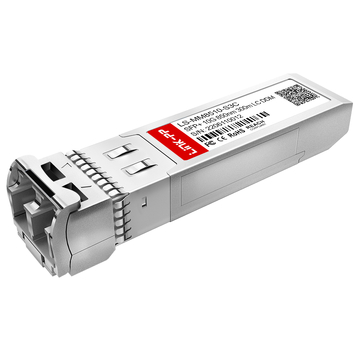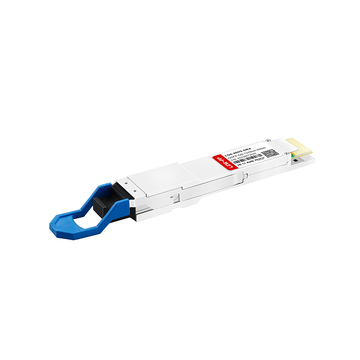
Fortinet FTLX8574D3BCLFTN is widely used in enterprise optical networking environments where stable 10G data transmission and secure infrastructure integration are required. In modern data-driven networks, optical transceivers like this module play a critical role in ensuring high-speed connectivity between switches, firewalls, and core network devices.
This module is commonly associated with Fortinet ecosystems and is designed to support reliable short-to-medium range fiber communication in enterprise and data center architectures. Its relevance continues to grow as organizations expand bandwidth demands, strengthen cybersecurity infrastructure, and modernize legacy networking systems.
From a commercial perspective, the Fortinet FTLX8574D3BCLFTN is not only evaluated based on performance, but also on availability, lifecycle compatibility, and sourcing flexibility. Procurement teams, distributors, and network integrators often assess multiple supply options to ensure stable deployment across large-scale infrastructure projects.
Understanding its technical role, deployment relevance, and sourcing considerations is essential for organizations aiming to optimize both network performance and operational cost efficiency in high-demand environments.
✅ Understanding Fortinet FTLX8574D3BCLFTN
Fortinet FTLX8574D3BCLFTN is a SFP+ 10G optical transceiver module used to enable high-speed fiber connectivity in Fortinet-based networking environments. It is primarily deployed in enterprise switches and security appliances where stable, low-latency data transmission is required across short to medium-range fiber links.
This module is typically evaluated from three core perspectives: its functional role in Fortinet ecosystems, its underlying technical specifications, and its operational value in enterprise-scale deployments. Understanding these aspects helps IT teams determine where and how it fits within modern network architectures.
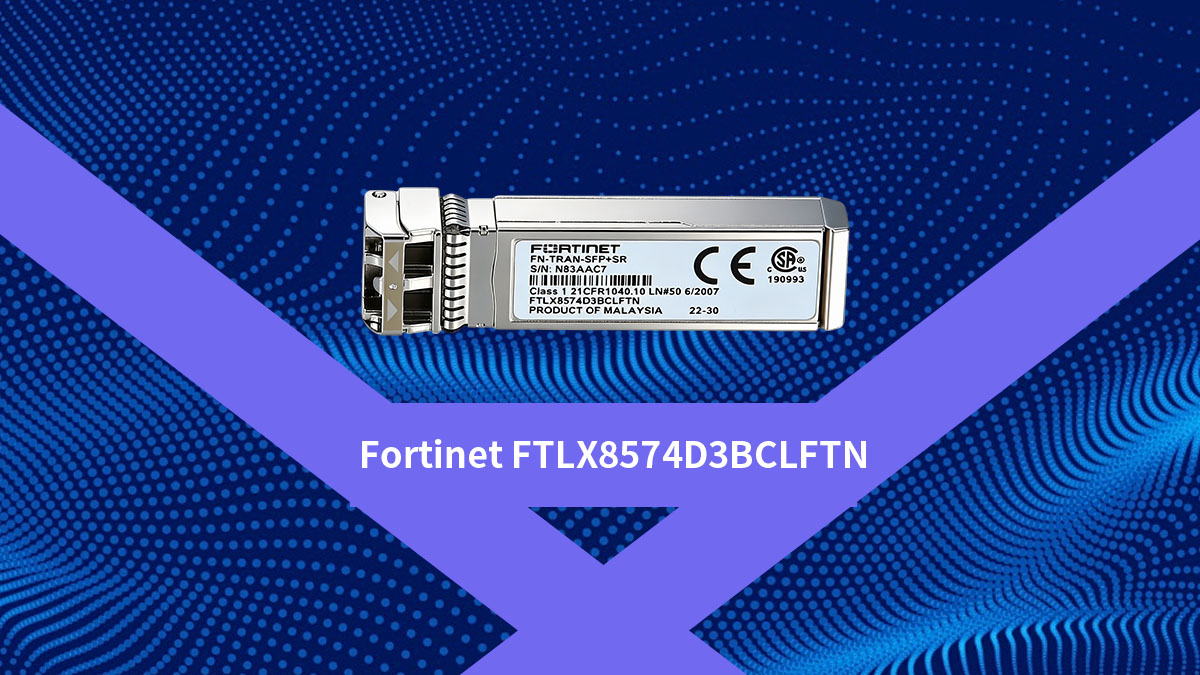
What Is Fortinet FTLX8574D3BCLFTN
Fortinet FTLX8574D3BCLFTN is a 10G SFP+ transceiver designed for fiber-optic communication in enterprise networking environments. It is used to transmit and receive high-speed Ethernet signals over optical fiber, enabling reliable interconnection between network devices.
In practical deployment, it is commonly used for:
- Connecting Fortinet firewalls to core or aggregation switches
- Supporting high-bandwidth server-to-switch communication
- Extending network links across different equipment racks or rooms
Its primary value lies in ensuring stable 10G data transfer while maintaining compatibility within Fortinet-managed infrastructures.
Core Technical Specifications
Fortinet FTLX8574D3BCLFTN operates as a high-performance optical module optimized for 10G Ethernet transmission. Its key specifications define its transmission capability, fiber compatibility, and deployment limits.
Before reviewing the details, it is important to understand that these parameters directly influence link stability, network reach, and infrastructure design choices in enterprise environments.
| Specification Dimension | Typical Value |
|---|---|
| Data Rate | 10Gbps |
| Wavelength | 850nm |
| Transmission Distance | Up to 300m (OM3 fiber) / 400m (OM4 fiber) |
These values indicate that the module is optimized for multimode fiber environments, particularly within data centers and campus networks where medium-range high-speed links are required.
Additional operational characteristics include:
- SFP+ form factor for hot-pluggable installation
- Low power consumption suitable for dense network deployments
- Compliance with Ethernet standards for interoperability
Together, these specifications make it suitable for predictable, high-throughput environments.
Key Features That Matter in Enterprise Networks
Fortinet FTLX8574D3BCLFTN is designed to support stable and efficient network performance in enterprise infrastructure, especially where security and uptime are critical requirements.
Its most relevant features include:
- High-speed 10G connectivity for bandwidth-intensive applications
- Low-latency optical transmission suitable for real-time data processing
- Hot-swappable design allowing installation without system downtime
- Stable performance in dense networking environments
In addition, the module is often valued for its consistent behavior within Fortinet ecosystems, reducing configuration complexity and minimizing interoperability risks.
From an operational perspective, these features contribute to:
- Improved network reliability
- Reduced maintenance disruptions
- Simplified infrastructure scaling in growing enterprise environments
✅ Typical Deployment Scenarios
Fortinet FTLX8574D3BCLFTN is typically deployed in environments where stable 10G fiber connectivity is required across enterprise-grade infrastructure. Its usage is concentrated in data-heavy, security-sensitive, and performance-critical network architectures.
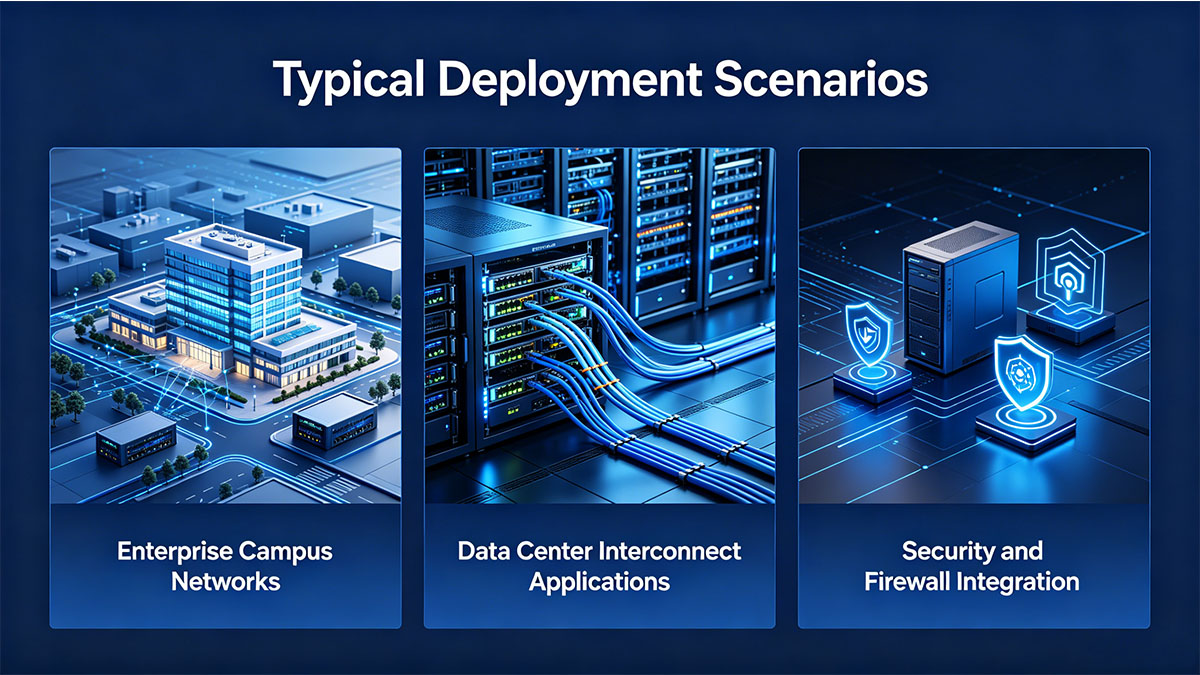
Enterprise Campus Networks
In enterprise campus environments, Fortinet FTLX8574D3BCLFTN is commonly used to connect distributed buildings, departments, and network access layers. It supports high-speed data flow between aggregation and core switching infrastructure.
Typical use cases include:
- Connecting access switches in different office buildings
- Supporting inter-building backbone fiber links
- Enabling centralized network management across campus sites
These deployments benefit from:
- Stable 10G bandwidth for business applications
- Reduced latency between distributed network segments
- Reliable fiber-based communication over structured cabling systems
In this context, the module plays a key role in ensuring consistent performance for enterprise-wide connectivity.
Data Center Interconnect Applications
In data center environments, Fortinet FTLX8574D3BCLFTN is primarily used for short-range, high-speed interconnects between servers, switches, and storage systems. It supports structured architectures such as spine-leaf designs.
Before detailing specific use cases, it is important to note that data centers prioritize deterministic performance and minimal latency, making optical stability a critical requirement.
Common applications include:
- Server-to-top-of-rack (ToR) switch connectivity
- Inter-switch links within leaf-spine architectures
- High-bandwidth aggregation between compute clusters
Operational benefits in this environment include:
- Efficient east-west traffic handling
- Improved scalability for virtualized workloads
- Reduced congestion in high-density computing environments
As data center traffic continues to grow, transceiver modules like this remain essential for maintaining predictable throughput.
Security and Firewall Integration
Fortinet FTLX8574D3BCLFTN is also widely deployed in security-focused network infrastructures where Fortinet firewalls and security appliances form the core of traffic inspection and policy enforcement.
In these scenarios, the module supports secure, high-throughput data transfer between security layers and core network devices.
Typical deployment scenarios include:
- Linking FortiGate firewalls to aggregation switches
- Supporting high-speed inspection of encrypted and unencrypted traffic
- Enabling segmented network zones with controlled traffic flow
Key operational advantages include:
- Sustained performance under security inspection workloads
- Reliable throughput for firewall-heavy traffic environments
- Stable connectivity in mission-critical security architectures
This makes it particularly valuable in enterprises where security performance must scale alongside network demand.
✅ Compatibility Considerations Before Deployment
Fortinet FTLX8574D3BCLFTN must be evaluated carefully for compatibility before deployment because optical transceivers are tightly dependent on both hardware recognition and firmware-level validation. In enterprise environments, even small mismatches can lead to link failures, reduced performance, or non-recognition by network devices.
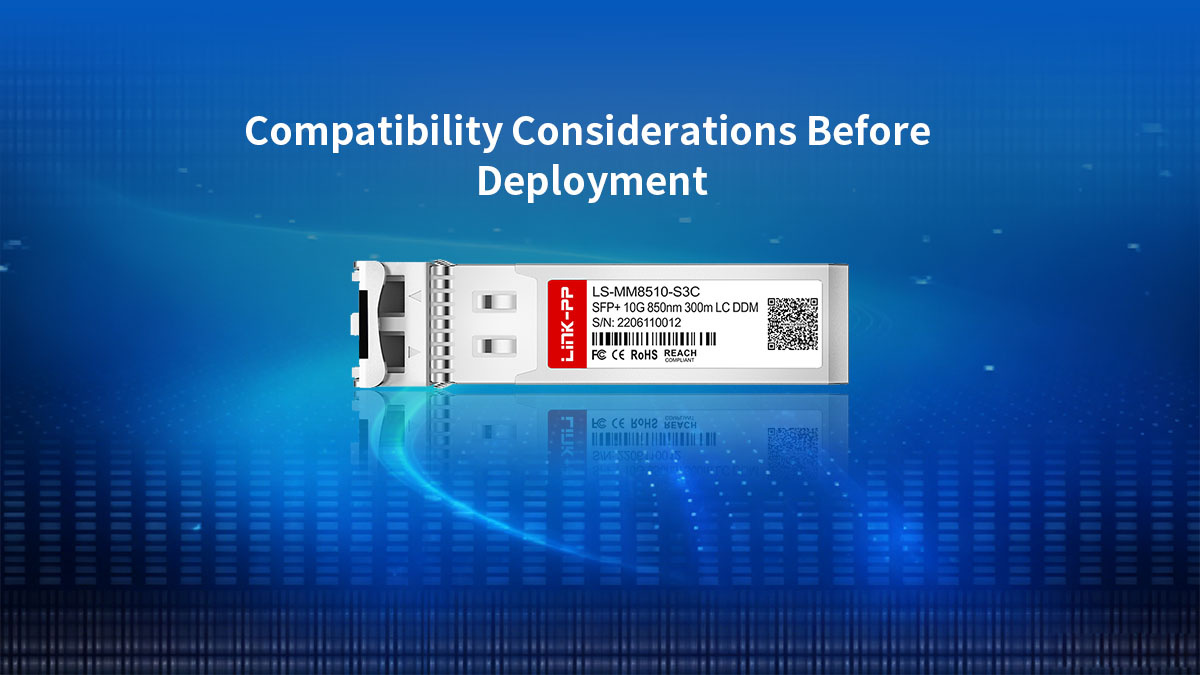
Fortinet Hardware Compatibility
Fortinet FTLX8574D3BCLFTN is primarily designed for use within Fortinet networking ecosystems, especially FortiGate firewalls and compatible switching platforms. Ensuring hardware compatibility is the first step in deployment planning.
Before installation, IT teams typically verify:
- Supported Fortinet device models (FortiGate, FortiSwitch, etc.)
- Optical port type (SFP+ slot compatibility)
- Firmware version requirements for module recognition
Key compatibility considerations include:
- Device whitelist or supported optics database in Fortinet firmware
- Potential restrictions on third-party transceivers
- Feature limitations depending on hardware generation
When properly matched, the module integrates seamlessly into Fortinet-managed environments with minimal configuration effort.
Third-Party Network Interoperability
In mixed-vendor environments, Fortinet FTLX8574D3BCLFTN may also need to operate alongside switches, routers, or servers from other manufacturers. This introduces additional compatibility considerations beyond Fortinet-native deployment.
Before deployment in heterogeneous networks, common evaluation points include:
- Cross-vendor SFP+ interoperability
- Link negotiation stability between different network platforms
- Compatibility with switch operating systems (Cisco, Arista, Juniper, etc.)
Typical challenges include:
- Inconsistent optical power thresholds between vendors
- Firmware-level restrictions on non-native modules
- Variations in link reporting and diagnostic data
To ensure stable operation, network engineers often perform pre-deployment testing in controlled environments before full-scale rollout.
EEPROM Coding and Validation
EEPROM coding plays a critical role in ensuring that Fortinet FTLX8574D3BCLFTN is correctly identified by network devices. The module’s internal programming determines whether it is recognized as compatible and allowed to operate without restrictions.
Key technical aspects include:
- Vendor-specific coding embedded in module memory
- Device-level authentication checks during insertion
- Firmware validation routines that verify optical identity
Important considerations:
- Incorrect or generic coding may result in “unsupported transceiver” warnings
- Mismatched EEPROM data can prevent link establishment entirely
- Proper validation ensures full functionality and monitoring visibility
For stable deployment, enterprises often verify EEPROM consistency as part of acceptance testing before integrating modules into production networks.
✅ Commercial Sourcing Challenges in the Optical Module Market
Sourcing Fortinet FTLX8574D3BCLFTN in today’s optical module market involves more than simple product selection. Enterprises and distributors must navigate fluctuating supply chains, pricing variability, and quality assurance risks that directly impact deployment stability and long-term network performance.
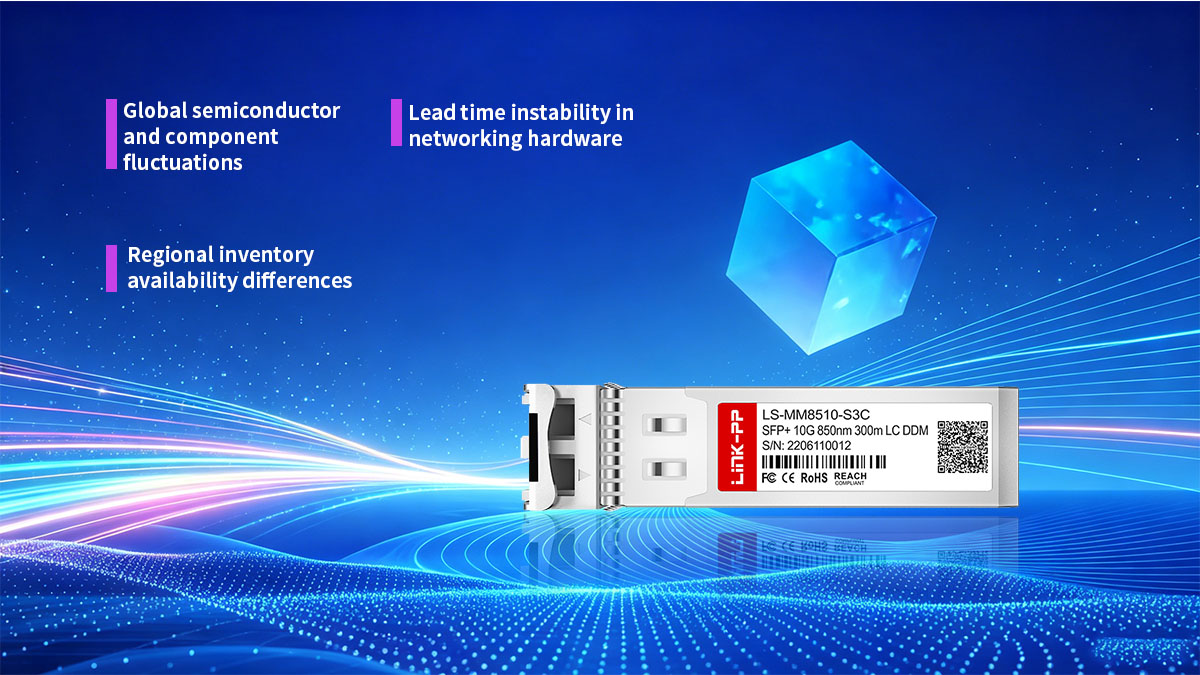
Supply Chain Variability
The optical module supply chain is highly sensitive to global semiconductor availability, logistics constraints, and manufacturing capacity. For modules like Fortinet FTLX8574D3BCLFTN, this variability can directly affect lead times and project planning.
Common supply chain challenges include:
- Semiconductor allocation fluctuations affecting production volume
- Regional stock imbalances between Asia, Europe, and North America
- Shipping delays due to global logistics disruptions
These factors often lead to:
- Extended procurement cycles for large-scale deployments
- Inconsistent availability across different suppliers
- Increased planning complexity for network rollouts
As a result, enterprises increasingly adopt multi-source procurement strategies to reduce dependency on a single supply channel.
Pricing Factors Affecting Procurement
Pricing for Fortinet-compatible optical modules is influenced by multiple market dynamics rather than a fixed cost structure. These fluctuations can significantly impact budgeting for large infrastructure projects.
Key pricing drivers include:
- Raw material cost variations in optical components
- Supply-demand imbalance in 10G transceiver segments
- Volume-based pricing differences for enterprise orders
- Product lifecycle stage (new vs mature module availability)
In practice, procurement teams often observe:
- Price differences between original branded modules and compatible equivalents
- Temporary price spikes during supply shortages
- More stable pricing in high-volume sourcing agreements
Understanding these variables is essential for maintaining predictable procurement budgets in long-term deployments.
Risks Associated with Unverified Suppliers
One of the most critical challenges in the optical module market is the presence of unverified or low-quality suppliers. For Fortinet FTLX8574D3BCLFTN, sourcing from unreliable channels can introduce operational and financial risks.
Common risks include:
- Counterfeit or improperly rebranded optical modules
- Inconsistent optical performance leading to link instability
- Lack of proper EEPROM coding or device recognition issues
- Absence of warranty or post-deployment technical support
These risks can result in:
- Network downtime caused by unstable links
- Increased troubleshooting and maintenance costs
- Compatibility failures in Fortinet-managed environments
For enterprise networks, supplier validation is therefore a critical step to ensure that optical modules meet both performance and compliance expectations before deployment in production systems.
✅ Evaluating Original and Compatible Alternatives
Fortinet FTLX8574D3BCLFTN is typically available in both original branded form and compatible alternatives produced by third-party manufacturers. In commercial procurement, evaluating these options is essential for balancing performance reliability, compatibility assurance, and cost efficiency in large-scale network deployments.
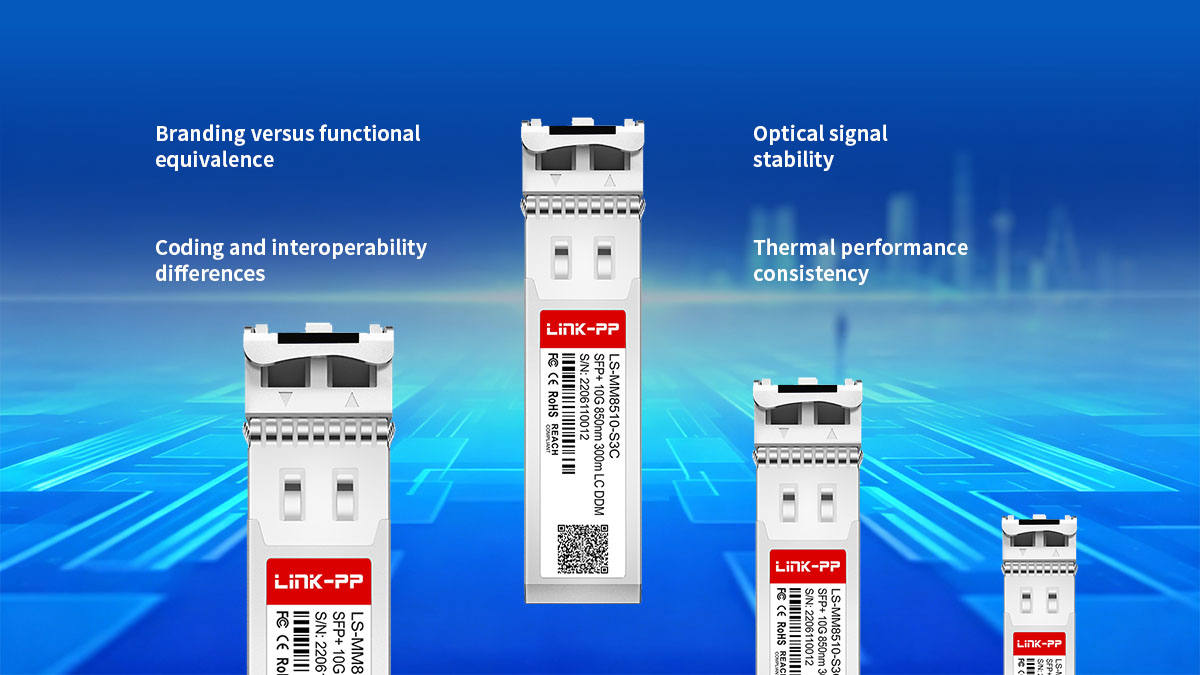
Differences Between Original and Compatible Modules
Original Fortinet-branded optical modules and compatible alternatives are often functionally similar in terms of core transmission capability, but they differ in manufacturing origin, firmware coding, and validation ecosystems.
Before comparing, it is important to understand that both categories are designed to support 10G Ethernet connectivity, but their integration behavior may vary depending on device policies.
Key distinctions include:
- Branding and certification alignment with Fortinet ecosystems
- EEPROM coding structure and device recognition behavior
- Manufacturing source and quality control frameworks
- Firmware validation and compatibility assurance levels
In practical deployment:
- Original modules typically provide guaranteed compatibility within Fortinet environments
- Compatible modules focus on broader interoperability and cost efficiency
Performance Comparison Factors
From a technical standpoint, both original and compatible versions of Fortinet FTLX8574D3BCLFTN aim to deliver equivalent 10G optical performance. However, real-world performance consistency depends on manufacturing precision and testing standards.
Before evaluating differences, it is important to note that performance is influenced more by quality control than by theoretical specifications.
Key comparison dimensions include:
| Performance Dimension | Original Module | Compatible Alternative |
|---|---|---|
| Signal Stability | Highly consistent | Varies by manufacturer |
| Thermal Performance | Optimized for Fortinet systems | Depends on design quality |
| Link Reliability | Fully validated in Fortinet ecosystem | Requires compatibility testing |
Additional considerations:
- Original modules often undergo stricter ecosystem validation
- High-quality compatible modules may match performance in controlled deployments
- Low-grade alternatives can introduce instability under high traffic loads
Cost Optimization Opportunities
One of the primary reasons enterprises evaluate compatible alternatives is cost optimization in large-scale deployments. Optical transceivers are often deployed in high quantities, making unit price differences significant at scale.
Before outlining cost benefits, it is important to understand that savings must be balanced against operational risk.
Key advantages of compatible alternatives include:
- Lower per-unit acquisition cost in bulk deployments
- Improved budget flexibility for large infrastructure expansions
- Easier scaling in multi-site network rollouts
- Reduced total cost of ownership when sourced from reliable suppliers
In enterprise procurement strategies:
- Original modules are often used in critical or highly sensitive network segments
- Compatible alternatives are widely adopted in non-core or large-scale distribution layers
This hybrid approach allows organizations to optimize infrastructure investment while maintaining acceptable performance and reliability levels across different network tiers.
✅ Key Evaluation Criteria for Reliable Suppliers
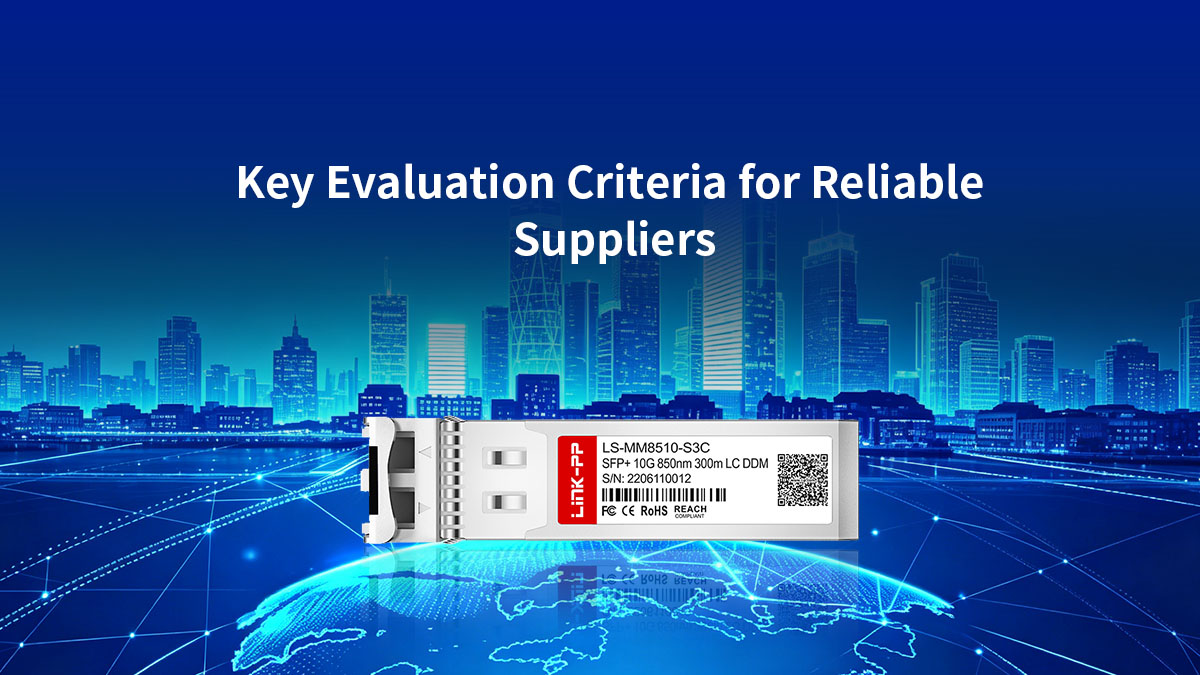
Selecting a reliable supplier for Fortinet FTLX8574D3BCLFTN is a critical step in ensuring stable optical network performance and reducing long-term operational risk. In enterprise procurement, supplier evaluation goes beyond price comparison and focuses heavily on quality assurance, technical validation, and supply consistency.
Product Quality Assurance Standards
Product quality is the foundation of any reliable optical module supply chain. For Fortinet FTLX8574D3BCLFTN, consistent optical performance and strict manufacturing validation are essential to ensure stable 10G connectivity.
Before selecting a supplier, enterprises typically assess:
- Optical performance testing procedures for each module batch
- Compliance with industry-level standards for Ethernet transceivers
- Environmental stress testing (temperature, vibration, signal stability)
- Consistency of optical power levels and transmission accuracy
Important quality indicators include:
- Stable signal output under continuous high-load operation
- Low bit error rate (BER) in transmission testing
- Reliable performance across different Fortinet hardware platforms
A supplier with strong quality assurance processes significantly reduces the risk of link instability and premature module failure.
Technical Support and Service Capabilities
Beyond product quality, technical support capability plays a major role in ensuring smooth deployment and long-term maintenance of optical modules. This is especially important in enterprise environments where network downtime has direct operational impact.
Key service capabilities to evaluate include:
- Pre-sales compatibility verification with Fortinet devices
- Guidance on firmware and hardware matching requirements
- Assistance with deployment configuration and troubleshooting
- Post-installation technical support for performance issues
Additional service strengths include:
- Fast response time for technical inquiries
- Availability of engineering-level support for complex deployments
- Ability to assist in mixed-vendor network environments
A supplier with strong technical expertise can significantly reduce deployment risks and shorten resolution time for network issues.
Inventory and Delivery Reliability
In large-scale network projects, delivery stability is as important as product quality. Optical modules like Fortinet FTLX8574D3BCLFTN are often deployed in bulk, making inventory consistency a key procurement factor.
Before choosing a supplier, organizations typically evaluate:
- Global inventory availability across multiple regions
- Ability to fulfill urgent or large-volume orders
- Consistency in lead times across different product batches
- Logistics efficiency and delivery tracking transparency
Operational benefits of reliable supply capability include:
- Reduced project delays caused by component shortages
- Better alignment with network rollout schedules
- Improved flexibility for phased deployment strategies
In enterprise procurement planning, consistent delivery performance ensures that infrastructure expansion remains predictable and uninterrupted across all deployment stages.
✅ Deployment Best Practices for Stable Network Performance
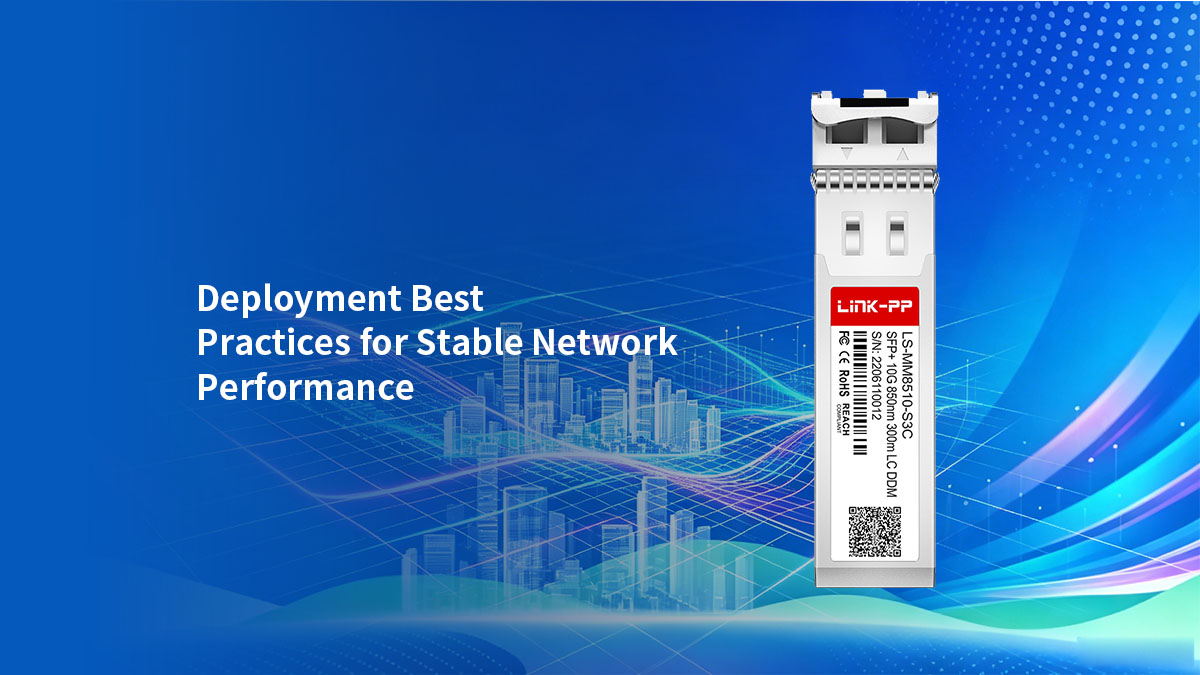
Deploying Fortinet FTLX8574D3BCLFTN in enterprise networks requires more than physical installation. Stable network performance depends on fiber quality, correct handling procedures, and continuous monitoring after deployment. When these factors are properly managed, 10G optical links can maintain consistent throughput and long-term reliability across demanding environments.
Fiber Infrastructure Preparation
A stable optical connection begins with properly prepared fiber infrastructure. Even high-quality transceivers like Fortinet FTLX8574D3BCLFTN cannot compensate for poor cabling or contamination issues.
Before deployment, engineers typically focus on:
- Ensuring fiber type compatibility (multimode or OM3/OM4 as required)
- Verifying connector cleanliness to avoid signal loss
- Checking physical fiber integrity for bends or micro-fractures
- Confirming link budget alignment for distance and attenuation
Key preparation practices include:
- Cleaning fiber connectors using approved tools before insertion
- Avoiding tight bending radius that may degrade optical signal
- Labeling fiber links clearly for easier troubleshooting
Proper fiber preparation ensures that the optical module operates within its designed transmission parameters.
Installation and Handling Guidelines
Correct installation practices are essential for preventing hardware damage and ensuring immediate link stability after deployment. Optical modules are sensitive components, and improper handling can result in degraded performance or failure.
Before installation, technicians typically follow standardized procedures such as:
- Using electrostatic discharge (ESD) protection during handling
- Inserting the module gently into the SFP+ slot without force
- Avoiding direct contact with optical connectors
- Verifying proper alignment before full insertion
Additional best practices include:
- Installing modules only when devices are powered and supported for hot-swap
- Ensuring dust caps are removed only at the moment of connection
- Documenting port assignments for future maintenance reference
These steps help prevent physical damage and ensure reliable initial link establishment.
Monitoring and Maintenance Strategies
After deployment, continuous monitoring is essential for maintaining stable performance of Fortinet FTLX8574D3BCLFTN modules. Optical networks may degrade over time due to environmental factors, fiber aging, or increased traffic loads.
Key monitoring practices include:
- Tracking optical power levels on both transmit and receive channels
- Monitoring temperature conditions inside networking equipment
- Reviewing link error rates and retransmission statistics
- Using built-in diagnostics from Fortinet devices where available
Ongoing maintenance strategies include:
- Periodic cleaning of fiber connectors to prevent contamination buildup
- Re-seating modules during scheduled maintenance windows if instability is detected
- Replacing degraded fiber links proactively before failure occurs
When combined, monitoring and maintenance help ensure:
- Long-term signal stability
- Reduced unexpected downtime
- Predictable network performance under sustained load
A well-managed deployment environment significantly extends the operational reliability of optical transceivers in enterprise infrastructure.
✅ Common Issues and Troubleshooting Insights
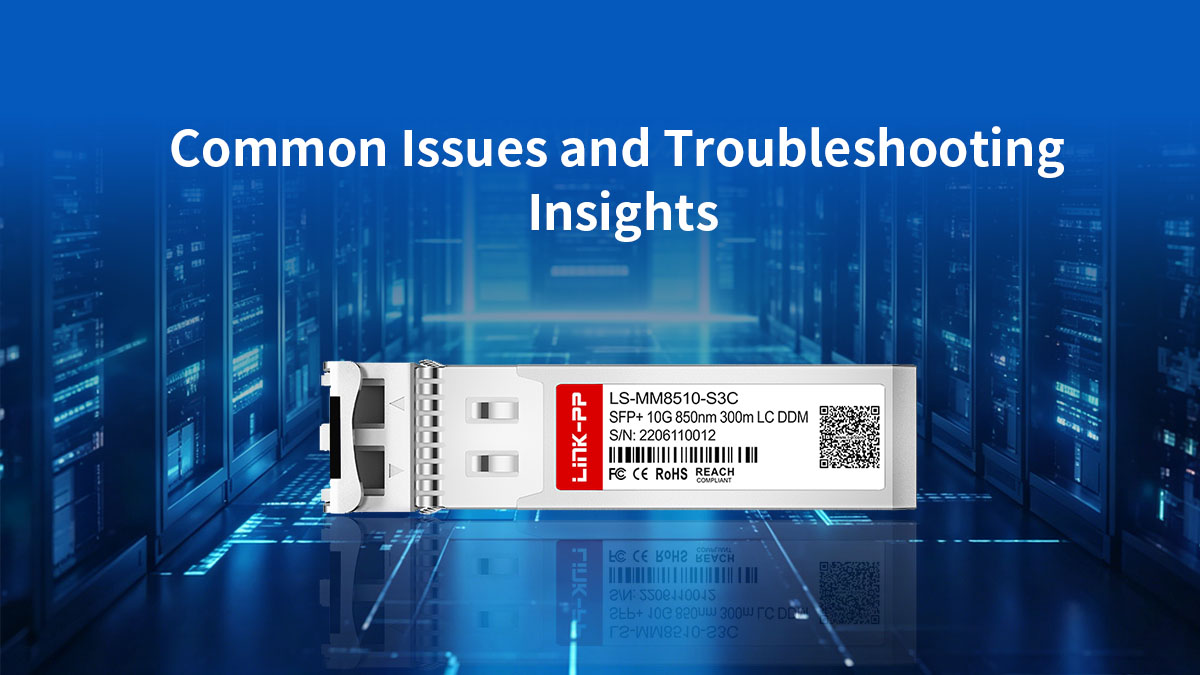
In real-world deployments of Fortinet FTLX8574D3BCLFTN, even well-designed optical networks may encounter operational issues caused by compatibility mismatches, fiber conditions, or environmental factors. Understanding common failure patterns helps reduce downtime and improves long-term network stability.
Most issues in 10G optical environments are not caused by the module itself alone, but by the interaction between hardware, firmware, and physical fiber infrastructure.
Link Detection Failures
Link detection failure is one of the most common issues observed after installing Fortinet FTLX8574D3BCLFTN. It occurs when the network device fails to recognize the optical module or establish an active link.
Before troubleshooting, it is important to confirm whether the issue is related to compatibility, hardware seating, or configuration.
Typical causes include:
- Incompatible Fortinet device model or unsupported SFP+ slot
- Firmware restrictions blocking third-party or mismatched modules
- Improper insertion or loose physical connection
- Faulty or incorrectly coded EEPROM information
Troubleshooting steps include:
- Re-seating the module to ensure proper physical alignment
- Checking Fortinet device logs for transceiver recognition errors
- Verifying firmware compatibility with supported optics list
- Testing the module in an alternative port or device
In most cases, link detection issues are resolved by eliminating compatibility or physical connection problems.
Signal Degradation and Packet Loss
Signal degradation leads to unstable network performance, intermittent connectivity, or increased packet loss. In optical networks, this issue is often linked to fiber quality rather than the module itself.
Before diagnosing, engineers typically analyze optical power levels and transmission consistency.
Common causes include:
- Dirty or contaminated fiber connectors
- Excessive fiber attenuation due to distance or bends
- Poor-quality or damaged fiber cabling
- Misalignment between connected optical components
Key troubleshooting actions:
- Cleaning fiber connectors using approved cleaning tools
- Replacing damaged or low-quality fiber cables
- Verifying optical power levels against acceptable thresholds
- Recalculating link budget for proper distance compliance
Addressing physical layer issues usually restores stable transmission performance.
Thermal and Stability Concerns
Thermal instability can affect optical module performance, especially in high-density network environments where multiple transceivers operate in confined spaces.
Before analyzing thermal issues, it is important to evaluate airflow conditions and equipment density.
Typical contributing factors include:
- High port density in switches or firewall appliances
- Insufficient cooling or restricted airflow in network racks
- Elevated ambient temperature in data center environments
- Continuous high-throughput traffic load
Troubleshooting and optimization measures include:
- Improving rack airflow and ventilation design
- Ensuring adequate spacing between active devices
- Monitoring device temperature through system diagnostics
- Reducing thermal load through balanced traffic distribution
Maintaining stable operating temperature helps ensure consistent optical signal performance and extends the lifecycle of Fortinet FTLX8574D3BCLFTN modules in production environments.
✅ Future Trends Impacting 10G Optical Module Procurement
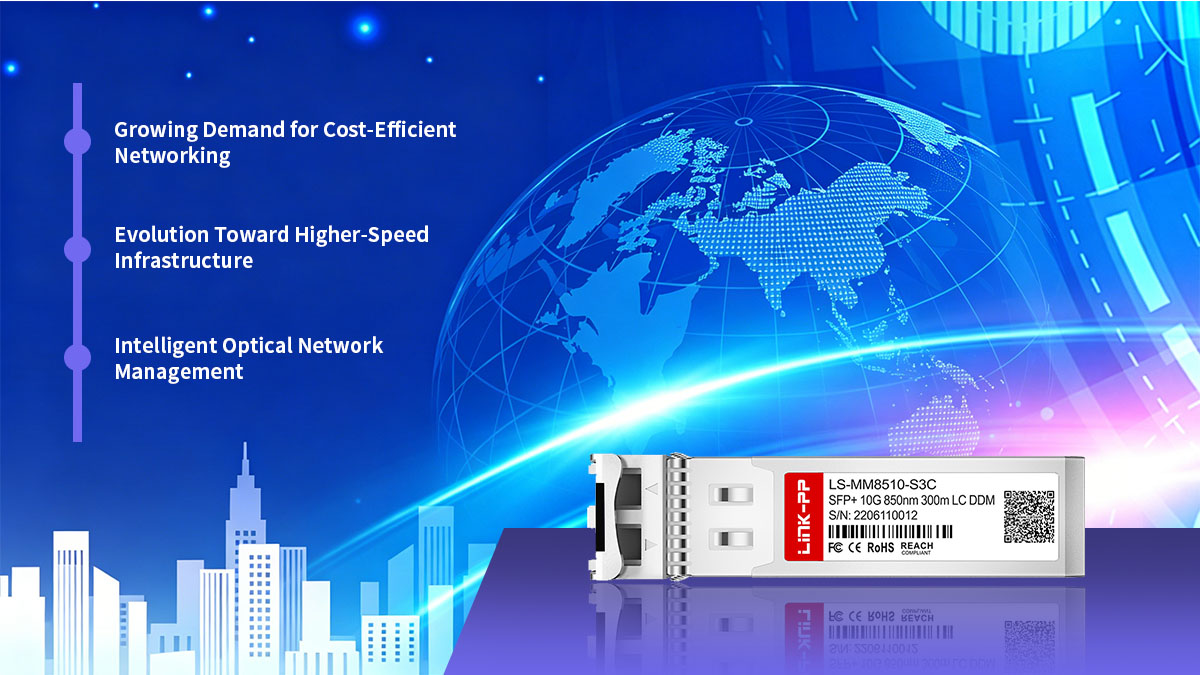
Procurement of Fortinet FTLX8574D3BCLFTN and similar 10G optical modules is increasingly influenced by evolving network architectures, shifting bandwidth demands, and changes in enterprise sourcing strategies. While 10G remains widely deployed, its role is gradually being reshaped by higher-speed technologies and more flexible procurement models.
Growing Demand for Cost-Efficient Networking
Enterprise networks are under constant pressure to balance performance requirements with budget efficiency. As a result, procurement strategies for optical modules are increasingly focused on cost optimization without compromising stability.
Key trends shaping this direction include:
- Expansion of large-scale distributed enterprise networks
- Increased adoption of hybrid sourcing strategies (original + compatible modules)
- Greater emphasis on total cost of ownership rather than unit price alone
- Standardization of 10G connectivity in mid-layer network infrastructure
Operational impacts include:
- Higher demand for scalable and interchangeable optical components
- Increased acceptance of high-quality compatible modules in non-critical links
- More structured supplier evaluation frameworks focused on reliability and consistency
This shift is making procurement more flexible while maintaining acceptable performance standards.
Evolution Toward Higher-Speed Infrastructure
Although 10G optical modules remain widely used, enterprise networks are steadily transitioning toward SFP28 25G, QSFP+ 40G, and QSFP28 100G architectures. This evolution directly influences how Fortinet FTLX8574D3BCLFTN is positioned in future deployments.
Before examining implications, it is important to note that 10G is not being eliminated, but rather reallocated within network hierarchies.
Key transition trends include:
- Migration of core network layers to higher-speed optical standards
- Continued use of 10G in access and aggregation layers
- Gradual adoption of mixed-speed environments within the same infrastructure
- Increased focus on backward compatibility across optical systems
Practical outcomes:
- 10G modules remain essential for cost-efficient edge connectivity
- Procurement strategies must support multi-generation network designs
- Inventory planning increasingly includes multiple speed tiers
This ensures smoother transitions between legacy systems and next-generation infrastructure without full network replacement.
Intelligent Optical Network Management
The future of optical module procurement is also being shaped by the integration of intelligent monitoring and automated network management systems. These technologies are improving how optical performance is tracked, maintained, and optimized.
Key developments include:
- Adoption of digital diagnostics monitoring (DDM) for real-time optical metrics
- Integration of AI-assisted network performance analysis tools
- Automated fault detection and predictive maintenance systems
- Centralized visibility platforms for multi-site optical networks
Key benefits:
- Faster identification of degraded optical links
- Reduced manual troubleshooting workload
- Improved forecasting of component replacement cycles
- Enhanced network reliability through proactive maintenance
As these systems mature, procurement decisions will increasingly consider not only hardware specifications but also compatibility with intelligent monitoring ecosystems. This will further influence how Fortinet FTLX8574D3BCLFTN and similar modules are selected, deployed, and managed in enterprise environments.
✅ Conclusion
Fortinet FTLX8574D3BCLFTN remains an important 10G optical transceiver option for enterprise networks that require stable fiber connectivity across security infrastructure, data center environments, and campus backbone systems. Its value is primarily defined by consistent 10G performance, Fortinet ecosystem compatibility, and reliable operation in high-demand networking scenarios.
From a procurement perspective, effective deployment is not limited to selecting the correct specification. It also depends on ensuring hardware compatibility, validating EEPROM recognition behavior, managing supply chain stability, and choosing suppliers that can consistently deliver tested and reliable units. These factors directly influence network uptime, scalability, and long-term operational efficiency.
As enterprises continue to evolve toward higher-speed architectures, 10G modules like FTLX8574D3BCLFTN will still play a key role in access and aggregation layers, especially where cost efficiency and stable performance remain priorities. At the same time, sourcing strategies are becoming more flexible, with increased attention to qualified compatible alternatives that can meet enterprise-grade requirements without compromising stability.
For organizations seeking dependable optical networking solutions, working with a specialized supplier is essential to ensure consistent quality, verified compatibility, and stable supply availability. Platforms such as the LINK-PP Official Store provide a range of tested optical transceivers and compatible solutions designed to support enterprise networking deployments with a focus on reliability and interoperability.