

























Modern data centers continue to rely on storage area networks (SANs) for high-performance, low latency data access, especially in environments where reliability and consistency are critical. Despite the rapid evolution toward higher-speed Fibre Channel standards, a significant number of enterprise infrastructures still operate on 4Gbps Fibre Channel due to its stability, cost efficiency, and compatibility with existing hardware. In these scenarios, optical transceivers remain a foundational component, directly impacting link performance and overall network reliability.
Among these transceiver modules, the Cisco DS-SFP-FC4G-SW is widely recognized as a shortwave SFP module designed specifically for 4G Fibre Channel applications. It enables efficient data transmission over multimode fiber, making it a practical choice for short-distance connections within data centers. Understanding how this module works, where it fits within SAN architectures, and what technical characteristics define its performance is essential for maintaining and optimizing legacy storage networks.
This article provides a comprehensive exploration of the Cisco DS-SFP-FC4G-SW, covering its specifications, working principles, compatibility, and real-world deployment considerations. It also examines how this module compares to other Fibre Channel modules and outlines best practices for installation and troubleshooting. By the end, you will have a clear and structured understanding of when and how to use this transceiver effectively in modern and legacy SAN environments.
🌟 What is Cisco DS-SFP-FC4G-SW?
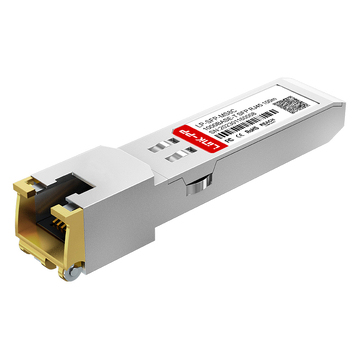
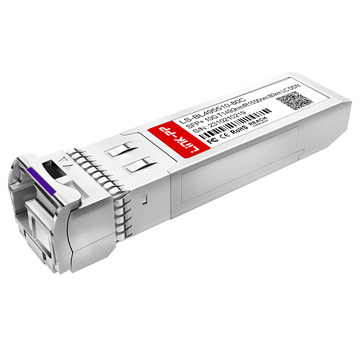
The Cisco DS-SFP-FC4G-SW is a 4Gbps Fibre Channel shortwave SFP transceiver designed for high-speed data transmission over multimode fiber in storage area networks. It provides reliable, low-latency connectivity for short-distance links and is widely deployed in enterprise SAN environments where stability and compatibility are critical.

Product Definition and Core Function
The DS-SFP-FC4G-SW functions as an optical interface that enables Fibre Channel communication between switches, storage systems, and host bus adapters. It converts electrical signals from network devices into optical signals for transmission over fiber, and vice versa.
Key functional characteristics include:
- Supports Fibre Channel communication for SAN environments
- Designed for short-range transmission using multimode fiber
- Enables high-speed data exchange between critical storage components
This module is typically used in switch-to-switch or switch-to-storage connections within the same data center, where distances are relatively short but performance requirements remain high.
Key Technical Specifications
The DS-SFP-FC4G-SW is defined by a set of technical parameters that determine its performance, compatibility, and deployment scope. The following table summarizes the core specifications:
| Parameter | Specification |
|---|---|
| Data Rate | 1G / 2G / 4Gbps |
| Wavelength | 850nm |
| Fiber Type | Multimode Fiber |
| Connector | LC Duplex |
| Max Distance | Up to 150m |
| Diagnostics | DOM/DDM Supported |
These specifications highlight its suitability for short-range, high-speed Fibre Channel links. The support for multiple data rates also ensures smooth integration into mixed-speed SAN environments.
Typical Use Cases
The DS-SFP-FC4G-SW is primarily used in scenarios where reliable short-distance Fibre Channel connectivity is required. Its design aligns with the operational needs of enterprise storage systems.
Common deployment scenarios include:
- Data center SAN interconnects between switches
- Connections between Fibre Channel switches and storage arrays
- Links between switches and servers equipped with Fibre Channel HBAs
These use cases demonstrate its role as a foundational component in maintaining efficient data flow within storage infrastructures. While newer technologies offer higher speeds, this module continues to serve as a practical and dependable solution in environments where 4G Fibre Channel remains in operation.
🌟 How DS-SFP-FC4G-SW Works in Fibre Channel Networks
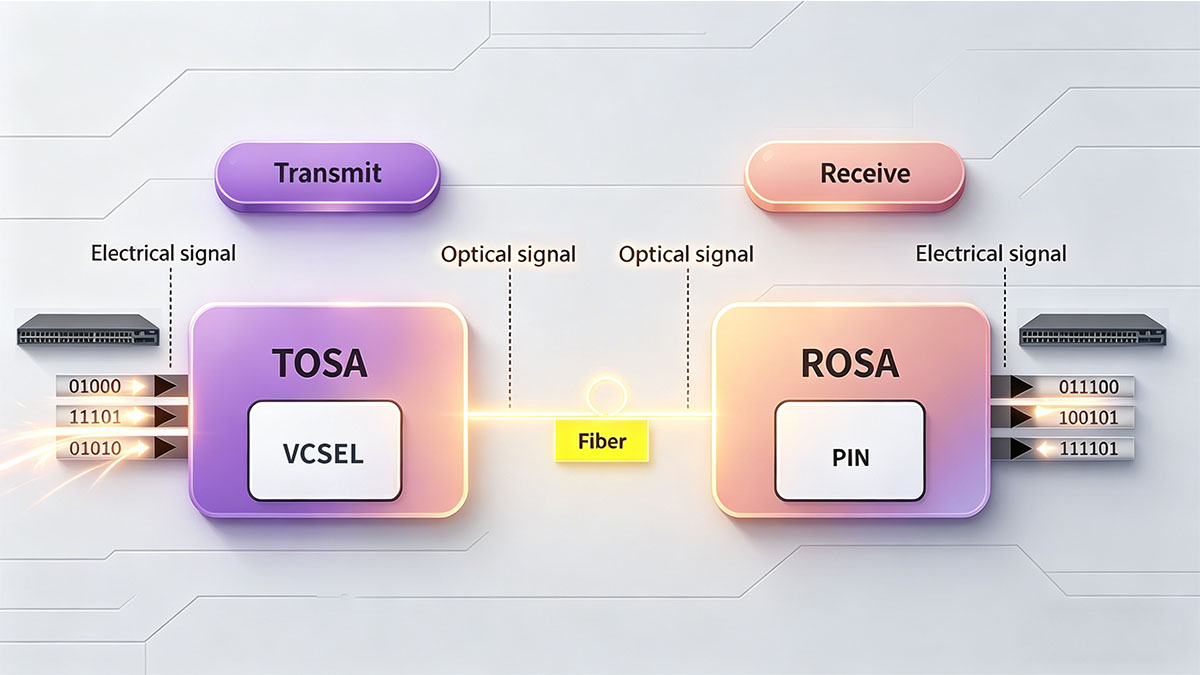
The Cisco DS-SFP-FC4G-SW operates as a critical optical interface within Fibre Channel networks, enabling high-speed, low-latency data transmission between SAN components. It converts electrical signals into optical signals for transmission over multimode fiber, ensuring reliable communication across short distances in storage environments.
Fibre Channel Architecture Overview
In a typical Fibre Channel SAN, the DS-SFP-FC4G-SW serves as the physical layer component that connects switches, servers, and storage systems. It is installed in SFP ports on Fibre Channel switches or host bus adapters (HBAs), forming the backbone of optical connectivity.
Its role within the architecture can be summarized as follows:
- Provides the physical link between SAN devices
- Enables high-speed frame transmission across Fibre Channel fabrics
- Supports communication between:
- Switch-to-switch (ISL links)
- Switch-to-storage (array connectivity)
- Switch-to-server (via HBA)
This positioning makes the transceiver essential for maintaining stable and efficient data paths within the SAN.
Optical Transmission Principles
The DS-SFP-FC4G-SW uses shortwave laser technology (typically VCSEL) to transmit data over multimode fiber at an 850nm wavelength. This approach is optimized for short-distance communication within data centers.
The underlying transmission process includes:
- Electrical signals from the switch are converted into optical pulses
- Optical signals travel through multimode fiber
- At the receiving end, the signals are converted back into electrical form
Several physical factors influence performance:
- Fiber quality (OM2/OM3/OM4)
- Signal attenuation over distance
- Connector cleanliness and alignment
Because multimode fiber has higher modal dispersion compared to single-mode fiber, the effective transmission distance is limited, but it remains highly efficient for intra-data center links.
Auto-Negotiation and Backward Compatibility
The DS-SFP-FC4G-SW supports multiple Fibre Channel speeds, allowing it to operate in 1G, 2G, or 4Gbps environments. This flexibility ensures compatibility with legacy systems while maintaining performance in mixed-speed deployments.
Key compatibility behaviors include:
- Automatic speed adaptation based on connected device capabilities
- Seamless integration into existing Fibre Channel fabrics
- Reduced need for infrastructure upgrades when scaling or replacing components
This backward compatibility is particularly valuable in enterprise environments where gradual upgrades are preferred over full infrastructure replacement.
🌟 Key Features and Advantages of DS-SFP-FC4G-SW
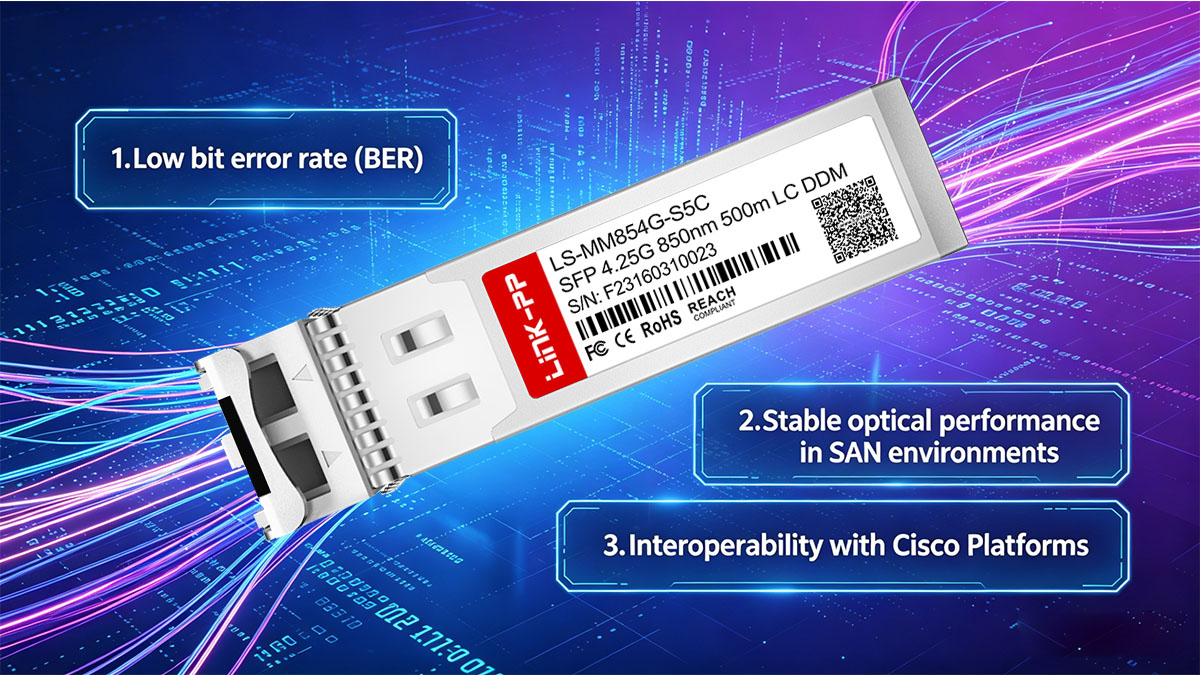
The Cisco DS-SFP-FC4G-SW delivers stable performance, strong compatibility, and practical diagnostics capabilities, making it a dependable choice for 4G Fibre Channel SAN environments. Its design focuses on reliability, operational visibility, and efficient integration into existing infrastructure.
High Reliability for Mission-Critical Storage
The DS-SFP-FC4G-SW is engineered to support continuous operation in environments where data availability is critical. It maintains consistent signal integrity and minimizes transmission errors, which is essential for storage traffic.
Key reliability characteristics include:
- Low bit error rate (BER) for accurate data transmission
- Stable optical output under varying operating conditions
- Designed for enterprise-grade uptime requirements
These attributes make it suitable for SAN environments where even minor disruptions can impact application performance or data integrity.
Interoperability with Cisco Platforms
This module is specifically optimized for Cisco Fibre Channel platforms, ensuring seamless operation without additional configuration. It is encoded to be recognized by Cisco devices, enabling straightforward deployment.
Its interoperability advantages can be summarized below:
| Feature | Description |
|---|---|
| Platform Support | Cisco MDS and Nexus FC-enabled ports |
| EEPROM Encoding | Cisco-compatible identification |
| Plug-and-Play | Automatic recognition by devices |
This level of integration reduces compatibility risks and simplifies network expansion or maintenance.
Digital Diagnostics Monitoring (DDM)
The DS-SFP-FC4G-SW includes Digital Optical Monitoring (DOM/DDM), which provides real-time visibility into the module's operating conditions. This capability is essential for proactive troubleshooting and performance monitoring.
The module continuously tracks the following parameters:
- Transceiver temperature
- Supply voltage
- Transmit (TX) optical power
- Receive (RX) optical power
With access to these metrics, network administrators can detect anomalies early, prevent failures, and maintain optimal link performance.
Energy Efficiency and Compact Design
The DS-SFP-FC4G-SW combines low power consumption with a compact SFP form factor, making it efficient for high-density deployments.
Key design benefits include:
- Low power usage, reducing overall energy consumption in data centers
- Hot-swappable design for easy installation and replacement
- Small footprint, enabling high port density on switches
These characteristics help optimize both operational efficiency and physical space utilization, particularly in environments with large-scale SAN deployments.
🌟 Compatibility and Platform Support
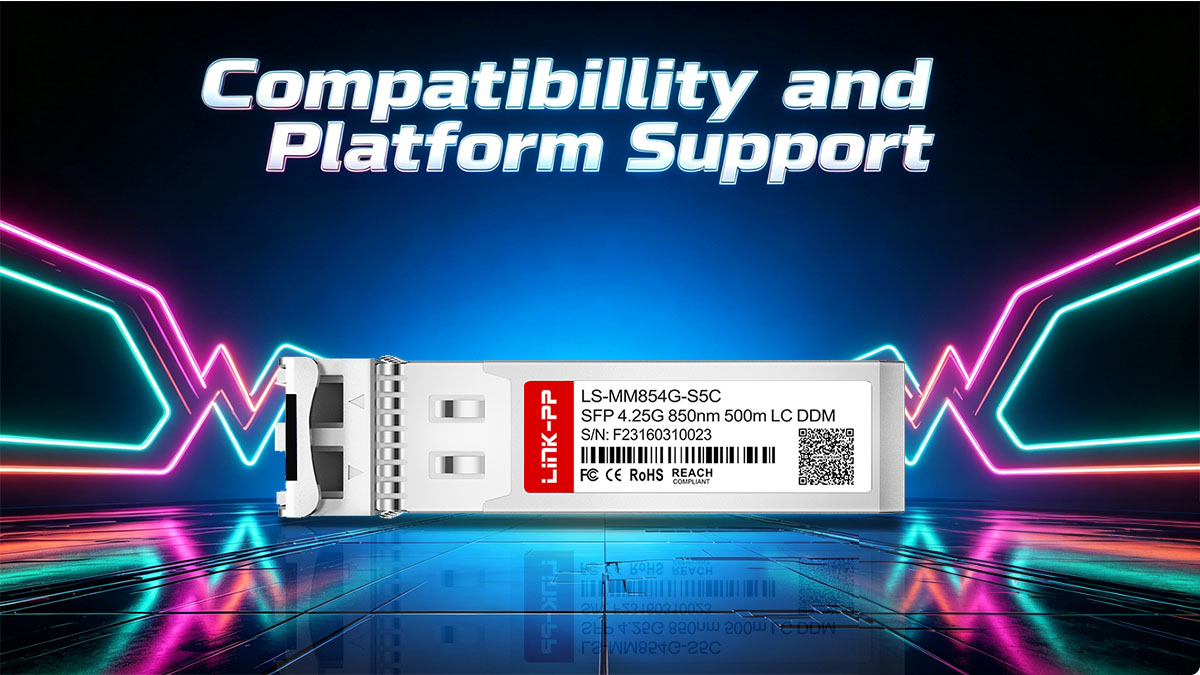
The Cisco DS-SFP-FC4G-SW is designed to integrate seamlessly into Cisco-based Fibre Channel environments, while also requiring careful validation in mixed or third-party deployments. Its compatibility profile is a key reason it is widely used in enterprise SAN infrastructures that prioritize stability and predictable interoperability.
Supported Cisco Devices
The DS-SFP-FC4G-SW is primarily intended for Cisco Fibre Channel switching platforms, where it is fully recognized and optimized for performance. In these environments, it operates as a native optical component within the SAN fabric.
Typical supported platforms include:
- Cisco MDS 9000 Series Fibre Channel switches
- Cisco Nexus switches with Fibre Channel capability (selected models)
- Cisco SAN director-class platforms in enterprise data centers
These platforms are designed to automatically recognize Cisco-coded SFP modules, enabling consistent performance without additional manual configuration.
Third-Party Compatibility Considerations
While the DS-SFP-FC4G-SW is optimized for Cisco environments, it may also physically fit into standard SFP slots on other Fibre Channel-capable devices. However, compatibility is not guaranteed and depends on firmware and vendor restrictions.
Key considerations include:
| Factor | Impact on Compatibility |
|---|---|
| EEPROM Coding | May restrict recognition on non-Cisco devices |
| Firmware Locking | Some switches reject non-authorized optics |
| Protocol Support | Must match Fibre Channel 1G/2G/4G standards |
In practice, mismatched encoding or firmware restrictions can lead to link failures, disabled ports, or warning messages, making validation essential before deployment in non-Cisco environments.
Fiber and Cabling Requirements
The DS-SFP-FC4G-SW is designed for multimode fiber transmission at 850nm, which directly influences cabling selection and maximum reach. Proper fiber matching is critical to ensure signal integrity and avoid performance degradation.
Recommended fiber types include:
- OM2 multimode fiber for short-distance legacy setups
- OM3 multimode fiber for improved performance and extended reach
- OM4 multimode fiber for optimized high bandwidth short-range links
Distance performance varies depending on fiber grade, with higher-quality fiber enabling more stable transmission over longer spans within the module's operational limits. Proper connector cleanliness and cable management are also essential to maintain reliable optical performance in dense SAN deployments.
🌟 DS-SFP-FC4G-SW vs Other Fibre Channel Transceivers
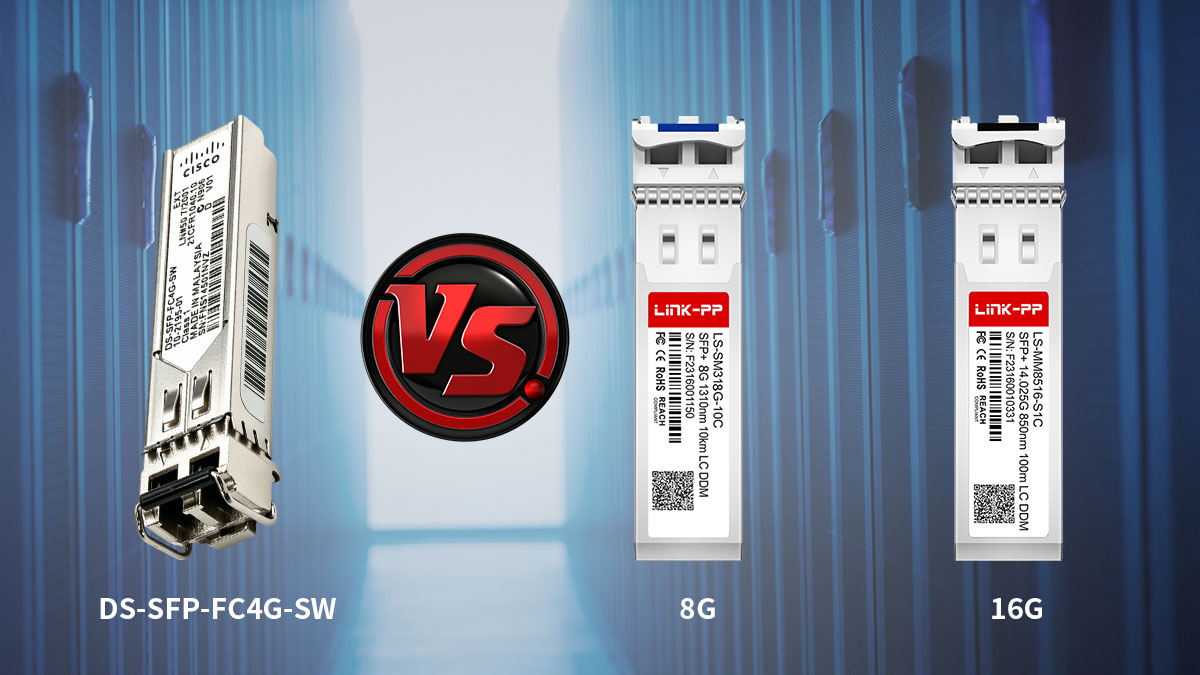
The Cisco DS-SFP-FC4G-SW is positioned as a legacy 4Gbps shortwave Fibre Channel transceiver, and its value becomes clearer when compared with higher-speed or alternative wavelength modules. Understanding these differences helps determine where it still fits in modern SAN architectures and where upgrades may be more appropriate.
Comparison with 8G and 16G Fibre Channel Modules
The most direct comparison is with newer 8G and 16G Fibre Channel SFP+ modules (such as DS-SFP-FC16G-SW), which are widely used in modern storage networks. The DS-SFP-FC4G-SW remains relevant mainly in environments where infrastructure upgrades are gradual or cost-sensitive.
| Feature | DS-SFP-FC4G-SW (4G) | 8G FC SFP+ | 16G FC SFP+ |
|---|---|---|---|
| Data Rate | Up to 4Gbps | Up to 8Gbps | Up to 16Gbps |
| Form Factor | SFP | SFP+ | SFP+ |
| Typical Use Case | Legacy SAN | Mid-generation SAN | Modern SAN |
| Power Consumption | Low | Medium | Higher |
| Cost Efficiency | High for legacy use | Balanced | Higher investment |
From a practical standpoint, the DS-SFP-FC4G-SW is most suitable for maintaining existing 4G infrastructures rather than building new high-performance SAN environments.
SW vs LW (Shortwave vs Longwave Modules)
Another important comparison is between shortwave (SW) and longwave (LW, like DS-SFP-FC4G-LW) Fibre Channel transceivers. The DS-SFP-FC4G-SW uses shortwave 850nm optics designed for multimode fiber, which significantly affects deployment scenarios.
Key differences include:
- SW (Shortwave, 850nm):
- Uses multimode fiber (MMF)
- Optimized for short distances (data center intra-rack or inter-rack)
- Lower cost and simpler deployment
- LW (Longwave, typically 1310nm):
- Uses single-mode fiber (SMF)
- Supports much longer transmission distances
- Higher cost and more suitable for campus or inter-building links
This distinction makes DS-SFP-FC4G-SW ideal for localized SAN environments rather than long-distance storage connectivity.
Cost vs Performance Trade-offs
The DS-SFP-FC4G-SW continues to be used primarily due to its cost efficiency and compatibility with existing infrastructure. However, its performance ceiling reflects its generation.
Important trade-offs include:
- Lower bandwidth compared to modern Fibre Channel standards
- High compatibility with legacy SAN equipment
- Reduced upgrade cost when maintaining existing 4G infrastructure
- Limited scalability for high throughput workloads
In many enterprise environments, it remains a practical choice for non-critical or stable workloads where upgrading the entire SAN fabric is not immediately necessary.
🌟 Deployment Best Practices
The deployment of the Cisco DS-SFP-FC4G-SW in Fibre Channel environments requires careful attention to physical installation, optical planning, and ongoing monitoring. Proper deployment practices help ensure stable link performance, minimize downtime, and extend the operational lifespan of both the transceiver and the SAN infrastructure.
Installation Guidelines
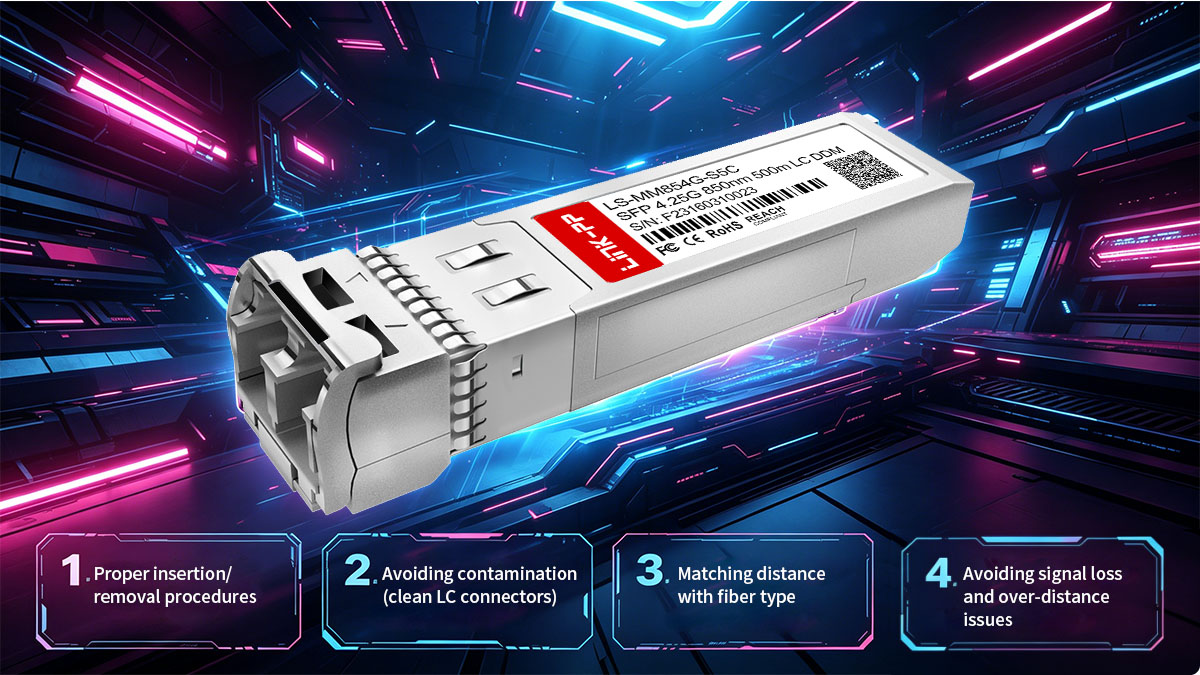
Correct installation of the DS-SFP-FC4G-SW is essential for maintaining signal integrity and avoiding avoidable link issues. As a hot-swappable fiber optic SFP module, it can be installed without powering down the switch, but proper handling procedures must still be followed.
Recommended installation practices include:
- Ensure the SFP slot is clean and free of dust before insertion
- Align the module carefully with the port before applying pressure
- Avoid touching the LC connector ferrule to prevent contamination
- Confirm that the module clicks securely into place
After installation, it is important to verify link status on the switch to ensure the module is correctly recognized and operational.
Optical Power Budget Planning
Proper optical power budget planning ensures that the DS-SFP-FC4G-SW operates within its optimal transmission range. Since it uses 850nm shortwave optics over multimode fiber, distance and fiber quality directly affect performance.
Key planning considerations include:
- Matching fiber type (OM2/OM3/OM4) with expected distance
- Avoiding excessive link length beyond 500m maximum specification
- Accounting for connector loss and patch panel insertion loss
- Ensuring TX and RX power levels remain within supported thresholds
A typical reference configuration can be summarized as:
| Fiber Type | Typical Reach | Performance Stability |
|---|---|---|
| OM2 | Short range | Basic stability |
| OM3 | Medium range | High stability |
| OM4 | Extended MMF | Best performance headroom |
Maintaining a balanced optical budget helps prevent signal degradation, packet loss, or intermittent connectivity issues in SAN environments.
Monitoring and Maintenance
Once deployed, continuous monitoring and routine maintenance are essential to ensure long-term stability of Fibre Channel links using the DS-SFP-FC4G-SW.
Effective maintenance practices include:
- Using DOM/DDM data to monitor temperature, voltage, and optical power
- Periodically inspecting and cleaning LC connectors
- Checking for gradual signal loss or increasing attenuation trends
- Replacing aging patch cables that may introduce hidden degradation
Regular use of diagnostic data allows administrators to detect early warning signs before they escalate into link failures. This proactive approach is especially important in enterprise SAN environments where downtime can directly impact critical applications and storage availability.
🌟 Common Issues and Troubleshooting
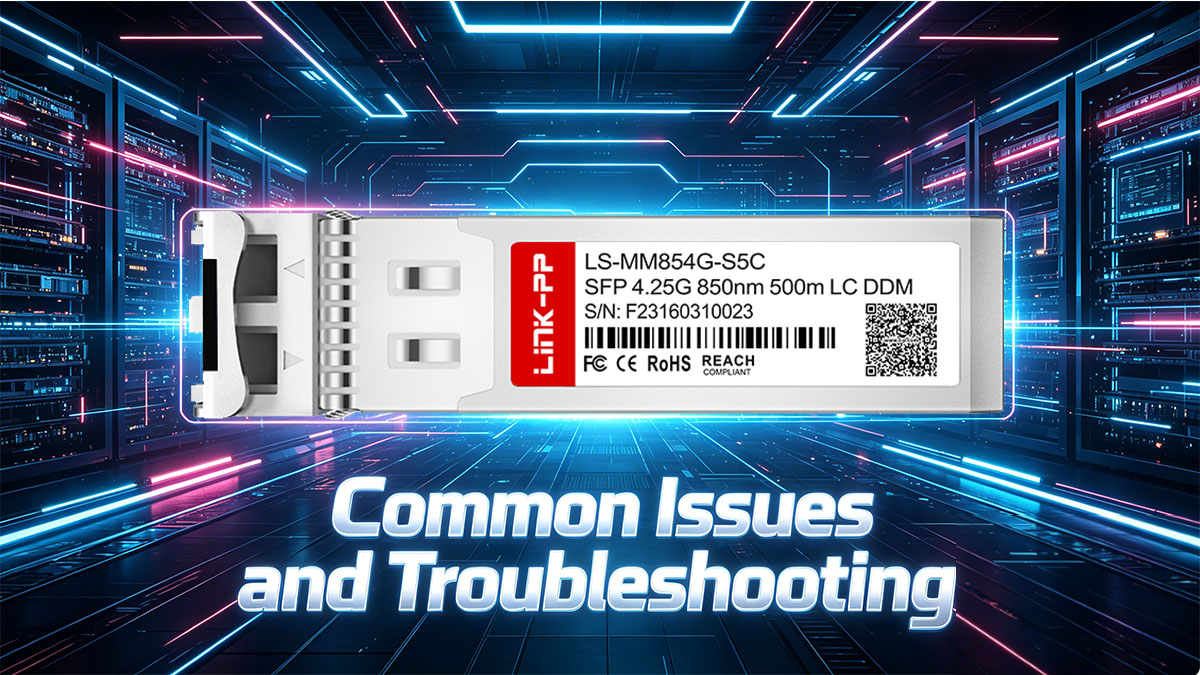
In Fibre Channel SAN environments using the Cisco DS-SFP-FC4G-SW, most operational problems are not caused by the transceiver itself, but by physical layer issues, compatibility mismatches, or fiber-related degradation. Understanding common failure patterns helps significantly reduce downtime and improve troubleshooting efficiency.
Link Failure or No Signal Detection
One of the most frequent issues is the absence of link activity after installation. This typically appears as a "no light" or "link down" status on the switch interface.
Common causes include:
- Incorrect fiber polarity (TX/RX reversed)
- Dirty or contaminated LC connectors
- Improperly seated fiber SFP module
- Fiber not connected to a compatible port or device
Troubleshooting steps:
- Verify TX/RX fiber pair alignment
- Clean connectors using approved fiber cleaning tools
- Re-seat the SFP module and confirm physical lock
- Test with a known-good fiber patch cable
These basic checks resolve a large portion of initial deployment issues without requiring module replacement.
Inconsistent Performance or Intermittent Connectivity
Intermittent link stability is often more difficult to diagnose than a complete failure. The DS-SFP-FC4G-SW may appear operational, but experience frame loss or fluctuating throughput.
Typical contributing factors include:
- Fiber attenuation approaching maximum budget limits
- Microbending or physical stress on fiber cables
- Aging or low-quality patch cords
- Environmental interference in dense cabling areas
Troubleshooting approach:
- Review DOM/DDM optical power levels for degradation trends
- Replace suspect patch cables with certified OM3/OM4 fiber
- Reroute cables to reduce bending radius stress
- Check for excessive insertion loss across patch panels
In most cases, gradual performance issues are linked to fiber infrastructure rather than the transceiver itself.
Compatibility Errors or Port Disablement
Another common issue occurs when the switch does not recognize the module or disables the port after insertion. This is often related to compatibility enforcement in Cisco environments.
Typical causes include:
- Non-Cisco coded or mismatched SFP modules
- Firmware restrictions on specific switch platforms
- Unsupported Fibre Channel speed negotiation
- Inconsistent EEPROM identification data
Key troubleshooting actions:
| Step | Action | Expected Result |
|---|---|---|
| 1 | Verify module part number recognition | Module identified correctly |
| 2 | Check switch logs for compatibility warnings | No EEPROM mismatch errors |
| 3 | Confirm supported FC speed configuration | 1G/2G/4G negotiation success |
| 4 | Update switch firmware if needed | Improved module recognition |
If the module is genuine and compatible, firmware updates or configuration adjustments typically resolve recognition issues.
Optical Power Imbalance
Optical power issues occur when transmit or receive levels fall outside acceptable thresholds, even if the link remains active.
Possible causes include:
- Excessive link distance beyond design limits
- Dirty or partially blocked connectors
- Faulty or degraded transceiver laser output
- High insertion loss in patch panels or couplers
Resolution steps:
- Check DOM/DDM readings for TX/RX imbalance
- Clean all optical interfaces in the signal path
- Reduce link distance or re-engineer fiber routing
- Replace aging transceivers if TX power degradation is confirmed
Maintaining proper optical balance is essential for preventing long-term instability and ensuring reliable Fibre Channel frame delivery.
🌟 Future Outlook of 4G Fibre Channel Transceivers
The Cisco DS-SFP-FC4G-SW represents a mature generation of Fibre Channel technology that continues to serve specific roles in enterprise storage networks. While the industry is steadily transitioning toward higher-speed standards, 4Gbps Fibre Channel transceivers remain relevant in controlled, cost-sensitive, and legacy-driven environments.
Declining Adoption in New SAN Deployments
In modern data center design, new SAN deployments rarely select 4G Fibre Channel as a baseline standard. Instead, higher-speed generations such as 16G, 32G, and beyond are becoming the default due to increasing storage demands and virtualization workloads.
Key trends driving reduced adoption include:
- Rapid growth in high-throughput applications such as AI and analytics
- Increased virtualization density requiring higher storage bandwidth
- Standardization around 16G and 32G Fibre Channel (such as DS-SFP-FC32G-SW) in new infrastructure
As a result, 4G transceivers like the DS-SFP-FC4G-SW are primarily used in maintenance or extension scenarios rather than new architectures.
Continued Role in Legacy Infrastructure
Despite declining new adoption, 4G Fibre Channel remains widely deployed in long-lived enterprise SAN environments. Many organizations maintain these systems due to their stability and the high cost of full infrastructure upgrades.
Typical continued-use scenarios include:
- Maintenance of existing Cisco MDS-based SAN fabrics
- Extension of storage systems with consistent performance requirements
- Environments where workloads do not require high bandwidth scaling
In these cases, DS-SFP-FC4G-SW modules continue to provide reliable performance, ensuring compatibility across older but stable storage ecosystems.
Hybrid and Transitional Network Strategies
A significant trend in enterprise storage evolution is the use of hybrid SAN environments, where multiple Fibre Channel generations coexist. The DS-SFP-FC4G-SW often plays a bridging role in these architectures.
Common hybrid deployment patterns include:
- Mixing 4G and 8G Fibre Channel switches within a staged upgrade path
- Gradual replacement of legacy storage arrays while maintaining compatibility
- Segmenting workloads based on performance requirements
This transitional strategy allows organizations to extend hardware lifecycle while progressively adopting higher-speed infrastructure without disrupting operations.
Long-Term Outlook and Practical Relevance
Over the long term, 4G Fibre Channel transceivers are expected to continue shifting from mainstream deployment components to niche infrastructure support devices. However, their relevance will not disappear entirely.
Their long-term value is defined by:
- Stable performance in non-accelerating workloads
- Cost efficiency for maintaining existing SAN systems
- Proven reliability in established Cisco Fibre Channel ecosystems
While innovation in Fibre Channel technology will continue to move forward, the DS-SFP-FC4G-SW will remain a practical solution in environments where stability, compatibility, and controlled operational cost are more important than maximum throughput.
🌟 Conclusion
The Cisco DS-SFP-FC4G-SW remains a reliable 4Gbps shortwave Fibre Channel SFP transceiver designed for stable, low-latency communication in enterprise SAN environments. While newer Fibre Channel standards such as 8G and 16G continue to dominate modern deployments, the DS-SFP-FC4G-SW still plays an important role in maintaining and extending existing Cisco Fibre Channel infrastructure, especially in systems where compatibility, stability, and cost control are key priorities.
Its long-term value can be summarized through several practical advantages that make it suitable for legacy and transitional SAN environments:
- Provides stable 1G/2G/4Gbps Fibre Channel connectivity for Cisco SAN systems
- Supports multimode shortwave transmission with reliable performance over short distances
- Ensures seamless integration with Cisco MDS and compatible Fibre Channel platforms
- Enables cost-efficient maintenance of existing storage networks without full infrastructure replacement
For organizations managing legacy Fibre Channel environments or planning gradual SAN upgrades, understanding the role of the DS-SFP-FC4G-SW is essential for maintaining operational continuity and optimizing infrastructure investment. If you are looking to explore compatible optical modules solutions or expand your Fibre Channel network with reliable alternatives, you can visit LINK-PP Official Store for more professional-grade connectivity options designed for enterprise data center applications.